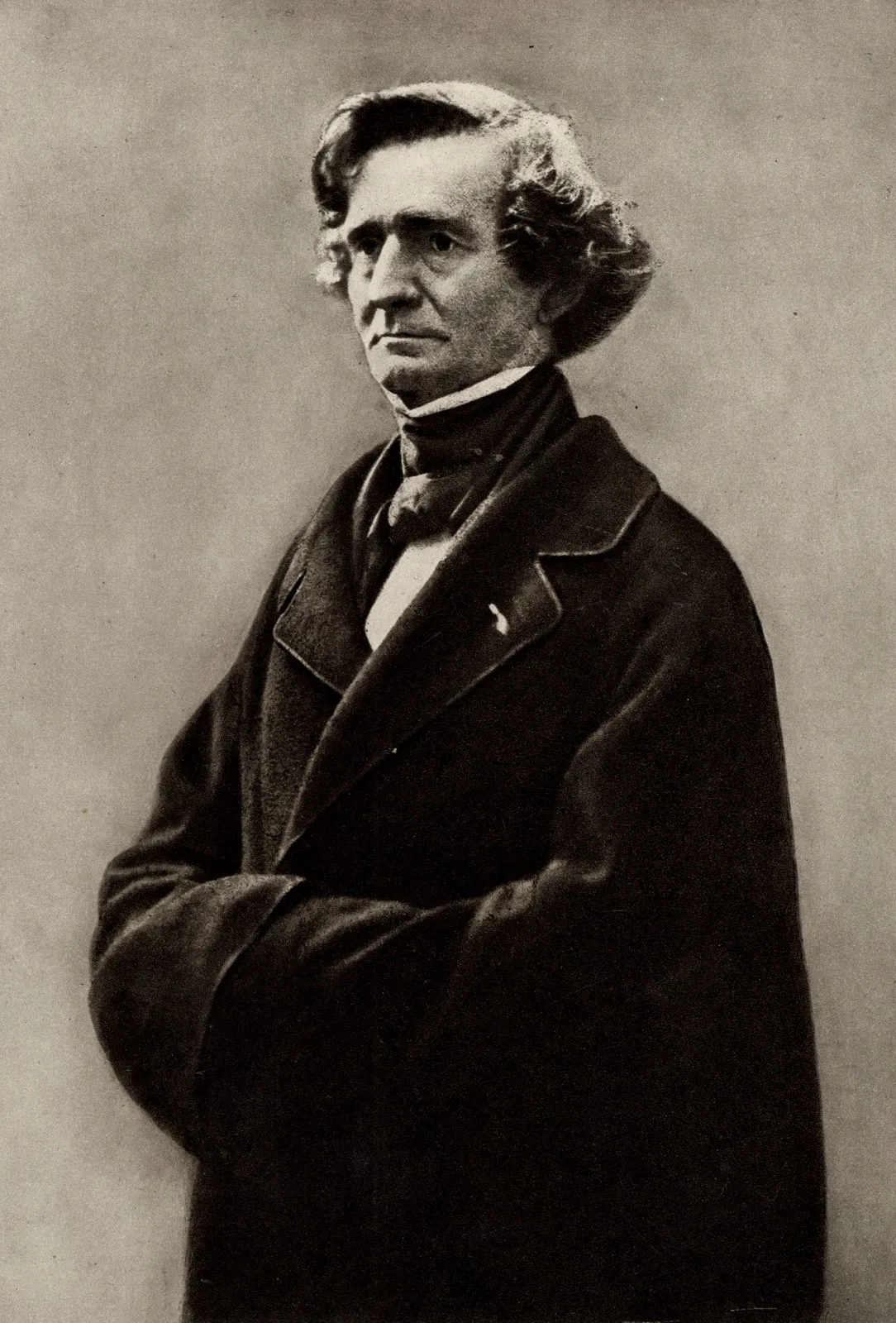
Hector Berlioz
Radical French Romantic composer whose Symphonie fantastique and Treatise on Orchestration redefined the modern orchestra.
Start typing to search worldwide archives and community tributes
Filterable archive covering centuries of intellectual, artistic, and moral contributions to the human story.
Radical French Romantic composer whose Symphonie fantastique and Treatise on Orchestration redefined the modern orchestra.
Lyric poet of French Romanticism whose 1820 collection Méditations poétiques launched the Romantic movement with 'Le Lac', and who served as head of the Provisional Government proclaiming the Second French Republic in 1848.
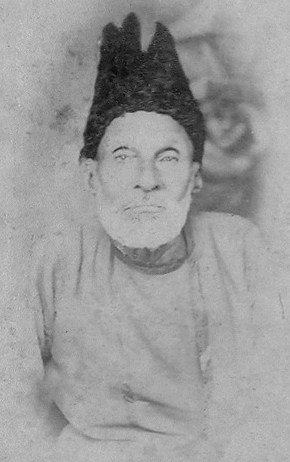
Preeminent classical Urdu and Persian poet (1797–1869) whose profound ghazals captured love, philosophical skepticism, and the tragic twilight of the Mughal Empire in Delhi.
Ottoman Grand Vizier, brilliant diplomat, and co-leader of the Tanzimat reforms who resolved the 1860 Mount Lebanon crisis and modernized the Ottoman state administration.
Renowned Mississauga Ojibwe writer and orator whose 1847 memoir made him the first Canadian Indigenous author to achieve international literary best-seller status, lecturing across Britain, Europe, and North America.
Venerated 19th-century spiritual master and reformer who founded the Fadiliyya branch of the Qadiriyya Sufi order, father and mentor of legendary anti-colonial leader Cheikh Ma El Aïnin.
Prolific Italian master of bel canto opera, world-renowned for The Barber of Seville and the iconic William Tell Overture.
Harriet Leveson-Gower, Duchess of Sutherland, was an influential British philanthropist, abolitionist campaigner, and Mistress of the Robes to Queen Victoria. In 1852, she authored the 'Stafford House Address', mobilizing over 560,000 British women to petition against American slavery, and hosted Harriet Beecher Stowe in London, funding transatlantic abolitionist and refugee relief.
Leading female patriot of the May Revolution in whose aristocratic salon the Argentine National Anthem was first sung in May 1813, president of the Sociedad de Beneficencia, and prolific diarist.
Heroine of the War of 1812 who walked thirty-two kilometers through swamps to warn British and Indigenous forces of an impending American attack.
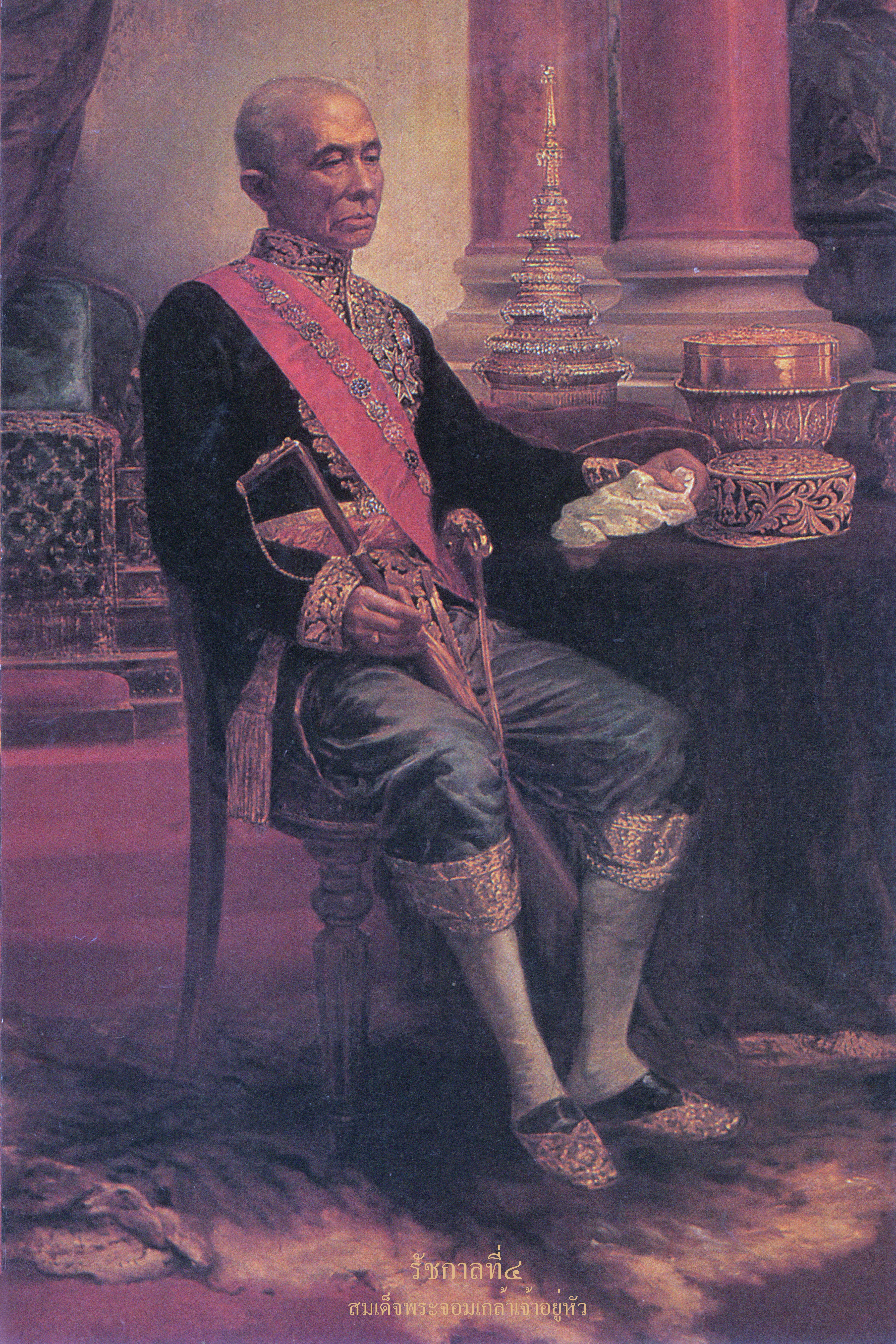
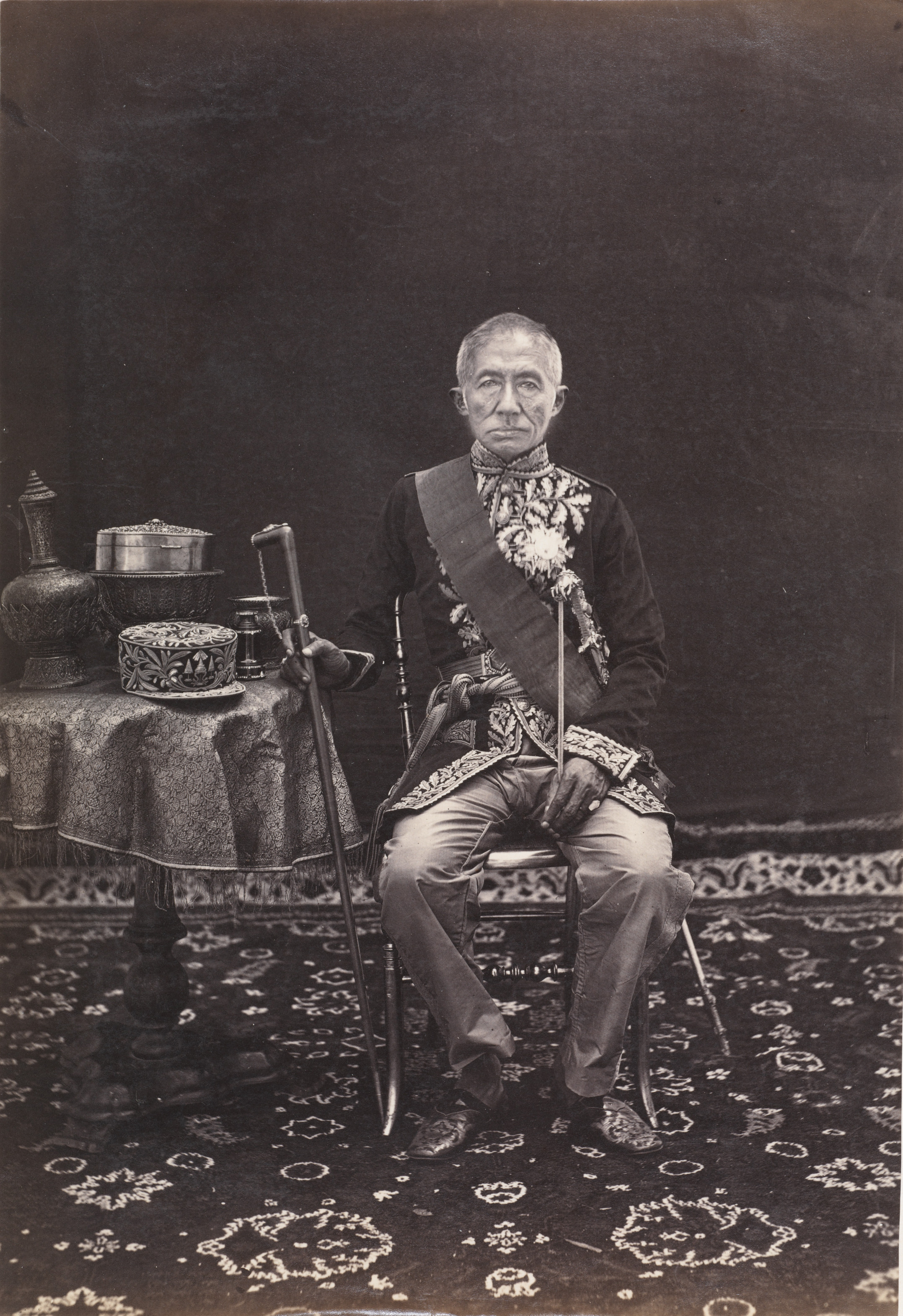
Fourth monarch of the Chakri Dynasty of Siam who embraced modern Western science and diplomacy to preserve Siamese independence from European colonial powers, celebrated as the Father of Thai Science.
Fourth monarch of Siam (1851–1868), scholarly Buddhist reformer and astronomer who opened Siam to modern science and international diplomacy, accurately calculated the total solar eclipse of 1868, and laid the foundations for Siamese modernization.
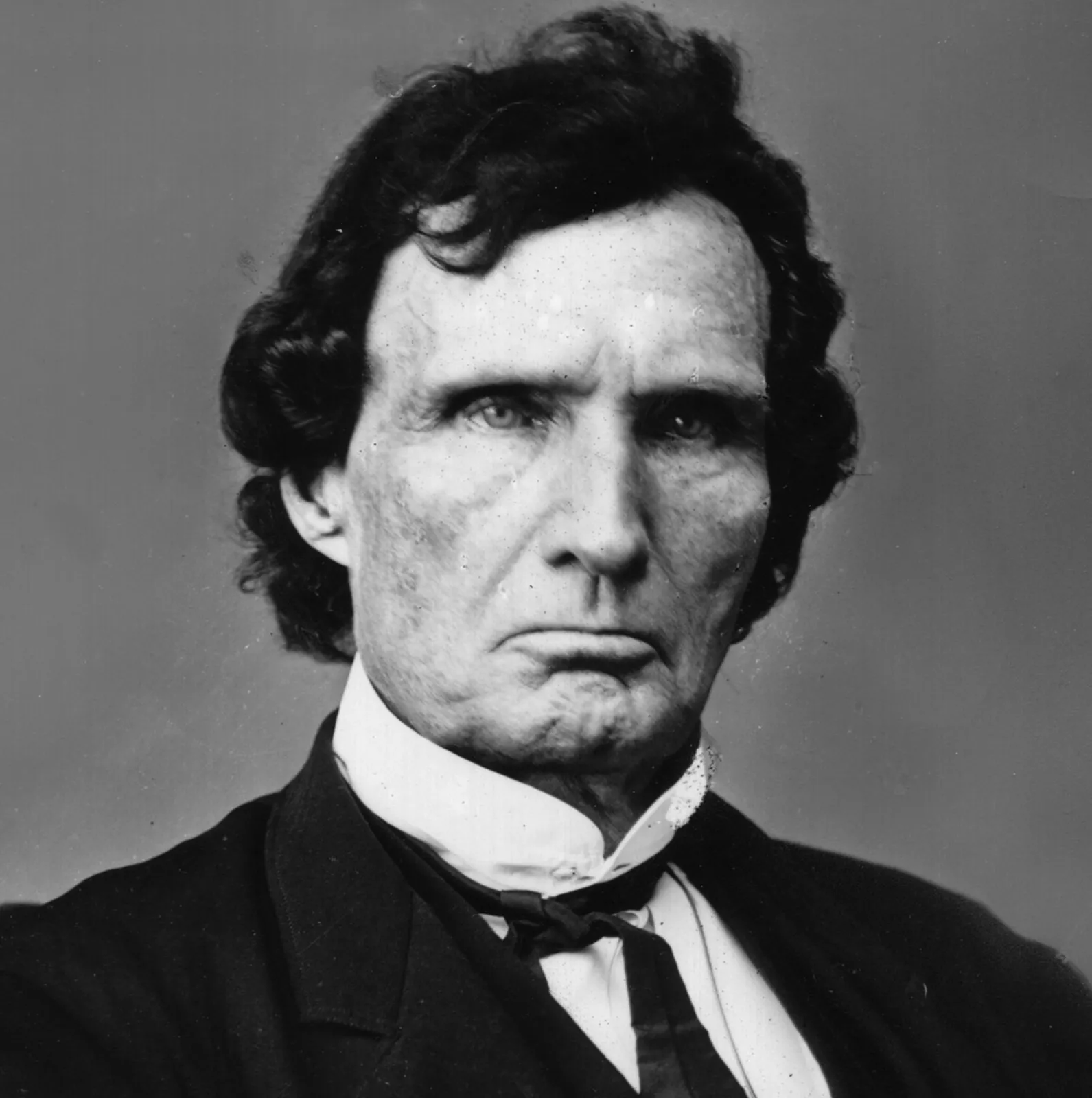
Formidable Radical Republican leader in the House of Representatives during the Civil War and Reconstruction who drafted the 14th Amendment and led the impeachment of Andrew Johnson.
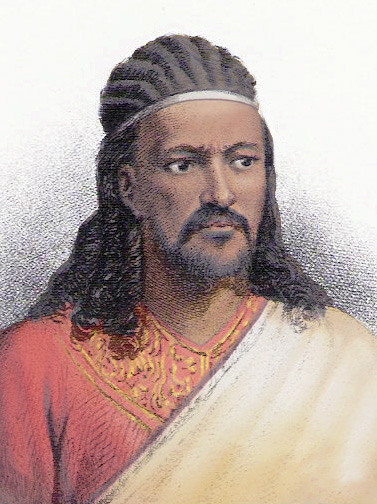
Visionary Emperor of Ethiopia (1855–1868) who ended the chaotic Zemene Mesafint (Era of Princes), reunified the empire, and chose suicide at Magdala rather than surrender to British invaders.
Visionary Emperor of Ethiopia who brought an end to the feudal 'Zemene Mesafint' era, began modernizing Ethiopia, and chose death over British surrender.
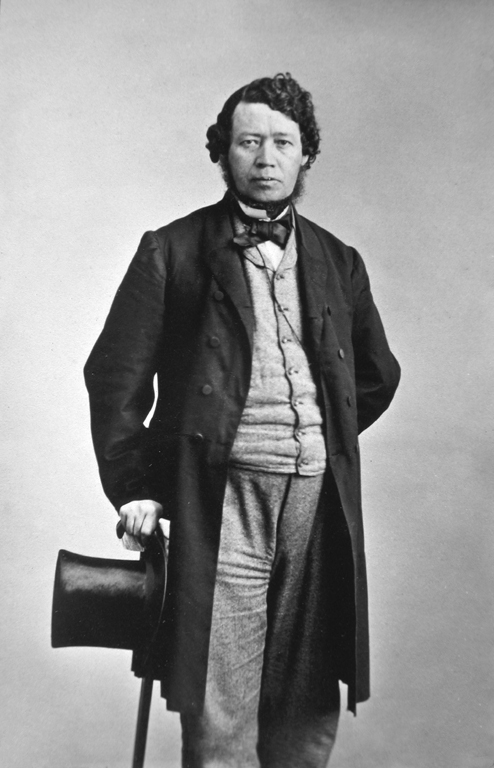
Passionate Irish-Canadian orator and Father of Confederation whose poetic vision of a new northern nationality inspired Confederation, and who became Canada's first assassinated politician.
Foremost Swedish symphonist of the 19th century whose visionary orchestral masterpieces, including 'Sinfonie singulière', went unappreciated in his lifetime while he ran an orthopedic clinic and glassworks.
Foremost Austrian Biedermeier novelist and painter whose exquisite nature prose and monumental novel 'Der Nachsommer' ('Indian Summer') celebrated moral harmony and cosmic order in nature.