Public Figures & Cultural Luminaries
Filterable archive covering centuries of intellectual, artistic, and moral contributions to the human story.
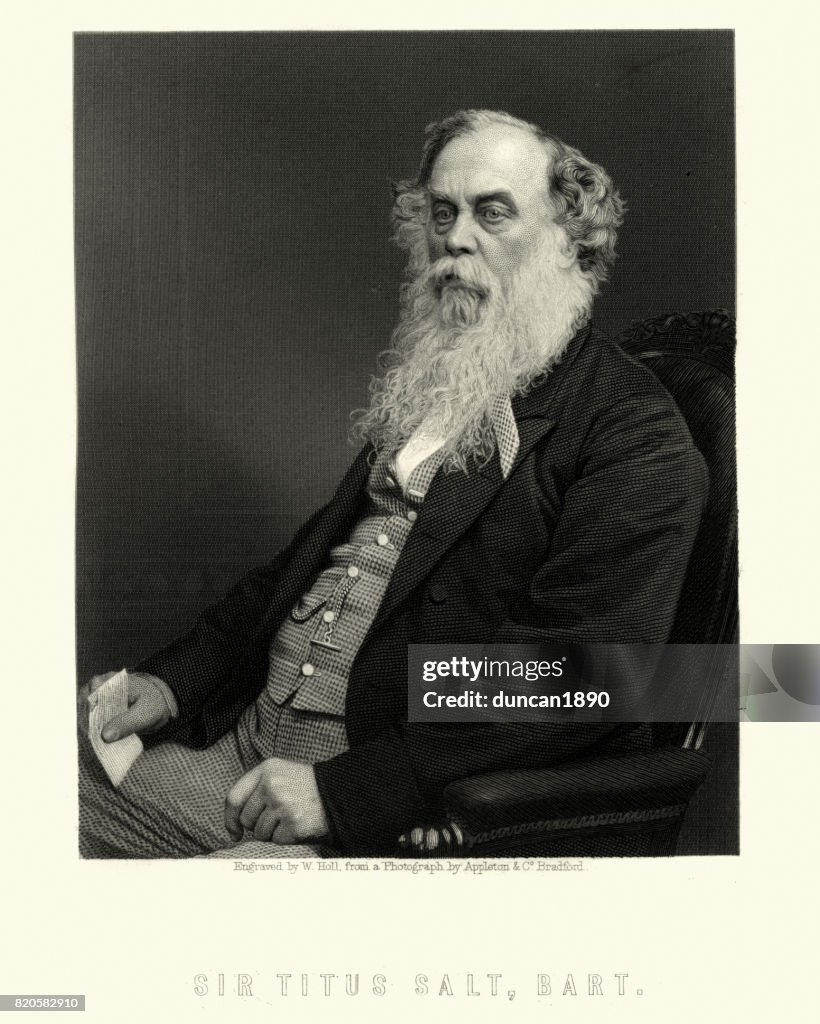
Sir Titus Salt, 1st Baronet
 (Titus Salt)
Manufacturier textile et réformateur social britannique, créateur du village ouvrier modèle de Saltaire offrant des logements salubres, un hôpital et des écoles.
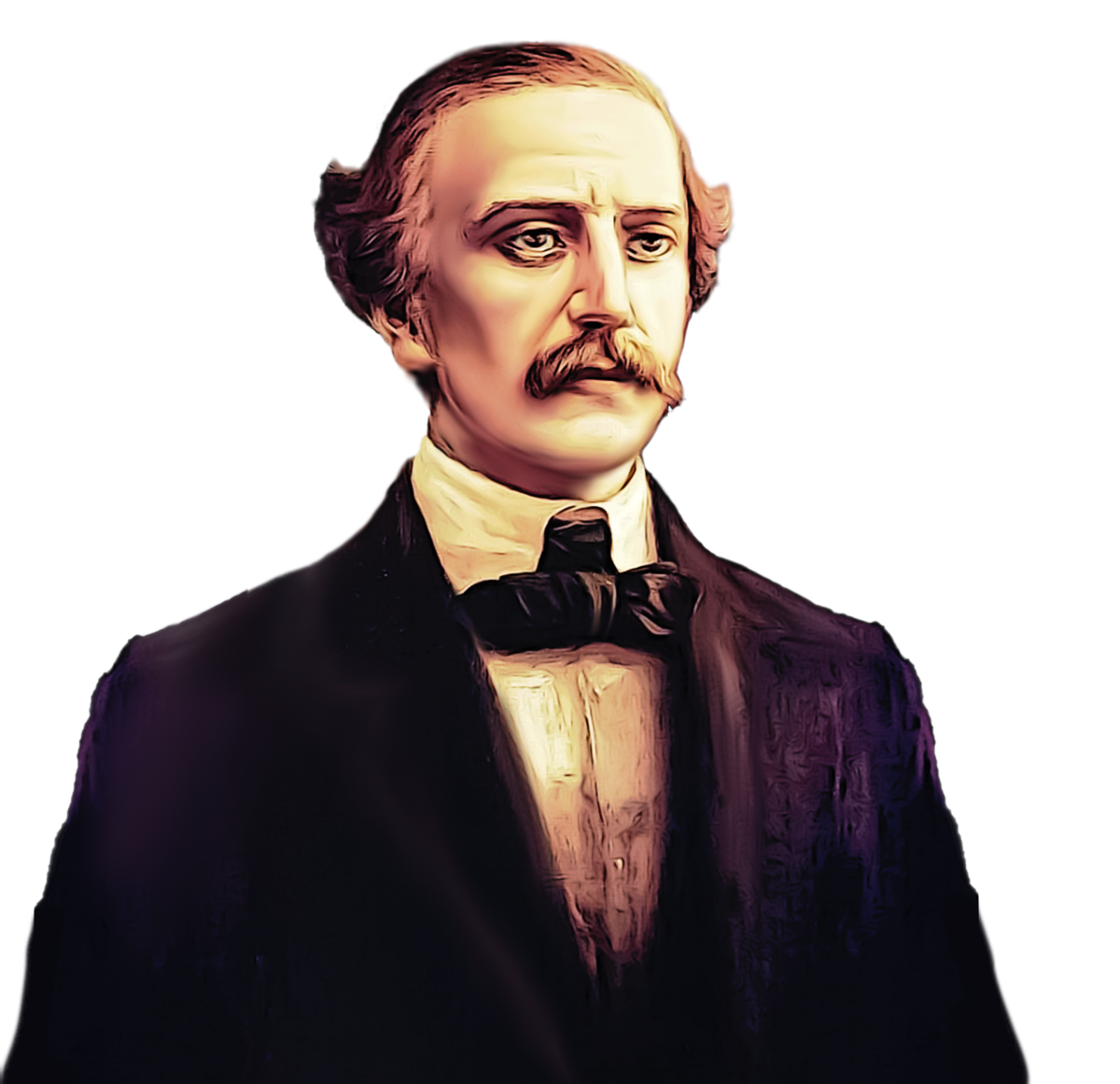
Juan Pablo Duarte (Juan Pablo Duarte y Díez)
Supreme Father of the Homeland (Padre de la Patria) who founded the secret revolutionary society 'La Trinitaria' in 1838 and designed the Dominican flag and democratic ideals that gave birth to the Republic in 1844.
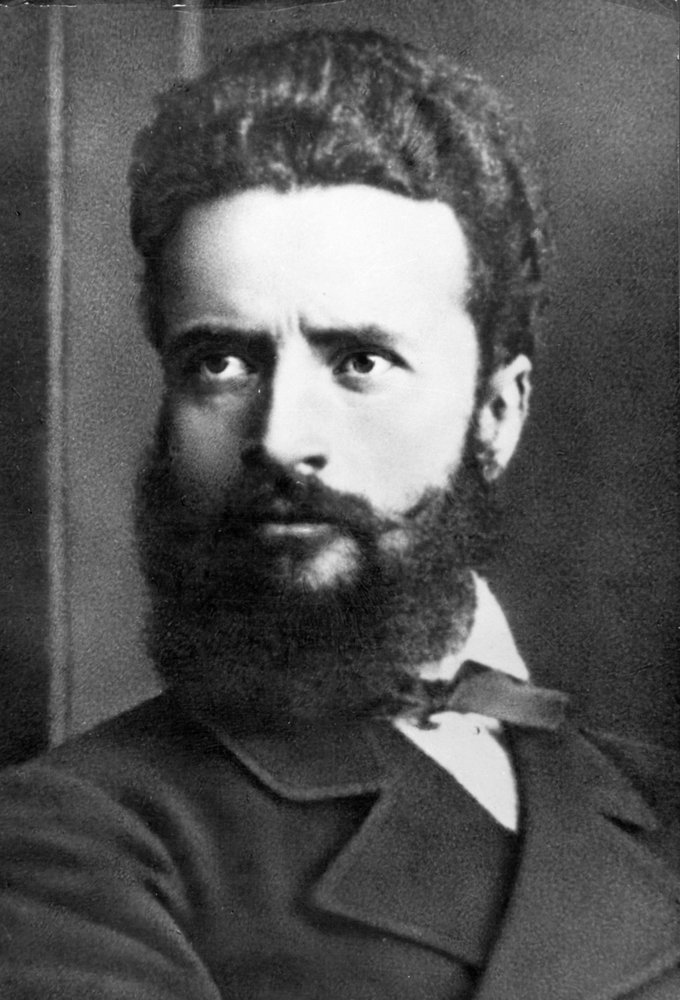
Hristo Botev
 (Христо Ботев)
Brilliant revolutionary poet and national martyr whose incandescent patriotic verses and heroic landing aboard the steamship Radetzky during the 1876 April Uprising made him an immortal national icon.
František Palacký
 (František Palacký)
Visionary historian and political leader revered as 'Otec národa' (Father of the Nation) whose monumental 5-volume 'History of the Czech Nation' shaped national identity and who presided over the 1848 Slavic Congress.
Denis Rapontchombo
 (Antchouwé Kowe Rapontchombo)
Legendary Mpongwe monarch and master diplomat who governed the southern entrance of the Gabon Estuary at Point Denis for nearly seven decades, decorated by French, British, and Spanish kings for maritime diplomacy.
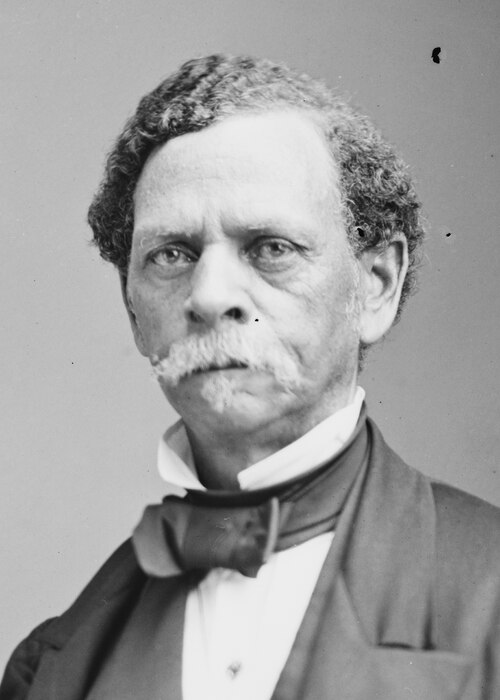
Joseph Jenkins Roberts
 (Joseph Jenkins Roberts)
First and seventh President of the Republic of Liberia who proclaimed Liberian independence on July 26, 1847, and secured international recognition for Africa's first modern republic.
Gabriel García Moreno
 (Gabriel Gregorio Fernando José María García Moreno y Morán de Buitrón)
Controversial and powerful statesman who unified Ecuador, built the Pan-American highway precursor, founded the National Polytechnic School and Astronomical Observatory, assassinated on palace steps in 1875.
Hans Christian Andersen
 (Hans Christian Andersen)
Denmark's most famous literary son and immortal author of 156 fairy tales, including 'The Little Mermaid', 'The Ugly Duckling', 'The Emperor's New Clothes', and 'The Snow Queen', translated into over 125 languages.
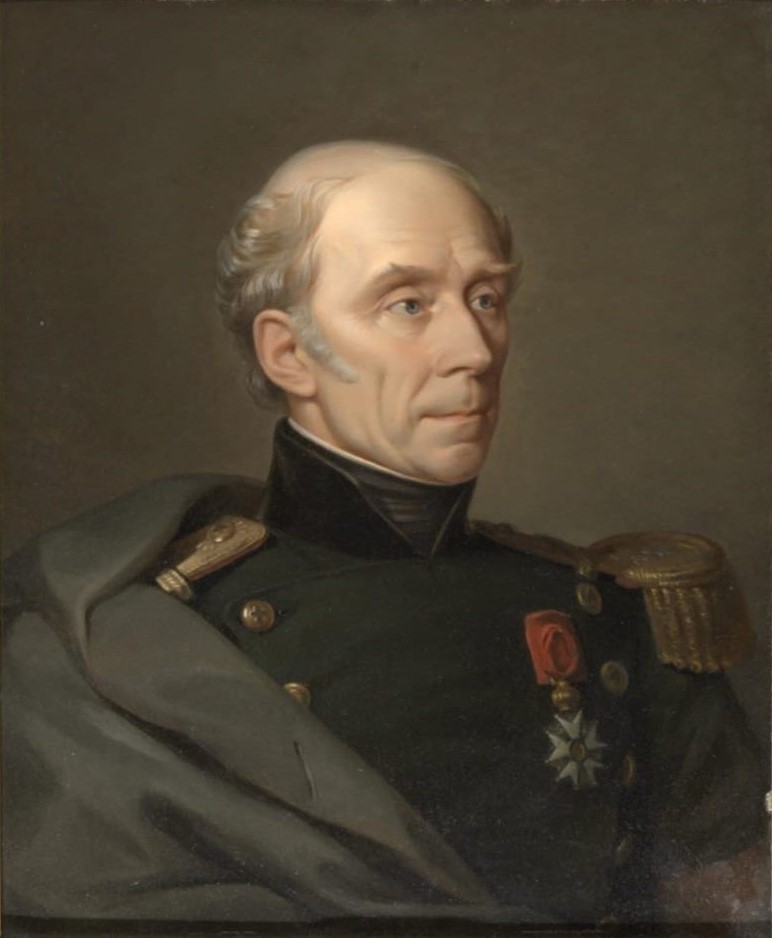
Guillaume-Henri Dufour
 (Guillaume-Henri Dufour)
Général et ingénieur suisse, héros unificateur de la guerre du Sonderbund, premier président du Comité international de la Croix-Rouge (1863-1864).
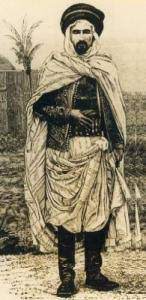
Cherif Bouchoucha
 (الشريف بوشوشة)
Legendary Saharan guerrilla commander who mobilized the desert tribes of Ouargla, Touggourt, and the M'zab from 1862 to 1874 against French colonial conquest.
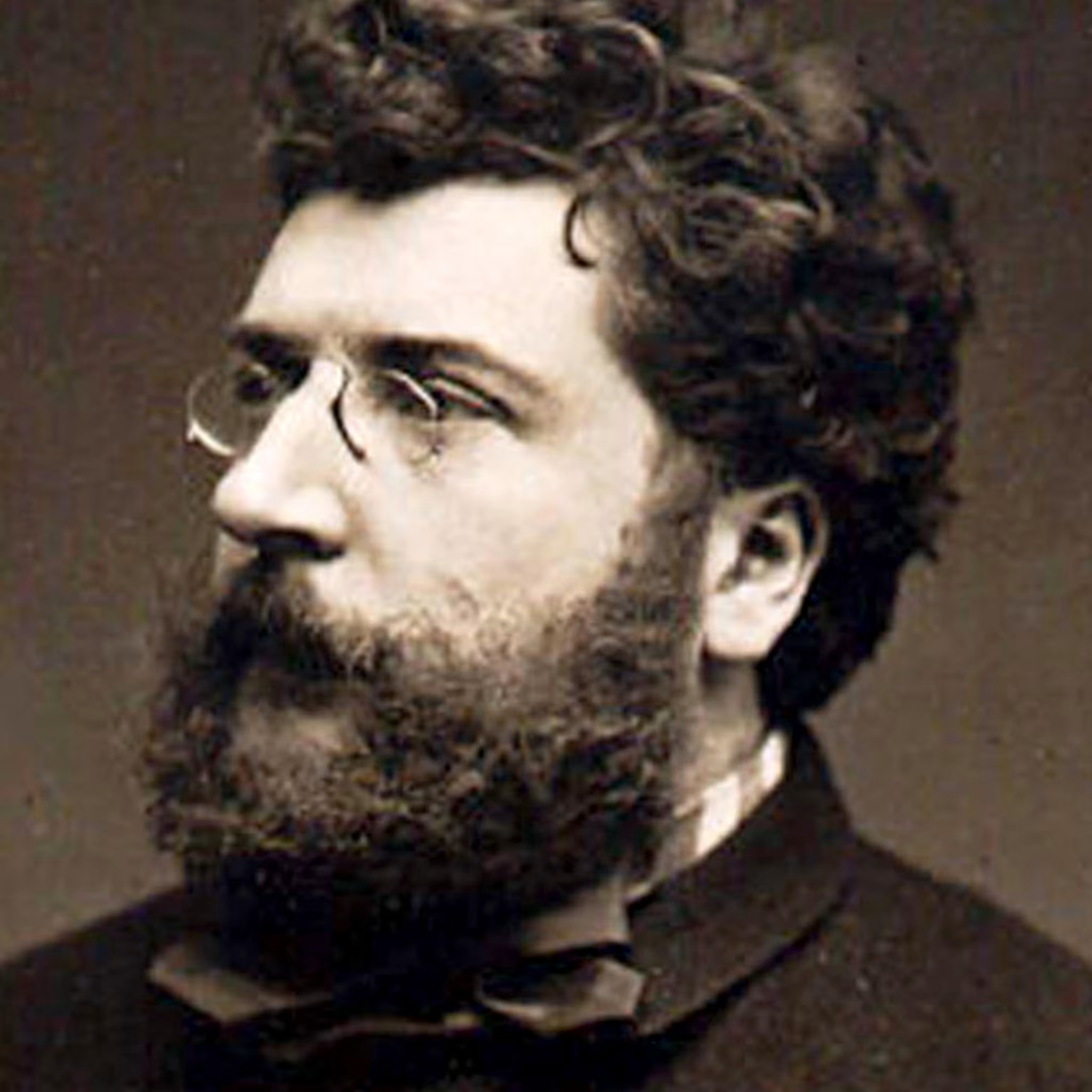
Georges Bizet
 (Georges Bizet)
French Romantic composer who created Carmen, one of the most popular and influential operas in the global repertoire.
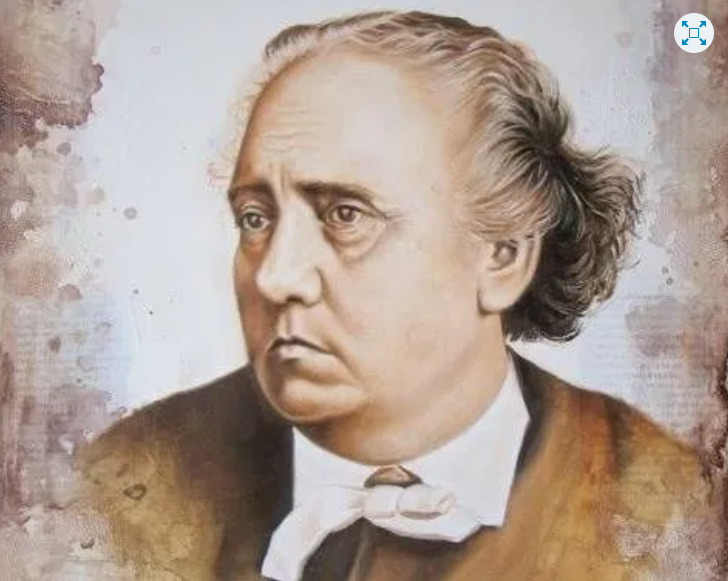
Juana Manso
 (Juana Paula Manso de Noronha)
Pioneering Argentine feminist, educator, and novelist who founded Latin America's first feminist journal, Álbum de Señoritas, and co-created Argentina's modern secular co-educational public school system.
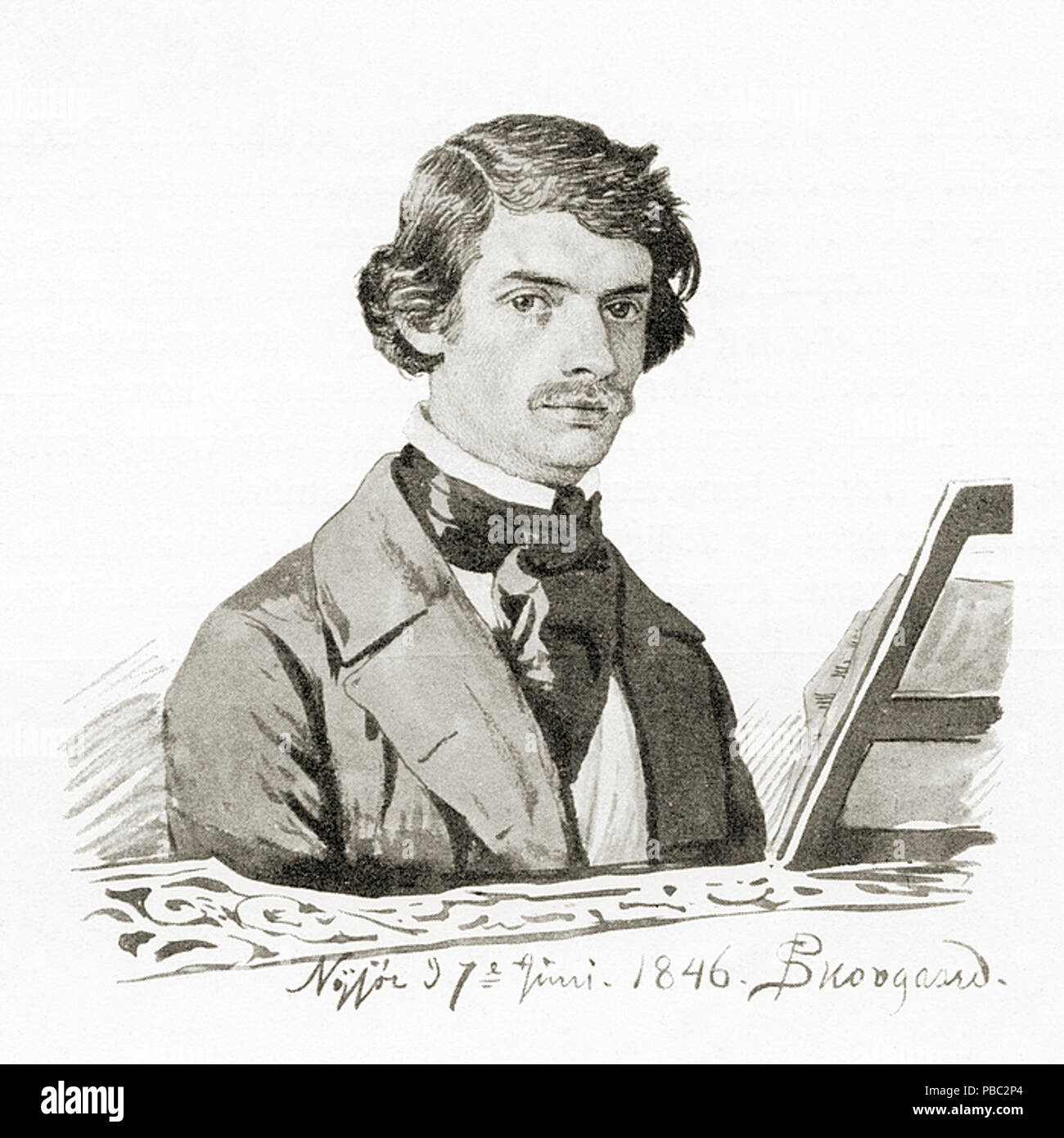
Peter Christian Skovgaard
(Peter Christian Thamsen Skovgaard)
Foremost landscape painter of Danish National Romanticism whose monumental canvases of sun-dappled beech forests and lakes celebrated Denmark's idyllic natural beauty.
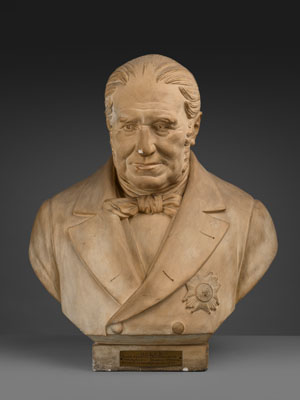
Jean-Baptiste d'Omalius d'Halloy
 (Jean-Baptiste Julien d'Omalius d'Halloy)
Pioneering Walloon geologist who named the Cretaceous geological period (1822), produced the first modern geological map of the Paris Basin, and served as President of the Belgian Senate.
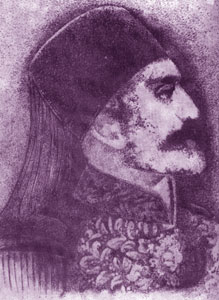
Ahmad Ibn Abi Diyaf
 (أحمد بن أبي الضياف)
Preeminent nineteenth-century Tunisian statesman, reformist intellectual, and historian whose monumental chronicle Ithaf Ahl al-Zaman provided an indispensable analytical record of Tunisian statecraft, modernization, and constitutional thought.
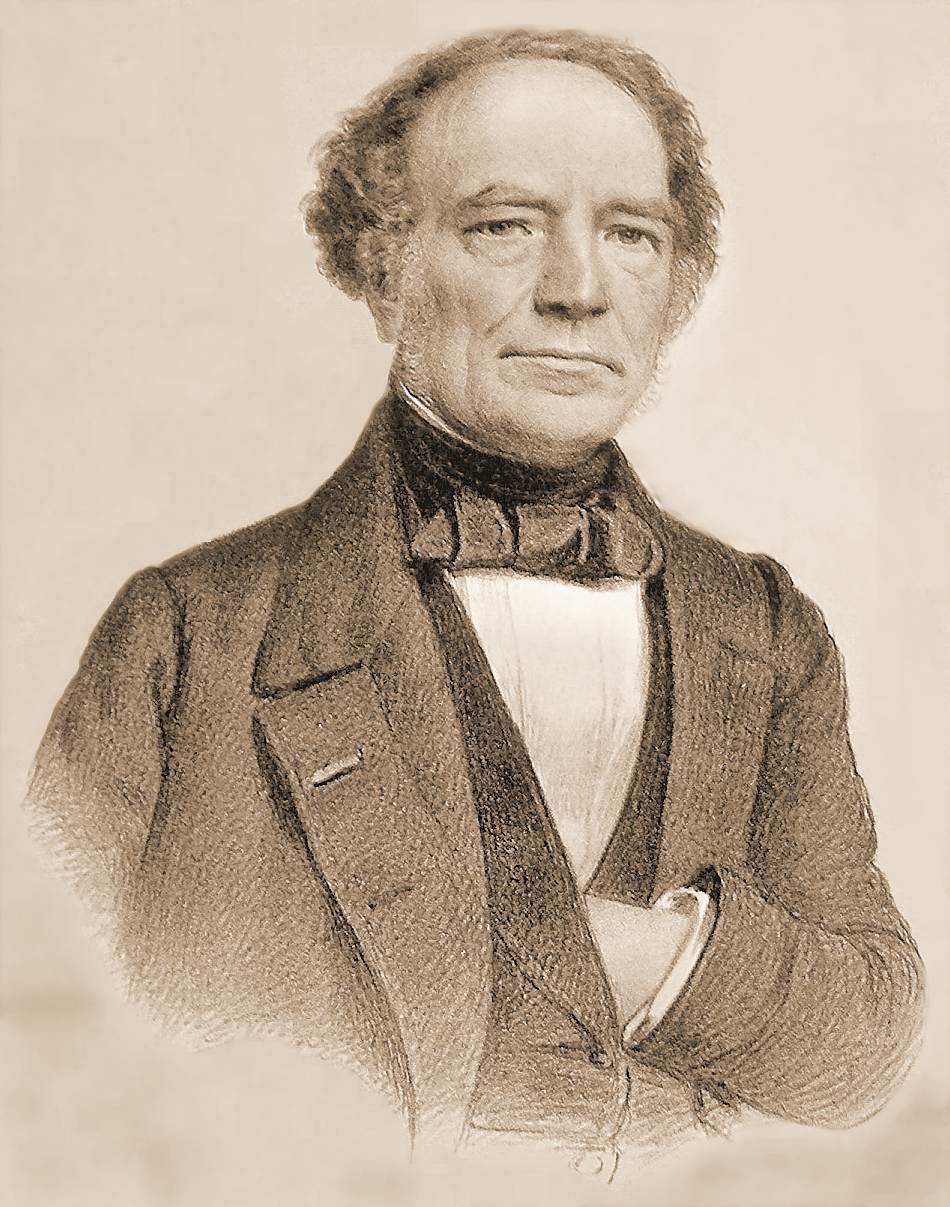
Barthélémy de Theux de Meylandt
(Barthélémy-Théodore de Theux de Meylandt)
Dominant Catholic conservative statesman who served three terms as Prime Minister of Belgium (1834–1840, 1846–1847, 1871–1874), guiding the peaceful ratification of the Treaty of London in 1839.
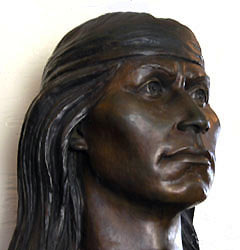
Cochise
(Cheis)
Legendary Chiricahua Apache war leader who waged a masterclass guerrilla war from the Dragoon Mountains, fiercely protecting his homeland for over a decade.
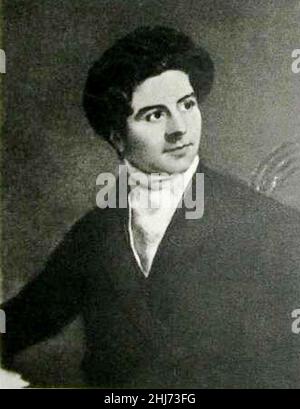
Sylvain Van de Weyer
(Jean-Sylvain Van de Weyer)
Founding father of independent Belgium who served in the 1830 Provisional Government, became Prime Minister (1845–1846), and secured British diplomatic support as ambassador to London for over thirty years.