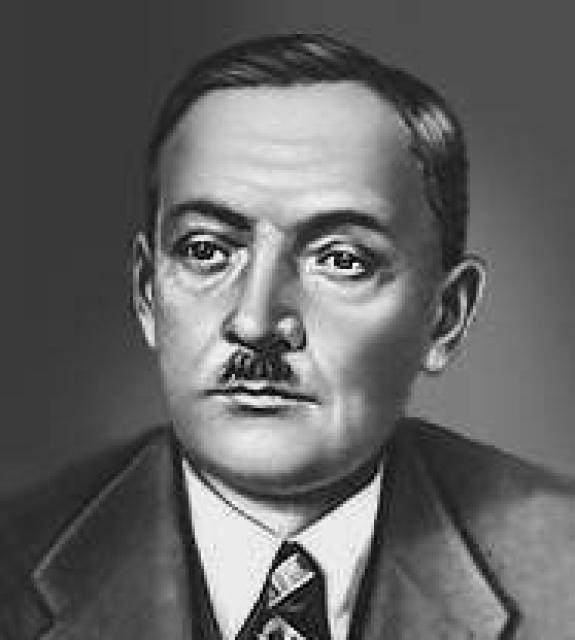
Yanka Kupala
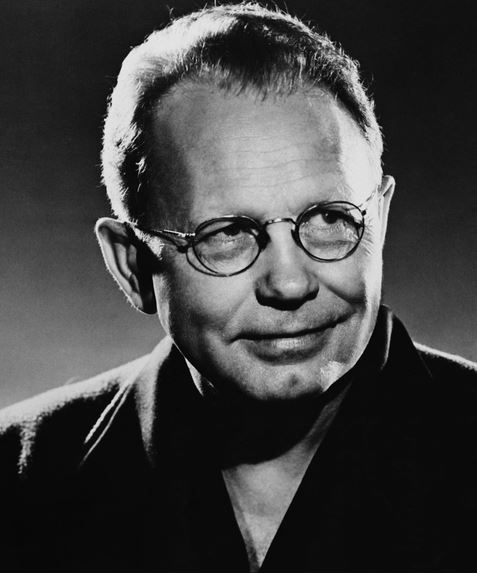
Spiritual and literary patriarch of modern Belarus whose iconic 1908 anthem 'A kto tam idzie?' ('Who Goes There?') declared the awakening and dignity of the Belarusian nation to the world.
Start typing to search worldwide archives and community tributes
Filterable archive covering centuries of intellectual, artistic, and moral contributions to the human story.
Spiritual and literary patriarch of modern Belarus whose iconic 1908 anthem 'A kto tam idzie?' ('Who Goes There?') declared the awakening and dignity of the Belarusian nation to the world.
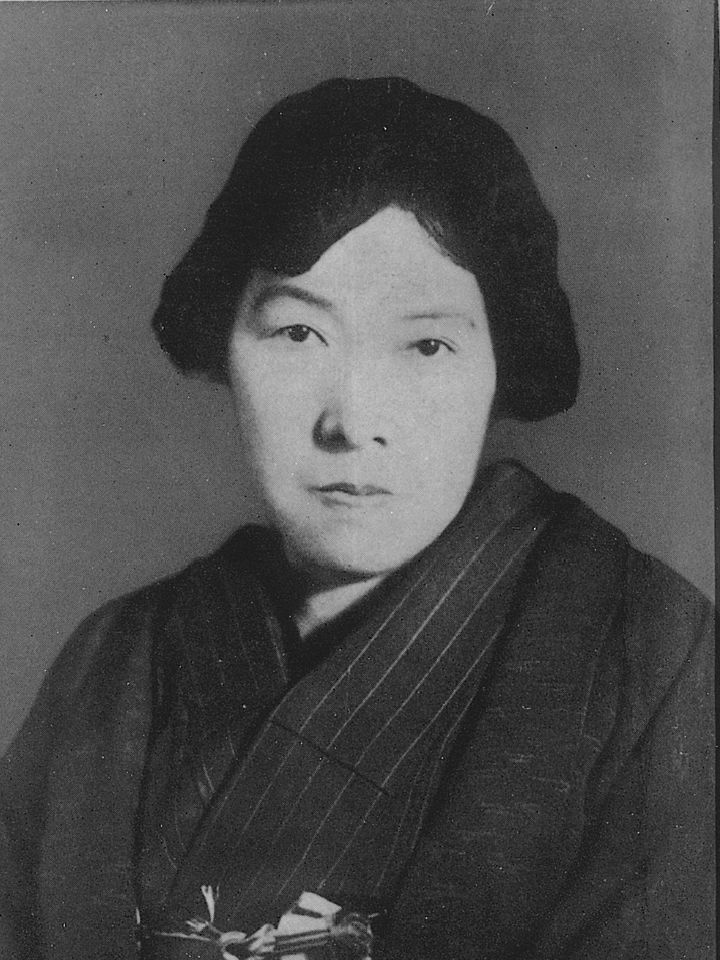
Groundbreaking Japanese poet, feminist, and social reformer (1878โ1942) whose daring 1901 poetry collection 'Midaregami' (Tangled Hair) revolutionized modern tanka verse, and whose anti-war poem 'Thou Shalt Not Die' challenged militarism.
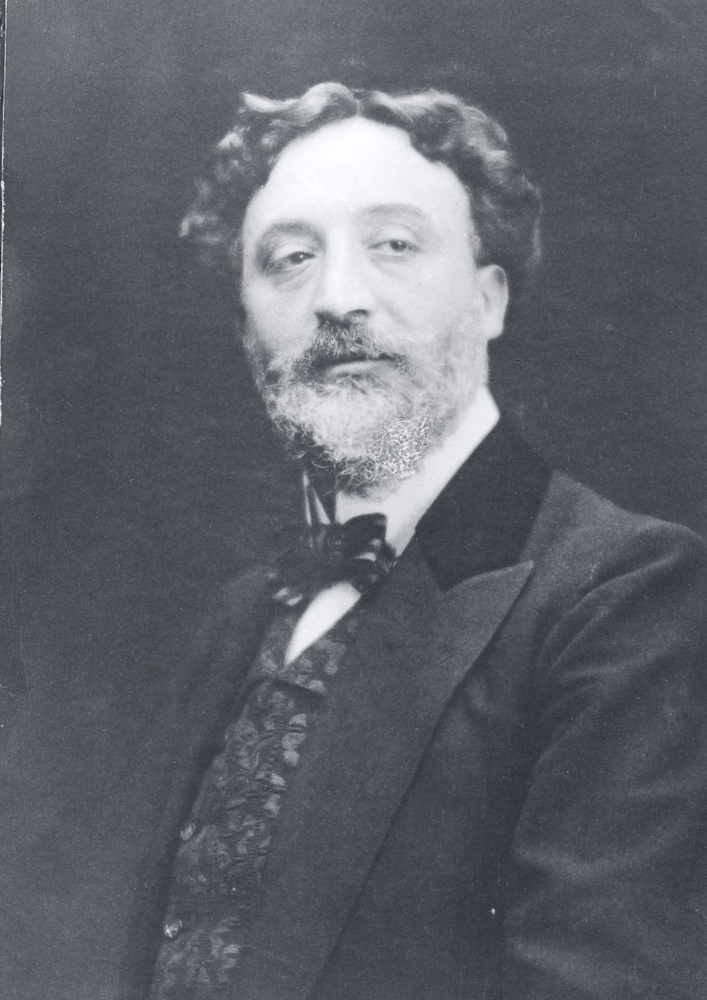
French architect and industrial designer celebrated as the premier exponent of French Art Nouveau, world-famous for his sinuous cast-iron Paris Mรฉtro station entrances.
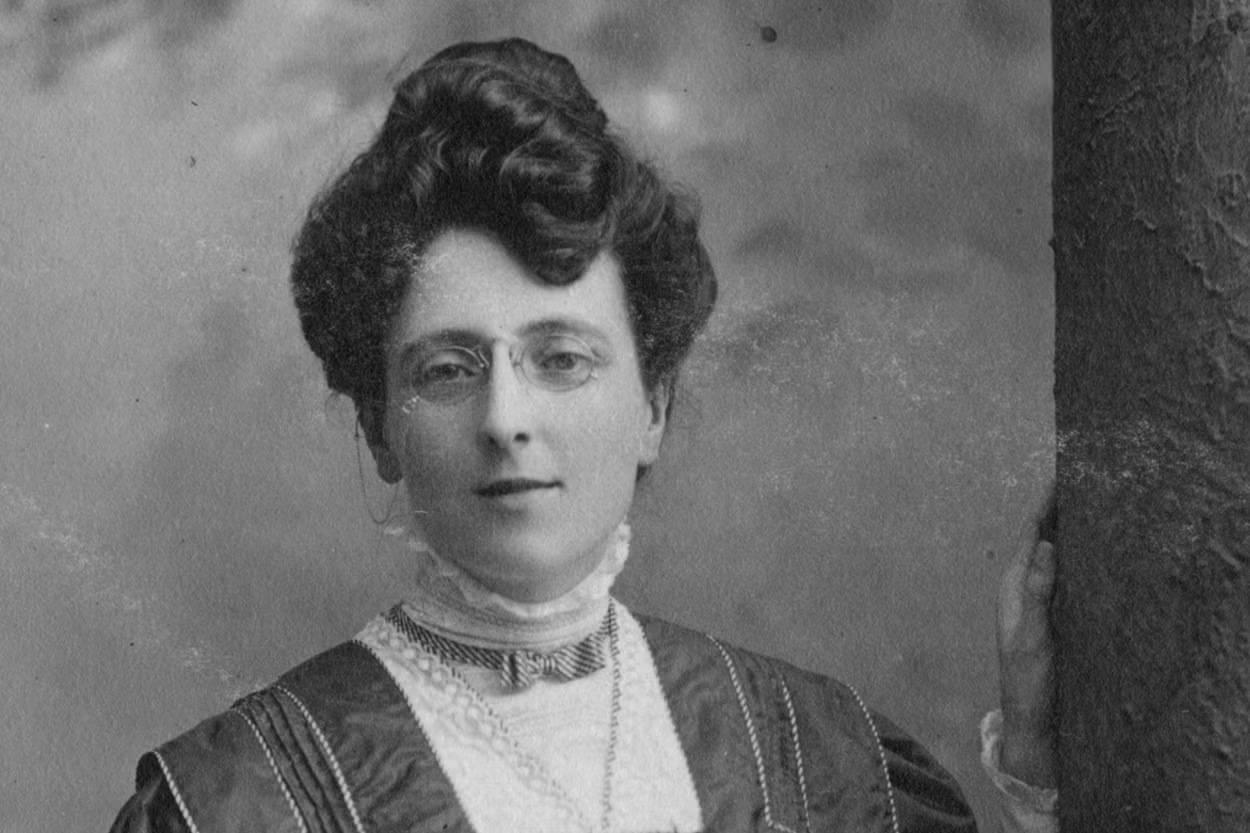
World-renowned Prince Edward Island novelist whose 1908 classic Anne of Green Gables captured the hearts of millions of readers across the globe and established an enduring symbol of Canadian youth and imagination.
French physical chemist who won the 1926 Nobel Prize in Physics for his experimental proof of the discontinuous nature of matter (verifying Einstein's Brownian motion and determining Avogadro's constant), and founded the CNRS.
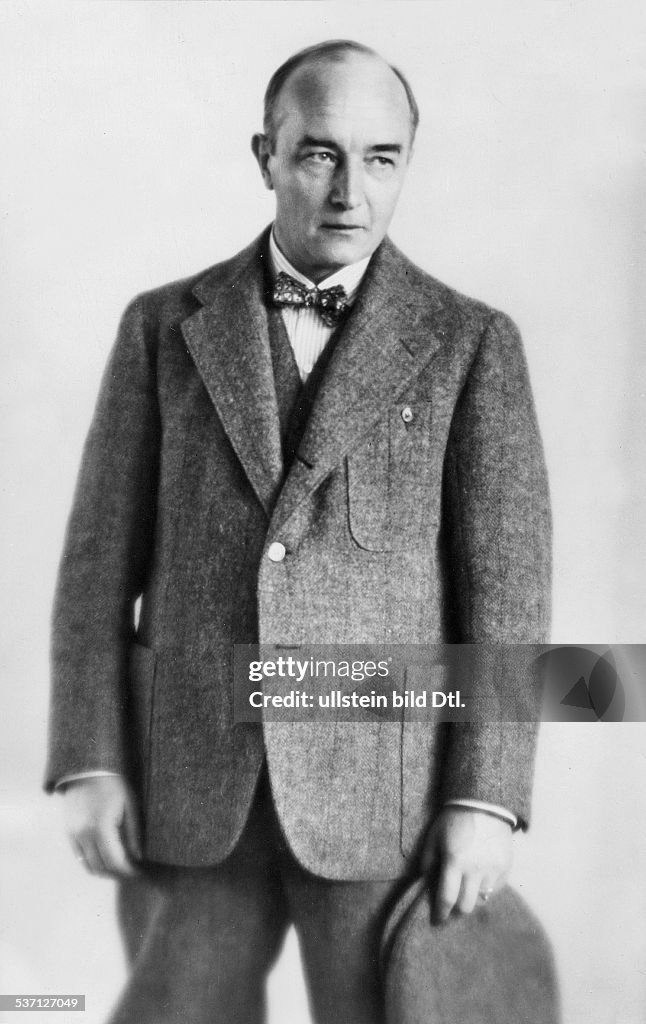
One of the twentieth century's supreme modernist novelists whose monumental philosophical masterpiece 'Der Mann ohne Eigenschaften' ('The Man Without Qualities') dissected the decline of the Austro-Hungarian Empire.
Saintly social reformer and Methodist minister who championed immigrant workers in Winnipeg, founded the Co-operative Commonwealth Federation (CCF) in 1932, and forced Canada's first old-age pensions.
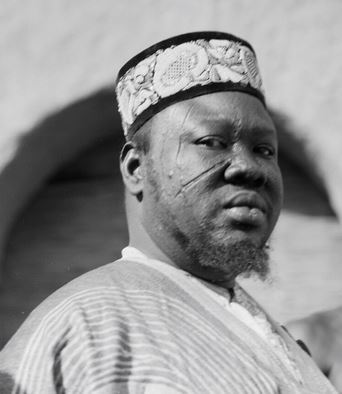
Thirty-second Mogho Naba who navigated the colonial era for thirty-seven years, defending traditional Mossi chieftaincy customs and providing leadership during World War I and II.
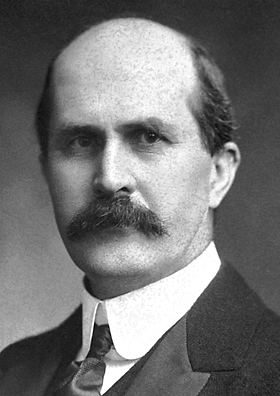
British physicist and mineralogist who co-invented X-ray crystallography with his son Lawrence Bragg, winning the 1915 Nobel Prize in Physics for deciphering crystal lattice structures.
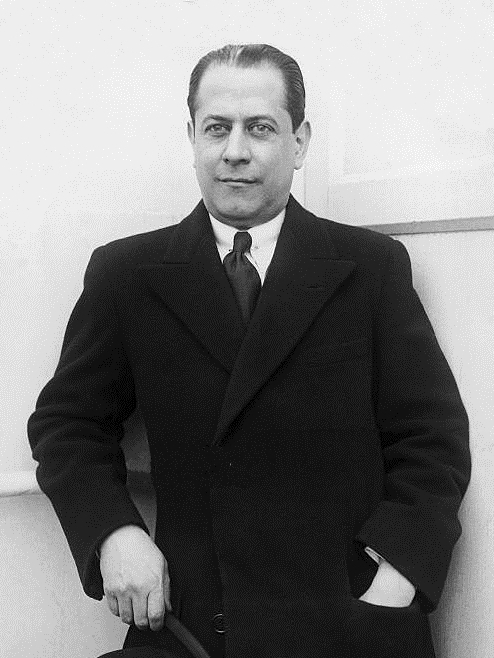
Third World Chess Champion hailed as the 'Chess Machine' for his effortless intuition, infallible endgame technique, and eight-year undefeated tournament streak.
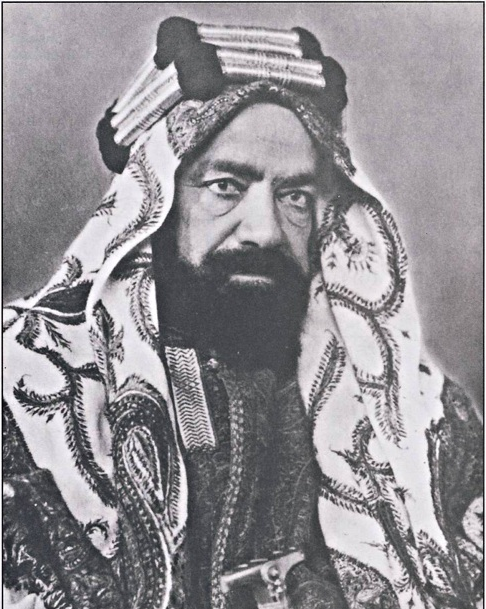
Ruler of Bahrain from 1932 to 1942 during whose reign oil was first discovered in the Arabian Gulf in 1932, constructing the historic Shaikh Hamad Causeway connecting Manama and Muharraq.
American Regionalist painter renowned for his iconic masterpiece American Gothic and stylized Midwestern landscapes.
Second President of Finland (1925โ1931) and agronomist who broke Finland's post-independence diplomatic isolation by undertaking pioneering state visits to Sweden, Norway, Denmark, Estonia, and Latvia.
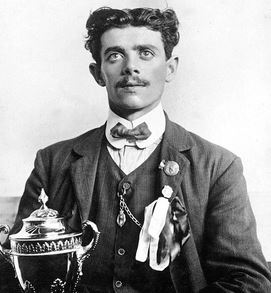
Dorando Pietri was an Italian marathon runner whose dramatic, agonizing collapse and disqualification yards from the finish line at the 1908 London Olympic Games became the most celebrated moment of drama in early Olympic history. Disqualified after being assisted over the line by compassionate officials, he was presented with a special silver gilded cup by Queen Alexandra, becoming a worldwide folk hero.
Tormented bohemian poet whose incandescent, melancholic verseโcelebrated in 'Canciรณn de la vida profunda' and 'Acuarimรกntima'โmade him the archetypal 'poรจte maudit' of Latin American modernism.
Celebrated Quebec painter and printmaker whose vibrant, jewel-like canvases captured the light, snow, and village life of Charlevoix.
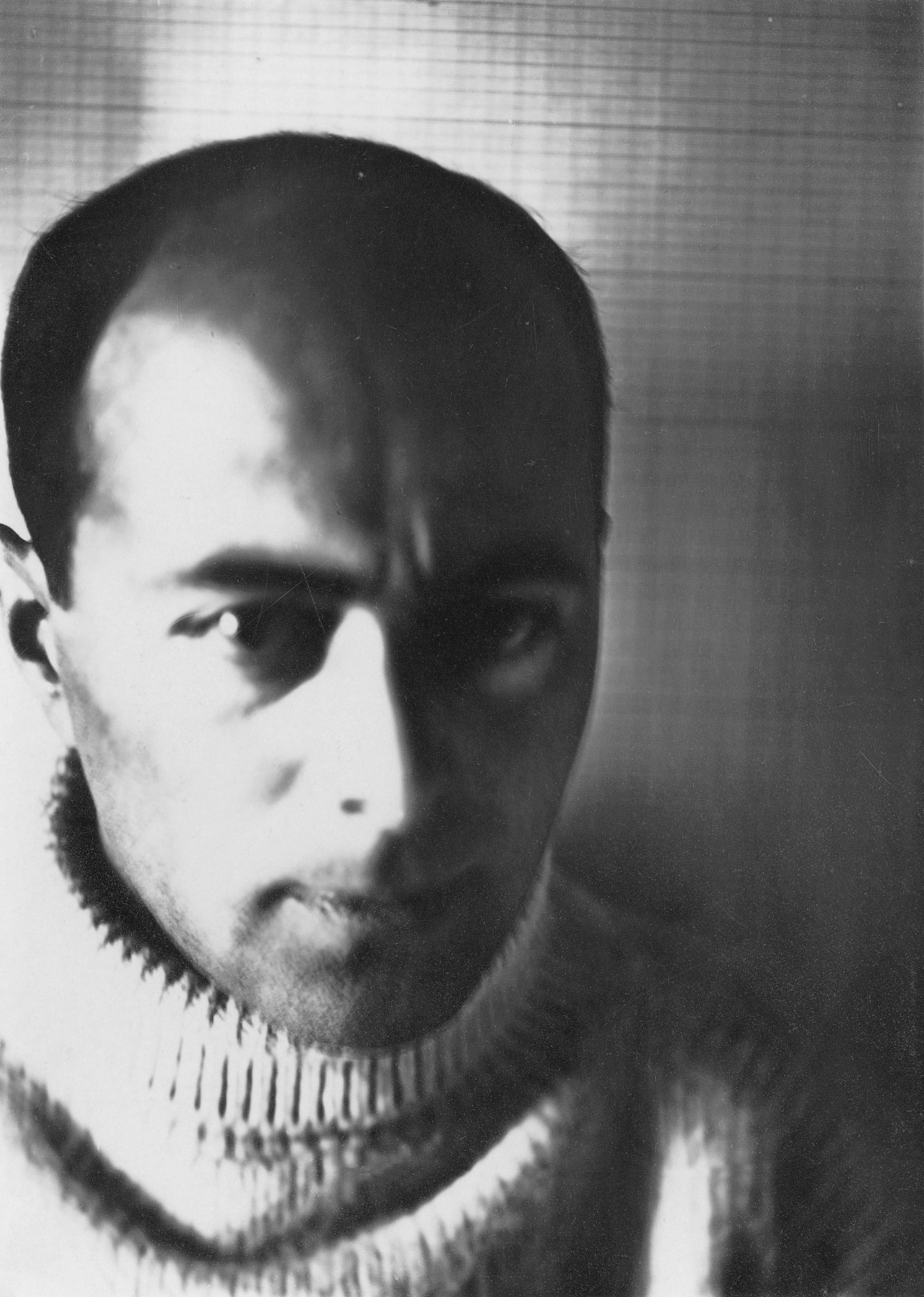
Russian avant-garde designer, architect, and typographer whose 'Proun' compositions and revolutionary graphic designs bridged Suprematism, Constructivism, and European modernism.
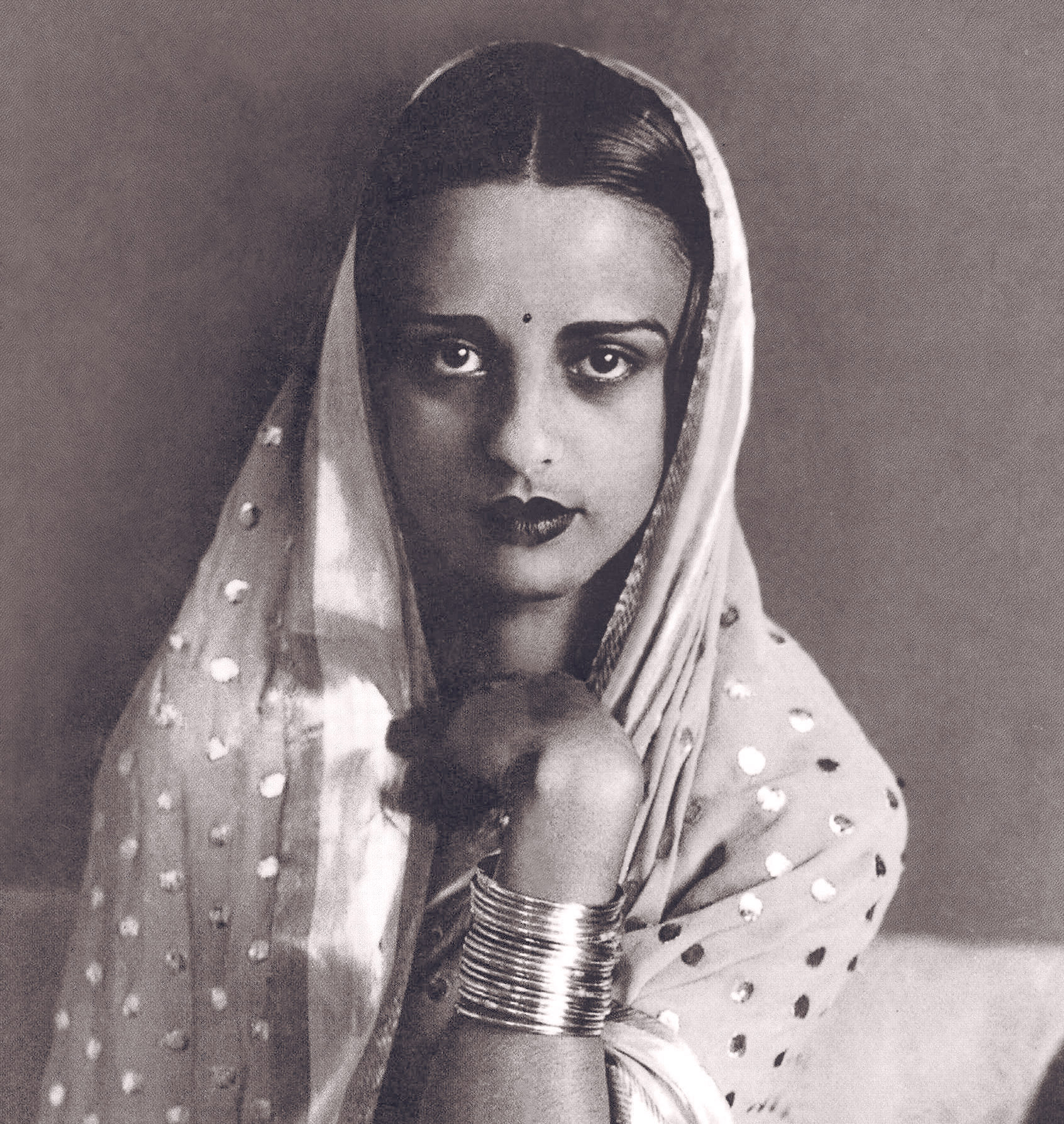
Pioneering Indian-Hungarian painter celebrated as the 'Indian Frida Kahlo', whose sensuous, melancholic oil portraits of rural Indian women revolutionized modern South Asian painting.