Public Figures & Cultural Luminaries
Filterable archive covering centuries of intellectual, artistic, and moral contributions to the human story.
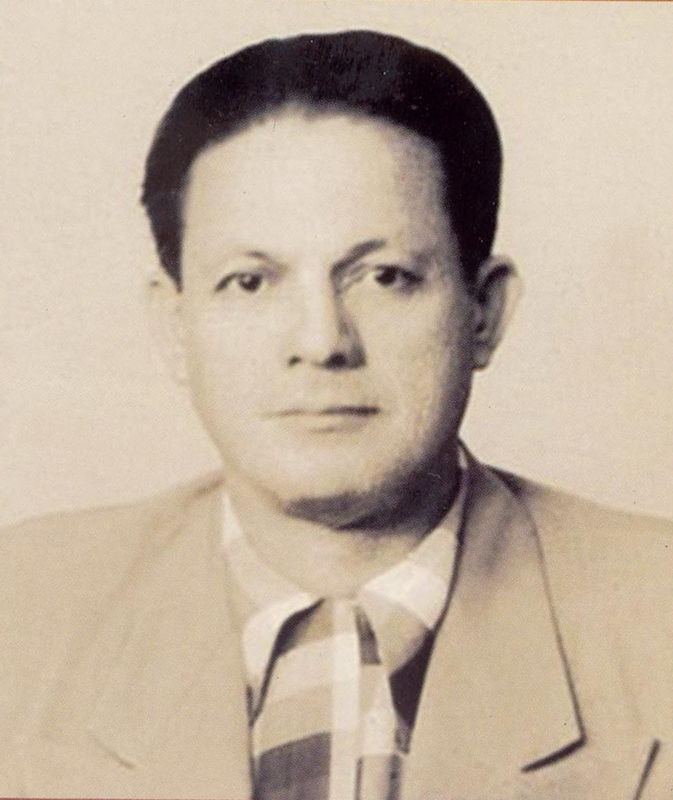
Carlos Luis Fallas
 (Carlos Luis Fallas Sibaja)
Acclaimed working-class author and communist labor organizer whose explosive 1941 novel 'Mamita Yunai' exposed the brutal exploitation of United Fruit Company banana workers in Central America.
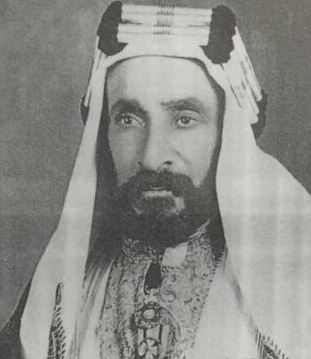
Shaikh Abdullah bin Isa Al Khalifa
 (عبدالله بن عيسى آل خليفة)
Visionary statesman and educator who served as President of the Education Council, founded Al-Hidaya Al-Khalifia School in 1919, and represented Bahrain at the 1919 Paris Peace Conference.
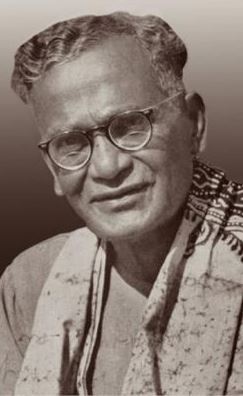
Nandalal Bose
 (নন্দলাল বসু)
Pioneering modern Indian artist who decorated the original manuscript of the Constitution of India and created the iconic linocut of Mahatma Gandhi on the Dandi Salt March.
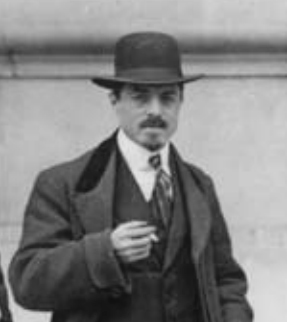
Carlo Carrà
 (Carlo Dalmazzo Carrà)
Italian painter who was a leading figure of Italian Futurism before joining Giorgio de Chirico to pioneer Metaphysical painting and a monumental classical revival.
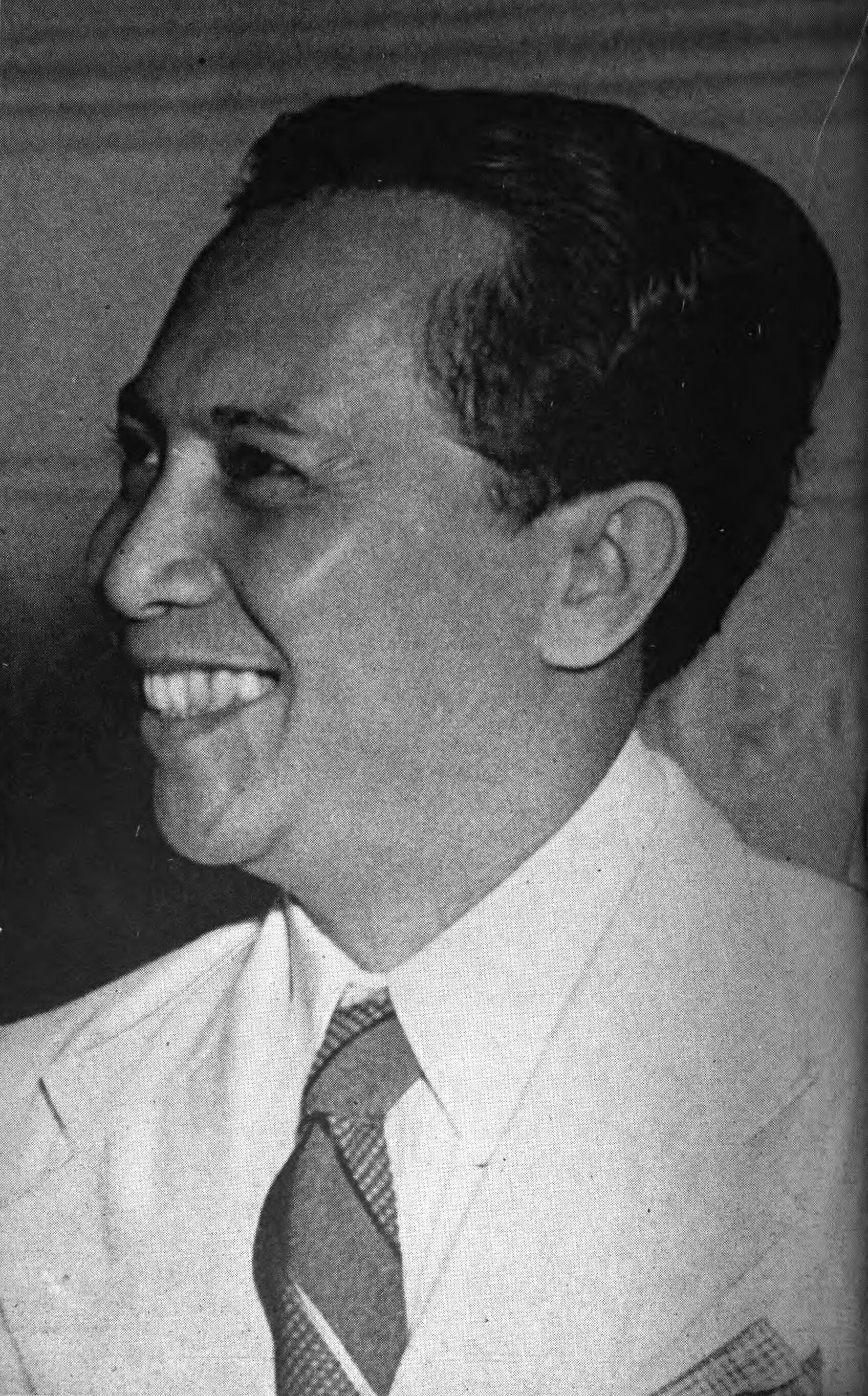
Sutan Sjahrir
 (Sutan Sjahrir)
First Prime Minister of independent Indonesia (1945–1947), intellectual leader of the underground anti-fascist resistance during the Japanese occupation, who secured international diplomatic recognition for the young republic at the United Nations.
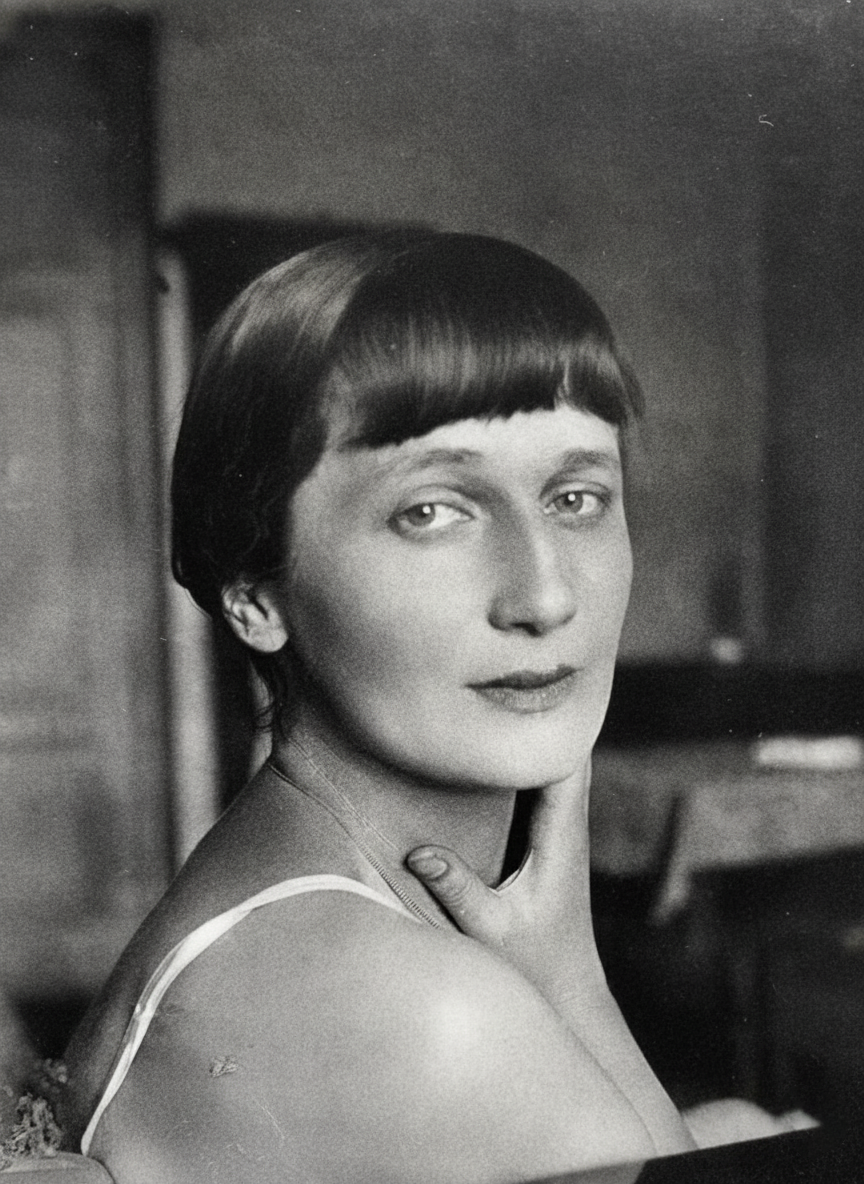
Anna Akhmatova
 (Анна Андреевна Ахматова)
Supreme Russian modernist poet of the Silver Age and leader of Acmeism whose poem Requiem bore witness to the terror of Stalin's Great Purge.
Castera Bazile
 (Castera Bazile)
Renowned painter of the Centre d'Art who painted three pivotal frescoes in the Holy Trinity Episcopal Cathedral.
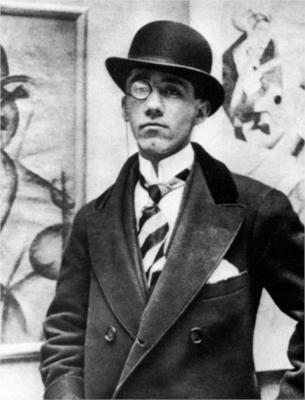
Gino Severini
(Gino Severini)
Italian artist who connected Paris Cubism with Italian Futurism, famous for kaleidoscopic nightclub dancers, fractured war trains, and later classical frescoes.
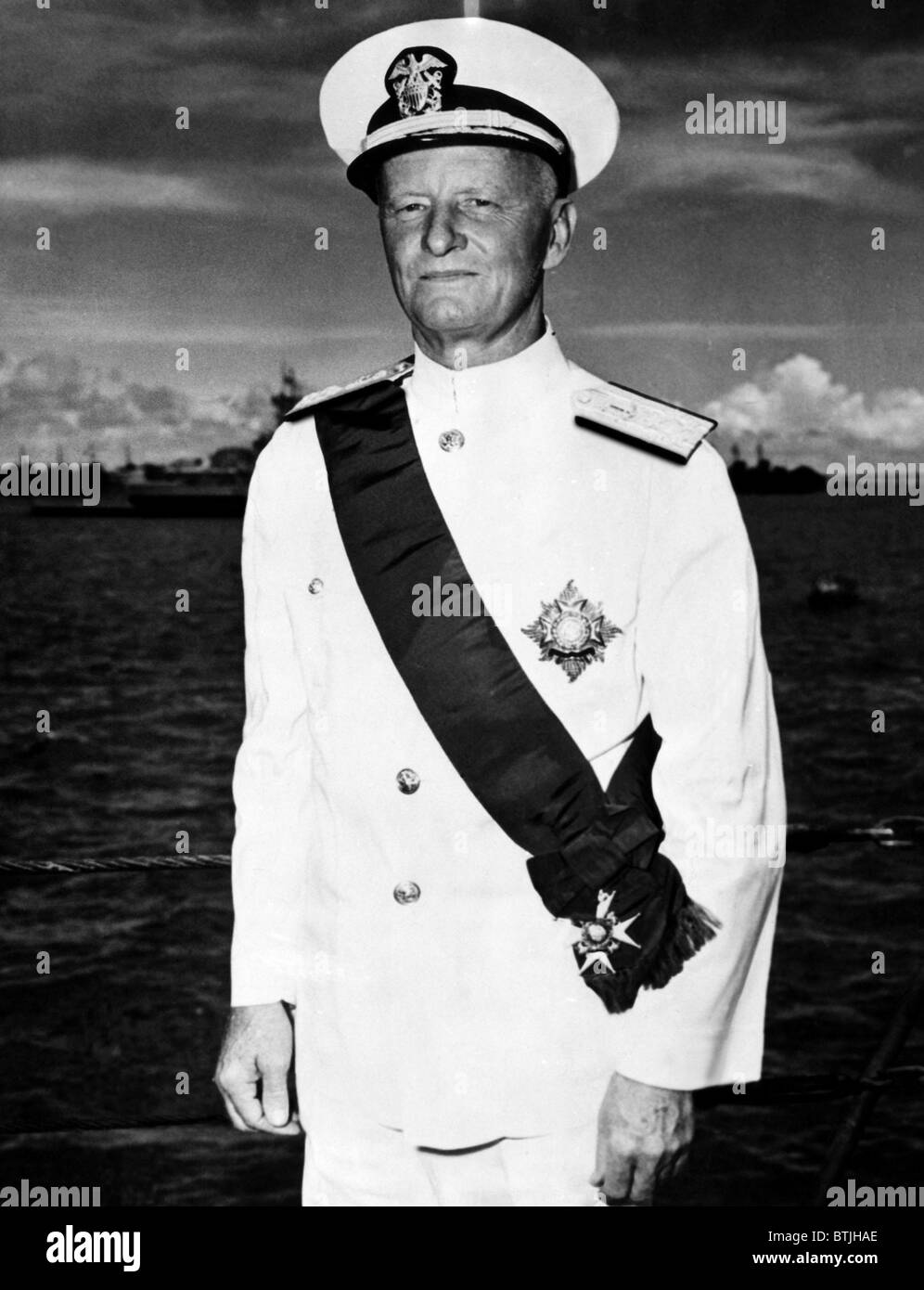
Fleet Admiral Chester W. Nimitz
 (Chester William Nimitz)
Fleet Admiral and Commander-in-Chief of the US Pacific Fleet who orchestrated the victory at Midway and directed the Central Pacific drive to victory in WWII.
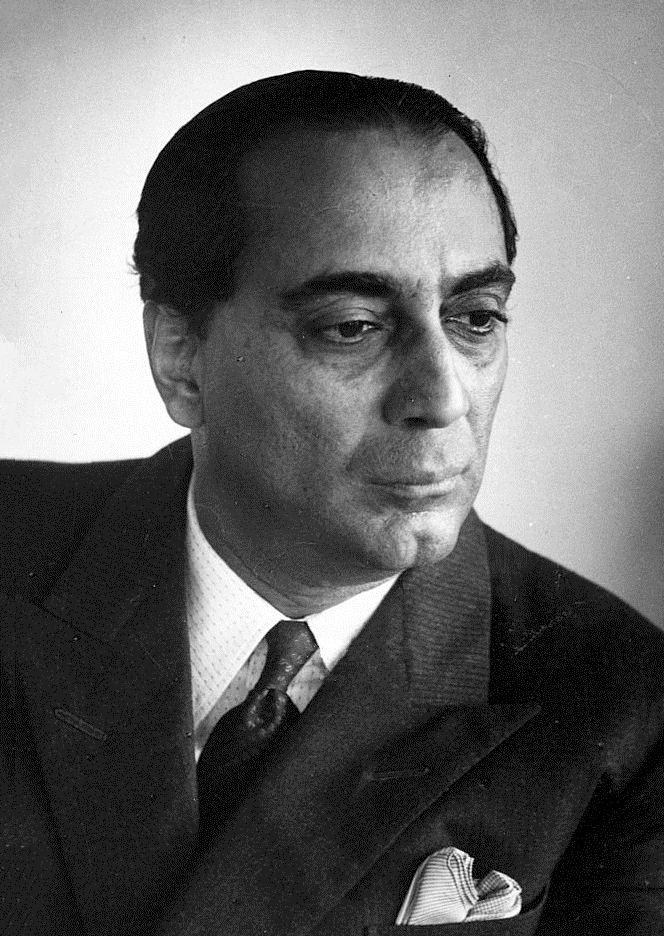
Homi Jehangir Bhabha
(होमी जहांगीर भाभा)
Indian nuclear physicist widely acclaimed as the father of the Indian nuclear program, who formulated India's three-stage nuclear power strategy and founded TIFR.
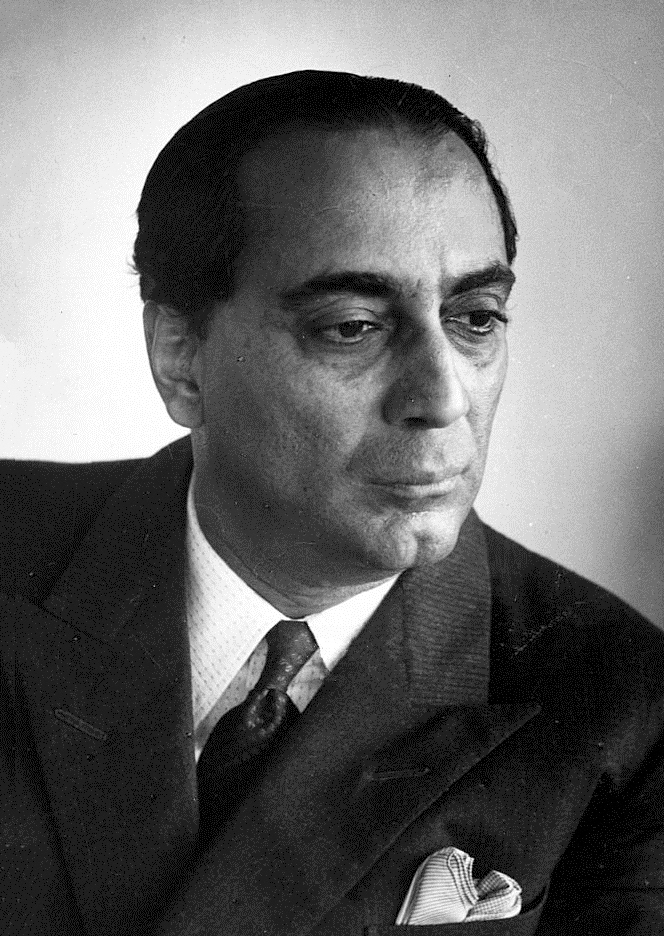
Homi J. Bhabha
(Homi Jehangir Bhabha)
Visionary Indian nuclear physicist acclaimed as the 'Father of the Indian Nuclear Programme', who formulated the relativistic electron-positron scattering formula (Bhabha Scattering) and designed India's three-stage nuclear power strategy.
Festus Okotie-Eboh
 (Festus Samuel Okotie-Eboh)
Flamboyant and influential Federal Minister of Finance of Nigeria's First Republic who established the Central Bank of Nigeria and the Nigerian Stock Exchange.
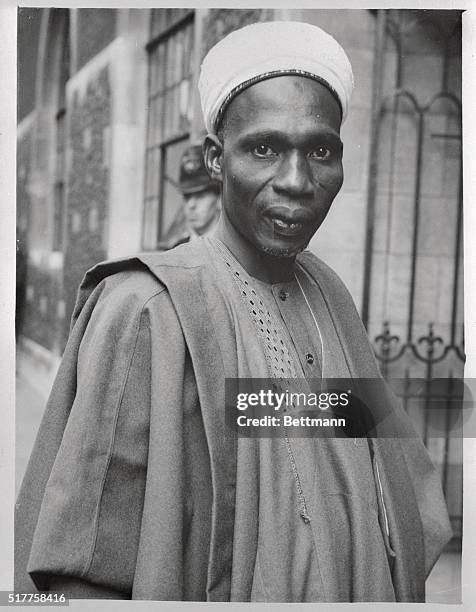
Abubakar Tafawa Balewa
(Abubakar Tafawa Balewa)
The first Prime Minister of independent Nigeria, renowned international orator known as the Golden Voice of Africa, and key founding figure of the Organization of African Unity.
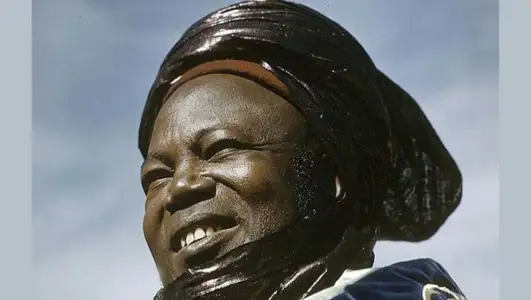
Ahmadu Bello
(Ahmadu Ibrahim Bello)
First and only Premier of Northern Nigeria, key founding father of modern Nigeria, and transformative administrator who founded Ahmadu Bello University.
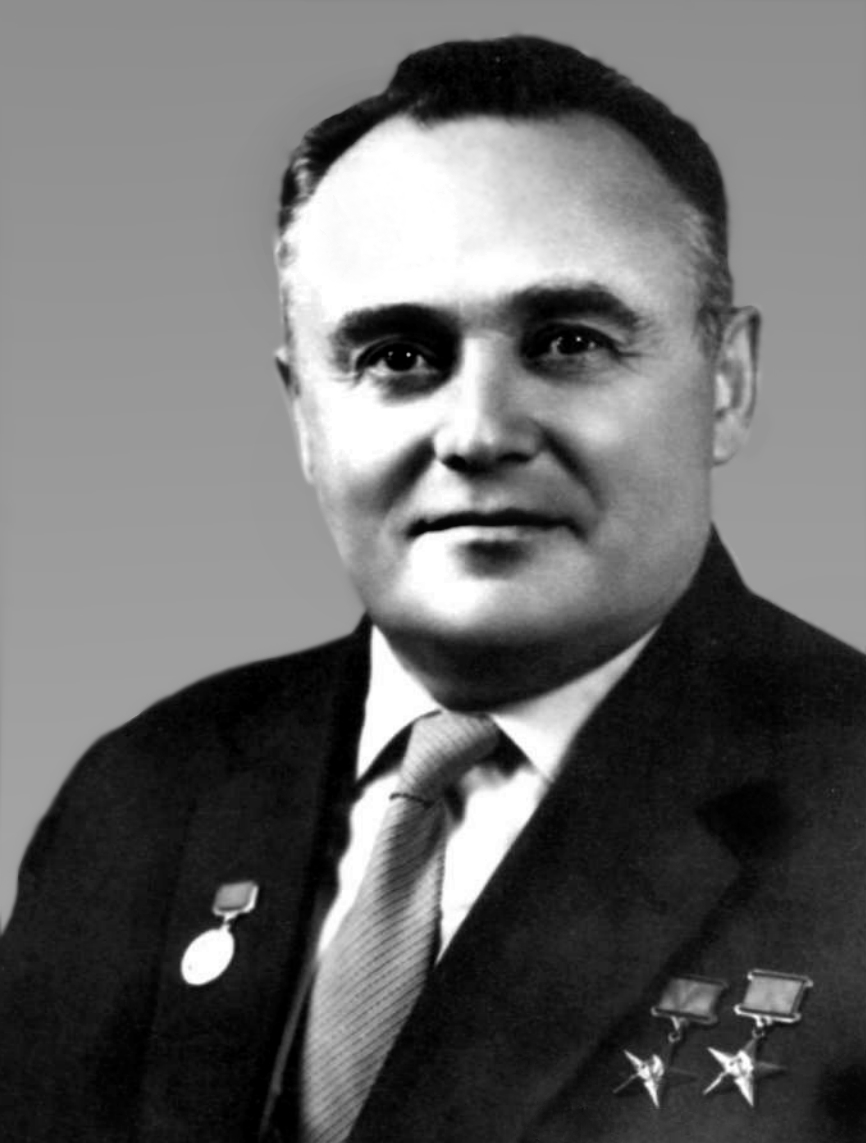
Sergei Korolev
(Сергей Павлович Королёв)
Legendary Soviet 'Chief Designer' who orchestrated the launches of Sputnik 1, the first dog Laika, and Yuri Gagarin.
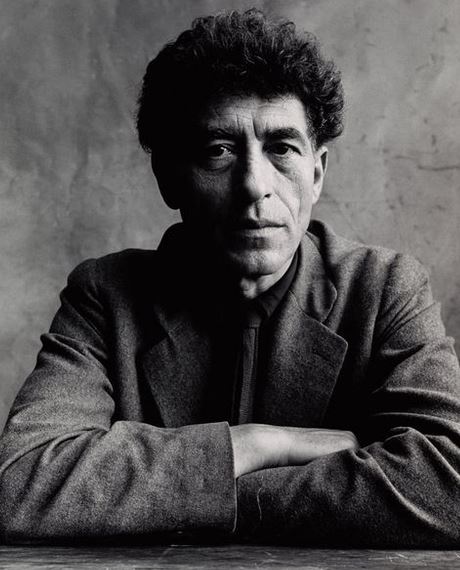
Alberto Giacometti
 (Alberto Giacometti)
Swiss sculptor and painter renowned for his elongated, thread-like bronze figures evoking human vulnerability and existential isolation.
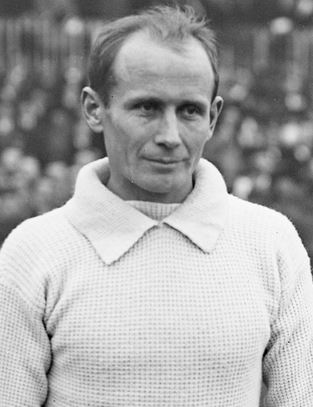
Hannes Kolehmainen
 (Juho Pietari Kolehmainen)
Juho Pietari 'Hannes' Kolehmainen was the founding father of Finland's distance running dynasty and the very first 'Flying Finn'. At the 1912 Stockholm Olympic Games, he captured three gold medals (5,000m, 10,000m, cross-country), famously 'running Finland onto the map of the world'. Eight years later at Antwerp 1920, he won gold in the Olympic marathon in a world record time.
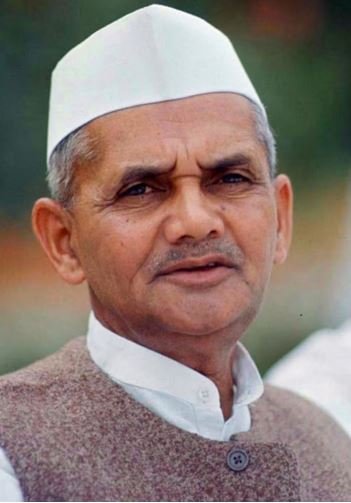
Lal Bahadur Shastri
(लाल बहादुर शास्त्री)
Icon of ethical governance, modesty, and agrarian development; laid the groundwork for India's food security and dairy self-sufficiency (Amul).