Public Figures & Cultural Luminaries
Filterable archive covering centuries of intellectual, artistic, and moral contributions to the human story.
Shukri al-Quwatli
 (شكري القوتلي)
First President of post-independence Syria (1943-1949, 1955-1958) who voluntarily relinquished power to form the United Arab Republic.
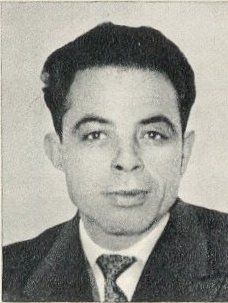
Ahmed Tlili
 (أحمد التليلي)
Hero of the armed resistance in southern Tunisia and legendary Secretary General of the UGTT trade union, who advocated democratic pluralism and labor independence.
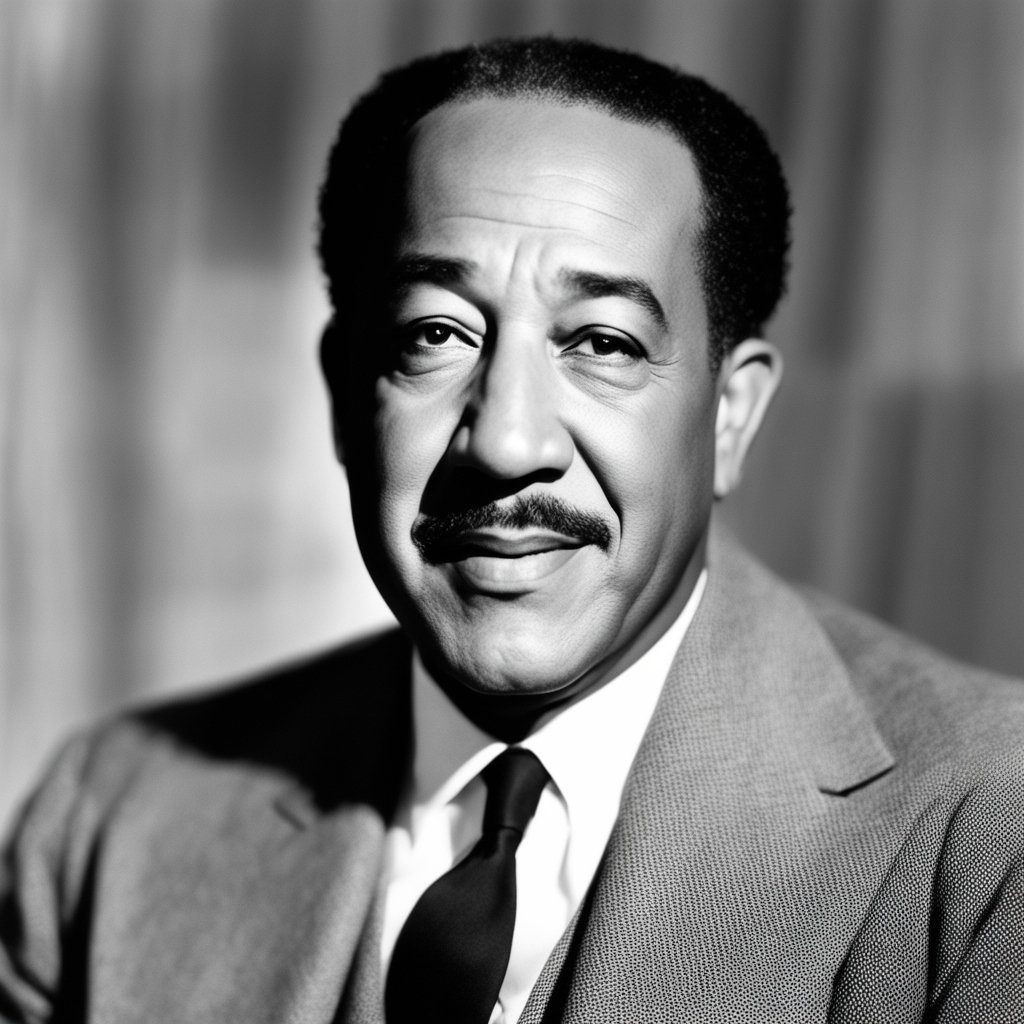
Langston Hughes
 (James Mercer Langston Hughes)
Poet Laureate of Harlem and leading voice of the Harlem Renaissance who invented jazz poetry in 'The Negro Speaks of Rivers', The Weary Blues, and 'Harlem'.
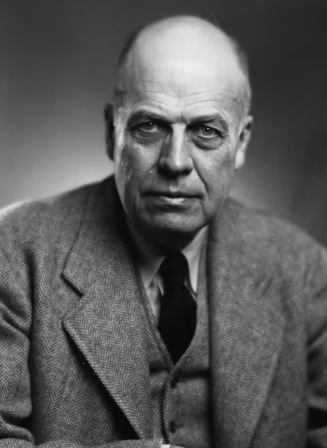
Edward Hopper
(Edward Hopper)
American Realist painter renowned for his quietly cinematic depictions of urban loneliness, quiet diners, and stark seaside light.
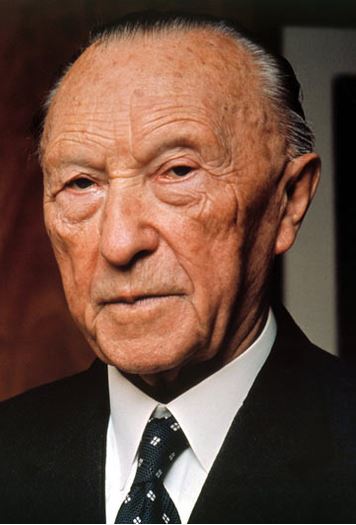
Konrad Adenauer
 (Konrad Hermann Joseph Adenauer)
Rebuilt a devastated Germany into a prosperous democracy (Wirtschaftswunder) and signed the historic Élysée Treaty with Charles de Gaulle in 1963.
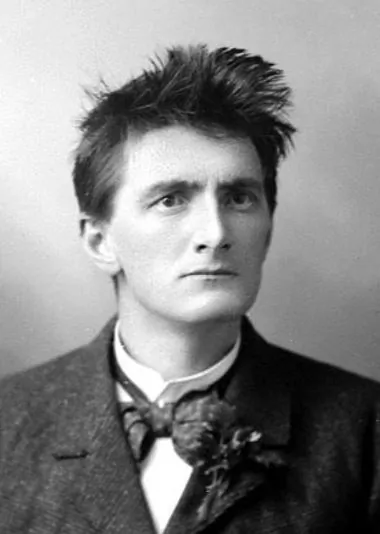
Johan Falkberget
 (Johan Petter Falkberget)
Beloved Norwegian author who worked in the Røros copper mines from age eight and chronicled the toil, folklore, and resilience of miners in epics like Christianus Sextus.
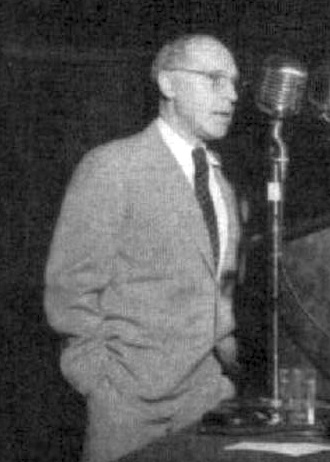
Hermann J. Muller
(Hermann Joseph Muller)
American geneticist who won the 1946 Nobel Prize in Medicine for discovering that X-ray radiation induces artificial genetic mutations, launching radiation genetics and leading the global scientific crusade against nuclear fallout.
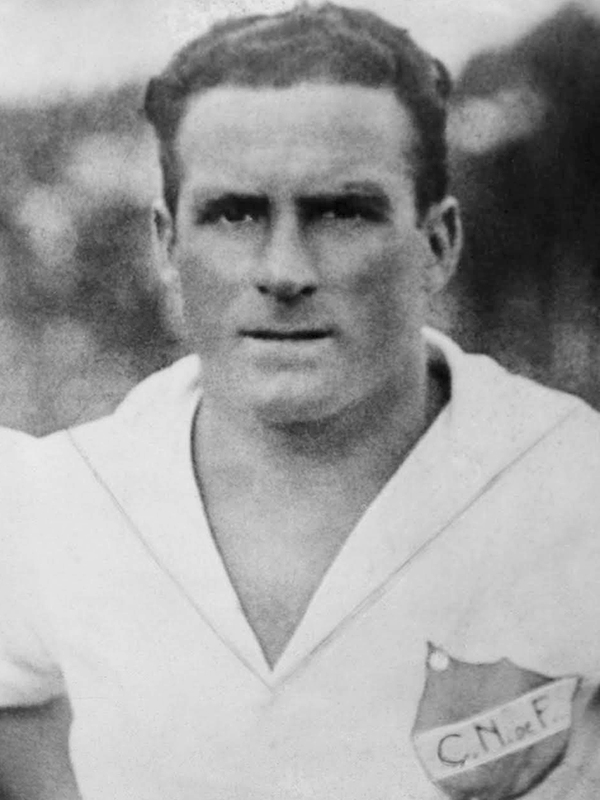
Hector Scarone
 (Héctor Scarone)
Uruguayan inside-forward nicknamed 'El Mago' (The Wizard) who won two Olympic golds (1924, 1928), four Copas America, and the inaugural 1930 FIFA World Cup.
Jaroslav Heyrovský
 (Jaroslav Heyrovský)
Pioneering electrochemist who invented the polarographic method of chemical analysis in 1922 and the recording polarograph, awarded the 1959 Nobel Prize in Chemistry as the father of modern electroanalytical chemistry.
Otto René Castillo
 (Otto René Castillo)
Revolutionary Guatemalan poet and guerrilla fighter, author of the iconic poem 'Vamos patria a caminar'.
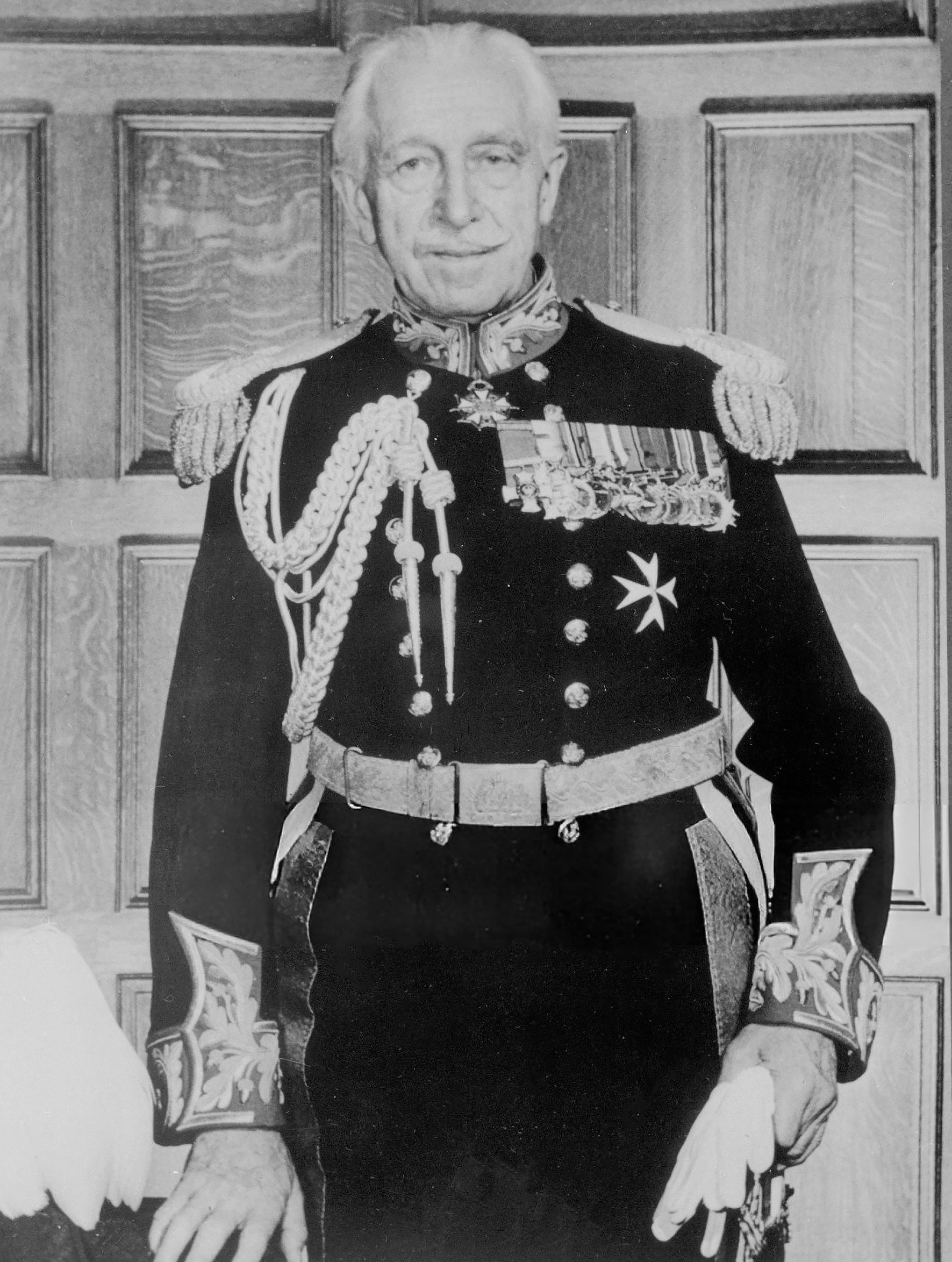
Georges Vanier
 (Georges Vanier)
Beloved Governor General and decorated WWI soldier who lost his leg leading the Royal 22e Régiment, serving as moral conscience of Canada during the Quiet Revolution.
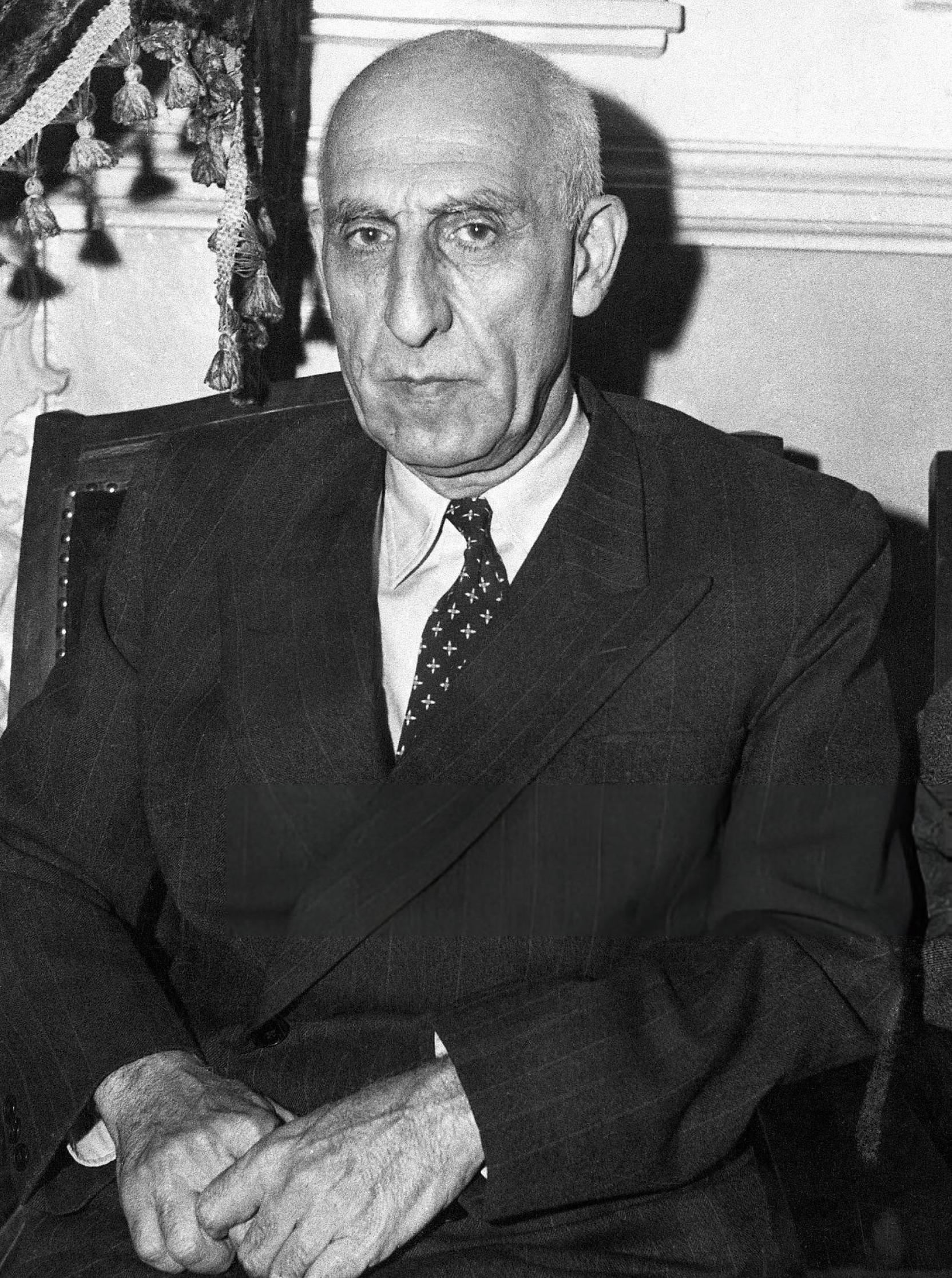
Mohammad Mosaddegh
 (محمد مصدق)
Democratically elected Prime Minister of Iran who nationalized the British-controlled Iranian oil industry, leading to his overthrow in the 1953 CIA/MI6 coup (Operation Ajax).
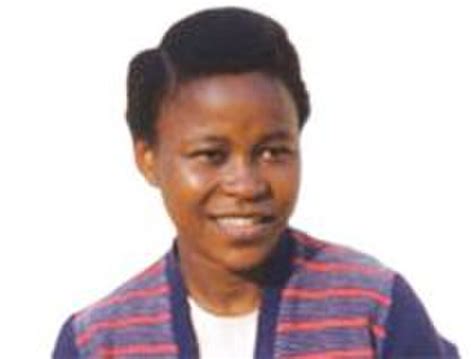
Deolinda Rodrigues
 (Deolinda Rodrigues Francisco de Almeida)
Heroic Angolan freedom fighter, writer, and feminist who co-founded the Organization of Angolan Women (OMA), whose published diary Diário de um Exílio captured the sacrifice of the liberation war.
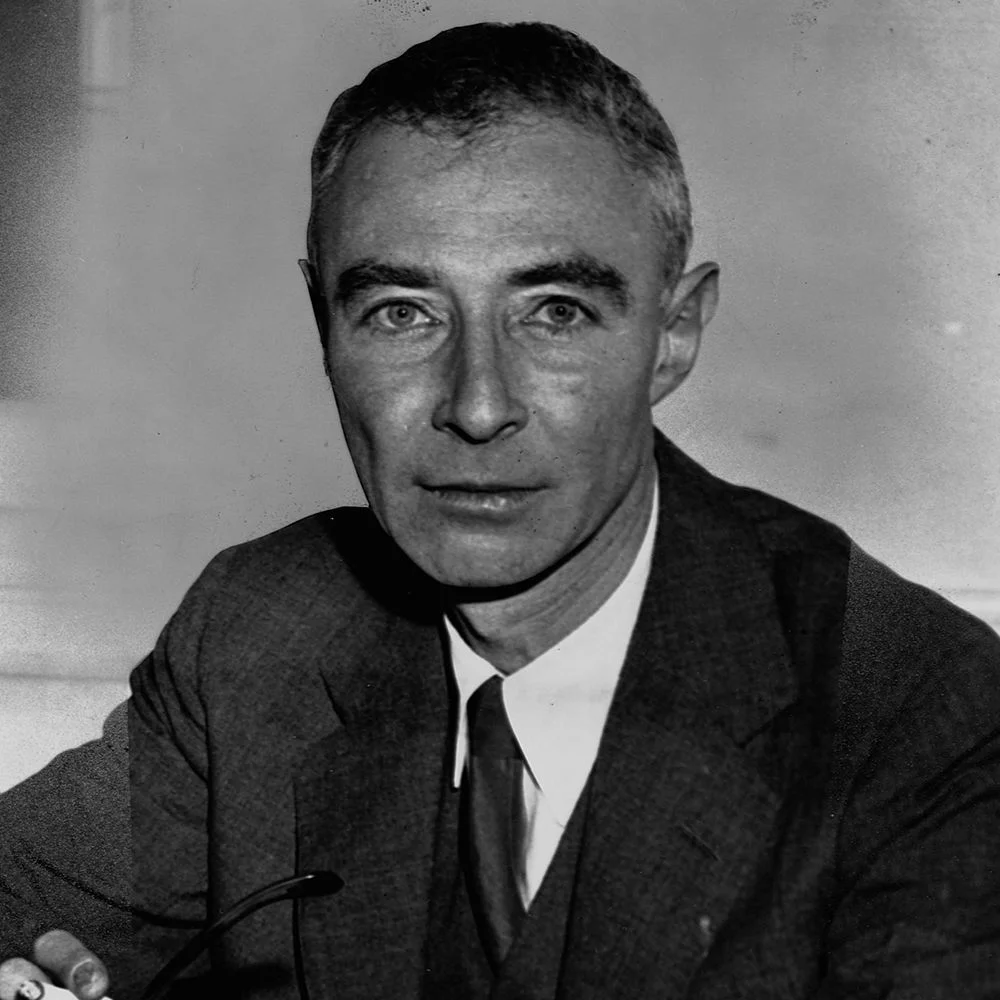
J. Robert Oppenheimer
(Julius Robert Oppenheimer)
Theoretical physicist and wartime director of the Los Alamos Laboratory, revered as the 'father of the atomic bomb'.
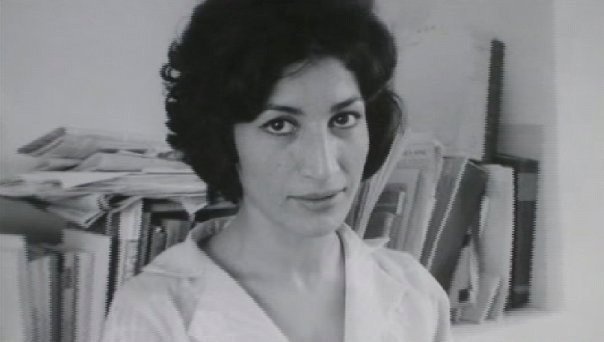
Forough Farrokhzad
(فروغ فرخزاد)
Iconic Iranian modernist poet and filmmaker whose candid, passionate feminist poetry shattered centuries of Persian patriarchal silence, and whose documentary The House Is Black is a cinematic masterpiece.
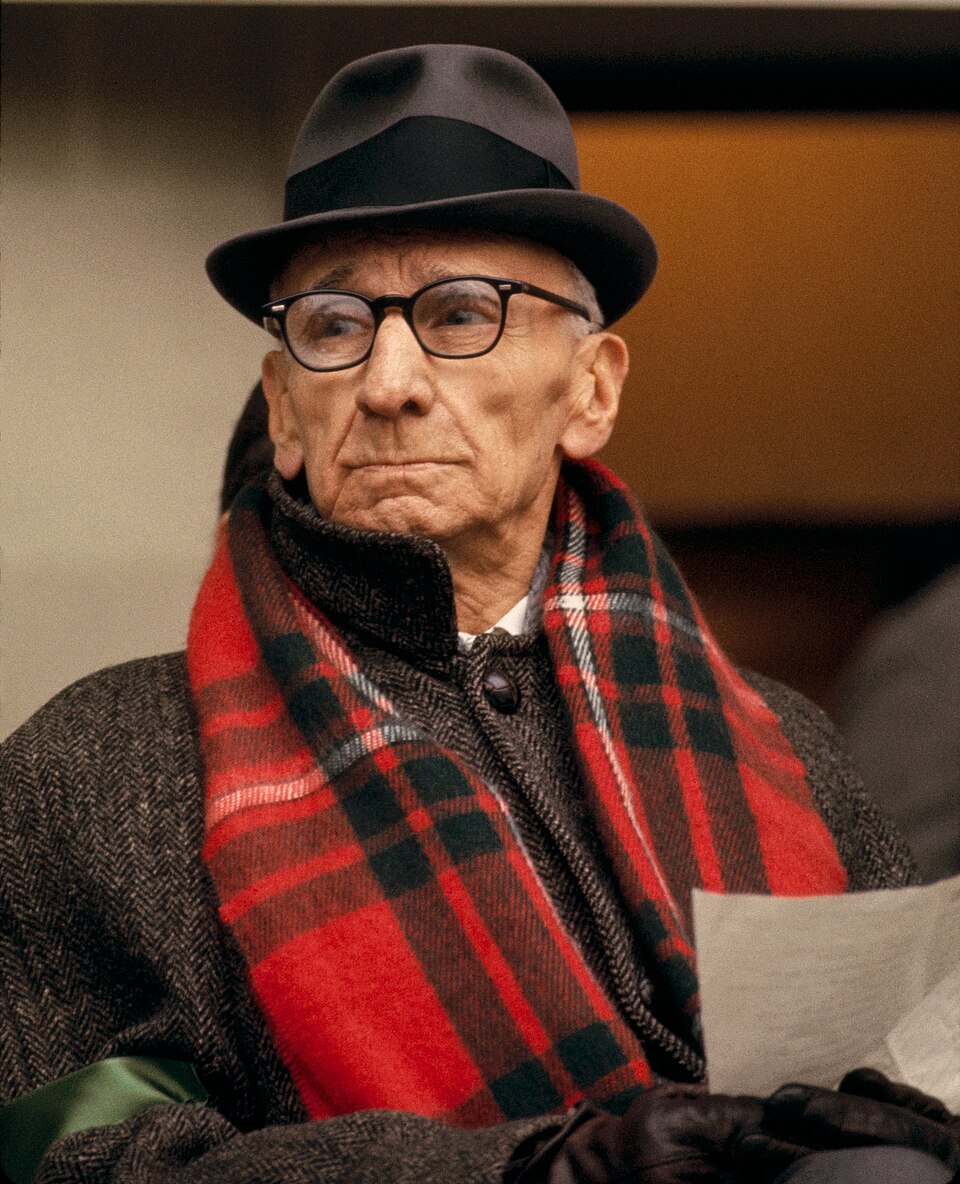
Abraham Johannes Muste
 (Abraham Johannes Muste)
Pasteur et militant syndicaliste américain d'origine néerlandaise, surnommé le « patriarche du pacifisme américain » et mentor des leaders des droits civiques.
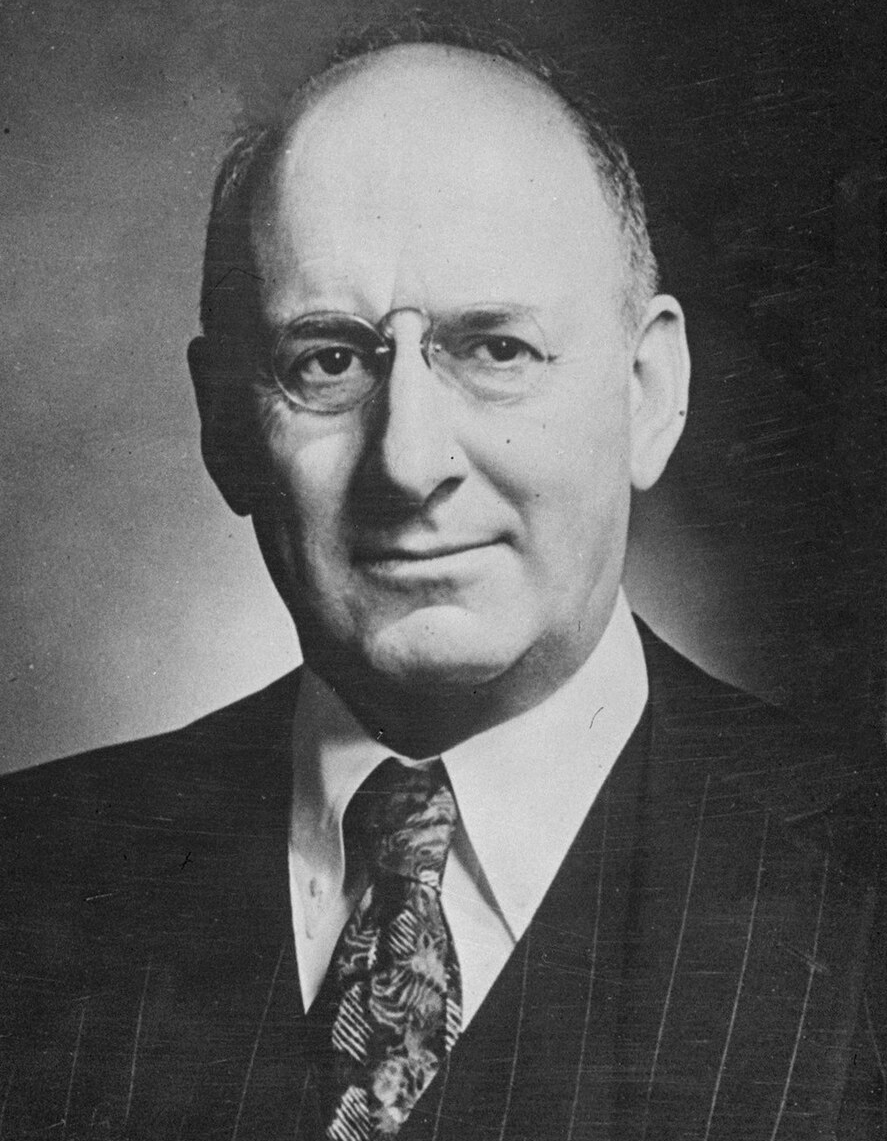
Henry Morgenthau Jr.
(Henry Morgenthau Jr.)
FDR's Secretary of the Treasury who financed the New Deal and World War II, led the 1944 Bretton Woods Conference creating the IMF and World Bank, and established the War Refugee Board.
Violeta Parra
 (Violeta del Carmen Parra Sandoval)
Chilean folklorist, singer, poet, and visual artist who founded the Nueva Cancion Chilena movement and composed the immortal humanist anthem Gracias a la vida.