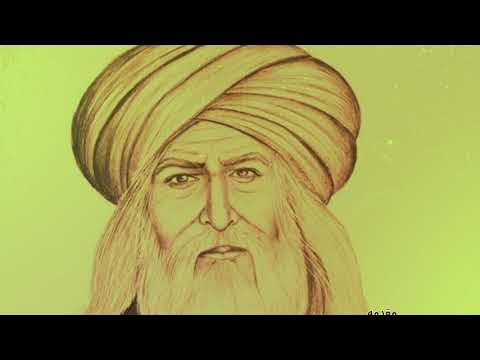
Abu Tammam
Syrian-born Abbasid poet who revolutionized Arabic poetry with the ornate 'badi' style and compiled the premier heroic anthology Diwan al-Hamasah.
Start typing to search worldwide archives and community tributes
Filterable archive covering centuries of intellectual, artistic, and moral contributions to the human story.
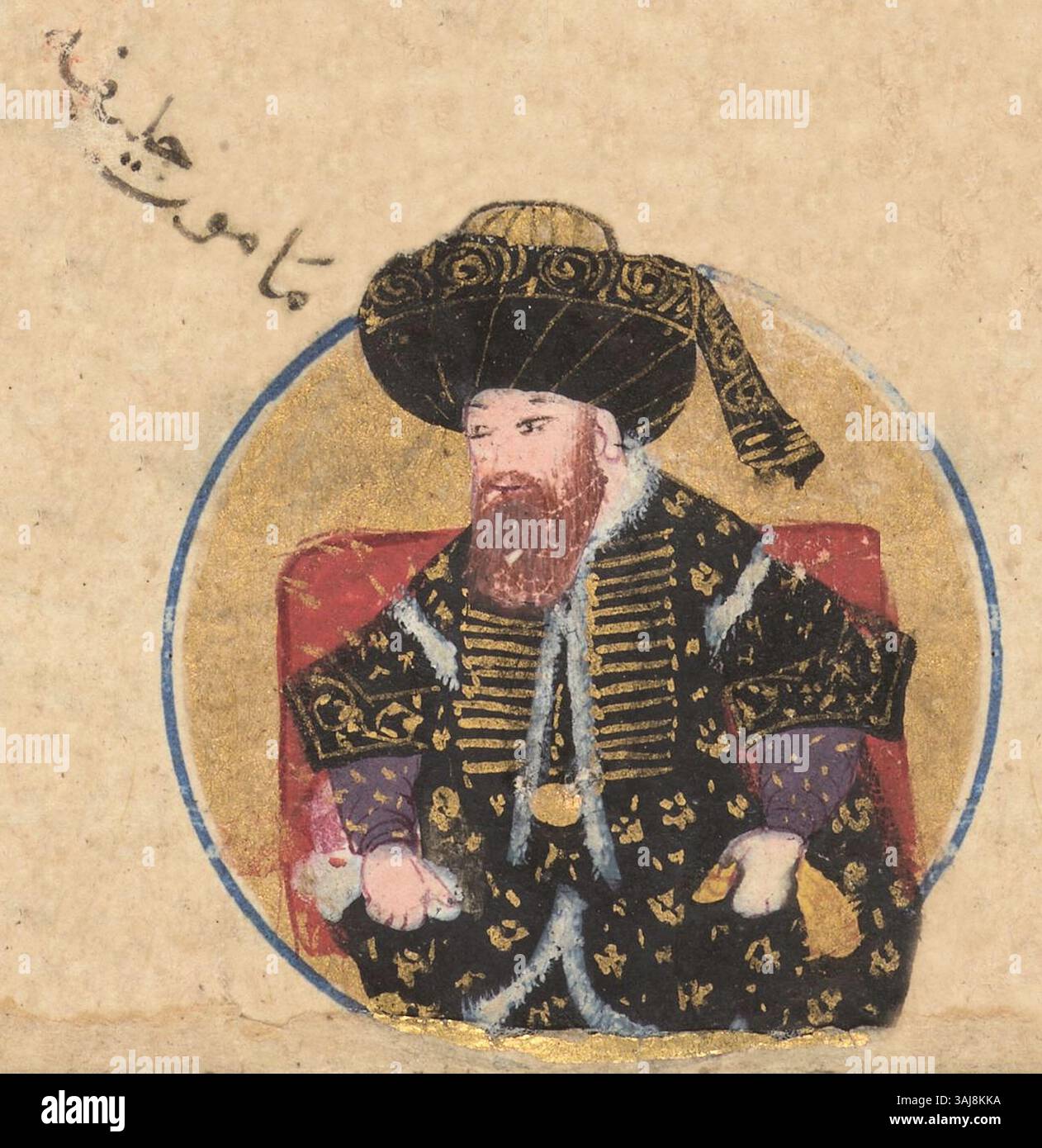
Syrian-born Abbasid poet who revolutionized Arabic poetry with the ornate 'badi' style and compiled the premier heroic anthology Diwan al-Hamasah.
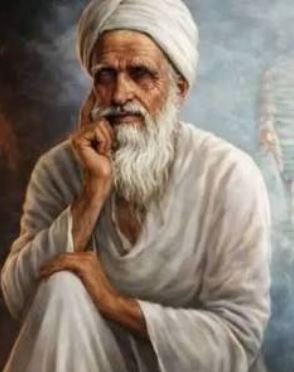
Fourth Aghlabid Emir (838โ841 AD), renowned for personal piety, legal erudition, and generous patronization of scholars, doctors, and hydraulic engineers in Kairouan.
Aghlabid Emir of Ifriqiya (817โ838 CE) who launched the historic Muslim conquest of Sicily in 827 CE and rebuilt the magnificent Great Mosque of Kairouan in its enduring stone splendour.
Third Sultan of the Idrisid dynasty who succeeded his father Idris II in 828 AD, dividing administrative governorships among his brothers upon the advice of his grandmother Kenza.
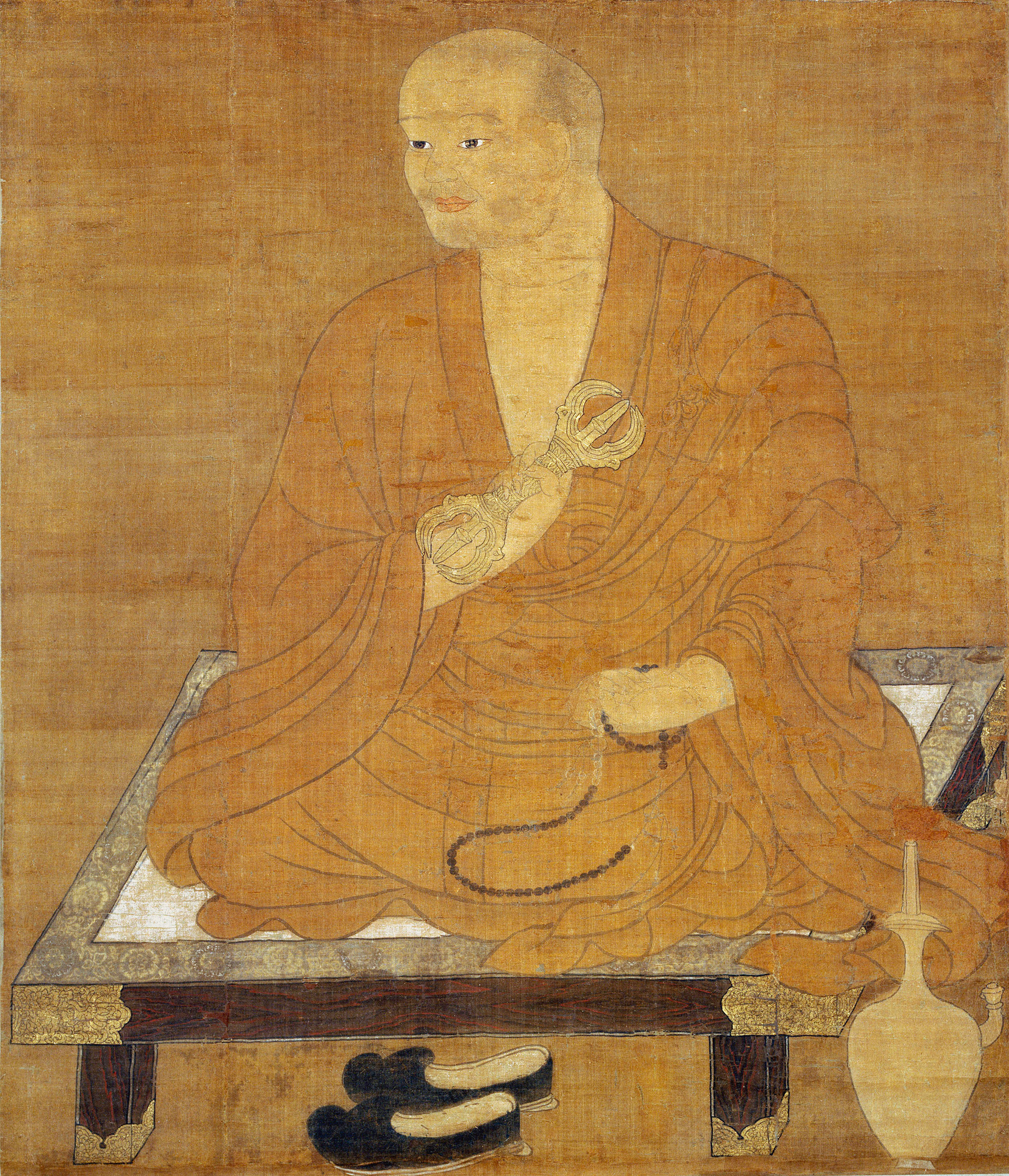
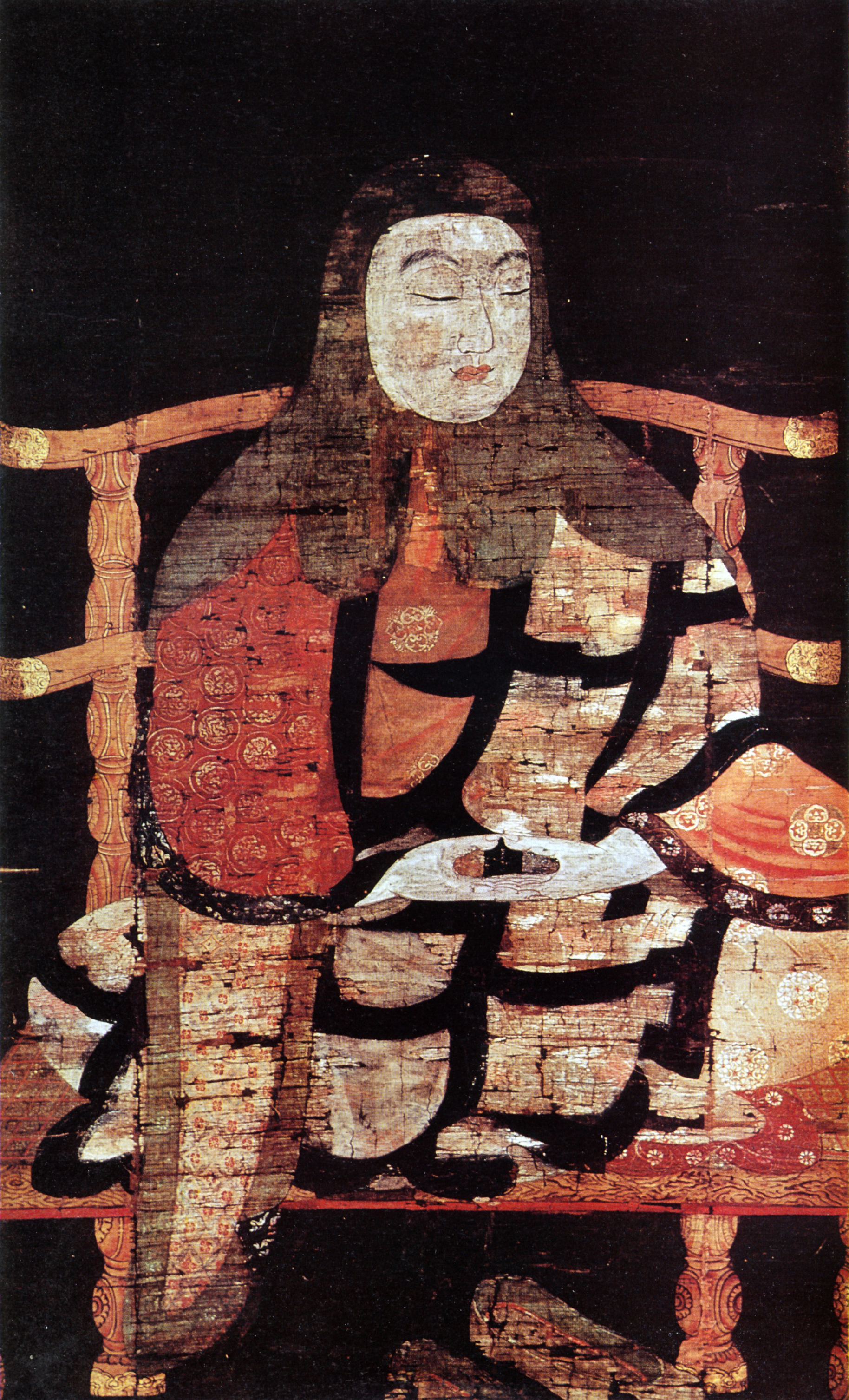
Polymath, calligrapher, engineer, and founder of Shingon Esoteric Buddhism who built Mount Koya and taught 'attaining Buddhahood in this very body' (Sokushin Jobutsu).
Abbasid Caliph who presided over the zenith of the Islamic Golden Age, expanding the House of Wisdom and measuring the circumference of the Earth.
Posthumous son of Idris I who assumed sovereignty at age eleven, founded the imperial capital city of Fez in 808 CE, and consolidated the administrative, judicial, and cultural institutions of Morocco.
Eminent Islamic jurist, scholar of both the Hanafi and Maliki schools, and Grand Qadi of Kairouan who at age sixty-eight commanded the historic naval expedition that began the Muslim conquest of Sicily.
Brilliant Basran polymath and lexicographer whose field expeditions among desert Bedouins founded Arabic zoological science and lexicography.
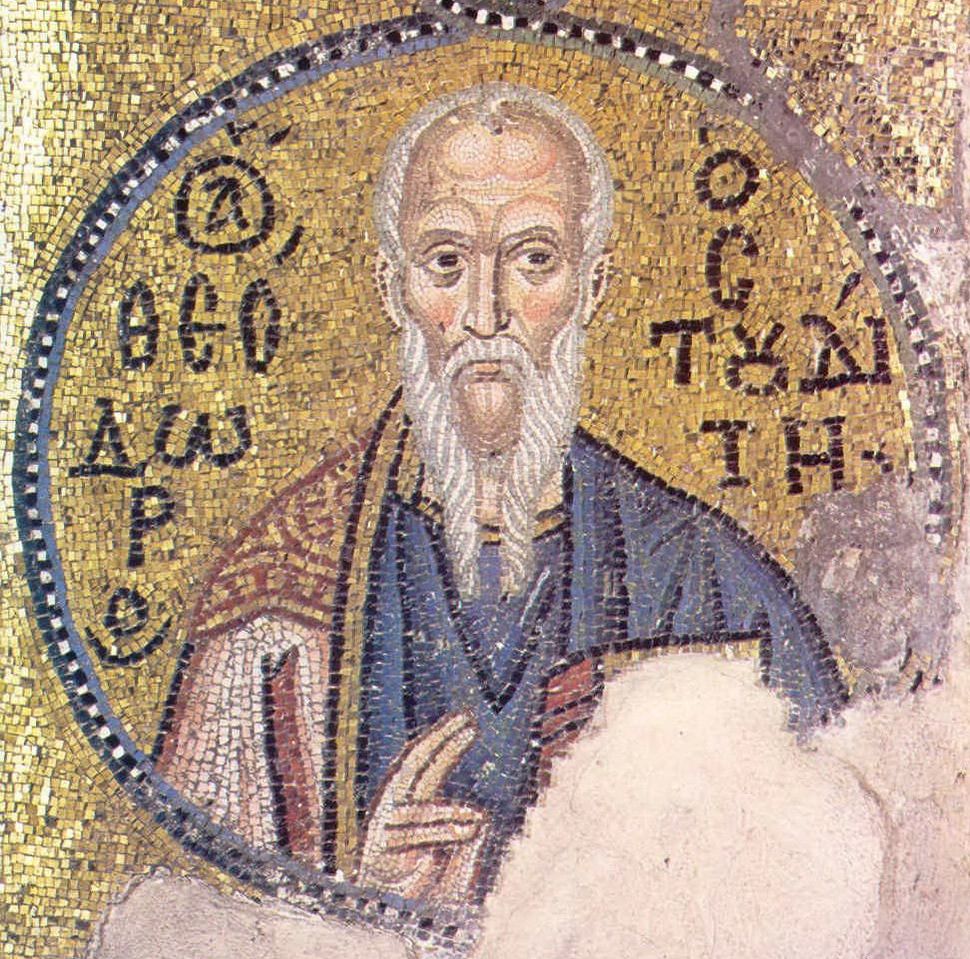
Abbot of the Stoudios Monastery who reformed Eastern Christian monasticism, championing community life, book copying, and intellectual defense of holy icons.
Second Imam of the Rustamid state in Tahert who consolidated the Ibadi democratic imamate, founded desert trade arteries, and welcomed Christian and Sunni scholars to his court.
Founder of Tendai Buddhism in Japan who established Enryaku-ji on Mount Hiei, championed universal Buddhahood through the Lotus Sutra, and fought for independent Mahayana ordination.
Son of Yazid ibn Hatim who served as governor of Ifriqiya in 787 AD, successfully maintaining the civil administration of Kairouan and ensuring continuity of public works.
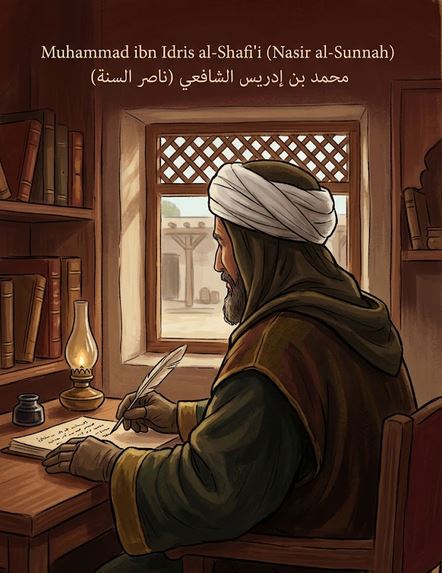
Supreme legal jurist and poet who formulated the science of Islamic legal theory (Usul al-Fiqh). Reconciled the rationalist school of Iraq with the traditionalist school of the Hijaz in his seminal treatise Al-Risala.
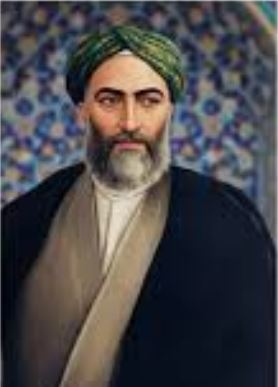
Eighth Shia Imam and revered scholar whose profound interfaith debates in Merv and famous Hadith of the Golden Chain in Nishapur confirmed the sanctuary of divine unity.
Second Aghlabid Emir (812โ817 AD) who consolidated the autonomous dynastic state founded by his father Ibrahim I, maintaining domestic order from the palatial city of Al-Abbasiya.
Abbasid governor sent by Harun al-Rashid to govern Ifriqiya in 795 AD, who founded the monumental Ribat of Monastir in 796 AD, the oldest and best-preserved ribat fortress in North Africa.
Venerated 8th-century mystic of Baghdad who formulated the concept of divine love and spiritual sincerity in classical Sufism.