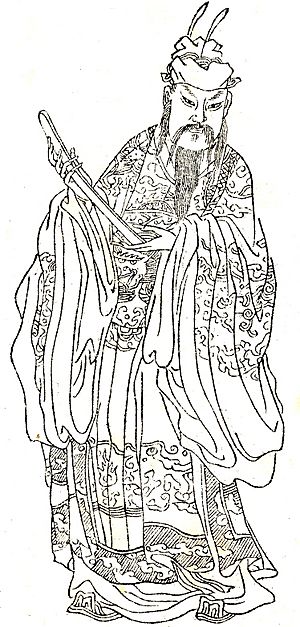
Guo Ziyi (Prince of Fenyang)
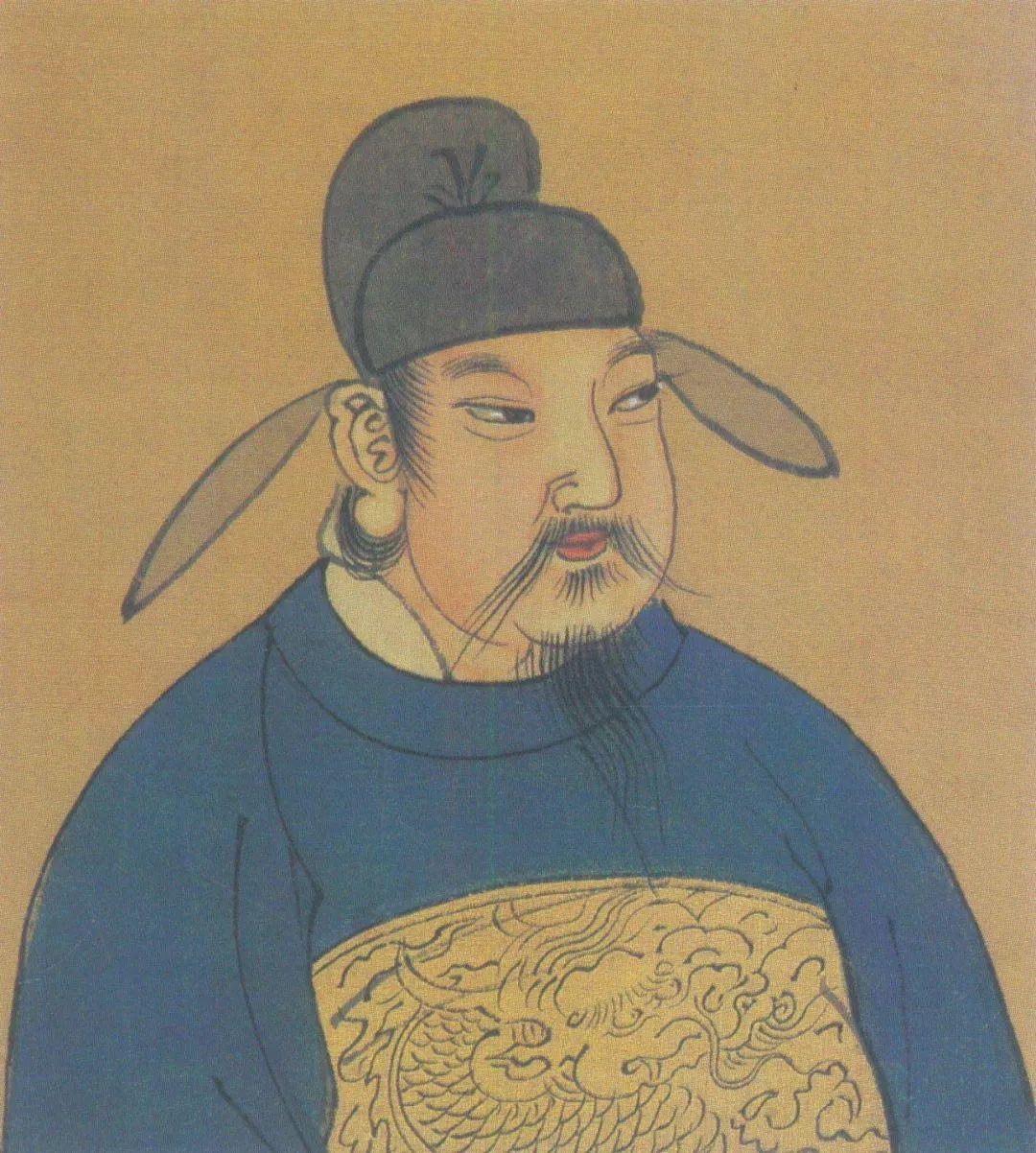
Legendary Tang dynasty general and Prince of Fenyang who quelled the catastrophic An Lushan Rebellion, recaptured both capitals, and preserved the Tang Empire.
Start typing to search worldwide archives and community tributes
Filterable archive covering centuries of intellectual, artistic, and moral contributions to the human story.
Legendary Tang dynasty general and Prince of Fenyang who quelled the catastrophic An Lushan Rebellion, recaptured both capitals, and preserved the Tang Empire.
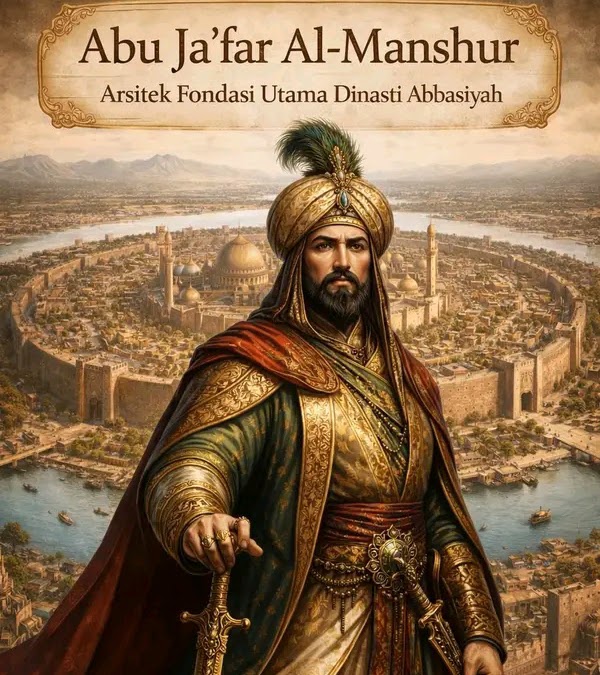
Second Abbasid Caliph and true founder of the empire, visionary planner who founded the legendary Round City of Baghdad in 762.
Second Abbasid Caliph and true founder of the Abbasid Caliphate who designed and founded the legendary Round City of Baghdad in 762 CE.
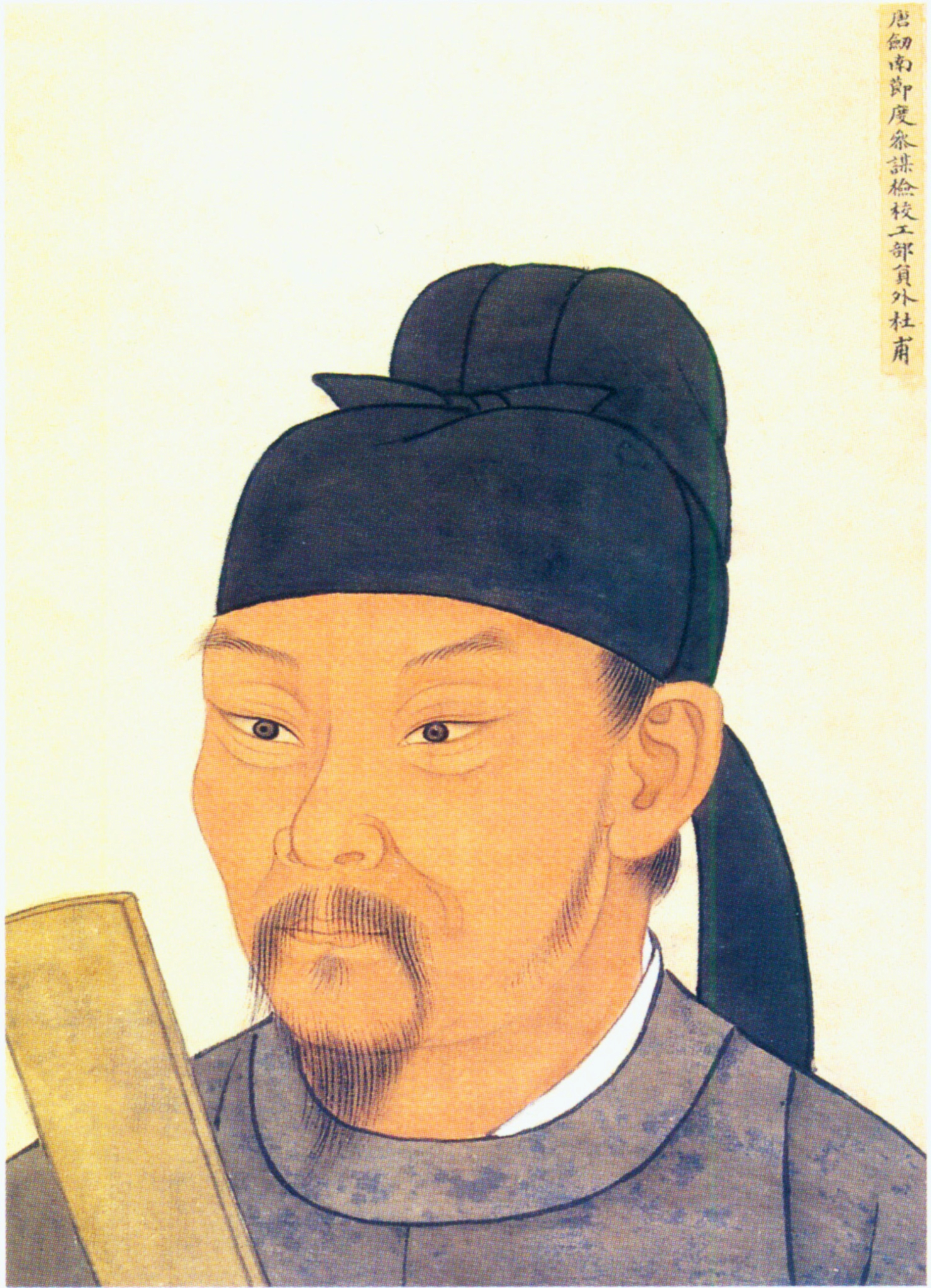
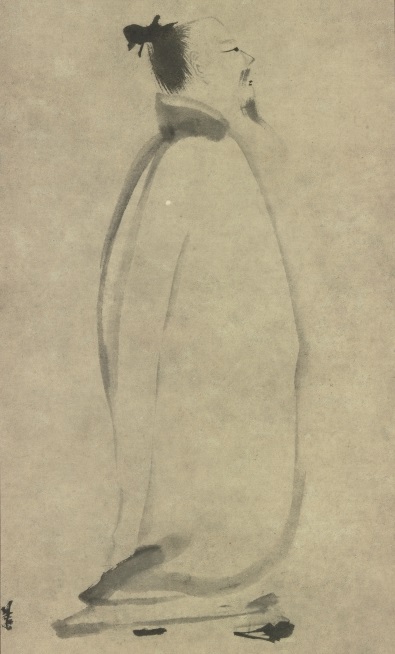
Tang dynasty literary titan (712โ770), honored as the 'Poet-Historian' and 'Poet-Sage' (Shisheng), whose profound verse chronicled the devastating An Lushan Rebellion and gave voice to ordinary human suffering.
The "Great Imam" whose juridical methodology created the Hanafi schoolโthe most widely followed legal school in Islamic history. Championed juristic preference (Istihsan), human equity, and commercial integrity in Kufa.
Sixth Imam of the Ahl al-Bayt celebrated as "Al-Sadiq" (The Truthful). Formulated Ja'fari jurisprudence and presided over an unprecedented academic circle in Medina that educated foremost jurists and pioneers of chemistry.
Nalanda monk and Bodhisattva whose 'Bodhicaryavatara' (The Way of the Bodhisattva) is the supreme poetic masterpiece on generating Bodhicitta and exchanging self for others.
Tang dynasty genius poet (701โ762), revered as the 'Poet Immortal' (Shixian), whose romantic lyricism, effortless grace, and boundless imagination produced over a thousand immortal poems celebrated across the world.
Longest-reigning emperor of the Tang Dynasty whose Kaiyuan Era marked the pinnacle of Chinese classical poetry, painting, and opera, tragically shattered by the An Lushan Rebellion.
Titan of Purva Mimamsa philosophy whose brilliant treatises 'Shlokavarttika' and 'Tantravarttika' defended Vedic realism and commonsense realism against Buddhist nominalism, establishing the intrinsic validity of knowledge (Svatah-pramanya).
Son of Emir Abd al-Rahman who avenged his father's murder and led the heroic defense of Kairouan against the devastating invasion of the Warfajjuma Berber Kharijites in 757 AD.
Autonomous ruler of Ifriqiya who took advantage of the fall of the Umayyad Caliphate to declare Kairouan independent, reigning for ten years before being assassinated in a palace conspiracy.
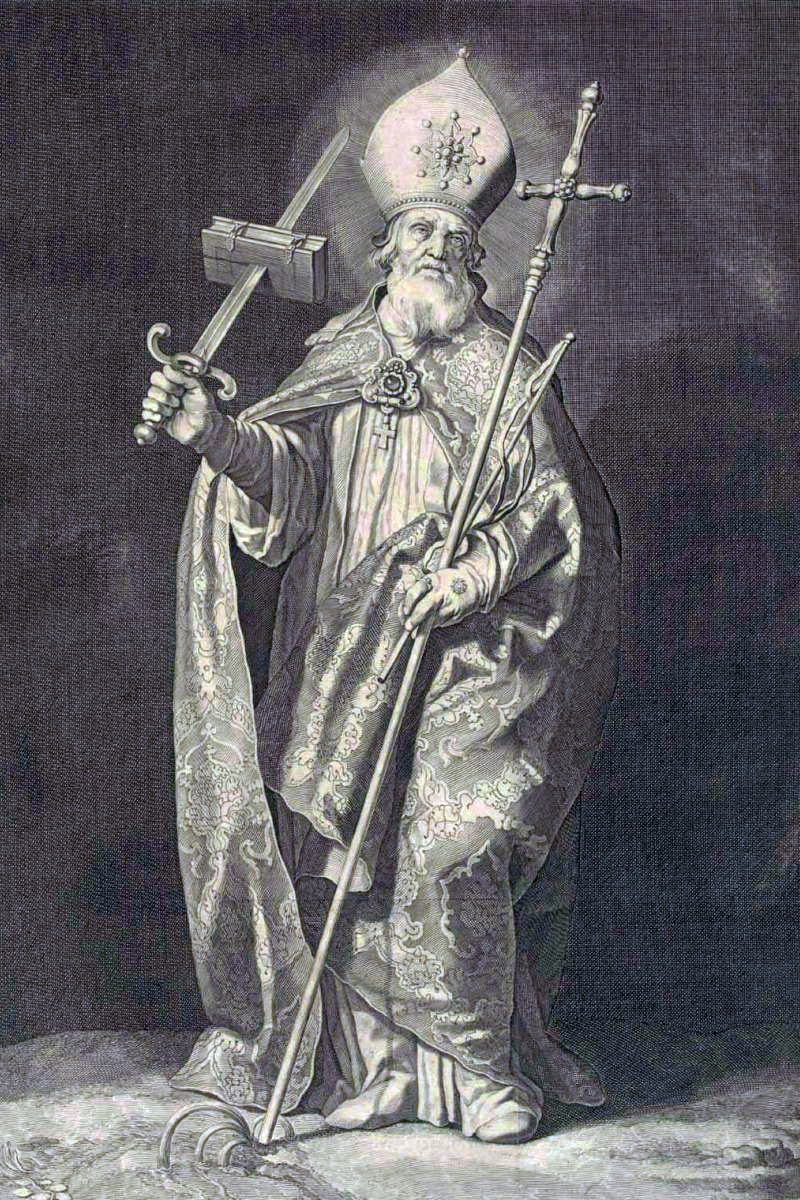
Anglo-Saxon missionary and archbishop who fatedly evangelized the Germanic peoples, reformed the Frankish church, and felled Donar's Oak at Geismar.
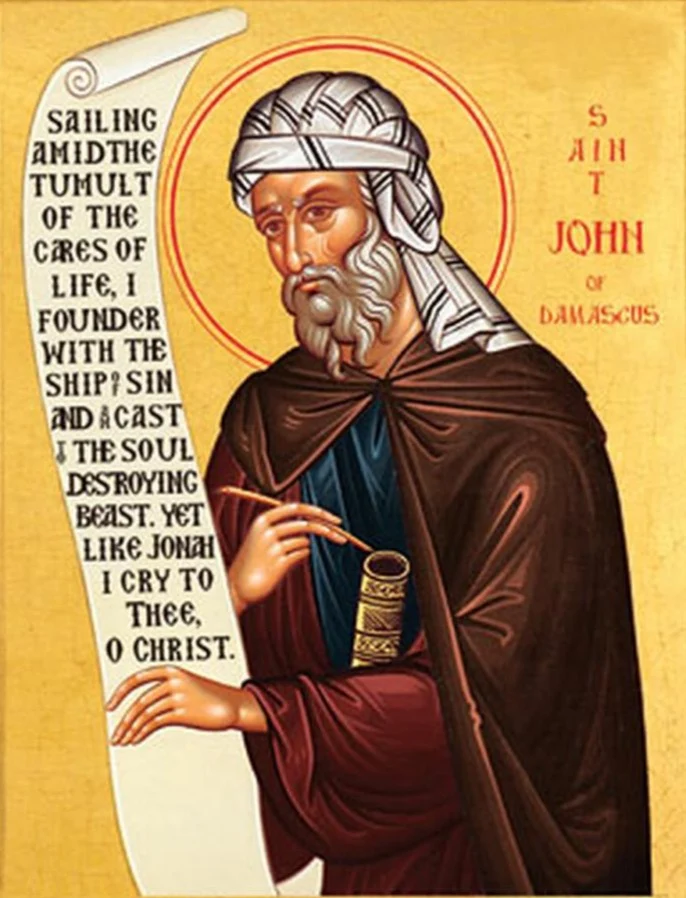
Doctor of the Church and last of the Greek Fathers, whose 'Fount of Knowledge' synthesized patristic dogma and whose three Apologetic Treatises defended holy icons.
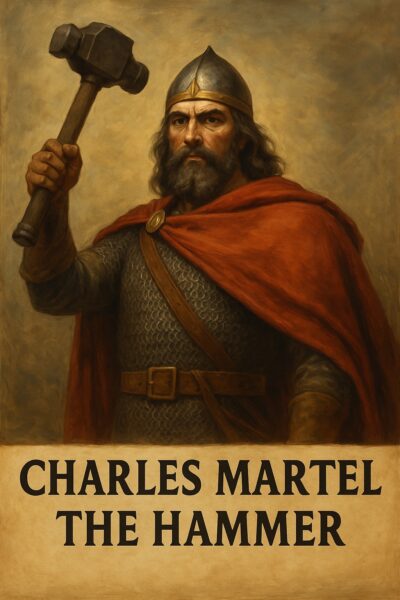
Frankish statesman and military commander who defeated the Umayyad Caliphate at the Battle of Tours in 732, laying the foundation for the Carolingian Empire.
Grandson of Uqba ibn Nafi who served as Ifriqiya's premier military commander in the 720s and 730s, leading the first major maritime campaigns against Byzantine Sicily from Tunis.
Grandson of Husayn, eminent legal scholar, and founder of the Zaydiyya school whose 'Majmu al-Fiqh' is one of the earliest codified legal manuals in Islamic history.
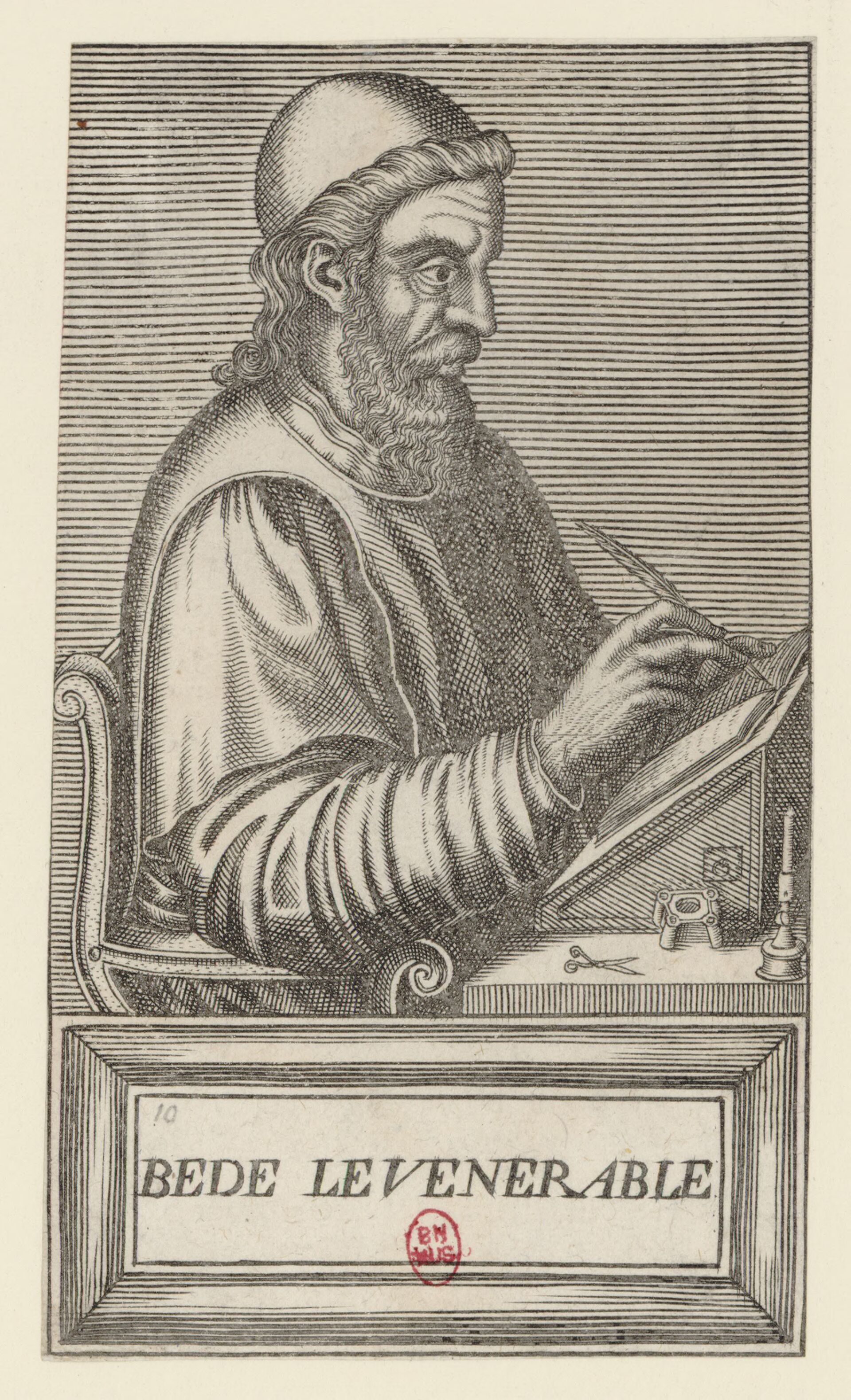
Northumbrian monk, Doctor of the Church, and Father of English History whose 'Ecclesiastical History of the English People' and calendar calculations (AD dating) forged English identity.