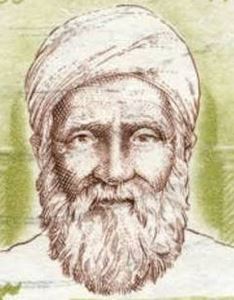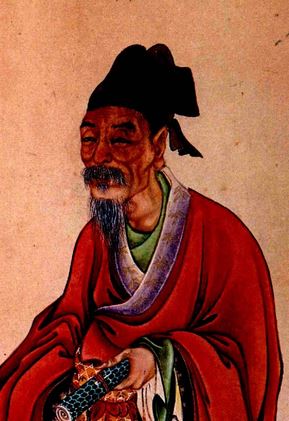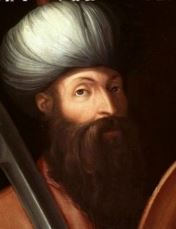
Muslim ibn al-Hajjaj
Supreme Hadith master whose compilation 'Sahih Muslim' represents the second most authentic collection of prophetic traditions in Sunni Islam, praised for thematic arrangement.
Start typing to search worldwide archives and community tributes
Filterable archive covering centuries of intellectual, artistic, and moral contributions to the human story.
Supreme Hadith master whose compilation 'Sahih Muslim' represents the second most authentic collection of prophetic traditions in Sunni Islam, praised for thematic arrangement.
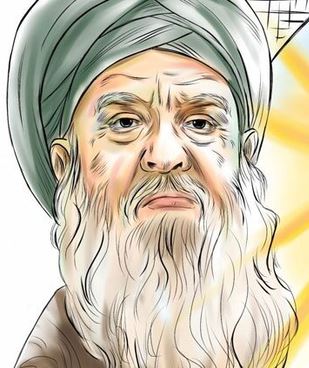
Eighth Aghlabid Emir (864โ875 AD), cultured prince who patronized poets, astronomers, and calligraphers in Kairouan during an era of peace and trade.
Celebrated Persian mystic and master of ecstatic contemplation whose profound utterances of divine intimacy made him an enduring symbol of total ego-annihilation in God.
Renowned Nestorian Christian physician and chief translator at Baghdad's House of Wisdom who translated Galen and Aristotle into Arabic.
Supreme Hadith master recognized as "Amir al-Mu'minin" in prophetic traditions. Evaluated over 600,000 traditions with peerless critical methodology to compile Sahih al-Bukhariโthe most authentic book in Sunni Islam after the Quran.
Supreme prose stylist of the Arabic Golden Age and pioneering zoologist whose encyclopedic masterworksโKitab al-Hayawan (Book of Living Creatures) and Kitab al-Bukhala (Book of Misers)โlaid the foundations of modern Arabic literary art (Adab).
Pioneering 9th-century Baghdad ascetic and spiritual master who mentored Al-Junayd and articulated the stages of spiritual purification.
Fifth Idrisid Sultan who ruled Morocco from Fez from 863 to 866 AD, overseeing municipal expansion during the completion of the great Qarawiyyin and Andalus mosques.
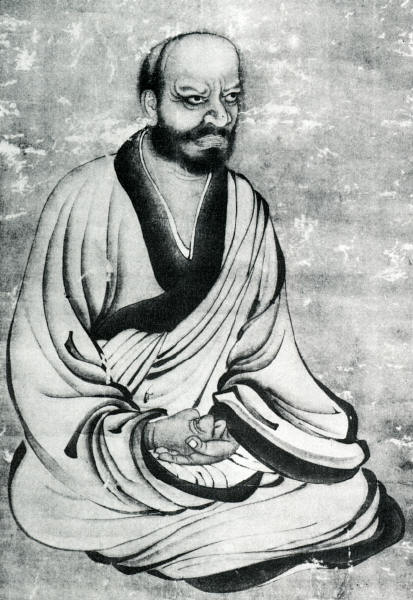
Founder of the Linji (Rinzai) school of Chan/Zen Buddhism famous for his shouts (katsu), blows, and radical teachings on the 'true person of no rank'.
Fifth Idrisid sovereign of Morocco whose peaceful and prosperous reign witnessed the founding of the University of al-Qarawiyyin by Fatima al-Fihriya in Fez in 859 CE.
Sixth Aghlabid Emir (856โ863 AD) and one of Tunisia's greatest architectural patrons, who constructed the world-famous Aghlabid Basins of Kairouan, expanded the Ez-Zitouna Mosque, and built the Great Mosque of Sousse.
Early Baghdad spiritual master, moral theologian, and psychologist whose 'Al-Ri'aya li-Huquq Allah' laid the psychological foundations for examining inner conscience and moral motives.
Fifth Aghlabid Emir (841โ856 AD) whose reign saw the naval capture of Messina in Sicily and the construction of the Great Ribat and Kasbah of Sousse.
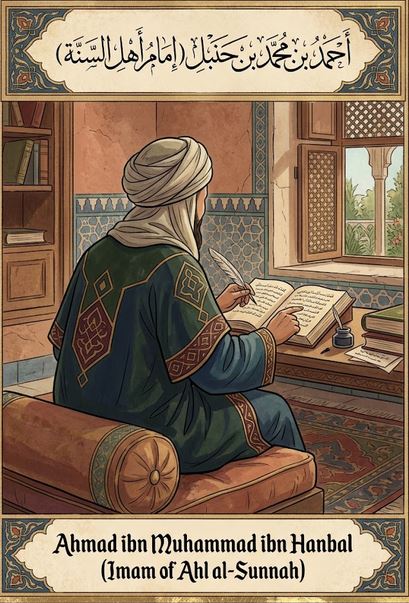
Heroic scholar and ascetic who founded the Hanbali school of jurisprudence. Endured years of imprisonment and flogging during the Abbasid Inquisition (Mihna) rather than compromise his conviction regarding the uncreated Word of God.
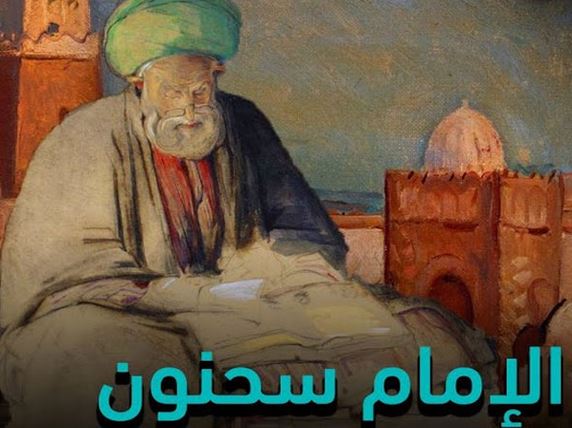
Venerated North African jurist and Qadi of Kairouan who authored 'Al-Mudawwana al-Kubra', the definitive founding compendium of the Maliki school of Islamic jurisprudence in the Maghreb and al-Andalus.
Foremost musician and musical theorist of the Abbasid Golden Age, master of the lute and court tutor under Harun al-Rashid.
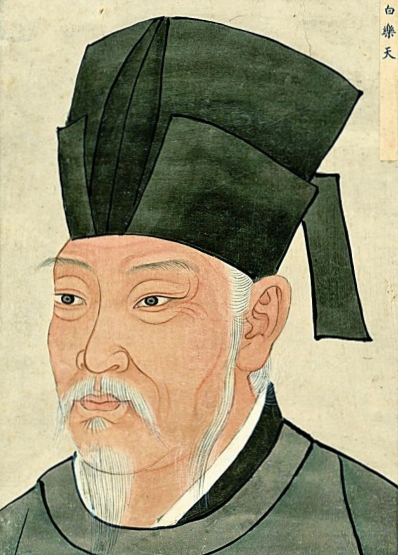
Celebrated Tang dynasty poet and statesman (772โ846), famous for his accessible plain-style verse, social criticism, and narrative masterpieces 'Song of Everlasting Regret' and 'The Pipa Song'.
One of the greatest poets of China's Tang dynasty whose accessible, socially conscious versesโincluding The Song of Everlasting Sorrow and The Pipa Playerโwere so plainspoken that even elderly village peasants could understand them.