Public Figures & Cultural Luminaries
Filterable archive covering centuries of intellectual, artistic, and moral contributions to the human story.
Tsar Boris I
 (Борис I Покръстител)
Visionary medieval sovereign who converted Bulgaria to Christianity in 864 and sheltered the expelled disciples of Saints Cyril and Methodius, making Bulgaria the cradle of the Cyrillic alphabet.
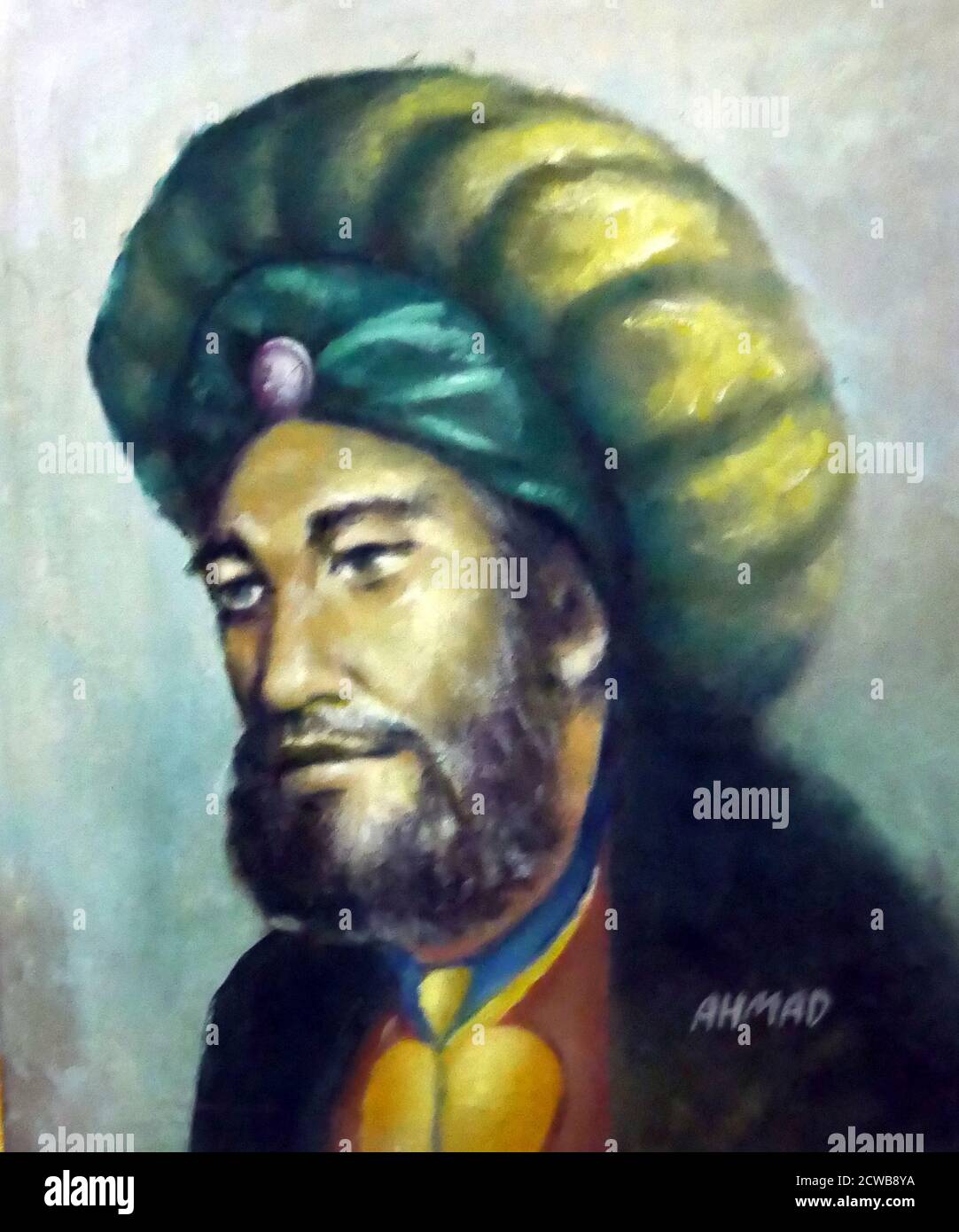
Ishaq ibn Imran
 (إسحاق بن عمران)
Pioneering 9th-century Baghdad-trained physician in Kairouan who authored the world's first clinical psychiatric treatise on depression, Maqala fi al-Malikhuliya (Treatise on Melancholy).
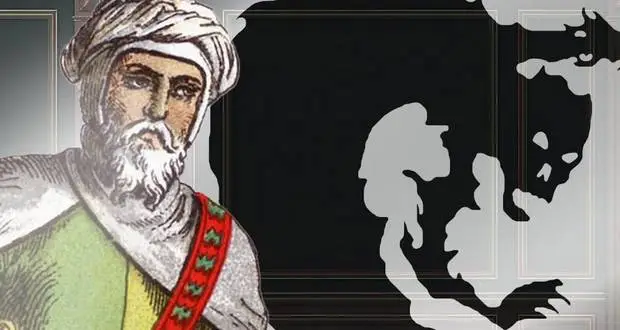
Ibrahim II of Ifriqiya
 (إبراهيم الثاني بن أحمد)
Aghlabid Emir who ruled Ifriqiya from 875 to 902, famous for building the monumental palace-city of Raqqada, completing the conquest of Byzantine Sicily, and subduing regional rebellions.
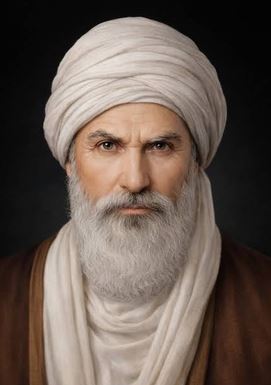
Yahya ibn Umar al-Kinani
(يحيى بن عمر الكناني)
Pioneering Islamic legal theorist of Kairouan who authored 'Ahkam al-Suq' (Rules of the Market), the earliest surviving comprehensive legal treatise on economic regulation, consumer protection, and commercial ethics.
Thabit ibn Qurra
 (ثابت بن قرة)
Sabian mathematician and astronomer in Baghdad who pioneered amicable numbers, non-Euclidean geometry concepts, and solar year calculations.
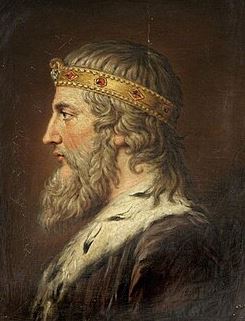
Alfred the Great (King of the Anglo-Saxons)
 (Ælfred se Micela (Alfred the Great))
King of Wessex and the only English monarch accorded the epithet "the Great." Defended Anglo-Saxon England against Viking conquest at the Battle of Edington (878), fortified the kingdom with the burh fortress network, and personally translated Latin classics into Old English.
Al-Buhturi
(البحتري)
Great 9th-century Syrian classical poet renowned for his lyrical naturalism, musicality, and majestic ode on the ruins of the Arch of Ctesiphon.
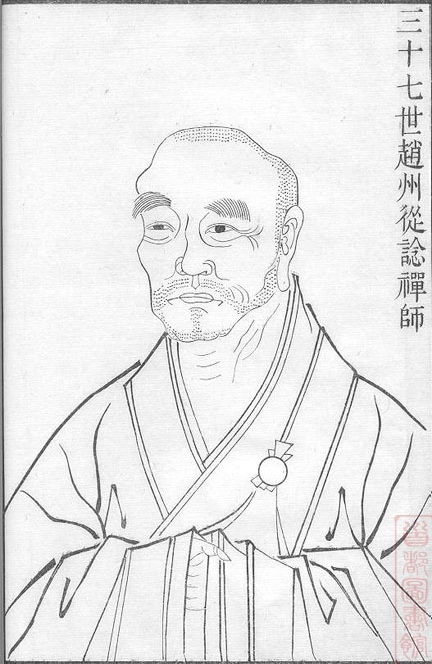
Zhaozhou Congshen
 (趙州從諗)
Iconic Chinese Chan master famous for his eighty years of traveling, profound paradoxical brevity, and the ultimate koan 'Mu' (Does a dog have Buddha-nature?).
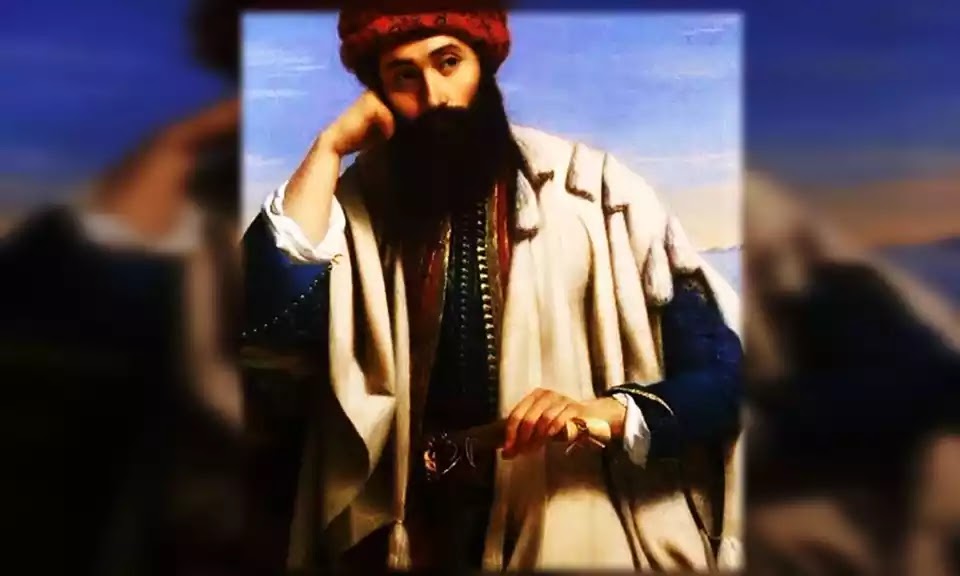
Khamarawayh ibn Ahmad ibn Tulun
(خمارويه بن أحمد بن طولون)
Second Tulunid sovereign of Egypt and Syria (884–896) whose opulent reign made Cairo an architectural wonderland with exotic botanical gardens, royal menageries, and a legendary liquid mercury air-bed.

Khumarawayh
(خمارويه بن أحمد بن طولون)
Second ruler of the Tulunid Dynasty who consolidated Egyptian dominion over Syria and the Jazira, renowned for his legendary patronage of palatial architecture, exotic zoological gardens, and the famous royal mercury pool.
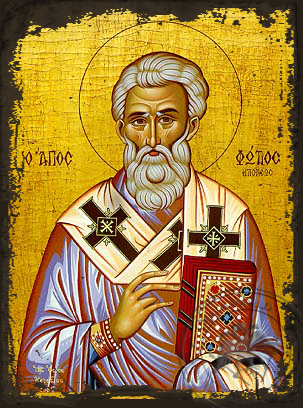
Photios the Great
 (Φώτιος)
Ecumenical Patriarch of Constantinople and towering polymath whose 'Bibliotheca' saved classical antiquity and who defended Eastern pneumatology against the Filioque.
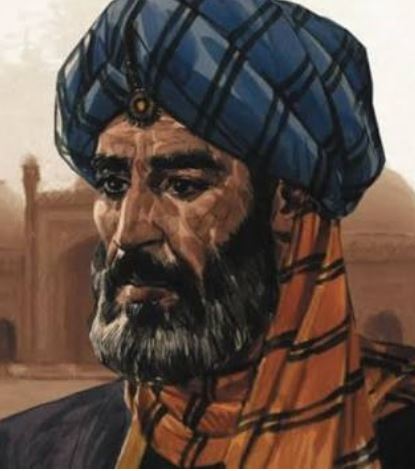
Abu Isa Muhammad al-Tirmidhi
(أبو عيسى محمد الترمذي)
Eminent Hadith scholar and student of al-Bukhari who compiled 'Jami` at-Tirmidhi'—introducing precise grading terms (Hasan Sahih)—and authored 'Al-Shama'il al-Muhammadiyya'.
Ibn Qutaybah
(ابن قتيبة)
Monumental 9th-century polymath and judge whose masterworks 'Adab al-Katib' and 'Uyun al-Akhbar' codified classical Arab humanistic culture (Adab).
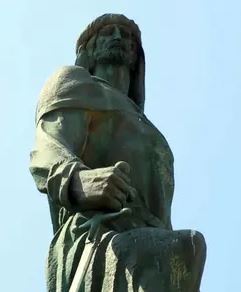
Abu Dawud al-Sijistani
(أبو داود السجستاني)
Master Hadith compiler and jurist whose 'Sunan Abi Dawud' is the premier canonical collection focused on legal ahadith (Ahadith al-Ahkam) governing jurisprudence.
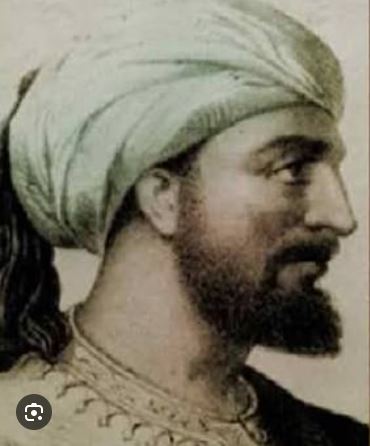
Muhammad ibn Yazid Ibn Majah
(ابن ماجه)
Persian Hadith scholar, exegete, and historian whose 'Sunan Ibn Majah' completes the revered 'Kutub al-Sittah' (Six Canonical Hadith Books) of Sunni Islam.
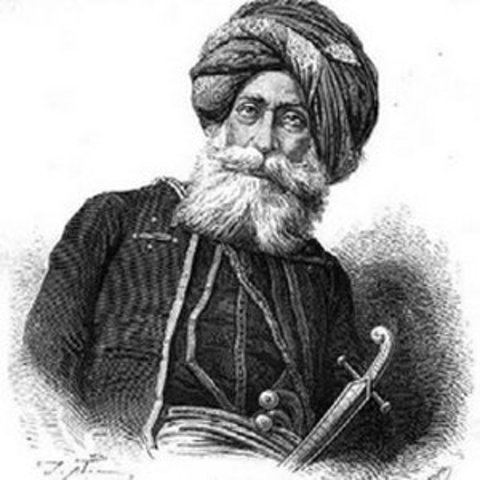
Ahmad ibn Tulun
(أحمد بن طولون)
Visionary military commander and statesman who founded the Tulunid Dynasty in 868 CE, establishing Egypt as an autonomous sovereign Islamic power independent of Abbasid control for the first time, and builder of the majestic Ibn Tulun Mosque.
Khadija bint Sahnun ibn Sa'id
(خديجة بنت سحنون)
Daughter and intellectual collaborator of Imam Sahnun, celebrated across North Africa as one of the earliest female jurists (Faqiha) who issued fatwas, taught women, and advised her father on legal rulings.
Ali ibn Umar al-Idrisi
 (علي بن عمر بن إدريس)
Sixth Idrisid Sultan who came from the northern province of the Rif to restore order in Fez in 866 AD, reigning with prudence until 883 AD.