Public Figures & Cultural Luminaries
Filterable archive covering centuries of intellectual, artistic, and moral contributions to the human story.
Abu Firas al-Hamdani
 (أبو فراس الحمداني)
Chivalric Hamdanid prince and knight-poet whose poignant prison poems 'Al-Rumiyyat' captured his seven-year captivity in Constantinople.
Sayf al-Dawla
 (سيف الدولة الحمداني)
Chivalric Hamdanid Emir of Aleppo who waged decades of war against the Byzantine Empire and hosted the most brilliant literary salon of the medieval world.
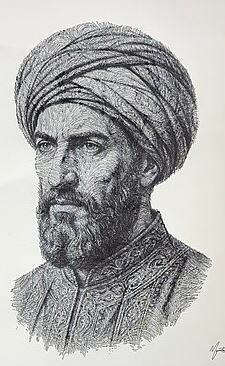
Abu al-Tayyib Ahmad ibn al-Husayn al-Kindi (Al-Mutanabbi)
(أبو الطيب المتنبي)
Universally venerated as the greatest poet in the history of the Arabic language, whose soaring verses of pride, valor, and existential philosophical grandeur at the court of Sayf al-Dawla remain proverbial across the Arab world.
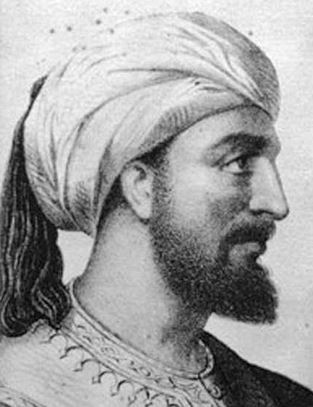
Abd al-Rahman III (Al-Nasir li-Din Allah)
 (عبد الرحمن الثالث (الناصر لدين الله))
First Caliph of Córdoba whose fifty-year reign transformed Muslim Spain (Al-Andalus) into the intellectual, scientific, and architectural wonder of medieval Europe. Built the magnificent palace-city of Madinat al-Zahra.
Al-Masudi
(أبو الحسن علي بن الحسين المسعودي)
Celebrated 10th-century historian and geographer known as the 'Herodotus of the Arabs', author of The Meadows of Gold.
Abu al-Ays Ahmad
 (أبو العيش أحمد بن القاسم كنون)
Thirteenth Idrisid Sultan and profound scholar-jurist, who abdicated his throne to his brother Al-Hasan II and died fighting as a common soldier in Andalusia.
Ismail al-Mansur bi-Nasr Allah
 (إسماعيل المنصور بنصر الله)
Third Fatimid Caliph (946–953 AD) who broke the siege of Mahdia, defeated Abu Yazid in epic pitched battles across Tunisia, and founded the palatial round city of Sabra al-Mansuriya near Kairouan.
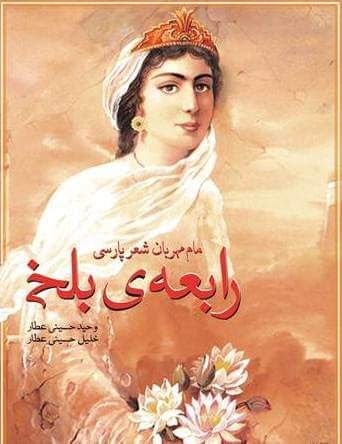
Rabia Balkhi
 (رابعه بلخی)
First recorded female poet in the history of New Persian literature, revered across Central Asia for her passionate, rebellious love poetry written in the 10th-century Samanid court.
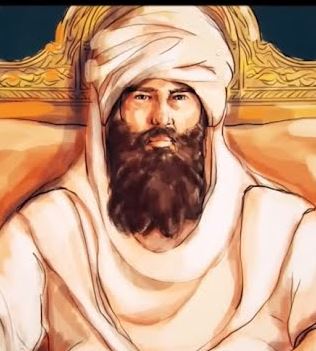
Al-Qasim Gannun
(القاسم كنون بن محمد)
Twelfth Idrisid ruler who built the mountain fortress capital of Hajar an-Nasr (The Eagle's Rock) and maintained Moroccan independence against the Umayyads and Fatimids.
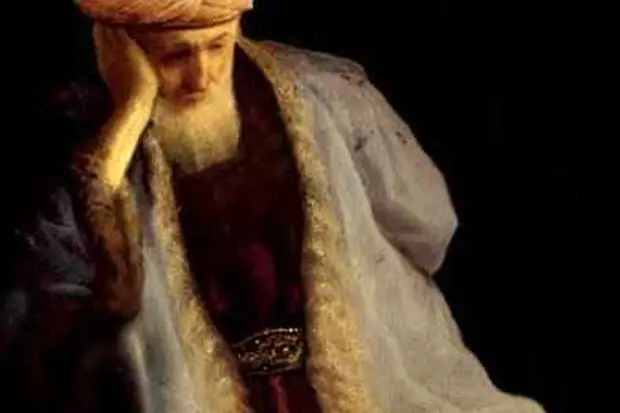
Abu Yazid
 (أبو يزيد مخلد بن كيداد)
Known as 'The Man with the Donkey' (Sahib al-Himar), this charismatic Zenata Berber teacher led a massive popular Kharijite revolt that besieged the Fatimid Caliphate inside Mahdia in 944.
Saint John of Rila
 (Свети Иван Рилски)
Revered hermit monk and patron saint of the Bulgarian nation who founded the historic Rila Monastery in the 10th century, serving as the spiritual beacon of Bulgarian faith and identity.
Muhammad al-Qa'im bi-Amr Allah
 (محمد القائم بأمر الله)
Second Fatimid Caliph (934–946 AD) who led early military campaigns into Egypt and heroically withstood the terrifying six-month siege of Mahdia by the rebel Abu Yazid.
Al-Hasan al-Hamdani
 (الحسن بن أحمد الهمداني)
Supreme polymath of medieval Yemen whose encyclopedic ten-volume 'Al-Iklil' and 'Sifat Jazirat al-Arab' documented the geography and antiquities of Arabia.
Abu al-Arab Muhammad ibn Ahmad al-Tamimi
(أبو العرب محمد بن أحمد بن تميم التميمي)
Foundational 10th-century historian and Hadith master of Kairouan, author of Tabaqat Ulama Ifriqiya, the irreplaceable primary biographical chronicle of early Islamic North Africa.
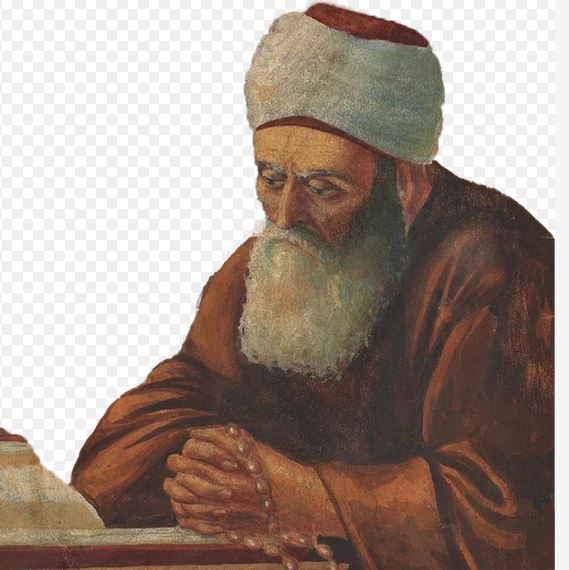
Abu Mansur Muhammad al-Maturidi (Imam al-Huda)
 (أبو منصور محمد بن محمد الماتريدي)
Central Asian theologian celebrated as "Imam of Guidance" who founded the Maturidi school of theology, predominant across Turkish, Central Asian, and South Asian Muslim civilizations. Championed the inherent rationality of ethics and divine wisdom.
Sinan ibn Thabit
(سنان بن ثابت بن قرة)
Abbasid chief physician who pioneered mobile medical clinics, state licensure examinations for doctors, and public health hospitals in Iraq.
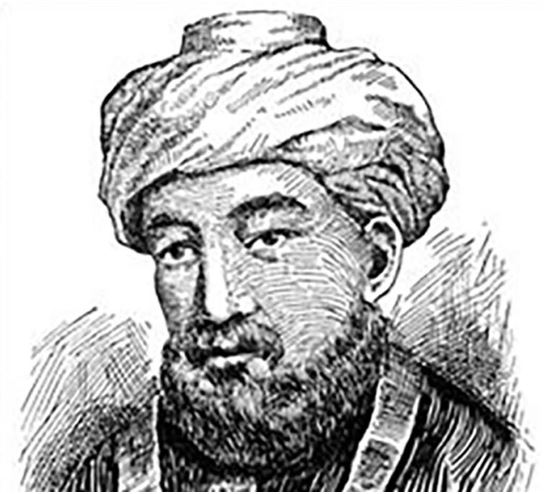
Saadia ben Joseph (Saadia Gaon)
 (סעדיה גאון / سعيد بن يوسف الفيومي)
First major rabbinic philosopher of the Islamic era and head (Gaon) of the Sura Academy in Babylon. Authored The Book of Beliefs and Opinions (Emunot ve-De'ot), pioneering Judaeo-Arabic literature, Hebrew grammar, and rationalist theology.
Abu al-Hasan Ali ibn Isma'il al-Ash'ari
(أبو الحسن علي بن إسماعيل الأشعري)
Tenth-century Iraqi theologian who established Ash'arite scholastic theology—the foundational doctrinal framework of mainstream Sunni Islam. Harmonized divine omnipotence, the uncreated Quran, and human moral acquisition (Kasb).