Public Figures & Cultural Luminaries
Filterable archive covering centuries of intellectual, artistic, and moral contributions to the human story.
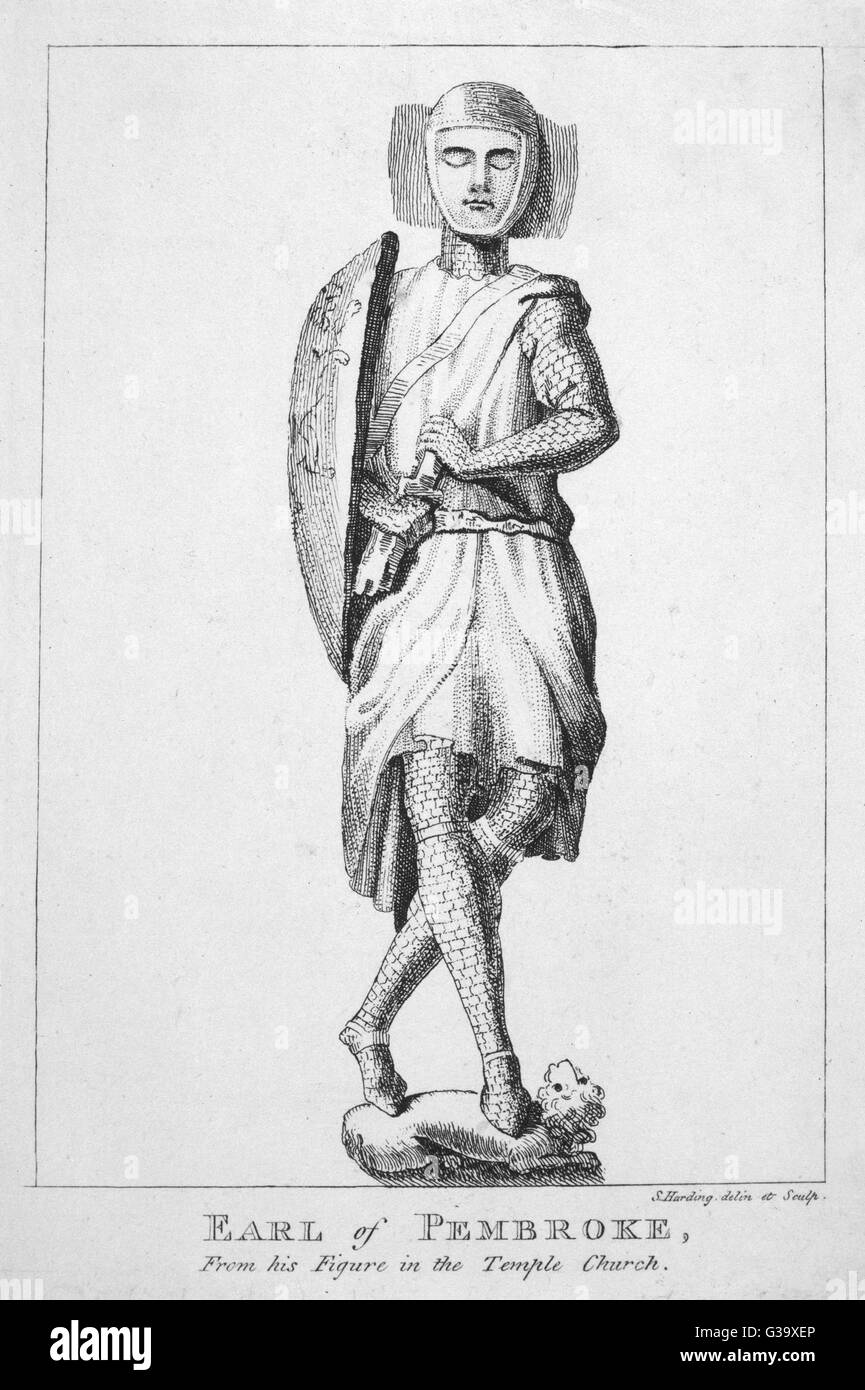
William Marshal (1st Earl of Pembroke)
 (William Marshal / Guillaume le Maréchal)
1st Earl of Pembroke celebrated as 'The Greatest Knight That Ever Lived', who served five English kings, negotiated the Magna Carta, and won the Battle of Lincoln at age 70.
King Jayavarman VII
 (ព្រះបាទជ័យវរ្ម័នទី ៧)
Greatest monarch of the Khmer Empire who liberated Angkor from Cham occupation, constructed the walled capital of Angkor Thom, the enigmatic face-towers of the Bayon, and over 100 royal hospitals.
Abu al-Husayn Muhammad ibn Ahmad Ibn Jubayr
 (ابن جبير الكناني)
Pioneering travel writer and Almohad civil servant whose Rihla established the classical Arabic travelogue genre, chronicling the Mediterranean world, Mecca, and North Africa.

Abd al-Haqq I ibn Mihyu
(عبد الحق بن محيو المريني)
Founding chieftain of the Zenata Berber Marinid Dynasty who led his nomadic confederacy from eastern pasturelands into northern Morocco, initiating the overthrow of Almohad power.
Abu Abdallah Muhammad al-Miknasi
(أبو عبد الله محمد المكناسي)
Pious 12th-century judge and ascetic scholar of Meknes who mediated between imperial Almohad governors and municipal guilds with strict legal impartiality.
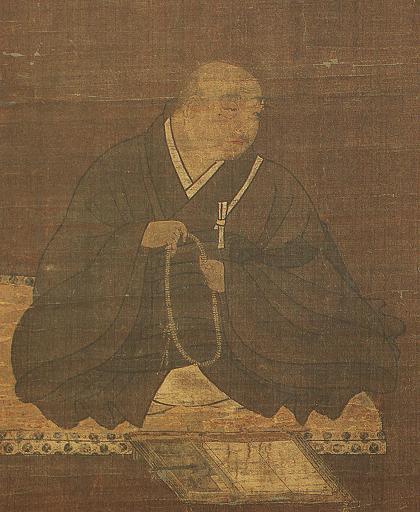
Honen
 (法然)
Founder of Jodo-shu (Pure Land Buddhism) in Japan who democratized spirituality during the Kamakura era by teaching that exclusive recitation of the Nembutsu guarantees salvation for all.
Abu al-Rabi Sulayman ibn Abd al-Mu'min
(أبو الربيع سليمان بن عبد المؤمن)
Son of Caliph Abd al-Mu'min who served as governor of Ceuta and northern Morocco, overseeing maritime defenses and trade across the Strait of Gibraltar.
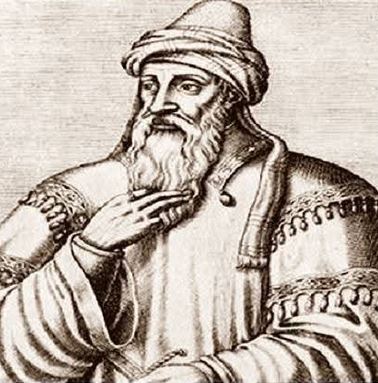
Al-As'ad ibn Mammati
 (الأسعد بن مماتي)
Pioneering 12th-century Egyptian administrative reformer, poet, and financial supervisor under Saladin whose masterwork Qawanin al-Dawawin provides the definitive fiscal and agricultural atlas of Ayyubid Egypt.
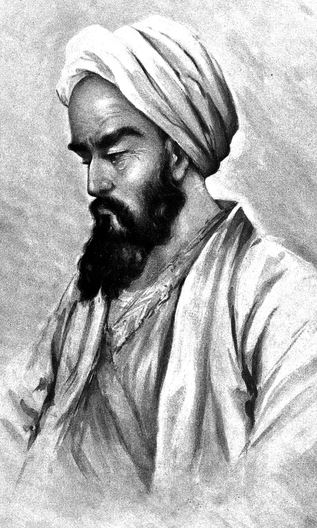
Muhammad ibn Umar al-Razi (فخر الدين الرازي)
Towering Persian Islamic philosopher, theologian, and polymath whose 32-volume exegesis 'Mafatih al-Ghayb' (The Great Commentary) synthesized rationalism and orthodox theology.
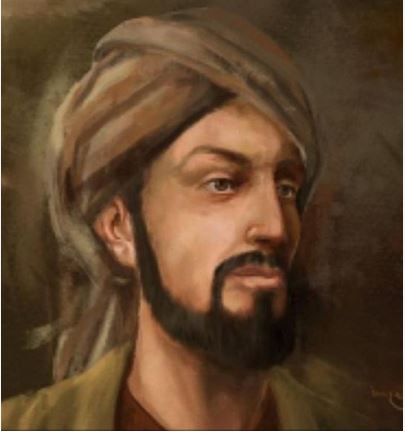
Ismail al-Jazari
 (بديع الزمان أبو العز بن إسماعيل الرزاز الجزري)
Chief engineer of the Artuqid palace who invented the crankshaft, camshaft, suction pumps, programmable musical automata, and the monumental Elephant Water Clock.
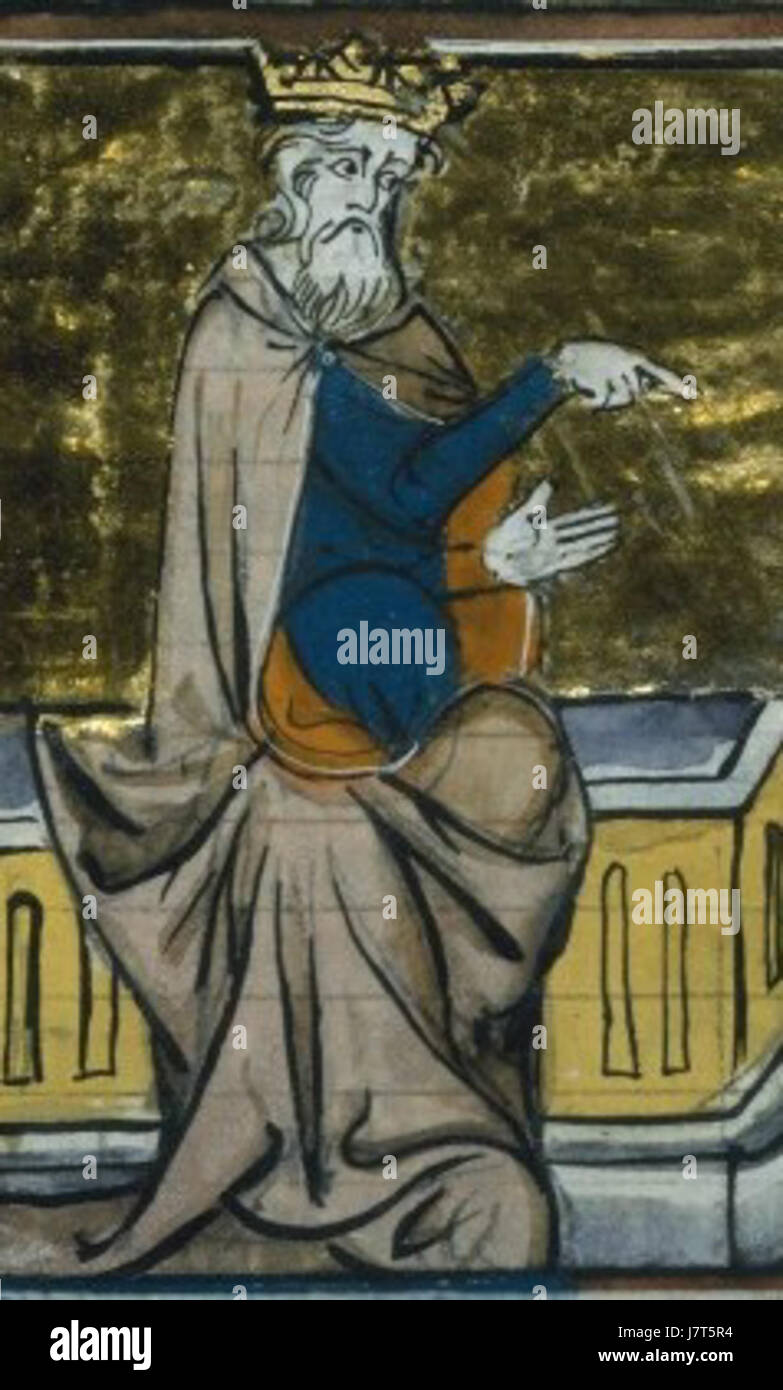
Baldwin I of Constantinople
 (Baudouin de Constantinople / Boudewijn IX van Vlaanderen)
Count of Flanders and Hainaut who was crowned the first Emperor of the Latin Empire of Constantinople in 1204 following the Fourth Crusade.
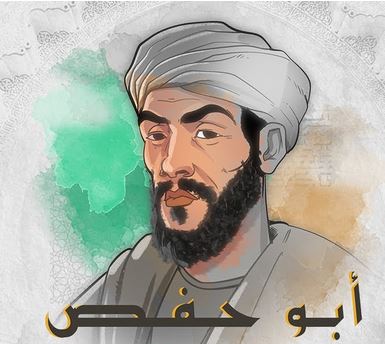
Abu Hafs Umar ibn Yahya al-Hantati
(أبو حفص عمر بن يحيى الهنتاتي)
Distinguished Almohad governor and military commander of the Hintata nobility, instrumental in maintaining administrative stability across central Morocco under Caliph al-Mansur.
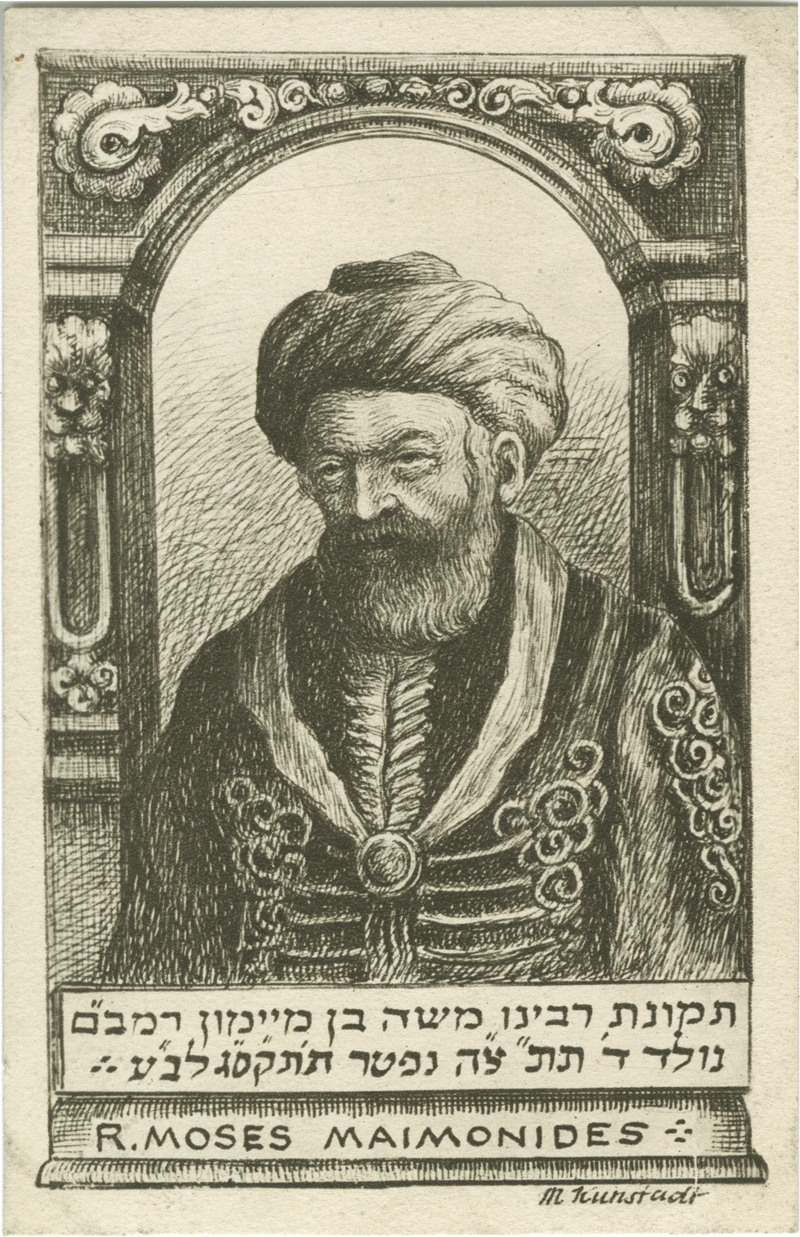
Maimonides (Rambam)
 (משה בן מימון)
Jewish philosopher, jurist, and physician universally revered as the Rambam, who reconciled Aristotelian philosophy with biblical revelation in The Guide for the Perplexed and codified Jewish law in the Mishneh Torah.
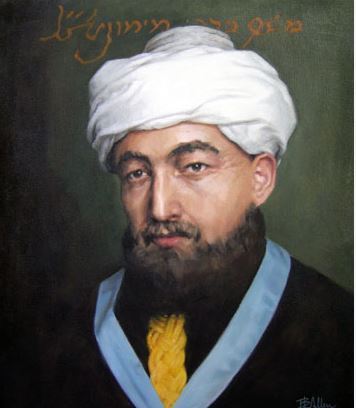
Moses ben Maimon (Maimonides / Rambam)
(רמב״ם (משה בן מימון))
Paramount Jewish philosopher, legal codifier, and polymath. Authored the Mishneh Torah—the first systematic codification of Jewish law—and The Guide for the Perplexed, harmonizing Torah revelation with Aristotelian rationalism.
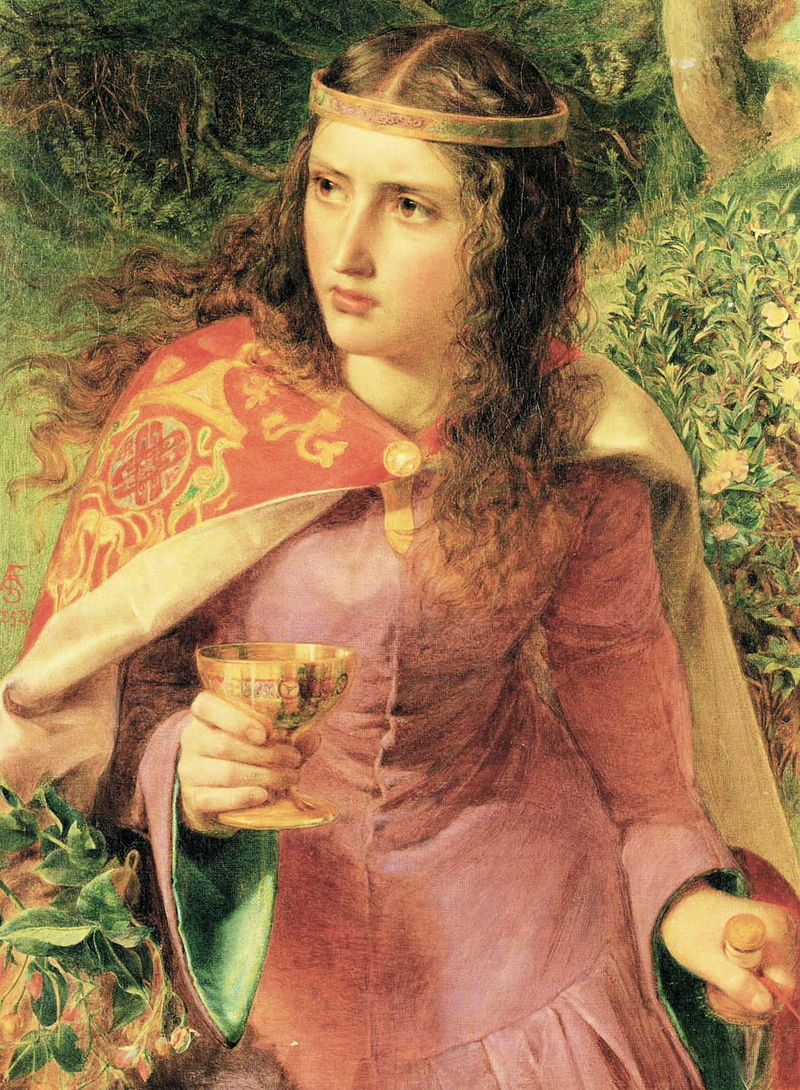
Eleanor of Aquitaine
 (Aliénor d'Aquitaine)
One of the wealthiest and most powerful women of the High Middle Ages, successively Queen of France and Queen of England.
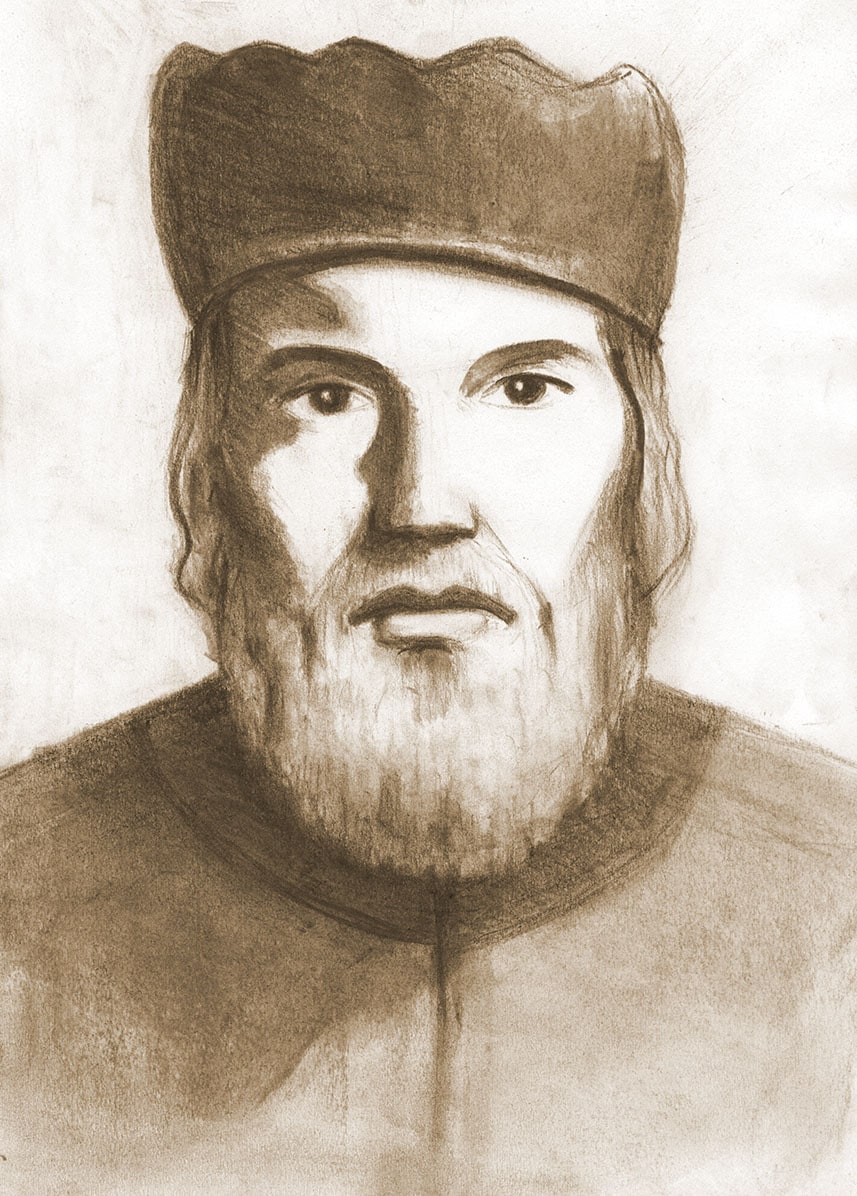
Kulin Ban
 (Kulin Ban)
Legendary twelfth-century Ban of Bosnia whose August 29, 1189 'Charter of Ban Kulin' is the oldest preserved state document in the Bosnian vernacular, celebrated as Bosnia's 'birth certificate'.

Abu al-Abbas al-Sabti
(أبو العباس السبتي (أحمد بن جعفر الخزرجي))
The supreme patron saint of Marrakech among the Seven Saints, whose mystical philosophy centered entirely on radical charity, feeding the poor, and social solidarity.
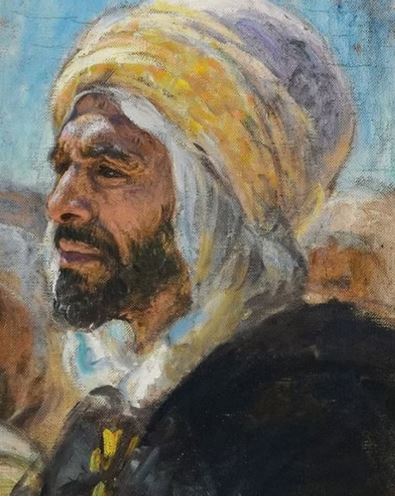
Abu al-Abbas Ahmad ibn Ja'far al-Khazraji al-Sebti
(أبو العباس السبتي)
Revered Sufi master from Ceuta who settled in Marrakech under the Almohad caliphs, formulated the famous spiritual philosophy of charity, and became the paramount patron saint among the Seven Saints of Marrakech.