Public Figures & Cultural Luminaries
Filterable archive covering centuries of intellectual, artistic, and moral contributions to the human story.
Yaqut al-Hamawi
 (ياقوت الحموي)
Byzantine-born Muslim scholar and traveler who compiled the monumental geographical encyclopedia Mu'jam al-Buldan in Aleppo.
Abu Imran Musa ibn Hammad al-Sanhaji
 (موسى بن حماد الصنهاجي الطبيب)
Esteemed Moroccan physician and pharmacologist who managed the imperial hospital (Bimaristan) of Marrakech founded by Caliph Yaqub al-Mansur.
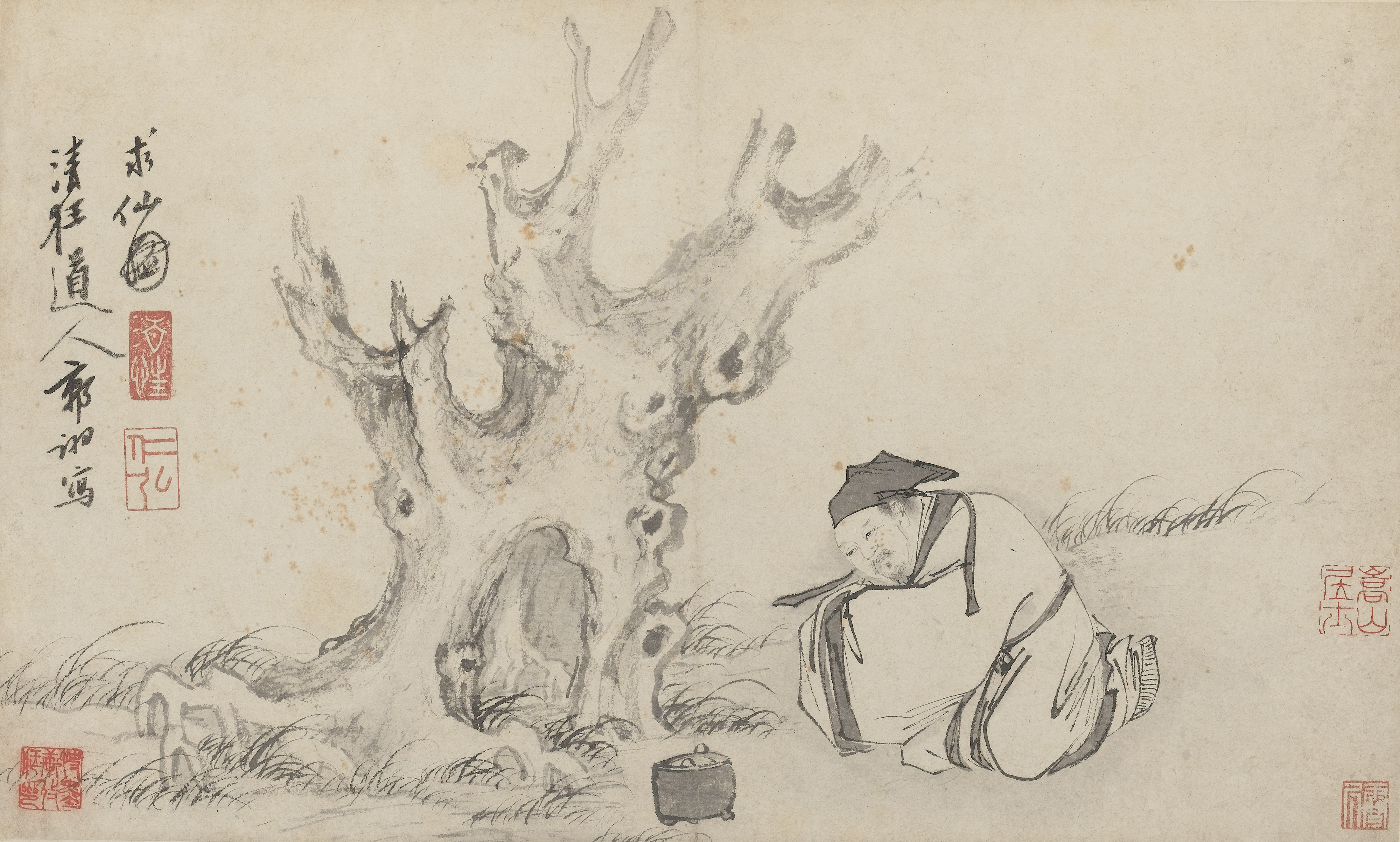
Qiu Chuji
 (丘處機)
Leader of Quanzhen Daoism who undertook an epic journey across Central Asia to the Hindu Kush in 1222 to counsel Genghis Khan against mass slaughters, saving millions.
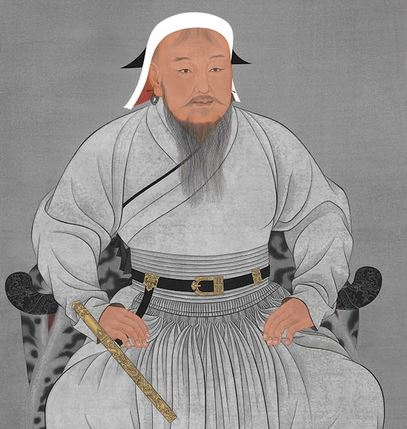
Genghis Khan (Temüjin Borjigin)
 (Чингис хаан (Universal Ruler))
Visionary military strategist and founder of the Mongol Empire—the largest contiguous land empire in world history. United the nomadic steppe tribes, instituted absolute religious freedom, created the postal relay network (Yam), and codified the Yassa law.
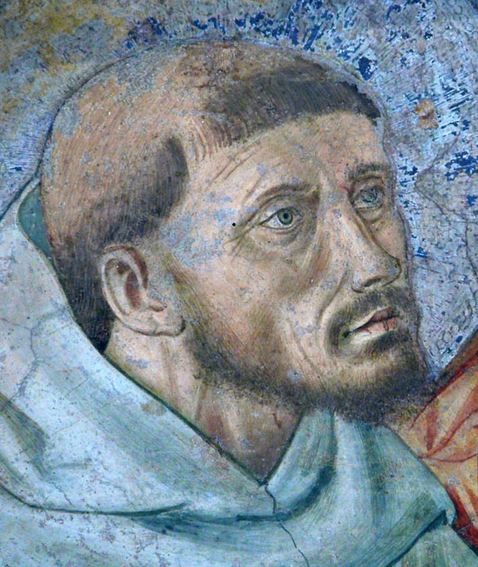
Giovanni di Pietro di Bernardone (Saint Francis of Assisi)
 (San Francesco d'Assisi)
Beloved friar and mystic who renounced aristocratic wealth to embrace absolute poverty, brotherly love for all creatures, and peaceful interfaith dialogue, composing the Canticle of the Sun and founding the Franciscan Order.
Ahmad al-Buni
 (أحمد بن علي البوني)
Renowned 13th-century North African mathematician and esoteric philosopher whose treatises on magic squares, numerical combinatorics, and celestial talismans achieved legendary fame.
Abu Muhammad Abd al-Wahid I al-Makhlu
(عبد الواحد بن يوسف المخلوّع)
Almohad caliph who ruled briefly in 1224 following the death of Yusuf II al-Mustansir, overthrown by rival dynastic factions in Marrakech.
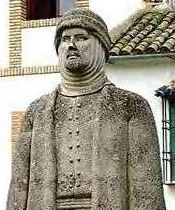
Abu Yaqub Yusuf II
(أبو يعقوب يوسف المستنصر)
Fifth Almohad Caliph (1213–1224) whose eleven-year reign preserved peace, civic tranquility, and scholarly patronage across Morocco and southern Spain.
Philip II Augustus
 (Philippe II Auguste)
Transformative King of France who broke the Angevin Empire, won the epochal Battle of Bouvines (1214), transformed Paris with paved streets, the Louvre fortress, and city walls, and first took the title 'King of France'.
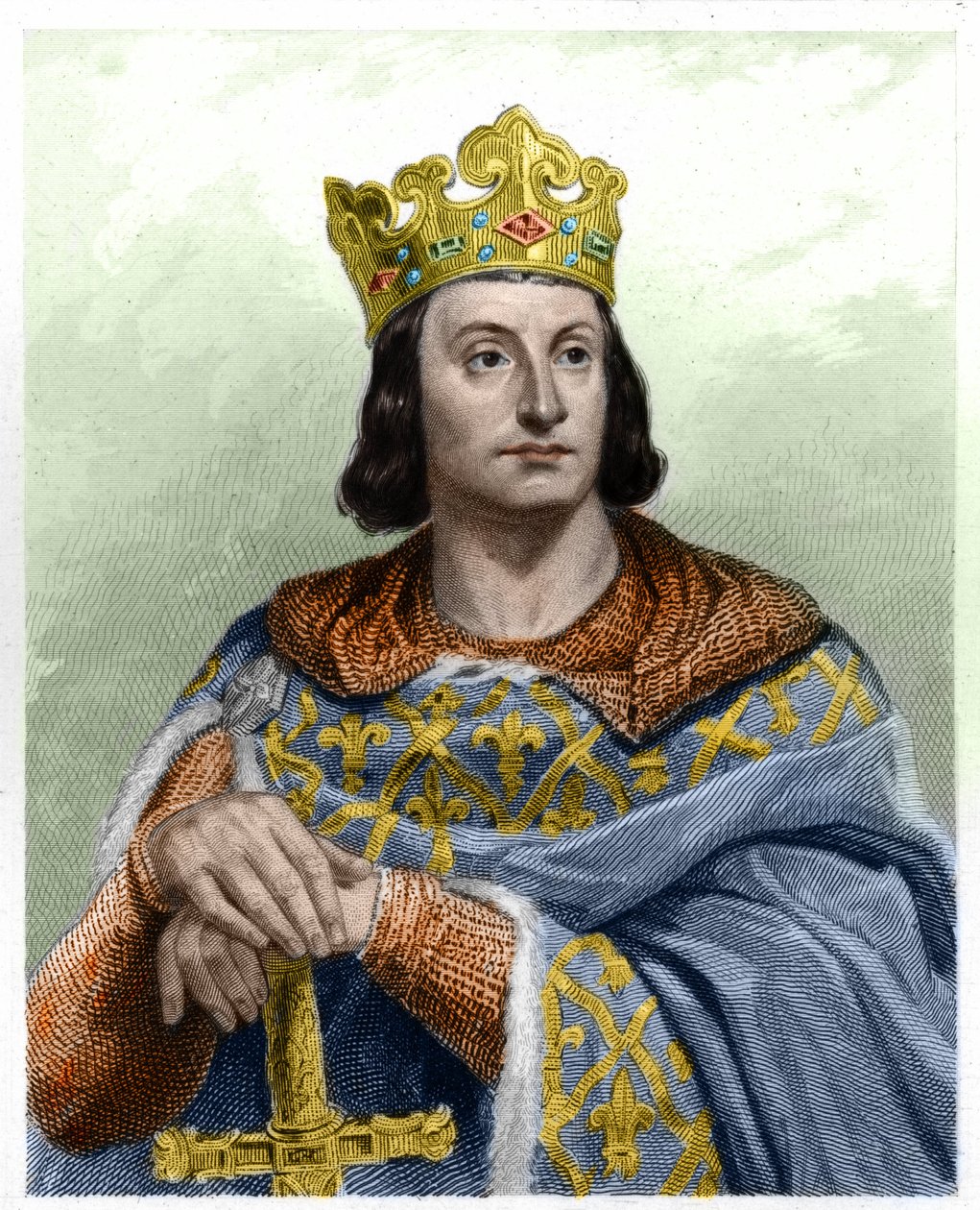
Philip II of France (Philippe Auguste)
(Philippe II Auguste)
First monarch to officially use the title 'King of France', who defeated the Anglo-German coalition at Bouvines and built the medieval Louvre.
Muwaffaq al-Din Ibn Qudamah
 (ابن قدامة المقدسي)
Supreme Hanbali jurist, ascetic, and theologian whose ten-volume 'Al-Mughni' is the definitive masterpiece of comparative Islamic jurisprudence, highly praised by Saladin.
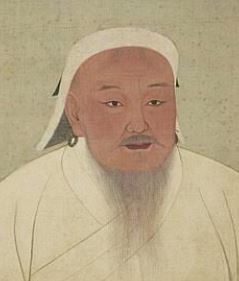
Jebe
(Зэв (Jebe Noyan))
Legendary Mongol general and one of Genghis Khan's 'Four Dogs of War', who earned his name 'The Arrow' by shooting Genghis Khan's horse in battle and went on to conquer the Qara Khitai.
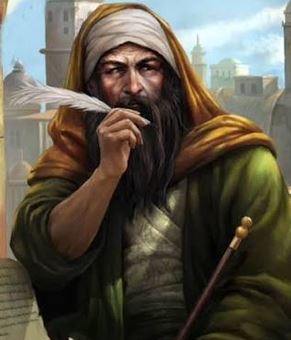
Abu Hamid bin Abu Bakr Ibrahim (فريد الدين عطار)
Persian mystical poet, apothecary, and hagiographer whose allegorical masterpiece 'The Conference of the Birds' and 'Memorial of the Saints' deeply inspired Rumi.

Abu Muhammad Abd al-Wahid ibn Abi Hafs
(أبو محمد عبد الواحد بن أبي حفص)
Grandson of Umar al-Hantati appointed governor of Ifriqiya in 1207 by Caliph Muhammad al-Nasir, who pacified Tunisia, suppressed the Banu Ghaniya, and established the governing foundation of the Hafsid Dynasty.
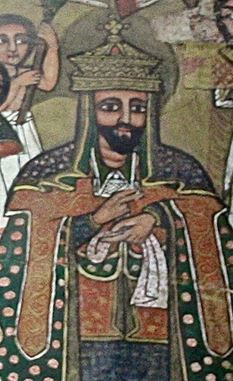
King Lalibela
 (ላሊበላ (ገብረ መስቀል))
King of Ethiopia of the Zagwe Dynasty who carved the eleven monolithic rock-hewn churches of Lalibela out of volcanic basalt, creating a 'New Jerusalem' in the Ethiopian highlands.
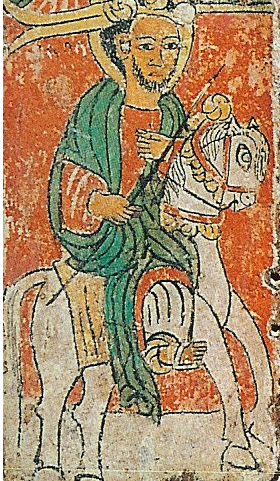
Emperor Gebre Mesqel Lalibela
(ላሊበላ)
Zagwe Emperor of Ethiopia venerated as an Ethiopian Orthodox saint, who carved the world-famous rock-hewn monolithic churches of Lalibela as a 'New Jerusalem'.
Abu Muhammad Abdallah ibn Humayd
(عبد الله بن حميد الكاتب)
Head of the Almohad imperial chancery (Diwan al-Insha) under Caliph Yaqub al-Mansur and Muhammad al-Nasir, master of Maghrebi epistolary prose and diplomatic protocol.
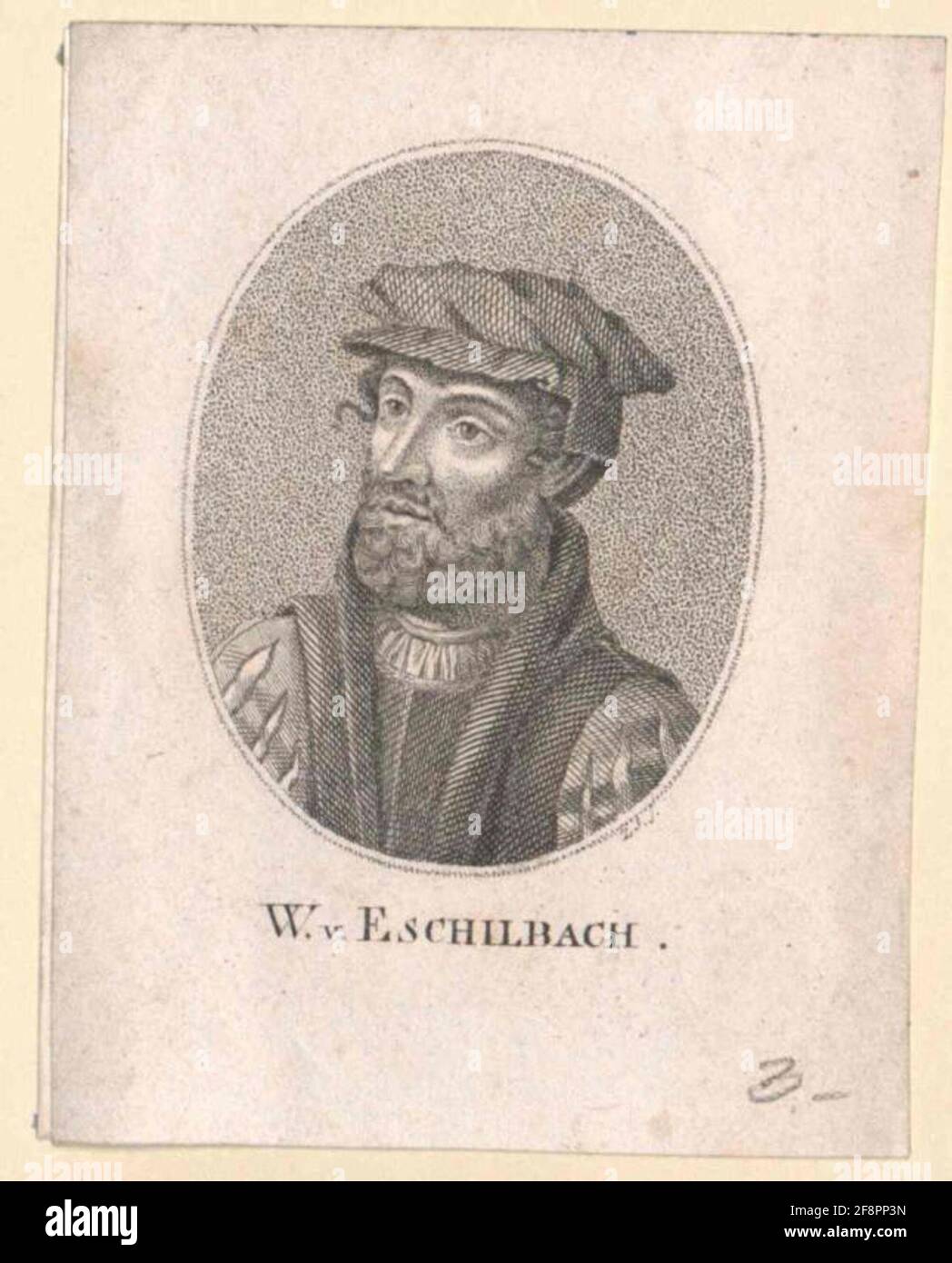
Wolfram von Eschenbach
 (Wolfram von Eschenbach)
Greatest Middle High German epic poet and knight whose masterpiece Parzival redefined the Arthurian Grail quest as a spiritual journey of empathy and faith.