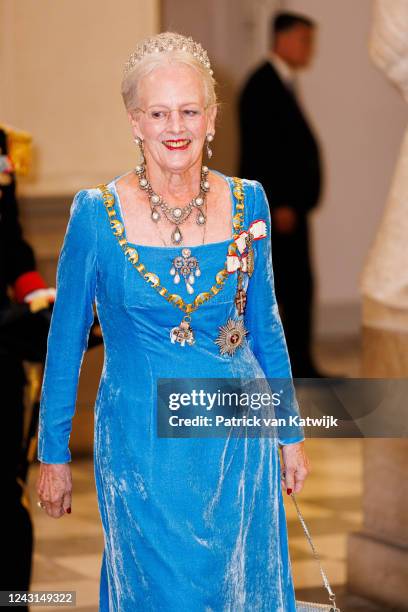
Margaret I of Denmark (Margrete I)
Master Scandinavian queen who created the Kalmar Union in 1397, uniting the three Nordic kingdoms of Denmark, Norway, and Sweden.
Start typing to search worldwide archives and community tributes
Filterable archive covering centuries of intellectual, artistic, and moral contributions to the human story.
Master Scandinavian queen who created the Kalmar Union in 1397, uniting the three Nordic kingdoms of Denmark, Norway, and Sweden.
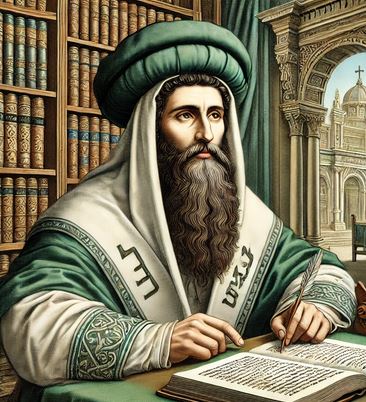
Catalan philosopher and leader of Spanish Jewry whose treatise 'Light of the Lord' (Or Adonai) critiqued Aristotelian physics and championed divine love and free will.
Exiled Nasrid royal who served the Marinid court in Fez, author of Rawdat al-Nisrin, one of the primary historical chronicles of the Marinid and Nasrid dynasties.
Preeminent 14th-century Algerian polymath, astronomer, and Chief Judge of Constantine whose astronomical treatises on planetary conjunctions and historical chronicles documented Hafsid North Africa.
Towering 14th-century polymath from Constantine who wrote seminal treatises on planetary astronomy, arithmetic, Maliki law, and chronological history.
Father of historiography, sociology, and political economy whose Muqaddimah uncovered the laws governing social cohesion (Asabiyyah) and the cyclical rise and fall of civilizations.
Pioneering polymath widely regarded as the foundational father of sociology, historiography, demography, and cultural philosophy. Renowned globally for his seminal work, the Muqaddimah.
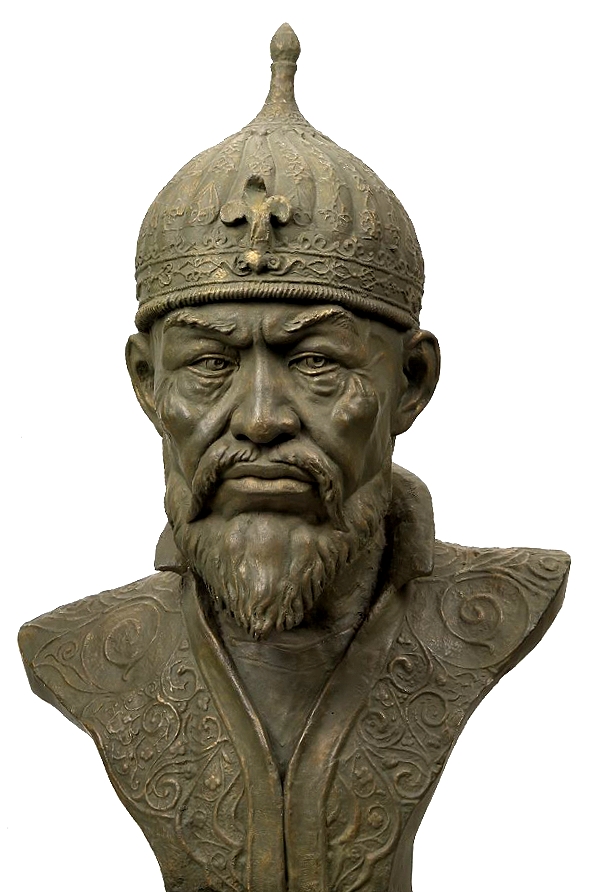
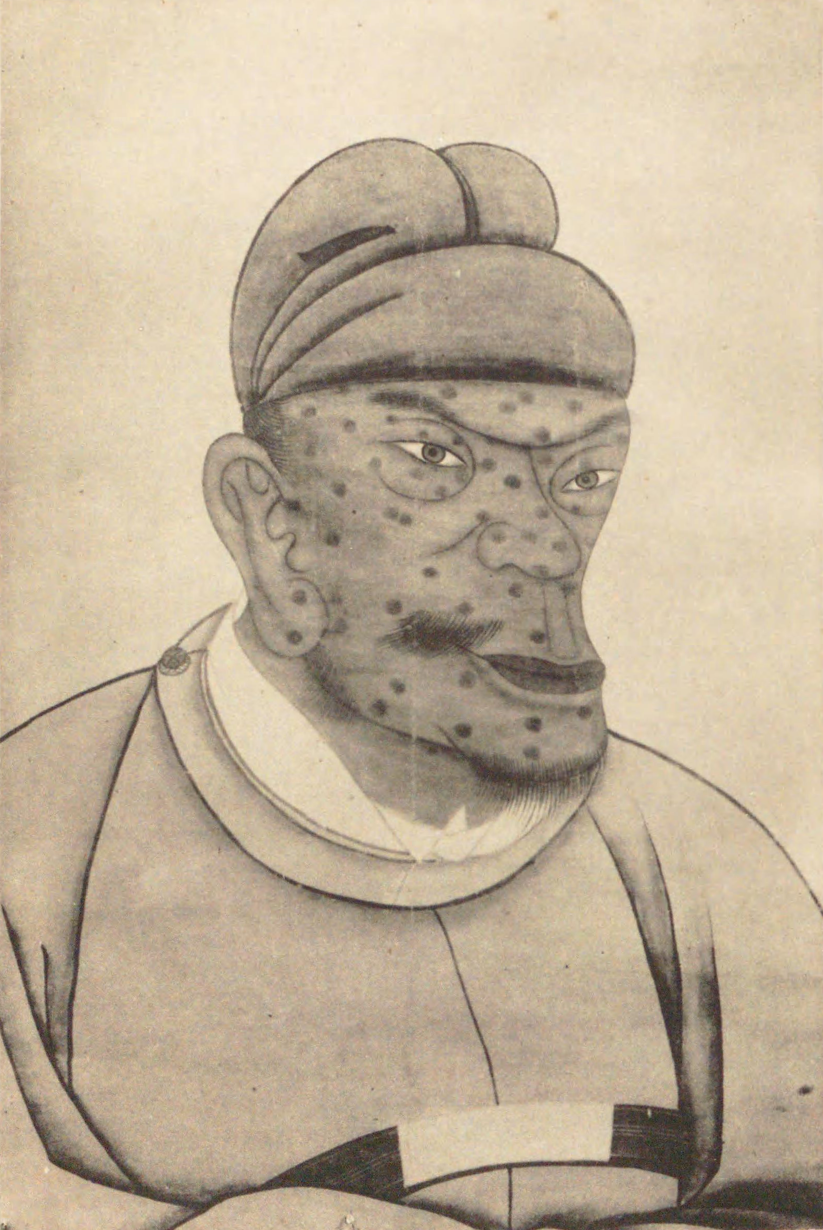
Turco-Mongol conqueror and founder of the Timurid Empire who never lost a battle across forty years of campaigns from Delhi to the Mediterranean, transforming Samarkand into a Renaissance jewel.
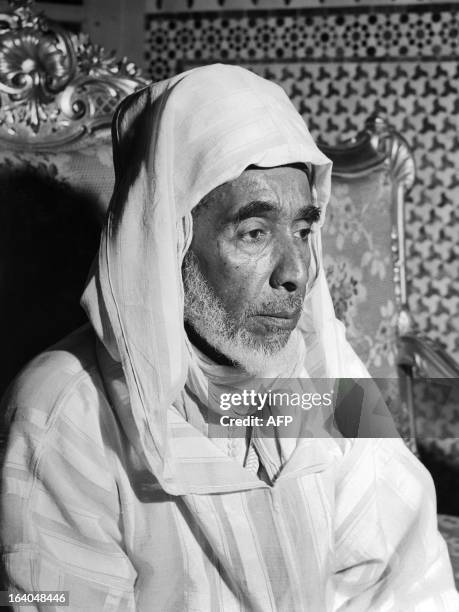
Unquestioned 14th-century titan of Maliki jurisprudence who served as Imam of the Ez-Zitouna Mosque and Grand Mufti of Hafsid Tunis for over forty years, author of Al-Mukhtasar al-Fiqhi.
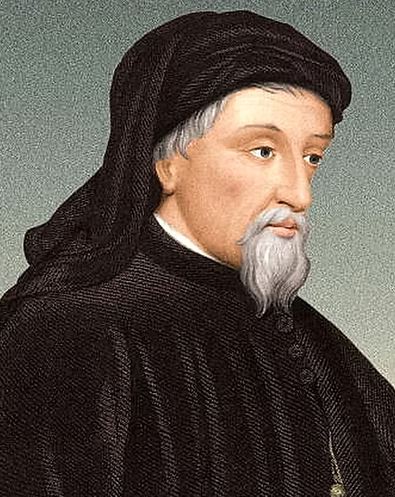
Venerated as the Father of English Literature, who legitimized the vernacular Middle English tongue as a vehicle for grand literary art in his vibrant comedic and psychological masterwork, The Canterbury Tales.
Celebrated 14th-century Persian Sufi poet of Tabriz whose delicate, musical ghazals rivaled those of his contemporary Hafez of Shiraz.
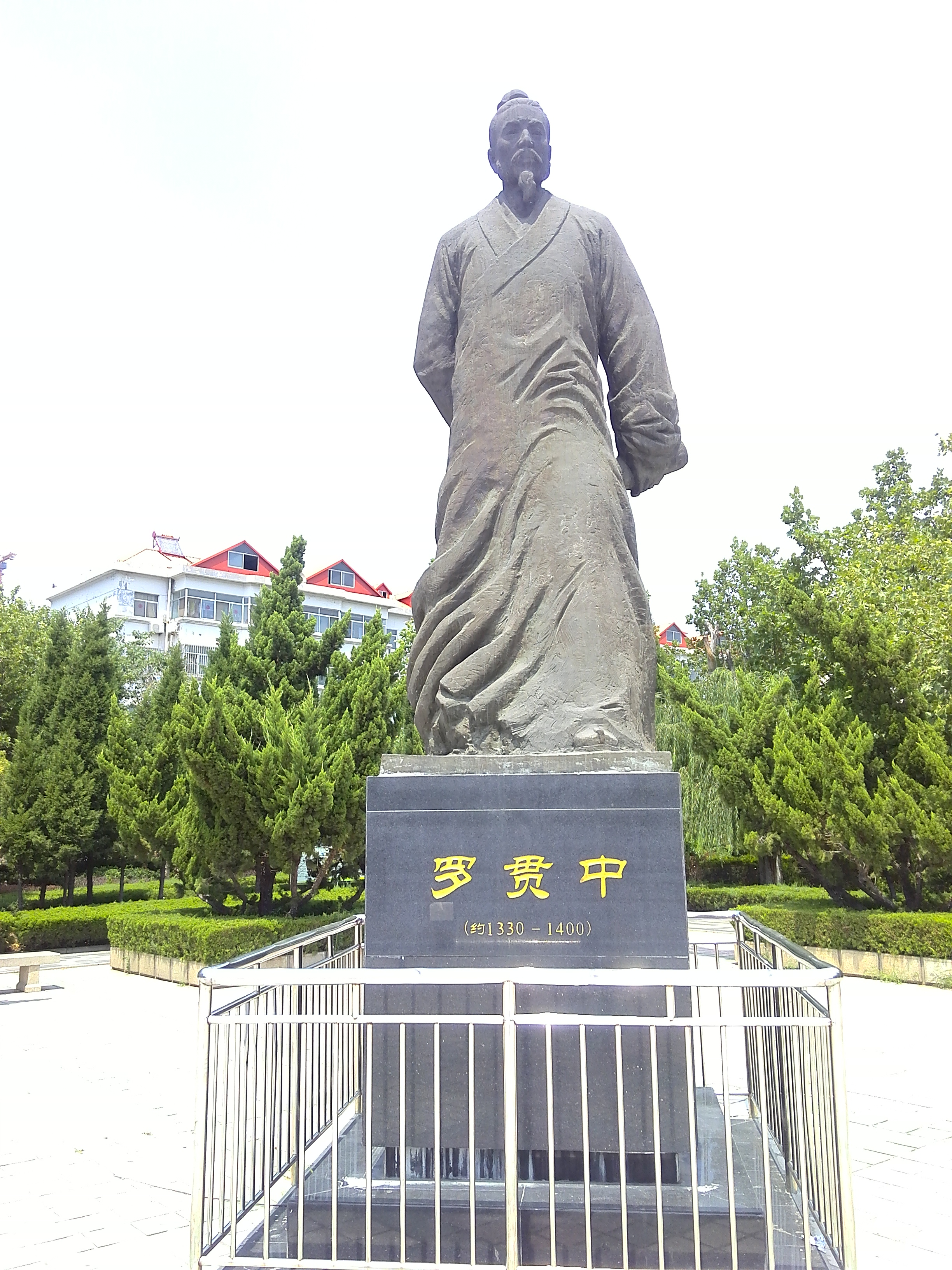
Pioneering Chinese novelist of the Yuan-Ming transition who wrote Romance of the Three Kingdoms, one of the Four Great Classical Novels of Chinese literature.
Circassian military commander who founded the Burji (Circassian) Mamluk Dynasty of Egypt in 1382, courageously defying the conqueror Timur (Tamerlane) and constructing one of the finest architectural complexes on Al-Mu'izz Street.
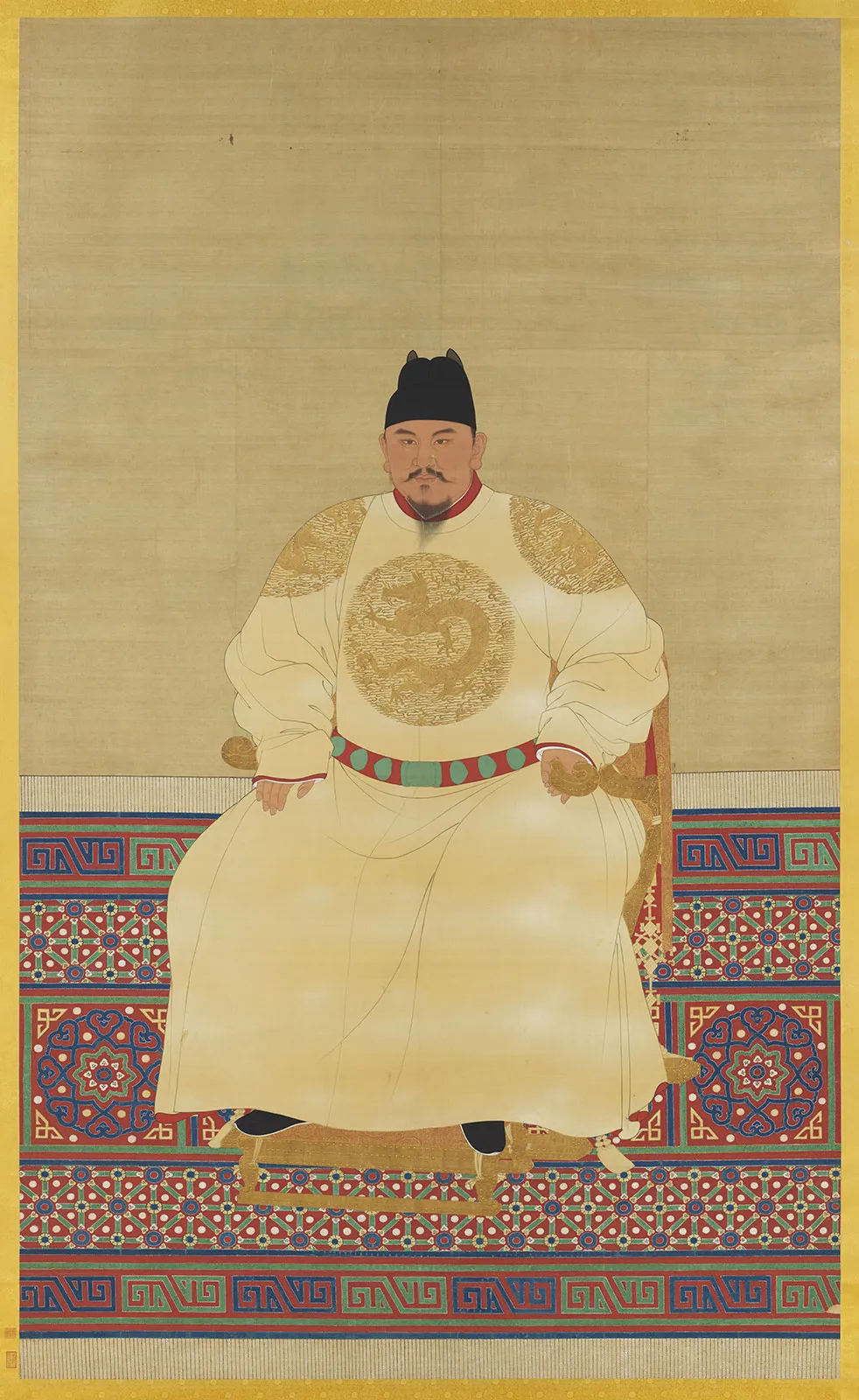
Founder of the Ming Dynasty (1368–1398) Zhu Yuanzhang, who rose from an orphaned beggar and Buddhist novice monk to lead the Red Turban rebellion that expelled the Mongol Yuan dynasty from China, restoring native Han rule.
Peasant monk who rose to lead the Red Turban Rebellion, drove out the Mongol Yuan Dynasty, and founded the native Chinese Ming Dynasty.
Venerated 14th-century Sufi ascetic and spiritual patron of the maritime town of Sfax, immortalized in the world-famous Tunisian popular folk anthem 'Sidi Mansour Ya Baba'.
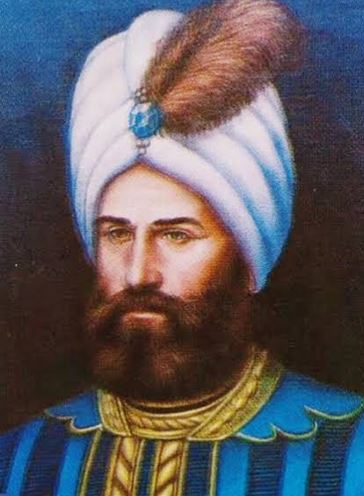
Great Hafsid Sultan (1370–1394 AD) who reunited the divided kingdoms of Tunis, Constantine, and Bougie, crushed tribal piracy, and repelled the Barbary Crusade of 1390 at Mahdia.
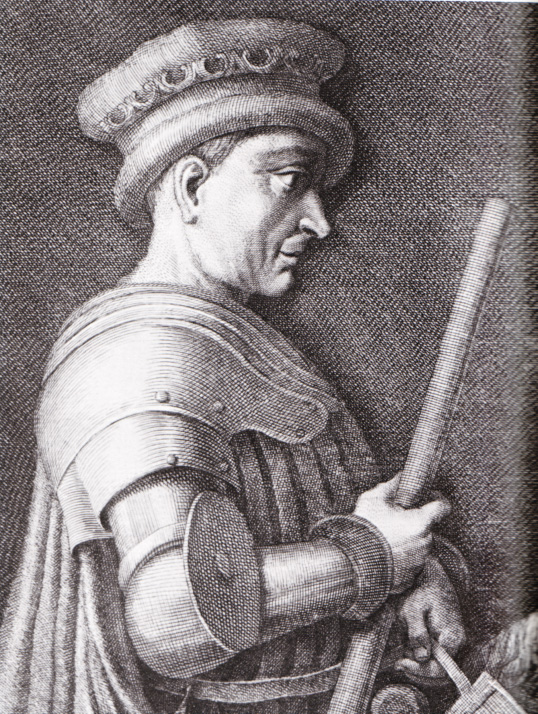
Legendary English mercenary captain (condottiero) who led the White Company in Italy, renowned for speed, tactical cunning, and professional discipline.