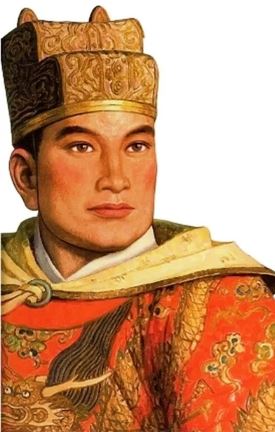
Zheng He
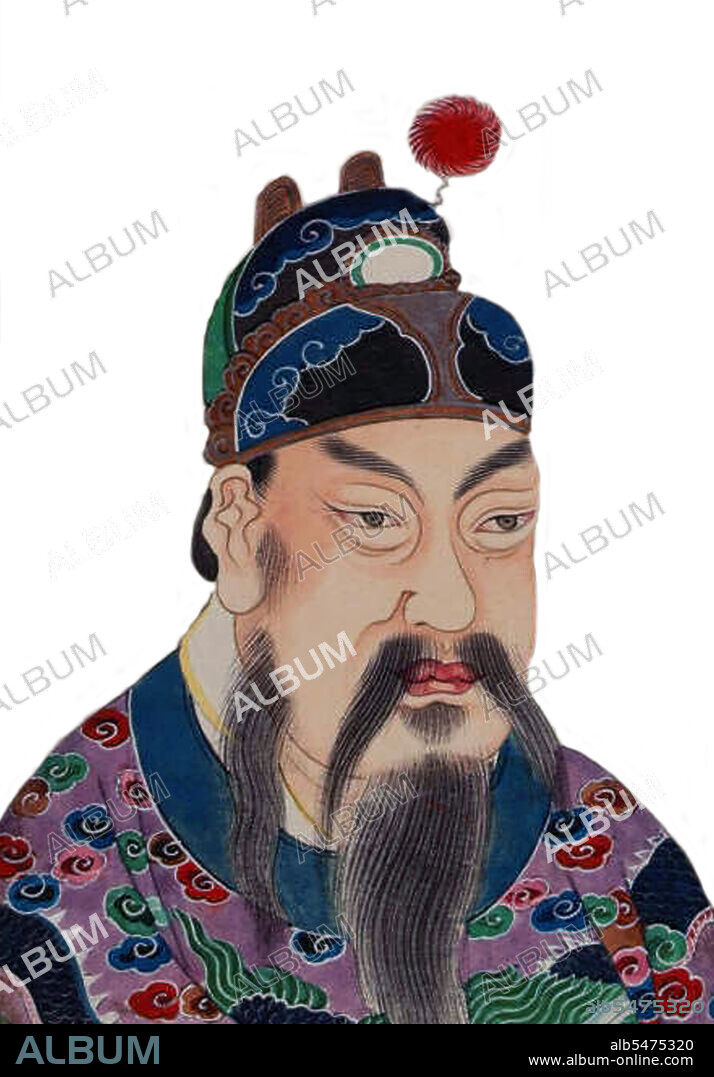
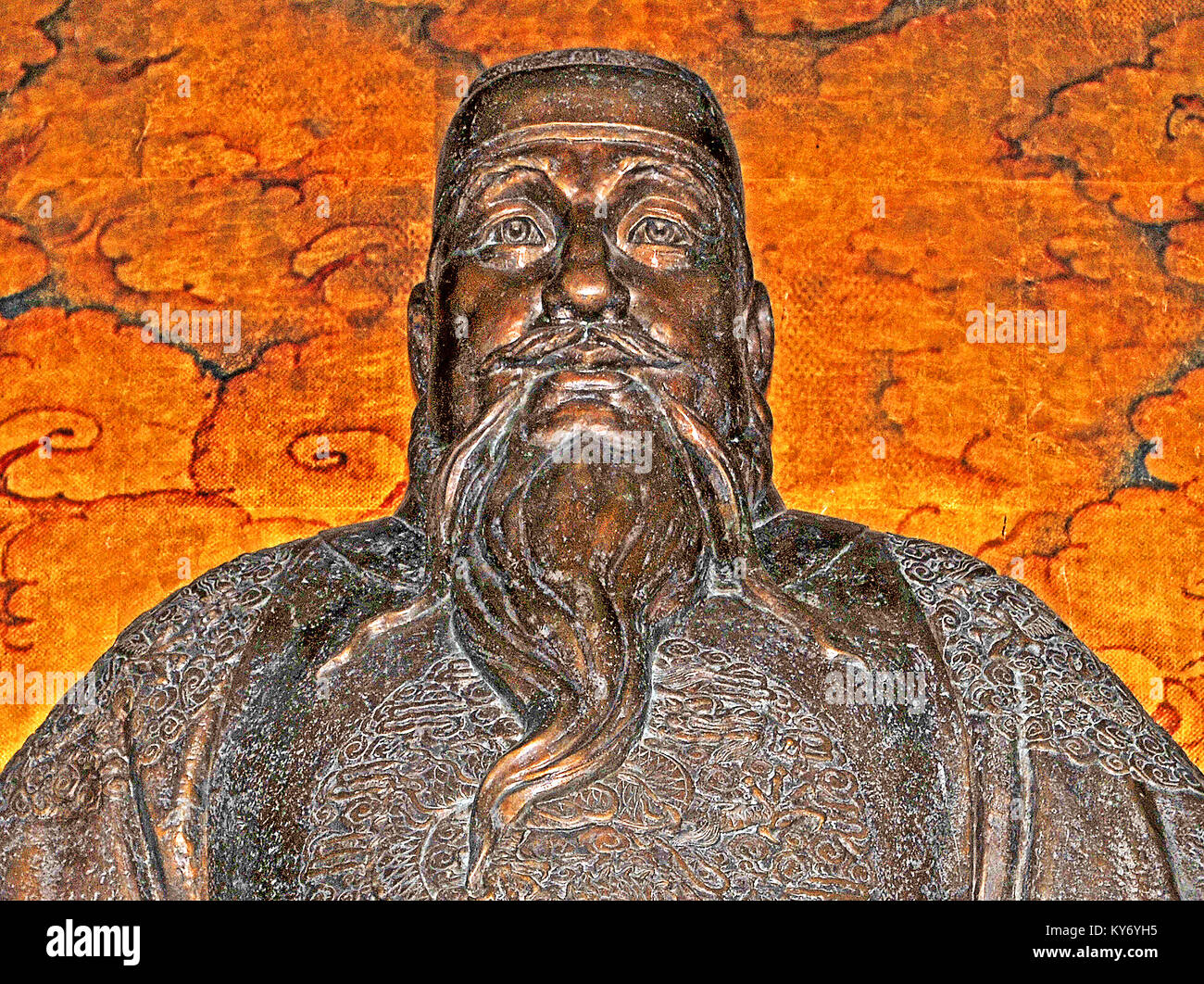
Ming Dynasty grand admiral and diplomat who commanded seven epic treasure fleet voyages across the Indian Ocean from Southeast Asia to Arabia and East Africa, decades before Columbus.
Start typing to search worldwide archives and community tributes
Filterable archive covering centuries of intellectual, artistic, and moral contributions to the human story.
Ming Dynasty grand admiral and diplomat who commanded seven epic treasure fleet voyages across the Indian Ocean from Southeast Asia to Arabia and East Africa, decades before Columbus.
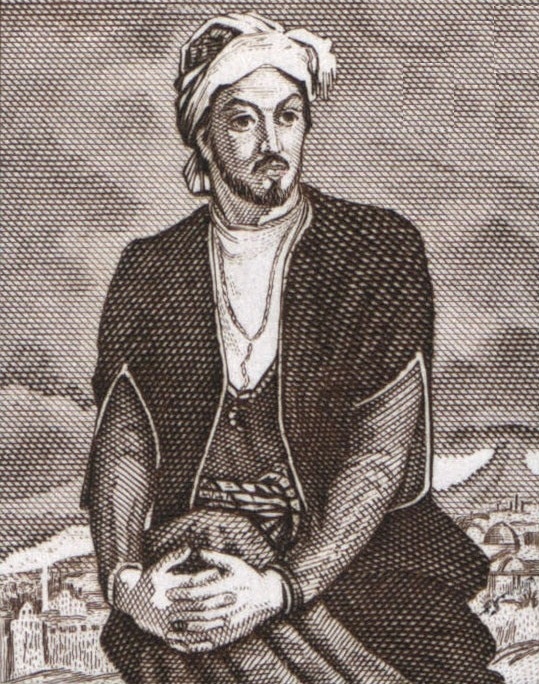
Revered Persian Sufi master, poet, and founder of the Nimatullahi order who spent decades traveling through Mecca, Samarkand, and Herat before creating a vibrant center in Mahan.
Italian-born French author celebrated as Europe's first professional female writer, whose 1405 masterwork The Book of the City of Ladies defended women's intellect and moral equality in the Querelle des Femmes.
Zayyanid Sultan who restored Tlemcen's independence in 1411, captured Fez, and revitalized trade routes linking Andalusia, Algeria, and the Sahara.
Foundational Early Renaissance master whose revolutionary use of linear perspective and human gravity ignited the Florentine Renaissance.
Founder of the Kerala School of Astronomy and Mathematics who discovered infinite power series expansions for sine, cosine, and arctangent (the Madhava-Leibniz series) 250 years before Newton.
Third emperor of the Ming Dynasty (1402–1424) Zhu Di, who constructed the colossal Forbidden City in Beijing, rebuilt the Grand Canal, commissioned the 11,000-volume Yongle Encyclopedia, and launched Admiral Zheng He's legendary treasure fleet voyages across the Indian Ocean.
Third Ming Emperor who built the Forbidden City, moved the capital to Beijing, compiled the Yongle Encyclopedia, and launched Zheng He's treasure voyages.
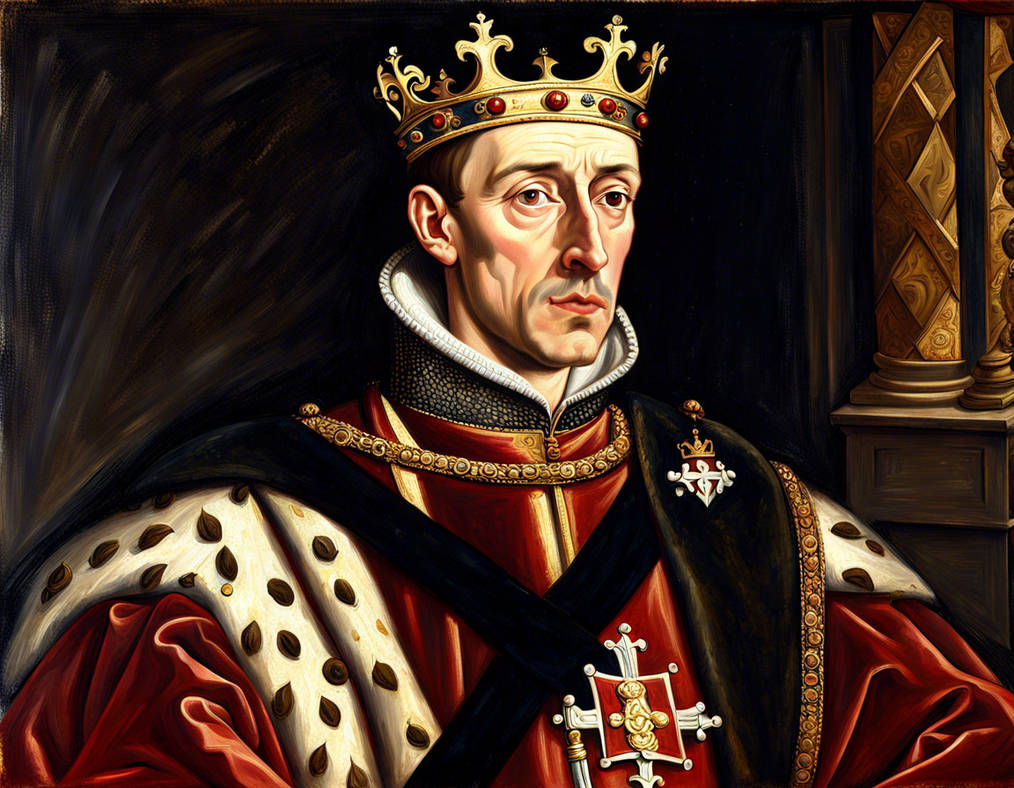
Warrior King of England celebrated for his legendary victory against overwhelming odds at the Battle of Agincourt in 1415.
Legendary military conqueror and statebuilder who founded the Kingdom of Kongo circa 1390, establishing the imperial mountain capital of M'banza-Kongo and creating the supreme royal title of Manikongo.
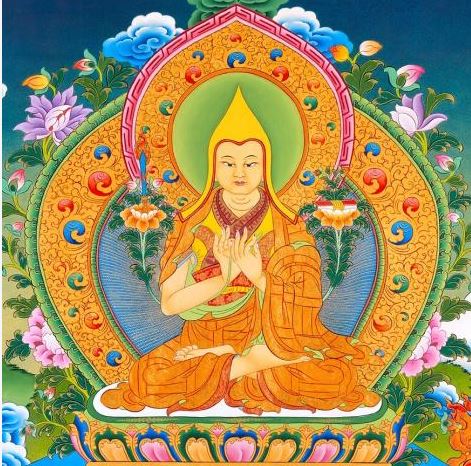
Tibetan religious reformer, philosopher, and founder of the Gelug school—the tradition of the Dalai Lamas. Authored the Lamrim Chenmo (The Great Treatise on the Stages of the Path to Enlightenment), unifying monastic discipline and Madhyamaka logic.
Eminent Mamluk chancery official whose monumental 14-volume administrative encyclopedia, Subh al-A'sha, preserves the bureaucratic, diplomatic, and geographical apparatus of the medieval Islamic world.
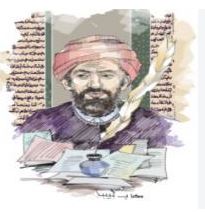
Great fourteenth-century Azerbaijani Hurufi mystic poet and philosopher whose defiant poetry celebrated humanity as the divine reflection of the cosmos, for which he was martyred in Aleppo.
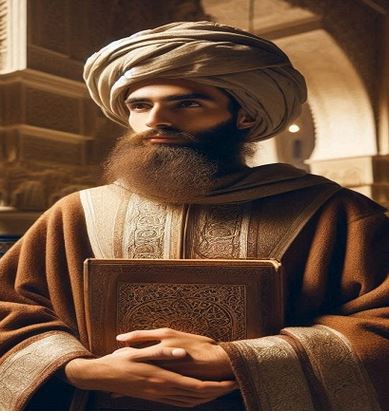
Preeminent 15th-century Moroccan astronomer and chief timekeeper (Muwaqqit) of the University of al-Qarawiyyin in Fez, author of the authoritative astronomical treatise Rawdat al-Azhar.
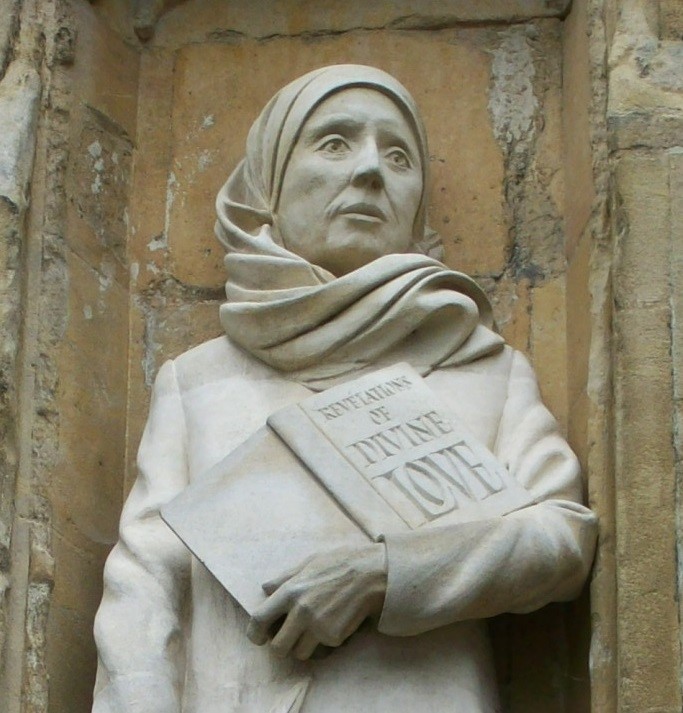
English anchoress and mystic whose 'Revelations of Divine Love' is the earliest surviving English book authored by a woman, immortal for her vision that 'all shall be well'.
Bohemian religious reformer, rector of Prague University, and martyr whose vernacular Czech preaching against indulgences ignited the Hussite movement and inspired Martin Luther.
Venerated female spiritual figure of Sfax who dedicated her life and substantial olive estate inheritances to funding shelters for widowed women, orphans, and students of the Great Mosque of Sfax.
Formidable medieval sovereign and diplomatic genius who united the three Nordic kingdoms of Denmark, Norway, and Sweden under a single crown in the 1397 Kalmar Union, ruling Scandinavia with majestic peace.