Public Figures & Cultural Luminaries
Filterable archive covering centuries of intellectual, artistic, and moral contributions to the human story.
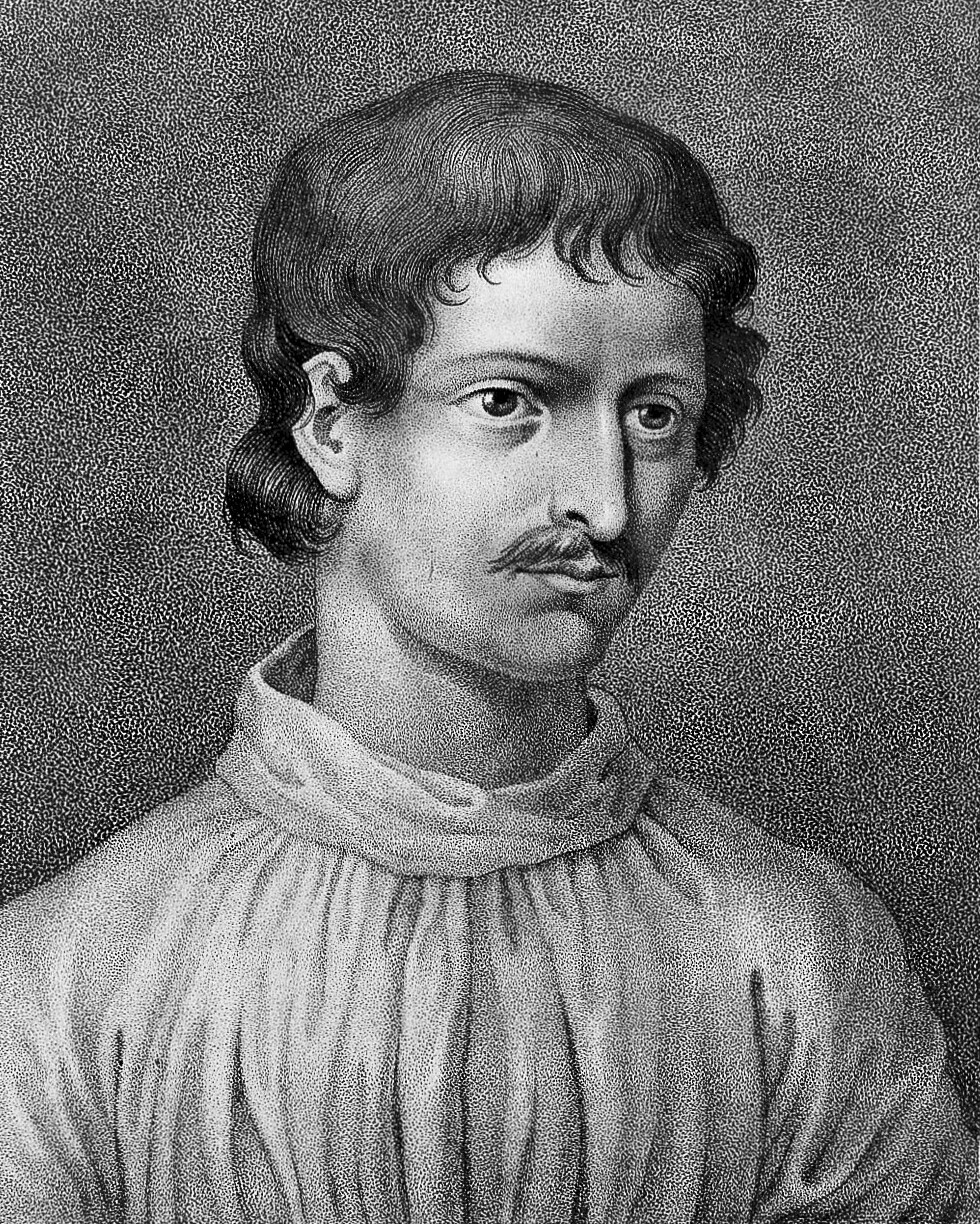
Giordano Bruno
 (Giordano Bruno)
Italian cosmological visionary and philosopher who envisioned an infinite universe filled with countless inhabited solar systems.
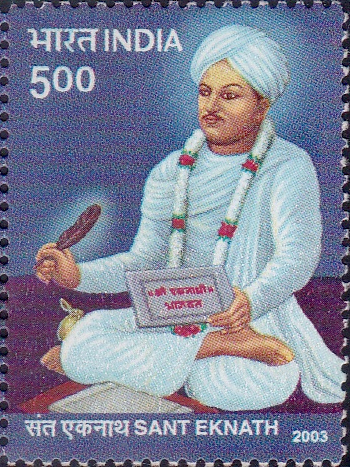
Sant Eknath
 (संत एकनाथ)
Major Marathi Bhakti saint, scholar, and social reformer who restored the Dnyaneshwari and preached radical compassion across caste boundaries.
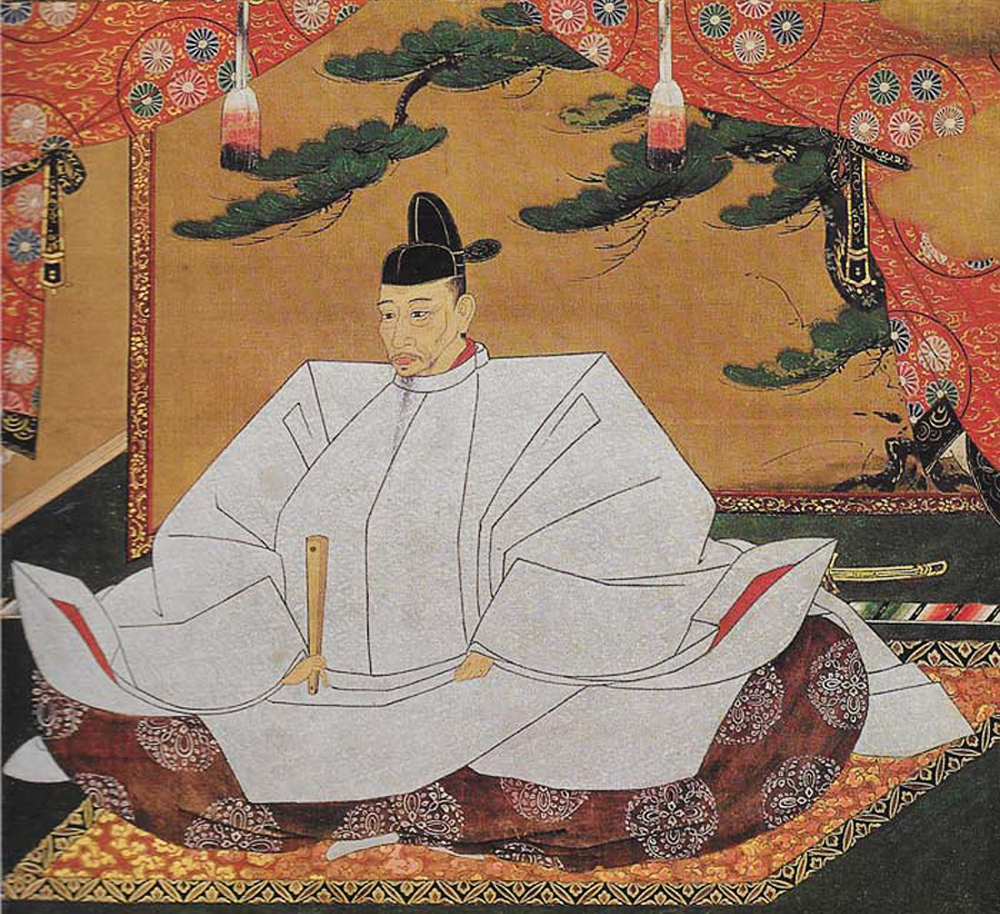
Toyotomi Hideyoshi
 (豊臣秀吉)
Second of the 'Three Great Unifiers' of Japan who rose from peasant foot-soldier to Imperial Regent (Kampaku), unifying feudal Sengoku Japan.
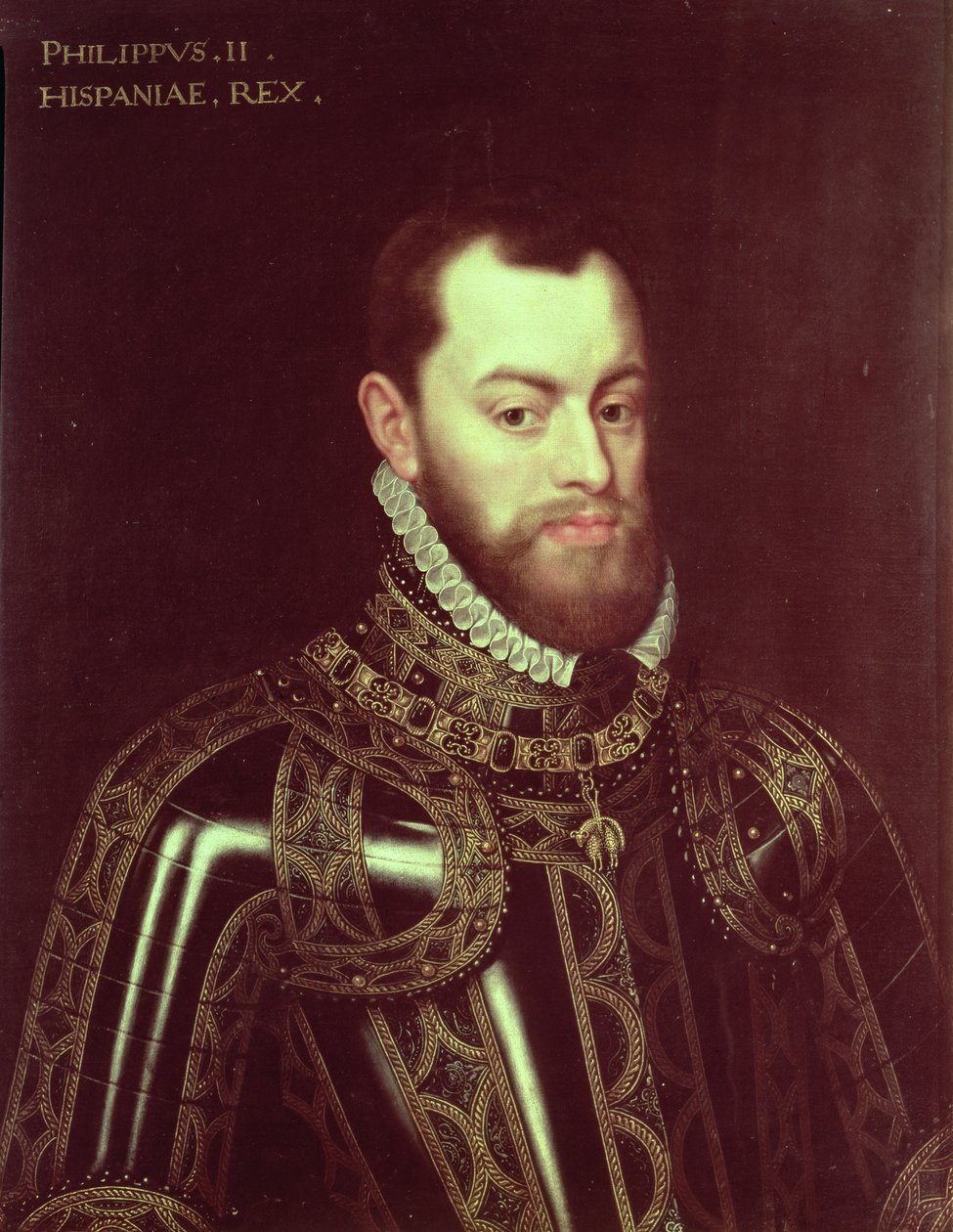
Philip II of Spain
 (Felipe II de España (El Prudente))
King of Spain during its Golden Age, champion of the Counter-Reformation, builder of El Escorial, and ruler of the Iberian Union.
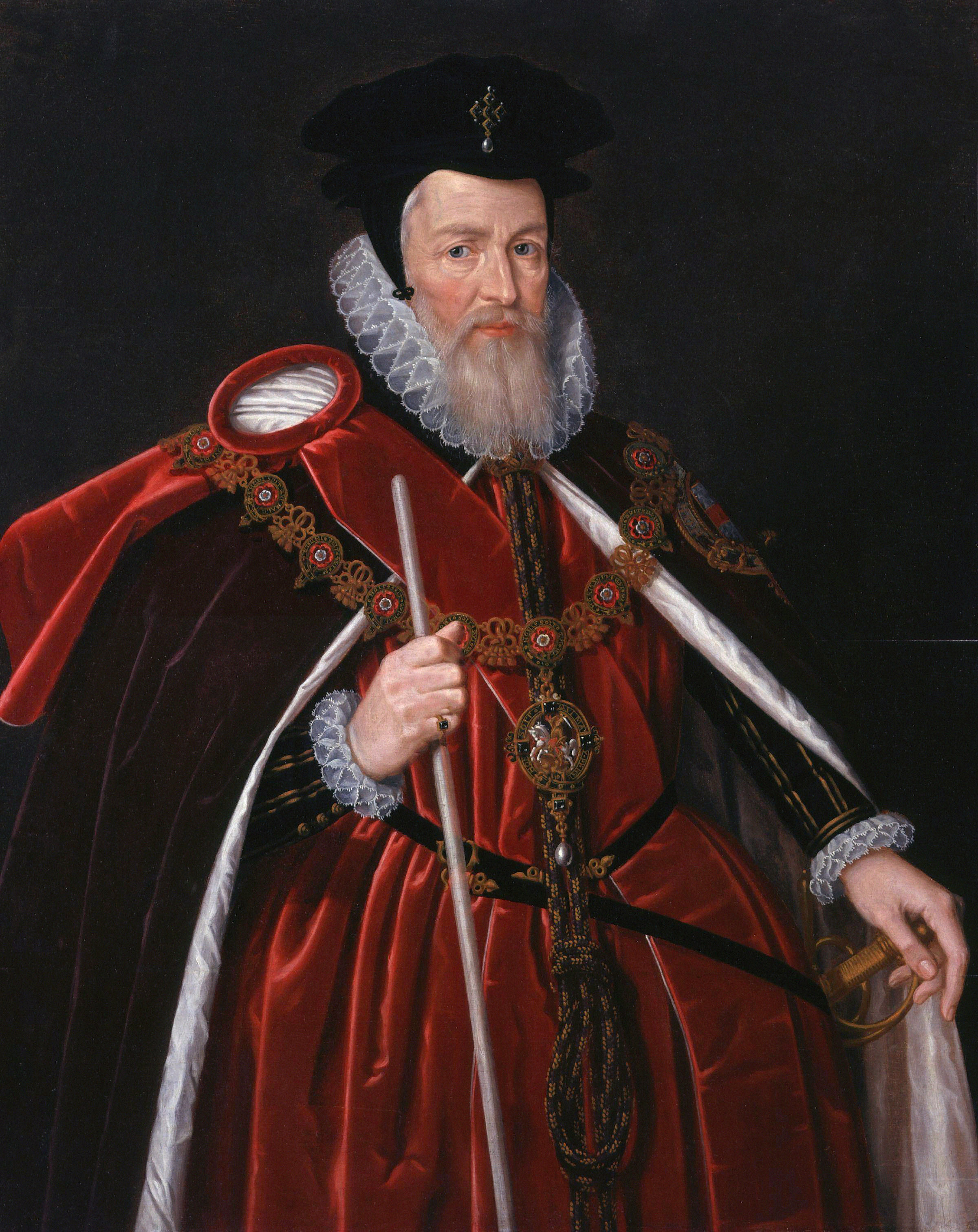
William Cecil, 1st Baron Burghley
 (William Cecil, 1st Baron Burghley)
Chief advisor and Lord High Treasurer to Queen Elizabeth I for forty years, masterminding Elizabethan religious settlement, fiscal stability, and national defense.
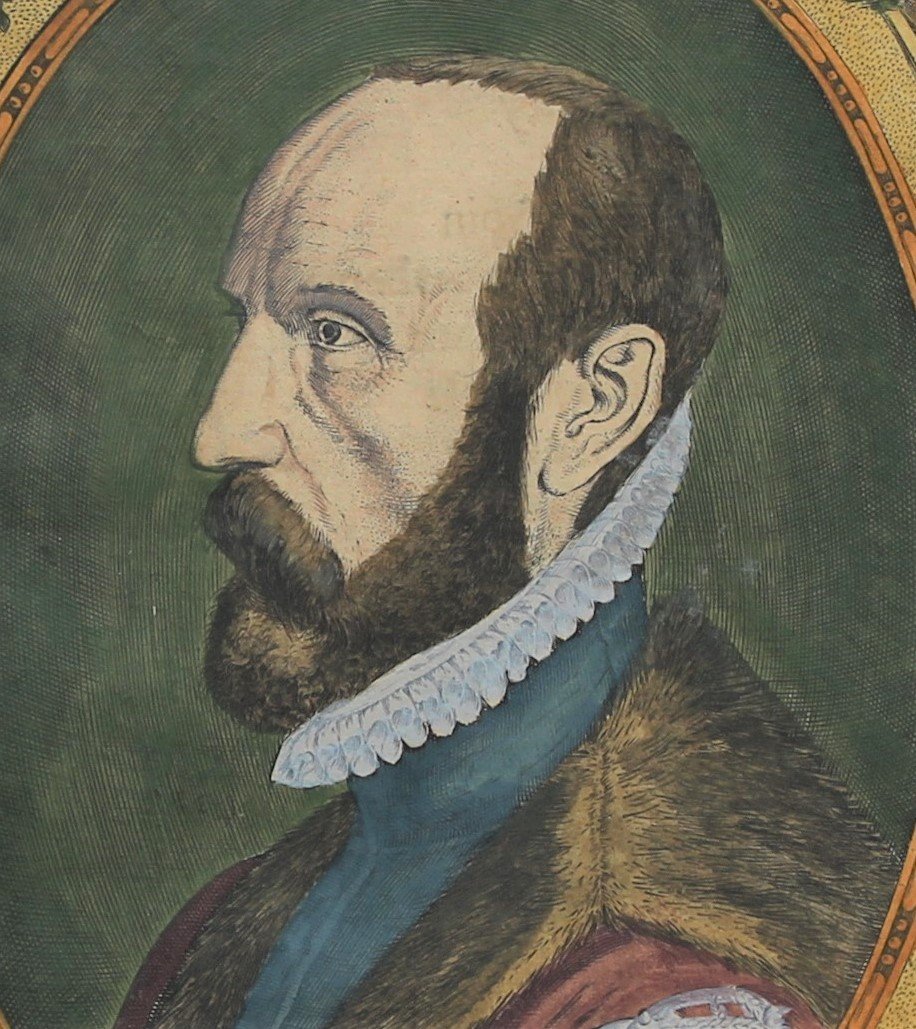
Abraham Ortelius
 (Abraham Ortelius)
Antwerp cartographer and humanist scholar who created the world's first modern atlas, Theatrum Orbis Terrarum (1570), and was the first to propose the concept of continental drift.
Ramadan Dey of Tunis
 (رمضان داي تونس)
Early Dey of Tunis who stabilized the military republic of the Janissaries, regularized taxation across northern Tunisia, and patronized the early construction of civic buildings in the medina.
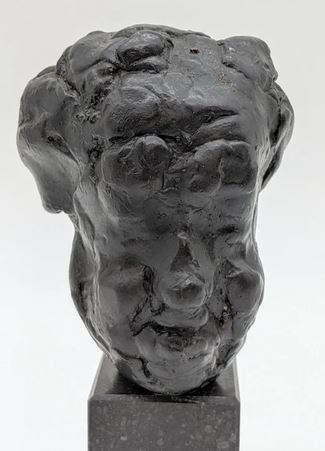
Pieter de Hondt
 (Petrus Canisius)
Dutch Jesuit, Doctor of the Church, and 'Second Apostle of Germany' who restored the Catholic Church across Germany, Austria, and Switzerland through three master catechisms.
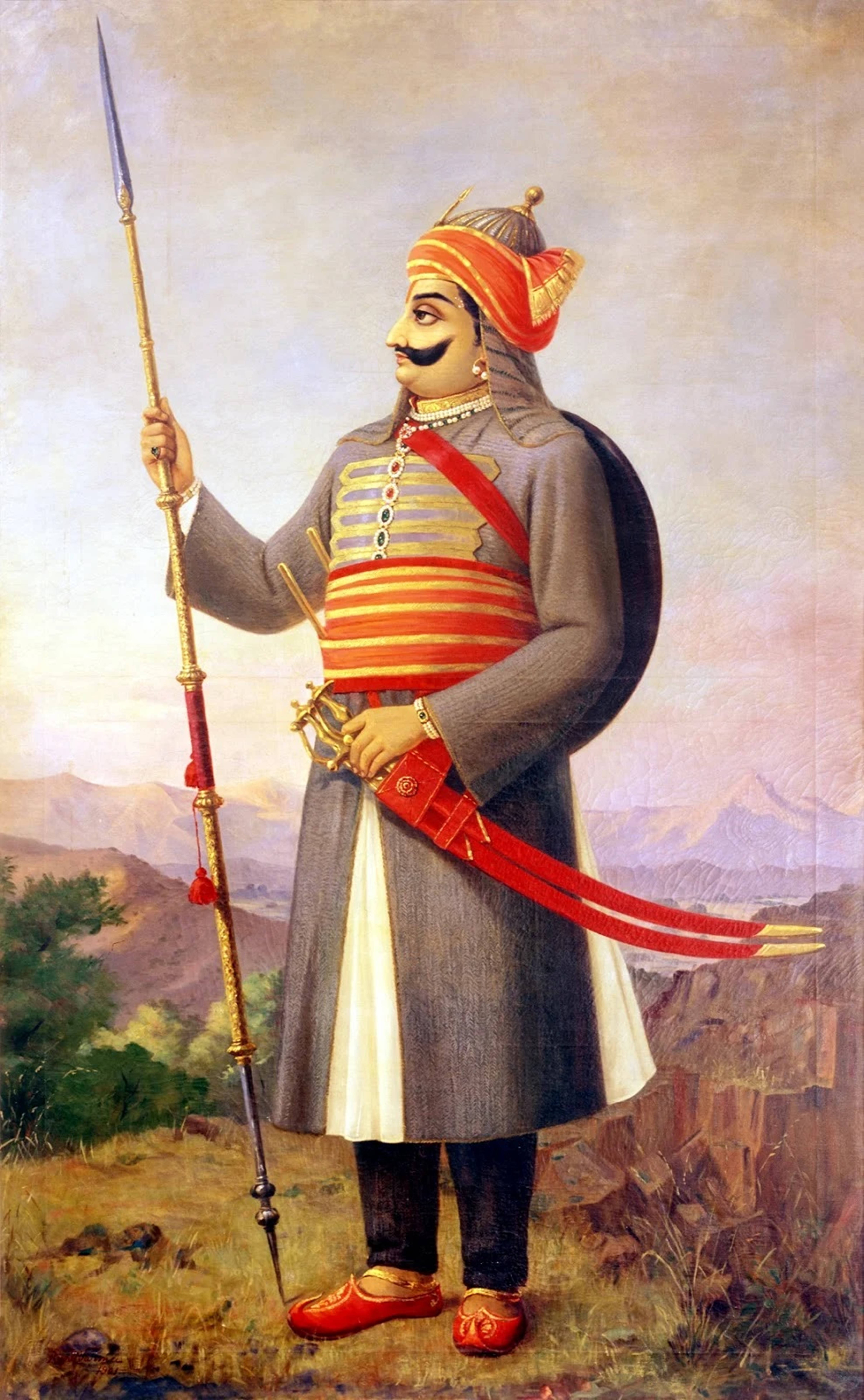
Maharana Pratap
(महाराणा प्रताप सिंह)
Thirteenth king of Mewar celebrated as the supreme hero of Rajput resistance, who refused to submit to Mughal Emperor Akbar and fought the epic Battle of Haldighati in 1576 with his loyal horse Chetak.
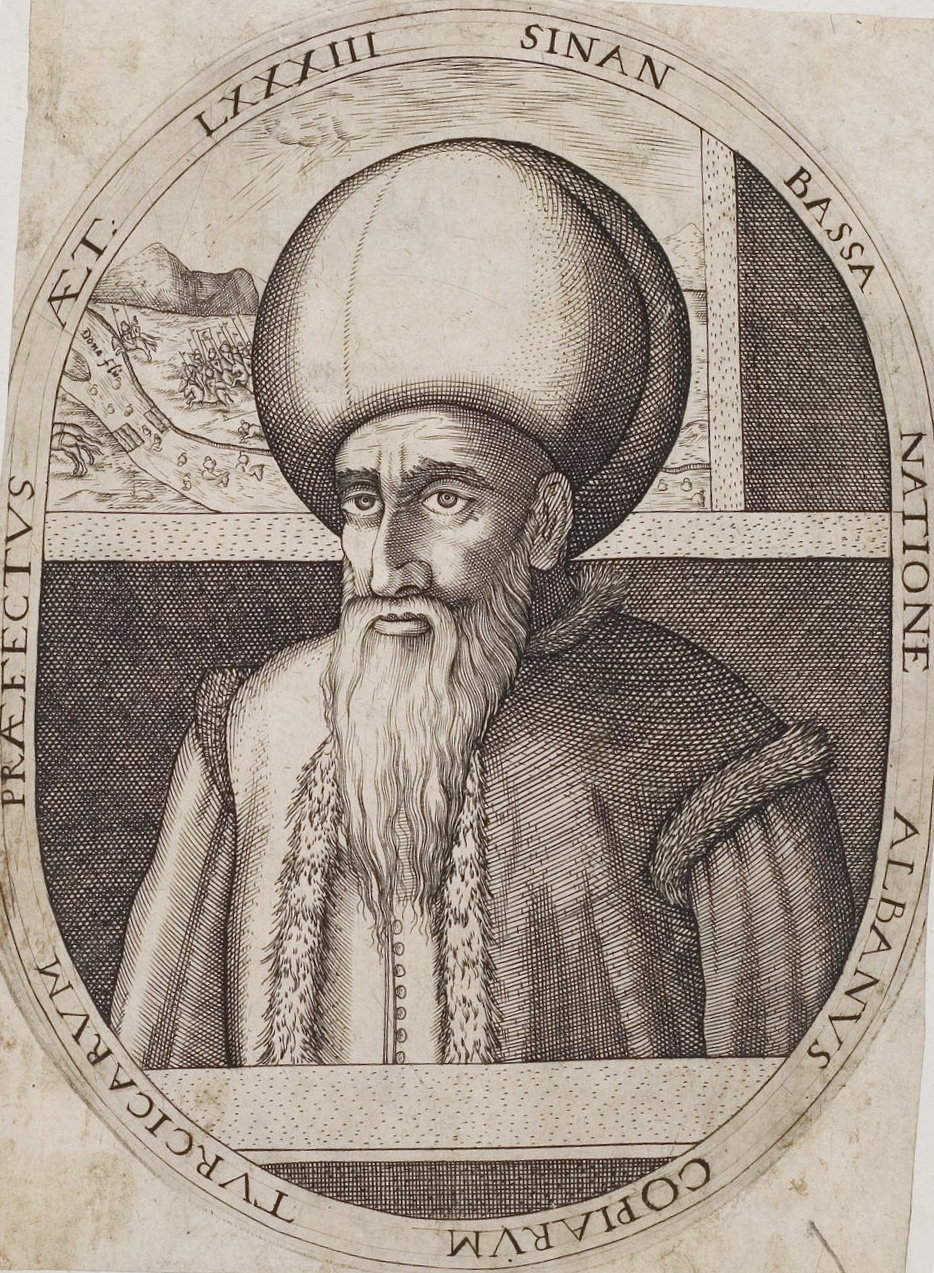
Koca Sinan Pasha
 (سنان باشا فاتح تونس)
Ottoman Grand Vizier and supreme commander who led the massive armada of 250 ships that conquered the Spanish fortress of La Goulette and liberated Tunis in August 1574, incorporating Tunisia into the Ottoman Empire.
Mai Idris Alooma
 (Idris ibn Ali)
Greatest Mai (Emperor) of the Kanem-Bornu Empire who ruled Chad and northeastern Nigeria for three decades, introducing Turkish muskets and camel cavalry, recorded by chronicler Ahmad Fartua.
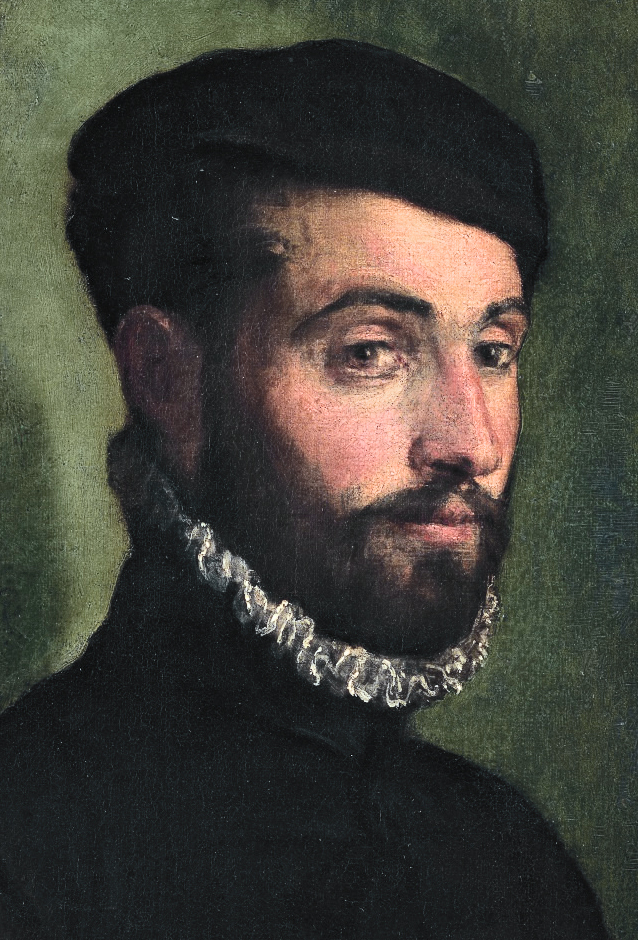
Torquato Tasso
(Torquato Tasso)
Italian Late Renaissance poet whose heroic epic Gerusalemme Liberata (Jerusalem Delivered) fused Christian chivalric grandeur with melancholy passion.
Mahmud ibn Zarqun al-Andalusi
 (محمود بن زرقون الأندلسي)
Moroccan military commander who succeeded Judar Pasha in 1591 as Pasha of Timbuktu, consolidating Saadian control over the Niger Bend before falling in battle in the Hombori hills.
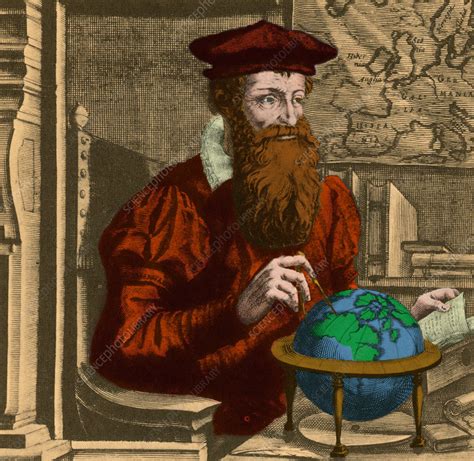
Gerardus Mercator
(Gerardus Mercator)
Towering Flemish cartographer, geographer, and mathematician whose 1569 Mercator projection transformed nautical navigation and who first coined the word 'Atlas' for a collection of maps.
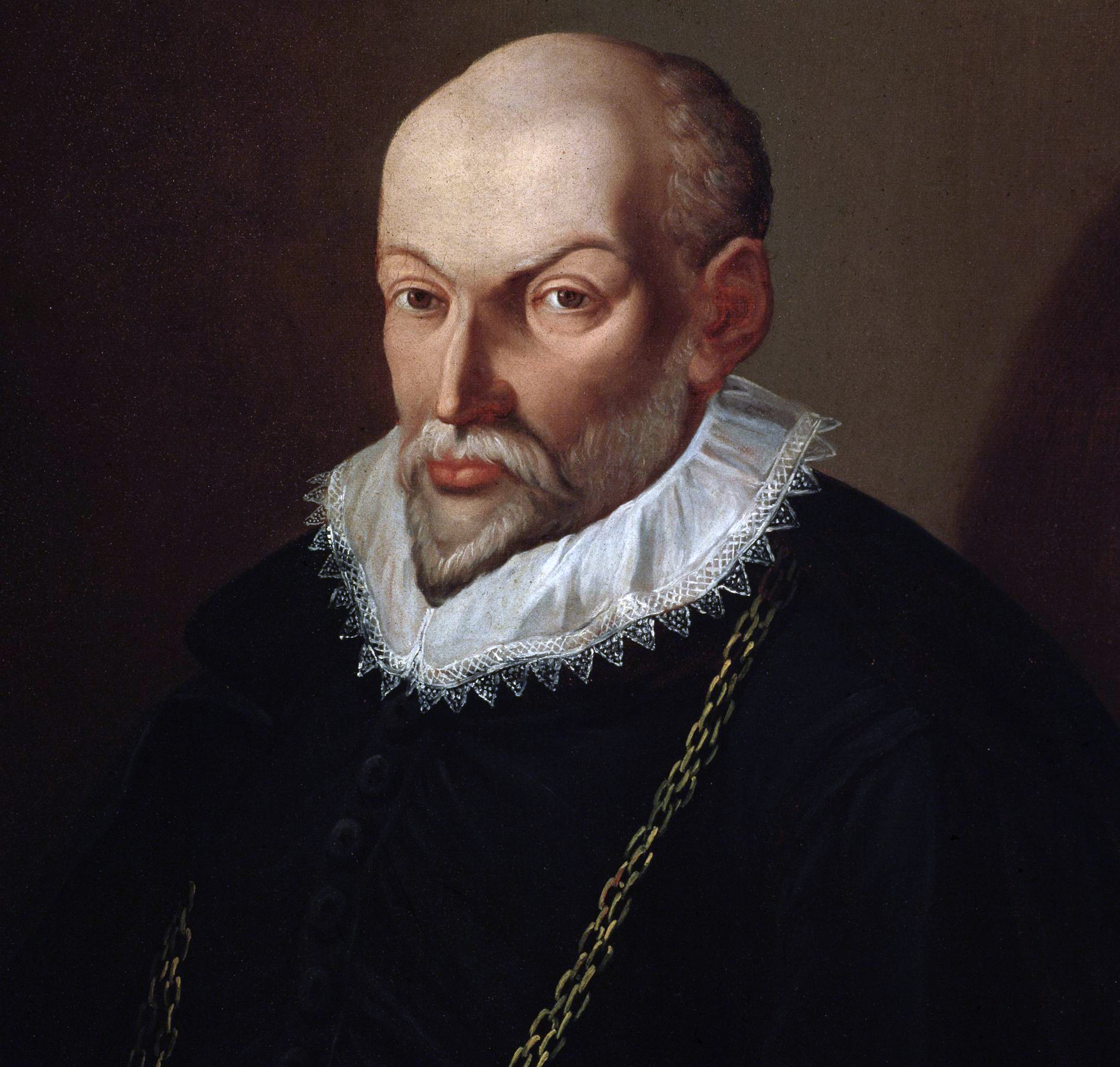
Roland de Lassus
(Roland de Lassus)
Hainaut-born musical giant hailed as the 'Prince of Music' who, alongside Palestrina, dominated European music of the late sixteenth century, composing over 2,000 motets, masses, and madrigals.
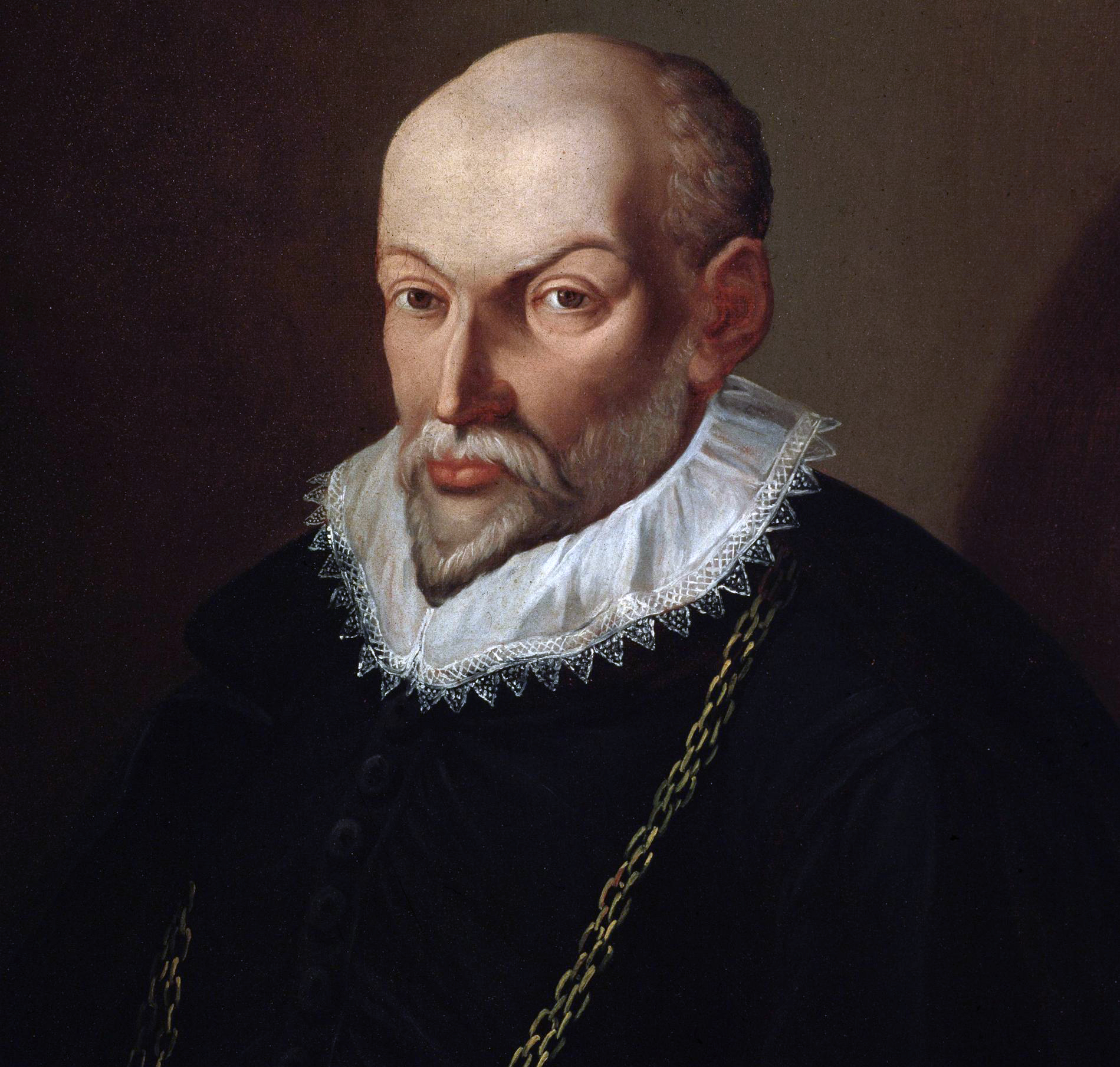
Orlande de Lassus
(Roland de Lassus)
Franco-Flemish polyphonist of the late Renaissance, celebrated alongside Palestrina as the supreme master of European vocal music, madrigals, motets, and penitential psalms.
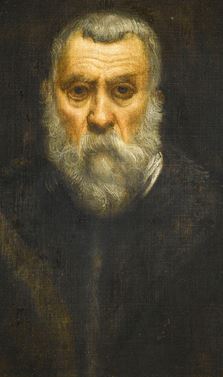
Tintoretto
(Jacopo Robusti / Tintoretto)
Venetian Renaissance giant nicknamed 'Il Furioso' for his ferocious brushwork, daring perspective, and theatrical lighting.
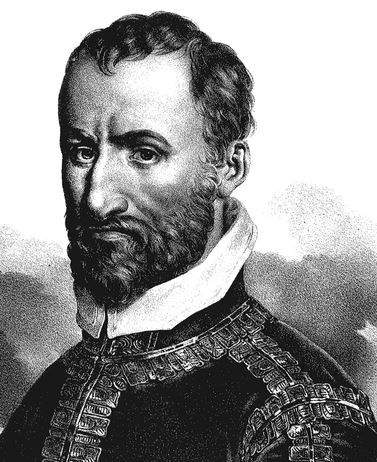
Giovanni Pierluigi da Palestrina
(Giovanni Pierluigi da Palestrina)
Supreme master of Renaissance polyphony whose serene, balanced contrapuntal style in over 105 masses (notably the Missa Papae Marcelli) established the eternal aesthetic benchmark for Catholic sacred liturgical music.