Public Figures & Cultural Luminaries
Filterable archive covering centuries of intellectual, artistic, and moral contributions to the human story.
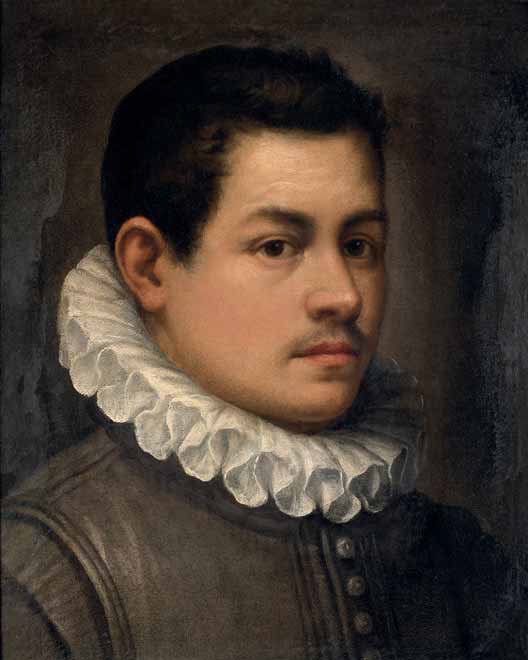
Annibale Carracci
 (Annibale Carracci)
Co-founder of the Bolognese Carracci Academy and creator of the monumental Farnese Gallery ceiling in Rome, whose fusion of Michelangelo and Raphael founded the Baroque grand style.
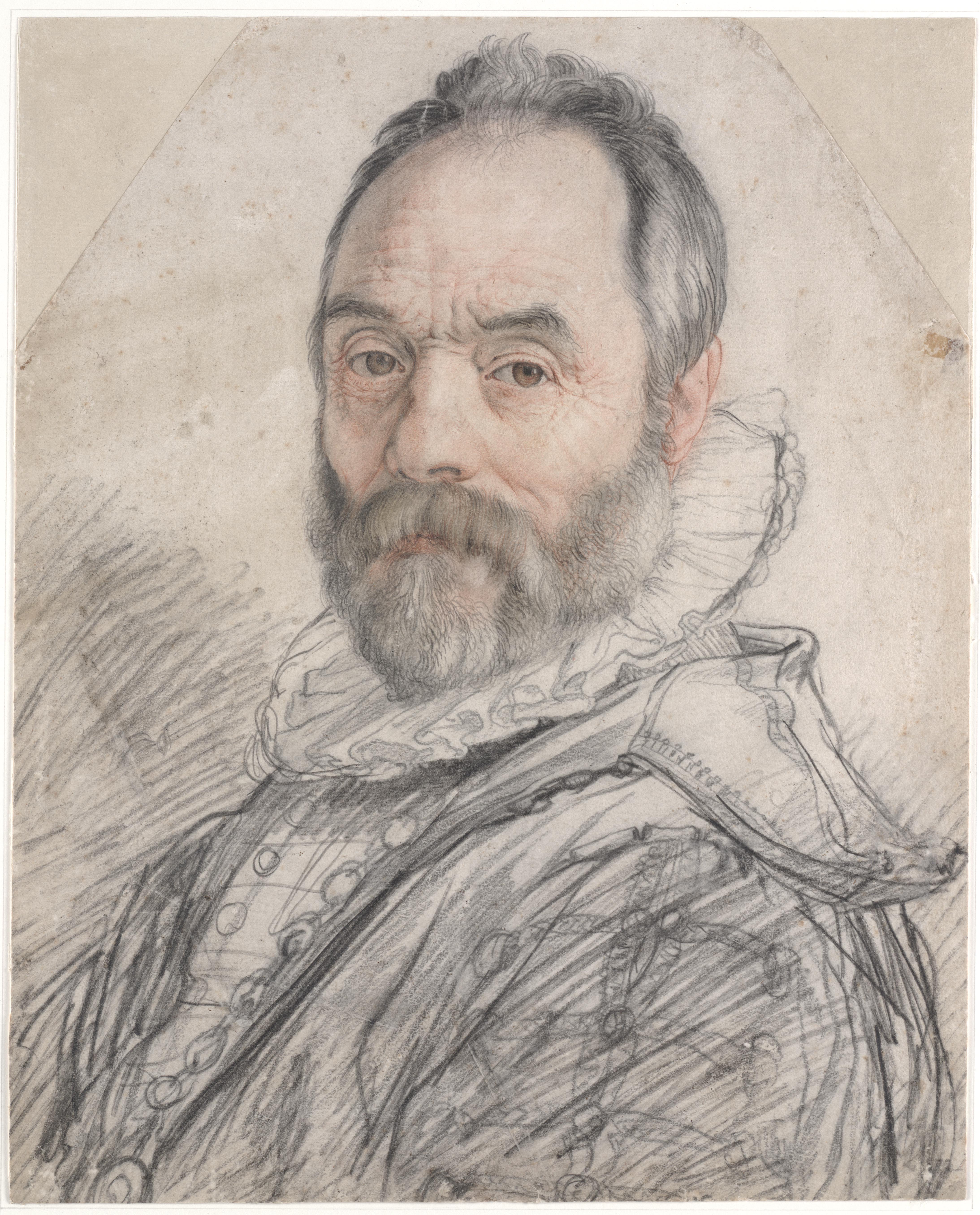
Giambologna
 (Jean de Boulogne / Giovanni da Bologna)
Flemish-born sculpting titan who relocated to Medici Florence, creating iconic masterpieces including Flying Mercury and The Rape of the Sabine Women, defining the dynamic figura serpentinata of Mannerism.
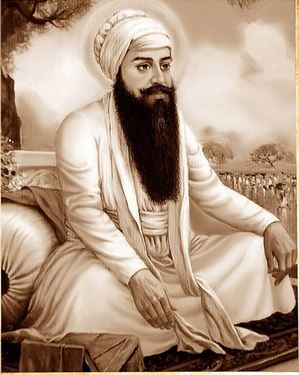
Guru Arjan Dev Ji (Fifth Sikh Guru)
 (ਗੁਰੂ ਅਰਜਨ ਦੇਵ)
Fifth Sikh Guru who designed and constructed the Harmandir Sahib (Golden Temple) in Amritsar with four doors welcoming all directions. Compiled the sacred Adi Granth and was martyred on burning sand for refusing to compromise religious truth.
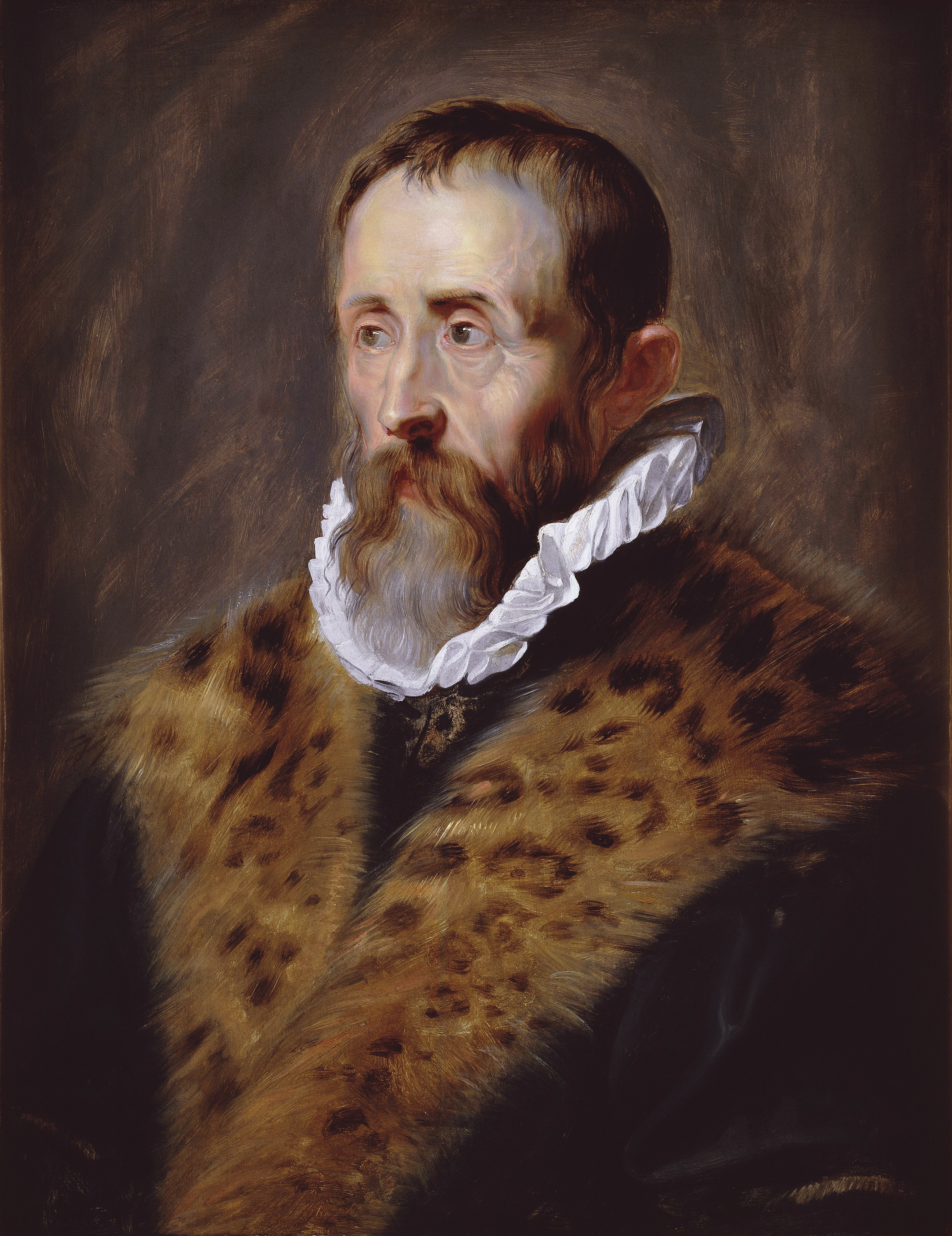
Justus Lipsius
 (Justus Lipsius)
Influential humanist philosopher and classical philologist who founded Christian Neo-Stoicism with De Constantia (1584), shaping modern European political theory and military discipline.
Judar Pasha al-Murisi
 (جؤذر باشا الموريسكي)
Spanish-born Morisco general who commanded Sultan Ahmad al-Mansur's trans-Saharan expedition in 1591, crossing the Sahara with firearms to defeat the Songhai Empire at the Battle of Tondibi.
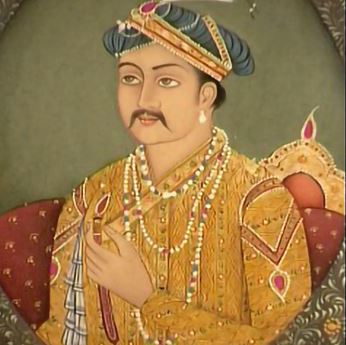
Jalal-ud-din Muhammad Akbar (Akbar the Great)
 (جلال الدین محمد اکبر (Akbar))
Third Mughal Emperor celebrated for tripling the empire's size, abolishing the sectarian Jizya tax on non-Muslims, establishing the Ibadat Khana interfaith debate hall, and promoting the doctrine of universal harmony (Sulh-i-Kul).
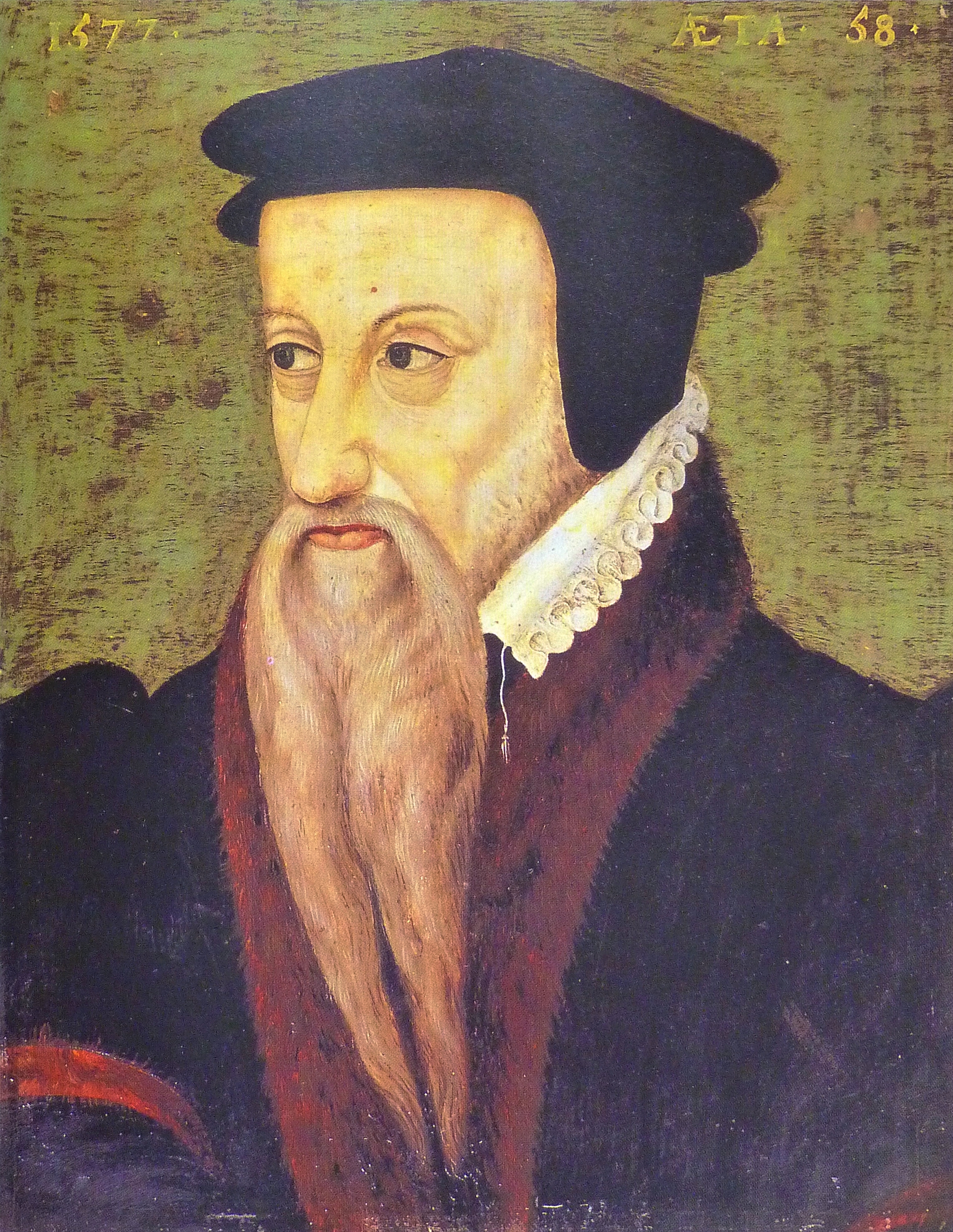
Theodore Beza
(Théodore de Bèze)
French humanist, biblical scholar, and direct successor to John Calvin as leader of Geneva whose critical Greek New Testament texts laid the textual foundation for the King James Bible.
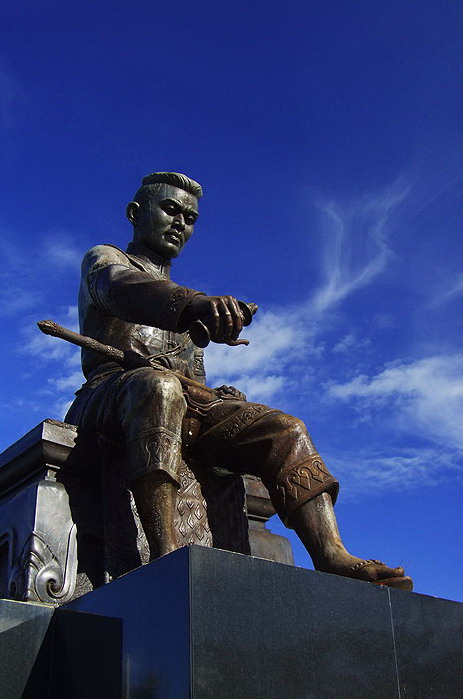
King Naresuan the Great
 (สมเด็จพระนเรศวรมหาราช)
King of the Ayutthaya Kingdom celebrated as Siam's greatest warrior monarch, who liberated Siam from Burmese vassalage and won the legendary elephant duel at Nong Sarai in 1593.
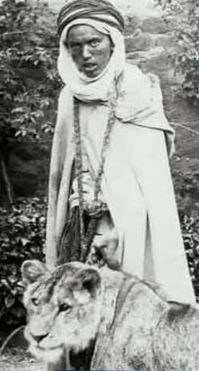
Sidi M'hamed Ben Aouda
 (سيدي امحمد بن عودة)
16th-century Sufi master and tribal arbiter whose annual 'Waada' festival in Relizane attracts tens of thousands for equestrian fantasia and communal brotherhood.
Abu al-Hasan Ali ibn Muhammad al-Tamgruti
 (علي بن محمد التمكروتي)
Foremost diplomat of Sultan Ahmad al-Mansur, who served as Moroccan ambassador to Sultan Murad III in Istanbul (1589–1591) and wrote the diplomatic travelogue Al-Nafha al-Miskiyya.
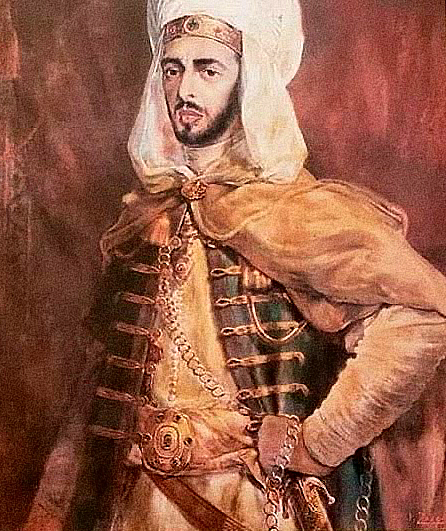
Ahmad al-Mansur
(أحمد المنصور السعدي (الذهبي))
Glorious Saadian Sultan of Morocco known as 'Al-Dhahabi' (The Golden), who triumphed at the historic Battle of the Three Kings in 1578, conquered the Songhai Empire in Timbuktu, and constructed the opulent El Badi Palace.
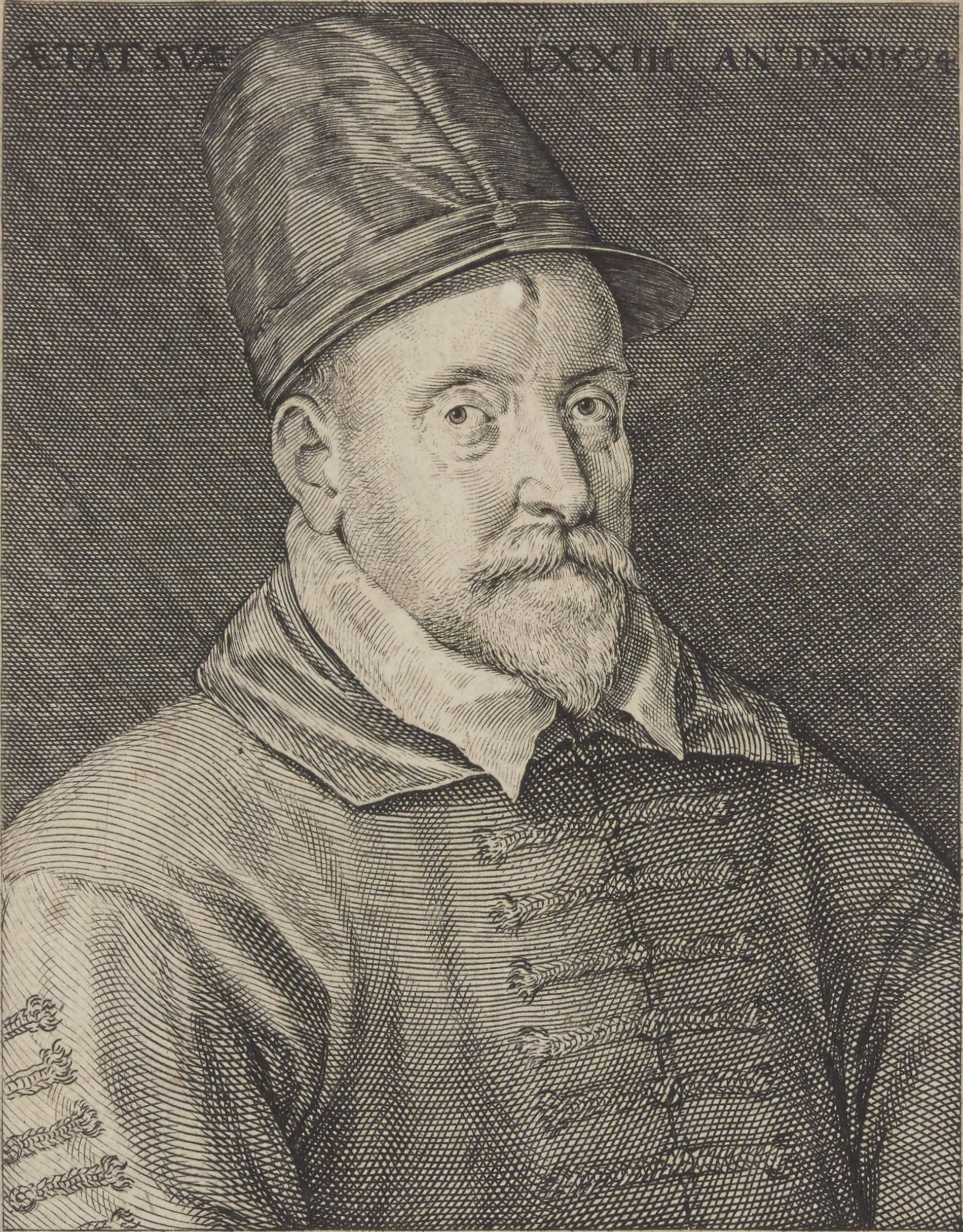
Philippe de Monte
(Philippe de Monte)
One of the most prolific and celebrated composers of the late Renaissance, serving as imperial Kapellmeister to Habsburg Emperors Maximilian II and Rudolf II for thirty-five years.
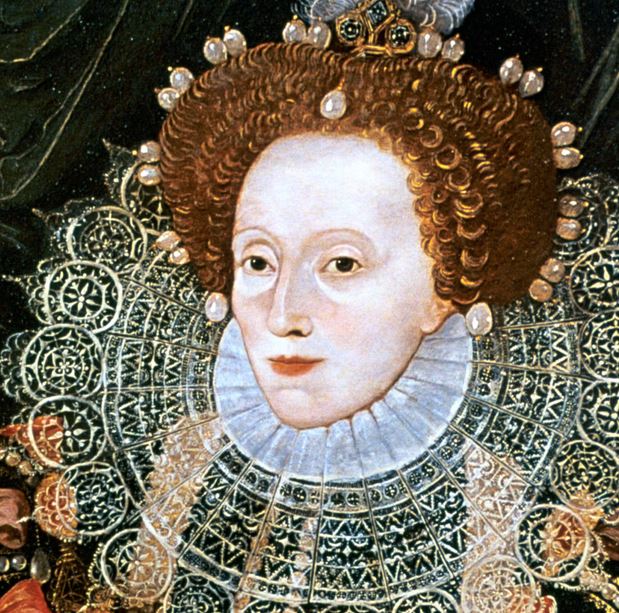
Elizabeth I (The Virgin Queen / Gloriana)
 (Elizabeth I of England)
Tudor monarch who ruled England for forty-four years during the Elizabethan Golden Age. Consolidated the Church of England, defeated the Spanish Armada in 1588, and patronized the flourishing Renaissance of William Shakespeare and Christopher Marlowe.
François Viète
(François Viète, Seigneur de la Bigotière)
French mathematician and privy councillor to Henry III and Henry IV who founded modern symbolic algebra by introducing letters of the alphabet to represent unknown variables and known constants in equations.
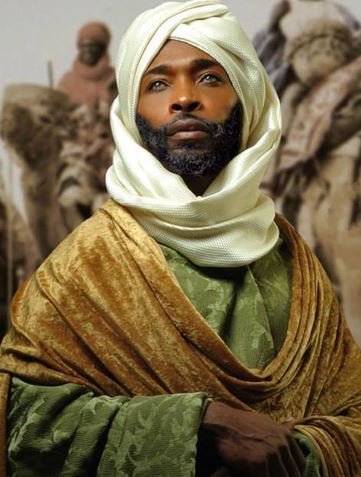
Idris Alooma
 (Idris Alooma (Mai of Kanem-Bornu))
Renowned Mai (Emperor) of the Kanem-Bornu Empire who modernized his army with Ottoman firearms, camel cavalry, and established legal and administrative reforms based on Islamic law.
Tycho Brahe
 (Tyge Ottesen Brahe)
Pioneering astronomer whose extraordinarily accurate naked-eye planetary observations, conducted at his island observatory Uraniborg on Hven, provided the empirical data that enabled Kepler's laws of planetary motion.
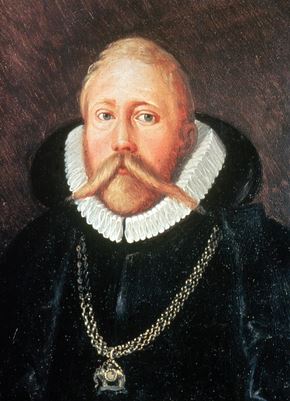
Tycho Brahe
(Tycho Brahe)
Danish nobleman and astronomer whose palace-observatory Uraniborg compiled thirty years of naked-eye astronomical data of unprecedented precision, shattering Aristotelian immutable celestial spheres.
Abu Ubayd Muhammad al-Sharqi
(أبو عبيد محمد الشرقي)
Venerated 16th-century Sufi master, mystic of the Jazuliyya-Shadhiliyya path, and founder of the holy city and spiritual zawiya of Bejaad, revered as a patron of peace among warring tribes.