Public Figures & Cultural Luminaries
Filterable archive covering centuries of intellectual, artistic, and moral contributions to the human story.
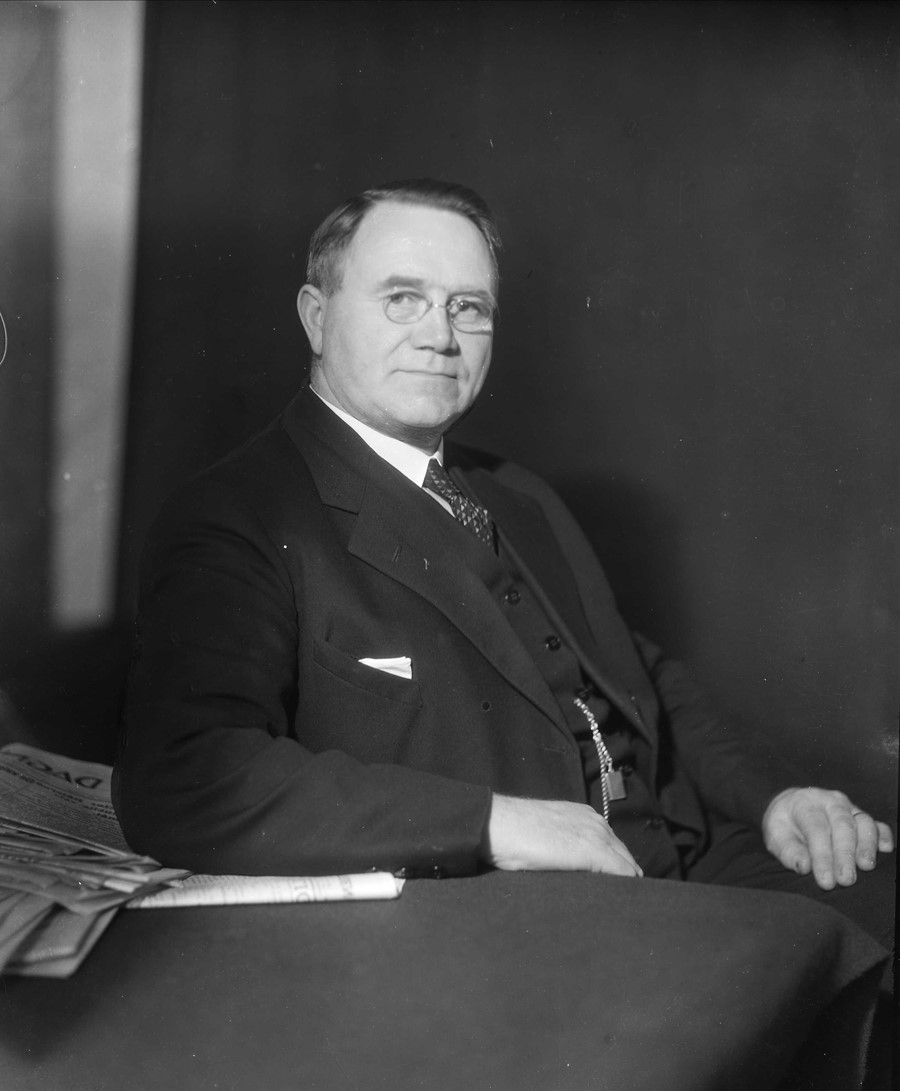
Johan Nygaardsvold
 (Johan Nygaardsvold)
Norwegian Labour statesman who served as Prime Minister from 1935 to 1945, introducing early social welfare reforms and leading Norway's government-in-exile in London during World War II.
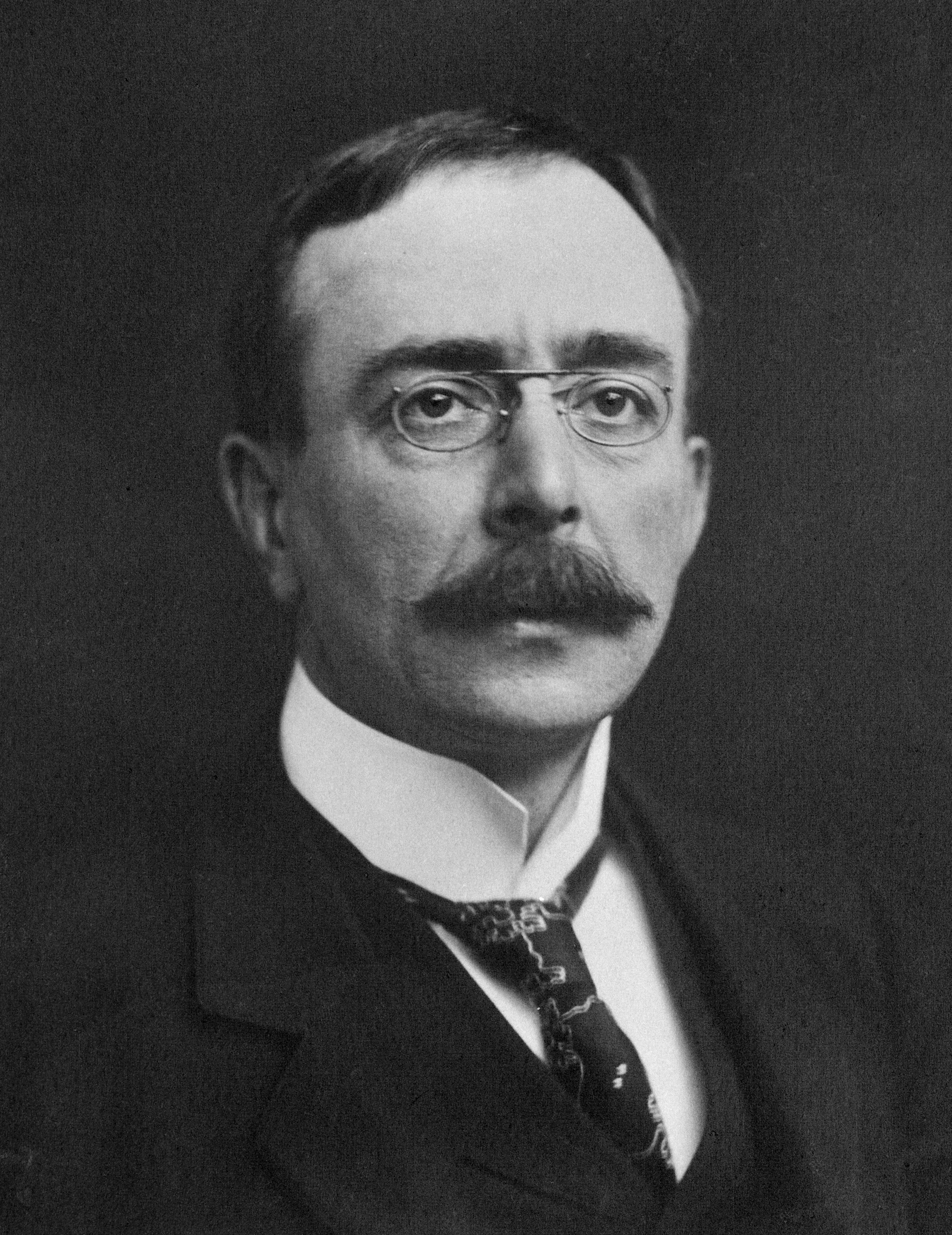
Charles Sherrington
 (Sir Charles Scott Sherrington)
English neurophysiologist who won the 1932 Nobel Prize in Medicine for mapping the reflex functions of the central nervous system, coining the immortal terms 'synapse', 'proprioception', and 'motor unit'.
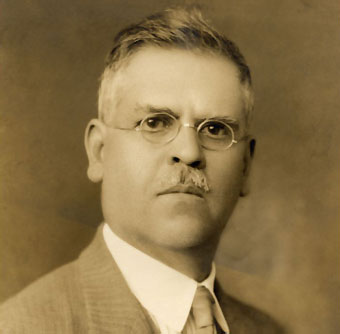
Mariano Azuela
 (Mariano Azuela González)
Mexican novelist and physician who founded the novel of the Mexican Revolution, author of the 1915 realistic classic The Underdogs (Los de abajo).
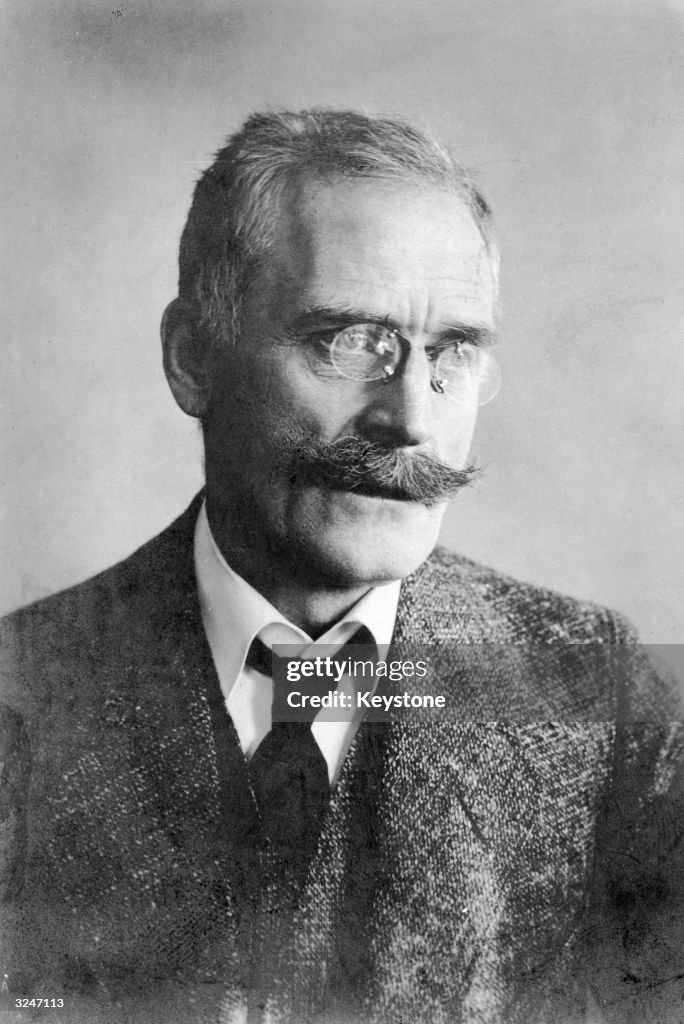
Knut Hamsun
(Knut Hamsun)
1920 Nobel laureate in Literature whose psychological masterwork Hunger (Sult) pioneered stream of consciousness and the 20th-century modernist antihero.
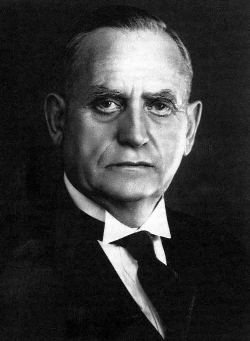
Sveinn Björnsson
 (Sveinn Björnsson)
Distinguished Icelandic statesman and jurist who served as Regent during World War II and was inaugurated on June 17, 1944, at Þingvellir as the first President of the independent Republic of Iceland.
Artur Kapp
 (Artur Kapp)
Distinguished classical composer and conductor whose cantata 'Päikesele' (To the Sun), organ concertos, and five symphonies trained an entire generation of Estonian modernist composers at the Tallinn Conservatory.
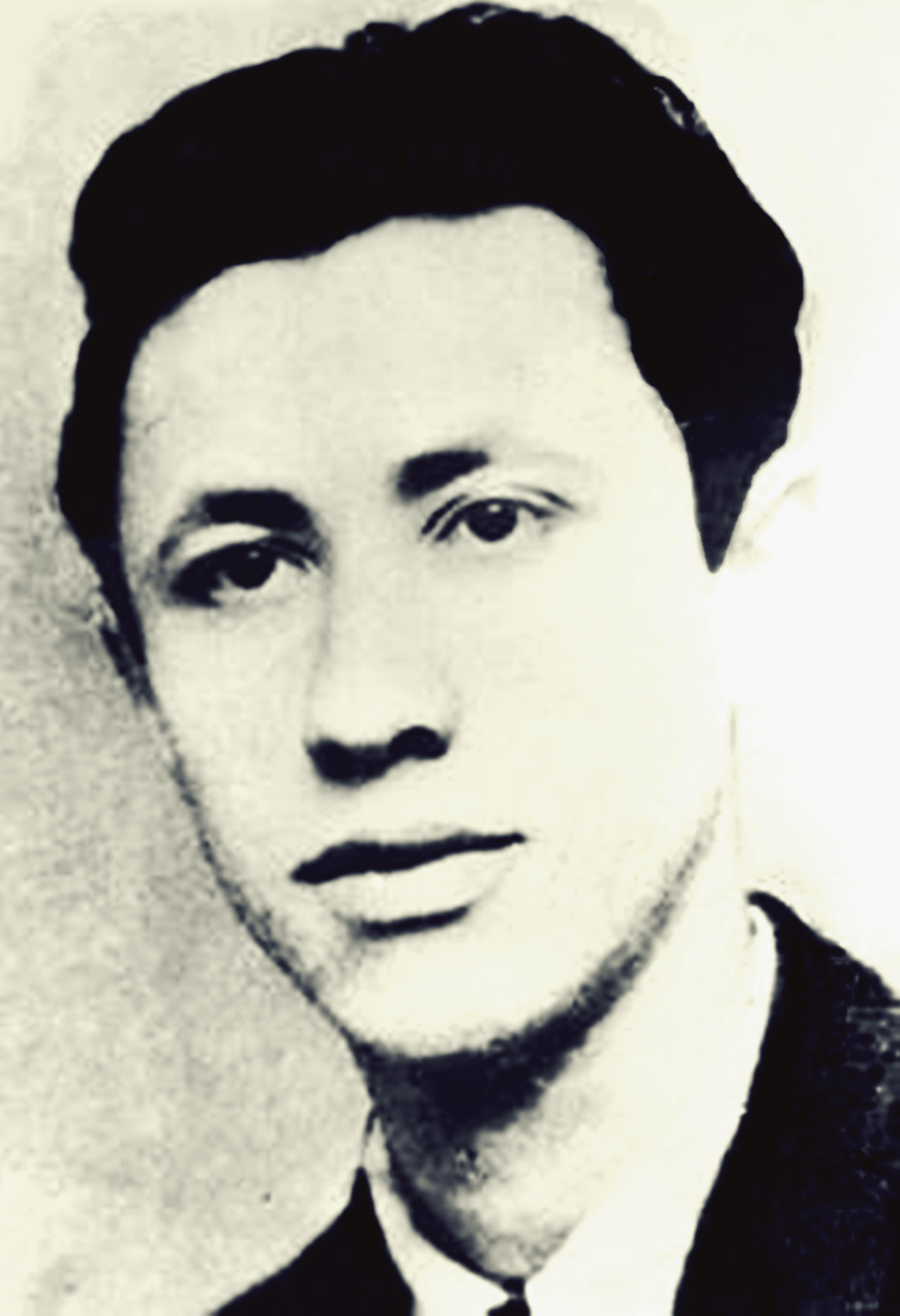
Mohamed Belouizdad
 (محمد بلوزداد)
Visionary young Algerian nationalist leader who founded and directed the covert paramilitary Organisation Spéciale (OS) in 1947, training the core commanders who ignited the 1954 Algerian Revolution.
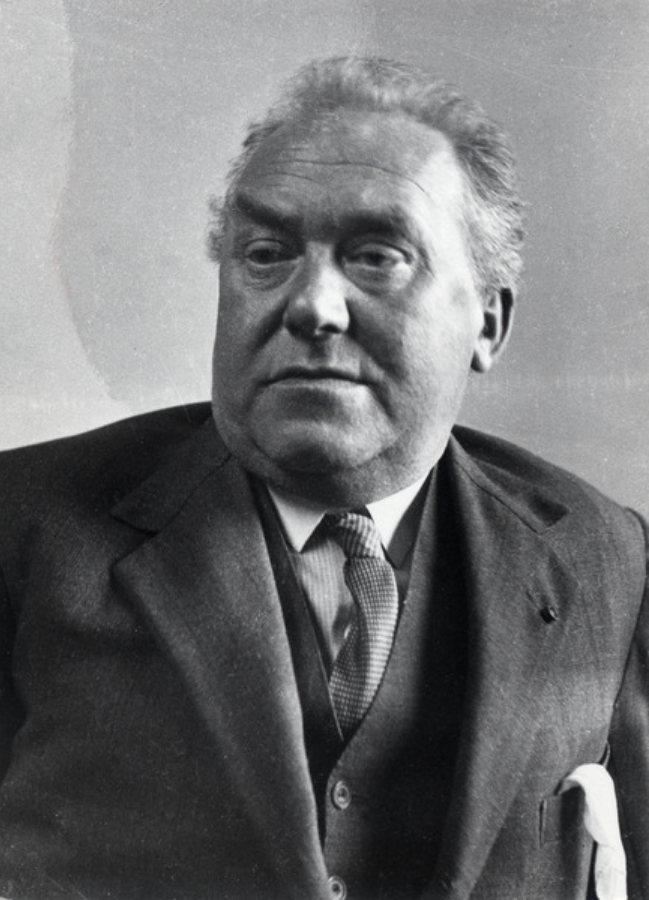
Constant Permeke
 (Constant Permeke)
The leading figure of the Sint-Martens-Latem Flemish Expressionist movement, renowned for monumental, earth-toned canvases of sea storms, heavy fishermen, and massive toiling farmers.
Selim Palmgren
 (Selim Gösta Palmgren)
Virtuoso pianist and late-romantic impressionist composer celebrated as 'The Chopin of the North' whose five piano concertos, particularly 'The River' (Virta), and miniature piano suites achieved worldwide acclaim.
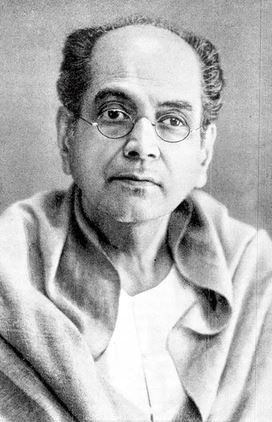
Abanindranath Tagore
 (অবনীন্দ্রনাথ ঠাকুর)
Indian artist and writer who founded the influential Bengal School of Art, creating the iconic patriotic painting Bharat Mata and championing pan-Asian aesthetic indigenism against British academicism.
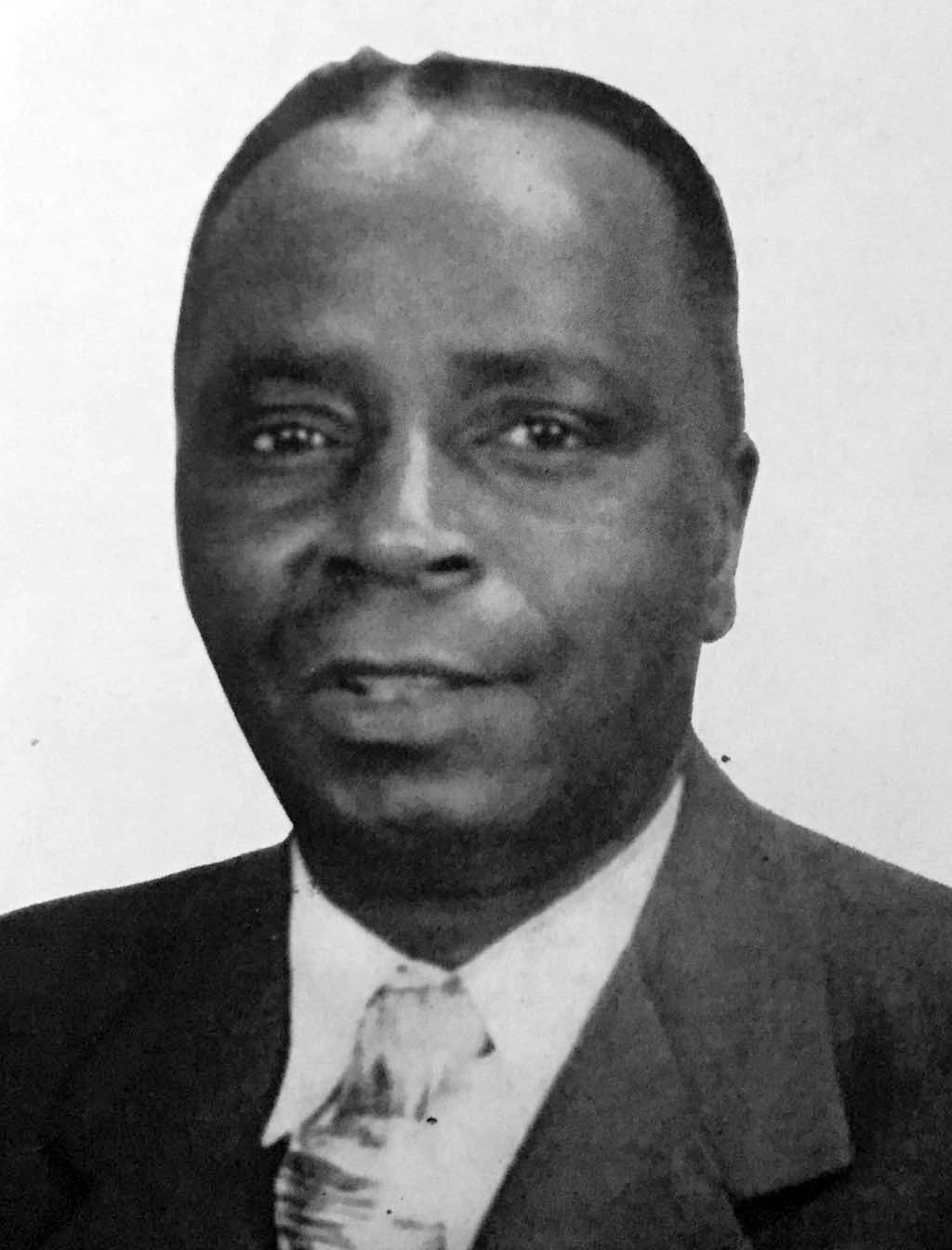
Clements Kadalie
 (Clements Kadalie)
Charismatic Malawian-born trade unionist who founded the Industrial and Commercial Workers' Union (ICU) in Cape Town in 1919, building Africa's first mass trade union of over 100,000 members.
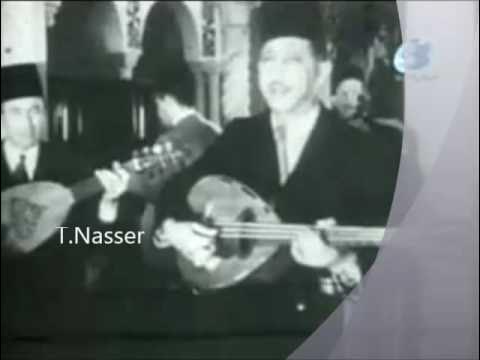
Cheikh Khelifa Belkacem
(الشيخ خليفة بلقاسم)
Pioneering master of modern Chaabi music whose dazzling mandole fingerwork and rhythmic innovation revolutionized the Casbah musical landscape in the 1930s.
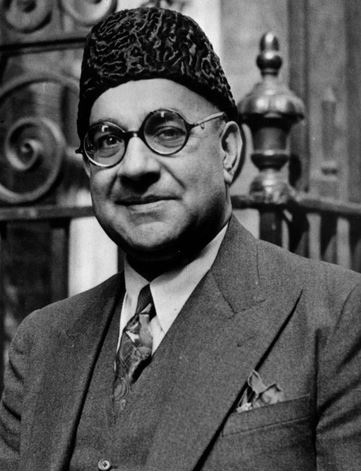
Liaquat Ali Khan
(لیاقت علی خان)
Consolidated Pakistan's state institutions, currency, and military apparatus amidst catastrophic refugee displacement after Partition.
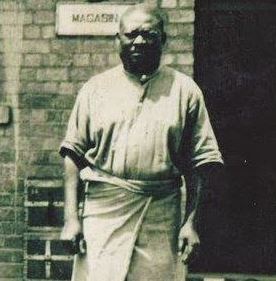
Papa Simon Kimbangu
 (Simon Kimbangu)
Congolese Baptist catechist who began a miraculous healing ministry at Nkamba in 1921. Imprisoned for thirty years by Belgian colonial authorities, his steadfast non-violence inspired the Kimbanguist Church of millions.
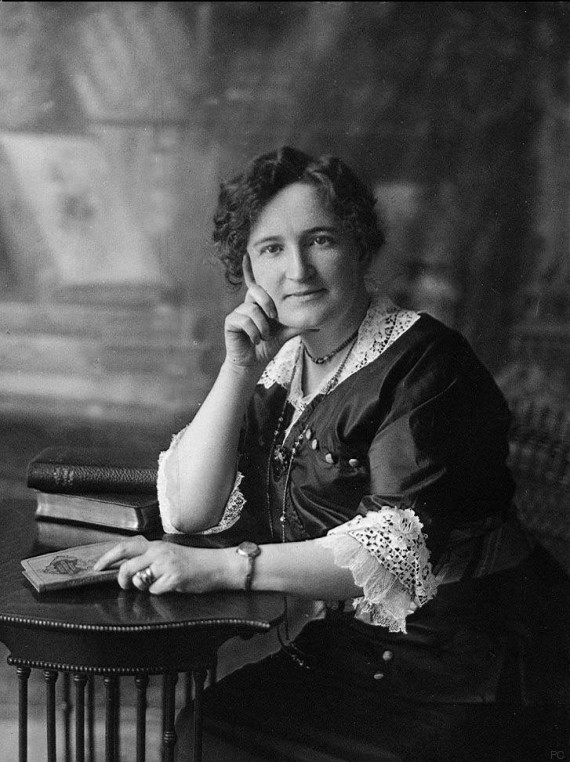
Nellie McClung
 (Nellie Letitia McClung)
Celebrated orator and suffragist of the 'Famous Five' whose satirical mock parliament in 1914 won Manitoba women the vote in 1916, and whose Persons Case victory in 1929 established that women are legal persons.
Louis Jouvet
 (Louis Jouvet)
Monumental French theatrical and film director and actor whose rhythmic, halting diction, role as Doctor Knock ('Every healthy person is a sick person who doesn't know it'), and staging of Jean Giraudoux and Molière revolutionized French theater.
Paul Kogerman
(Paul Nikolai Kogerman)
World-renowned organic chemist who established the science of kukersite oil shale chemistry, founded the Department of Oil Shale Technology at Tallinn, and served as Minister of Public Education.
King Abdullah I
 (عبد الله الأول بن الحسين)
Founding monarch of Jordan who led the Great Arab Revolt, established Transjordan in 1921, and proclaimed the Hashemite Kingdom in 1946.