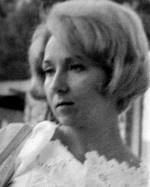
Anna Gréki
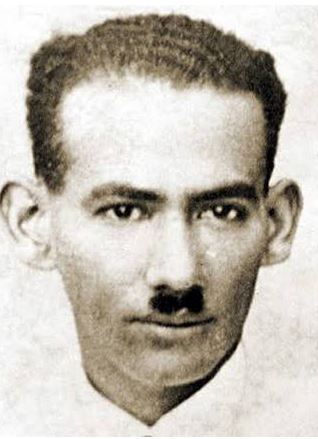
Passionate Algerian poet and revolutionary militant born in the Aurès who was imprisoned by French paratroopers and authored the immortal collection 'Algérie, Capitale Alger'.
Start typing to search worldwide archives and community tributes
Filterable archive covering centuries of intellectual, artistic, and moral contributions to the human story.
Passionate Algerian poet and revolutionary militant born in the Aurès who was imprisoned by French paratroopers and authored the immortal collection 'Algérie, Capitale Alger'.

Pioneering Gambian educationist, businesswoman, and politician who became the first female member of the Bathurst Town Council in 1946.
Eminent 20th-century Algerian classical tenor and oud master who guarded and transmitted the centuries-old Andalusian Gharnati and Hawzi musical repertoire of Tlemcen.
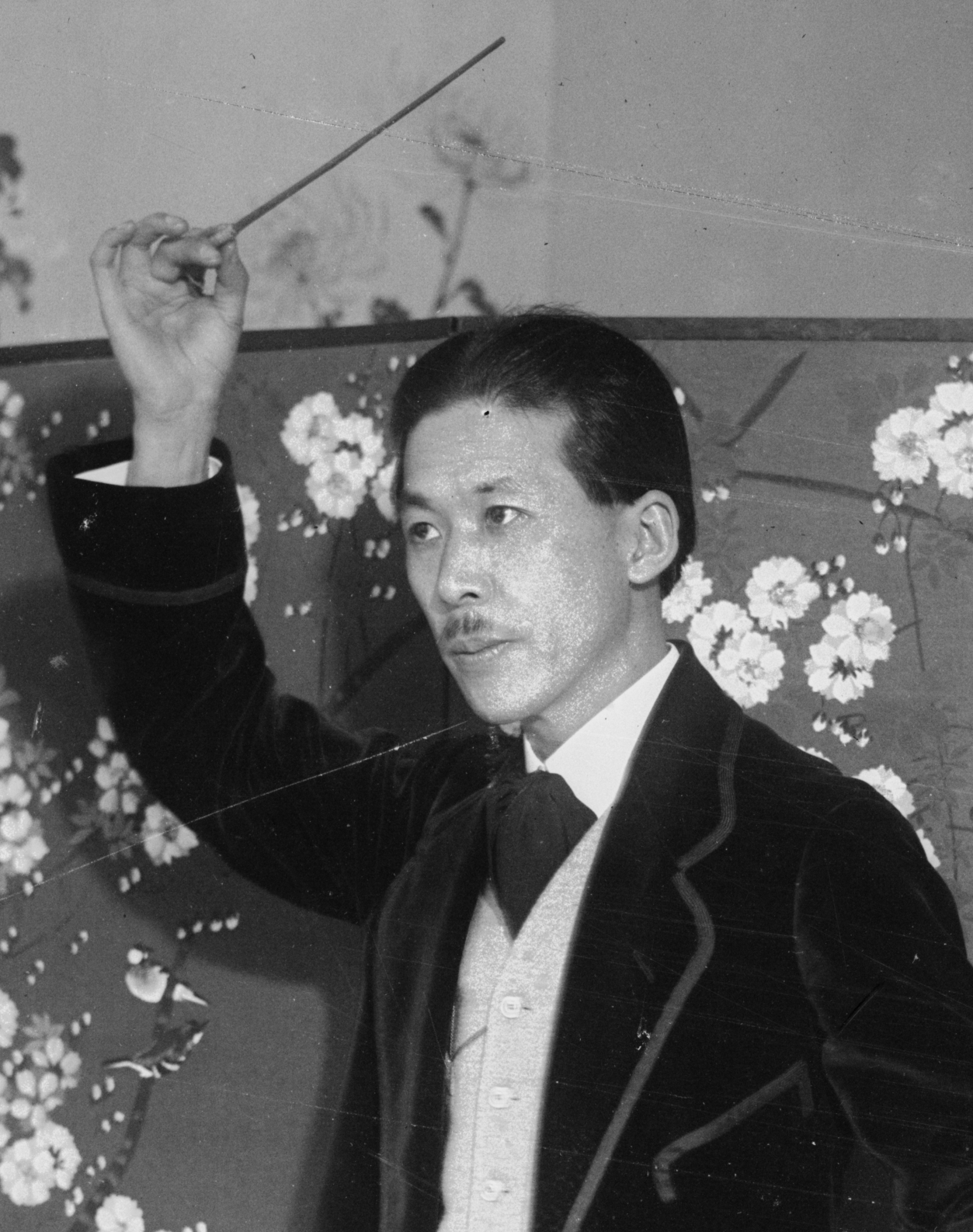
Japanese composer and conductor who composed Japan's first symphony and first western-style opera, Kurofune (The Black Ships), and founded the Japan Philharmonic.
Foundational Canadian classical composer whose Paris-honed impressionism blended with French-Canadian folk traditions in masterpieces like Suite canadienne (1927) and Symphonie gaspésienne.
Revered Queen of the Belgians, Duchess in Bavaria, who tended wounded soldiers on the Yser front lines in World War I, sheltered Jewish children in World War II, and founded the prestigious Queen Elisabeth Music Competition.
Bohemian poet, journalist, and co-founder of the seminal Indigenist review 'La Revue Indigène'.
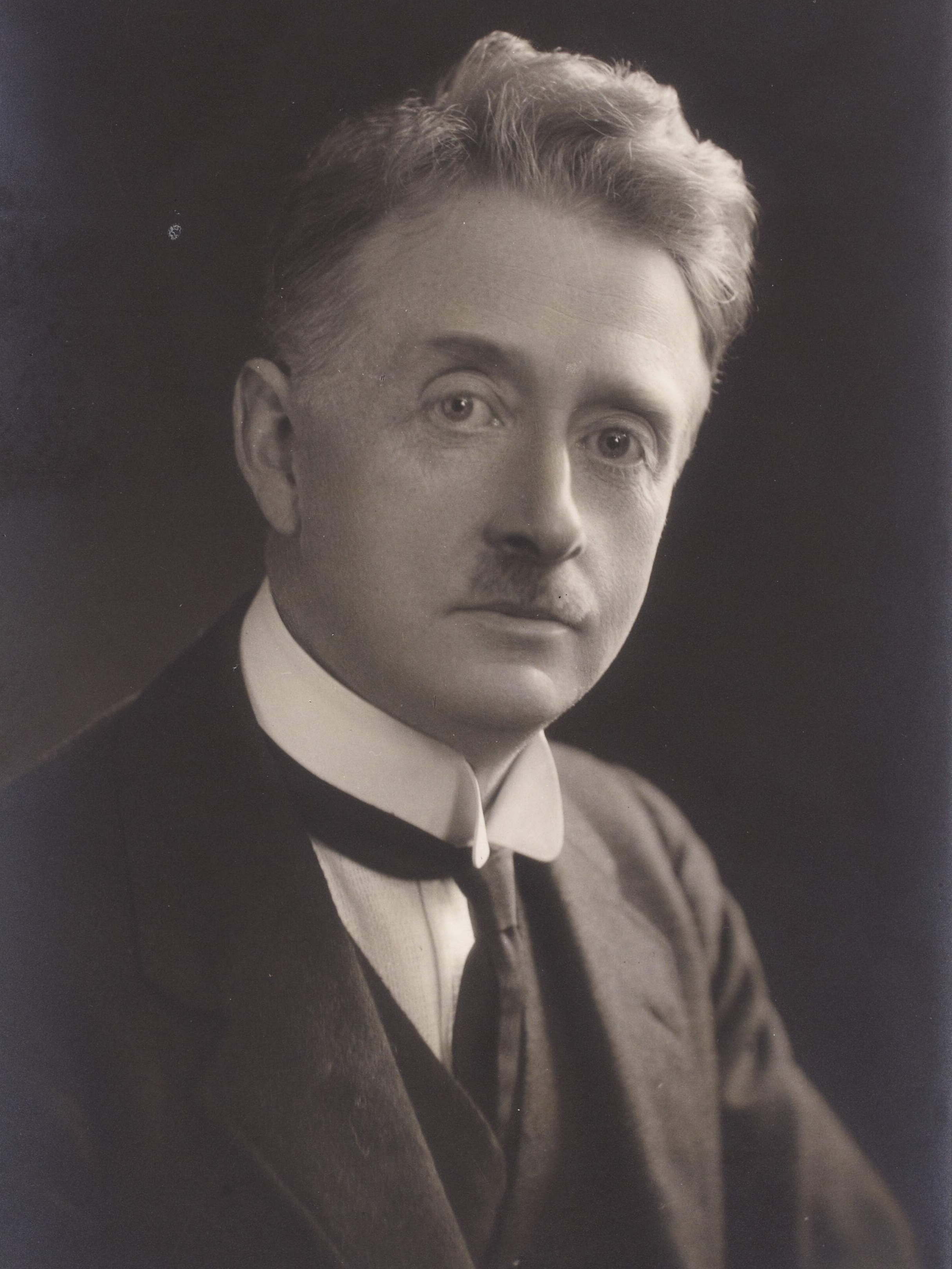
Founding statesman and first President of the Executive Council of the Irish Free State (1922–1932) who established stable constitutional democracy following the Irish Civil War, founded the Shannon Hydroelectric Scheme, and peacefully handed over power to his civil war opponents.
Master composer and musicologist who founded the National Music Society in 1949 and composed Iran's beloved patriotic anthem 'Ey Iran'.
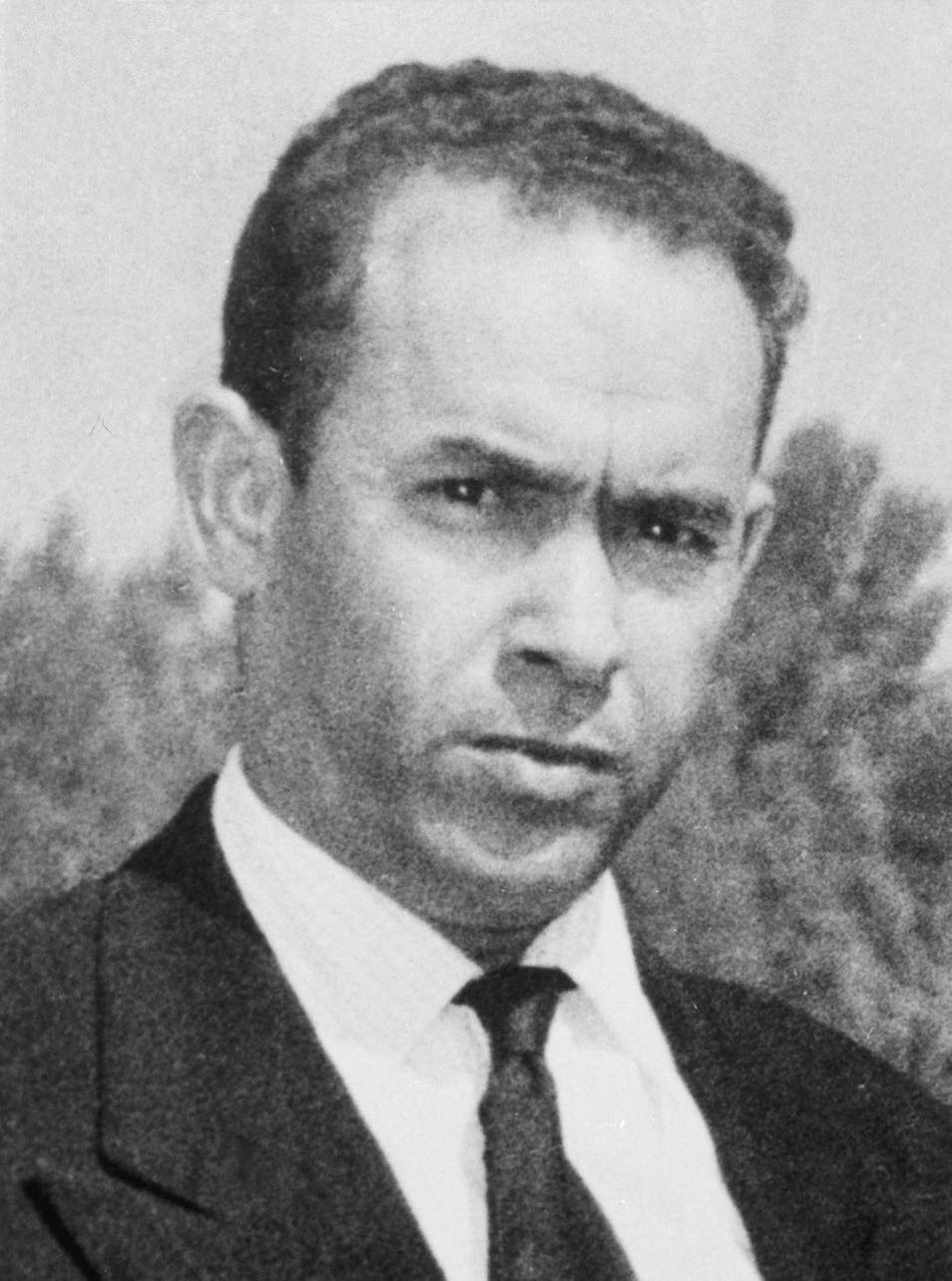
Dynamic Moroccan socialist statesman and anti-imperialist leader who headed the National Union of Popular Forces (UNFP) and served as leader of the Tricontinental Conference, championing global liberation before his mysterious assassination in Paris.
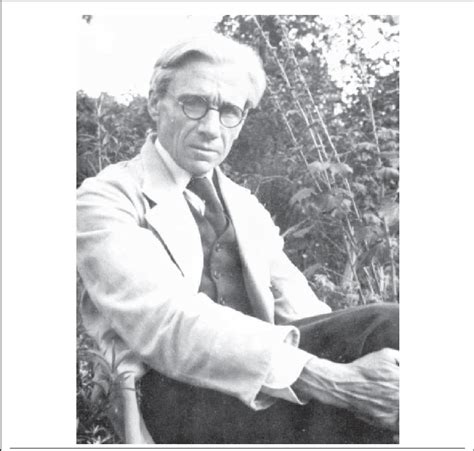
German-American Christian existentialist philosopher and theologian whose 'The Courage to Be' and 'Systematic Theology' defined faith as the state of being grasped by an 'ultimate concern'.
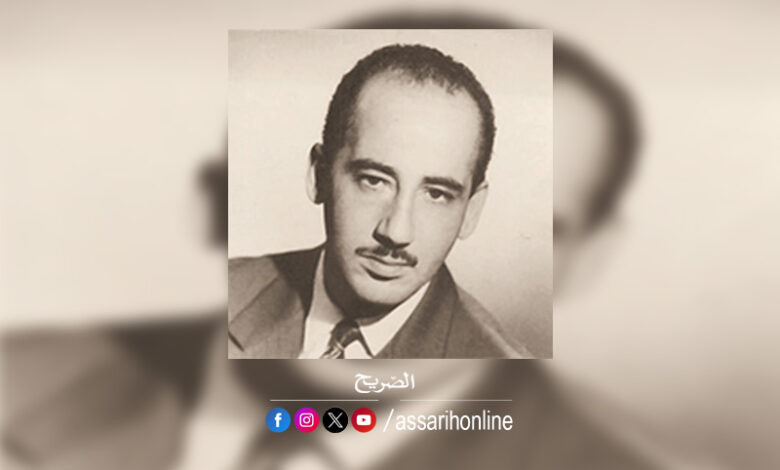
Instrumental Tunisian revolutionary leader and the republic's first Minister of the Interior, who organized the underground resistance and built modern Tunisia's internal security and administrative infrastructure.
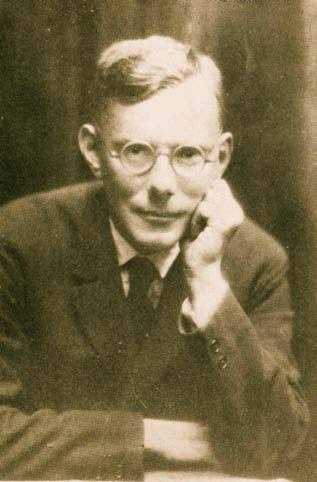
Distinguished Belgian botanist and phytogeographer who founded the Institute of Botany at the University of Buenos Aires, mapped the flora of the Andes and Patagonia, and pioneered Congolese botany.
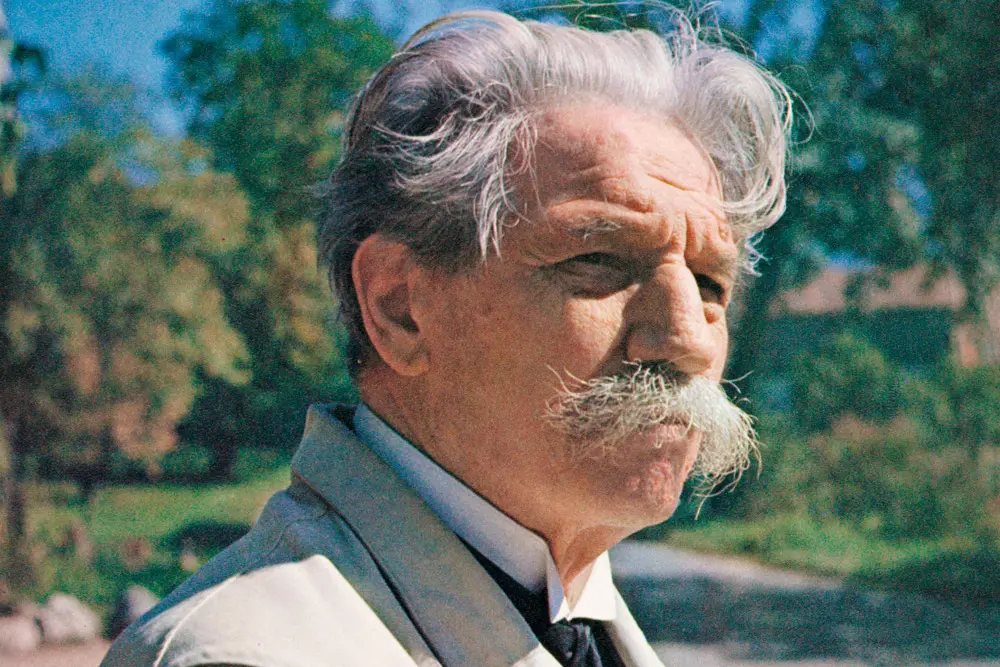
Albert Schweitzer was an Alsatian polymath, Lutheran theologian, virtuoso organist, and medical missionary who established the Lambaréné Hospital in equatorial Africa. Renowned for his moral philosophy of 'Reverence for Life' (Ehrfurcht vor dem Leben), he was awarded the 1952 Nobel Peace Prize and devoted his Nobel funds to constructing a leper colony.
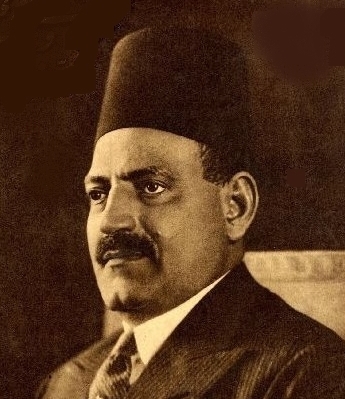
Five-term Prime Minister of Egypt and leader of the Wafd Party who co-founded the Arab League, signed the 1936 Anglo-Egyptian Treaty, and unilaterally abrogated it in 1951.
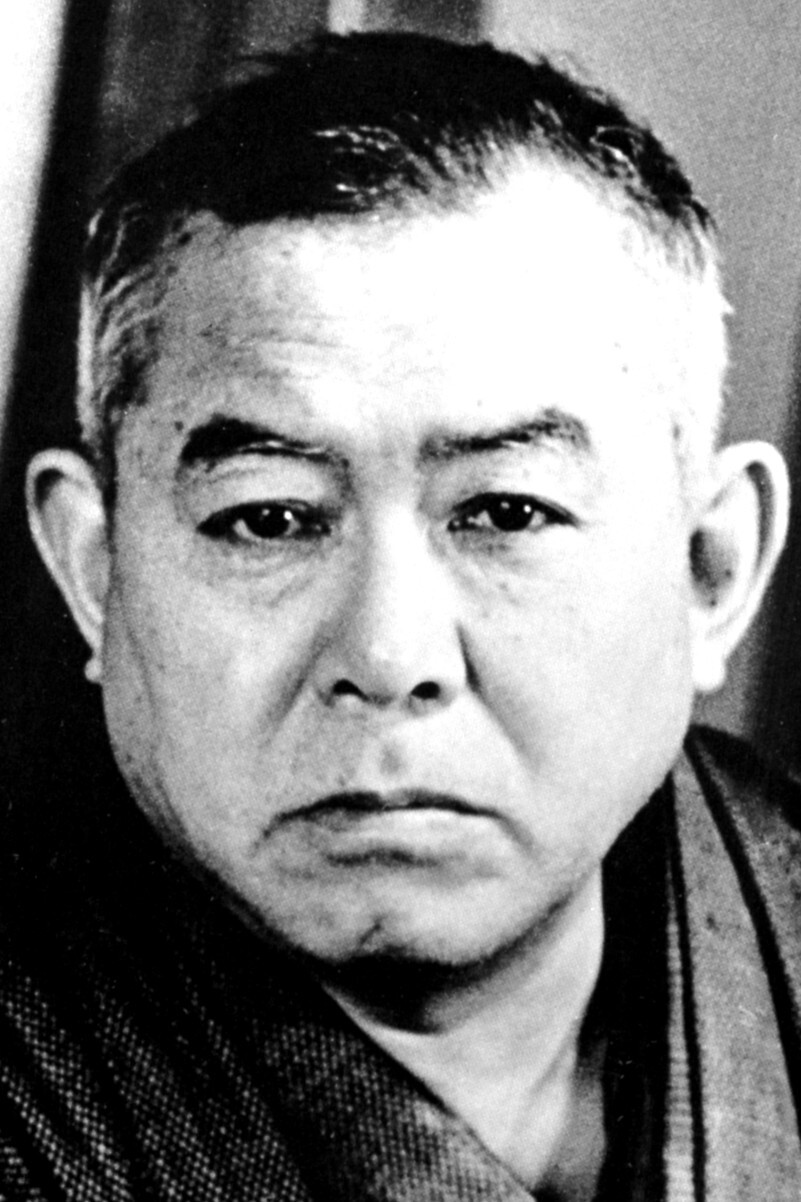
Japanese novelist celebrated for The Makioka Sisters, Some Prefer Nettles, and In Praise of Shadows, master of traditional Japanese aesthetics and subtle erotic obsessions.
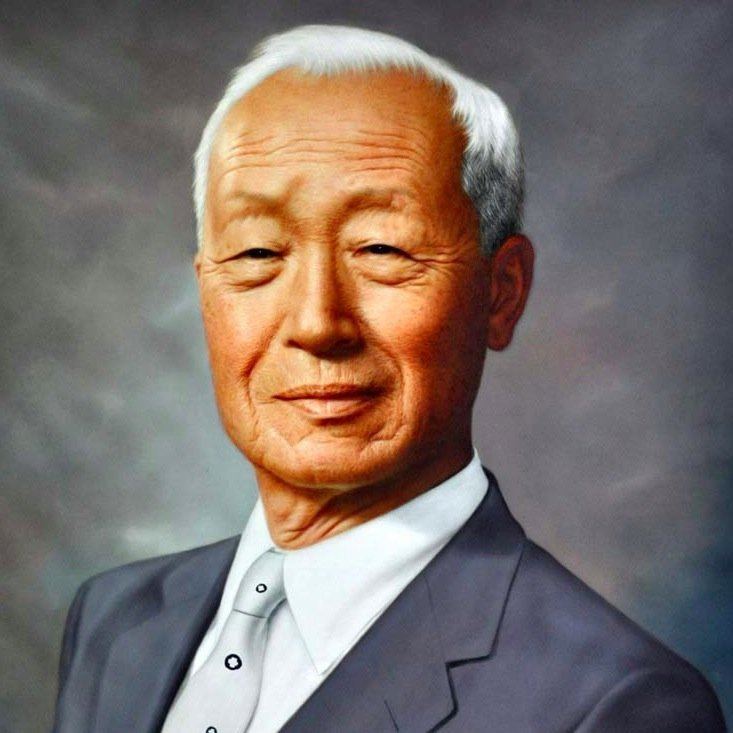
First President of South Korea who led the Republic of Korea through the Korean War and secured the US-ROK Mutual Defense Treaty.
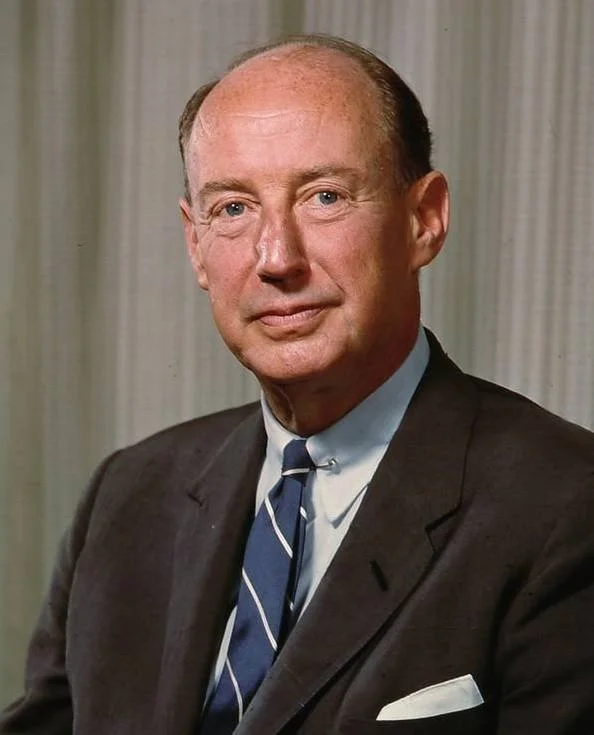
Governor of Illinois, two-time Democratic presidential nominee, and US Ambassador to the UN who dramatically confronted the Soviets with U-2 spy photos during the Cuban Missile Crisis.