Public Figures & Cultural Luminaries
Filterable archive covering centuries of intellectual, artistic, and moral contributions to the human story.
Sohrab Sepehri
 (سهراب سپهری)
Cherished modern Persian poet and painter whose luminous, Zen-infused verses in 'The Water's Footfall' celebrated the sacredness of nature.
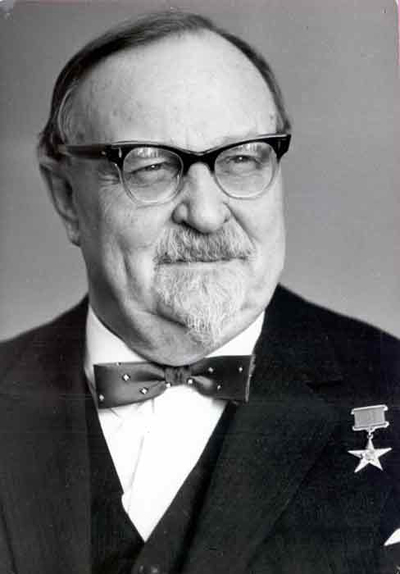
Aleksandr Oparin
 (Александр Иванович Опарин)
Russian biochemist who proposed the foundational 'primordial soup' theory of the origin of life, postulating that organic molecules arose abiogenetically under early Earth's reducing atmosphere.
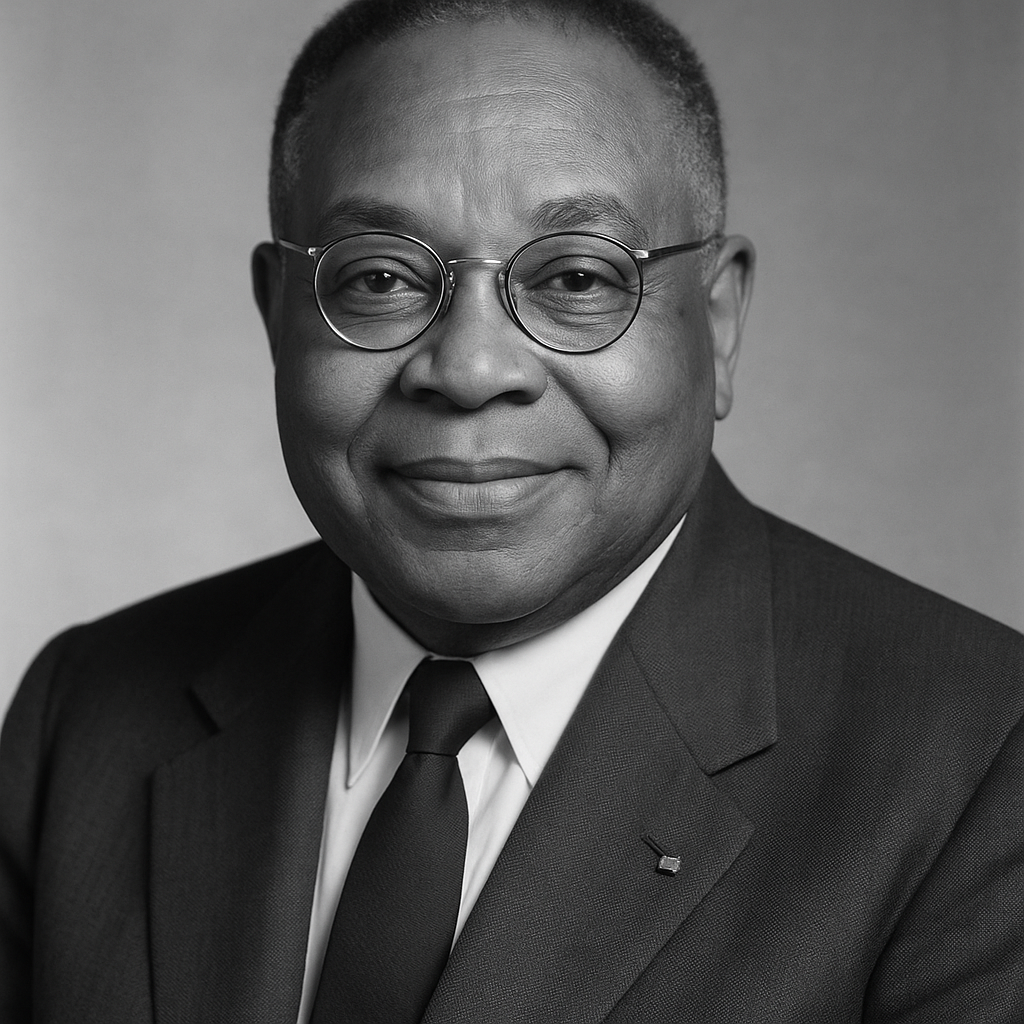
Paul Hazoumé
 (Paul Hazoume)
Eminent Beninese author and ethnologist who wrote 'Doguicimi' (1938), the monumental historical novel of the Kingdom of Dahomey crowned by the Académie Française.
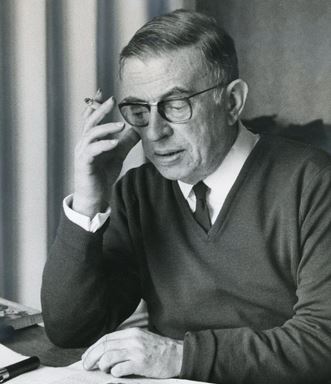
Jean-Paul Sartre
 (Jean-Paul Charles Aymard Sartre)
Foremost figure of 20th-century French existentialism whose Being and Nothingness proclaimed that 'existence precedes essence' and that human beings are radical agents condemned to be free.
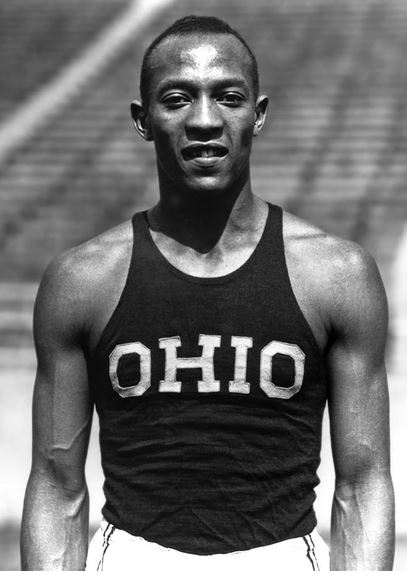
Jesse Owens
 (James Cleveland Owens)
Jesse Owens was a legendary American track and field icon whose four gold medals at the 1936 Berlin Olympic Games single-handedly shattered Adolf Hitler's Nazi myth of Aryan racial supremacy. The grandson of slaves who set three world records in 45 minutes as an Ohio State student in 1935, his triumphs in the 100m, 200m, 4x100m relay, and long jump stand as an eternal monument to human equality.
Roland Barthes
(Roland Gérard Barthes)
French literary theorist, philosopher, and semiotician whose Mythologies (1957) decoded bourgeois consumer culture and whose epochal 1967 essay 'The Death of the Author' redefined modern literary criticism.
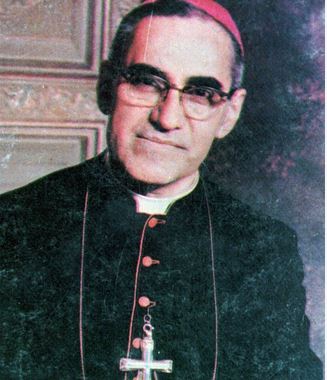
Óscar Romero (Óscar Arnulfo Romero y Galdámez)
Saint Óscar Romero was the fourth Archbishop of San Salvador who became the world's most eloquent 'voice of the voiceless' by defending impoverished peasants and exposing death-squad assassinations, torture, and state repression during El Salvador's descent into civil war. Assassinated at the altar while celebrating Holy Mass in March 1980, he was canonized by Pope Francis in 2018 as a universal beacon of human dignity.
Joseph Tarka
 (Joseph Sarwuan Tarka)
Paramount leader of the United Middle Belt Congress (UMBC) who championed minority ethnic rights, self-determination, and the creation of states in Nigerian federalism.
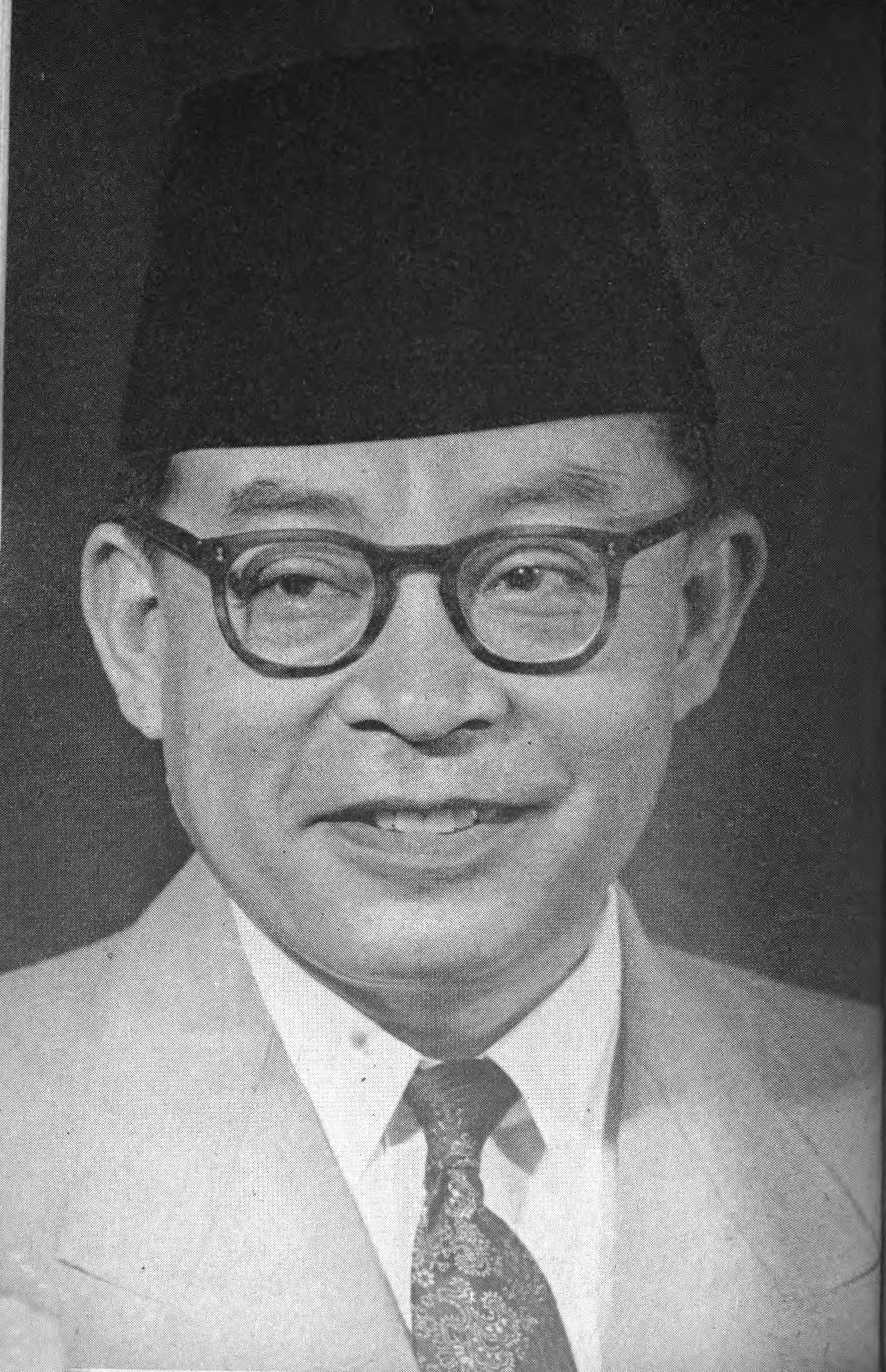
Mohammad Hatta
 (Mohammad Hatta (Bung Hatta))
Founding Father and first Vice President of Indonesia 'Bung Hatta' who co-proclaimed Indonesian independence alongside Sukarno on August 17, 1945, led the delegation to the 1949 Dutch-Indonesian Round Table Conference, and founded the Indonesian cooperative economic movement.
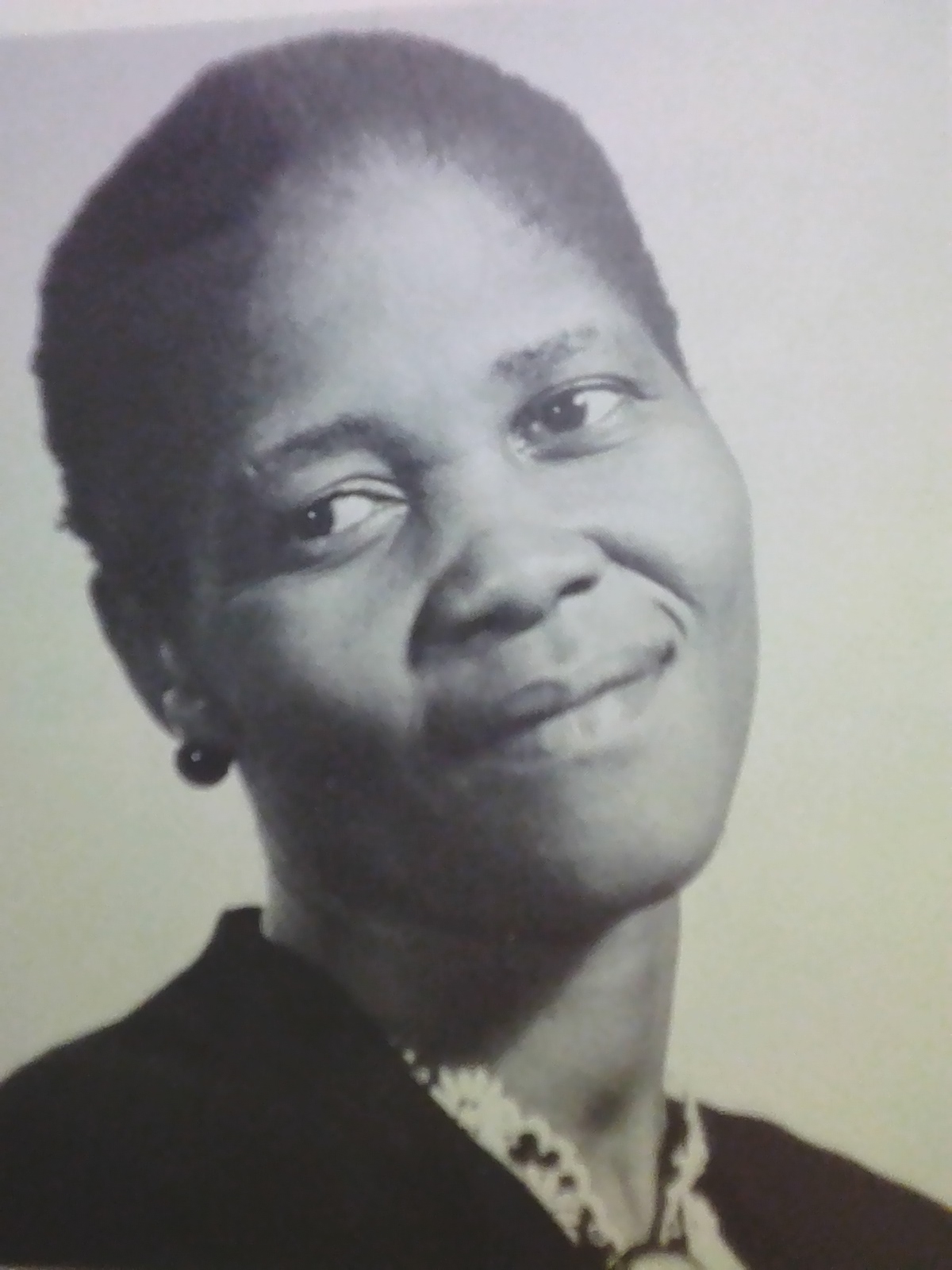
Lilian Ngoyi
 (Lilian Masediba Ngoyi)
Revered as 'Mother of the Black Resistance' who led the historic 1956 Women's March of 20,000 women against apartheid pass laws to the Union Buildings in Pretoria.
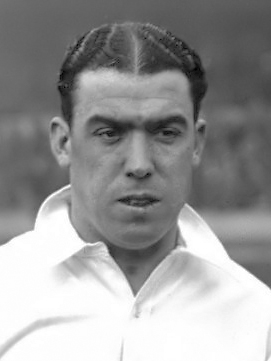
Dixie Dean
 (William Ralph Dean)
Prolific Everton center-forward who scored an astonishing, unbreakable 60 league goals in a single English top-flight season in 1927-1928.
Domingo Bethancourt
 (Domingo Bethancourt)
Legendary Guatemalan marimba virtuoso and composer who wrote the iconic 'Ferrocarril de los Altos'.
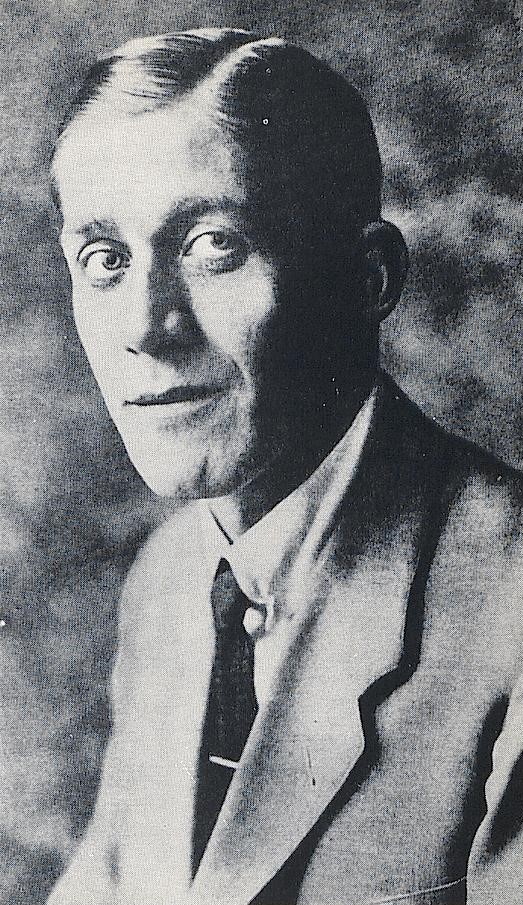
Oskar Kokoschka
 (Oskar Kokoschka)
Austrian Expressionist painter, graphic artist, and dramatist renowned for his nervous, psychologically incisive portraits and panoramic, turbulent cityscapes.
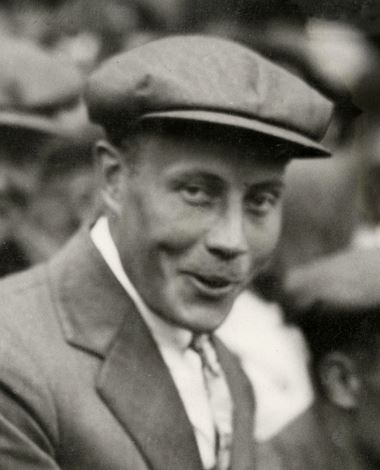
Paavo Ilmari Yrjölä
 (Paavo Ilmari Yrjölä)
Finnish decathlete known as 'The Bear of Hämeenkyrö', 1928 Olympic champion who broke the decathlon world record three times.
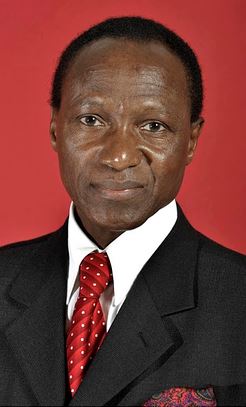
Camara Laye
 (Camara Laye)
Guinean novelist author of The African Child (L'Enfant noir) and The Radiance of the King (Le Regard du roi), pioneering classics of 20th-century Francophone African literature.
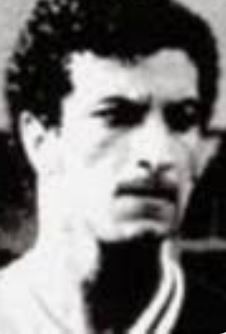
Mustapha Choukri
 (مصطفى شكري بيتشو)
One of the greatest playmakers in Moroccan football history, idolized as 'Petchou', who shone with Raja and Wydad Casablanca and played for Morocco in the 1970 FIFA World Cup.
Ti Ro-Ro
 (Ti Ro-Ro)
Legendary master drummer of Haiti who introduced sacred Vodou drumming to Carnegie Hall and world jazz stages.
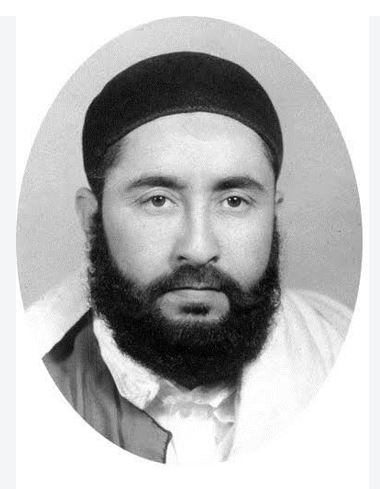
Muhammad al-Bishti
 (محمد البشتي)
Revered religious scholar and preacher of the historic Gurji Mosque in Tripoli, imprisoned and martyred in 1980 for his courageous sermons denouncing political tyranny and religious corruption.