Public Figures & Cultural Luminaries
Filterable archive covering centuries of intellectual, artistic, and moral contributions to the human story.
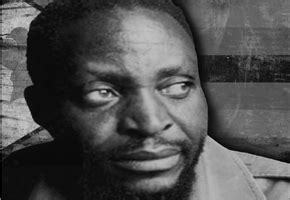
Josiah Tongogara
 (Josiah Magama Tongogara)
Legendary Commander-in-Chief of ZANLA who orchestrated the armed liberation campaign, commanded guerrilla forces, and played a decisive role at the Lancaster House peace conference.
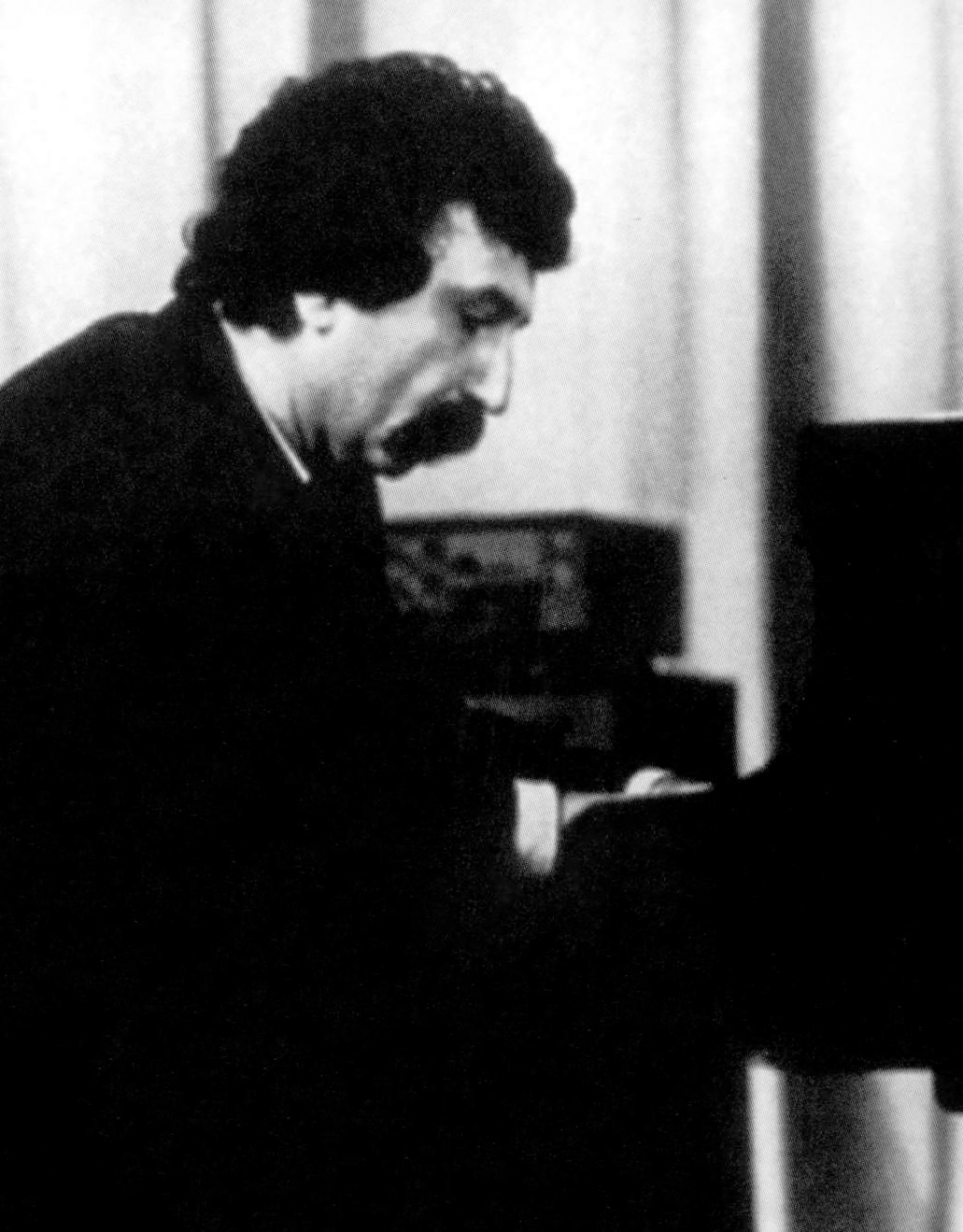
Vagif Mustafazadeh
 (Vaqif Mustafazadə)
Brilliant jazz pianist and composer who created 'jazz-mugham', fusing American bebop improvisation with complex Azerbaijani modal scales, winning the 1979 Monte Carlo Jazz Festival.
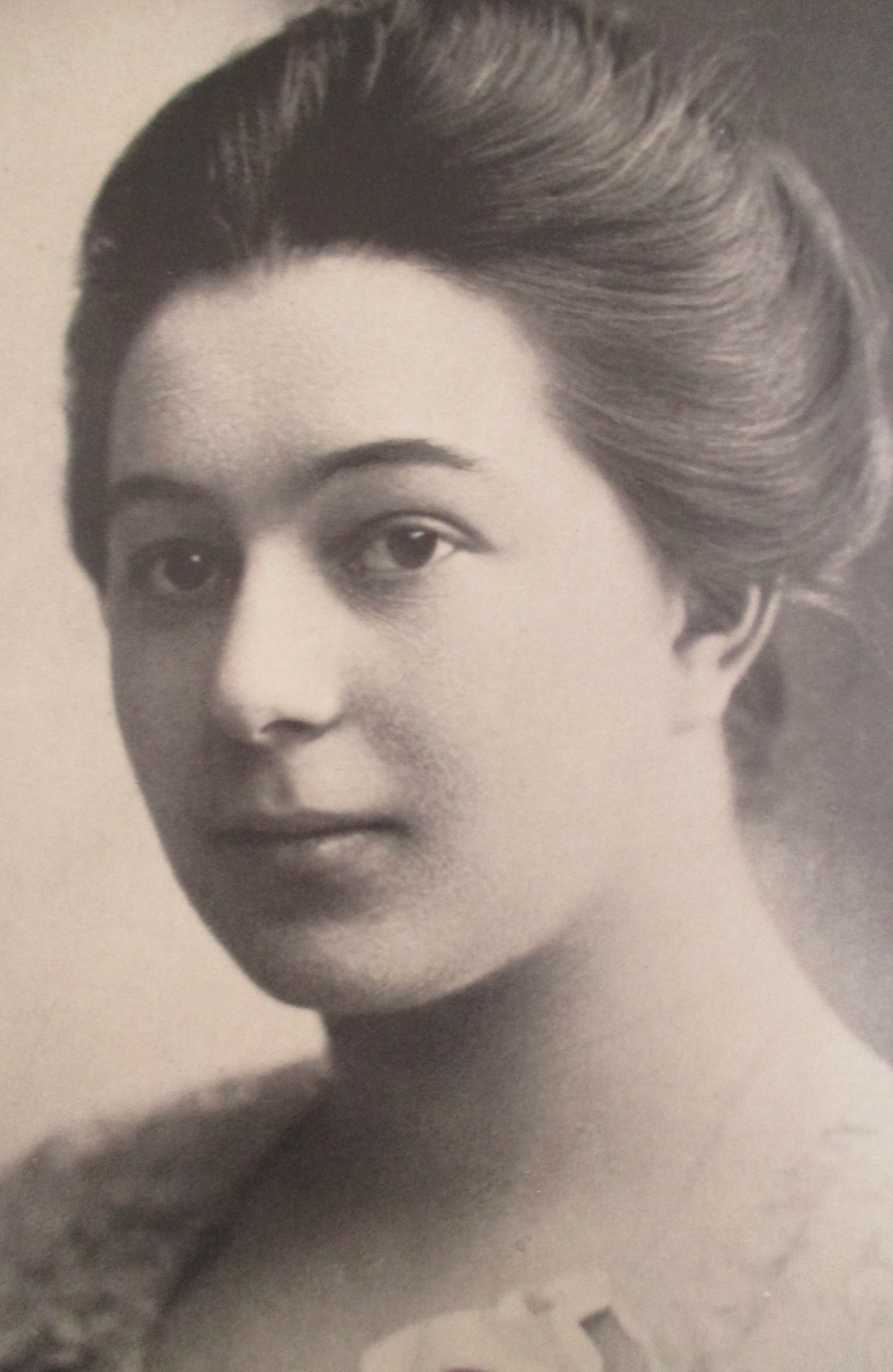
Sonia Delaunay
 (Sarah Ilinitchna Stern)
Ukrainian-French artist and designer who co-founded Simultanism and Orphism, bringing pure geometric color rhythm to paintings, textiles, fashion, and theatrical decor.
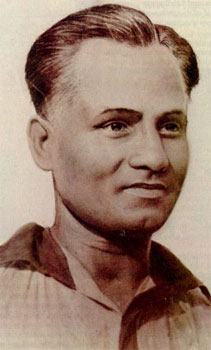
Dhyan Chand
 (ध्यानचंद)
Widely regarded as the greatest field hockey player in sports history, known as 'The Wizard' who led India to three consecutive Olympic gold medals.
Najati Sidqi
 (نجاتي صدقي)
Prominent 20th-century Palestinian intellectual, pioneering short story writer, and anti-fascist theorist who fought in the Spanish Civil War.
Pedro Geoffroy Rivas
 (Pedro Geoffroy Rivas)
Vanguard poet, anthropologist, and linguist whose groundbreaking dictionary 'Toponimia náhuat de Cuscatlán' rescued indigenous Pipil place-names and whose poem 'Vida, pasión y muerte del anti-hombre' modernized Salvadoran verse.
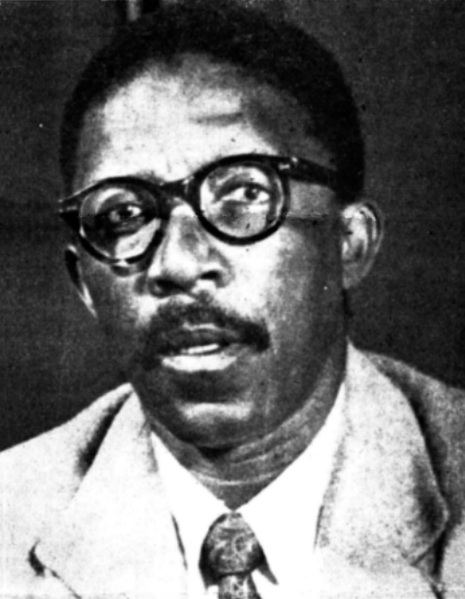
Philip Matante
 (Philip Goanwe Matante)
Charismatic Pan-Africanist politician, brilliant orator, and veteran who served as Botswana's first Leader of the Parliamentary Opposition for the BPP from 1965 to 1979.
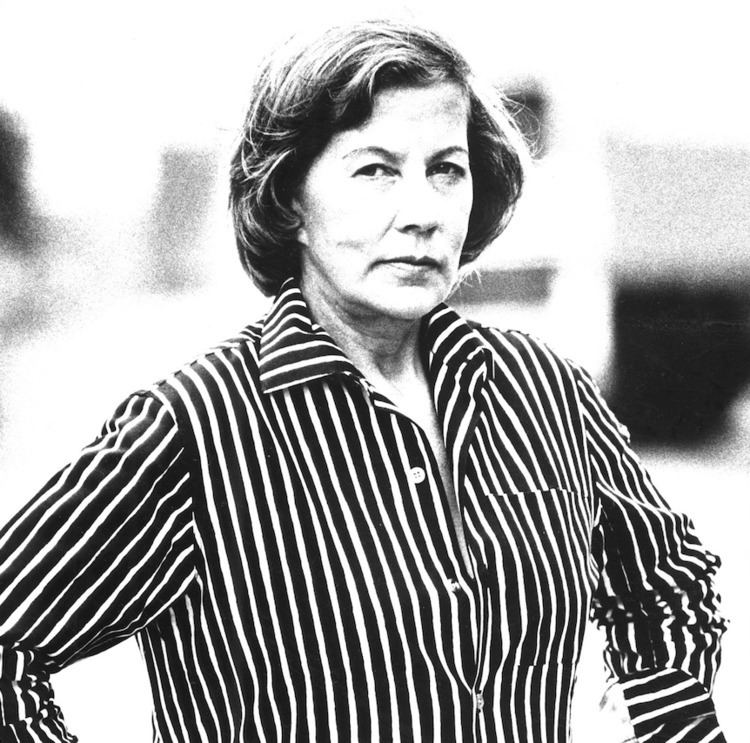
Armi Ratia
 (Armi Maria Ratia)
Visionary Finnish entrepreneur and textile innovator who founded Marimekko in 1951, revolutionizing post-war fashion and interior design with joyful, bold graphic patterns.
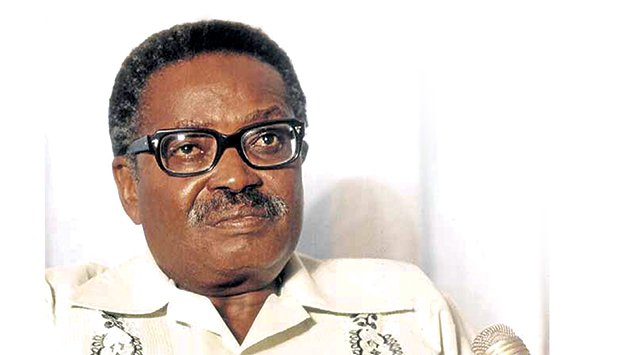
Agostinho Neto
 (Antonio Agostinho Neto)
First President of the Republic of Angola, celebrated poet, and physician who led the MPLA liberation struggle against Portuguese colonialism and proclaimed Angolan independence in 1975.
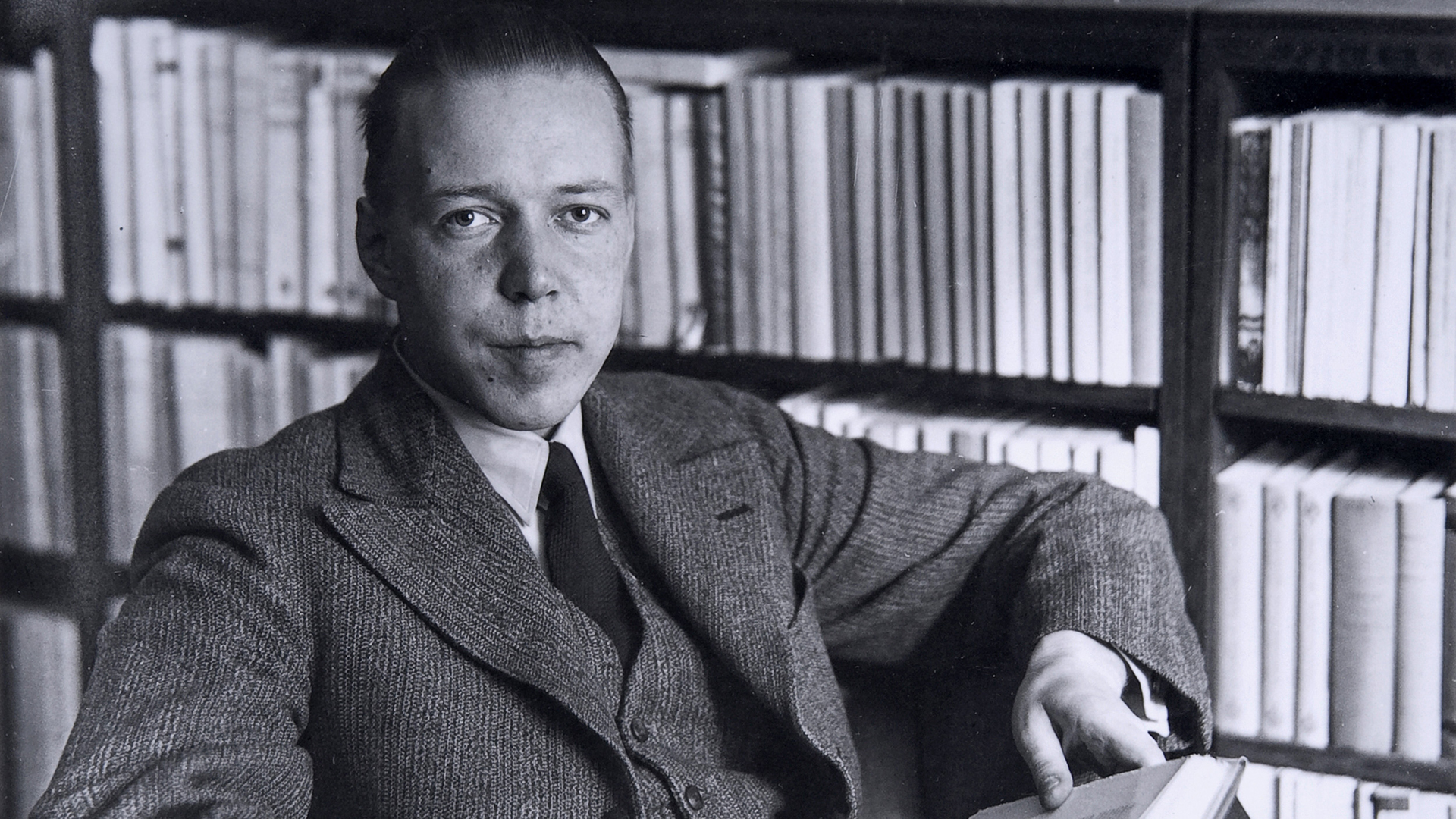
Mika Waltari
(Mika Toimi Waltari)
Foremost 20th-century Finnish author whose sweeping historical novel Sinuhe egyptiläinen (The Egyptian, 1945) became an international literary phenomenon and Hollywood blockbuster.
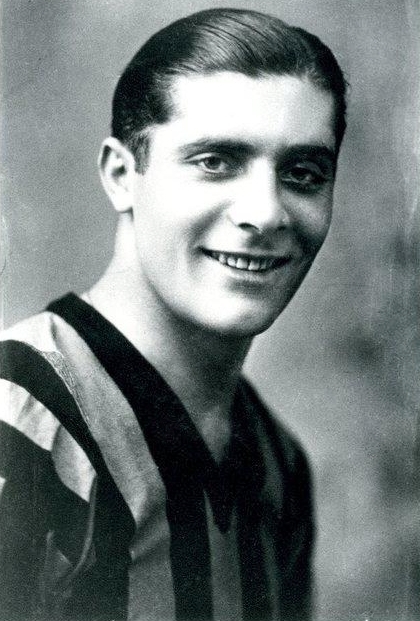
Giuseppe Meazza
 (Giuseppe Meazza)
Two-time FIFA World Cup champion (1934, 1938), captain of Italy, and all-time top scorer for Inter Milan, celebrated as the greatest Italian footballer of the pre-war era, after whom Milan's San Siro Stadium is officially named.
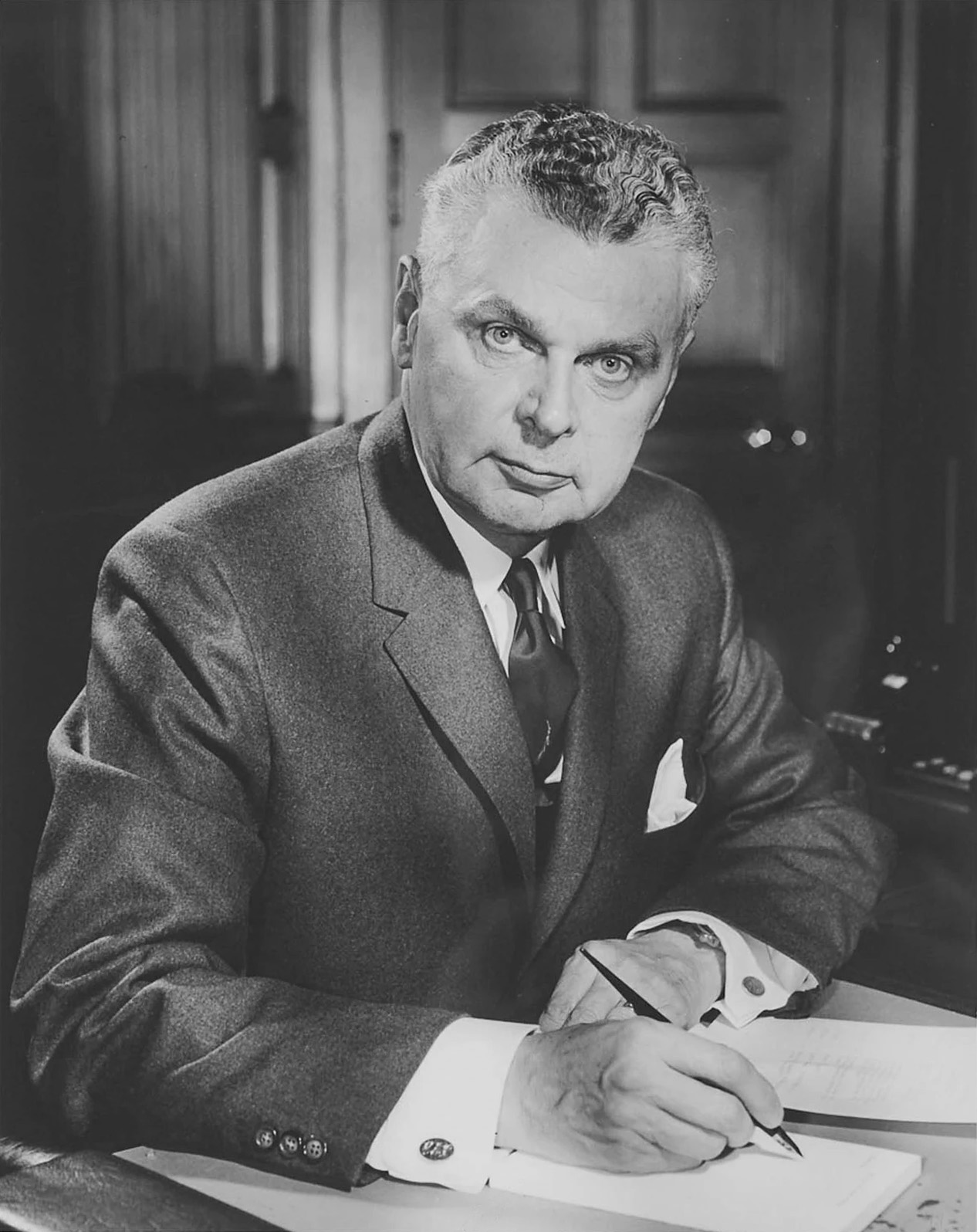
John Diefenbaker
 (John George Diefenbaker)
Fierce prairie populist and criminal defense lawyer who enacted the historic Canadian Bill of Rights (1960), extended the federal vote to all First Nations people, and championed northern development.
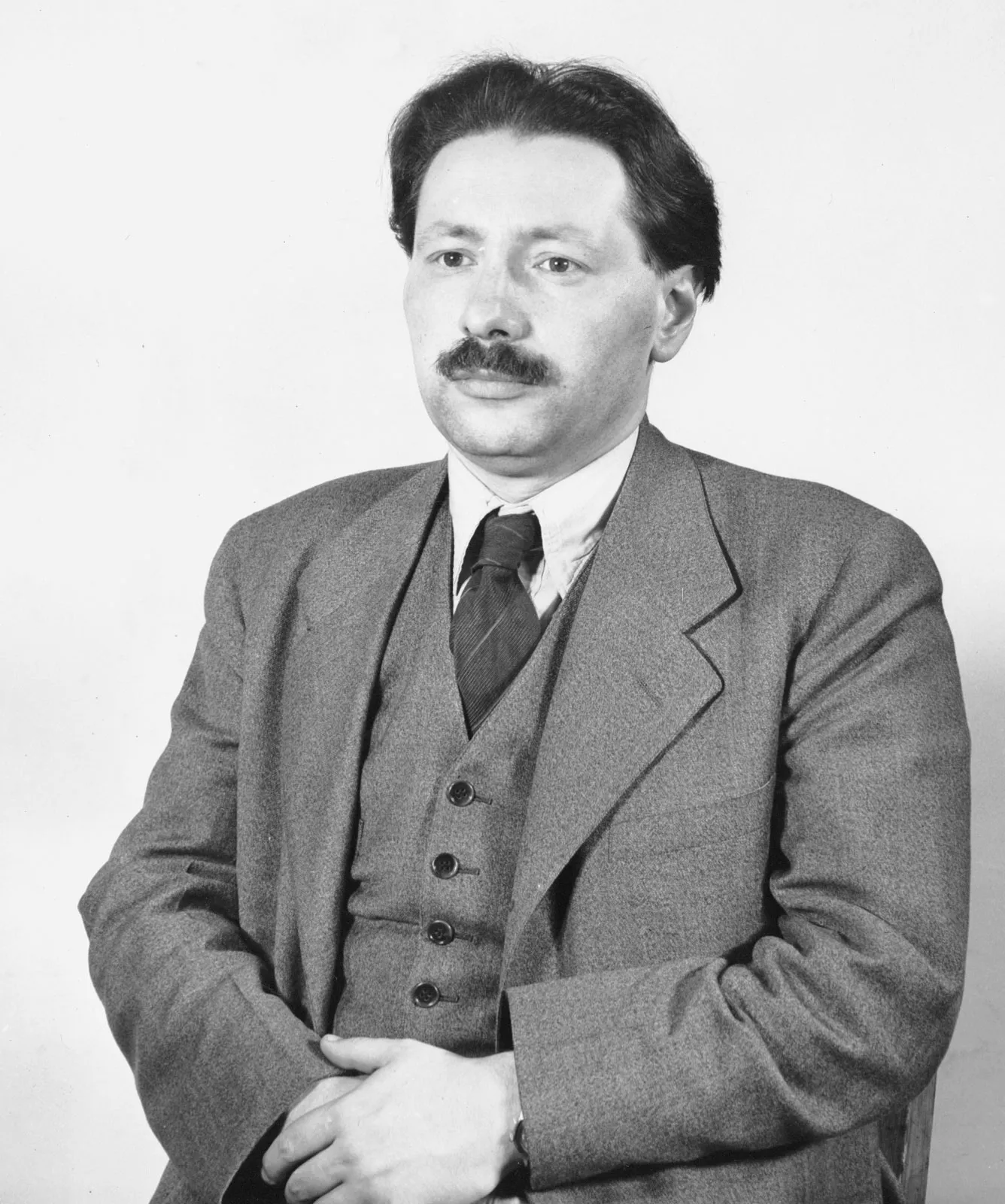
Ernst Chain
 (Sir Ernst Boris Chain)
German-born British biochemist who isolated and chemically purified penicillin and deduced its beta-lactam structure, winning the 1945 Nobel Prize.
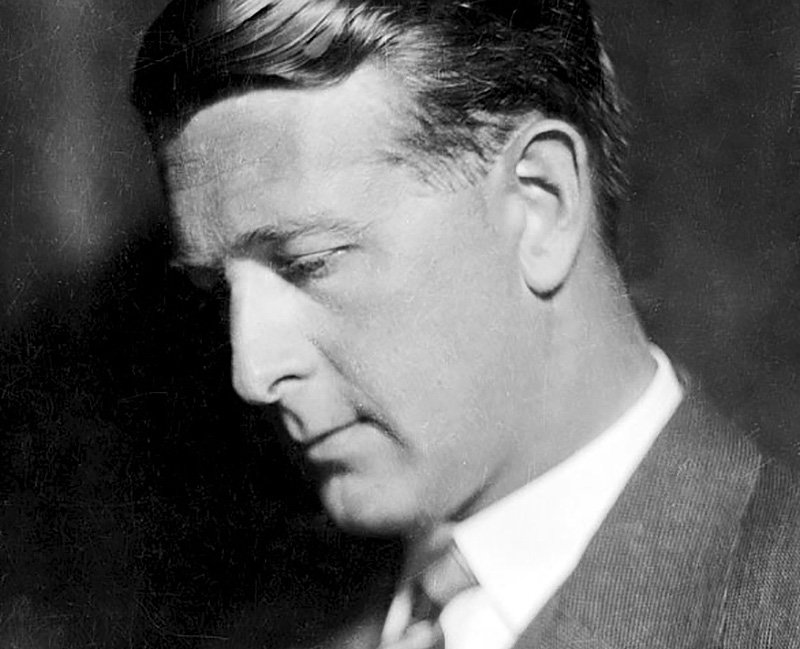
Bertil Ohlin
 (Bertil Gotthard Ohlin)
Economist and statesman awarded the 1977 Nobel Prize in Economics for formulating the Heckscher-Ohlin model of international trade, who led the Swedish Liberal Party for twenty-three years.
Edward Akufo-Addo
 (Edward Akufo-Addo)
Chief Justice of Ghana, member of 'The Big Six', and ceremonial President of Ghana from 1970 to 1972.
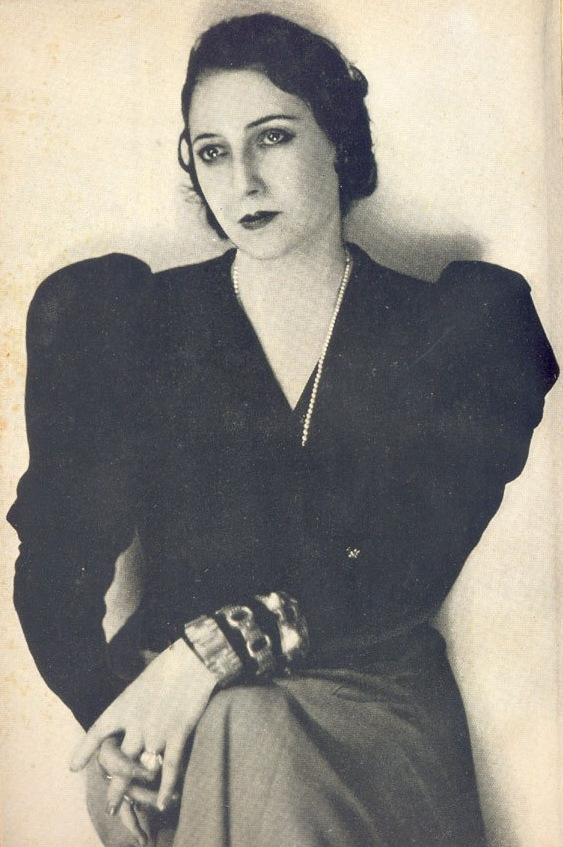
Juana de Ibarbourou
 (Juana Fernández Morales de Ibarbourou)
Uruguayan poet proclaimed 'Juana de America' in 1929, renowned for her sensual, life-affirming celebrations of nature, motherhood, and female bodily sovereignty.
Abuna Theophilos
 (Melaku Wolde Mikael)
Scholarly second Patriarch of the Ethiopian Orthodox Church who founded Holy Trinity Theological College, secretly executed by the communist Derg regime in 1979 for steadfastly refusing to subordinate the Church to state atheism.
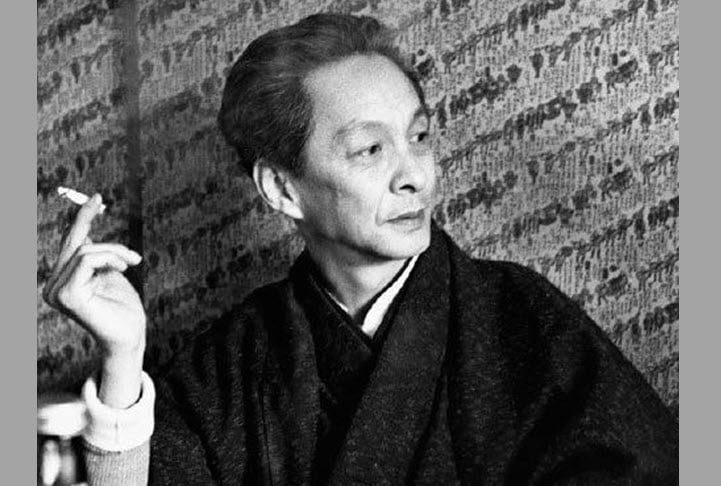
Sin-Itiro Tomonaga
 (朝永 振一郎)
Japanese theoretical physicist who independently formulated relativistic quantum electrodynamics and renormalization.