Public Figures & Cultural Luminaries
Filterable archive covering centuries of intellectual, artistic, and moral contributions to the human story.
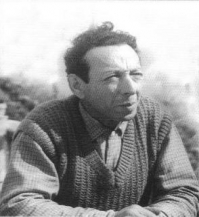
Mohamed Zmirli
 (محمد زميرلي)
Sensitive master landscape painter of Blida and the Mitidja plain, renowned for his serene impressions of orange orchards, Chiffa gorges, and rural daily life.
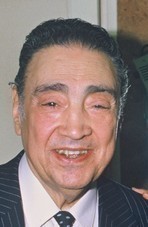
Sylvain Ghrenassia
(سيلفان غريناسيا)
Eminent Jewish-Algerian violinist who was the primary solo instrumentalist in the legendary orchestra of Cheikh Raymond in Constantine.
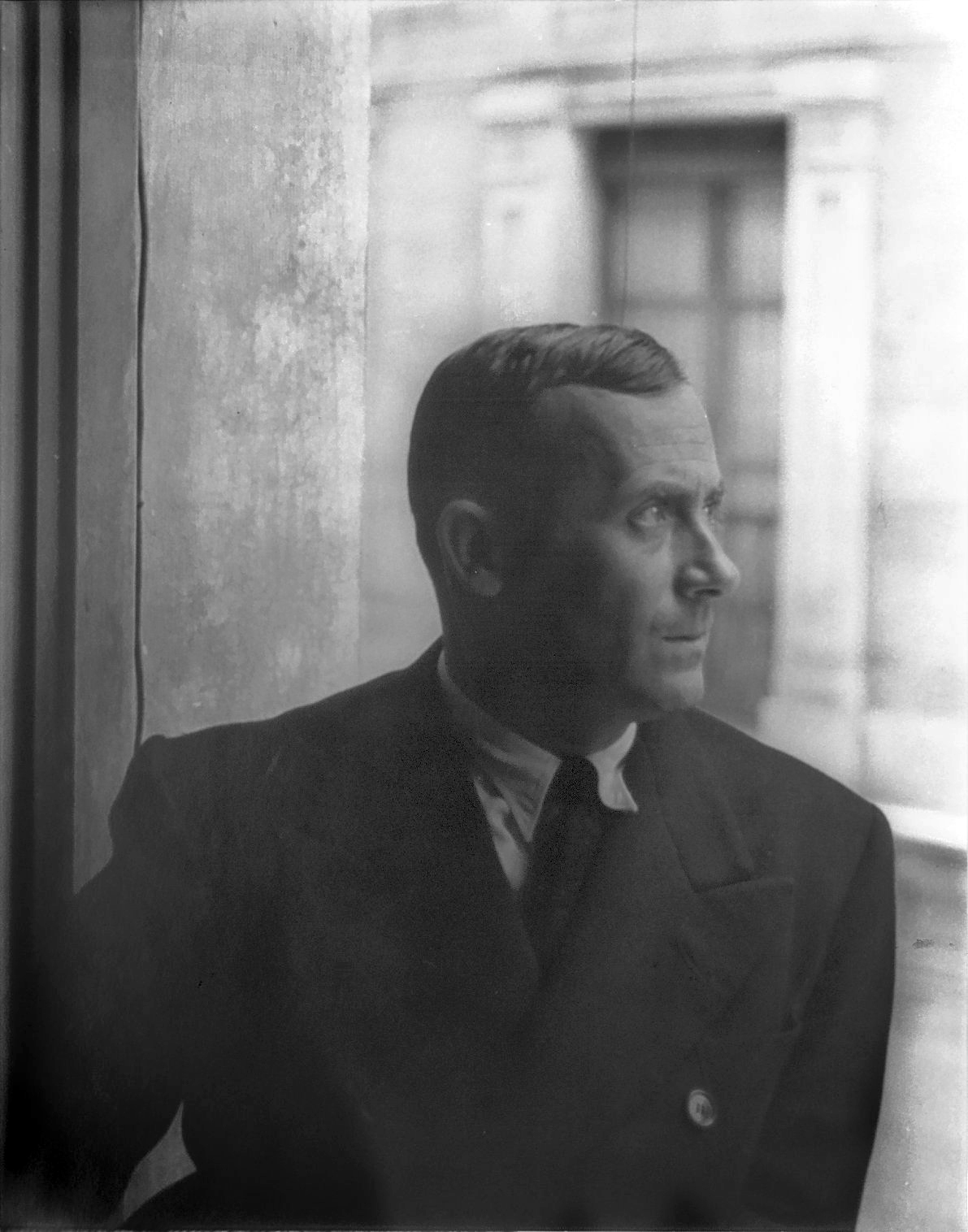
Joan Miró
 (Joan Miró i Ferrà)
Catalan painter, sculptor, and ceramicist whose whimsical Surrealist dreamscapes and biomorphic forms redefined modern art.
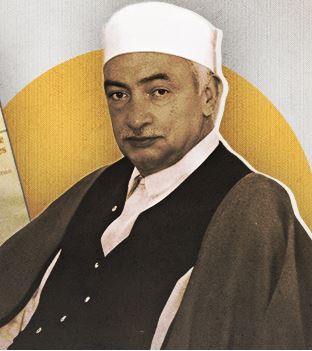
Bechir Khraief
 (البشير خريف)
Pioneering Tunisian novelist and educator acclaimed as the 'Father of the Modern Tunisian Novel', who daringly introduced spoken vernacular dialogue into literature in his masterwork 'Degla fi Arajiniha' (Dates on their Bunches).
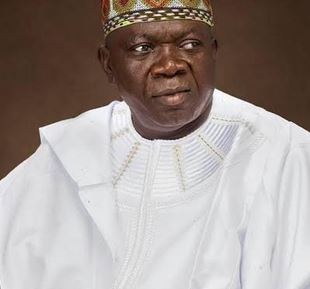
Haruna Ishola
 (Haruna Ishola Bello)
Undisputed monarch of Apala music whose deep baritone, philosophical Yoruba proverbs, and talking drum polyrhythms transformed traditional music into an acoustic art form.
Yves Thériault
 (Yves Thériault)
One of Canada's most widely translated novelists whose 1958 Arctic masterpiece Agaguk brought Inuit culture and survival into world literature, published in millions of copies across twenty languages.
Unison Whiteman
 (Unison Whiteman)
Grenadian economist, diplomat, co-founder of the New Jewel Movement, and Minister of Foreign Affairs under Maurice Bishop.
Jacqueline Creft
(Jacqueline Creft)
Grenadian educator, political leader, and Minister of Education who revolutionized public schooling and literacy during the PRG.
Maurice Bishop
(Maurice Bishop)
Revolutionary leader and Prime Minister of Grenada from 1979 to 1983 who led the People's Revolutionary Government.
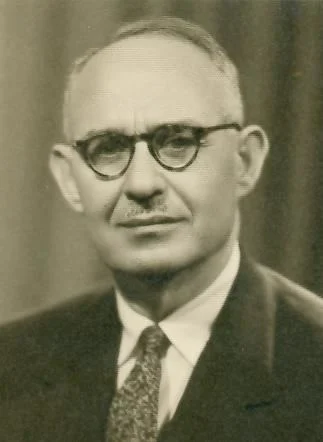
Ahmed Tewfik El Madani
(أحمد توفيق المدني)
Eminent Algerian nationalist historian, founding member of the Association of Ulema, and Minister of Cultural Affairs in the Provisional Government of the Algerian Republic (GPRA).
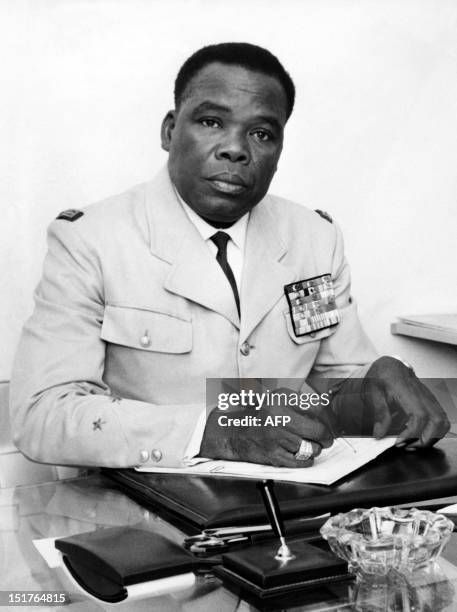
Christophe Soglo
 (Christophe Soglo)
Distinguished military officer and President of Dahomey who intervened repeatedly in the 1960s to prevent ethnic civil war among regional political triumvirs and drafted the 1964 Constitution.
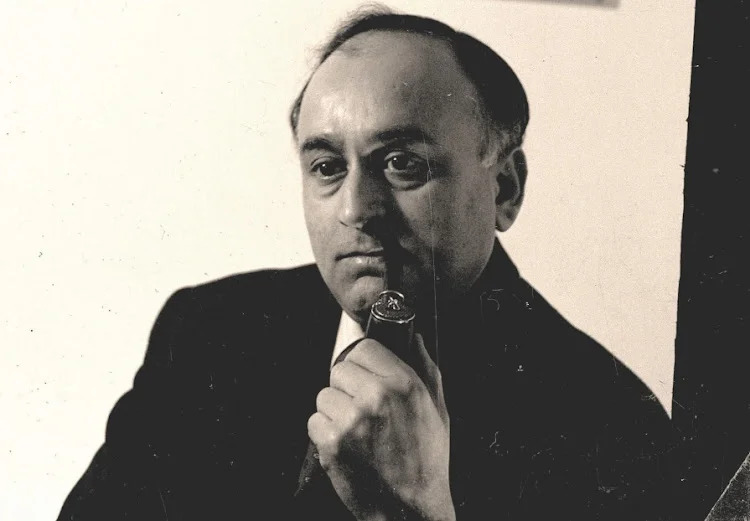
Yusuf Dadoo
 (Yusuf Mohamed Dadoo)
Physician and leader of the South African Indian Congress who signed the 1947 'Three Doctors' Pact' forging the historic alliance between Black and Indian freedom fighters.
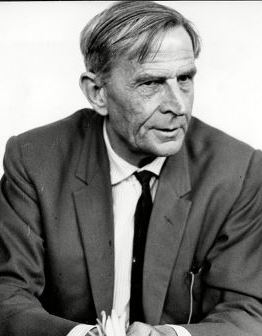
Michael Scott
 (Guthrie Michael Scott)
Anglican priest and civil rights champion who served as the official petitioner for the Herero people at the United Nations, bringing Namibian independence to the world stage.
Pentti Saarikoski
 (Pentti Ilmari Saarikoski)
Wild bohemian genius and icon of the Finnish 1960s cultural revolution whose collection 'What Is Really Going On' modernized Finnish verse, and who translated Homer's 'Odyssey' and James Joyce's 'Ulysses'.
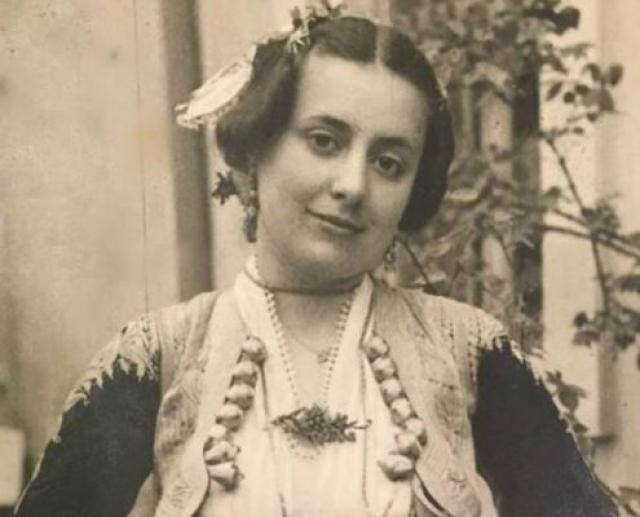
Musine Kokalari
 (Musine Kokalari)
First female published author in Albanian history who founded the Social Democratic Party in 1943, survived thirty-seven years of communist prison and internal exile, and died an unbroken martyr.
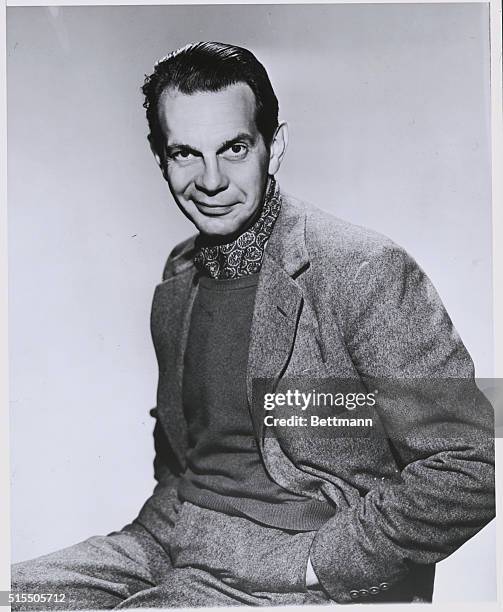
Raymond Massey
(Raymond Massey)
Celebrated Toronto-born actor whose commanding voice and Lincoln portrayal in Abe Lincoln in Illinois earned Oscar and Tony acclaim, later starring in Dr. Kildare.
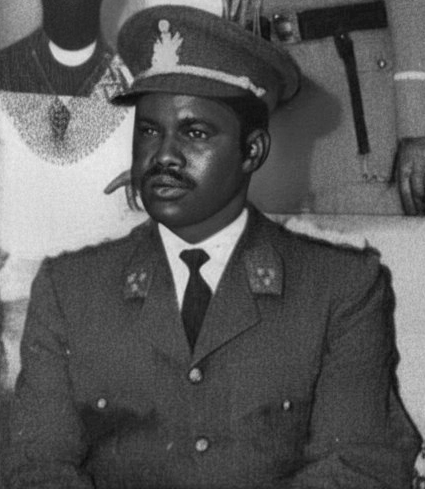
Michel Micombero
 (Michel Micombero)
Army officer who overthrew the ancient Burundian monarchy in November 1966 to establish the Republic of Burundi, serving as its inaugural President until 1976.
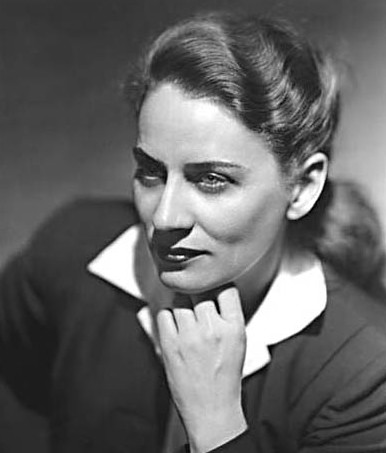
Gabrielle Roy
(Gabrielle Roy)
Beloved French-Canadian novelist whose 1945 masterpiece Bonheur d'occasion (The Tin Flute) won France's prestigious Prix Fémina and inaugurated modern realistic Quebec literature prior to the Quiet Revolution.