Public Figures & Cultural Luminaries
Filterable archive covering centuries of intellectual, artistic, and moral contributions to the human story.
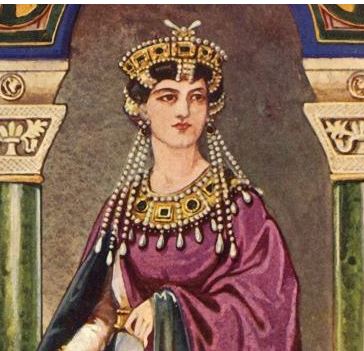
Empress Theodora of the Byzantine Empire
 (Θεοδώρα (Gift of God))
One of the most powerful and influential empresses in world history. Co-ruled the Byzantine Empire alongside Justinian I, championed groundbreaking legal rights for women regarding marriage and divorce, and saved the throne during the Nika riots.
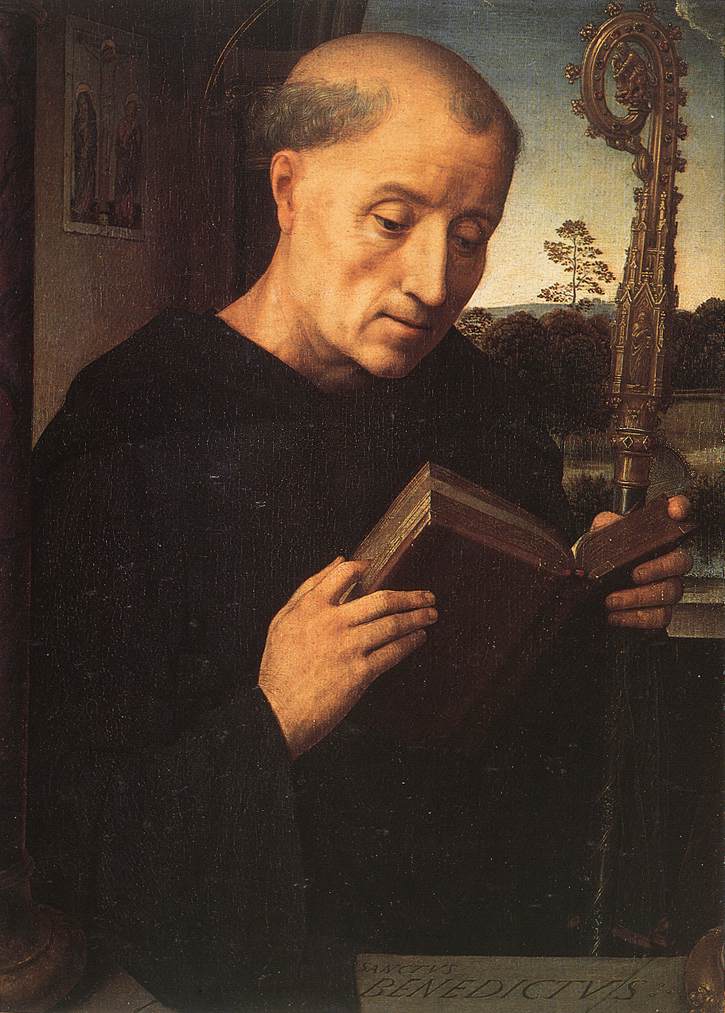
Benedict of Nursia
 (Benedictus de Nursia)
Father of Western Monasticism and patron saint of Europe whose 'Rule of Saint Benedict' balanced prayer and work ('Ora et Labora'), saving Western learning after the fall of Rome.
Solomon the Patrician
(Σολομών)
Byzantine governor and military commander under Emperor Justinian who reconquered and fortified North Africa, building the immense Byzantine citadel of Haïdra and fortresses of Kasserine.
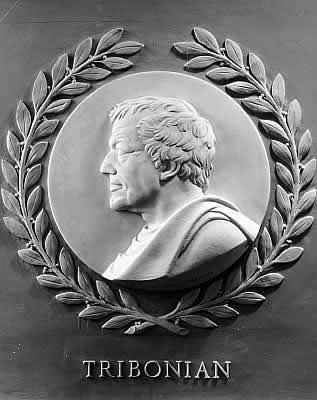
Tribonian
(Τριβωνιανός)
Master Byzantine jurist and quaestor under Emperor Justinian I who directed the codification of Roman law into the Corpus Juris Civilis, the bedrock of modern civil law.
Luxorius of Carthage
 (Luxorius Poeta)
Distinguished Latin poet and satirist of early 6th-century Carthage under King Thrasamund and King Hilderic, whose 90 surviving epigrams in the Anthologia Latina illuminate late Roman-Vandal society.
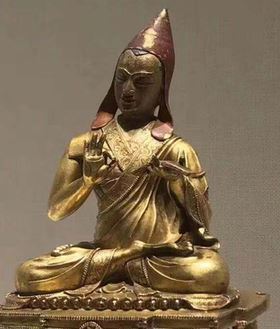
Dignaga
 (दिङ्नाग)
Father of Buddhist logic and epistemology whose masterwork 'Pramana-samuccaya' revolutionized Indian philosophy by establishing perception and inference as the two valid means of knowledge.
Saint Fulgentius of Ruspe
(Fabius Claudius Gordianus Fulgentius)
Bishop of Ruspe (near Sfax), recognized as the greatest North African Latin theologian of the 6th century, twice exiled to Sardinia by Vandal kings for defending orthodox Trinitarian theology.
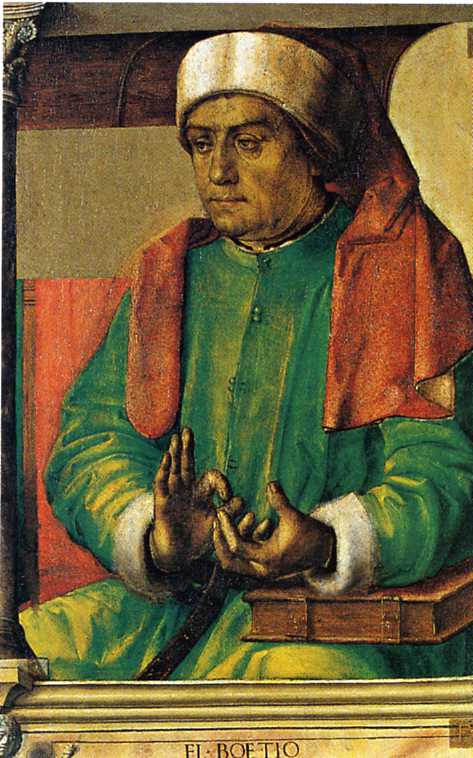
Boethius
(Anicius Manlius Severinus Boethius)
Roman philosopher and statesman who translated Aristotle into Latin and composed The Consolation of Philosophy while imprisoned awaiting execution, bridging antiquity and the Middle Ages.
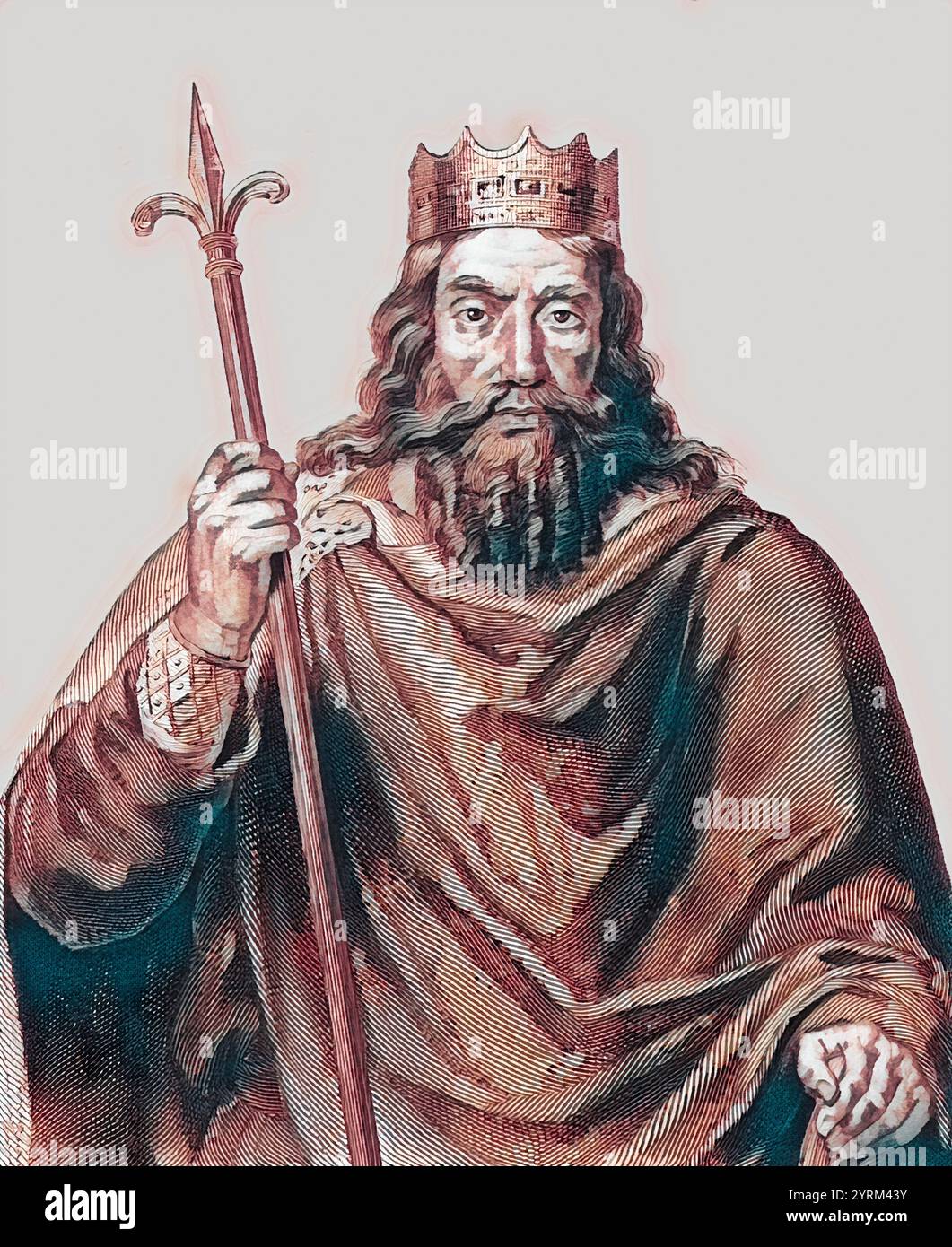
Clovis I
 (Chlodovechus (Clovis))
First King of the Franks to unite all Frankish tribes, founder of the Merovingian Dynasty, and first Catholic king of France.
Saint Eugenius of Carthage
(Sanctus Eugenius Carthaginiensis)
Elected Bishop of Carthage in 480 AD after 24 years of vacant see under Vandal repression, renowned for charity to the poor and courageous defense of faith at the Council of Carthage (484 AD).
Blossius Aemilius Dracontius
(Blossius Aemilius Dracontius)
Master Latin poet of Vandal-era Carthage, author of the magnificent theological epic poem Laudes Dei (Praise of God) and the Satisfactio, composed while chained in a Vandal prison.
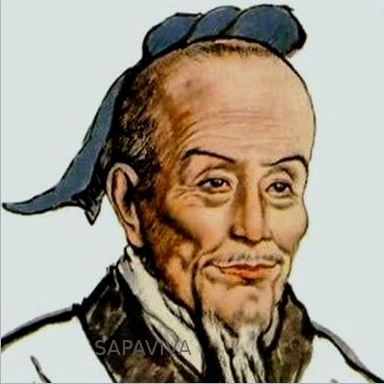
Zu Chongzhi
 (祖沖之)
Chinese mathematician and astronomer who calculated Pi between 3.1415926 and 3.1415927—a world precision record that stood unbroken for nine centuries—and reformed the imperial calendar.
Ravina II
 (רבינא בר הונא)
Final Amora and co-redactor of the Babylonian Talmud alongside Rav Ashi, whose death marked the historic conclusion of the Talmudic era ('Sof Hora'ah').
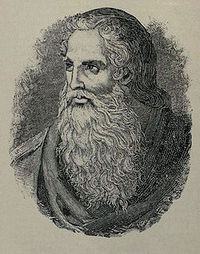
Movses Khorenatsi
 (Մովսես Խորենացի)
Celebrated early medieval chronicler known as the 'Father of Armenian History', whose monumental 'History of Armenia' preserved ancient national legends and genealogical origins.
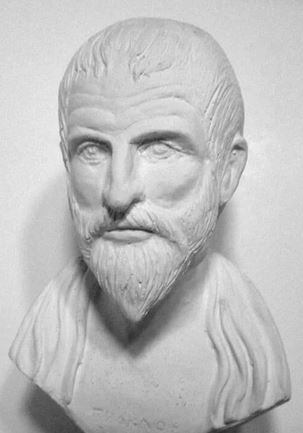
Proclus
 (Πρόκλος ὁ Διάδοχος)
Late classical Greek Neoplatonist philosopher known as 'The Successor' (Diadochus) who systematized Neoplatonism in The Elements of Theology and preserved ancient Euclid commentary.

Leonidas I of Sparta (Hero of Thermopylae)
(Λεωνίδας (Son of the Lion))
King of Sparta whose heroic stand with 300 Spartans and Greek allies against Xerxes I's Persian army at Thermopylae became humanity's eternal symbol of patriotic sacrifice, constitutional duty, and unyielding defense of freedom.
Hamilcar I of Carthage
(حملقارت الأول القرطاجي)
Suffete and supreme military commander of Carthage from the Magonid dynasty who led the massive Carthaginian expedition to Sicily, perishing at the Battle of Himera in 480 BC.
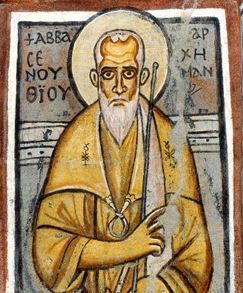
Shenoute of Atripe
 (Ϣⲉⲛⲟⲩϯ)
Foremost father and founder of classical Coptic literature and archimandrite of the monumental White Monastery near Sohag, whose fiery sermons, social egalitarianism, and letters transformed late antique Egyptian culture.