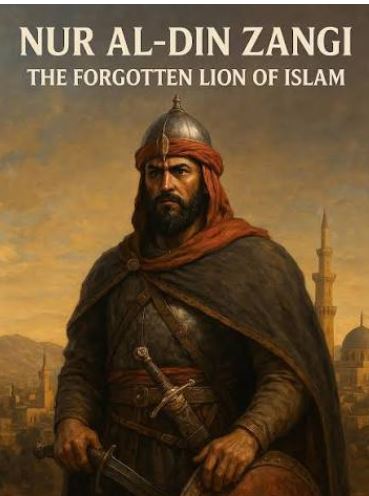
Nur ad-Din Zengi
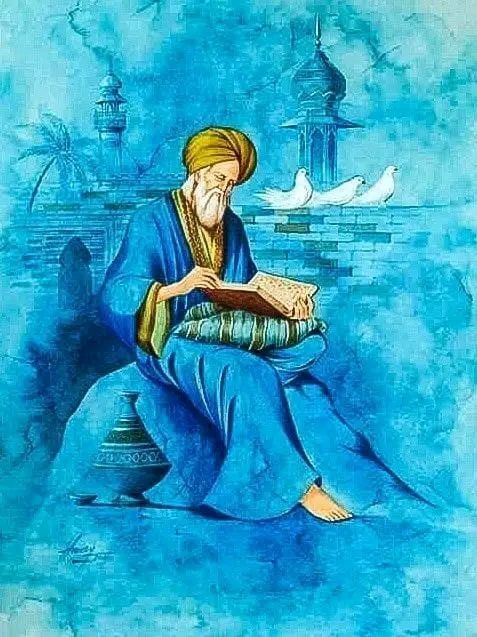
Zengid ruler of Syria celebrated as 'The Just King' (al-Malik al-Adil) who united Damascus and Aleppo, defeated the Second Crusade, and commissioned the famous minbar built for the liberation of Jerusalem.
Start typing to search worldwide archives and community tributes
Filterable archive covering centuries of intellectual, artistic, and moral contributions to the human story.
Zengid ruler of Syria celebrated as 'The Just King' (al-Malik al-Adil) who united Damascus and Aleppo, defeated the Second Crusade, and commissioned the famous minbar built for the liberation of Jerusalem.
Illustrious 12th-century Hadith traditionist and grammarian who settled in Fez, famed throughout Morocco and al-Andalus for his canonical lexicon Matali' al-Anwar.
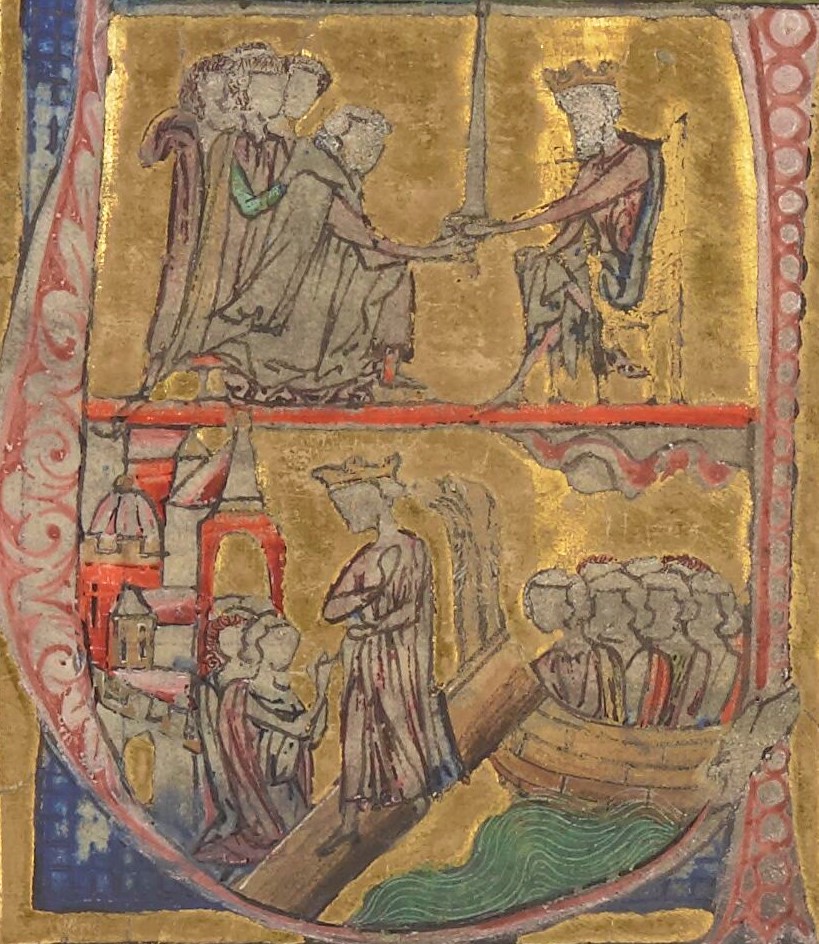
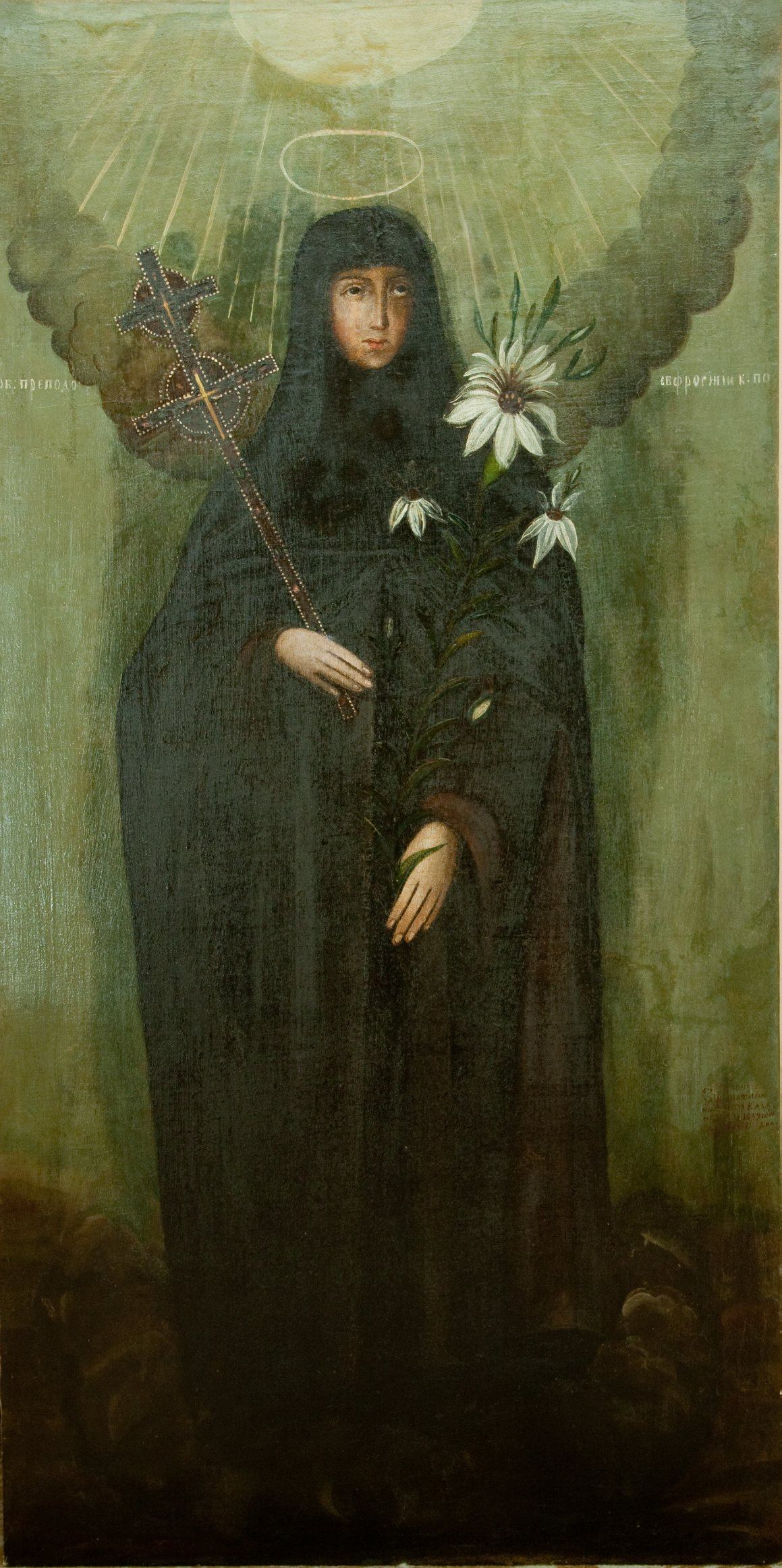
Twelfth-century Princess of Polotsk and patron saint of Belarus who founded monasteries, schools, and scriptoriums, commissioning the legendary enameled jewel-encrusted Cross of Saint Euphrosyne.
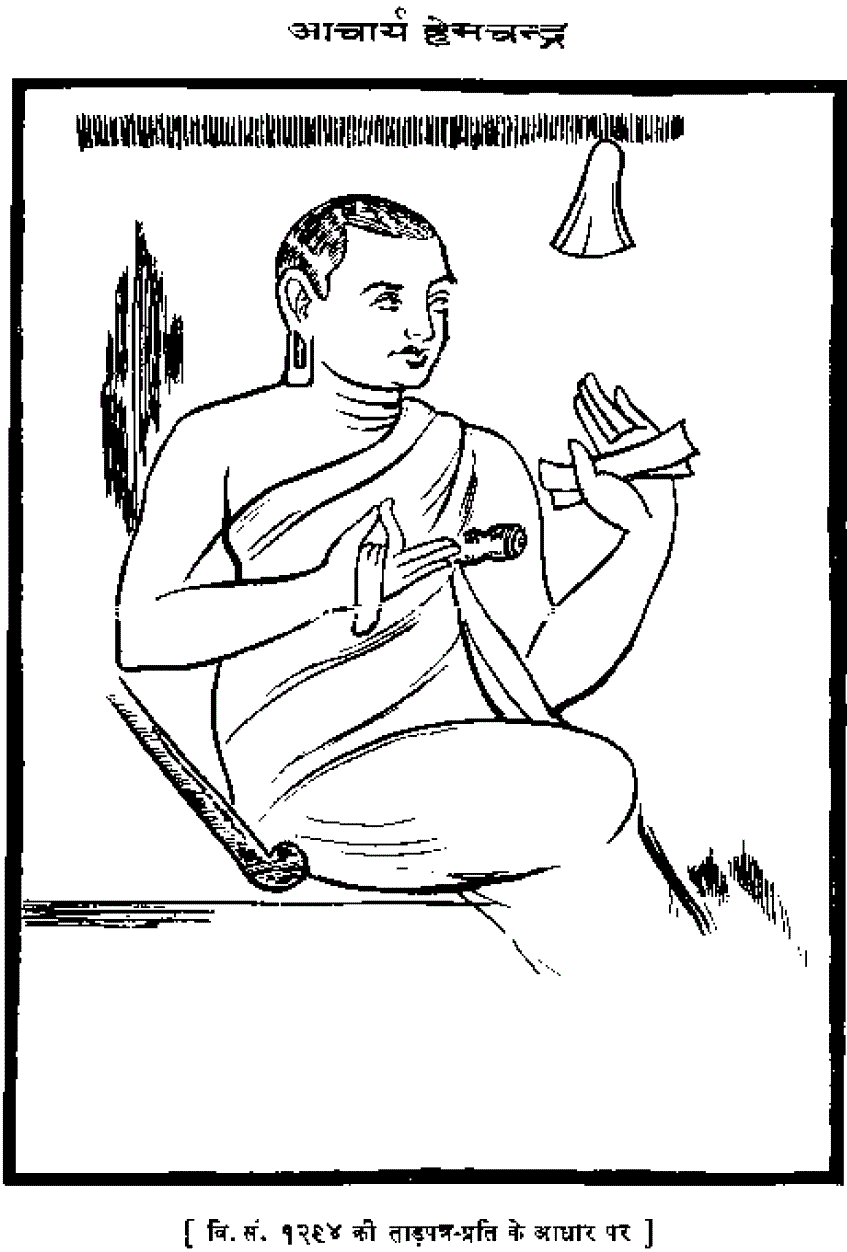
Jain polymath, grammarian, and royal counselor who converted King Kumarapala of Gujarat, establishing animal protection laws and authoring encyclopedic works on grammar and philosophy.
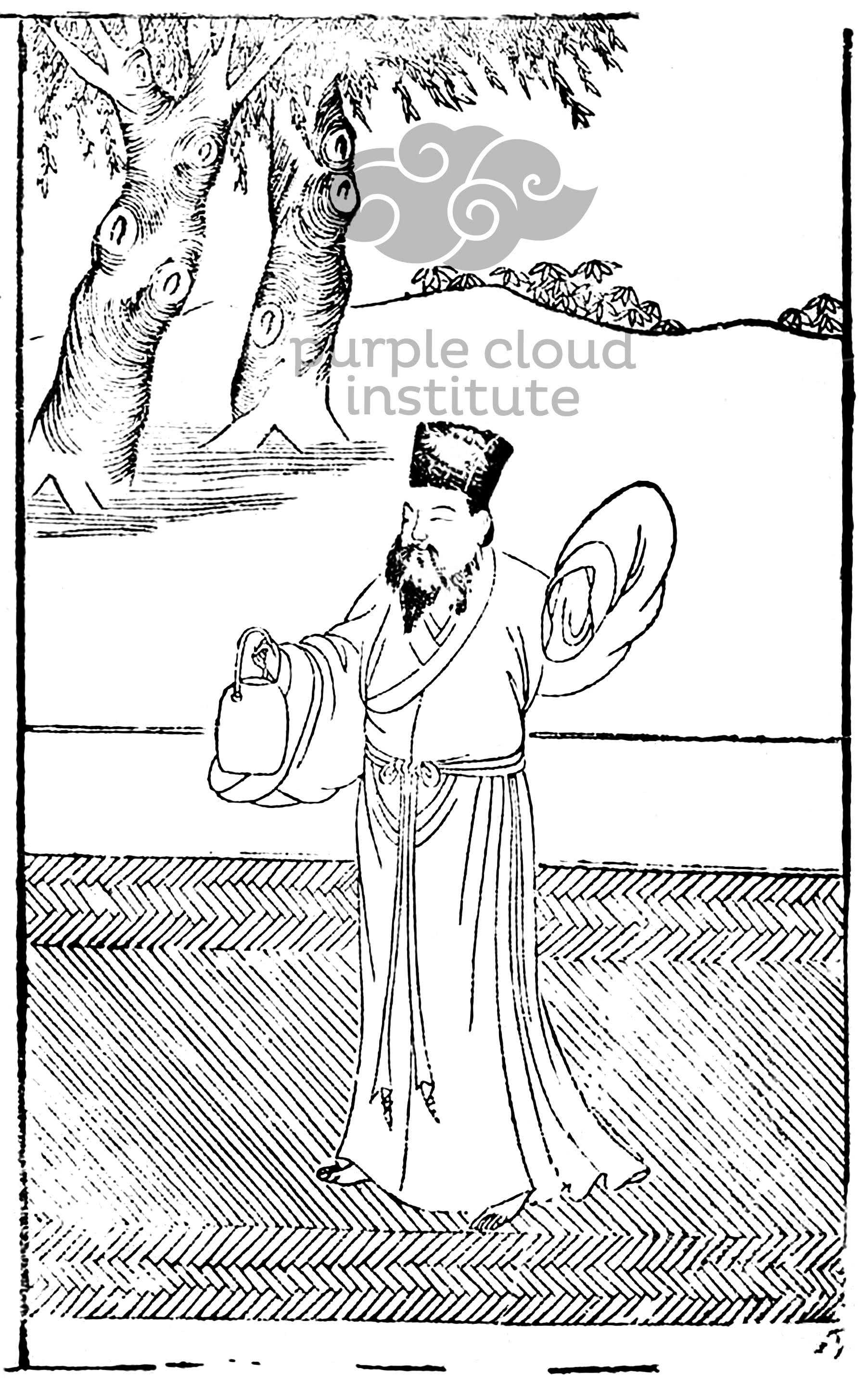
Founder of Quanzhen (Complete Perfection) Daoism who synthesized Buddhism, Daoism, and Confucianism and trained the legendary 'Seven Immortals of the North'.
Kurdish general in the service of Nur ad-Din Zengi known as 'Lion of the Mountains', who led three military expeditions to conquer Egypt, paving the way for the Ayyubid Dynasty.
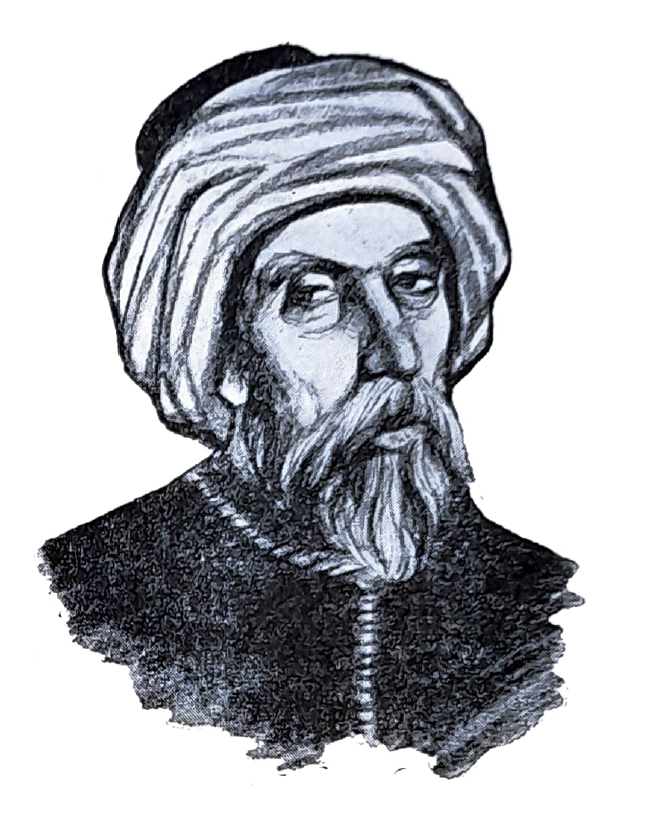
Brilliant Andalusian polymath, poet, astronomer, and biblical commentator whose critical grammatical methodology shaped medieval Torah interpretation.
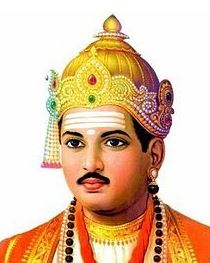
12th-century Kannada philosopher, statesman, and social reformer who rejected caste and gender discrimination, established the Anubhava Mantapa spiritual parliament, and pioneered the democratic 'Vachana' poetic philosophy.
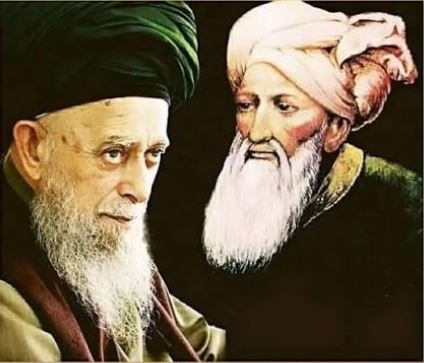
Revered 12th-century Baghdad spiritual teacher and preacher whose disciples established the global Qadiriyya Sufi order.
Celebrated across the Islamic world as "Ghawth al-Azam" (The Greatest Succor). Hanbali jurist and master preacher whose spiritual assembly in Baghdad founded the Qadiriyyaโthe earliest worldwide Sufi fraternal order.
North African Arab geographer, cartographer, and Egyptologist of noble Idrisi lineage who created the 'Tabula Rogeriana' in 1154 for King Roger II of Sicily, the most advanced world map and geographic encyclopedia of the medieval era.
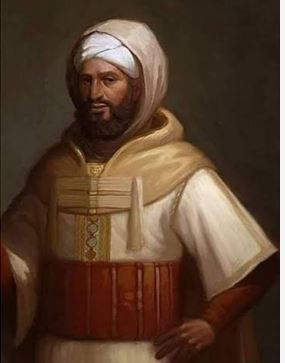
Zenata Berber military genius from Nedroma, Algeria, who succeeded Ibn Tumart, overthrew the Almoravid dynasty, and founded the Almohad Caliphate, uniting the entire Maghreb from Morocco to Tripoli for the first time in history.
The ninth and final Sultan of the Hammadid dynasty, who governed Bejaรฏa at the peak of its maritime wealth and intellectual patronage before the Almohad unification.
Pioneering physician known to the Western world as Avenzoar, who served the Almohad dynasty in Marrakesh, introduced animal testing and human tracheotomy, and authored the foundational Kitab al-Taysir.
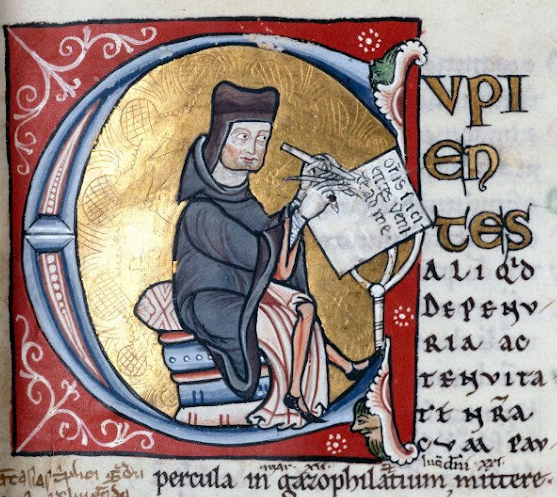
Bishop of Paris whose 'Four Books of Sentences' served as the universal university textbook of theology for four hundred years, commented upon by Aquinas, Bonaventure, and Luther.
Distinguished Mayor of Damascus whose 'Dhail Tarikh Dimashq' provided the primary contemporary Muslim eyewitness account of the First and Second Crusades.
Legendary 12th-century equestrian warrior princess of Gambaga regarded as the maternal ancestor of the Mossi people; the Golden Stallion of Yennenga is the supreme trophy of FESPACO.
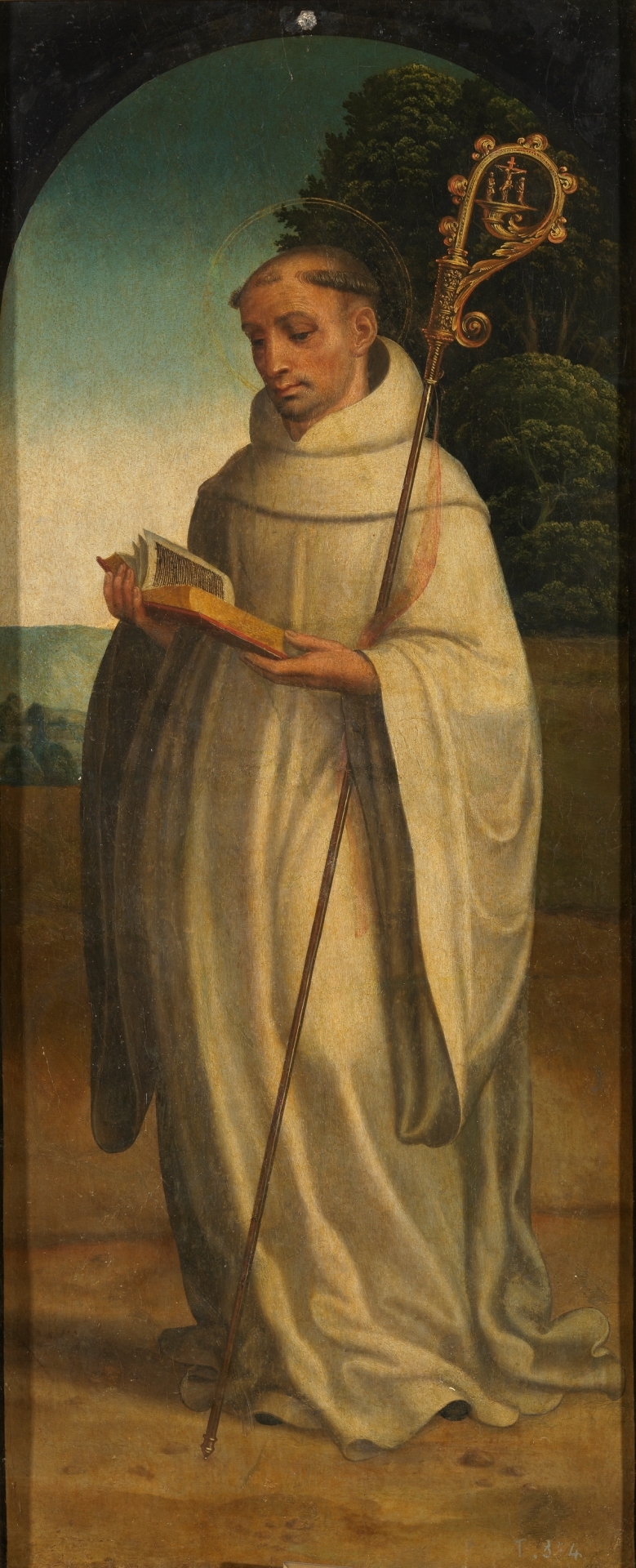
Cistercian abbot, mystic, and Doctor of the Church who sparked the massive expansion of the Cistercian Order, preached the Second Crusade, and wrote sublimely on the love of God.