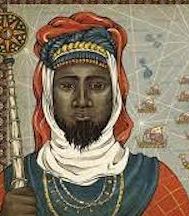
Mansa Sakura
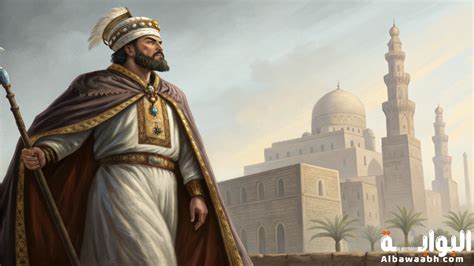
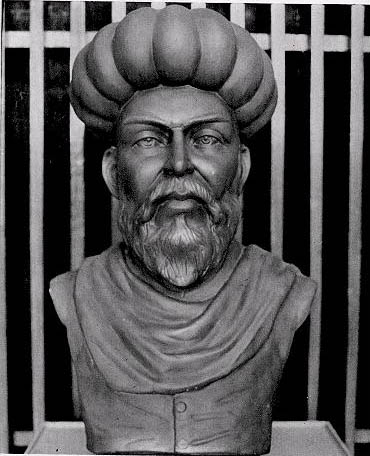
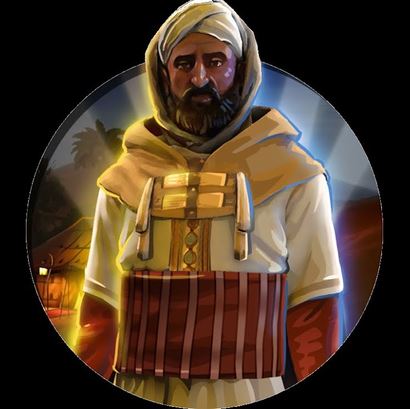
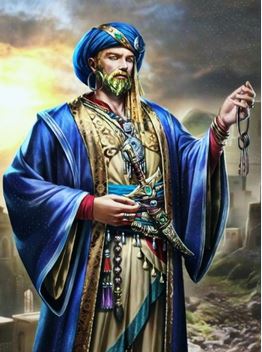
Emperor of the Mali Empire (reigned c. 1285โ1300) who rose from royal court bondage to seize imperial authority during a period of dynastic chaos, expanding Mali's borders to their greatest extent prior to Mansa Musa.
Start typing to search worldwide archives and community tributes
Filterable archive covering centuries of intellectual, artistic, and moral contributions to the human story.
Emperor of the Mali Empire (reigned c. 1285โ1300) who rose from royal court bondage to seize imperial authority during a period of dynastic chaos, expanding Mali's borders to their greatest extent prior to Mansa Musa.
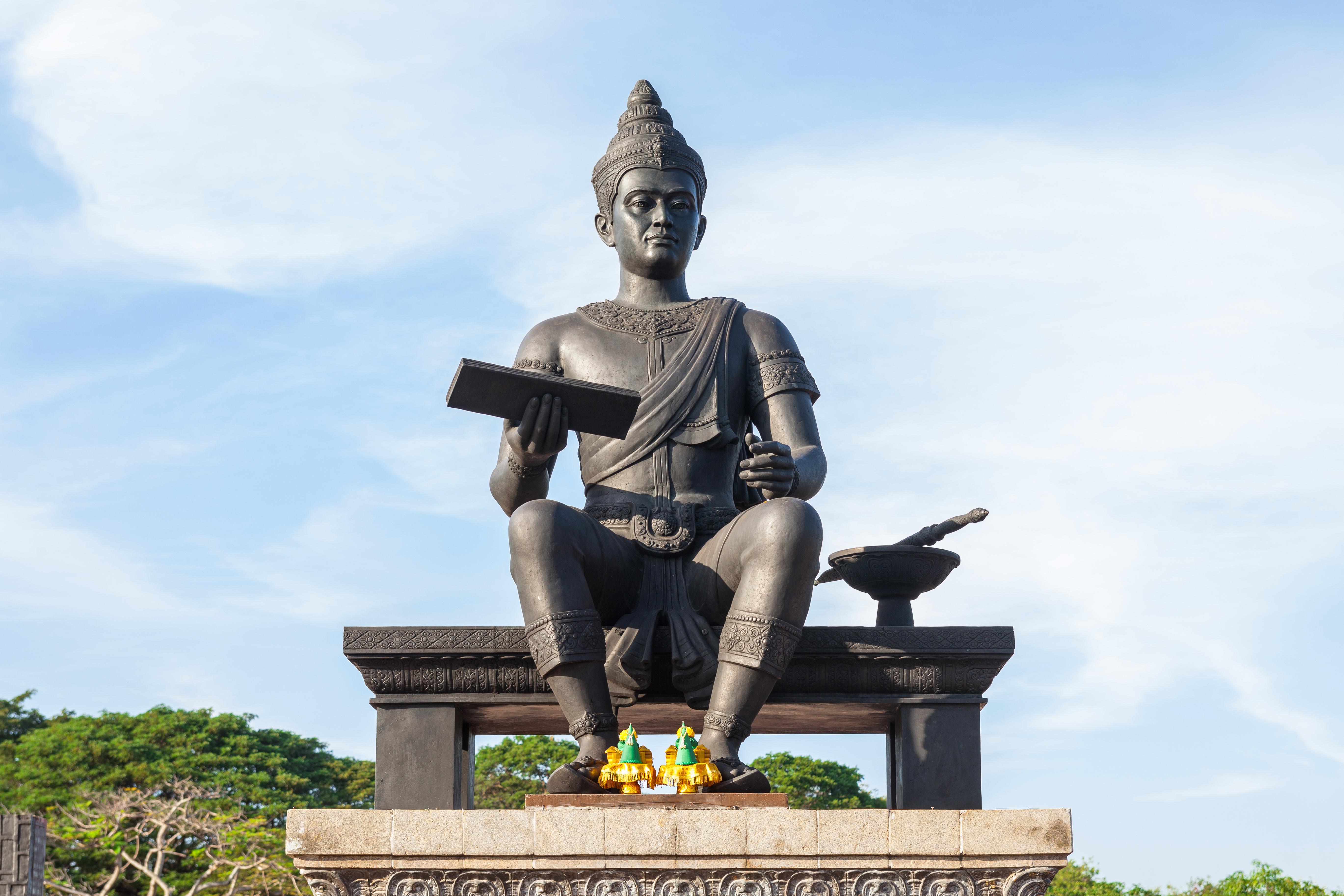
Third king of the Sukhothai Kingdom known as Ramkhamhaeng the Great, who created the Thai writing system in 1283 and established the idyllic paternal 'Father Rules Children' monarchy.
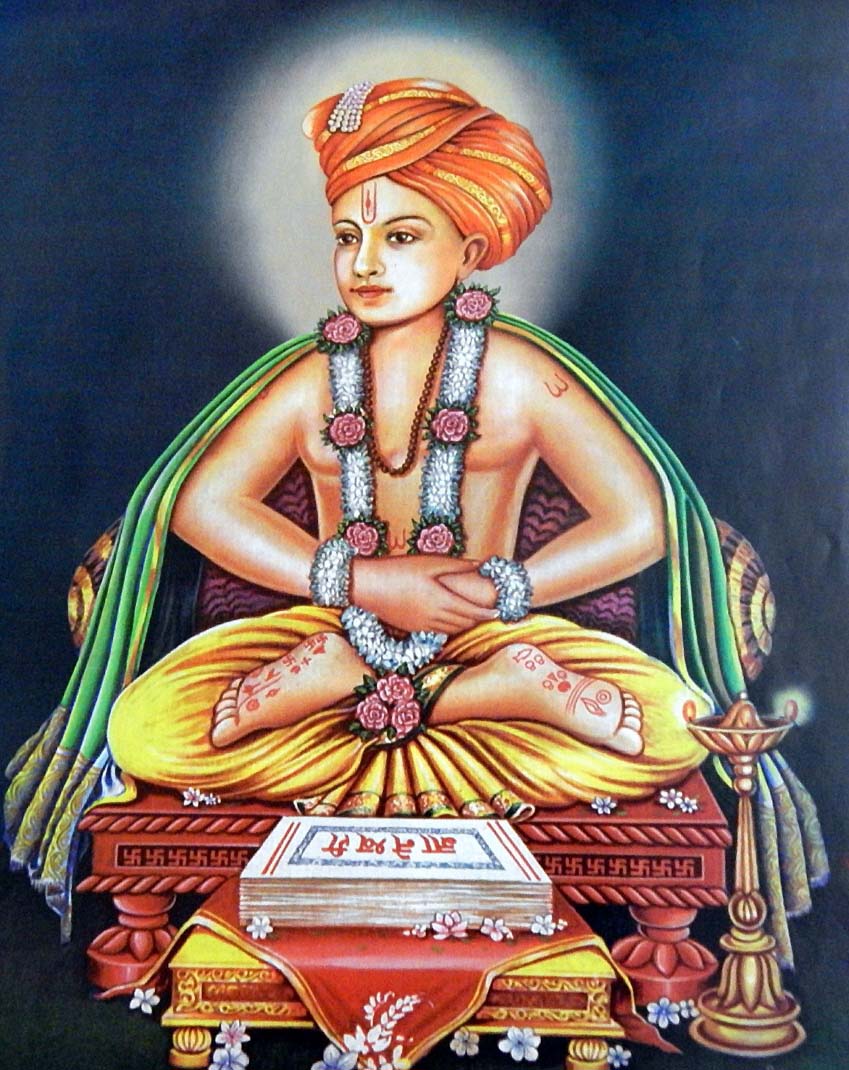
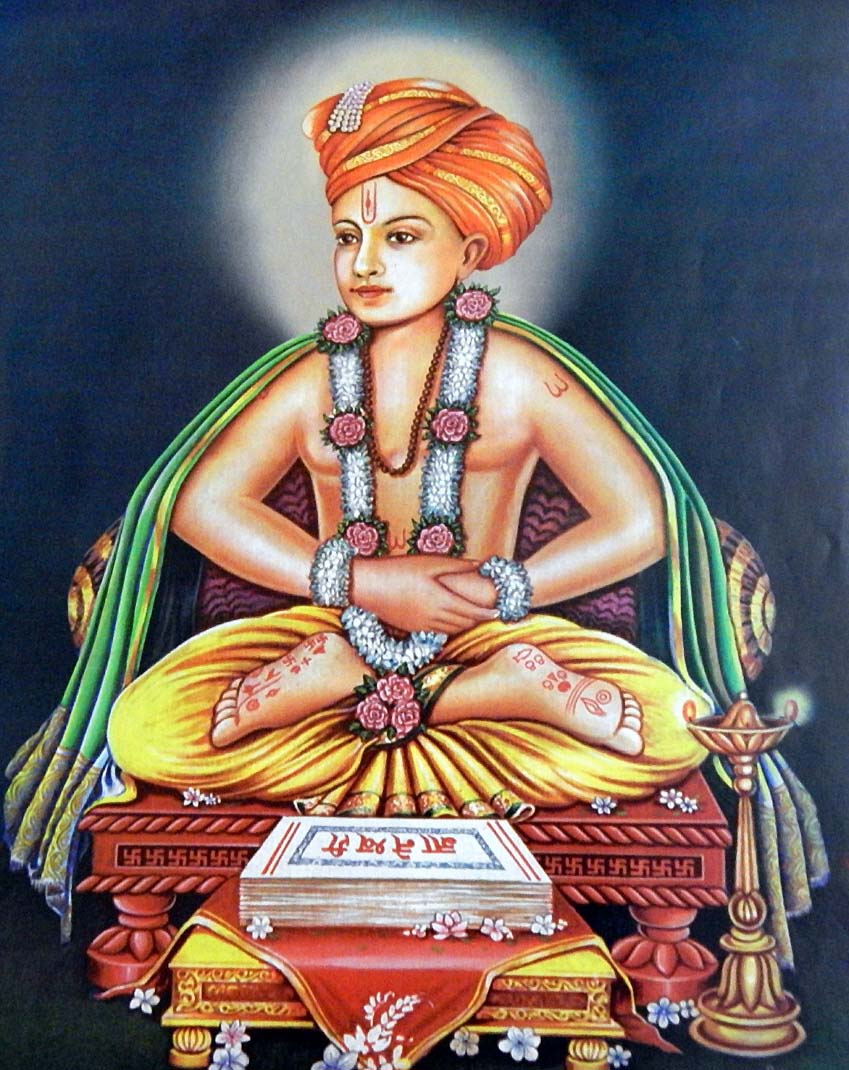
Brilliant 13th-century Marathi poet-philosopher and Nath yogi who translated the Bhagavad Gita into vernacular Marathi in the 9,000-verse 'Dnyaneshwari' at age fifteen, founding the egalitarian Varkari Bhakti movement.
Maharashtrian Bhakti saint, poet, and Nath yogi who translated the Bhagavad Gita into vernacular Marathi in 'Dnyaneshwari' at age fifteen, founding the Varkari tradition.
Hafsid Sultan (1284โ1295 AD) who recovered Tunis from the usurpation of Ibn Abi Umara, signed commercial treaties with Aragon and Genoa, and patronized religious institutions.
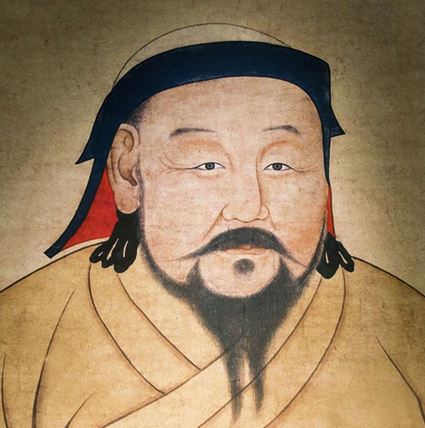
Grandson of Genghis Khan who completed the conquest of China, founding the Yuan Dynasty. Established modern Beijing (Dadu / Khanbaliq) as imperial capital, introduced universal paper currency (Chao), and hosted European traveler Marco Polo.
Mighty Bahri Mamluk Sultan who established the long-lasting Qalawunid dynasty, defeated the Mongol Ilkhanate at the Battle of Homs, captured the Crusader County of Tripoli, and built the magnificent Qalawun Complex and public hospital in Cairo.
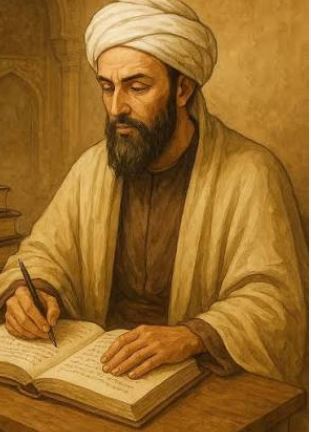
Islamic physician and polymath who spent his career in Cairo as Chief Physician of Egypt, celebrated for discovering the pulmonary circulation of blood three centuries before William Harvey.
Syrian-Egyptian physician and chief of Cairo's hospital who discovered pulmonary transit (lesser blood circulation) 300 years before William Harvey and Michael Servetus, refuting Galen.
Greatest Marinid Sultan of Morocco (1258โ1286) who founded the imperial palace city of Fes Jdid (1276), built the royal pantheon at Chellah, and led four military expeditions to defend the Kingdom of Granada.
Hafsid ruler of Tunis (1279โ1283 AD) who took power with Catalan-Aragonese mercenary support, developing diplomatic ties across the western Mediterranean.
Astute Zenata Berber statesman who founded the Zayyanid Kingdom of Tlemcen in 1236, fortified the Mechouar palace, and defended Algerian regional sovereignty against Marinid and Hafsid rivals for nearly half a century.
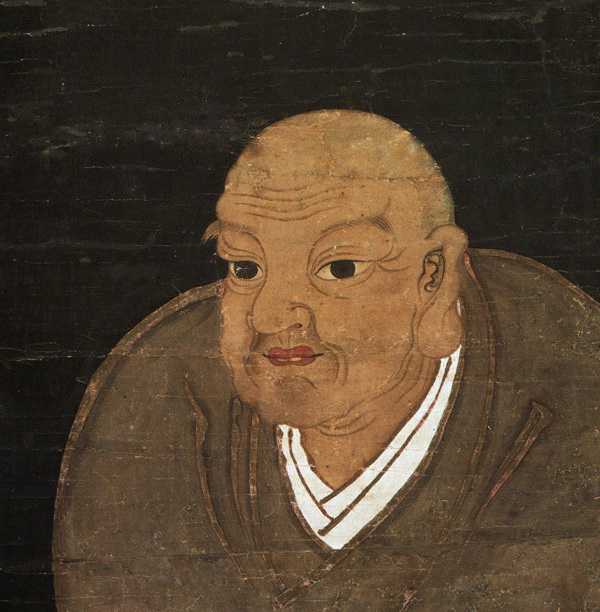
Fiery Kamakura reformer and founder of Nichiren Buddhism who declared the Lotus Sutra the supreme teaching and established the chanting of 'Namu Myoho Renge Kyo' for personal and national peace.
Extraordinary Moroccan astronomer and mathematician whose landmark treatise on spherical astronomy, astrolabes, and sundials was the most comprehensive practical astronomical manual in the medieval Islamic world.
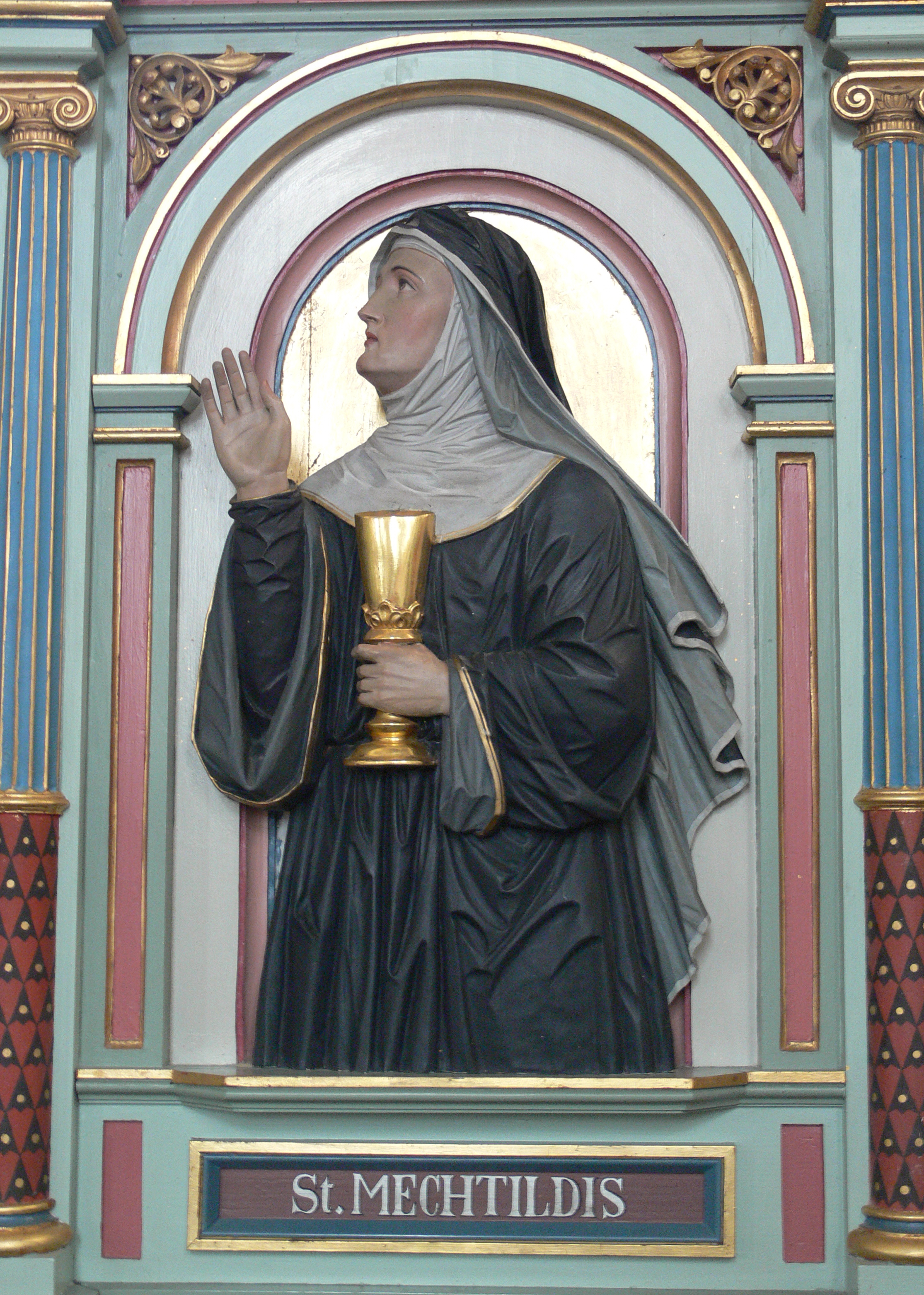
Beguine mystic and visionary poet whose 'The Flowing Light of the Godhead' pioneered vernacular German mystical literature, expressing ecstatic Bridal Mysticism.
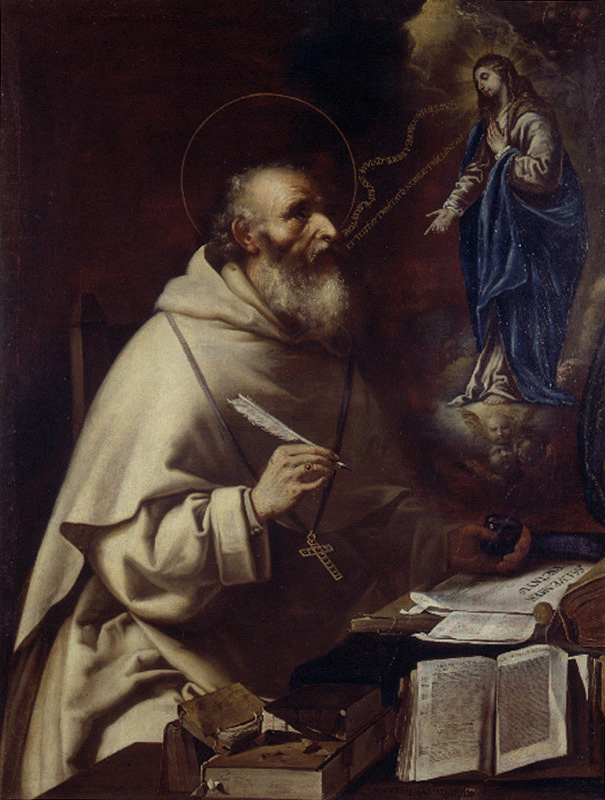
Dominican polymath, Bishop of Regensburg, and Doctor of the Church who introduced Aristotelian science to medieval Europe and mentored Thomas Aquinas.
Hafsid Caliph (1277โ1279 AD) who succeeded his illustrious father al-Mustansir, remembered as a cultivated patron of Andalusian poets and calligraphers.
Renowned Shafi'i jurist, traditionist, and ascetic author of 'The Forty Hadith', 'Riyad al-Salihin', and 'Al-Majmu', who fearlessly challenged Sultan Baibars for the rights of the poor.