Public Figures & Cultural Luminaries
Filterable archive covering centuries of intellectual, artistic, and moral contributions to the human story.
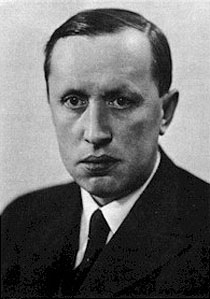
Karel Čapek
 (Karel Čapek)
Visionary playwright and humanist author whose 1920 play 'R.U.R.' introduced the word 'robot' to world vocabulary, and whose masterpieces 'War with the Newts' and 'The Mother' warned humanity against totalitarianism.
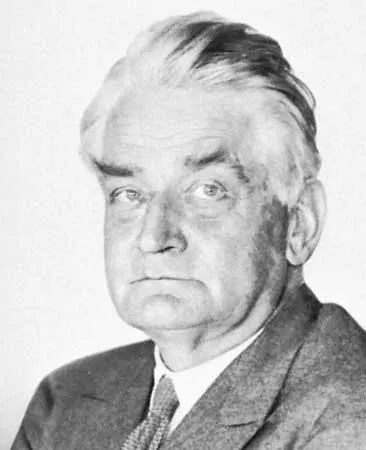
Christian Lous Lange
 (Christian Lous Lange)
Christian Lous Lange was a Norwegian historian, educator, and political scientist who served as Secretary-General of the Inter-Parliamentary Union (IPU) for a quarter-century (1909–1933). The first secretary of the Norwegian Nobel Committee, Lange guided the IPU through World War I and authored the monumental 'Histoire de l'internationalisme', receiving the 1921 Nobel Peace Prize with Hjalmar Branting.
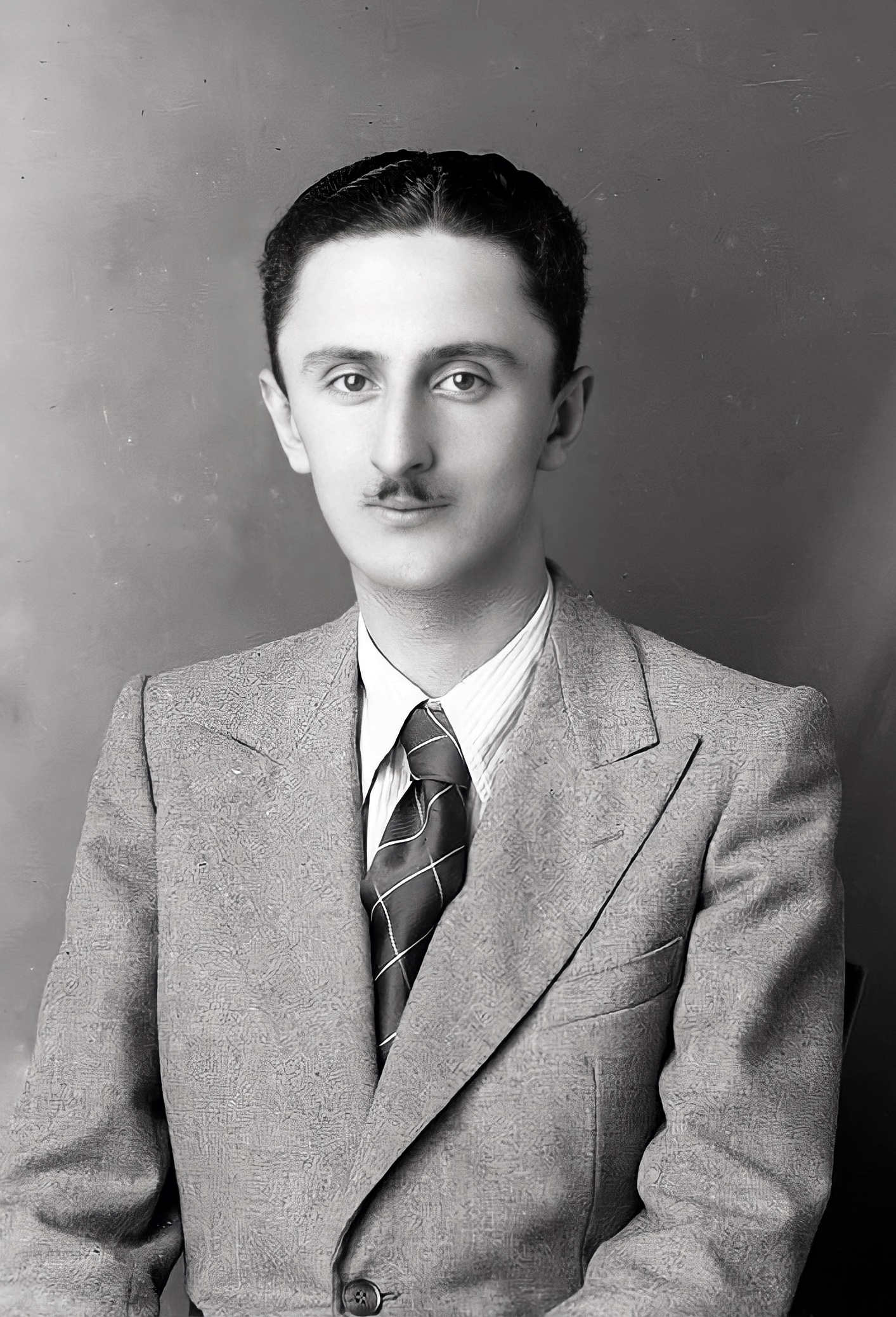
Migjeni
 (Millosh Gjergj Nikolla)
Iconoclastic revolutionary poet and schoolteacher who shattered traditional Romanticism with his free-verse collection Vargjet e lira (Free Verse), depicting poverty, disease, and social anger.
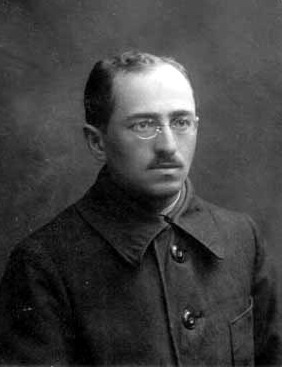
Branislaw Tarashkyevich
 (Браніслаў Тарашкевіч)
Visionary linguist and parliamentarian who published the foundational 'Belarusian Grammar for Schools' in 1918, establishing the classical orthography known as 'Tarashkevitsa'.
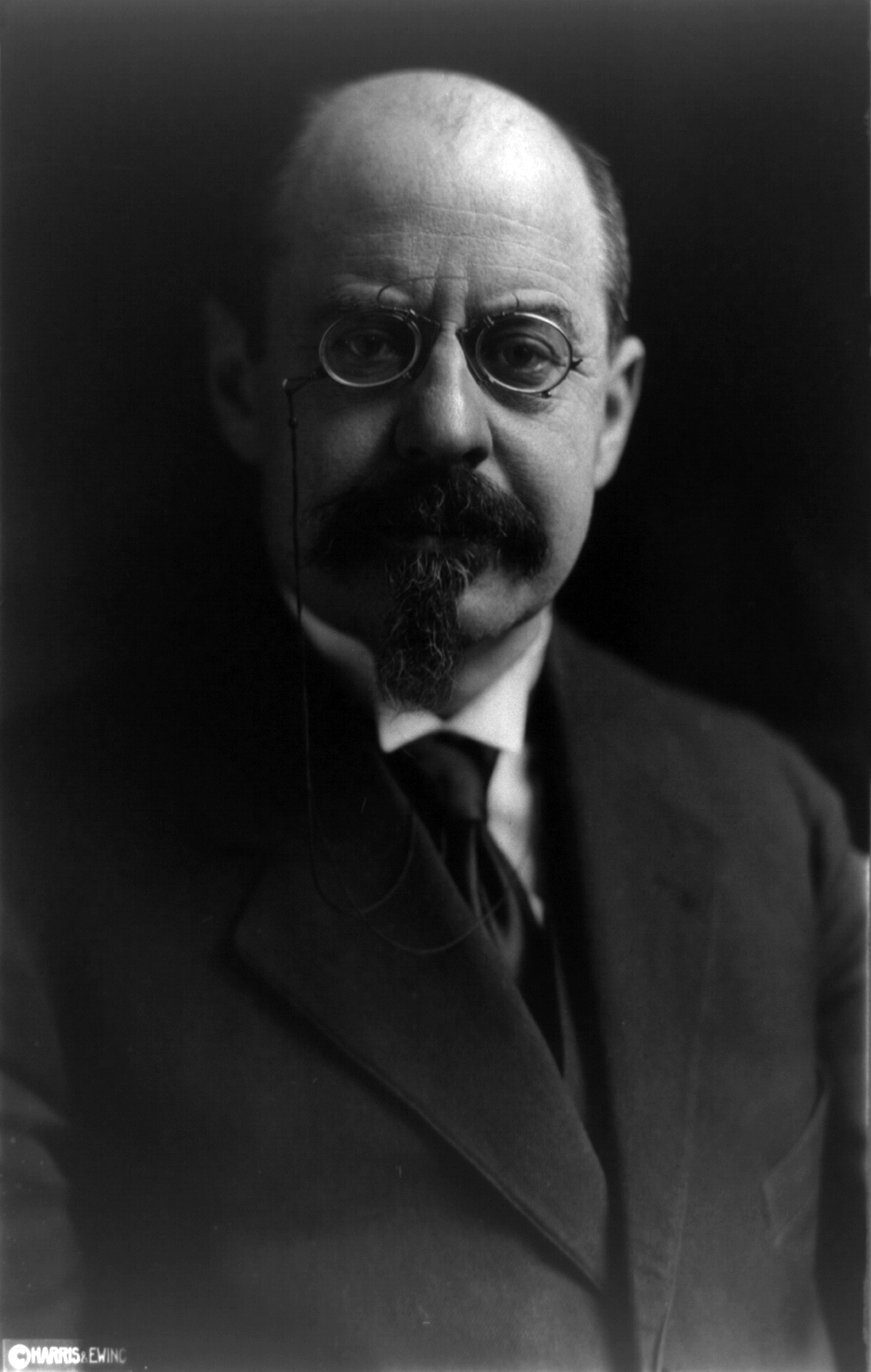
Emile Vandervelde
 (Émile Vandervelde)
Legendary socialist leader known as 'Le Patron', author of the historic 1894 Quaregnon Charter, President of the Second International, and champion of universal suffrage and the eight-hour workday.
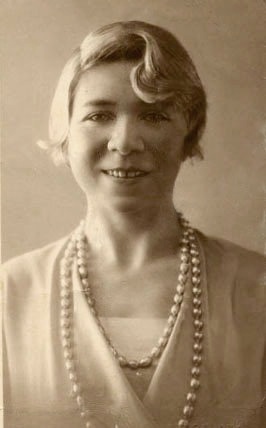
Alfonsina Storni
 (Alfonsina Storni)
Argentine modernist and avant-garde poet whose daring feminist verses confronted patriarchal hypocrisy and celebrated female sexual, intellectual, and economic autonomy.
Horatio Walker
 (The Canadian Millet)
Internationally acclaimed Canadian painter who immortalized the habitant farmers, oxen, and timber homesteads of Île d'Orléans in monumental pastoral canvases.
Ivana Brlić-Mažuranić
 (Ivana Brlić-Mažuranić)
Beloved children's author hailed as the 'Croatian Andersen', author of 'Croatian Tales of Long Ago' (Priče iz davnine) and 'The Brave Adventures of Lapitch', four times nominated for the Nobel Prize in Literature.
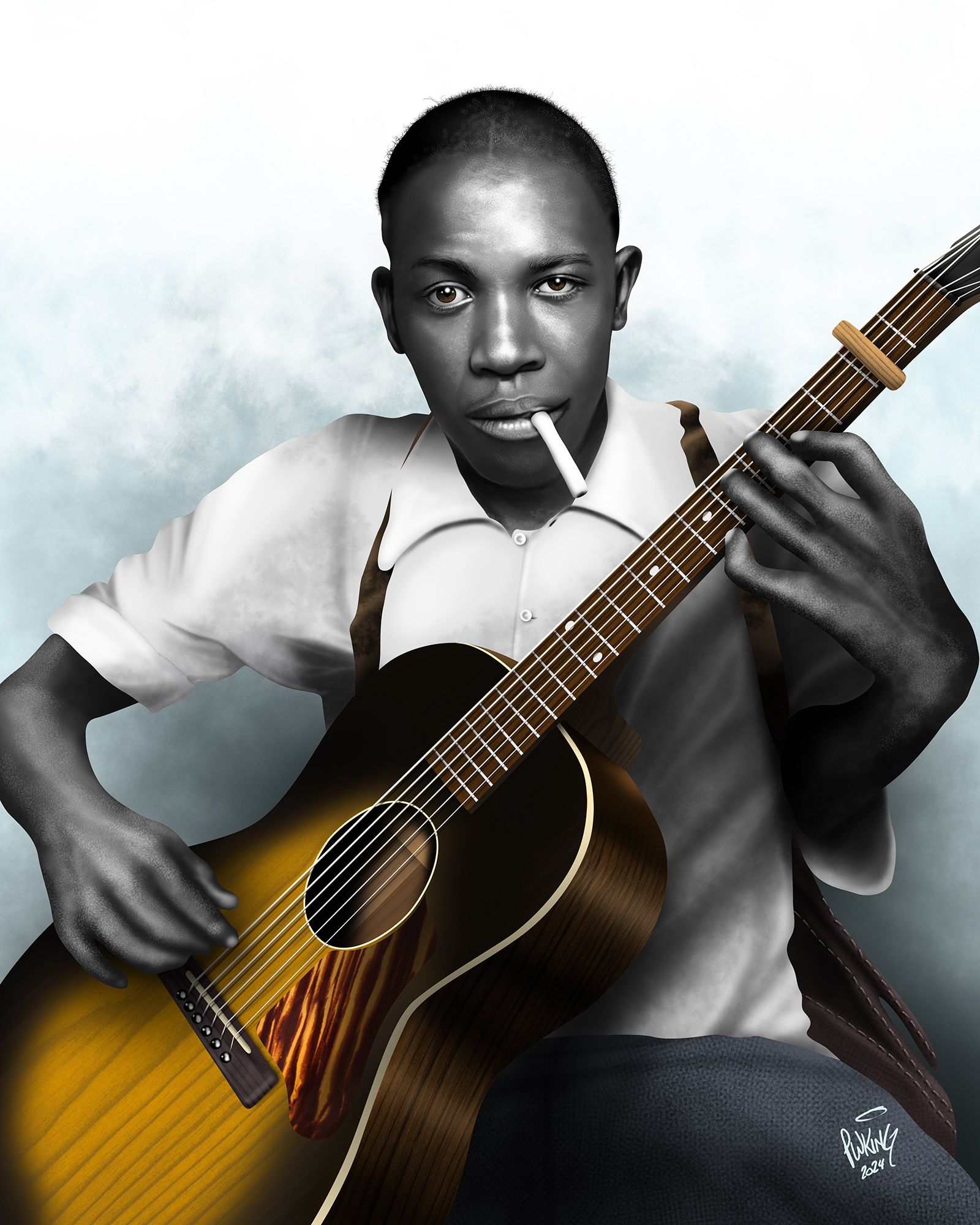
Robert Johnson
 (Robert Leroy Johnson)
Mythic Delta blues singer and guitarist whose 29 recordings shaped rock and roll and spawned the crossroads legend.
Yannoulis Chalepas
 (Yannoulis Chalepas)
Pioneering Greek sculptor from Tinos whose masterpiece 'The Sleeping Maiden' (Koimomeni) is the crown jewel of modern Greek sculpture.
Pedro Figari
 (Pedro Figari Castro)
Uruguayan post-impressionist painter, lawyer, and educational reformer celebrated for his colorful, rhythmic canvases portraying Afro-Uruguayan candombe dances and colonial salon life.
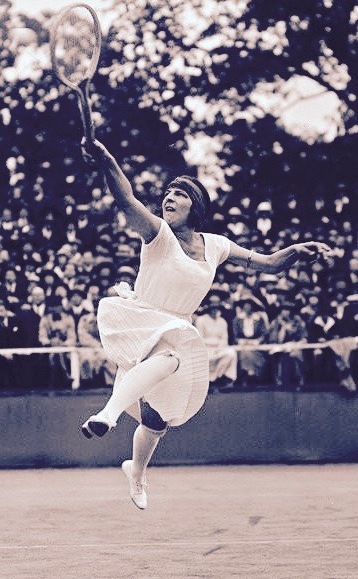
Suzanne Rachel Flore Lenglen
 (Suzanne Rachel Flore Lenglen)
French tennis player who dominated women's tennis from 1919 to 1926, winning 31 Grand Slam tournament titles and revolutionizing female athletic wear.
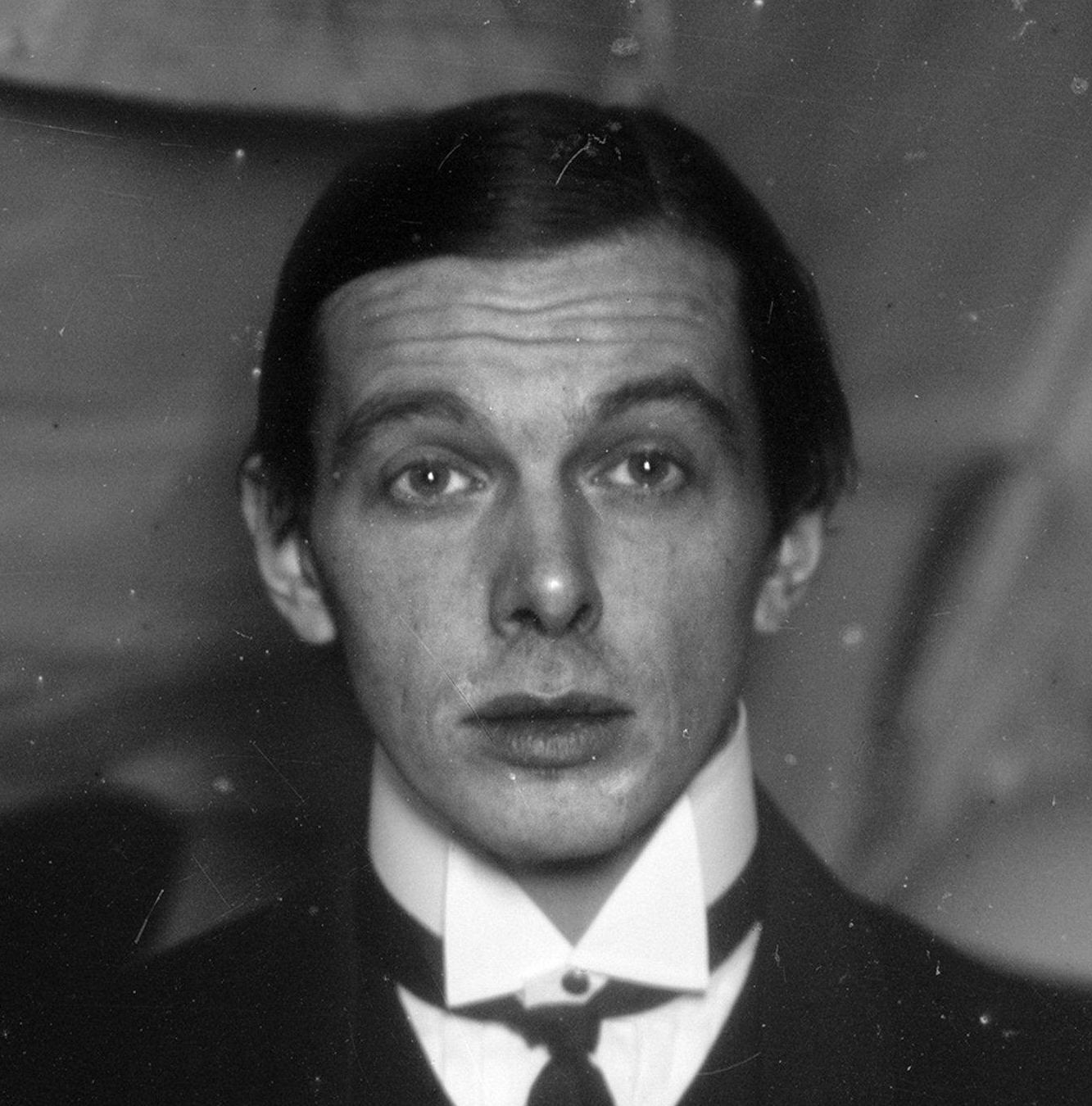
Ernst Ludwig Kirchner
 (Ernst Ludwig Kirchner)
German Expressionist painter and printmaker who was a founding figure of Die Brücke, renowned for his jagged, psychologically charged depictions of modern Berlin street life.
Carl von Ossietzky
(Carl von Ossietzky)
German investigative journalist and fearless anti-Nazi editor of 'Die Weltbuhne' who exposed Germany's secret illegal rearmament in violation of the Treaty of Versailles, awarded the 1935 Nobel Peace Prize while imprisoned in a Nazi concentration camp.
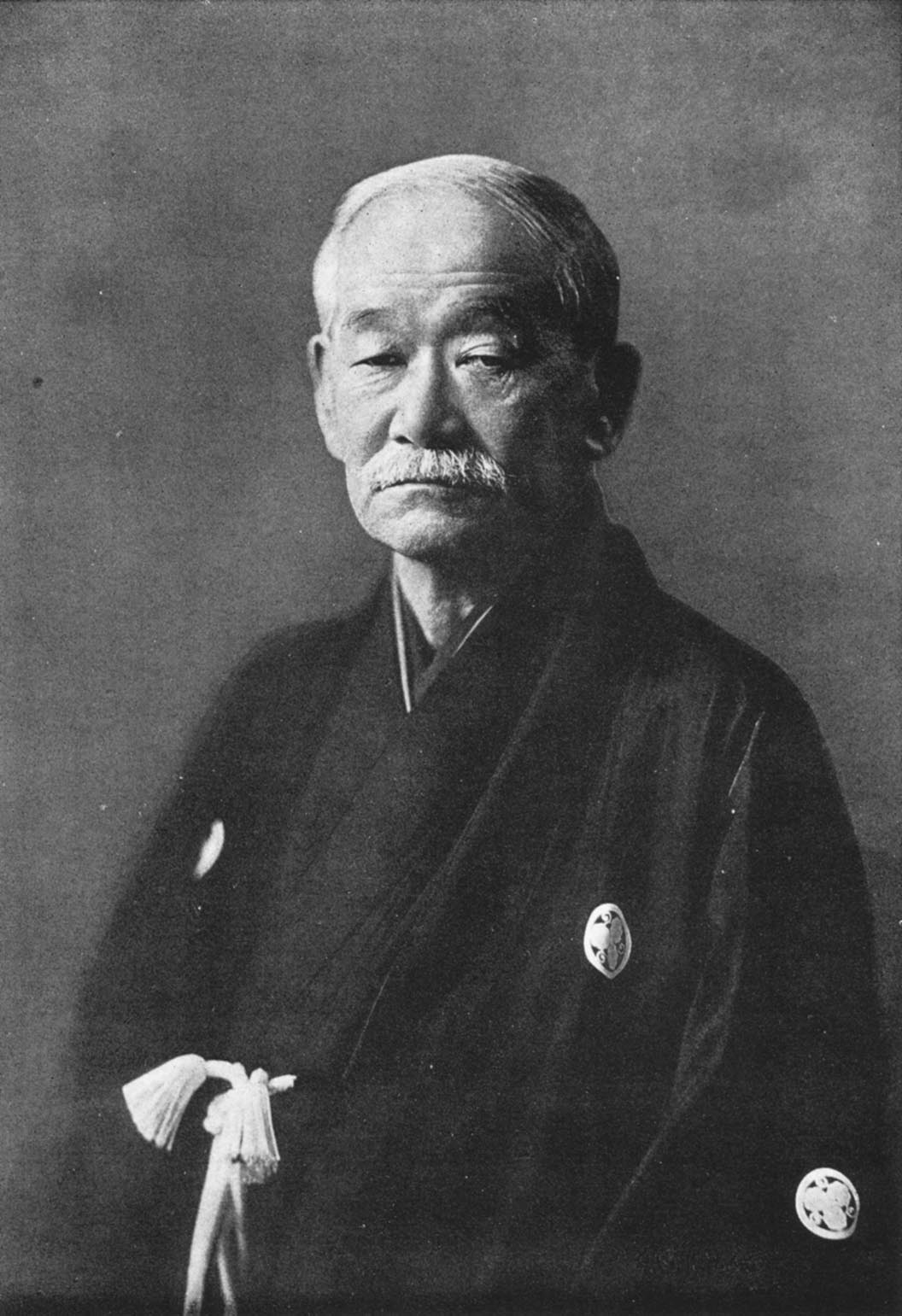
Kano Jigoro
 (嘉納 治五郎)
Japanese educator and martial arts master who founded Judo in 1882, transforming traditional jujutsu into a global Olympic sport centered on maximum efficiency and mutual welfare.
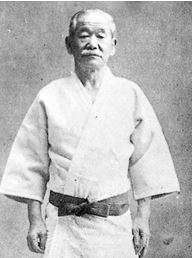
Jigorō Kanō
(嘉納 治五郎 (Kanō Jigorō))
Jigorō Kanō was a visionary Japanese educator, polymath, and martial artist who created modern Judo (the 'Gentle Way') in 1882 by establishing the Kōdōkan in Tokyo. Pioneering the concept of physical culture combined with moral development ('Maximum Efficiency with Minimum Effort' and 'Mutual Welfare and Benefit'), he was the first Asian member of the International Olympic Committee.
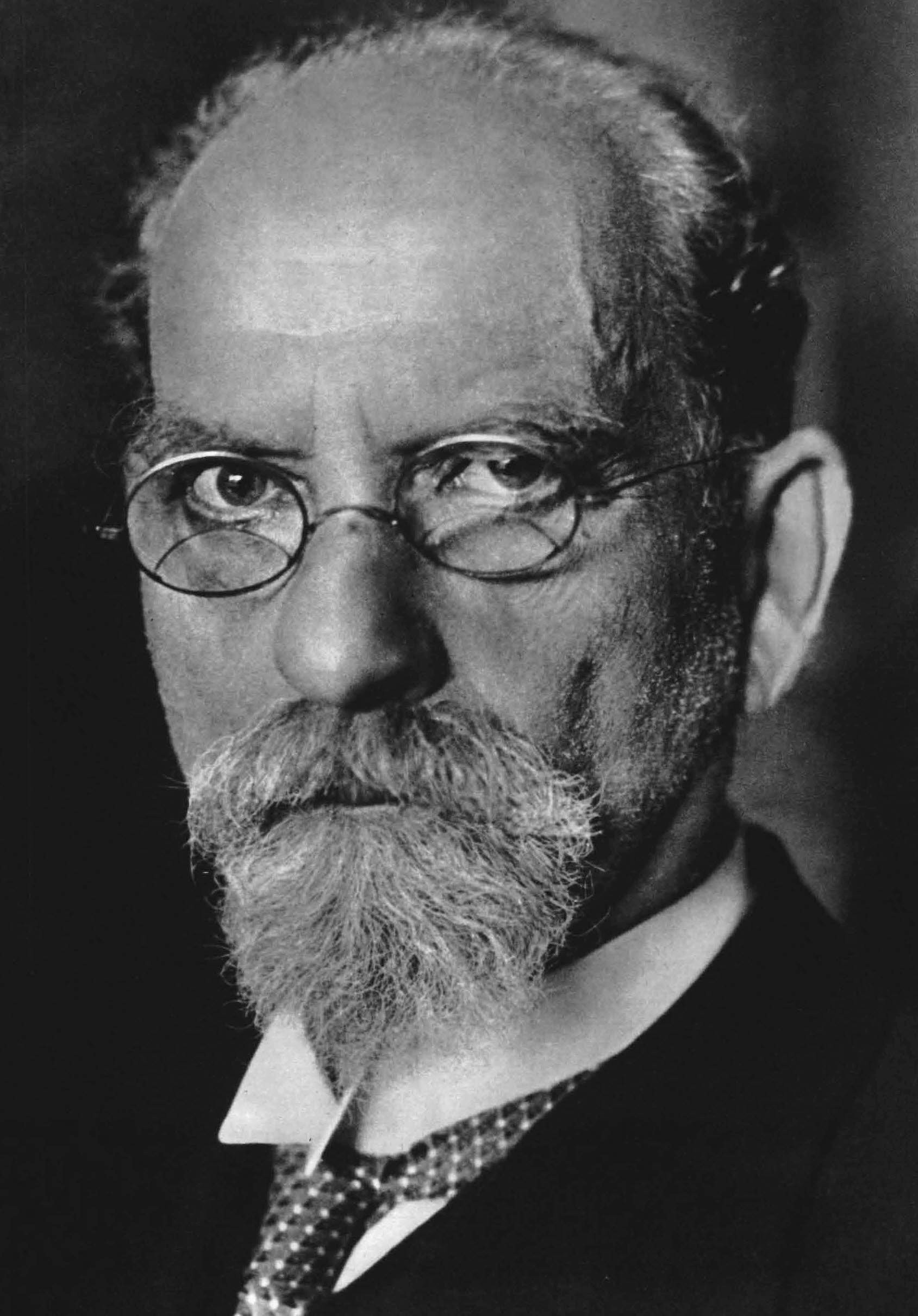
Edmund Husserl
 (Edmund Gustav Albrecht Husserl)
Austrian-German philosopher who founded phenomenology with Logical Investigations and Ideas I, seeking to return 'to the things themselves' by analyzing intentional consciousness and epoche.
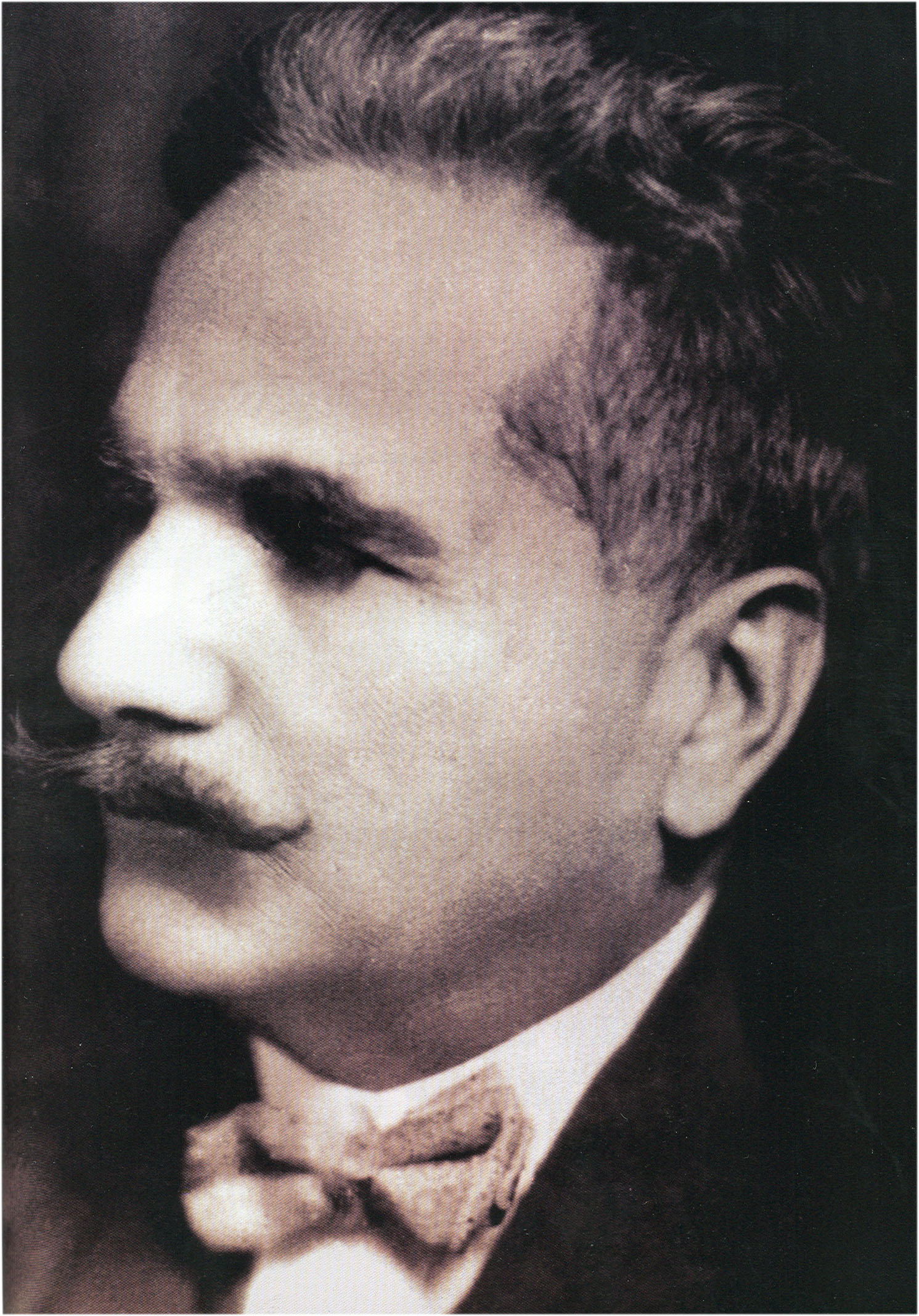
Sir Muhammad Iqbal
 (علامہ محمد اقبال (Mufakkir-e-Pakistan))
Renowned philosopher, barrister, and poet (1877–1938), revered as 'Allama Iqbal' and 'The Poet of the East', whose visionary poetry in Persian and Urdu inspired selfhood (Khudi) and the Pakistan Movement.