Public Figures & Cultural Luminaries
Filterable archive covering centuries of intellectual, artistic, and moral contributions to the human story.
Maria Jotuni
 (Maria Gustava Tarkiainen)
Pioneering master of modern psychological drama and razor-sharp dialogue whose plays 'The Golden Calf' (Kultainen vasikka) and novel 'Huojuva talo' (Tottering House) dissected marriage, money, and power.
Nana Sir Ofori Atta I
 (Nana Sir Ofori Atta I)
Okyenhene (King of Akyem Abuakwa) and influential member of the Legislative Council who championed education and cocoa agriculture.
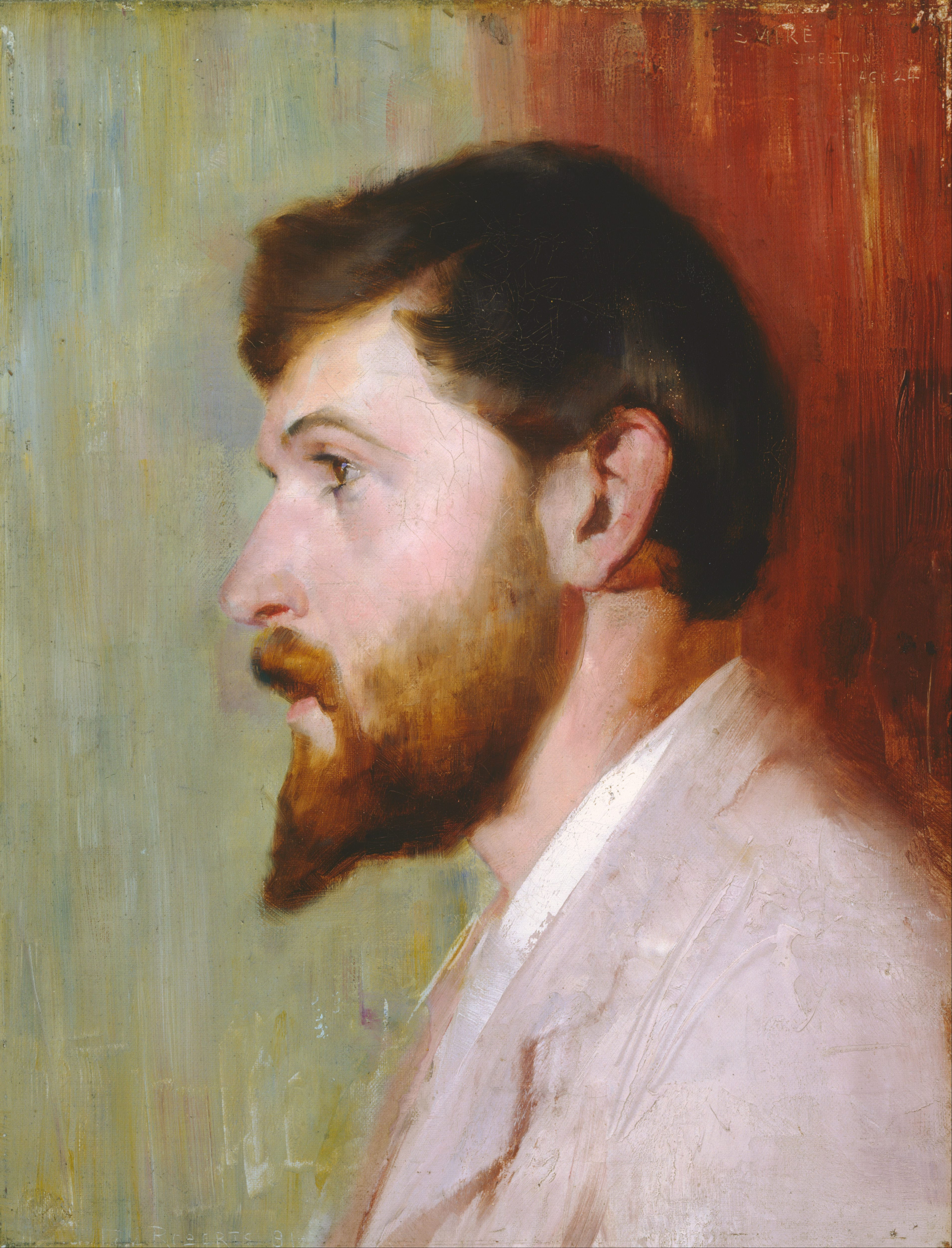
Arthur Streeton
 (Sir Arthur Ernest Streeton)
Master landscape painter of the Heidelberg School whose sun-drenched pastoral masterworks, including 'Golden Summer, Eaglemont' and 'The Purple Noon's Transparent Might', defined Australia's visual light.
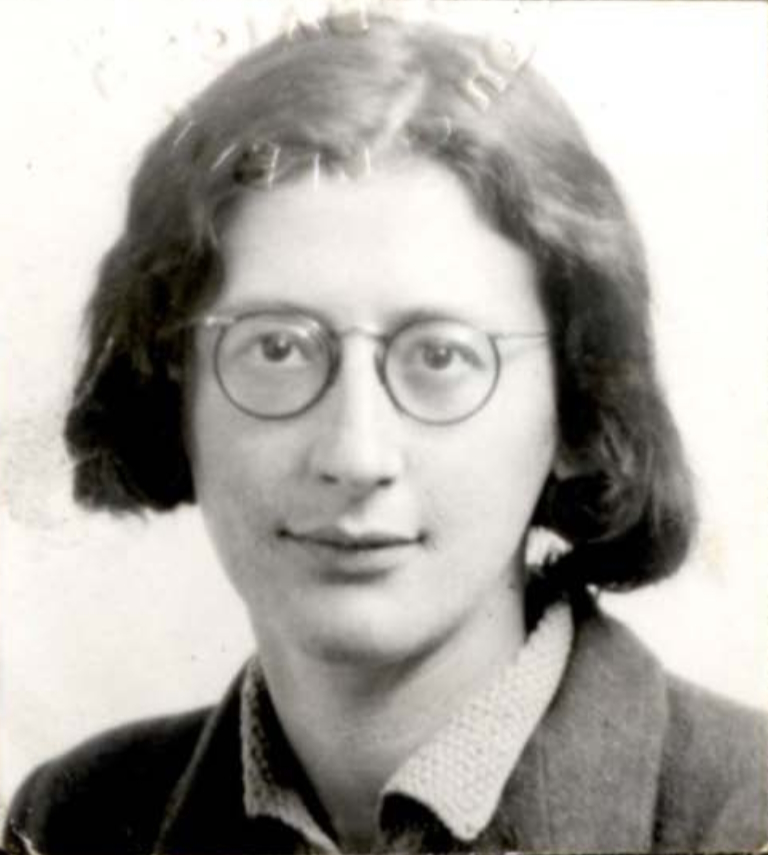
Simone Weil
 (Simone Adolphine Weil)
French philosopher, mystic, and social activist celebrated for Waiting for God and Gravity and Grace, who renounced elite privilege to work in automobile factories and Spanish Civil War trenches.
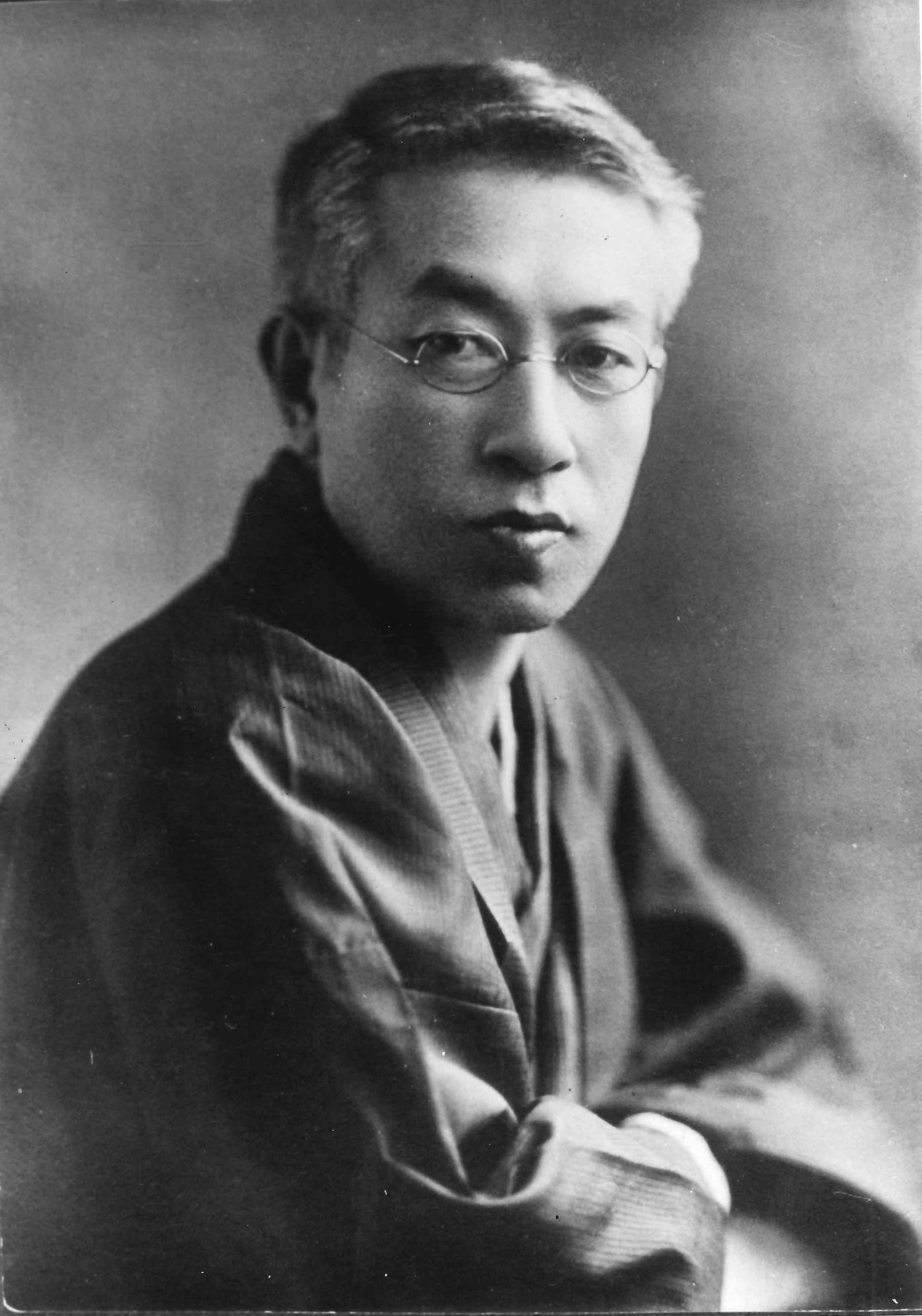
Shimazaki Toson
 (島崎藤村 (Shimazaki Haruki))
Foremost figure of Japanese literary naturalism (1872–1943), author of 'The Broken Commandment' (Hakai) and the historical epic 'Before the Dawn' (Yoakemae), who chronicled Japan's transition from feudalism to modernity.
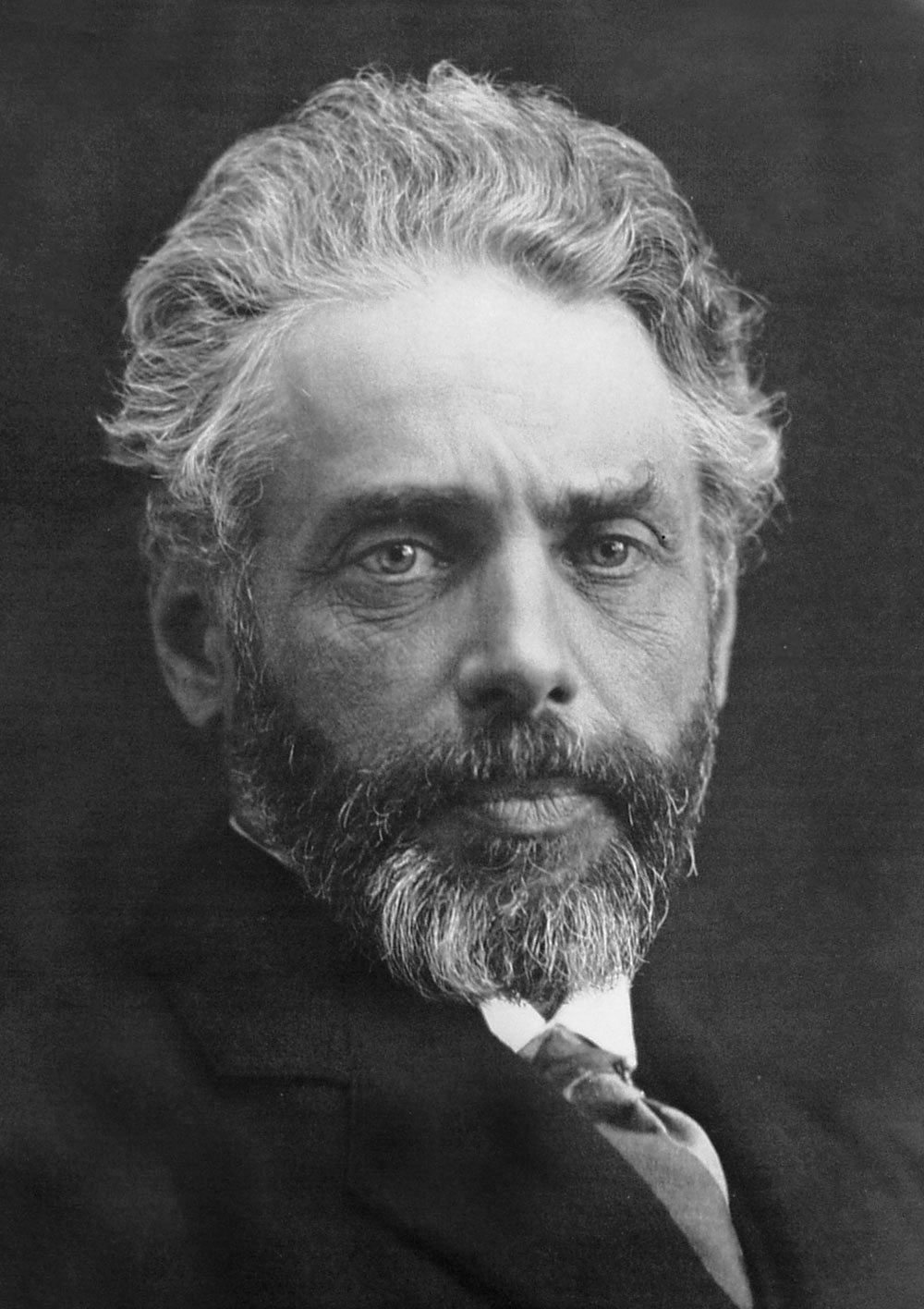
Henrik Pontoppidan
 (Henrik Pontoppidan)
Giant of Danish realism awarded the Nobel Prize in Literature in 1917 for his authentic descriptions of present-day life in Denmark, author of the monumental novel Lykke-Per.
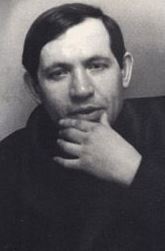
Chaïm Soutine
 (Chaïm Soutine)
School of Paris expressionist titan whose feverish, visceral canvases—including 'Carcass of Beef' and distorted portraits—fused Rembrandt's tradition with raw 20th-century angst.
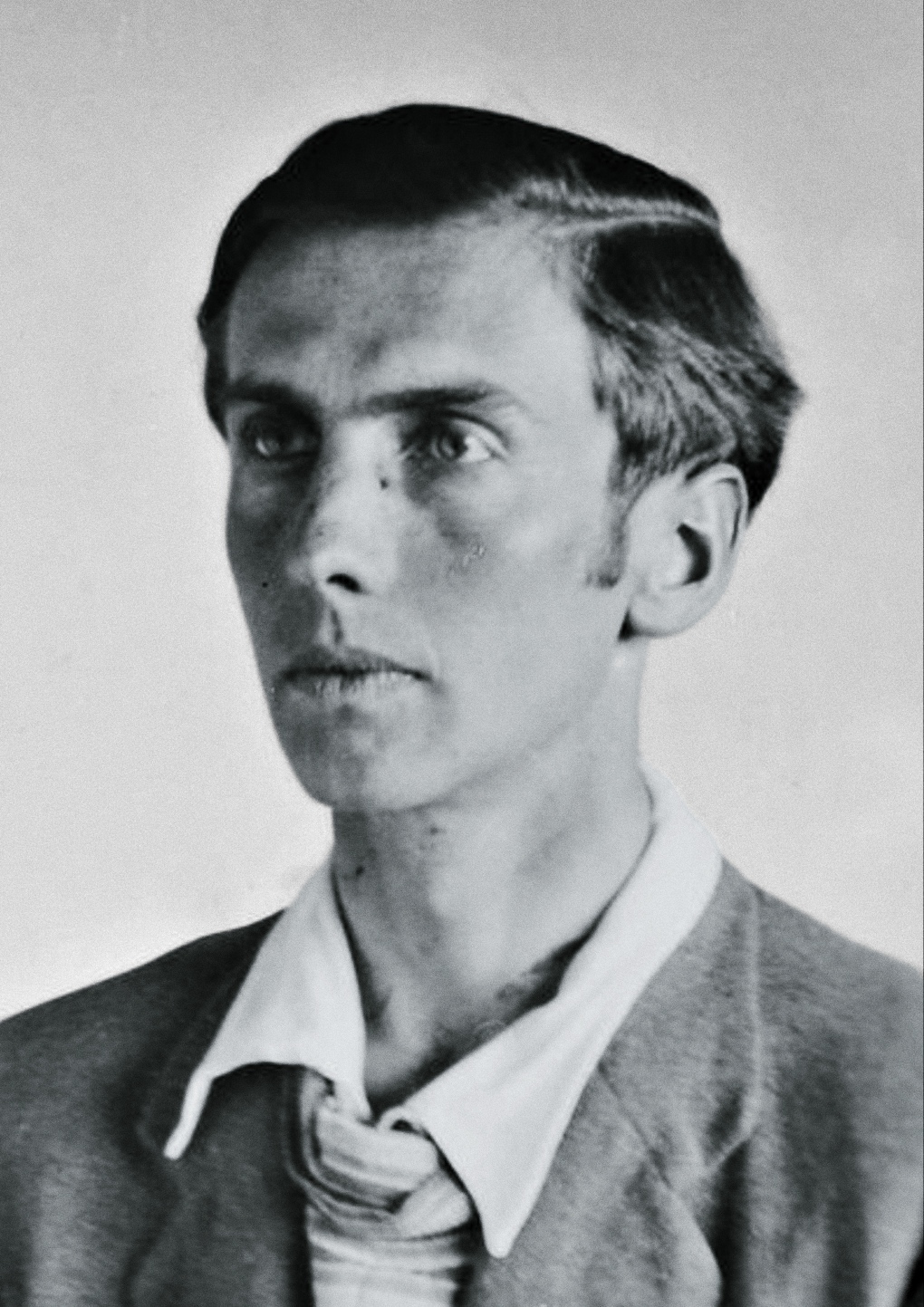
Alexander Schmorell
(Alexander Schmorell)
Co-founder of the White Rose anti-Nazi resistance movement in Munich who authored four of its six leaflets, canonized as a New Martyr by the Orthodox Church.
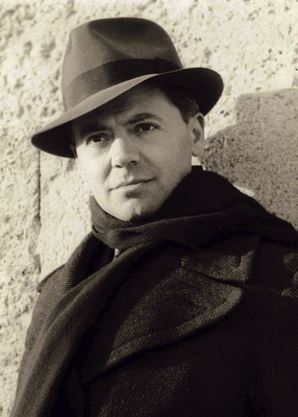
Jean Moulin
(Jean Moulin)
French civil servant and hero of the French Resistance who parachuted into occupied France under orders from General Charles de Gaulle, successfully unifying all fractured resistance factions into the National Council of the Resistance (CNR).
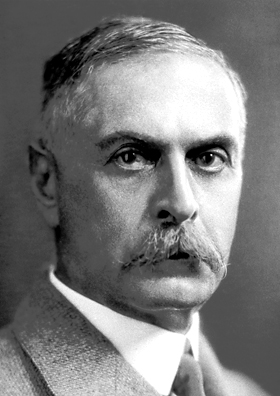
Karl Landsteiner
 (Karl Landsteiner)
Viennese physician and immunologist who discovered the ABO human blood groups in 1900, enabling safe blood transfusions that saved tens of millions of lives, winning the 1930 Nobel Prize.
Moulay Abd al-Aziz ibn al-Hassan
 (مولاي عبد العزيز بن الحسن)
Alaouite Sultan (1894–1908) who confronted intense European colonial encirclement and the 1906 Algeciras Conference, passionate about early photography and Western inventions, later retiring peacefully in Tangier.
Kristjan Raud
 (Kristjan Raud)
Foundational symbolist visual master whose archaic charcoal drawings and illustrations for the 1935 edition of the national epic 'Kalevipoeg' defined the visual mythology of modern Estonia.
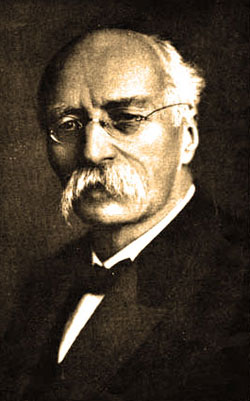
Henri Marie La Fontaine
 (Henri Marie La Fontaine)
Henri La Fontaine was an eminent Belgian international jurist, senator, and bibliographer who served as President of the International Peace Bureau from 1907 to 1943. Co-founder of the International Institute of Bibliography and creator of the Mundaneum with Paul Otlet, he was awarded the 1913 Nobel Peace Prize for his organizational leadership of the global peace movement.
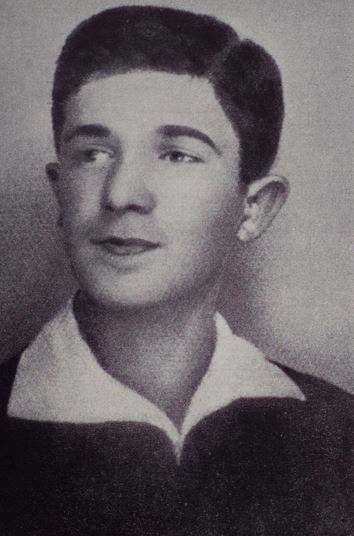
Mordechai Anielewicz
 (מרדכי אנילביץ')
Courageous 24-year-old commander of the Jewish Combat Organization (ŻOB) who led the heroic 1943 Warsaw Ghetto Uprising, the first urban armed mass insurrection against Nazi occupation in Europe.
Otto Jespersen
(Jens Otto Harry Jespersen)
Eminent linguist and phonetician whose monumental seven-volume 'Modern English Grammar on Historical Principles' and 'Language: Its Nature, Development and Origin' revolutionized modern English linguistics.
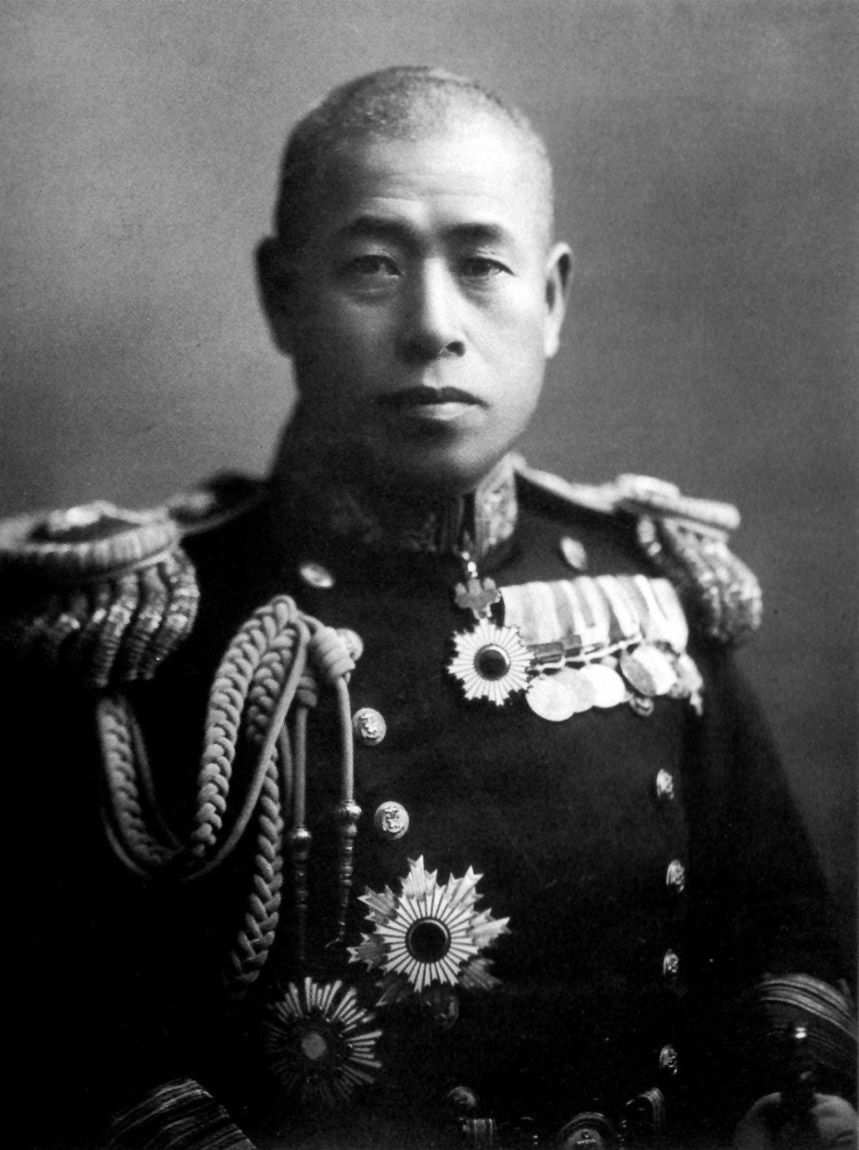
Marshal Admiral Isoroku Yamamoto
(山本五十六)
Marshal Admiral and Commander-in-Chief of the Combined Fleet of the Imperial Japanese Navy who pioneered naval carrier aviation and planned the Pearl Harbor raid.
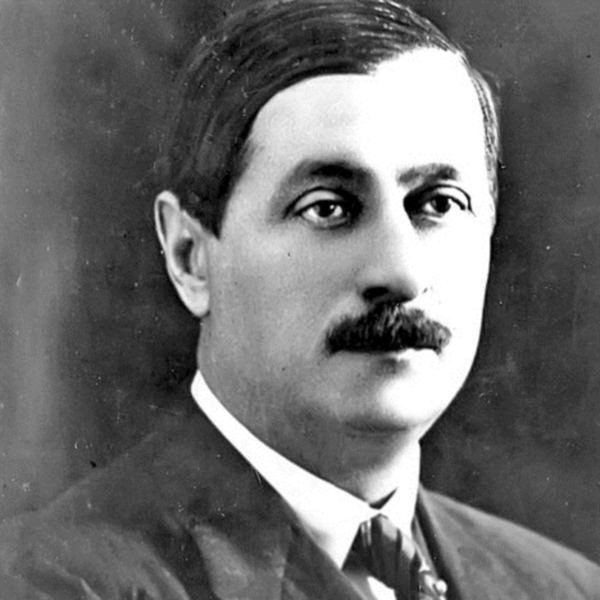
Jovan Dučić
 (Јован Дучић)
Herzegovinian-born master symbolist poet and diplomat whose exquisite lyrical poetry and philosophical essays in 'Blago cara Radovana' ('Tsar Radovan's Treasure') are classics of South Slavic literature.
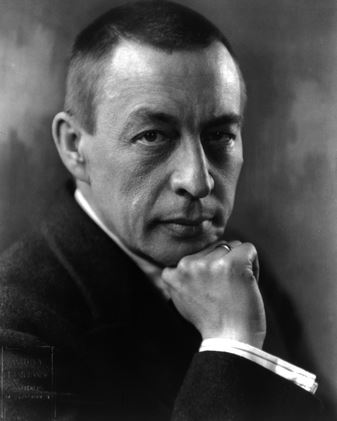
Sergei Vasilyevich Rachmaninoff
(Сергей Васильевич Рахманинов)
Russian composer, legendary virtuoso pianist, and conductor whose lush romanticism, titanic keyboard technique, and sweeping orchestral melodies produced the Second and Third Piano Concertos and the Rhapsody on a Theme of Paganini.