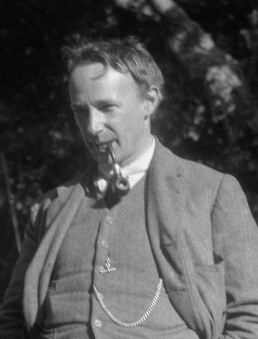
G. E. Moore
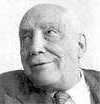
British philosopher who co-founded analytic philosophy with Bertrand Russell, famous for Principia Ethica, the concept of the naturalistic fallacy, and his common sense defense of the external world.
Start typing to search worldwide archives and community tributes
Filterable archive covering centuries of intellectual, artistic, and moral contributions to the human story.
British philosopher who co-founded analytic philosophy with Bertrand Russell, famous for Principia Ethica, the concept of the naturalistic fallacy, and his common sense defense of the external world.
Father of West Indian Federation, pioneering Grenadian journalist, legislator, and statesman.
Heroic Antarctic explorer and geologist who led the 1911โ1914 Australasian Antarctic Expedition, surviving an epic solo 100-mile sledge trek across crevassed ice after the tragic deaths of his companions.
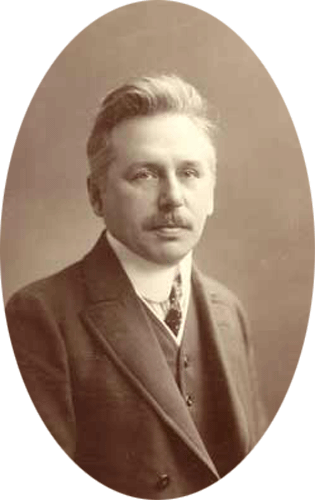
Bold Finnish modernist composer whose pioneering expressionist opera Juha and Concerto for Nine Instruments pushed Nordic classical music into the European avant-garde.
Revered nationalist hero known as 'Mpodol' (Spokesman of his people), who founded the UPC and led the struggle for Cameroonian reunification and genuine national sovereignty.
Charismatic Burkinabe educator and master political strategist who led the Rassemblement Dรฉmocratique Africain (RDA) and was President of the Government Council of Upper Volta.
Pioneering Nigerian lawyer and Pan-Africanist organizer who founded the West African Students' Union (WASU) in London in 1925, nurturing a generation of anti-colonial leaders.
Dean of 20th-century British music, acclaimed for The Lark Ascending, Fantasia on a Theme by Thomas Tallis, and nine symphonies.
French nuclear physicist who won the 1935 Nobel Prize in Chemistry with his wife Irรจne Curie for discovering artificial radioactivity in 1934, led the French nuclear resistance in WWII, and built France's first nuclear reactor (Zoe).
Trailblazing secular thinker, socialist pioneer, and essayist from Zagazig who introduced modern evolutionary theory, comparative sociology, and women's civil rights to early 20th-century Arab intellectual discourse.
Dominant political figure of monarchical Iraq who served fourteen times as Prime Minister, architect of state institutions and the Baghdad Pact.
Eminent jurist and five-time Prime Minister of Jordan who drafted Transjordan's first legal codes and died during the 1958 Baghdad coup.
Prominent Finnish composer and conductor who served for twenty-five years as Court Kapellmeister at the Royal Swedish Opera, famed for his orchestral Berceuse and Praeludium.
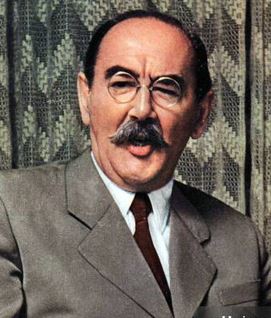
Imre Nagy was a reform-minded Hungarian communist statesman who served as Prime Minister during the 1956 Hungarian Revolution. Siding courageously with the popular uprising, he abolished the one-party monopoly, established a multiparty coalition, and declared Hungary's neutrality and withdrawal from the Warsaw Pact. Crushed by the Soviet military invasion, he refused to recant and was executed for treason in 1958.
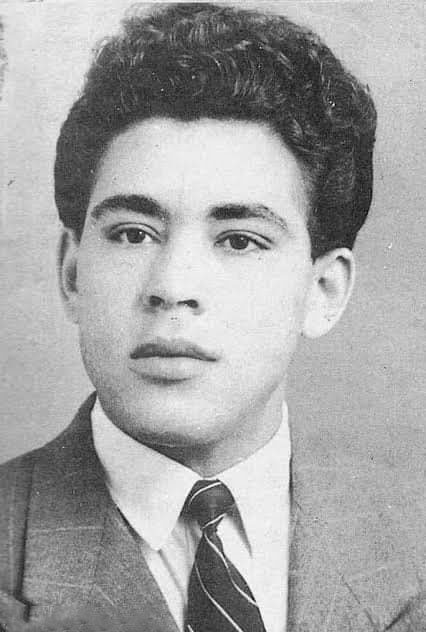
Iconic Algerian musician and composer whose masterpiece 'Angham El Djazair' celebrated national unity, publically lynched and hanged in Tiaret by colonial troops.
Russian Constructivist artist who radically transformed Soviet industrial textile production, theatrical costume design, and avant-garde typography under the pseudonym Varst.
Father of Caribbean trade unionism who founded the British Guiana Labour Union in 1919.
Charismatic orator and Neo-Destour leader known as 'Za'im al-Shabab' (Leader of Youth), whose speech and arrest triggered the historic nationalist demonstrations of April 9, 1938.