Public Figures & Cultural Luminaries
Filterable archive covering centuries of intellectual, artistic, and moral contributions to the human story.
Françoise Rosay
 (Françoise Bandy de Nalèche)
Commanding and aristocratic French actress whose six-decade career spanned silent and sound cinema, acclaimed for her starring roles in La Kermesse héroïque and Un carnet de bal, and who broadcast for the BBC Free French in London.
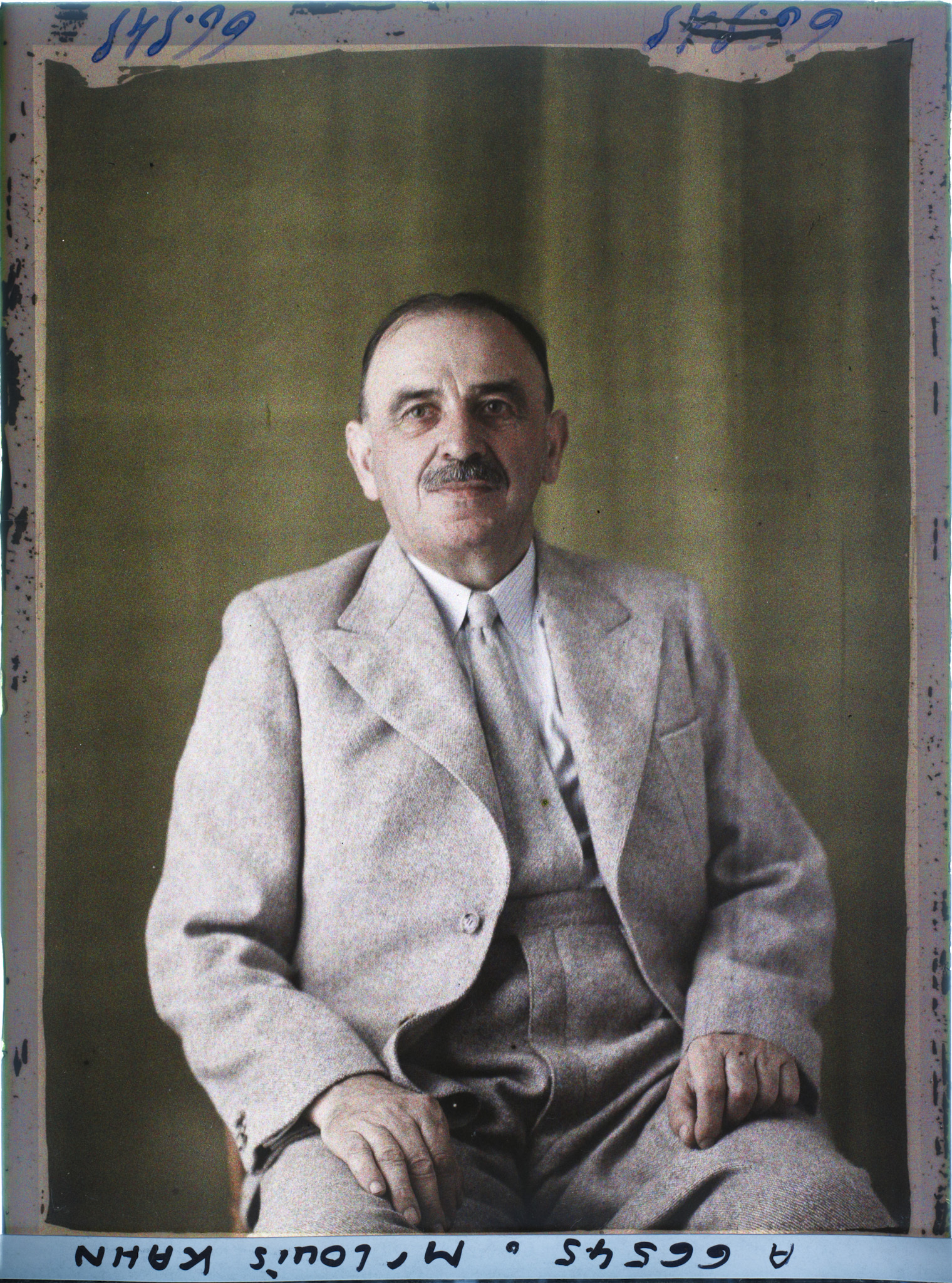
Louis Kahn
 (Itze-Leib Schmuilowsky)
Estonian-born American architect celebrated for his monumental, poetic brick and concrete structures that fused archaic spirituality, geometric purity, and natural daylight.
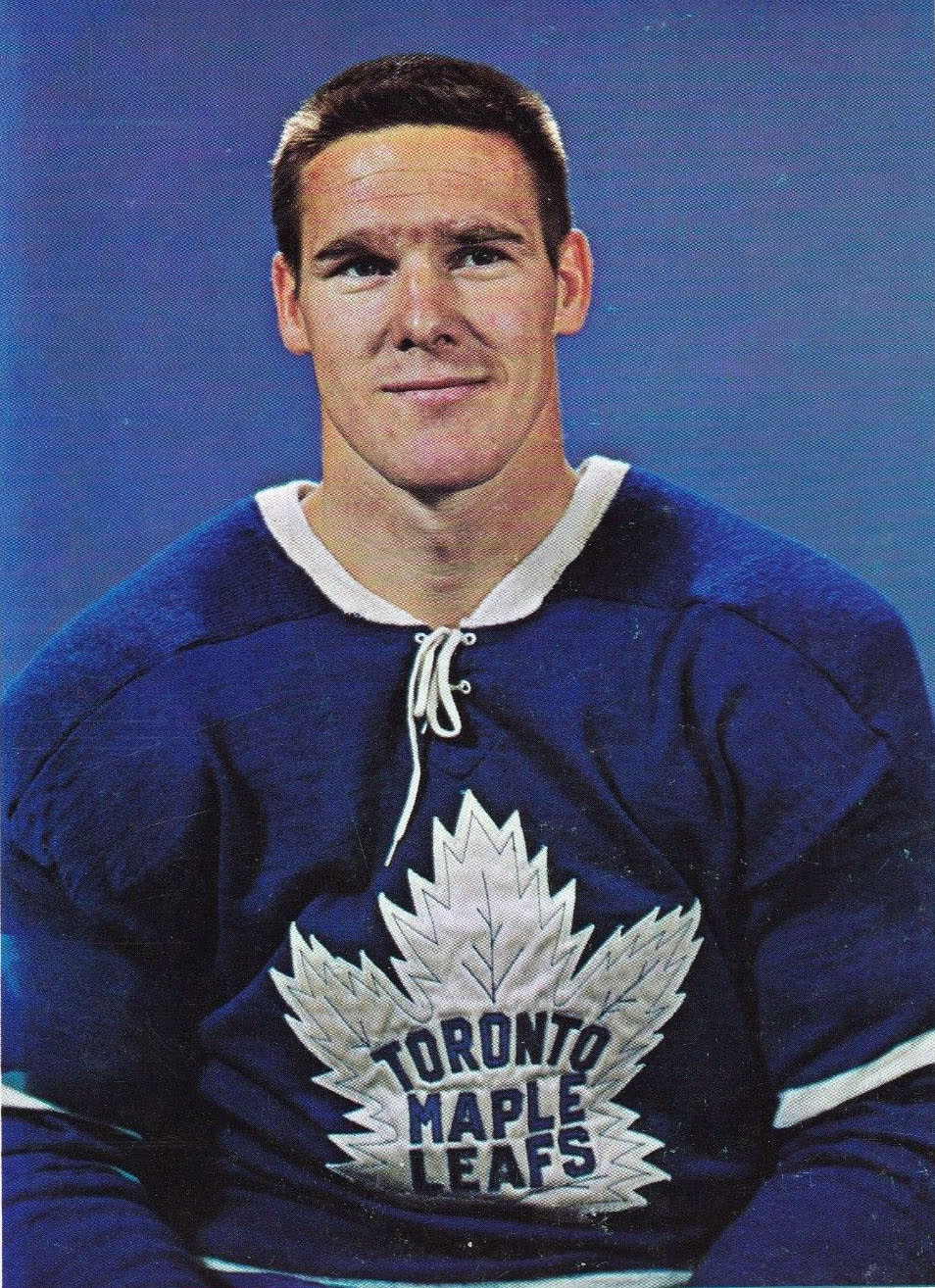
Tim Horton
 (Tim Horton)
Legendary Maple Leafs defenseman renowned as the strongest man in hockey, four-time Stanley Cup champion, and founder of the Tim Hortons coffee franchise.
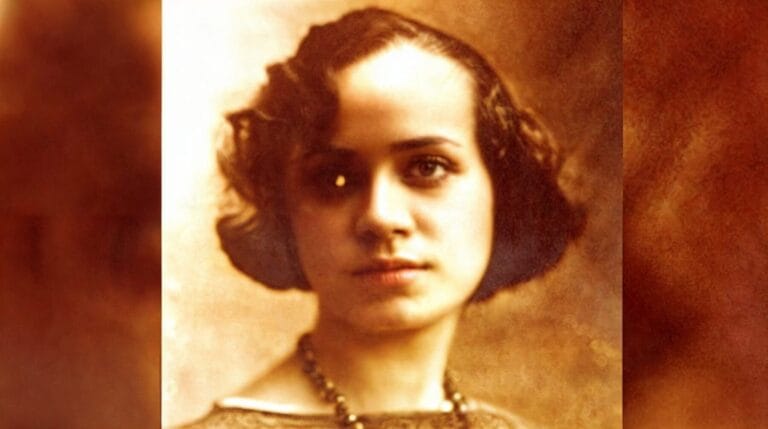
Matilde Hidalgo de Procel
 (Matilde Hidalgo Navarro)
Trailblazing feminist hero and physician who in 1921 became Ecuador's first female medical doctor, and in 1924 became the first woman to vote in a national election in Latin American history.
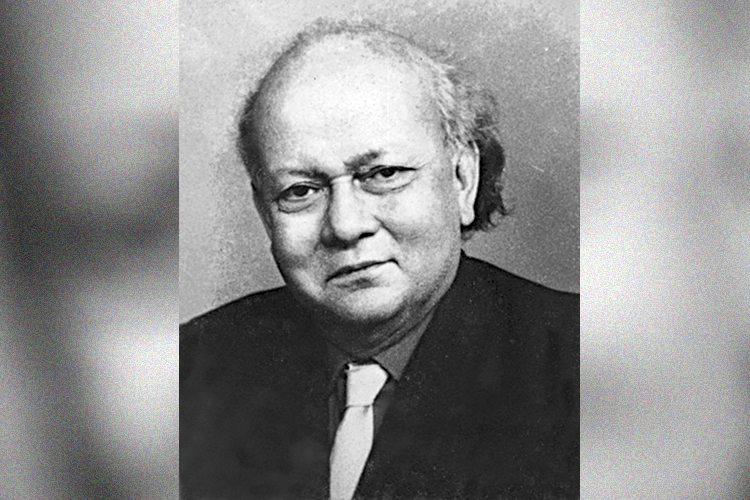
Syed Mujtaba Ali
 (সৈয়দ মুজতবা আলী)
Celebrated Bengali travel writer, polyglot linguist, and master humorist whose delightful travel classic 'Deshe Bideshe' ('In a Land Far from Home') captured Afghanistan on the eve of the 1929 civil war.
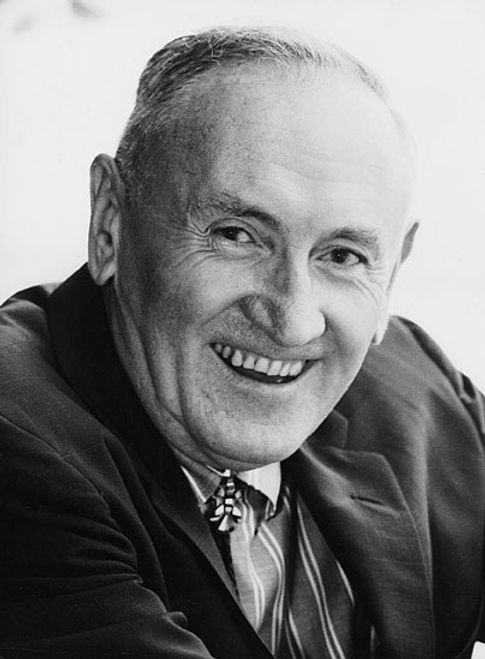
Fritz Zwicky
 (Fritz Zwicky)
Maverick Swiss astronomer who coined 'supernova', predicted neutron stars and gravitational lensing, and first postulated dark matter.
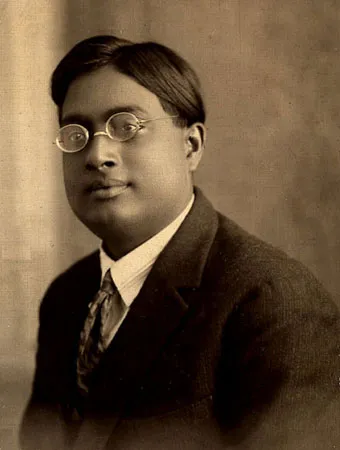
Satyendra Nath Bose
 (সত্যেন্দ্রনাথ বসু)
Eminent Indian polymath and theoretical physicist whose quantum statistics founded Bose-Einstein condensate theory and gave 'bosons' their name.
Salima Pasha
 (سليمة مراد)
First woman to be granted the title 'Pasha' in Iraq, legendary Jewish-Iraqi singer who dominated Baghdad's musical golden age.
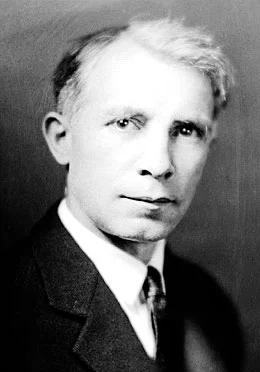
Richard Bartlett Gregg
 (Richard B. Gregg)
Philosophe social américain, auteur de The Power of Non-Violence qui introduisit la théorie de la résistance non-violente auprès de Martin Luther King Jr.
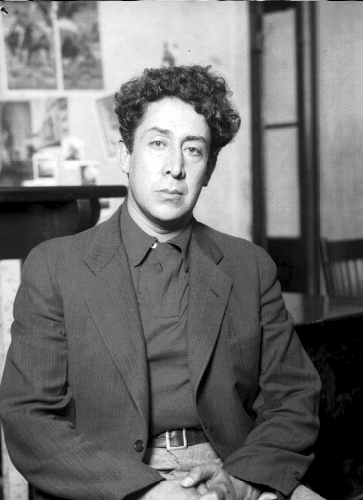
David Alfaro Siqueiros
 (José de Jesús Alfaro Siqueiros)
Mexican social realist painter and muralist, one of 'Los Tres Grandes' alongside Rivera and Orozco, pioneer of dynamic perspectives, industrial pyroxylin paints, and revolutionary public art.
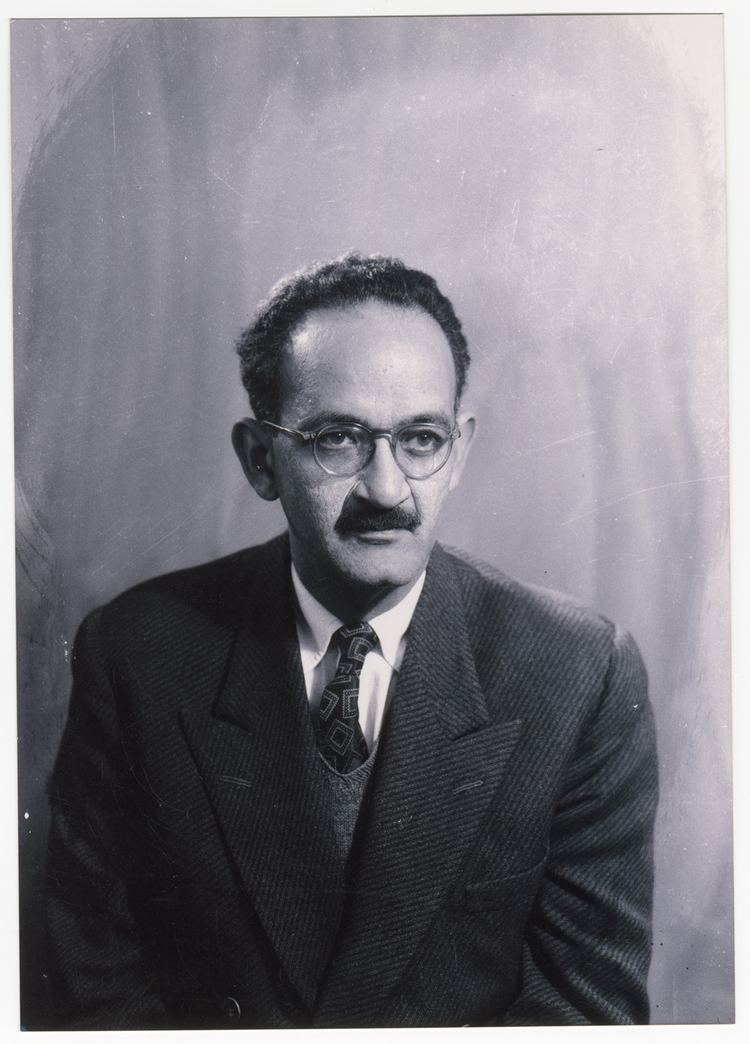
Ramses Wissa Wassef
 (رمسيس ويصا واصف)
Visionary Egyptian architect, educator, and humanist who founded the Ramses Wissa Wassef Art Centre in Harrania, proving that rural Egyptian village children possessed innate artistic genius when freed from rigid academic imitation.
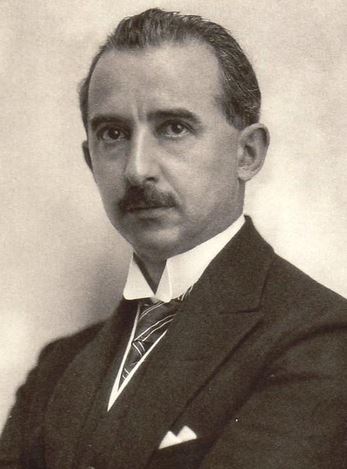
İsmet İnönü
 (Mustafa İsmet İnönü)
Co-founder of the modern Republic of Turkey, maintained national neutrality in WWII, and peacefully handed over power after losing free democratic elections in 1950.
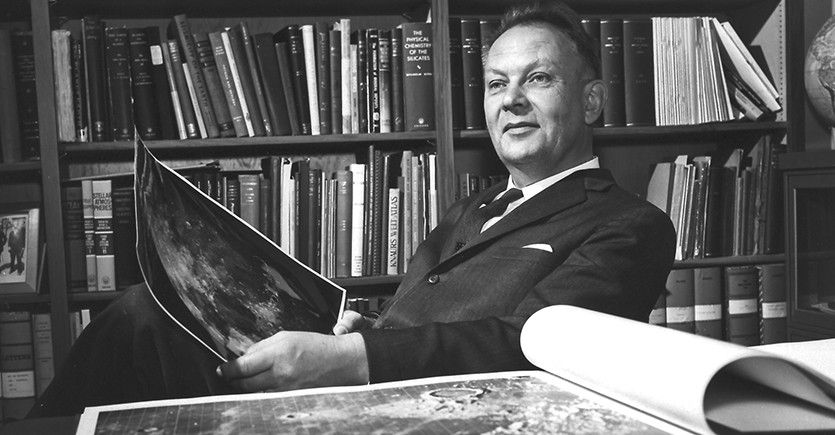
Gerard Kuiper
 (Gerrit Pieter Kuiper)
Dutch-American planetary scientist who discovered moons of Uranus and Neptune and predicted the Kuiper Belt.
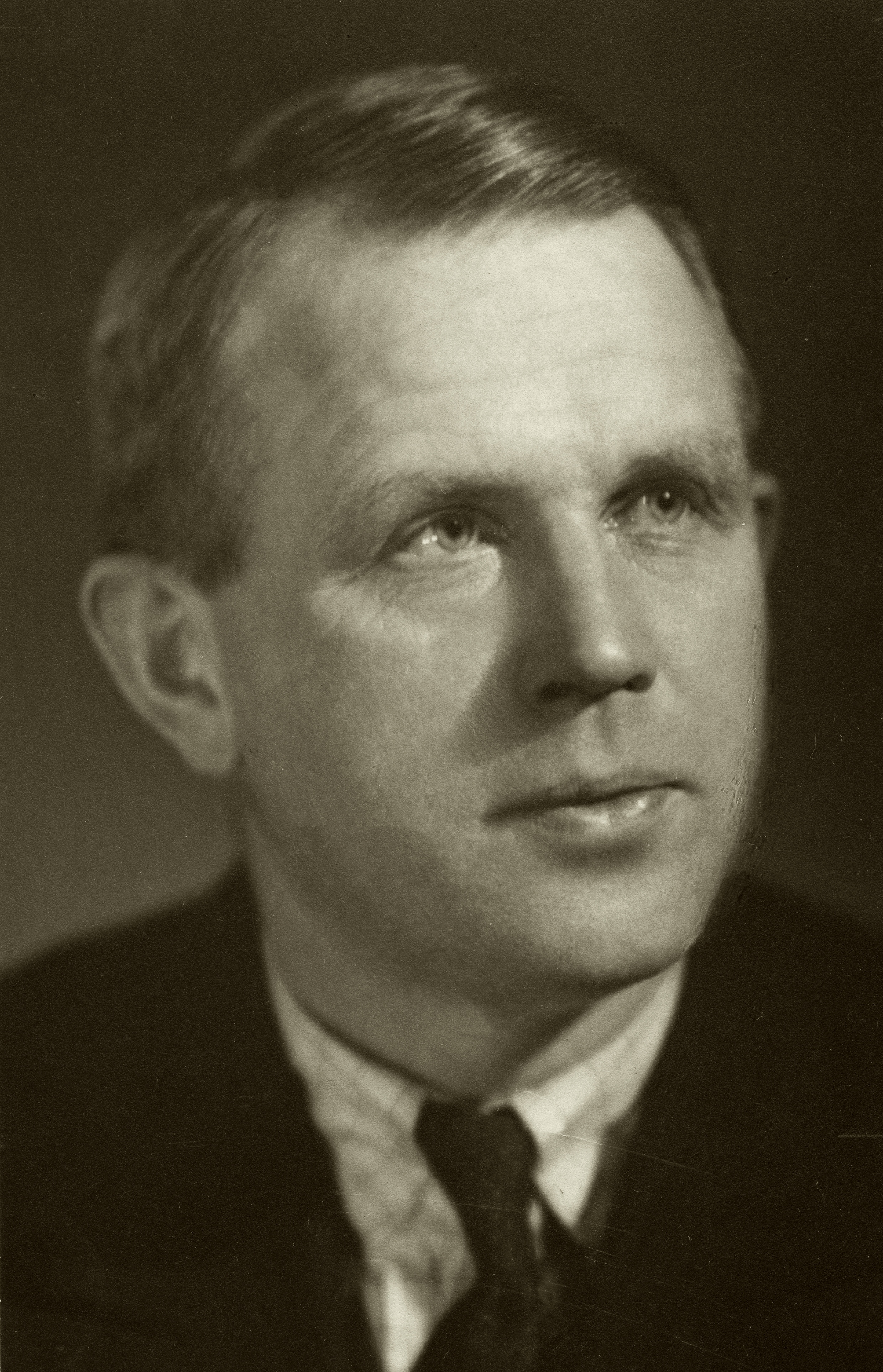
Artturi Ilmari Virtanen
 (Artturi Ilmari Virtanen)
Distinguished Finnish biochemist awarded the 1945 Nobel Prize in Chemistry for his invention of the AIV silage preservation method, which transformed global agriculture and winter dairy production.
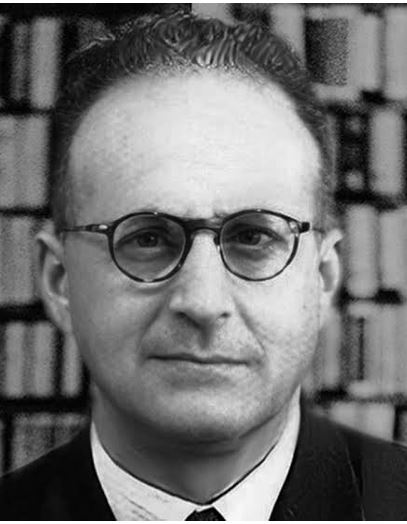
Malek Bennabi
 (مالك بن نبي)
Visionary Algerian philosopher of history and civilizational renewal who formulated the groundbreaking concept of 'colonizability' (colonisabilité) and authored 'The Conditions of Renaissance'.
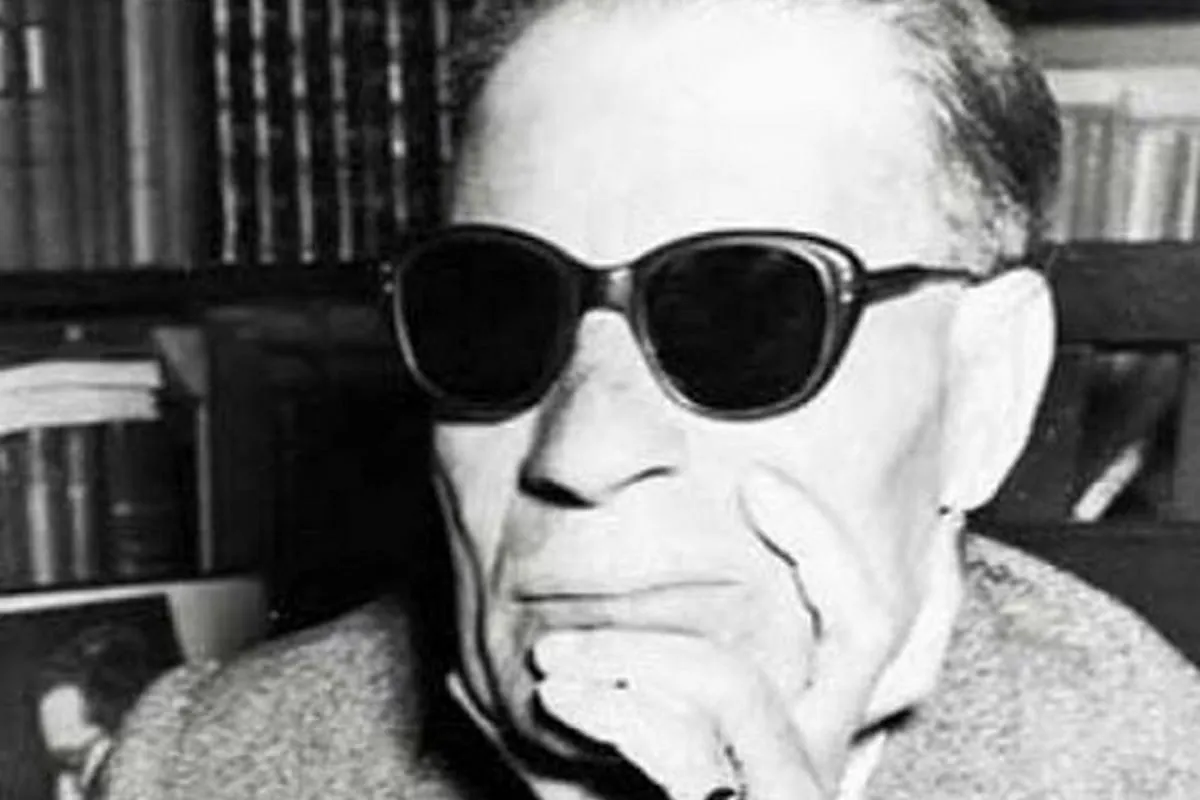
Taha Hussein
(طه حسين)
Revered as the 'Dean of Arabic Literature' (Qahir al-Zalam), blind Egyptian modernist author, educational reformer, and author of the classic autobiography The Days (Al-Ayyam).
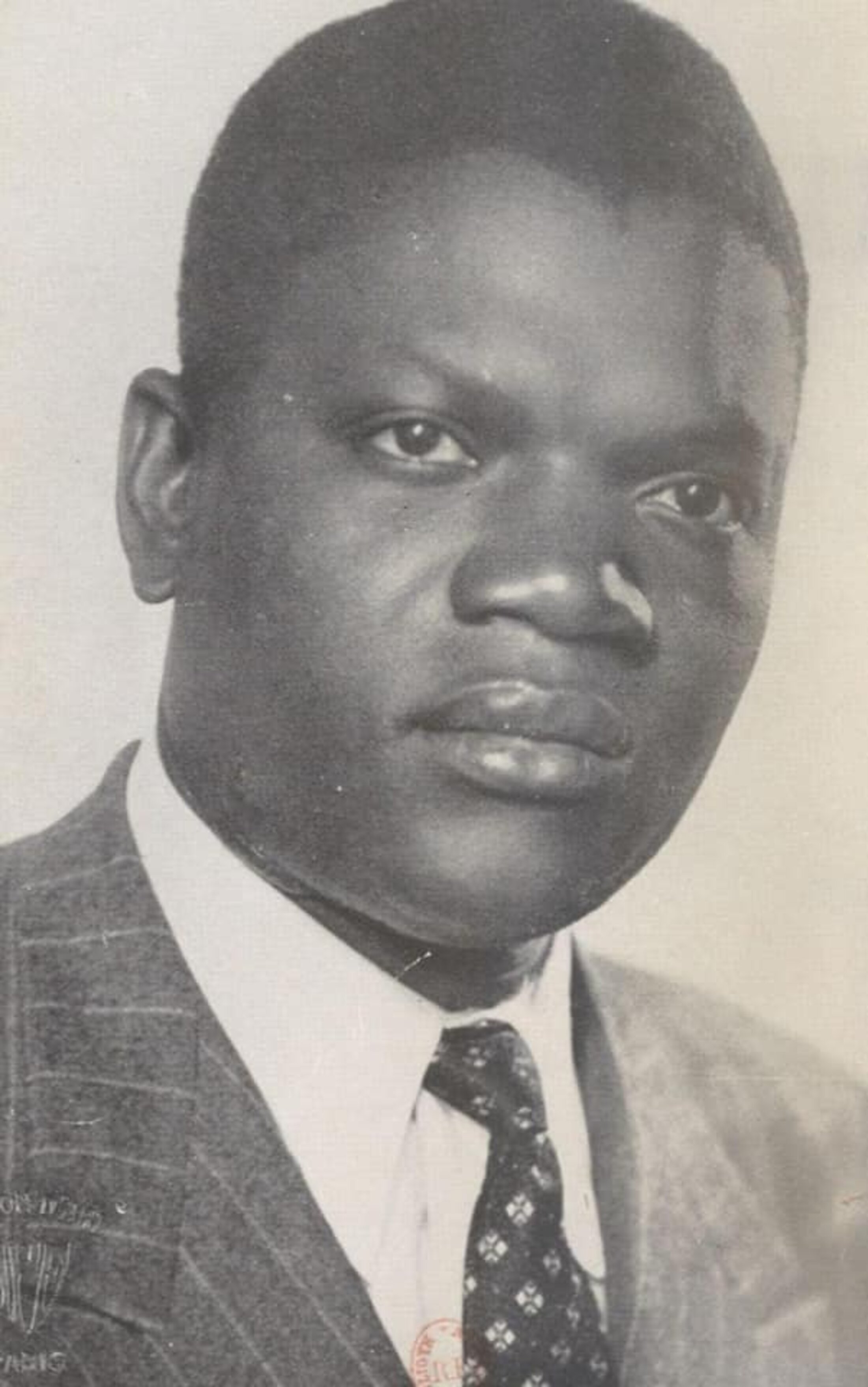
Ousmane Socé Diop
 (Ousmane Soce Diop)
Pioneering Senegalese novelist and veterinary surgeon whose 1935 novel 'Karim' and 1937 'Mirages de Paris' explored the cultural clash between African tradition and Western modernity.
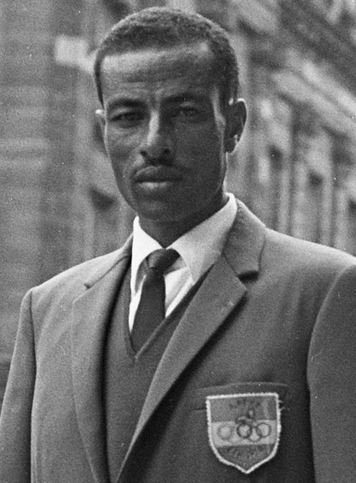
Abebe Bikila
 (አበበ ቢቂላ (Abebe Bikila))
Abebe Bikila was an Ethiopian marathon runner who became the first Black African in history to win an Olympic gold medal, conquering the marathon at the 1960 Rome Olympics running completely barefoot. Repeating his triumph in Tokyo in 1964 six weeks after an appendectomy to become the first repeat marathon champion, he heralded the modern era of East African distance running dominance.