Public Figures & Cultural Luminaries
Filterable archive covering centuries of intellectual, artistic, and moral contributions to the human story.
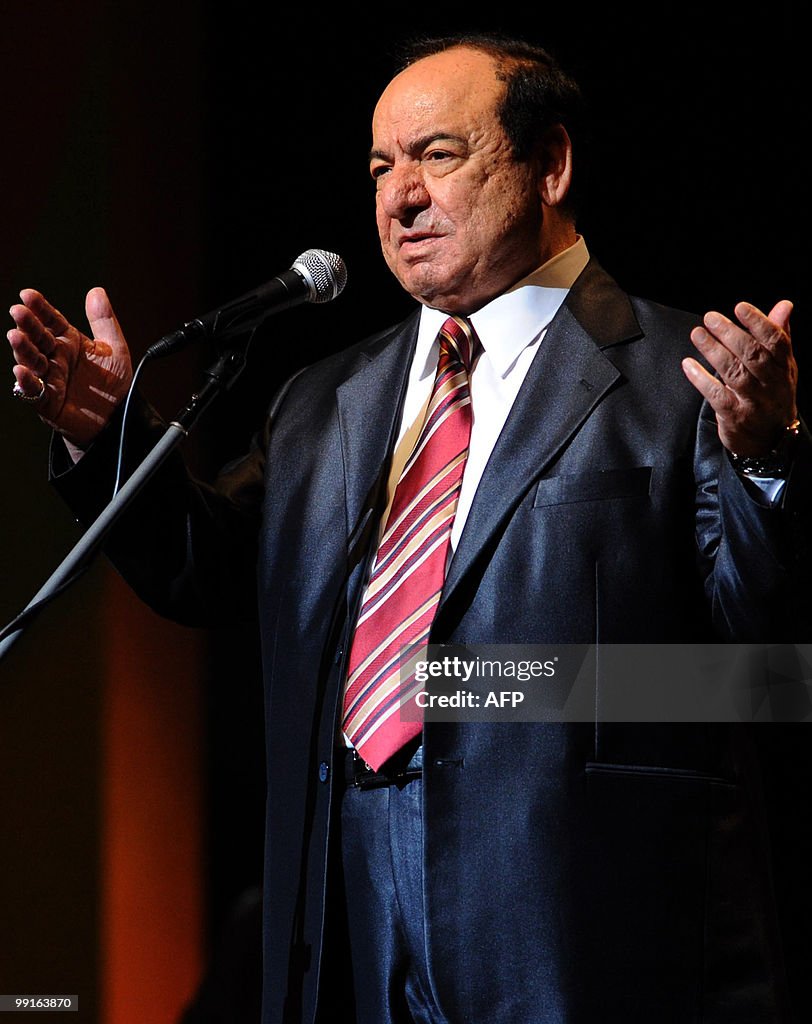
Sabah Fakhri
 (صباح فخري)
Legendary Syrian musical icon whose incomparable vocal stamina, tarab artistry, and mastery preserved the musical heritage of Aleppo.

Ali El Hani
 (علي الهاني)
Eminent botanist and agronomic scientist who safeguarded Tunisia's indigenous olive, date palm, and arid cereal genetics, directing national research on desertification resilience.

Hassen Zirelli
(حسن الزرلي)
Virtuoso master of the qanun (zither) and classical music theorist who modernized Arabic instrumental pedagogy and composed intricate instrumental pieces for the national ensemble.
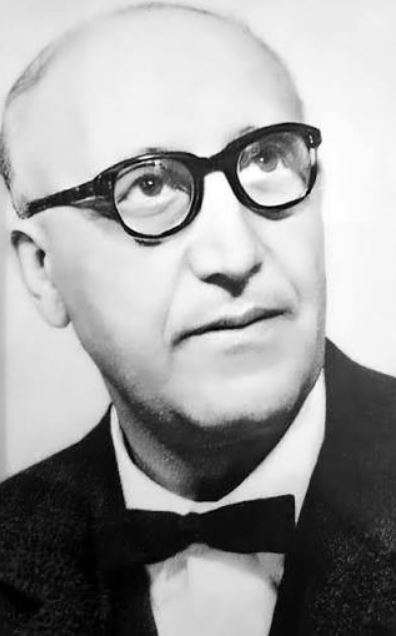
Mohamed Boudhina
(محمد بوذينة)
Venerated radio broadcaster and historian who authored monumental biographical encyclopedias of Tunisian musicians, artists, and poets, preserving oral memories of the nation's cultural golden age.
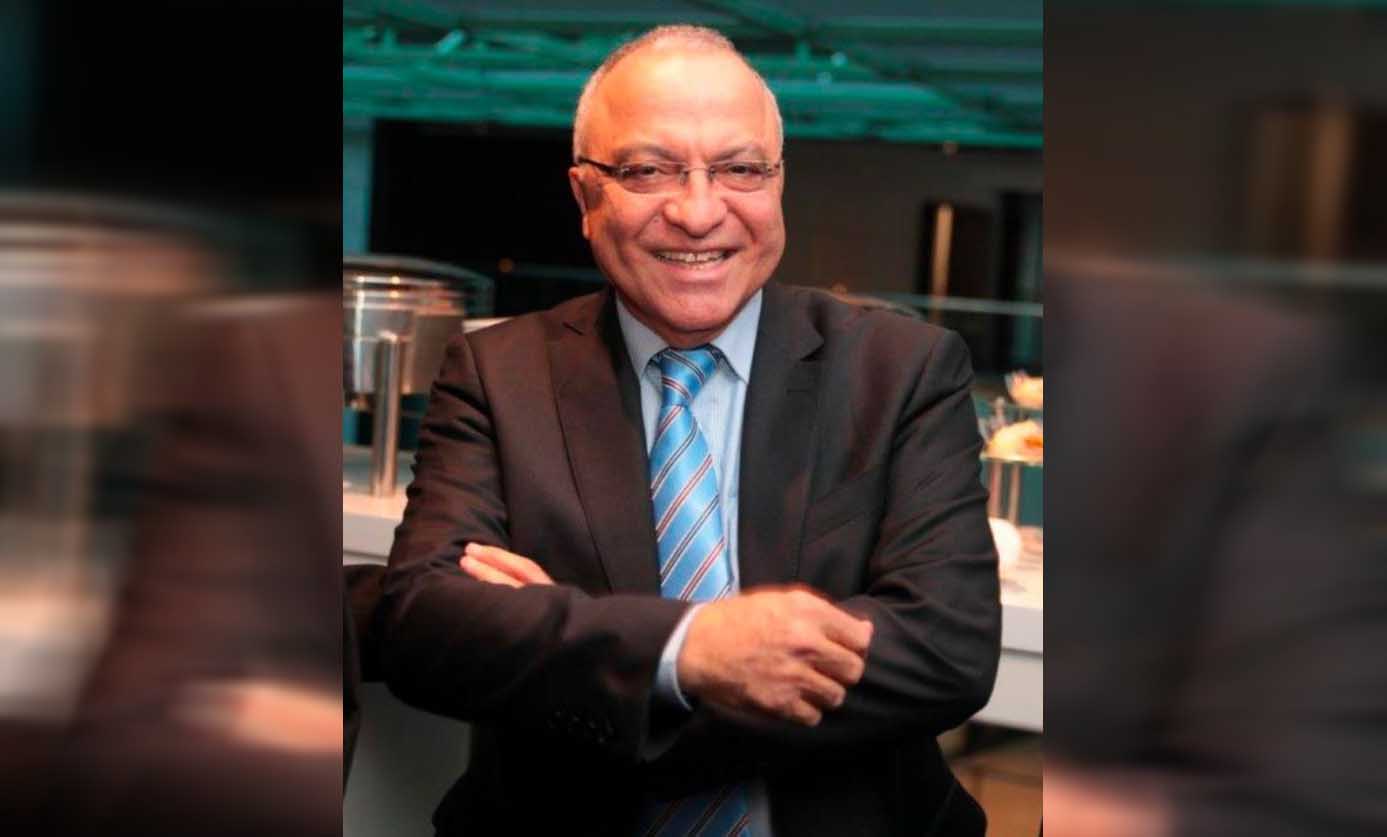
Hassine Ghali
(حسين غالي)
Pioneering pedagogue who authored foundational national school curricula and Arabic language reading manuals that educated millions of Tunisian schoolchildren after independence.
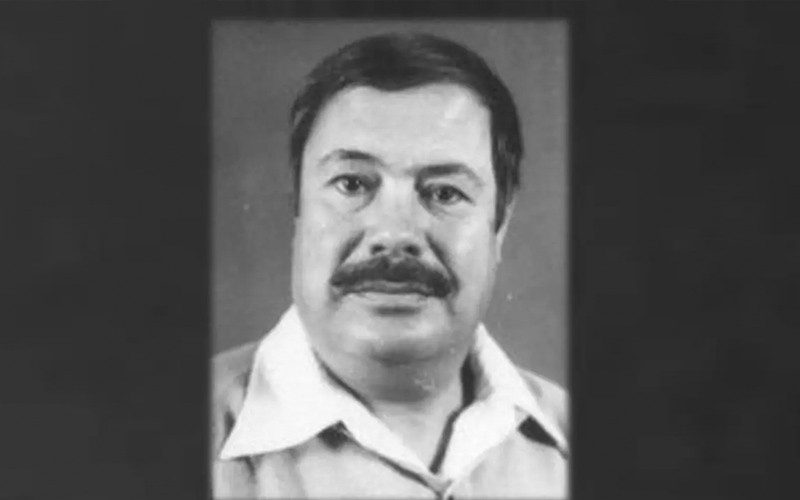
Bechir Torki
(بشير التركي)
Pioneering nuclear physicist who founded Tunisia's Atomic Energy Commission, was elected President of the IAEA General Conference in 1969, and held over thirty international patents in solar desalination.
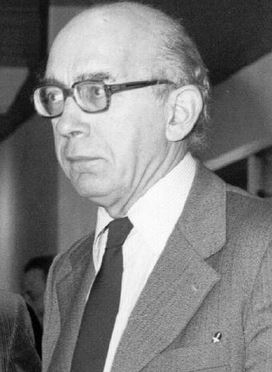
Henri-Géry Hers
 (Henri-Géry Hers)
Pioneering Belgian biochemist at the Catholic University of Leuven and de Duve Institute who discovered inborn lysosomal diseases (Pompe disease) and identified the master metabolic regulator fructose 2,6-bisphosphate.
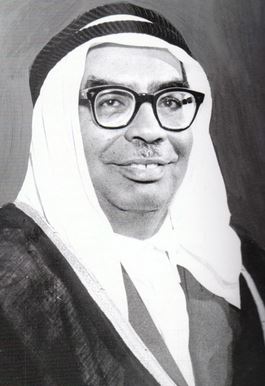
Ahmed Al-Omran
 (أحمد العمران)
Venerated educator recognized as the 'Father of Modern Education in Bahrain' who directed the national educational system for over three decades and served as independent Bahrain's first Minister of Education.
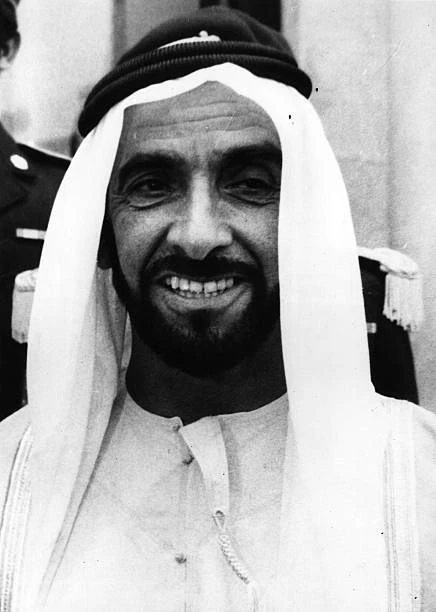
Sheikh Zayed bin Sultan
 (زايد بن سلطان آل نهيان)
Founding father and first President of the United Arab Emirates whose visionary diplomacy united the seven Emirates in 1971.
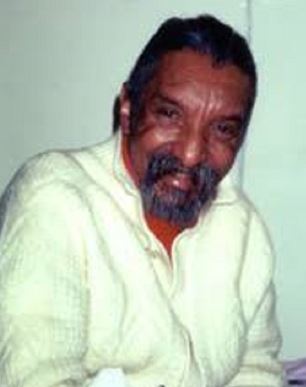
Skunder Boghossian
 (Alexander Boghossian)
Internationally renowned Ethiopian painter who fused Afro-metaphysics, Coptic church iconography, and European surrealism, becoming the first contemporary African artist collected by MoMA.
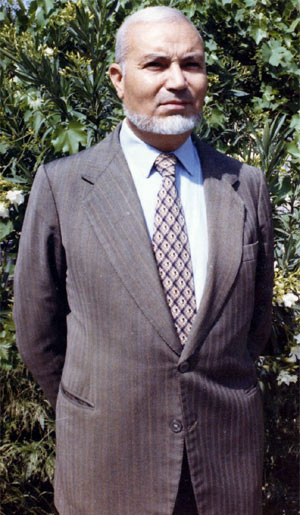
Mongi Ben Hamida
(المنجي بن حميدة)
World-renowned neurologist and neurogeneticist who founded the National Institute of Neurology of Tunis and discovered the genetic etiology of severe childhood muscular dystrophies (Ben Hamida Syndrome).
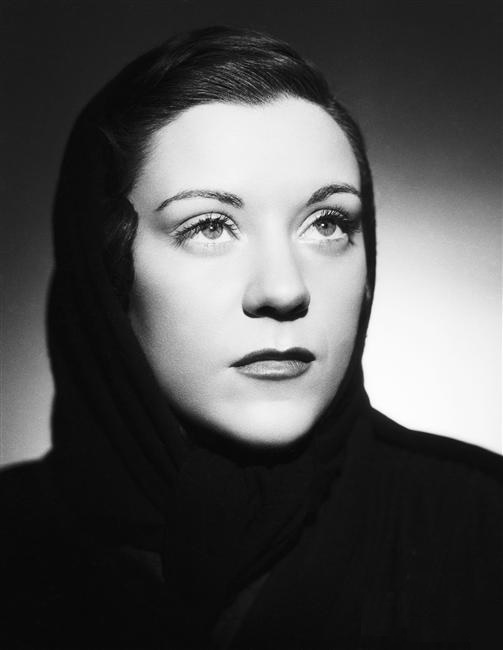
Maria Casarès
 (María Victoria Casares Pérez)
Galician-born tragic actress of volcanic intensity who fled to France during the Spanish Civil War, starred as Death in Jean Cocteau's Orphée, played Nathalie in Children of Paradise, and was the lifelong soulmate of Albert Camus.

Ahmed Louhichi
(أحمد الوحيشي)
Pioneering post-independence civil engineer who directed the construction of major highway arteries, modern water reservoirs, and foundational bridges across the Tunisian Republic.
Lucy Lameck
 (Lucy Selina Lameck Somi)
Pioneering anti-colonial leader who became the first female cabinet minister in independent Tanganyika/Tanzania, establishing the Umoja wa Wanawake wa Tanzania (UWT).
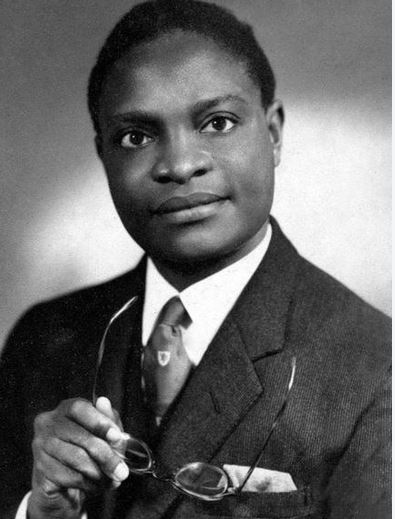
Ignatius Kangave Musazi
 (Ignatius Kangave Musazi)
Venerated nationalist hero acclaimed as the Father of Ugandan Nationalism, who founded the Uganda National Congress (UNC) in 1952 and mobilized cotton farmers.
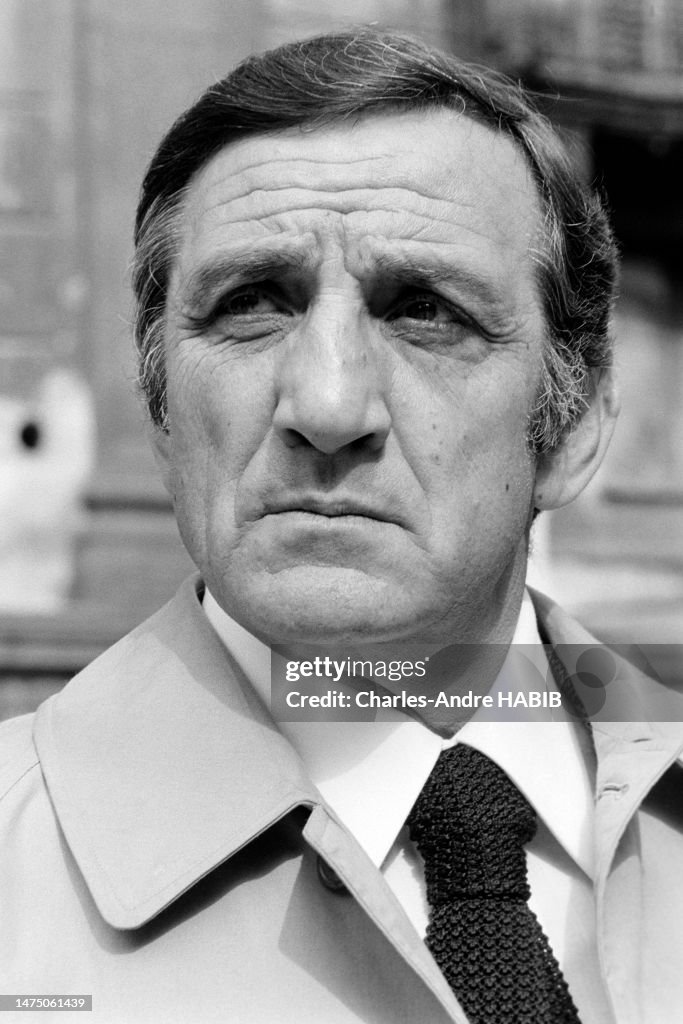
Lino Ventura
 (Angiolino Giuseppe Pasquale Ventura)
Beloved Italian-born titan of French cinema, former European wrestling champion, whose granite jaw and moral gravity anchored French masterpieces including Touchez pas au grisbi, Les Tontons Flingueurs, and L'Armée des ombres.
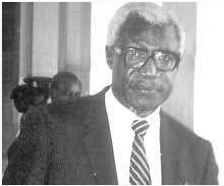
Sylvanus Melea Otieno
 (Sylvanus Melea Otieno)
Eminent Nairobi criminal defense advocate whose sudden death sparked Kenya's most famous constitutional trial: Virginia Wambui Otieno vs. the Umira Kager clan on customary versus common law.
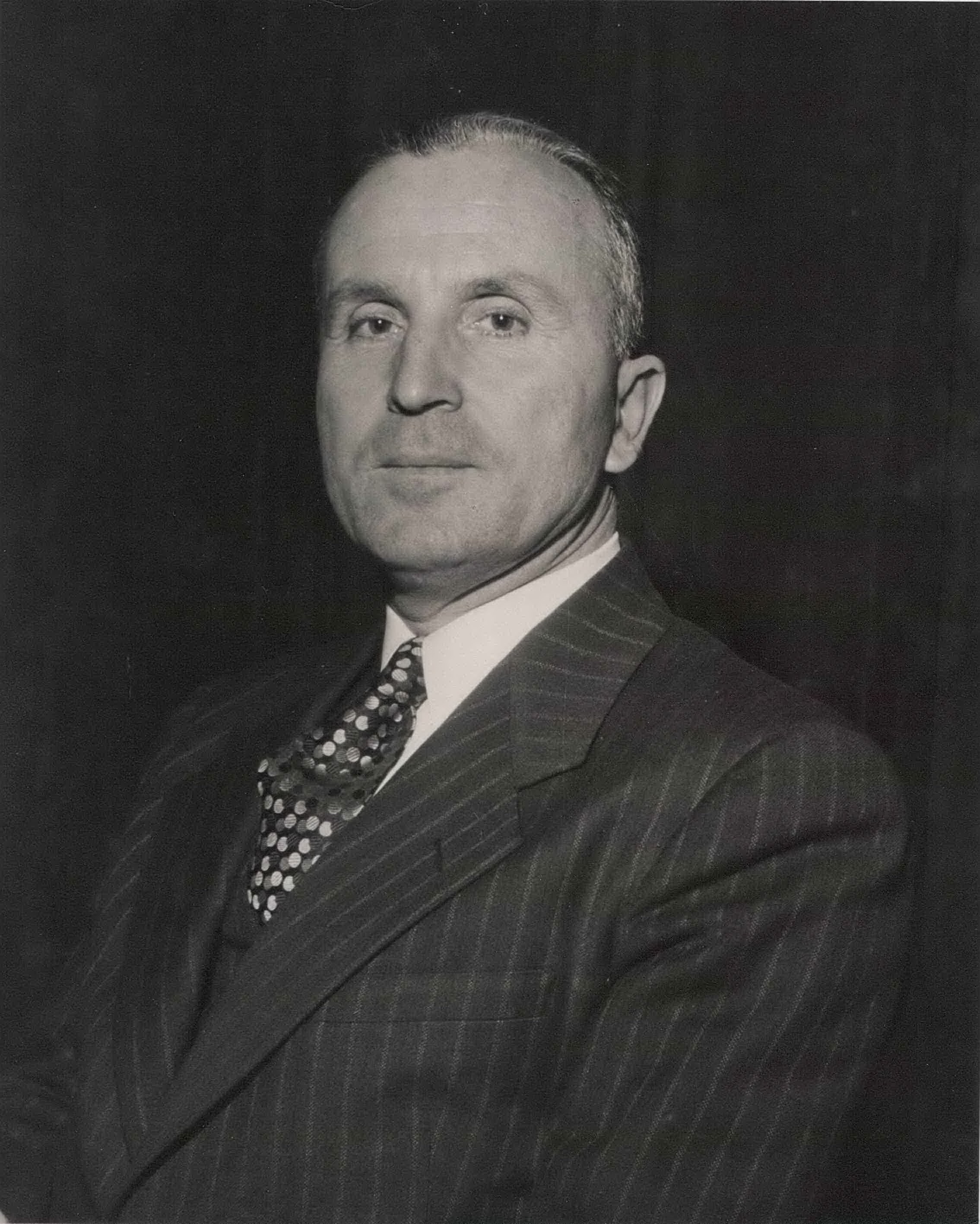
Abdallah El-Yafi
 (عبد الله اليافي)
Seven-time Prime Minister of Lebanon celebrated for his unblemished financial integrity and for granting Lebanese women the right to vote in 1952.