Public Figures & Cultural Luminaries
Filterable archive covering centuries of intellectual, artistic, and moral contributions to the human story.
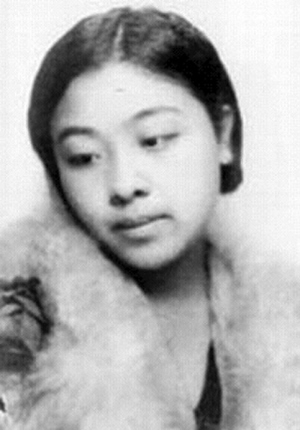
Ding Ling
 (丁玲)
Chinese modernist and feminist writer who shocked readers with Miss Sophia's Diary in 1928 and won the 1951 Stalin Prize for The Sun Shines Over the Sanggan River.
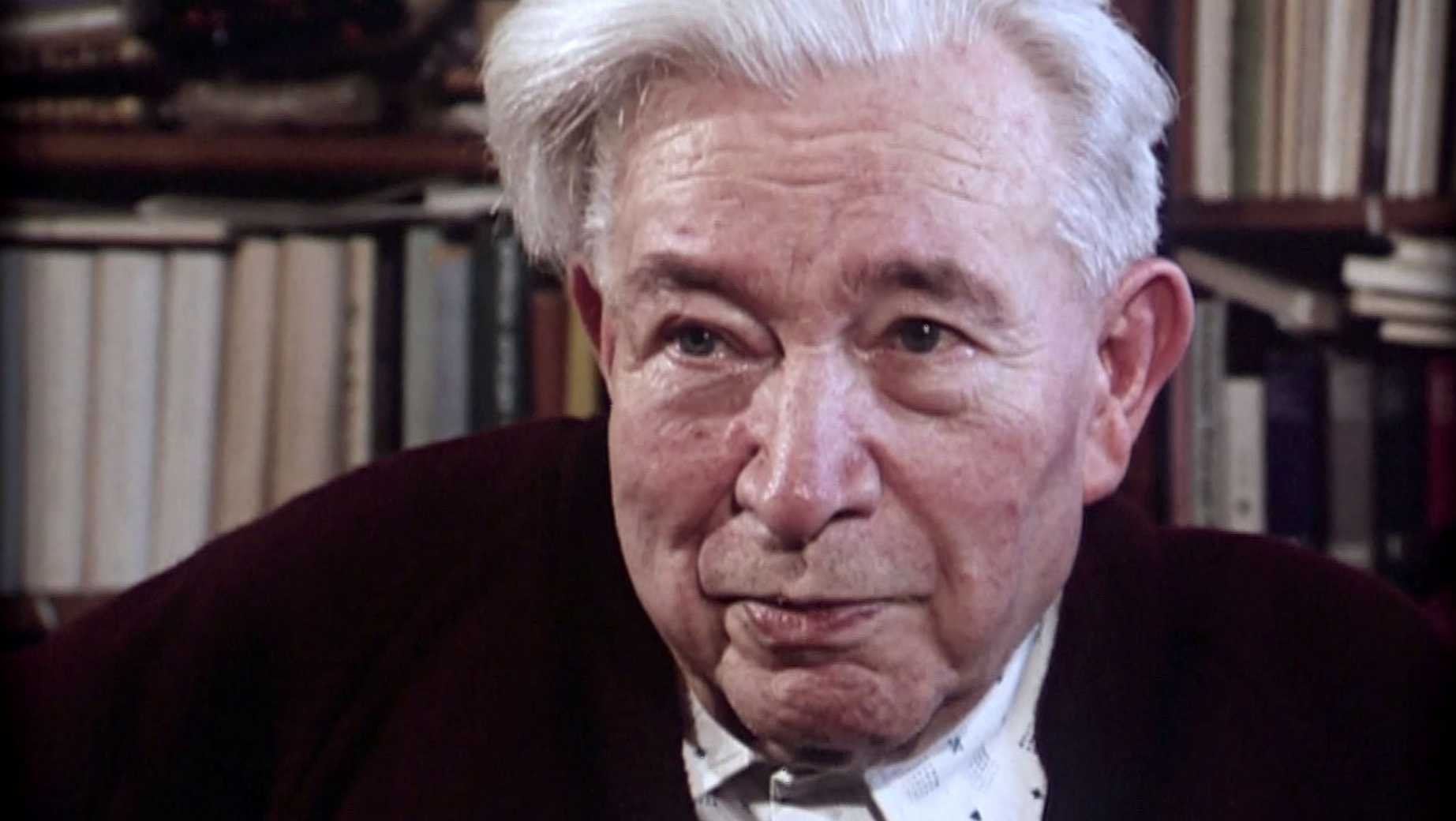
Jaroslav Seifert
 (Jaroslav Seifert)
Beloved lyric poet of Prague and Nobel Prize in Literature laureate (1984) who championed artistic freedom, co-founded Poetism, and signed Charter 77 in defiance of totalitarian censorship.
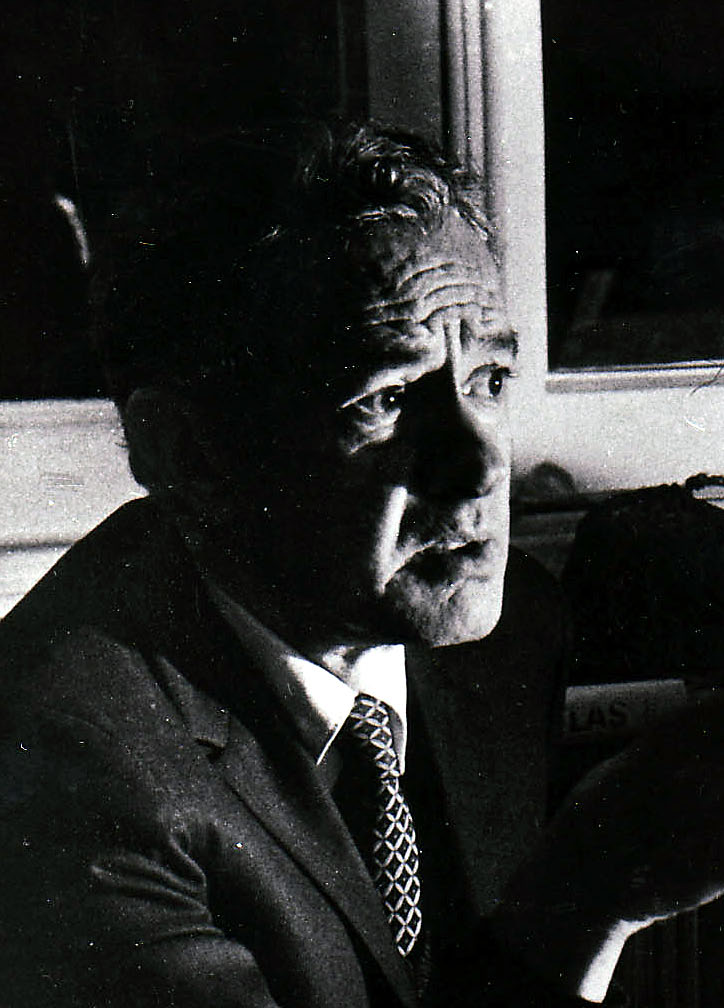
Juan Rulfo
 (Juan Nepomuceno Carlos Pérez Rulfo Vizcaíno)
Mexican author whose sparse output of one novel, Pedro Paramo, and one short-story collection, The Burning Plain, stands among the greatest achievements of twentieth-century world literature.
Gholam-Hossein Sa'edi
 (غلامحسین ساعدی / گوهر مراد)
Brilliant Iranian playwright and psychiatrist whose collection 'The Mourners of Bayal' was adapted into the historic Iranian New Wave film 'The Cow'.
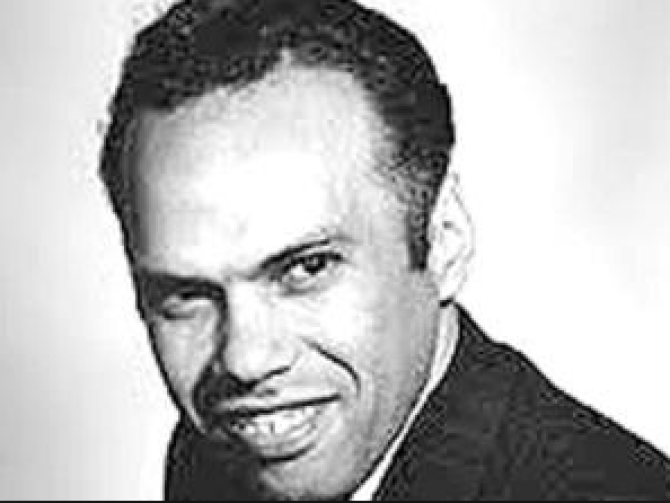
Alex La Guma
 (Justin Alexander La Guma)
Master realist novelist and anti-apartheid leader whose works 'A Walk in the Night' and 'In the Fog of the Seasons' End' captured the brutal social reality of South Africa.
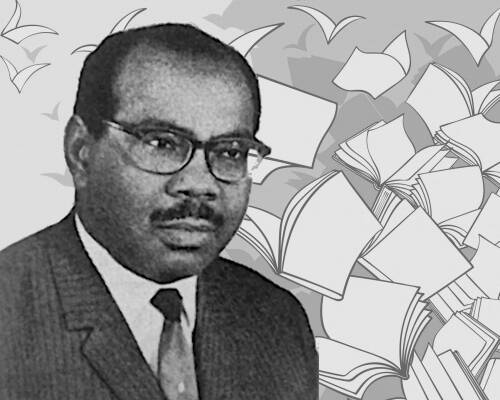
Geraldo Bessa-Victor
 (Geraldo Bessa-Victor)
Prominent Angolan poet, jurist, and essayist whose lyrical collections Ecos Dispersos and Ao Som das Marimbas explored mestizo identity, folklore, and the African soul.
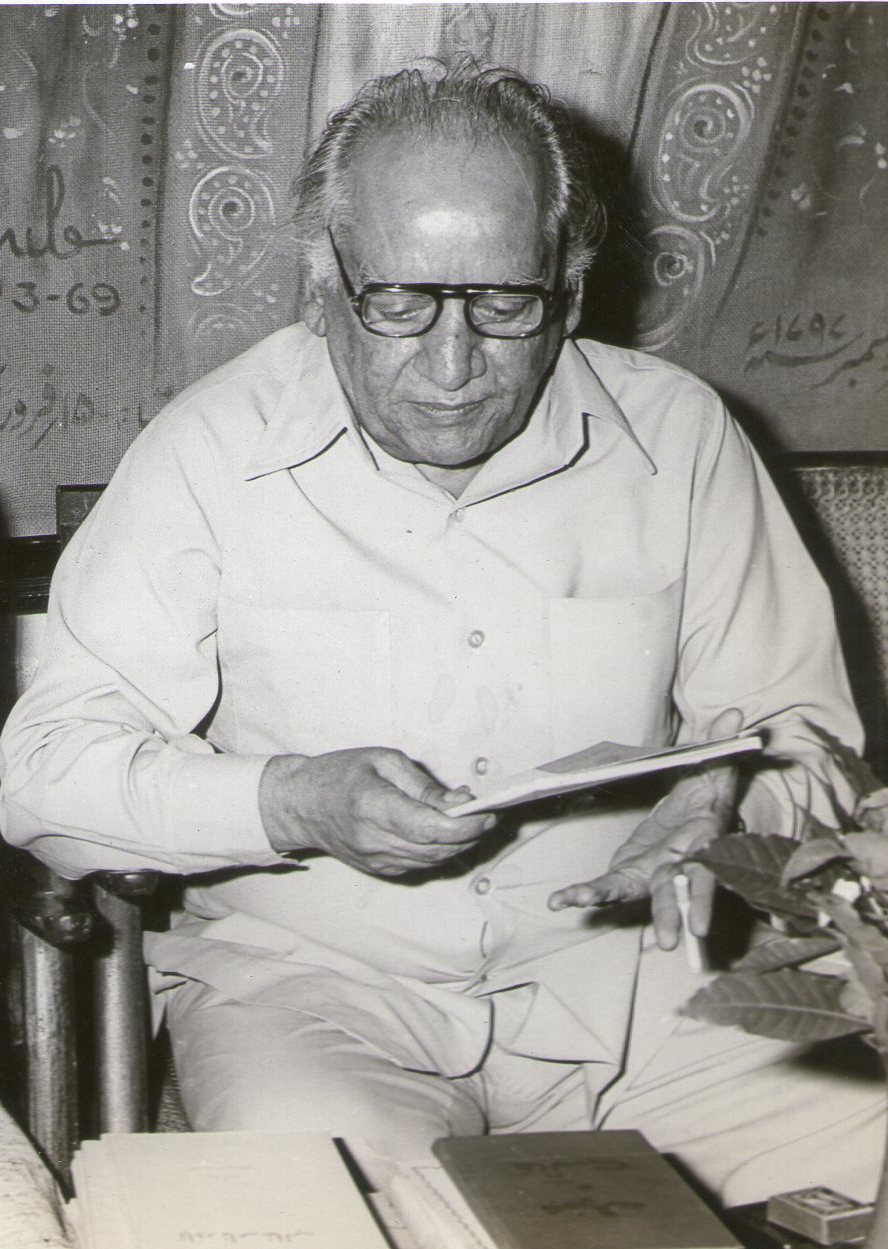
Faiz Ahmad Faiz
 (فیض احمد فیض)
Celebrated 20th-century progressive Urdu poet (1911–1984), awarded the International Lenin Peace Prize, whose lyrical verse melded classical ghazal romanticism with passionate advocacy for human rights and democracy.
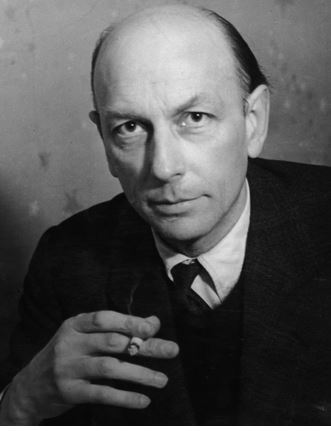
Henri Michaux
 (Henri Michaux)
Enigmatic Belgian-born French poet and painter who explored the inner labyrinth of the human subconscious in Un barbare en Asie, created the absurdist character Plume, and pioneered psychological mescaline drawings.
António Aurélio Gonçalves
 (António Aurélio Gonçalves)
Preeminent Cape Verdean novelist, critic, and historian affectionately known as 'Nhô Roque', whose subtle psychological novellas ('Prisâo de Amor', 'Noite de Vento') captured the soul of Mindelo.
Uladzimir Karatkievic
 (Уладзімір Караткевіч)
Beloved historical novelist and romantic whose thrilling gothic mystery 'King Stakh's Wild Hunt' and epic 'The Ears of Rye Under Thy Sickle' revitalized interest in Belarusian grand history.
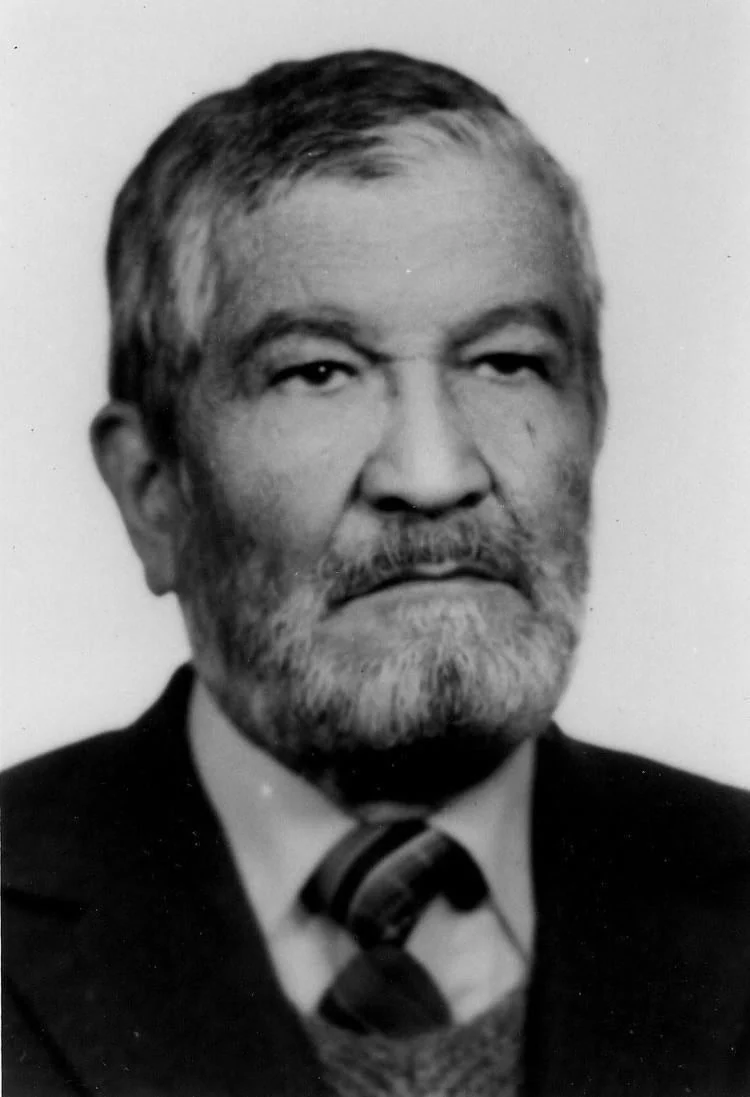
Abdul Hai Habibi
 (عبدالحی حبيبي)
Distinguished Afghan scholar and historian revered as Allama Habibi who authored over one hundred books on Central Asian history and edited ancient manuscripts including Pata Khazana.
Izzat Darwaza
 (عزت دروزة)
Founding leader of the Arab independence movement, co-founder of the Istiqlal Party, and author of the thirty-volume historical Tafsir 'Al-Tafsir al-Hadith'.
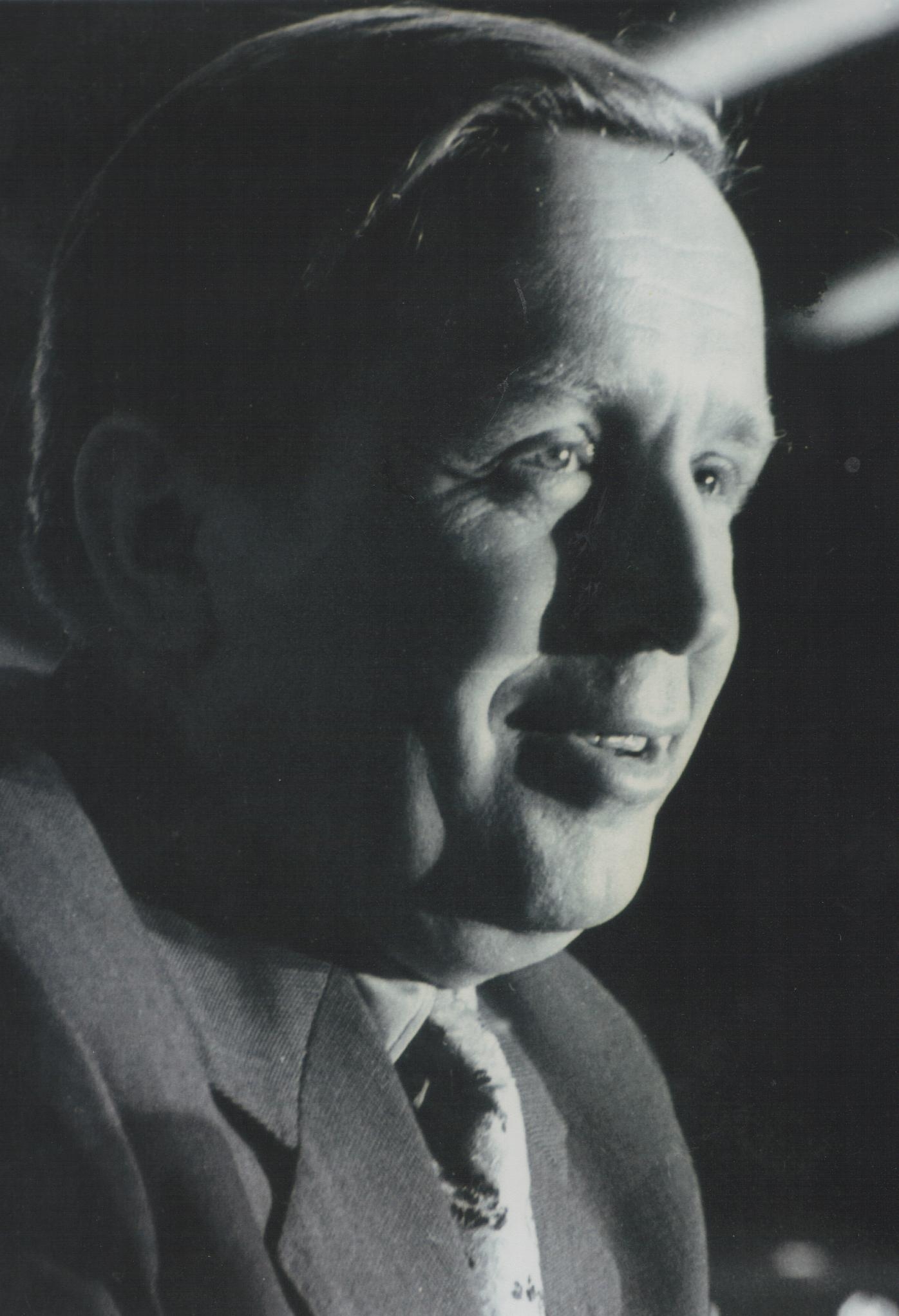
Branko Ćopić
 (Бранко Ћопић)
Universally cherished Bosnian storyteller and satirist whose tender humor and masterpieces ('Bašta sljezove boje', 'Doživljaji Nikoletine Bursaća') brought warmth to generations of readers.
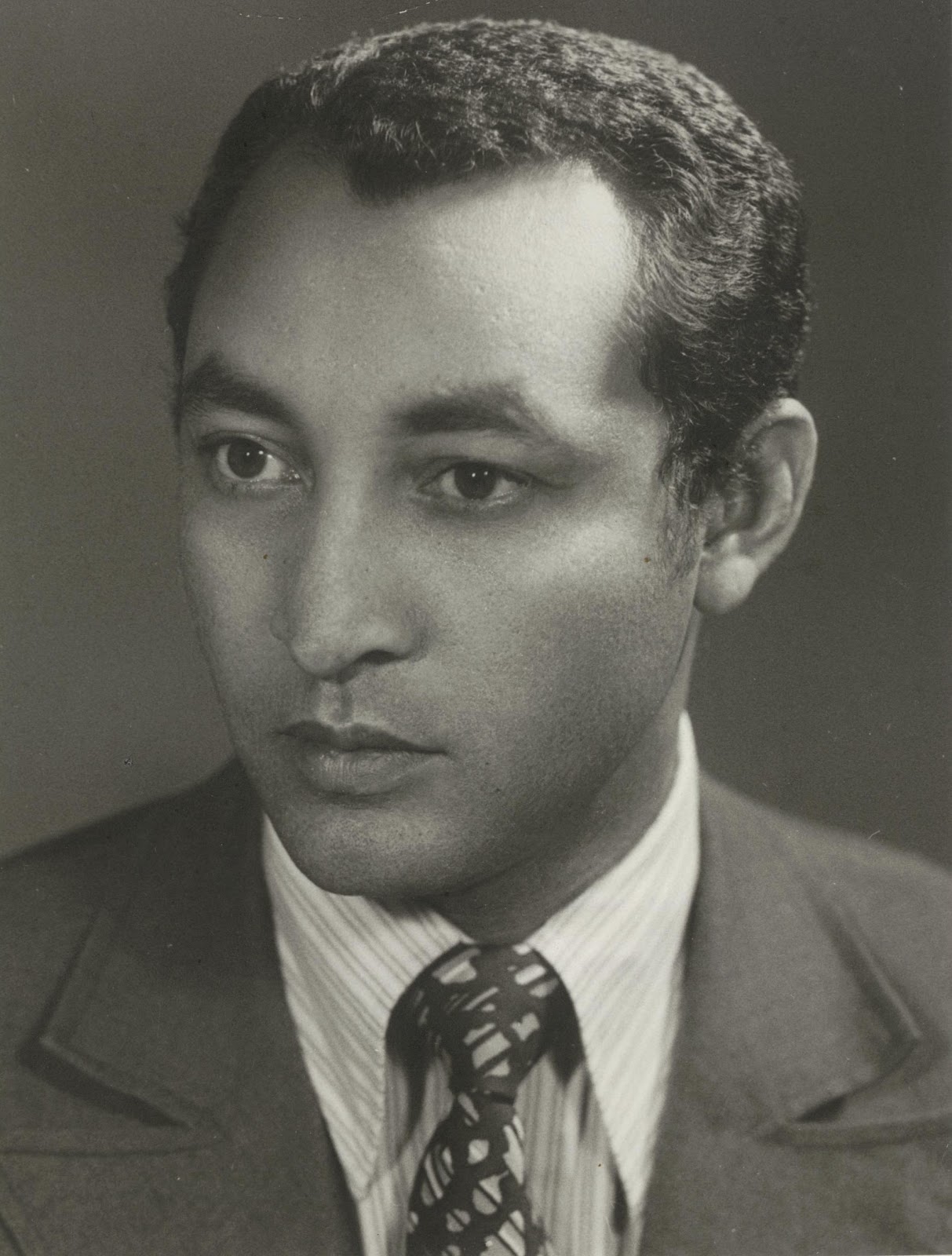
Baalu Girma
 (Baalu Girma)
Fearless Ethiopian investigative novelist and journalist whose 1983 masterwork 'Oromay' exposed the corruption and failures of the Red Star Campaign, leading to his assassination by the Derg.
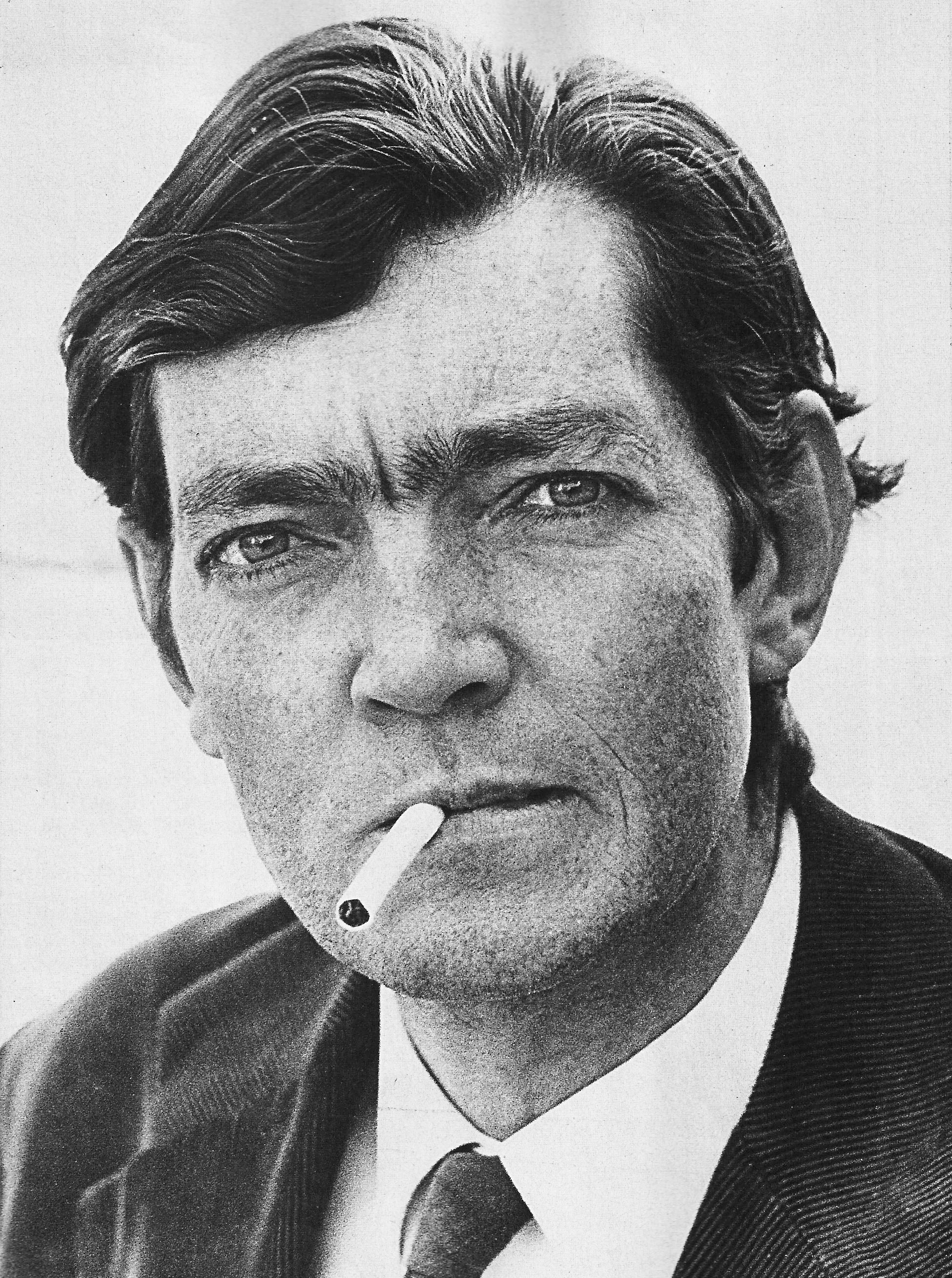
Julio Cortázar
(Julio Florencio Cortázar)
Giant of the Latin American Literary Boom and master of the fantastical short story whose counter-novel Rayuela (Hopscotch, 1963) and stories like Axolotl and Blow-Up transformed contemporary world fiction.
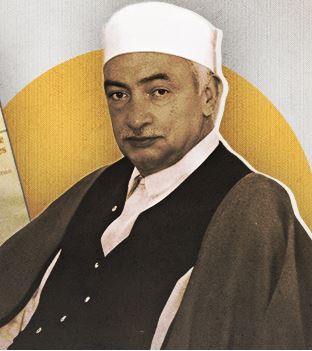
Bechir Khraief
 (البشير خريف)
Pioneering Tunisian novelist and educator acclaimed as the 'Father of the Modern Tunisian Novel', who daringly introduced spoken vernacular dialogue into literature in his masterwork 'Degla fi Arajiniha' (Dates on their Bunches).
Yves Thériault
 (Yves Thériault)
One of Canada's most widely translated novelists whose 1958 Arctic masterpiece Agaguk brought Inuit culture and survival into world literature, published in millions of copies across twenty languages.
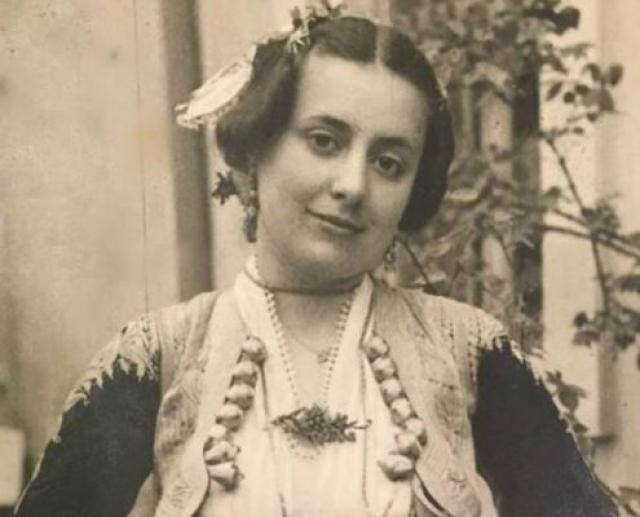
Musine Kokalari
 (Musine Kokalari)
First female published author in Albanian history who founded the Social Democratic Party in 1943, survived thirty-seven years of communist prison and internal exile, and died an unbroken martyr.