Public Figures & Cultural Luminaries
Filterable archive covering centuries of intellectual, artistic, and moral contributions to the human story.
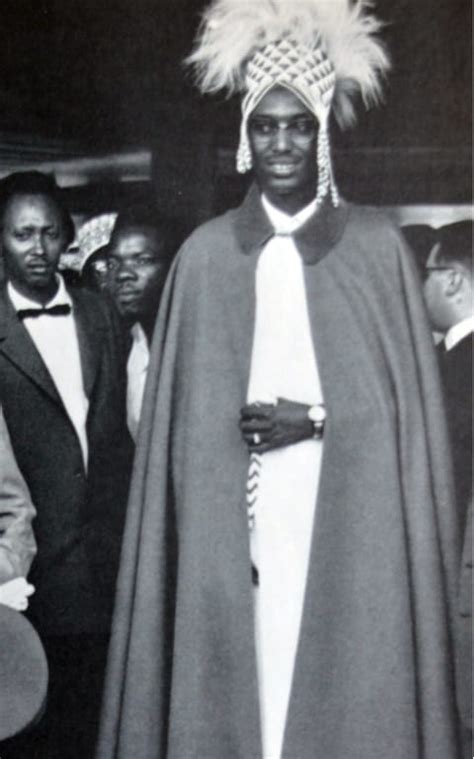
King Kigeli V Ndahindurwa
 (Jean-Baptiste Ndahindurwa)
The last reigning Mwami (King) of Rwanda (1959–1961) who advocated peaceful constitutional monarchy and dedicated his fifty-five years in exile to refugee humanitarian welfare.
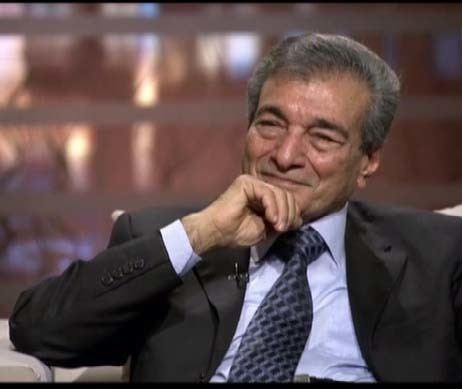
Farouk Shousha
 (فاروق شوشة)
Celebrated lyric poet and iconic radio broadcaster whose program 'Our Beautiful Language' (Lughatuna al-Jamila) aired for forty years, serving as President of the Academy of the Arabic Language in Cairo.
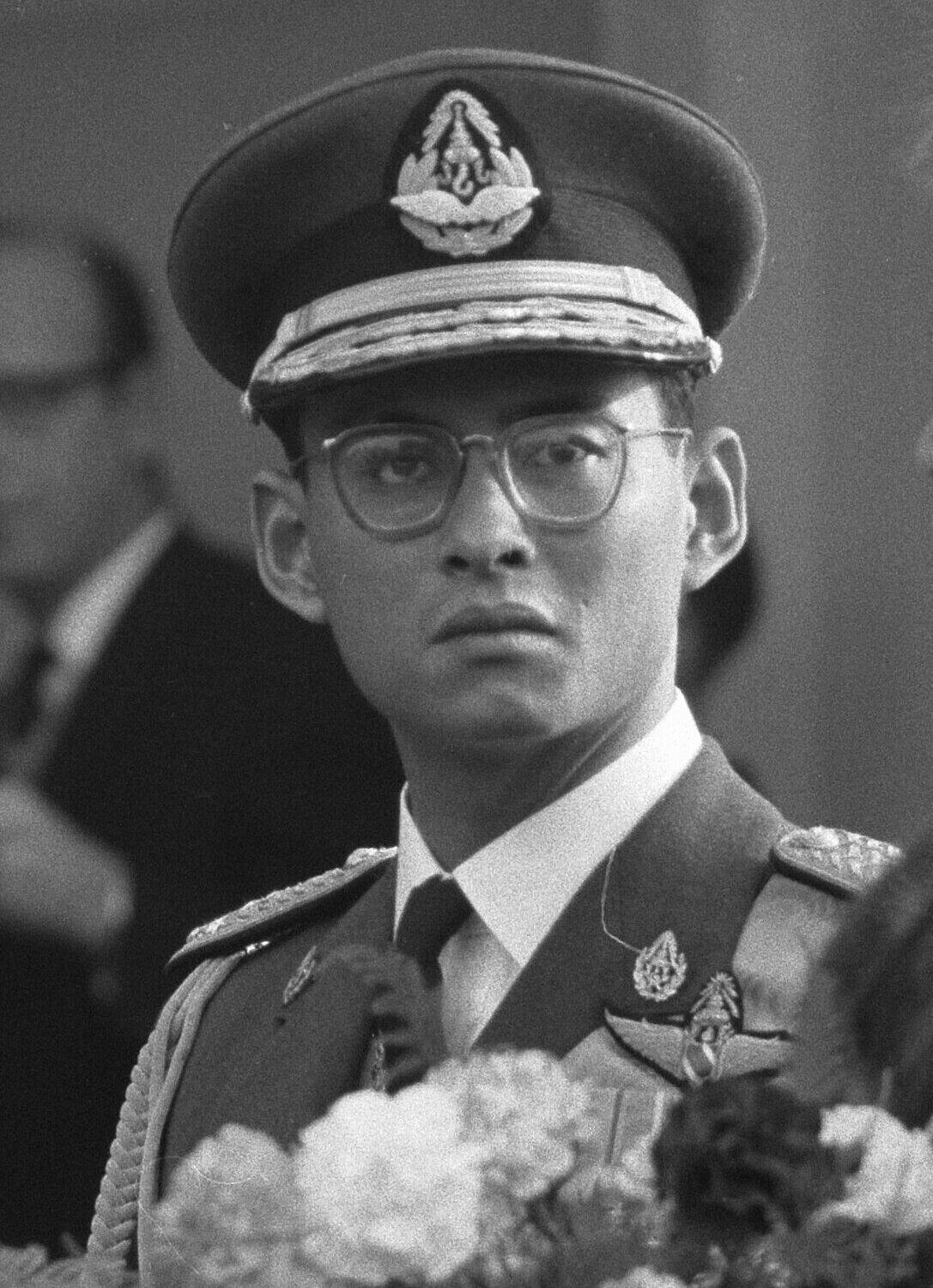
King Bhumibol Adulyadej (Rama IX)
 (พระบาทสมเด็จพระบรมชนกาธิเบศร มหาภูมิพลอดุลยเดชมหาราช)
Ninth monarch of the Chakri Dynasty of Thailand whose 70-year reign made him one of the longest-reigning monarchs in history, revered as the moral anchor of Thailand who initiated 4,000 royal development projects.
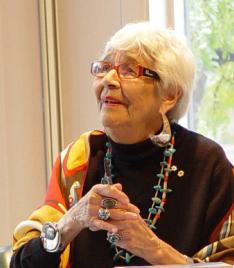
Daphne Odjig
 (Daphne Odjig)
Pioneering Potawatomi-Odawa artist who co-founded the Indian Group of Seven in 1973, blending cubist and Indigenous woodland styles, and became the first Indigenous woman admitted to the Royal Canadian Academy of Arts.
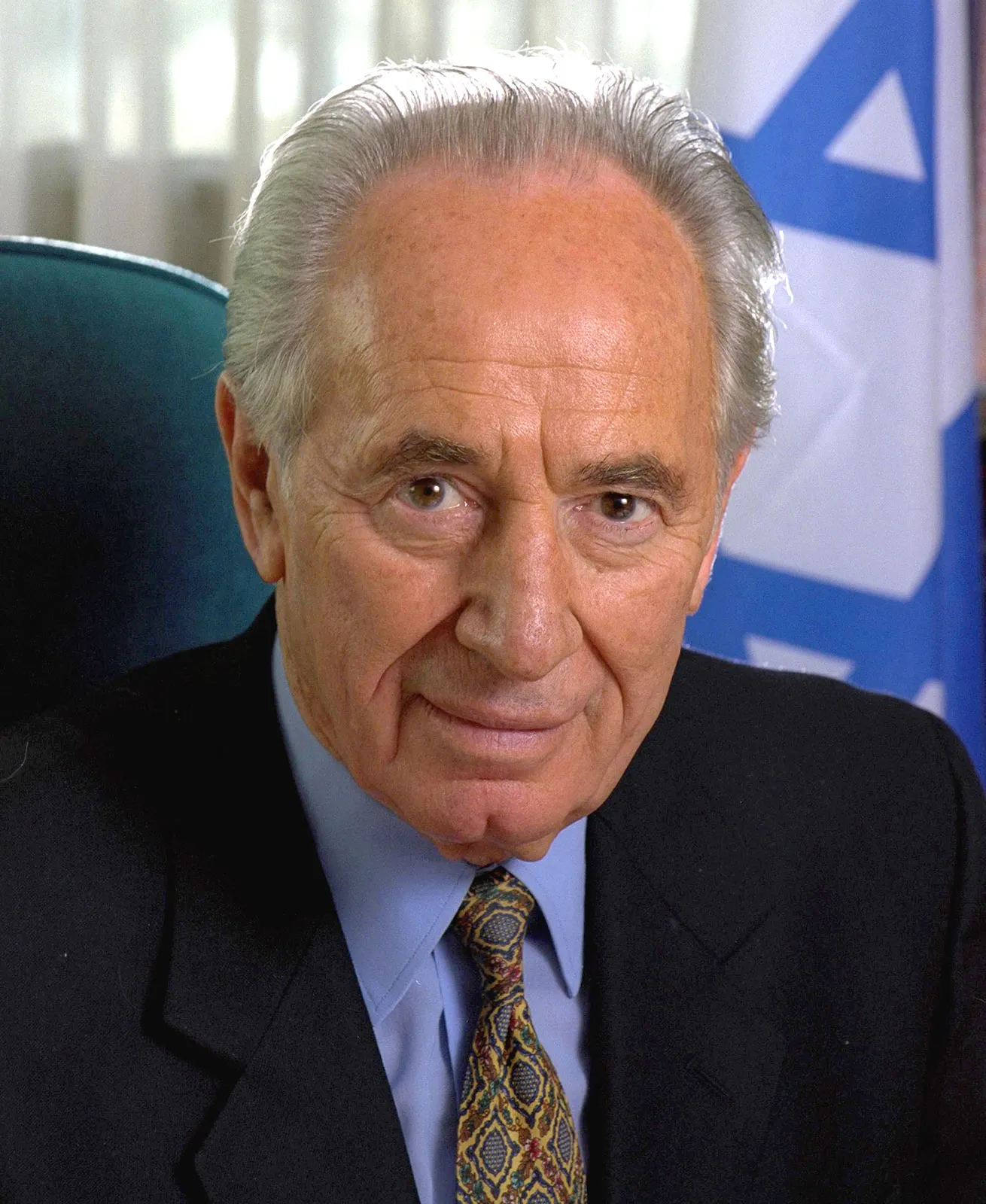
Shimon Peres
 (שמעון פרס)
Premier ministre et président de l'État d'Israël, artisan central des accords de paix d'Oslo de 1993 et lauréat du prix Nobel de la paix 1994.
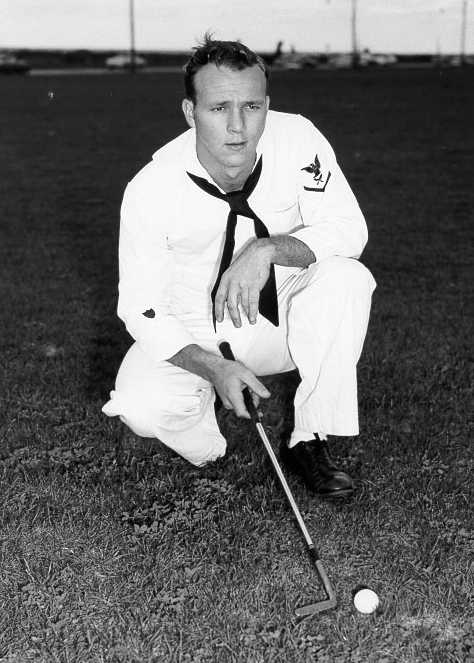
Arnold Daniel Palmer
 (Arnold Daniel Palmer)
American professional golfer universally known as 'The King', won seven major championships and popularized golf for the television era with 'Arnie's Army'.
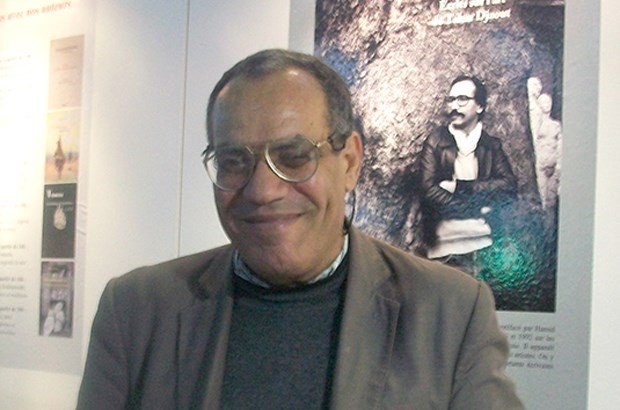
Hamid Nacer-Khodja
 (حميد ناصر خوجة)
Esteemed Algerian poet and professor at the University of Djelfa, whose scholarly research single-handedly rescued and published the complete works of Jean Sénac.
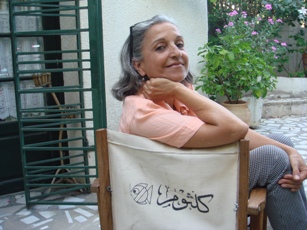
Kalthoum Bornaz
 (كلثوم برناز)
Pioneering female Tunisian filmmaker and editor whose feature films Keswa (The Thread of the Tale) and The Other Half of the Sky explored female emancipation, generational memory, and cultural tradition.
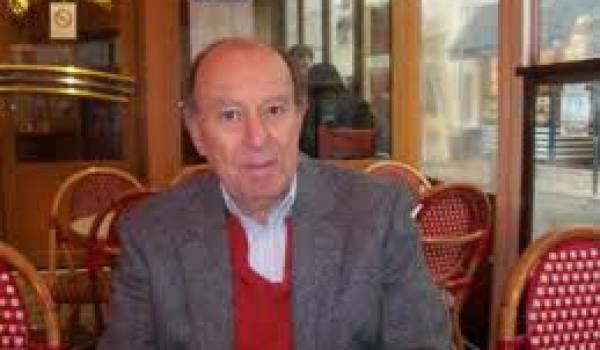
Nabile Farès
(نبيل فارس)
Visionary Algerian novelist, poet, and psychoanalyst whose avant-garde trilogy 'The Discovery of the Passions' explored the psychological wounds of colonization, exile, and Amazigh identity.
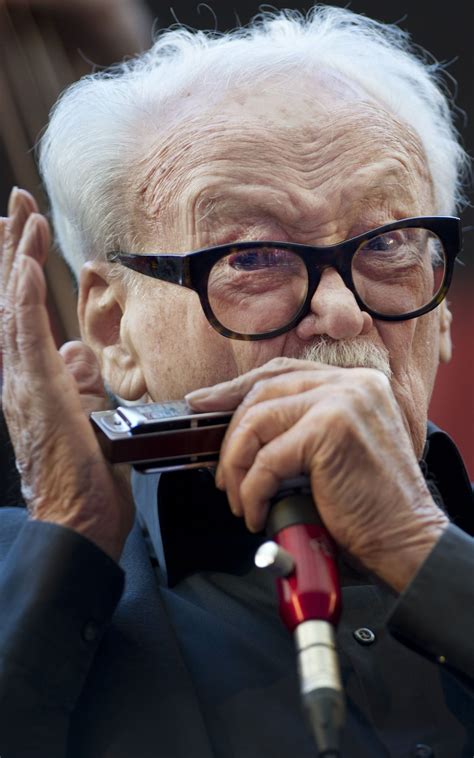
Toots Thielemans
 (Jean-Baptiste Frédéric Isidor Thielemans)
World-renowned jazz giant from the working-class Marolles district of Brussels who elevated the chromatic harmonica into a premier jazz solo instrument, composed Bluesette, and performed with Charlie Parker and Quincy Jones.
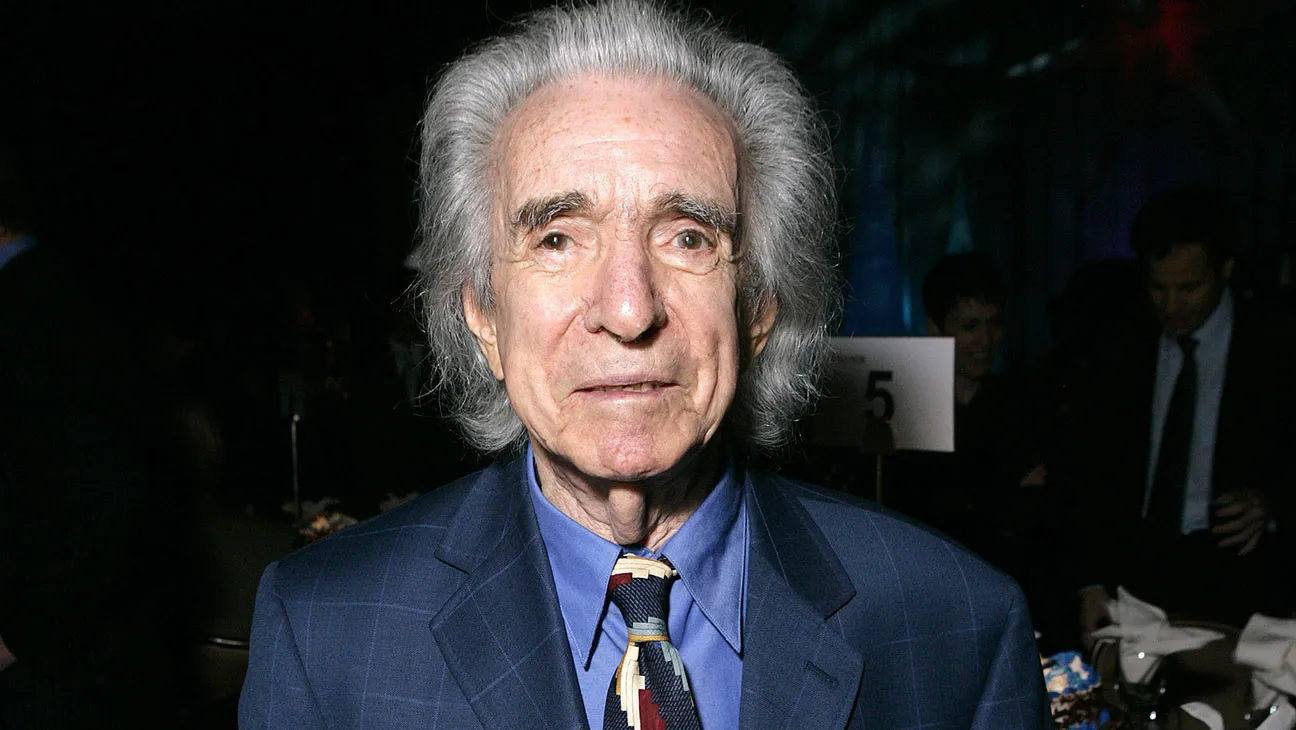
Arthur Hiller
(Arthur Hiller)
Edmonton-born Hollywood film director whose global blockbuster Love Story and satirical classic The Hospital earned major Academy Awards, and who served as Academy President.
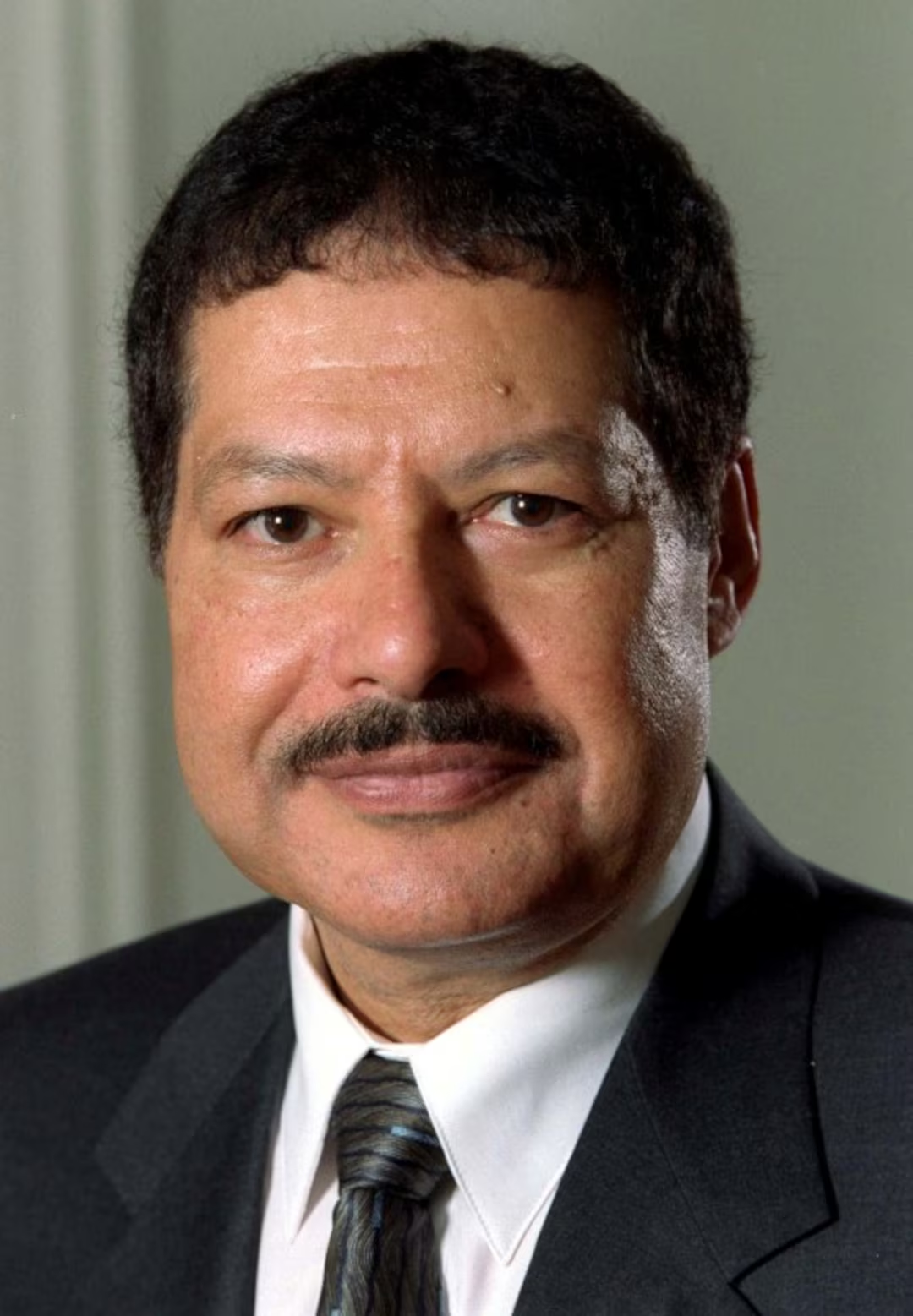
Ahmed Zewail
(أحمد حسن زويل)
Egyptian-American chemist revered as the 'father of femtochemistry' who used ultrafast lasers to film chemical bonds breaking and forming in real time.
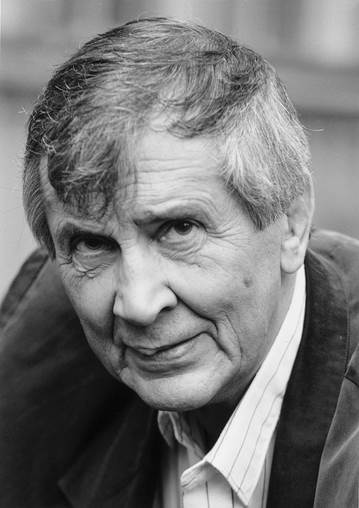
Einojuhani Rautavaara
 (Einojuhani Rautavaara)
Visionary Finnish composer whose luminous, mystical works—notably Cantus Arcticus (Concerto for Birds and Orchestra) and Symphony No. 7 Angel of Light—captivated the global classical music world.
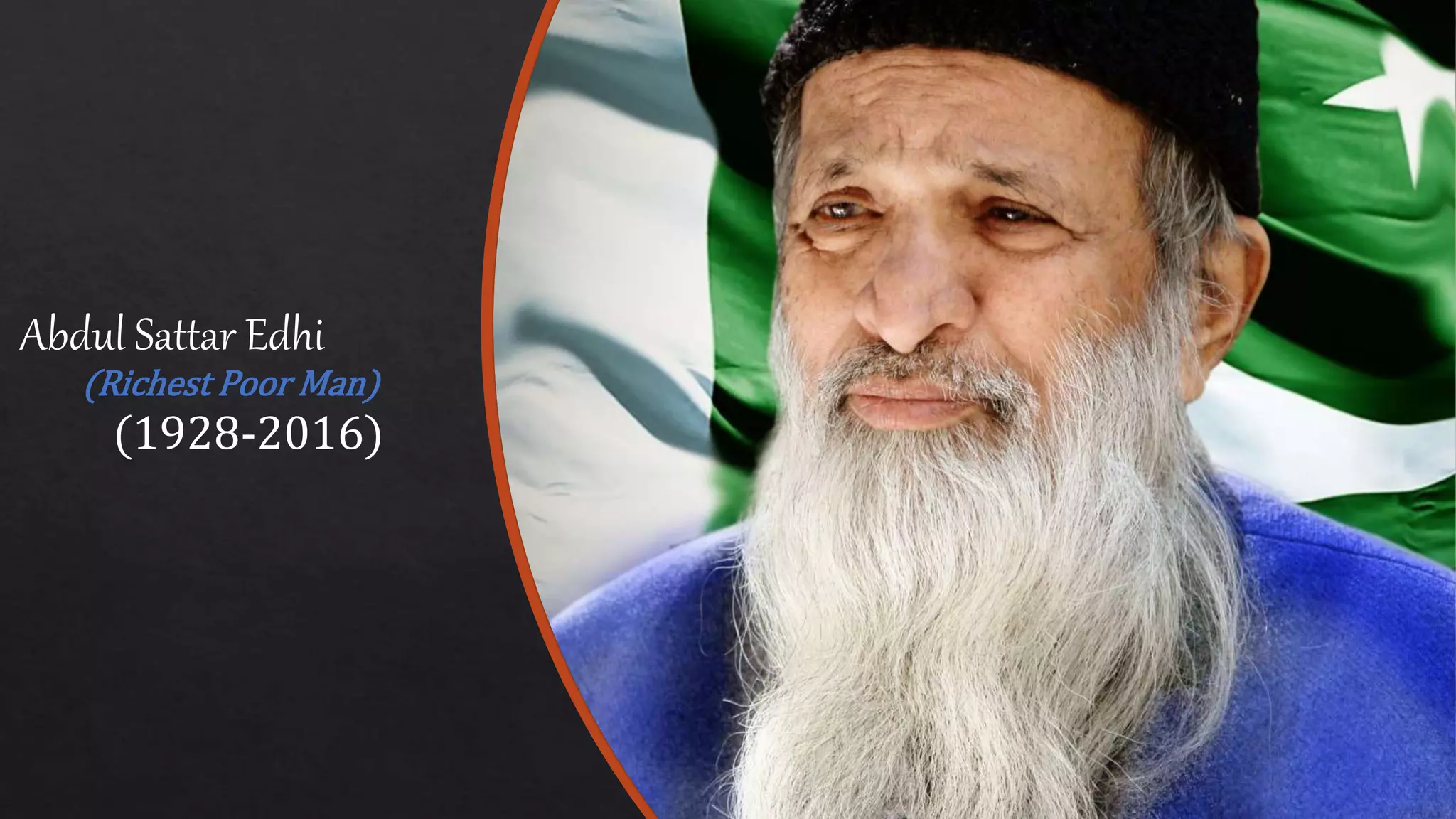
Abdul Sattar Edhi
 (عبد الستار ایدھی)
Icône humanitaire pakistanaise surnommée l'« Ange de la miséricorde », créateur du plus vaste réseau ambulancier et d'orphelinats bénévoles au monde.
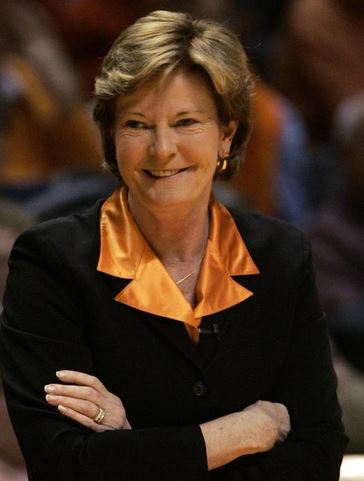
Pat Summitt
(Patricia Sue Head Summitt)
Patricia Sue Head Summitt was a monumental American basketball coach who transformed women's sports during her 38-year reign at the University of Tennessee (1974–2012). Winning eight NCAA national championships and 1,098 games—the most in NCAA Division I basketball history at her retirement—her ferocious 'death glare', 100% player graduation rate, and courage against early-onset Alzheimer's made her a national hero.
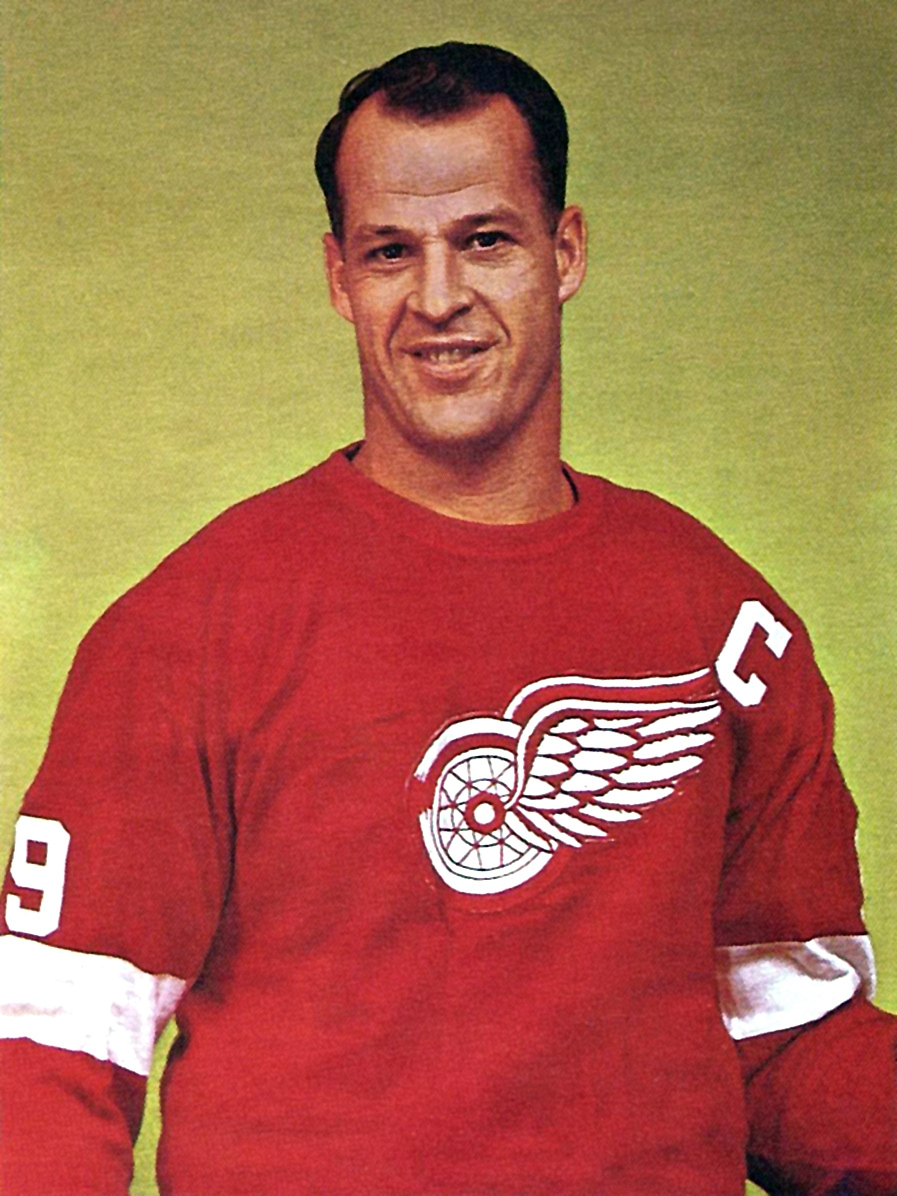
Gordon Howe
(Gordon Howe)
Canadian professional ice hockey player universally revered as 'Mr. Hockey', played 32 professional seasons across five decades and won four Stanley Cups.
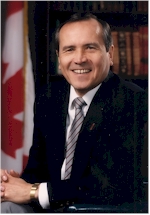
Leonard Marchand
(Len Marchand)
Trailblazing Syilx (Okanagan) agronomist who in 1968 became the first Status Indian elected to the Canadian Parliament, breaking political barriers in federal cabinet.
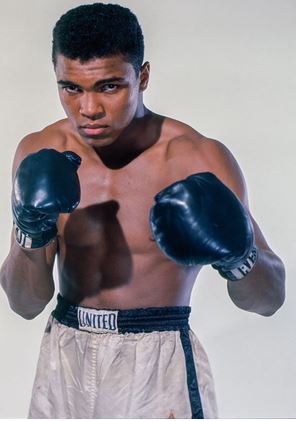
Muhammad Ali
(Cassius Marcellus Clay Jr.)
Muhammad Ali is universally acclaimed as the most celebrated boxer in sports history and a titanic twentieth-century cultural icon. The only three-time lineal world heavyweight champion, his lightning footwork, lyrical poetry ('float like a butterfly, sting like a bee'), and moral courage in refusing military induction during the Vietnam War made him a global champion of freedom and human dignity.