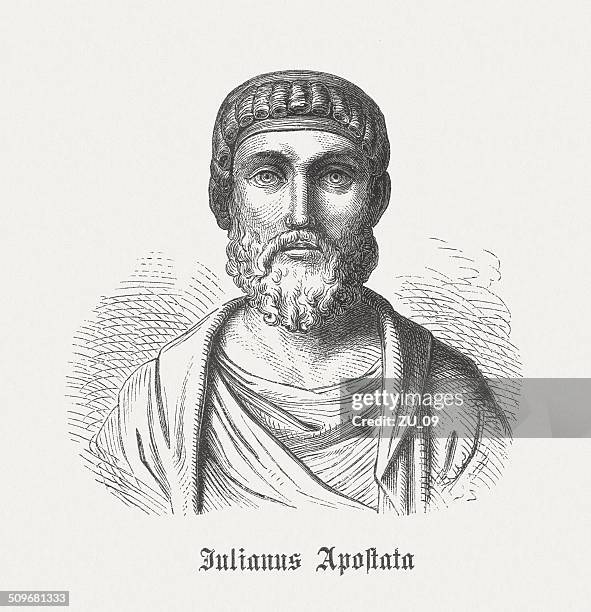
Julian (Julian the Apostate)
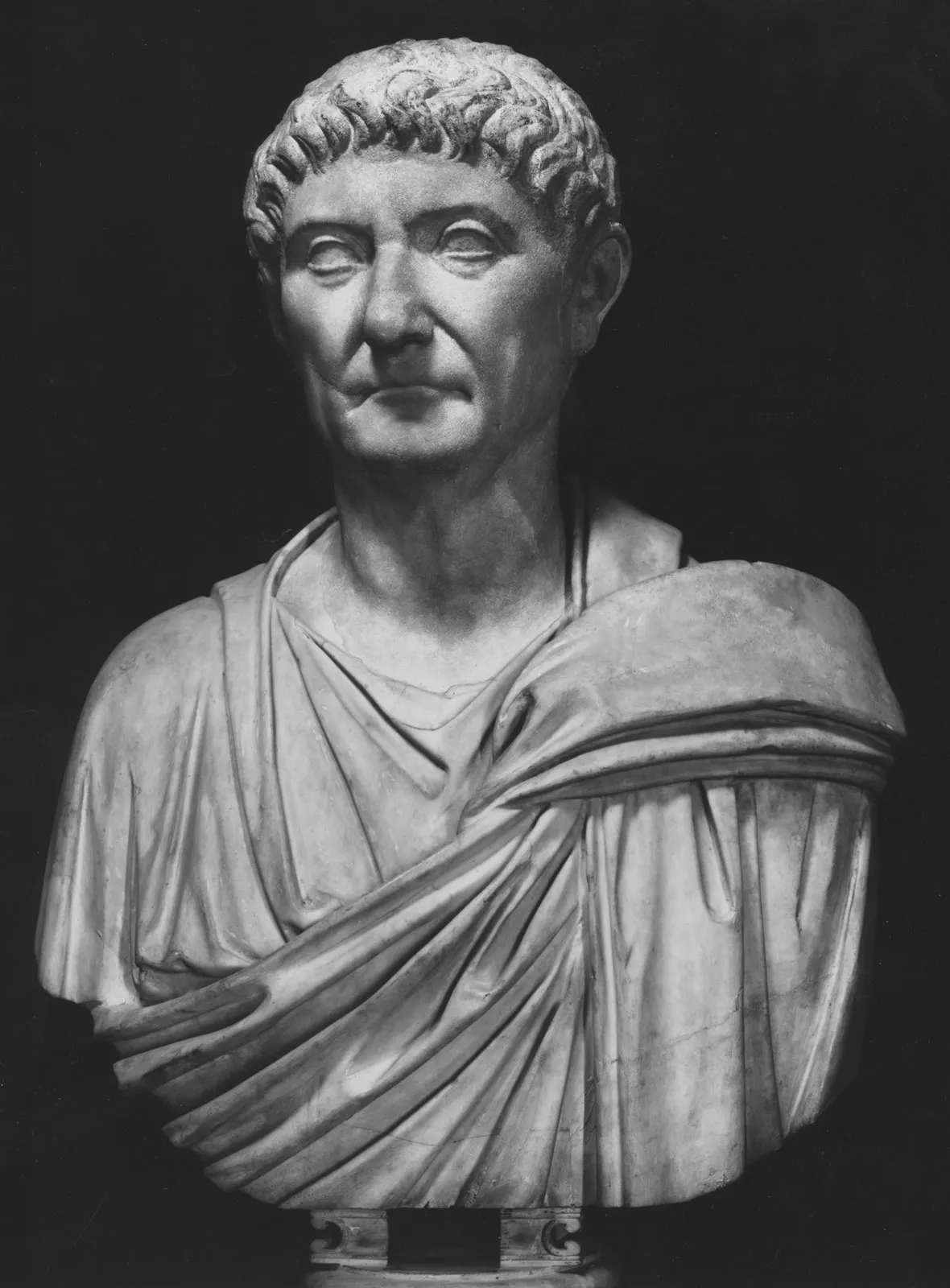
Roman Emperor, intellectual, and philosopher-general who was the last non-Christian ruler of the Roman Empire.
Start typing to search worldwide archives and community tributes
Filterable archive covering centuries of intellectual, artistic, and moral contributions to the human story.
Roman Emperor, intellectual, and philosopher-general who was the last non-Christian ruler of the Roman Empire.
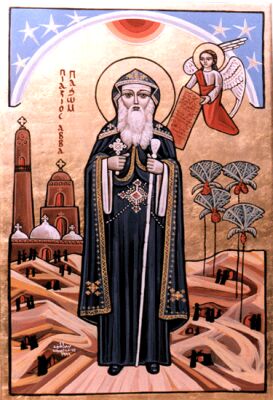
Father of Christian monasticism whose radical asceticism in the Egyptian desert inspired generations of contemplatives and was chronicled by Athanasius.
Wealthiest citizen of Carthage in the 4th century BC, whose secret diplomatic correspondence in Greek with Dionysius of Syracuse led the Carthaginian Senate to ban citizens from learning the Greek language.
Egyptian desert father who founded Christian cenobitic (communal) monasticism, composing the first written monastic rule that influenced Benedict and Basil.
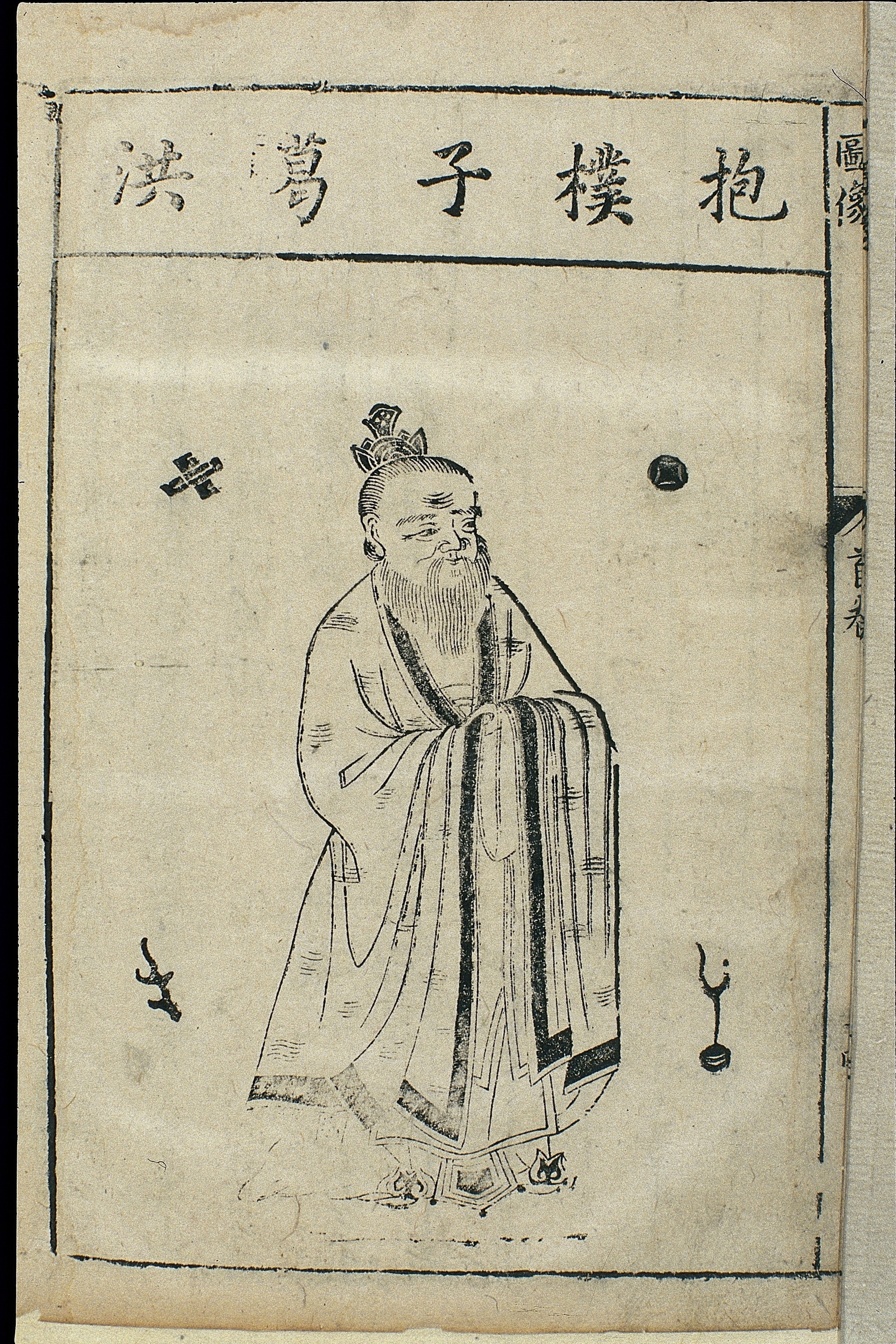
Jin Dynasty Daoist philosopher, alchemist, and physician whose masterwork 'Baopuzi' harmonized Confucian social ethics with Daoist inner alchemy and medical science.
Preeminent Carthaginian general of the 4th century BC who subdued the Libyan interior, extended Carthaginian rule to the Gulf of Sirte, and led armies in the Sicilian wars against Dionysius of Syracuse.
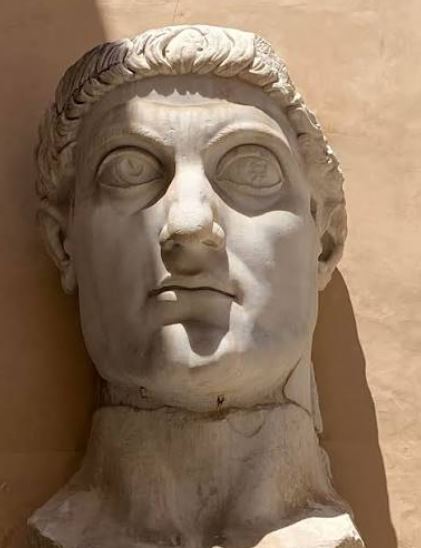
Transformative Roman Emperor who legalized Christianity with the Edict of Milan (313 CE), convened the Council of Nicaea (325 CE), and relocated the capital of the Roman Empire to New Rome (Constantinople).
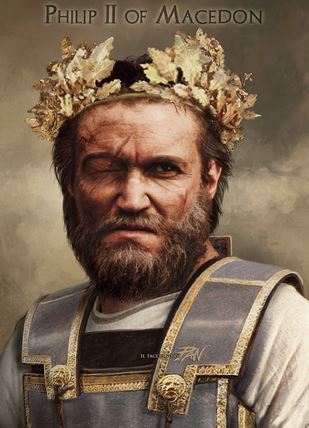
Visionary King of Macedon and father of Alexander the Great. Revolutionized Greek warfare by inventing the sarissa-armed Macedonian phalanx and united the fragmented Greek city-states under the League of Corinth.
Master rhetorician and teacher of classical Latin letters at Sicca Veneria (modern Le Kef), who trained generations of Roman-African legal advocates and philosophers.
Head of the Pumbedita Academy renowned as an 'Uprooter of Mountains' (Oker Harim) for his sharp dialectical genius and devotion to studying ritual purity laws.
Roman emperor who ended the Crisis of the Third Century, instituted the Tetrarchy, and was the only Roman emperor to voluntarily abdicate.
Revered 4th-century Bishop of Cyrene and Christian martyr who endured tongue-mutilation and torture under Roman Governor Dignianus for refusing to surrender sacred scriptures.
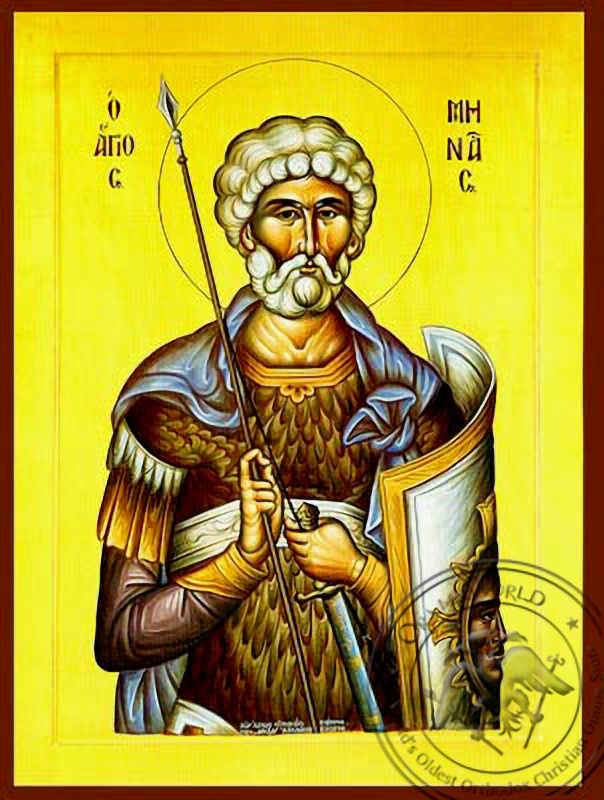
One of the most famous Egyptian saints in world history, a soldier and hermit whose pilgrimage center at Abu Mena southwest of Alexandria became a UNESCO World Heritage holy city.
Carthaginian general who fought Agathocles during the invasion of North Africa in 310 BC, later attempting an armed coup to make himself tyrant of Carthage before being executed in the marketplace.
Brilliant 4th-century Alexandrian philosopher and Christian martyr who debated and converted fifty pagan philosophers before Emperor Maxentius, after whom Mount Saint Catherine and Saint Catherine's Monastery in Sinai are named.
Pious Christian of Carthage martyred during the climax of the Diocletianic persecution, whose tomb in the Basilica of Dermech was a center of early North African pilgrimage.
Phoenician-born Neoplatonist philosopher who edited and published Plotinus's Enneads and wrote the Isagoge, whose 'Tree of Porphyry' became the standard introduction to logic for over a millennium.
Wealthy Numidian noblewoman of Thagora who openly refused to sacrifice to Roman pagan idols, beheaded at Tรฉbessa in 304 AD.