Muhammad ibn Ali al-Baqir
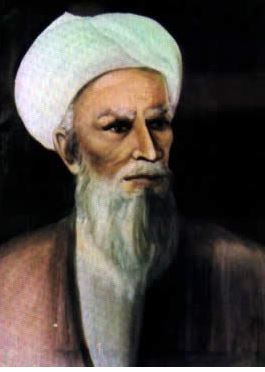
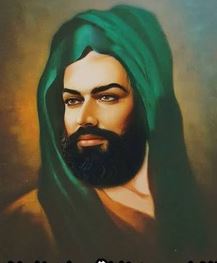
Fifth Shia Imam whose title 'Al-Baqir' (The Splitter of Knowledge) reflects his foundational role in laying out the principles of Shia jurisprudence and theology in Medina.
Start typing to search worldwide archives and community tributes
Filterable archive covering centuries of intellectual, artistic, and moral contributions to the human story.
Fifth Shia Imam whose title 'Al-Baqir' (The Splitter of Knowledge) reflects his foundational role in laying out the principles of Shia jurisprudence and theology in Medina.
Monumental 8th-century Arab poet of the Tamim tribe whose linguistic mastery was so complete scholars said 'Without Farazdaq, Arabic would have been lost'.
Patriarch of early Islamic piety, asceticism, and eloquence; born in Medina in the household of the Prophet's wife Umm Salama and revered as the spiritual beacon of the Tabieen generation.
Celebrated Umayyad poet whose forty-year poetic duels (naqa'id) with Farazdaq and elegies for his wife defined Arab lyric satire.
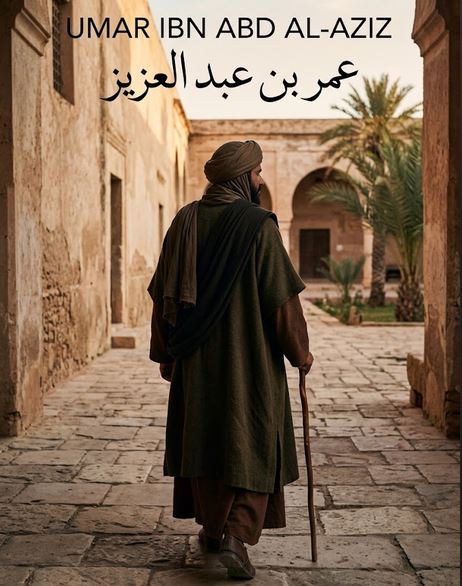
Eighth Umayyad Caliph celebrated in Sunni tradition as the "Fifth Rightly Guided Caliph" (Al-Khulafa al-Rashidun). In two years of rule, he dismantled royal corruption, returned royal family estates to the public treasury, and abolished the discriminatory Jizya tax on non-Arab converts.
Umayyad governor and military commander who completed the Islamic conquest of the Maghreb and co-directed with Tariq ibn Ziyad the conquest of the Visigothic Kingdom in Hispania (Andalusia).
Umayyad Caliph under whose reign the empire reached from Spain to India and who commissioned the Umayyad Mosque of Damascus.
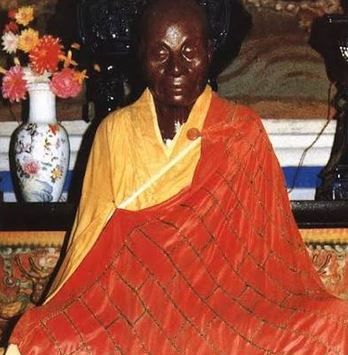
Illiterate woodcutter from southern China who became the Sixth Patriarch of Chan Buddhism and author of the Platform Sutra. Established the Southern School of Sudden Enlightenment, democratizing Zen across East Asia.
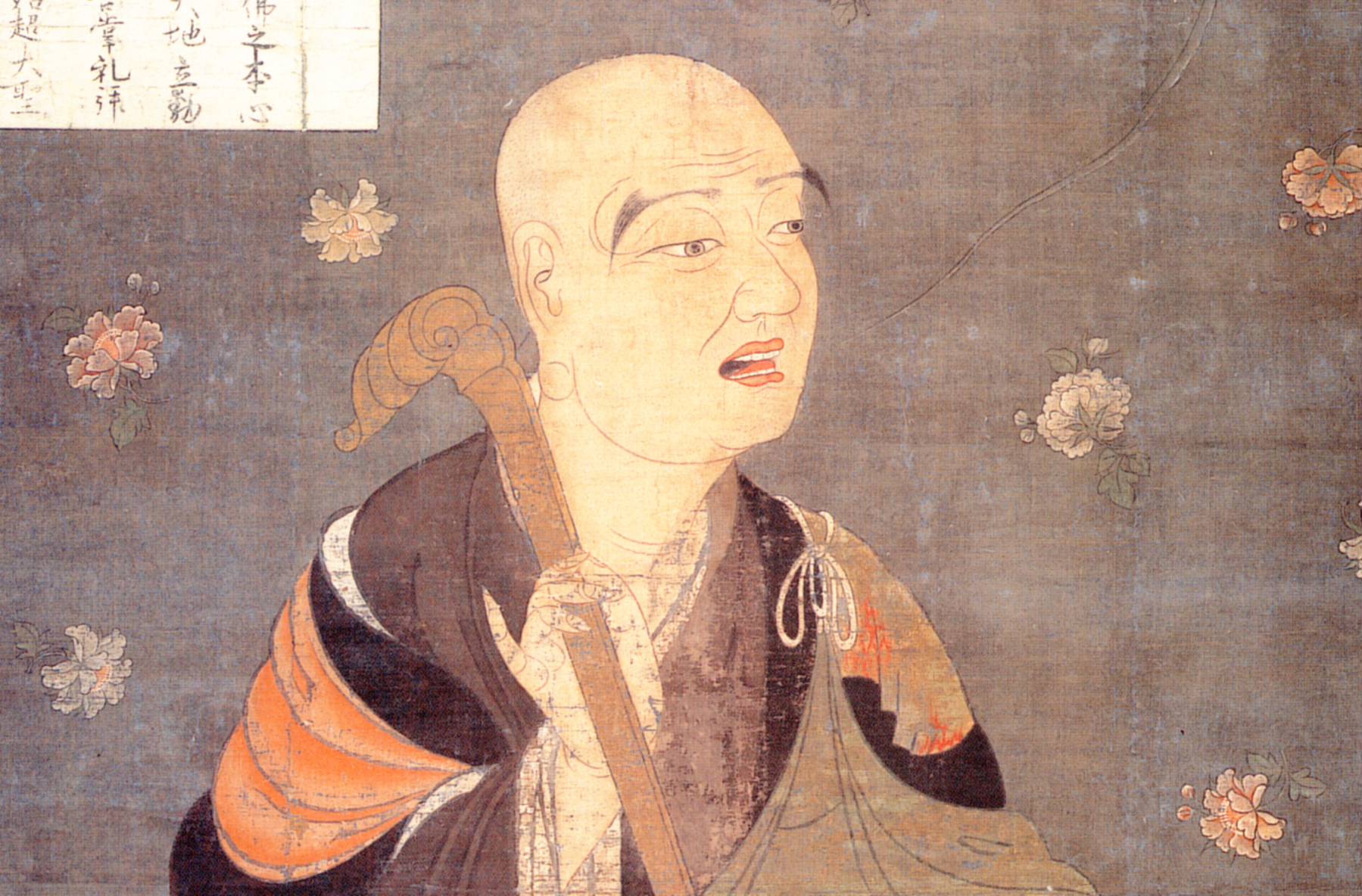
Third patriarch and principal architect of Huayan Buddhism whose Golden Lion treatise and concept of the Indra's Net cosmic interpenetration captivated Empress Wu Zetian.
Preeminent Arab Christian poet of the Taghlib tribe who served as official court poet to Umayyad Caliphs Abd al-Malik and Al-Walid I.
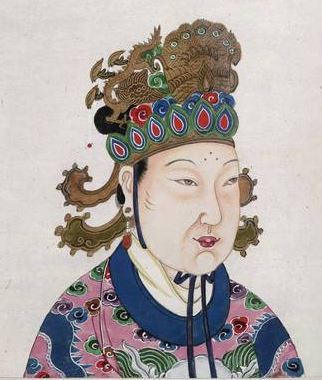
Only female emperor regnant in five millennia of Chinese history, who founded her own Zhou Dynasty (690–705 CE), expanded the empire, and democratized government through imperial civil service examinations.
The only female emperor in four millennia of Chinese history. Founded her own Zhou Dynasty (690–705 CE), broke the hereditary aristocracy by promoting scholars through meritocratic imperial examinations, and commissioned the colossal Longmen Grottoes Buddhas.
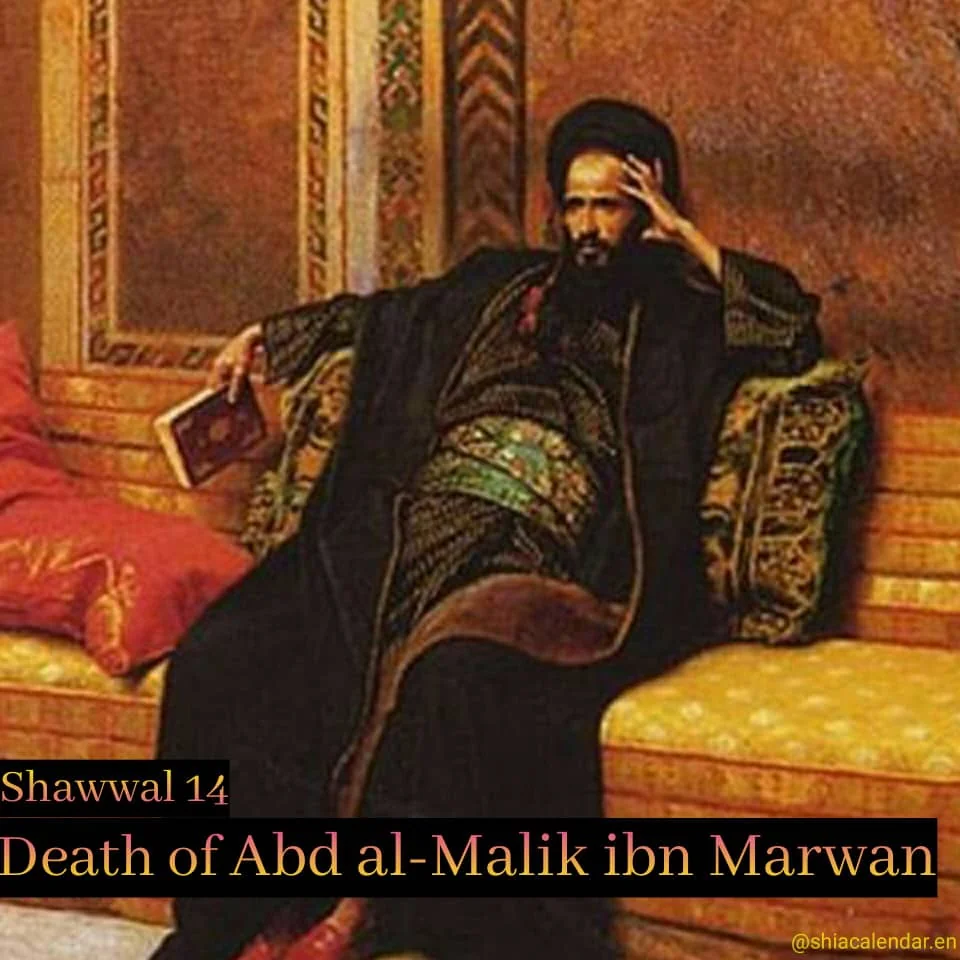
Fifth Umayyad Caliph who built the Dome of the Rock in Jerusalem, standardized Arabic as the imperial language, and introduced Islamic epigraphic coinage.
Umayyad supreme commander who conquered Byzantine Carthage in 698 AD, founded the city and naval shipyard of Tunis, established the Ez-Zitouna Mosque, and organized the civilian administration of Ifriqiya.
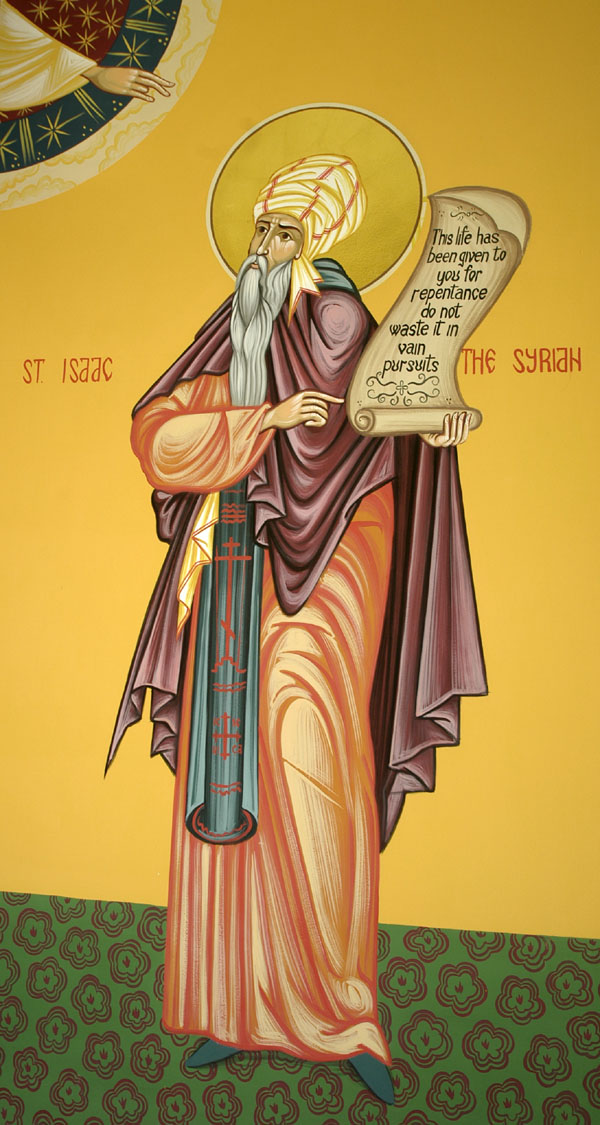
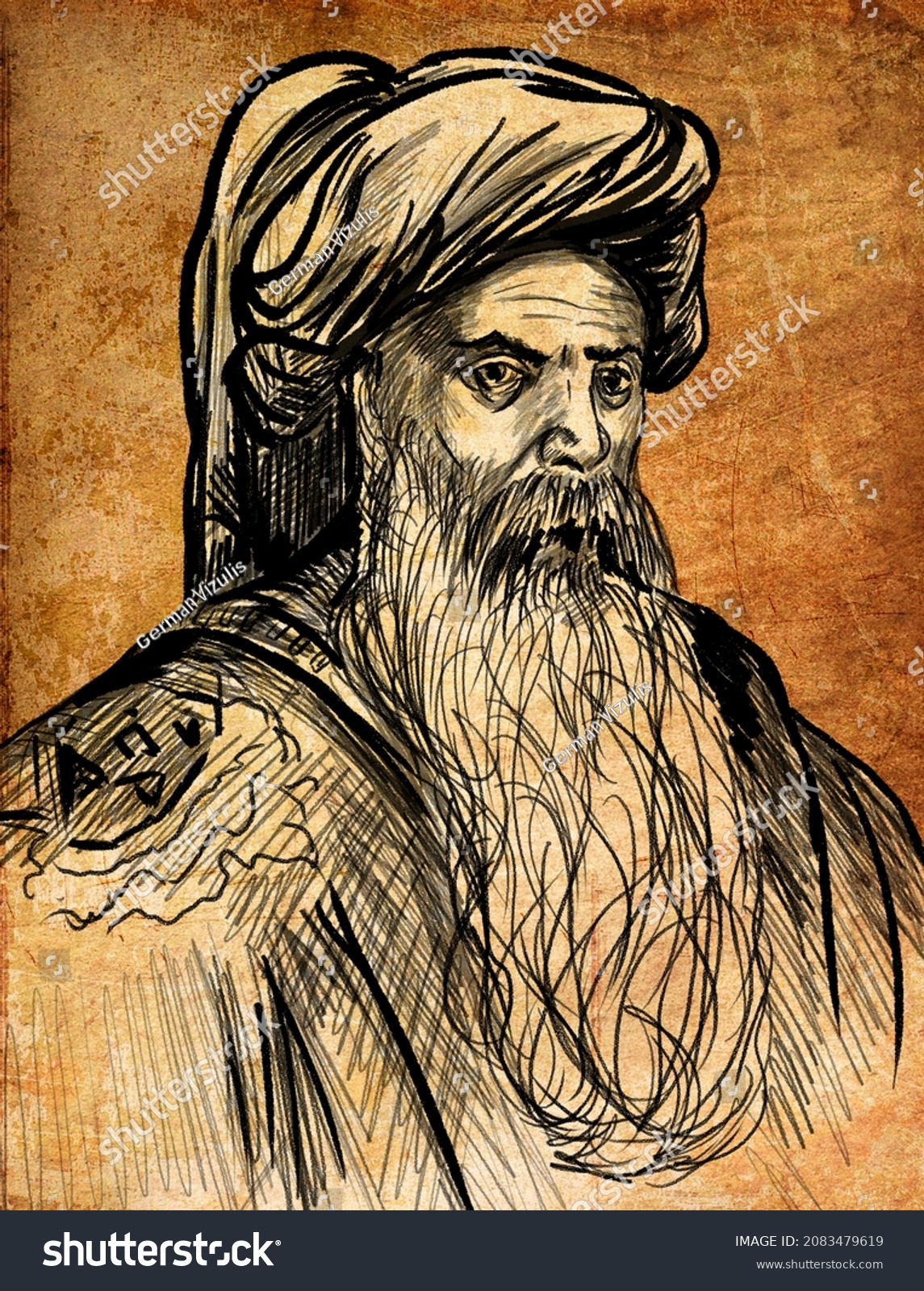
Beloved Eastern Christian mystic and bishop of Nineveh celebrated for his profound ascetic discourses on universal divine mercy, contemplation, and tears of love.
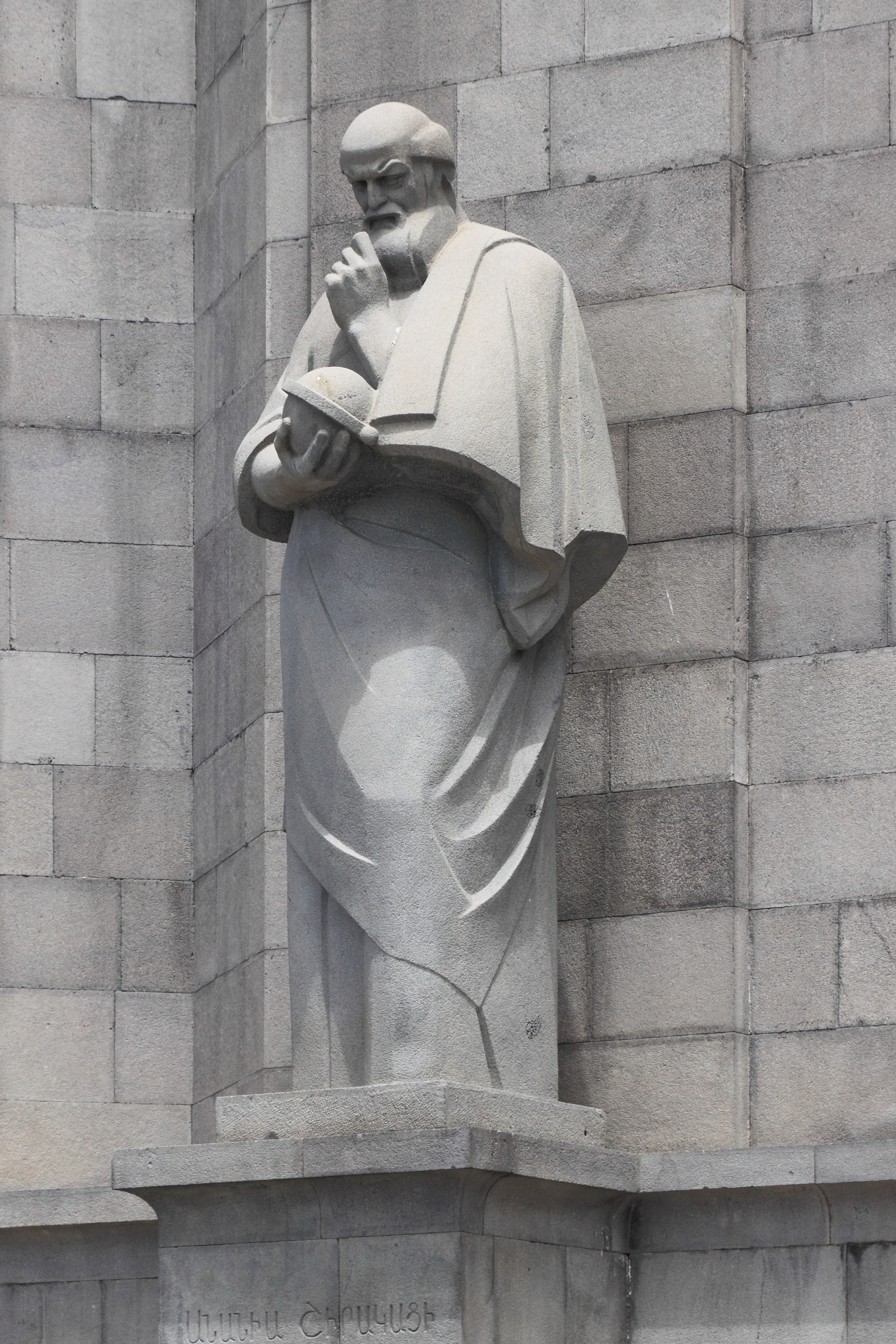
Seventh-century Armenian polymath, mathematician, and astronomer who calculated that the Earth is a sphere, described the Milky Way as dense starlight, and authored the 'Ashkharhatsuyts'.
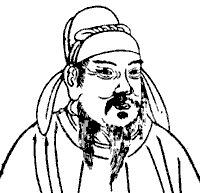
Ninth son of Emperor Taizong and third emperor of the Tang dynasty (649–683 CE) under whose reign the Tang Empire reached its greatest geographic extent, conquering Goguryeo and Baekje in Korea and expanding protectorates to the borders of Persia.
Founder of the Umayyad Caliphate who moved the Islamic capital to Damascus, established the first Muslim naval fleet, and created imperial postal networks.