Public Figures & Cultural Luminaries
Filterable archive covering centuries of intellectual, artistic, and moral contributions to the human story.
Abu Zakariya Yahya ibn Sallam al-Basri
 (يحيى بن سلام البصري القيرواني)
Pioneering early Islamic Quranic commentator who settled in Kairouan, author of Tafsir Yahya ibn Sallam, one of the earliest complete Quranic commentaries in Islamic history, preserved in the Great Mosque of Kairouan.
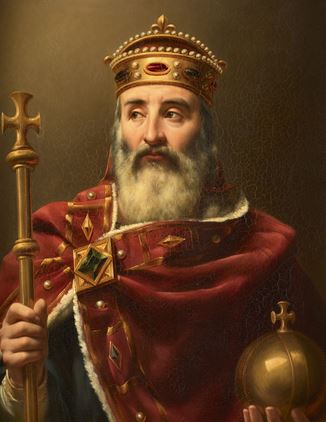
Charlemagne (Charles the Great / Carolus Magnus)
 (Carolus Magnus / Karl der Große)
King of the Franks and first Holy Roman Emperor, crowned by Pope Leo III on Christmas Day 800 in Rome. United Western and Central Europe for the first time since the fall of Rome, sparking the Carolingian Renaissance of scholarship and arts.
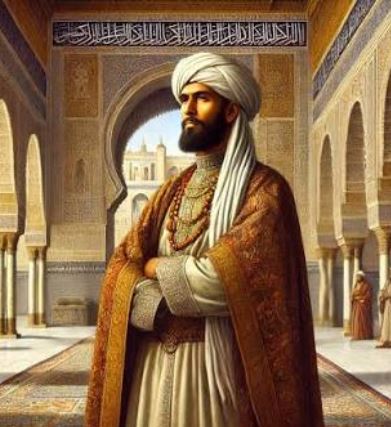
Ibrahim I ibn al-Aghlab
(إبراهيم بن الأغلب)
Abbasid governor who secured hereditary autonomy from Caliph Harun al-Rashid in 800 CE, founding the Aghlabid Dynasty in Kairouan and establishing Ifriqiya as an autonomous naval and cultural power.
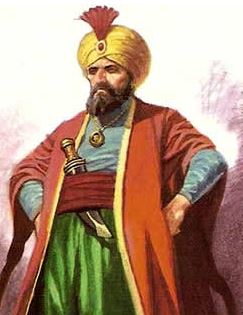
Harun al-Rashid (Fifth Abbasid Caliph)
 (هارون الرشيد (The Just / Aaron the Upright))
Fifth Abbasid Caliph whose reign marked the zenith of the Islamic Golden Age. Established the legendary House of Wisdom (Bayt al-Hikma) in Baghdad, exchanged diplomatic gifts with Charlemagne, and inspired the tales of the Thousand and One Nights.
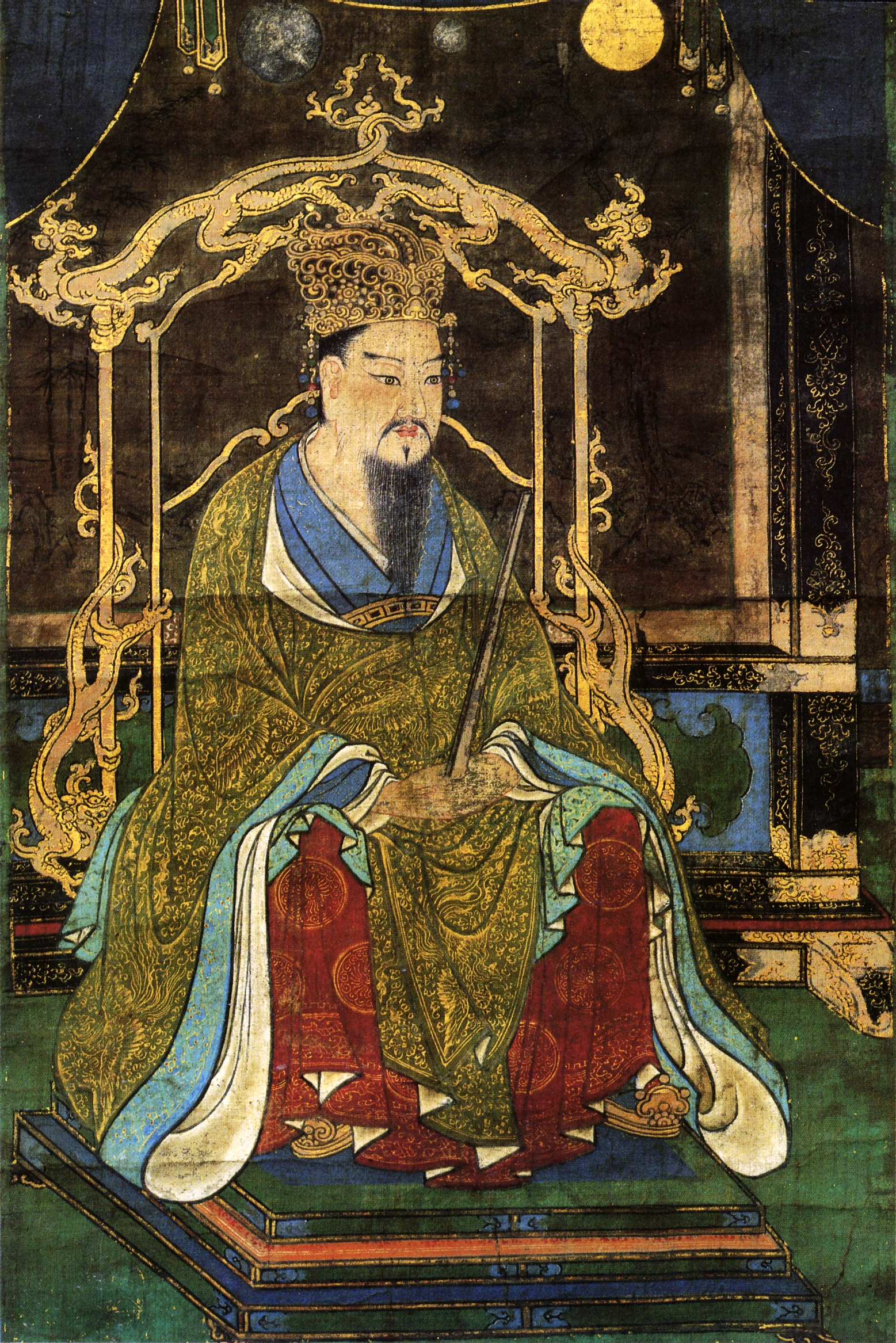
Emperor Kammu
 (桓武天皇)
Fiftieth Emperor of Japan (781–806 CE) who broke the political stranglehold of the Buddhist temples of Nara by relocating the imperial capital to Heian-kyo (Kyoto) in 794, inaugurating the glorious four-century Heian period of classical Japanese culture.
Imran ibn Mujalid al-Kindi
 (عمران بن مجالد الكندي)
Powerful Arab commander of the military garrison (Jund) of Tunis who rebelled against Abbasid central control, asserting regional autonomy for northern Tunisia in the late 8th century.
Ibrahim al-Mawsili
(إبراهيم الموصلي)
Celebrated 8th-century musician and singer whose mastery shaped the musical aesthetic of the Abbasid imperial court in Baghdad.
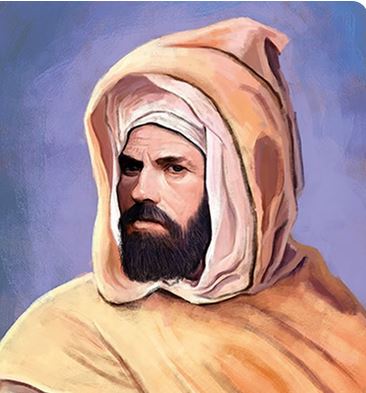
Rashid the Regent
 (راشد مولى إدريس الأول)
Faithful companion of Idris I who helped him escape Baghdad, raised and educated infant Idris II with Kenza, and served as Regent of Morocco until his assassination in 802 AD.
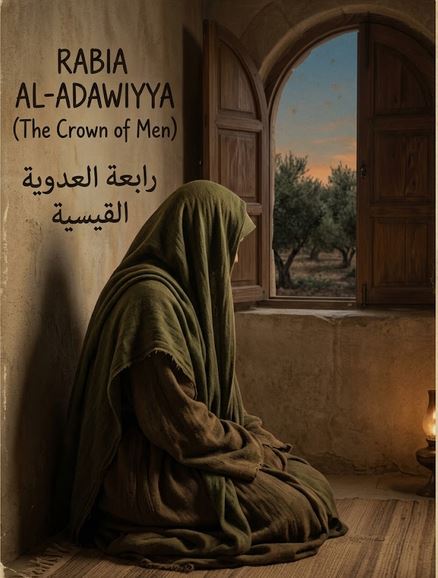
Rabia al-Adawiyya (The Crown of Men)
(رابعة العدوية القيسية)
Eighth-century mystic of Basra who revolutionized Sufi spirituality by introducing the concept of pure, unselfish Divine Love (Mahabba / Ishq)—worshiping God neither out of fear of Hell nor desire for Paradise, but purely for His beauty.
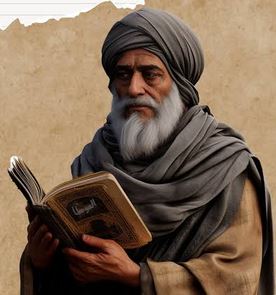
Ali Ben Ziyad
(علي بن زياد التونسي)
Foremost 8th-century jurist of Tunis who traveled to Medina to study directly with Imam Malik ibn Anas, introducing the Muwatta and the Maliki school of law to North Africa.
Sibawayh
(سيبويه / عمرو بن عثمان)
Persian scholar from Shiraz universally revered as the 'father of Arabic grammar', author of 'Al-Kitab', the first systematic Arabic grammatical treatise.
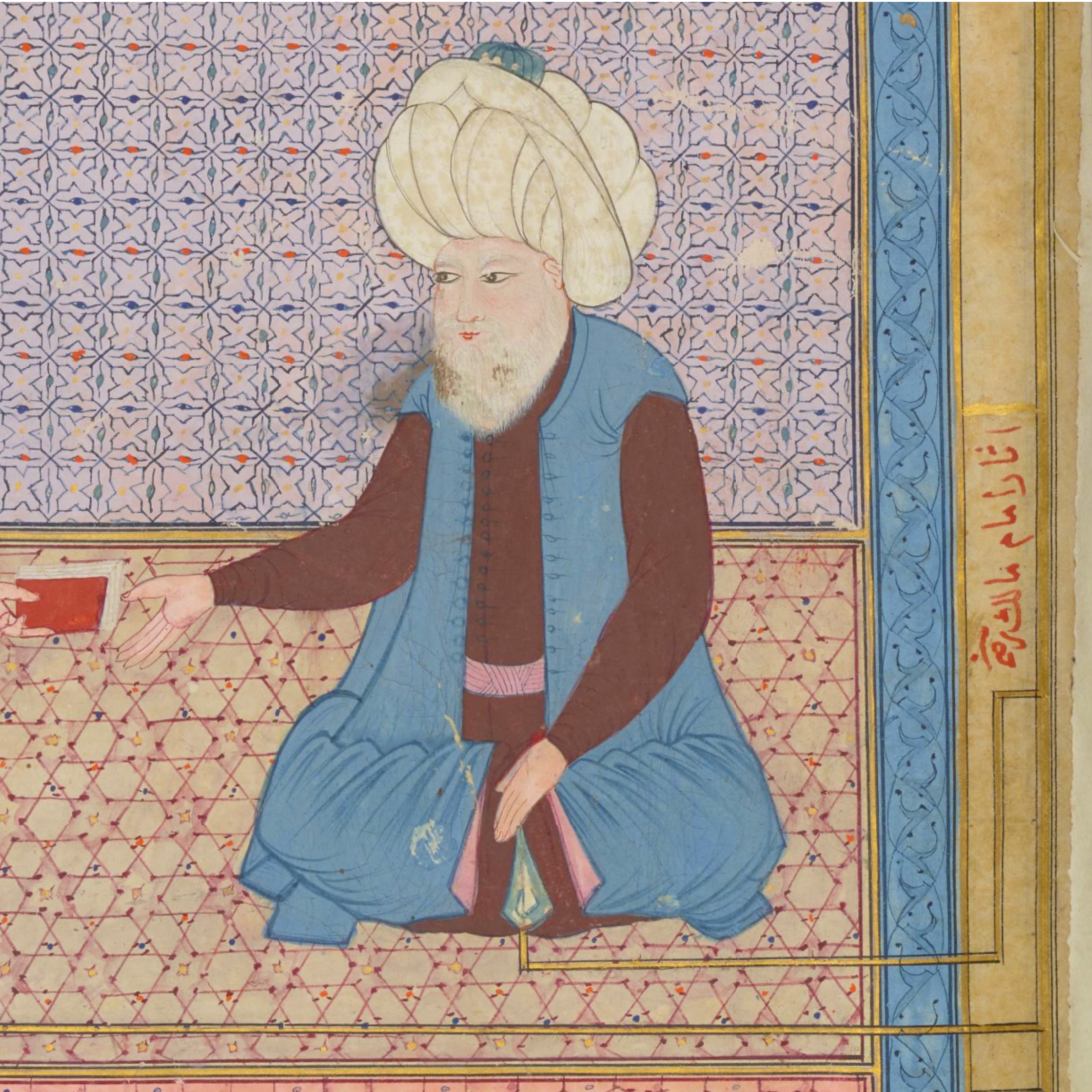
Malik ibn Anas
(مالك بن أنس)
Revered as the 'Imam of Medina' (Imam Dar al-Hijrah), author of the 'Muwatta' (the earliest surviving book of Islamic law) and founder of the Maliki school.
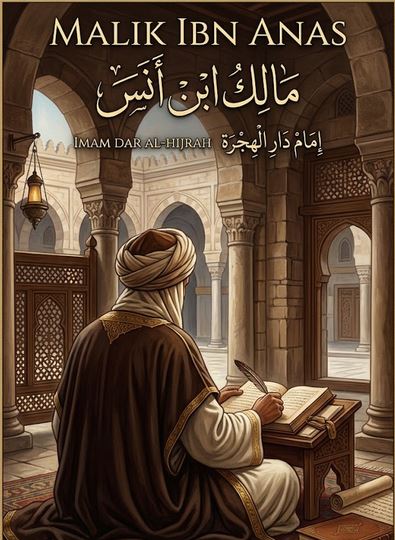
Malik ibn Anas (Imam Dar al-Hijrah)
(مالك بن أنس بن مالك)
Venerated as the "Imam of the Abode of Emigration" (Medina). Compiled the Muwatta—humanity's earliest extant Islamic legal and Hadith corpus—and founded the Maliki school based on the living communal practice (Amal) of Medina.
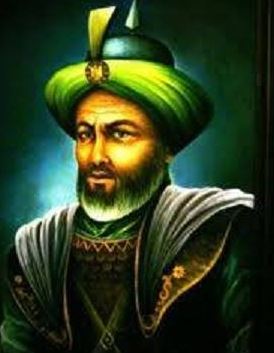
Al-Leith ibn Sa'd
 (الليث بن سعد الفهمي)
Supreme 8th-century Islamic jurist and hadith master of Egypt, praised by Imam al-Shafi'i as a greater legal mind than Malik ibn Anas, famed for his vast wealth spent entirely on public philanthropy.
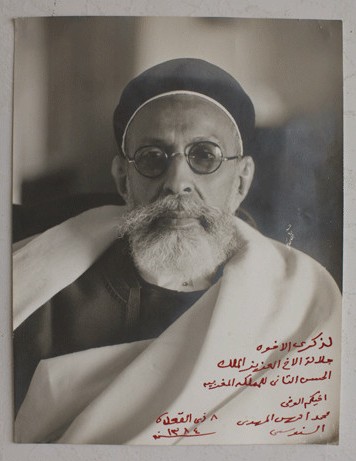
Idris I of Morocco
(إدريس بن عبد الله (مولاي إدريس))
Great-grandson of Prophet Muhammad through Ali and Fatima, who fled Abbasid persecution, was welcomed by the Awraba Berbers at Volubilis, and founded the Idrisid Dynasty, establishing the first sovereign Moroccan Islamic state.
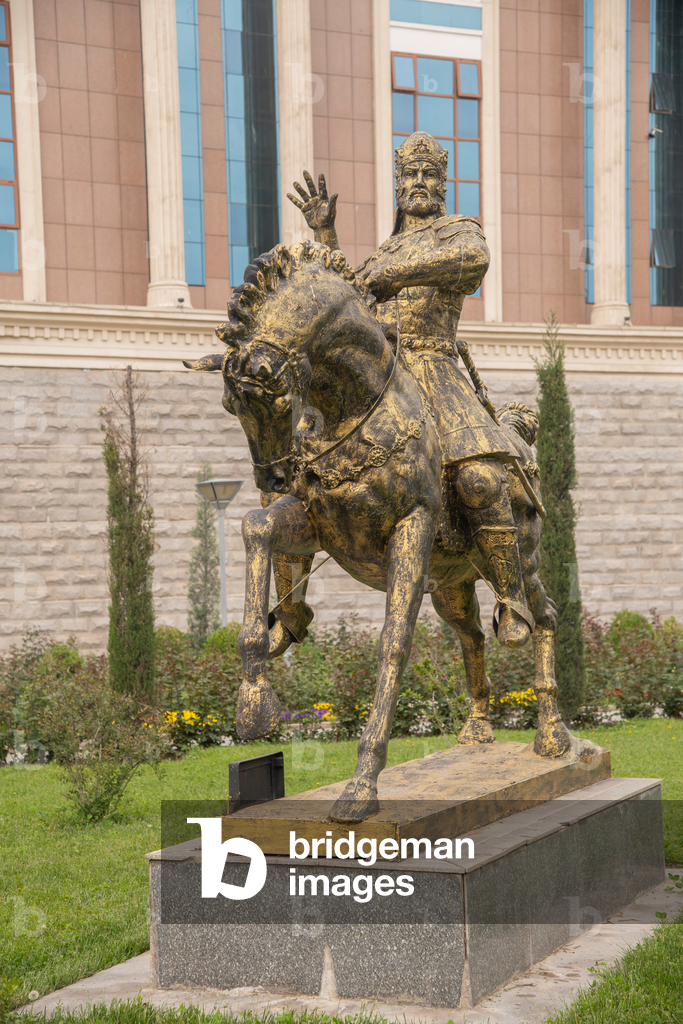
Al-Layth ibn Sa'd
(الليث بن سعد)
Supreme 8th-century Islamic jurist and hadith master of Egypt whose legal erudition was praised by Imam al-Shafi'i as surpassing that of Imam Malik, renowned for his staggering personal philanthropy.
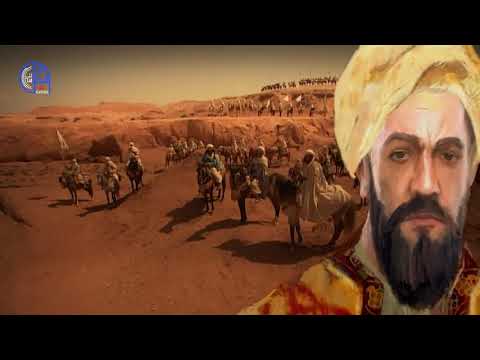
Yazid ibn Hatim al-Muhallabi
(يزيد بن حاتم المهلبي)
Abbasid governor who governed Ifriqiya for fifteen years (772–787 AD) with unmatched generosity and peace, completely rebuilding the Great Mosque of Kairouan and organizing the souks.
Al-Khalil ibn Ahmad al-Farahidi
 (الخليل بن أحمد الفراهيدي)
Pioneering Omani-Iraqi polymath who compiled 'Kitab al-Ayn', the first Arabic dictionary, and single-handedly discovered and codified the sixteen meters of Arabic poetry.