Public Figures & Cultural Luminaries
Filterable archive covering centuries of intellectual, artistic, and moral contributions to the human story.
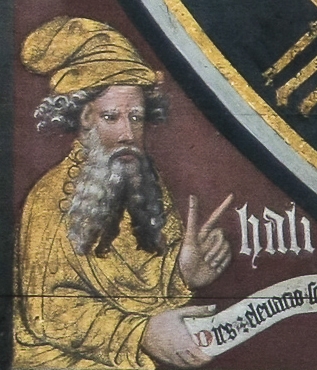
Ali ibn Ridwan
 (علي بن رضوان)
Self-taught Egyptian polymath and Chief Royal Physician of the Fatimid Caliphate, renowned for his detailed astronomical recording of the supernova SN 1006 and his commentary on Galen.
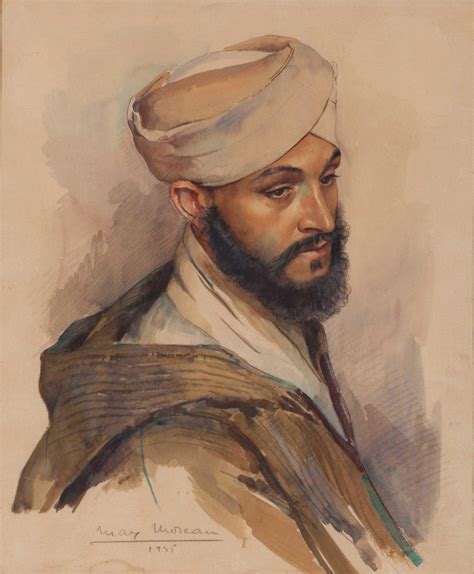
Abdallah ibn Yasin
 (عبد الله بن ياسين الجزولي)
Spiritual founder, legal ideologue, and theological leader of the Almoravid movement whose monastic discipline, Maliki orthodoxy, and charismatic leadership forged a global empire.
Al-Mawardi
 (الماوردي)
Preeminent 11th-century Shafi'i jurist and diplomat whose 'Al-Ahkam al-Sultaniyya' formulated the foundational theory of Islamic constitutional law.
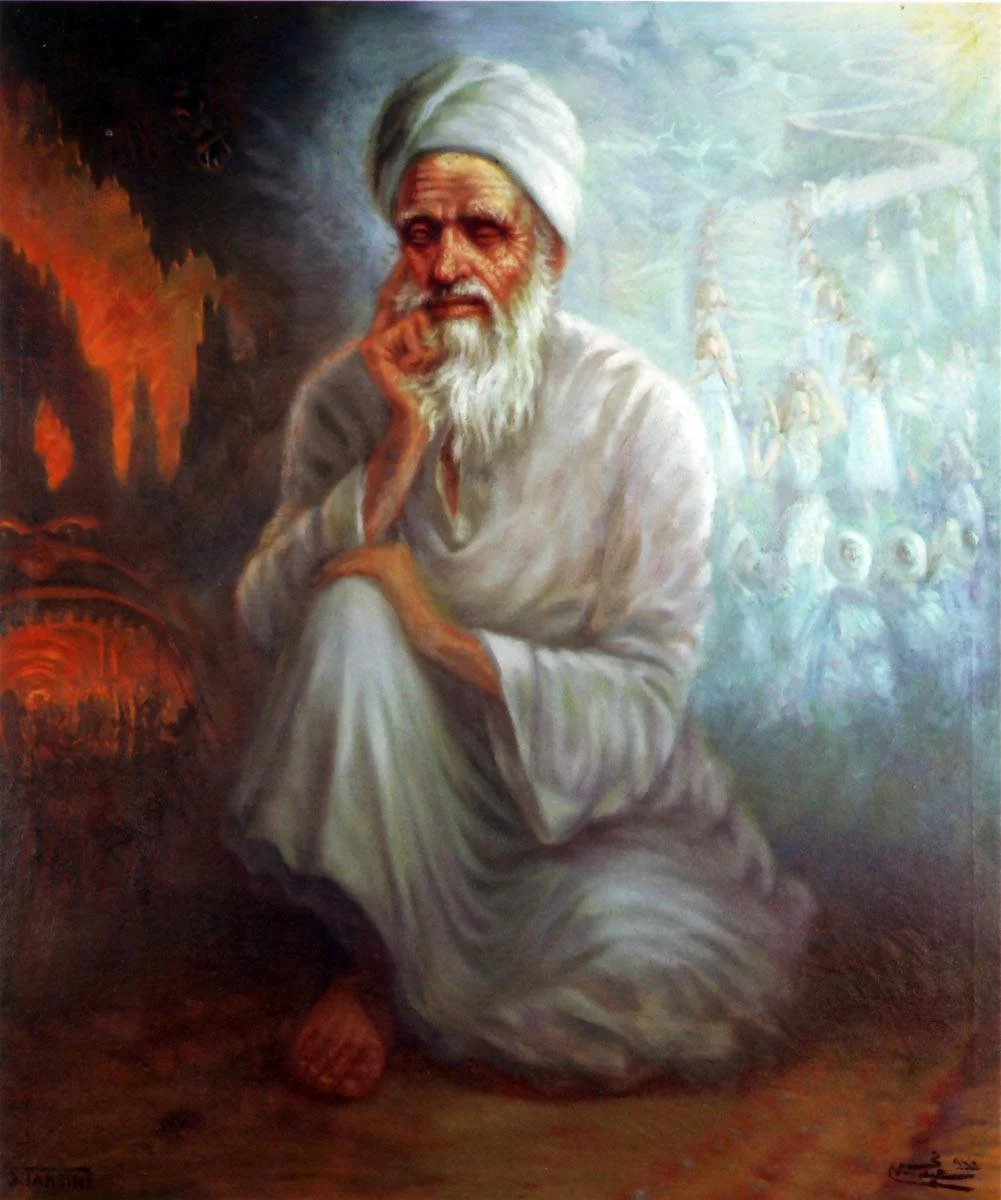
Abu al-Ala al-Ma'arri
(أبو العلاء المعري)
Blind Arab philosopher-poet, rationalist, and vegan whose masterpiece Resalat Al-Ghufran (The Epistle of Forgiveness) foreshadowed Dante's Divine Comedy.
Hilal al-Sabi
(هلال الصابئ)
Prominent 11th-century Abbasid chancery historian who documented the etiquette, court rituals, and diplomatic protocols of Baghdad.
Yahya ibn Umar al-Lamtuni
(يحيى بن عمر اللمتوني)
First supreme military commander of the Almoravid movement, chosen by spiritual founder Abdallah ibn Yasin, who conquered Sijilmasa and unified the Saharan tribes.
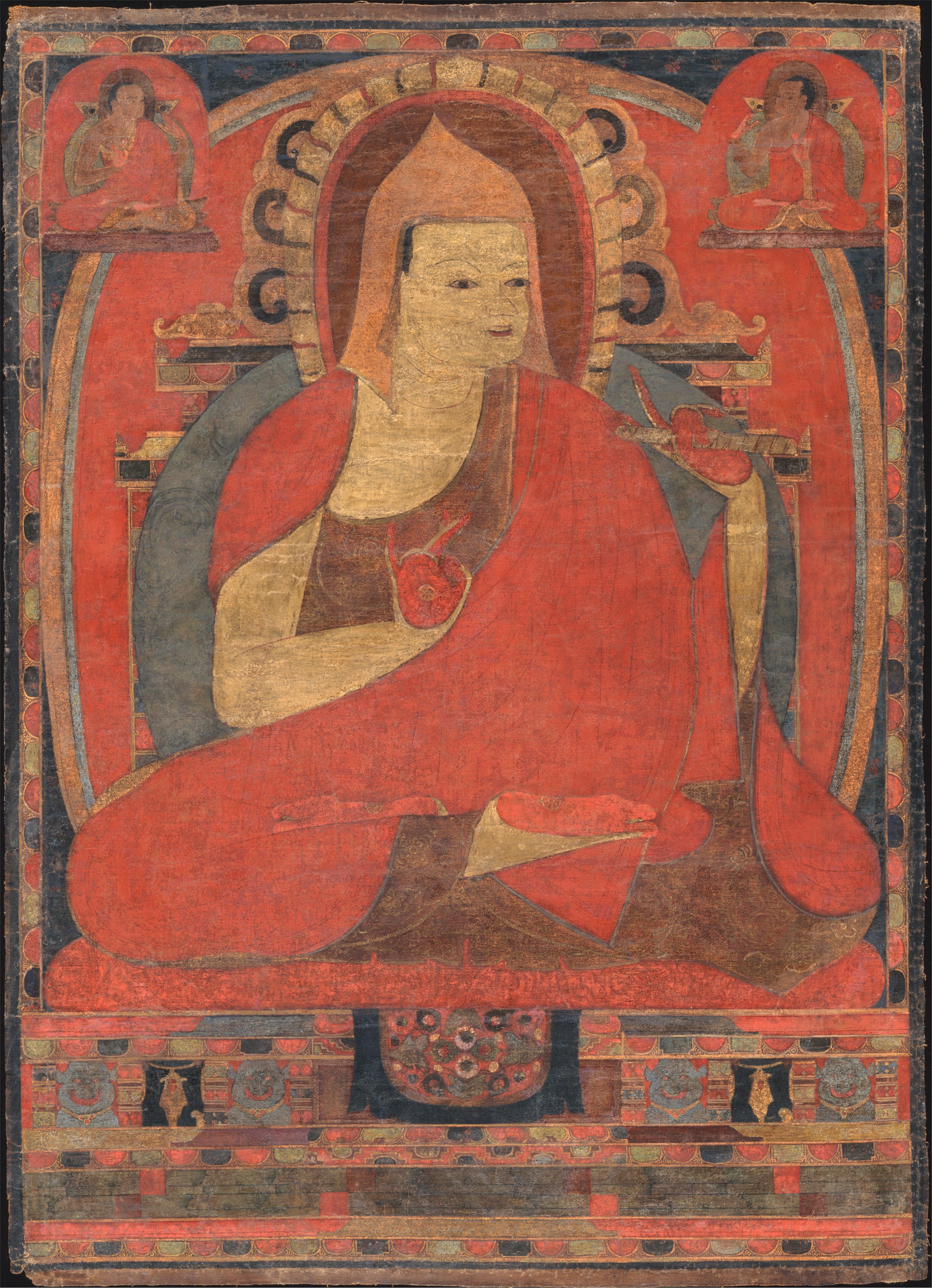
Atisha Dipankara Srijnana
 (अतिश दीपङ्कर श्रीज्ञान)
Bengali Buddhist master and abbot of Vikramashila University who journeyed to Tibet in 1042, sparking the Second Propagation of Tibetan Buddhism and authoring 'A Lamp for the Path to Enlightenment'.
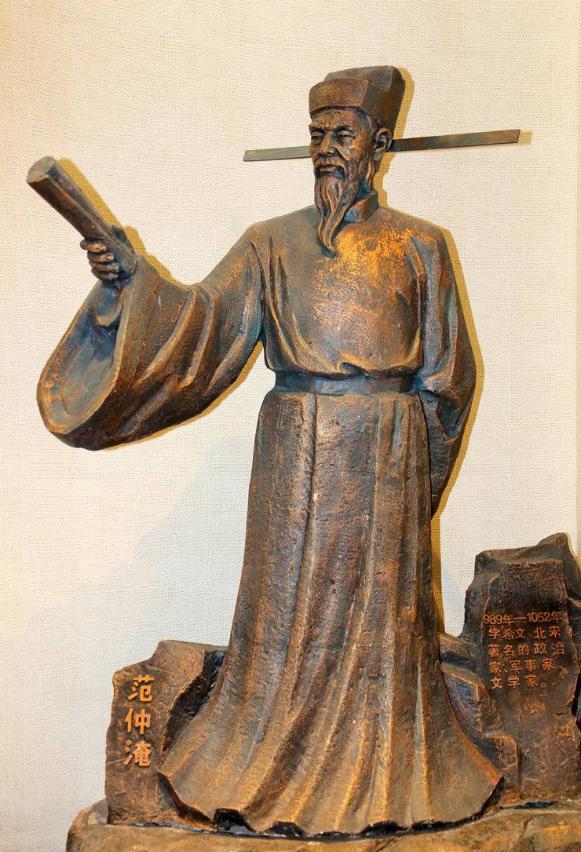
Fan Zhongyan
 (范仲淹)
Song dynasty Chancellor, scholar, and general who instituted the Qingli Reforms and wrote the immortal motto: 'Be the first to grieve the cares of the realm, and the last to enjoy its pleasures'.
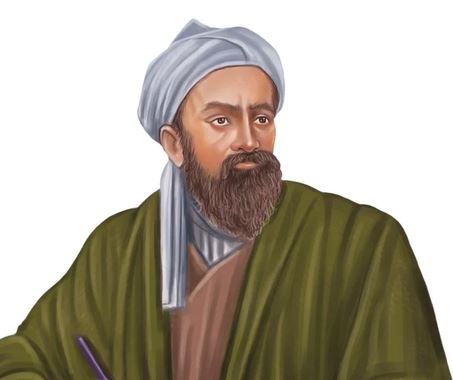
Al-Biruni (Abu Rayhan al-Biruni)
 (أبو الريحان محمد بن أحمد البيروني)
Universal polymath who calculated the Earth's radius to within 1% using mountain trigonometry, founded comparative Indology, and pioneered anthropology and mineral density tables.
Al-Sharif al-Murtada
(الشريف المرتضى)
Prominent 11th-century Baghdad jurist, theologian, and literary critic who led the Shia intellectual community and championed rationalism.
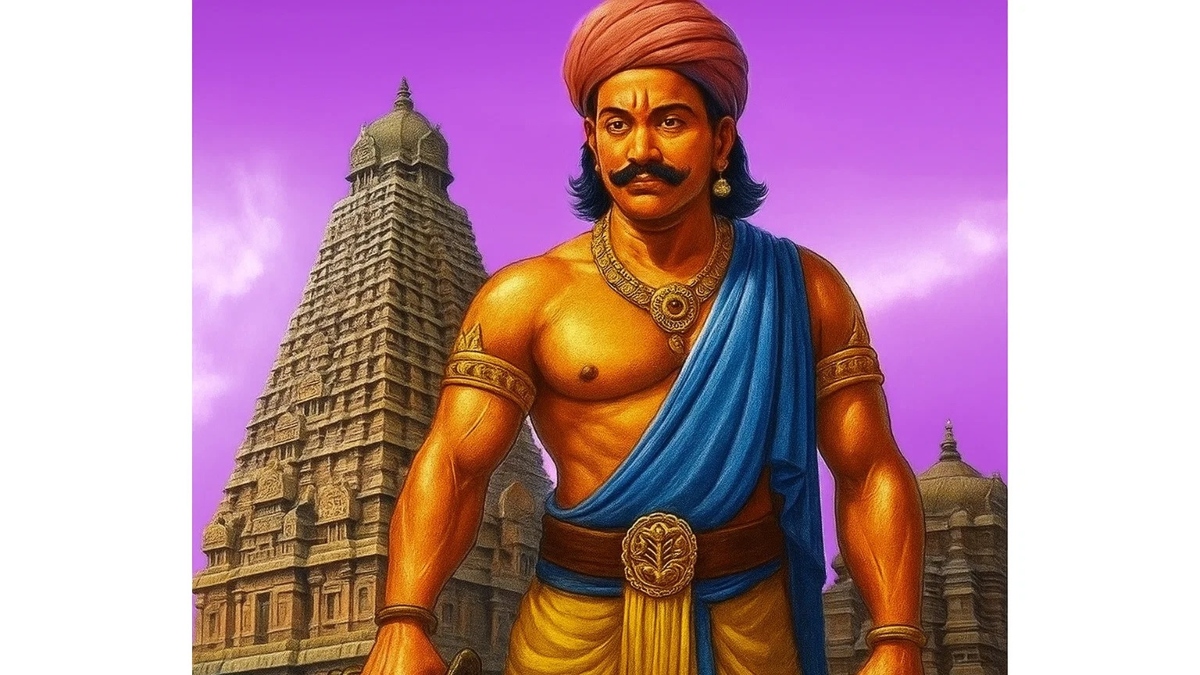
Rajendra Chola I (Gangaikonda Chola)
 (முதலாம் இராஜேந்திர சோழன்)
Chola emperor and thalassocrat who led expeditions to the Ganges River and dispatched a mighty naval armada conquering the Srivijaya Empire in Southeast Asia.
Abu al-Qasim ibn Abi al-Hasan
 (أبو القاسم بن أبي الحسن كاتب الزيريين)
Influential Grand Vizier under Zirid Sultan Al-Mu'izz ibn Badis, who fostered the golden literary age of Kairouan and patronized the Great Library of the Uqba Mosque.
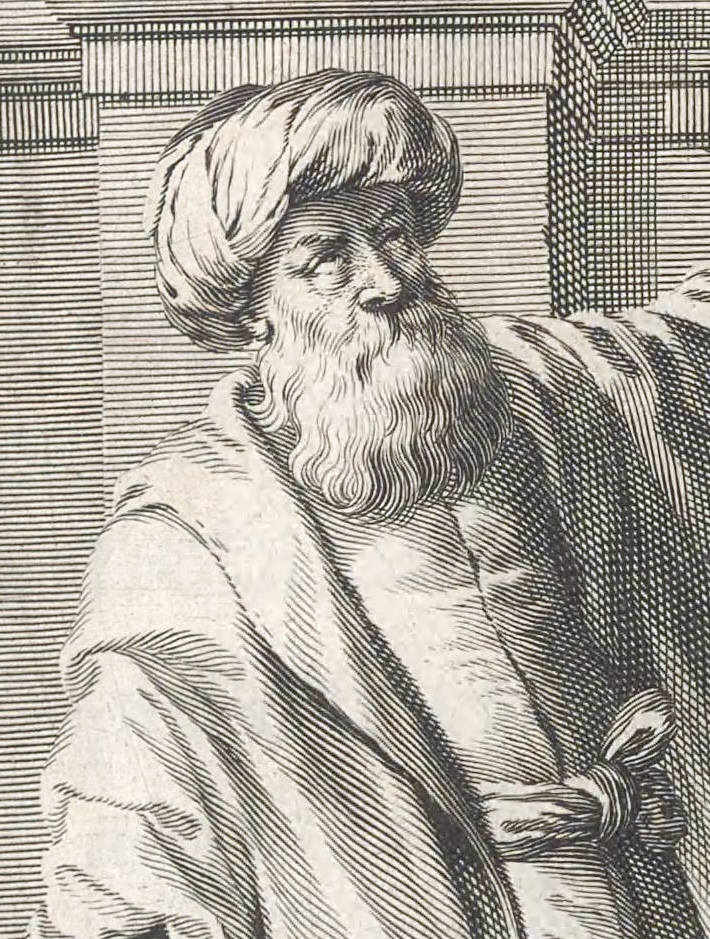
Ibn al-Haytham
(ابن الهيثم)
Pioneering polymath revered as the 'father of modern optics' and architect of the modern scientific method, who composed his revolutionary Book of Optics near Al-Azhar in Fatimid Cairo.
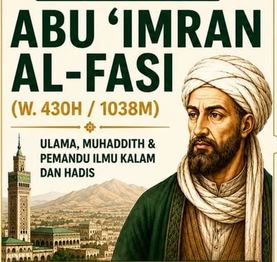
Abu Imran al-Fasi
(أبو عمران الفاسي)
Eminent Zenata Berber Maliki scholar from Fez who taught in Kairouan and whose historic meeting with Saharan chieftain Yahya ibn Ibrahim inspired the founding of the Almoravid Empire.
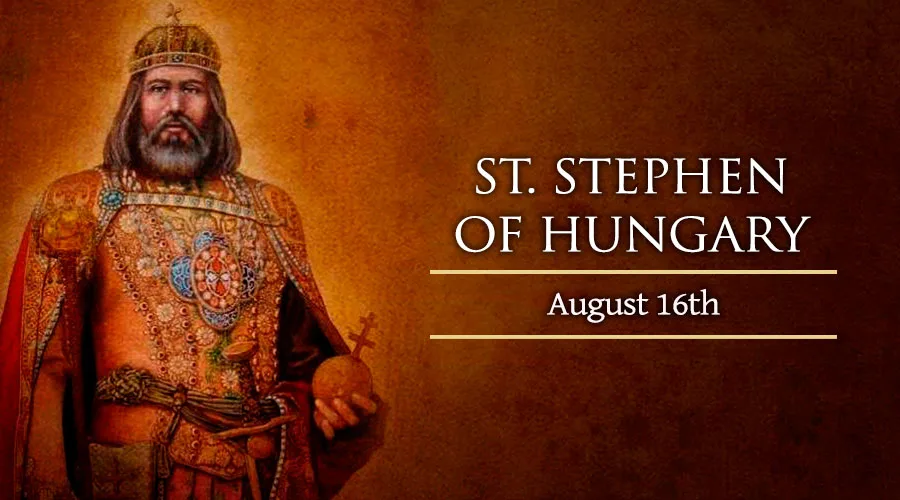
Stephen I of Hungary (Saint Stephen)
 (Szent István király (Vajk))
First King of Hungary who Christianized the Magyar tribes, established the Kingdom of Hungary, and received the Holy Crown from Pope Sylvester II.
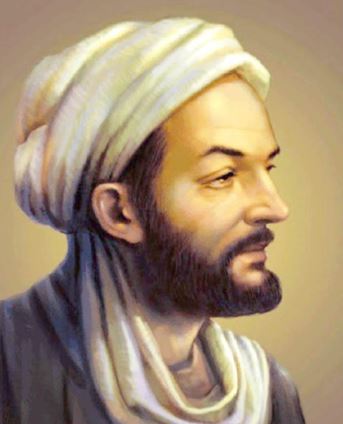
Ibn Sina (Avicenna)
(أبو علي الحسين بن عبد الله بن سينا)
'Prince of Physicians' and towering philosopher whose metaphysical encyclopedia The Book of Healing and Floating Man thought experiment shaped Islamic and European philosophy.
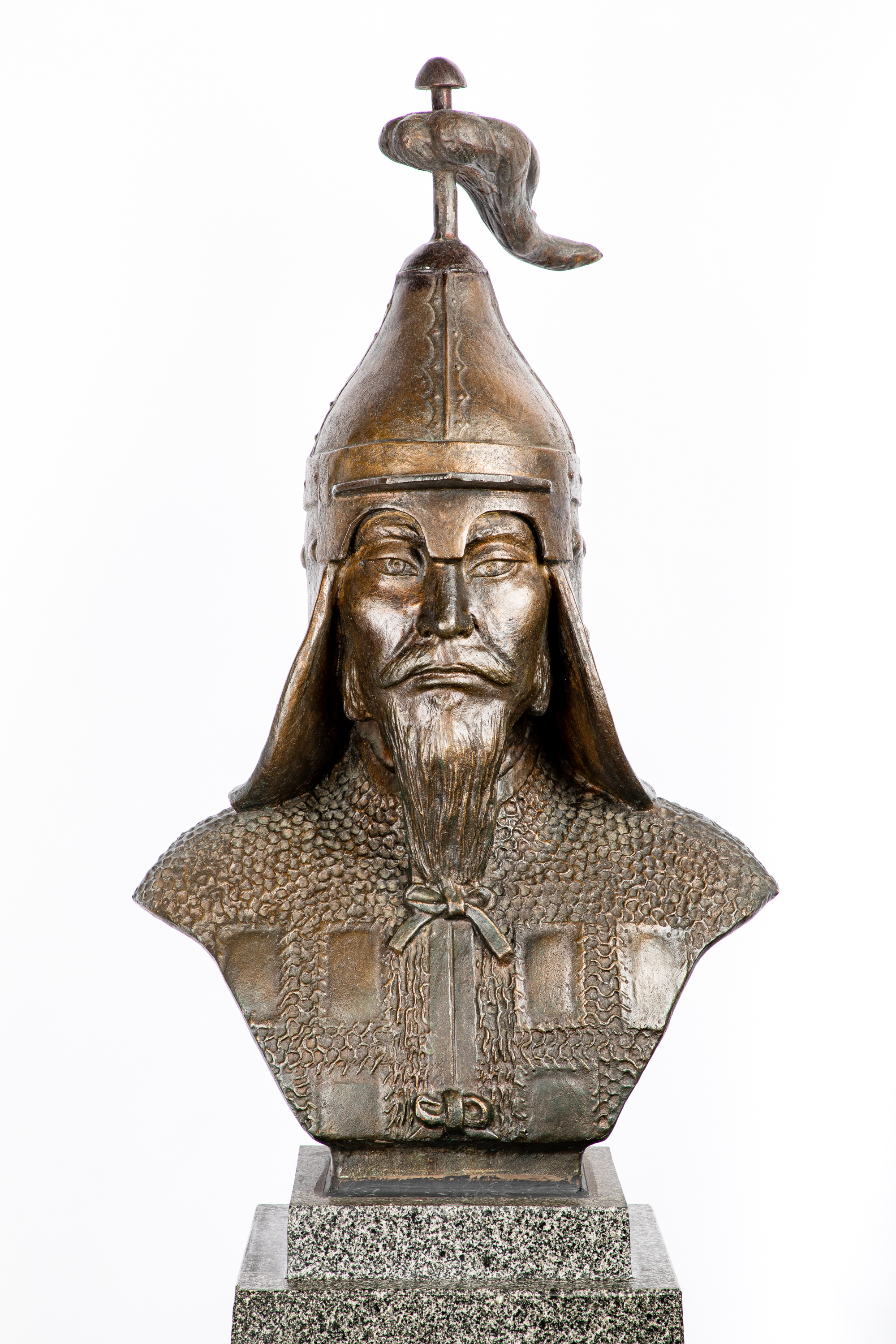
Gang Gam-chan
 (강감찬)
Revered military commander and civil official of the Goryeo Kingdom of Korea who defeated the Khitan Liao Empire's massive invasion at the Battle of Guju in 1019 at age seventy-one.
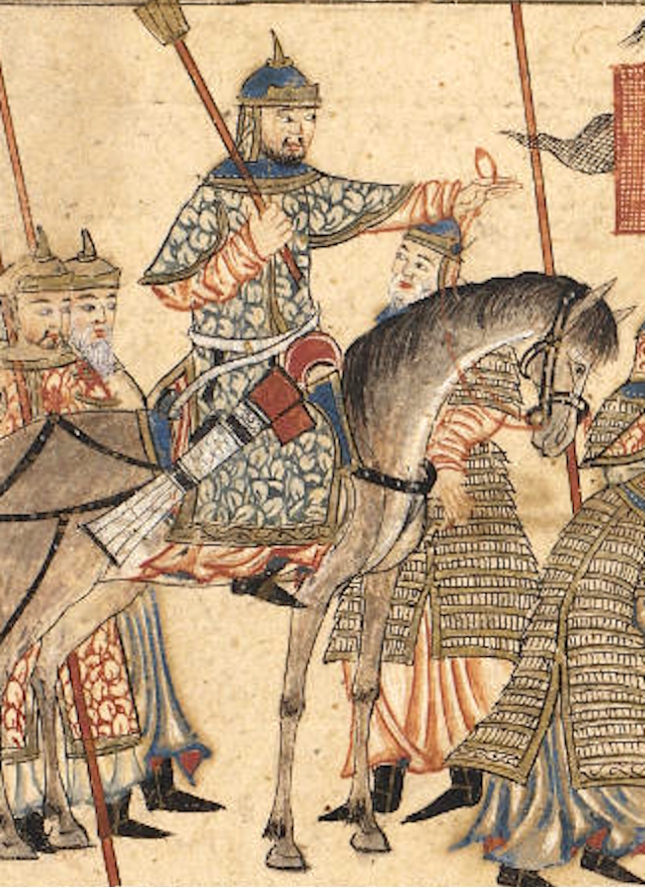
Mahmud of Ghazni
 (سلطان محمود غزنوی)
First ruler in world history to bear the title Sultan, who transformed Ghazni into the splendid cultural and scientific capital of the Islamic world, patronizing Ferdowsi and Al-Biruni.