Public Figures & Cultural Luminaries
Filterable archive covering centuries of intellectual, artistic, and moral contributions to the human story.
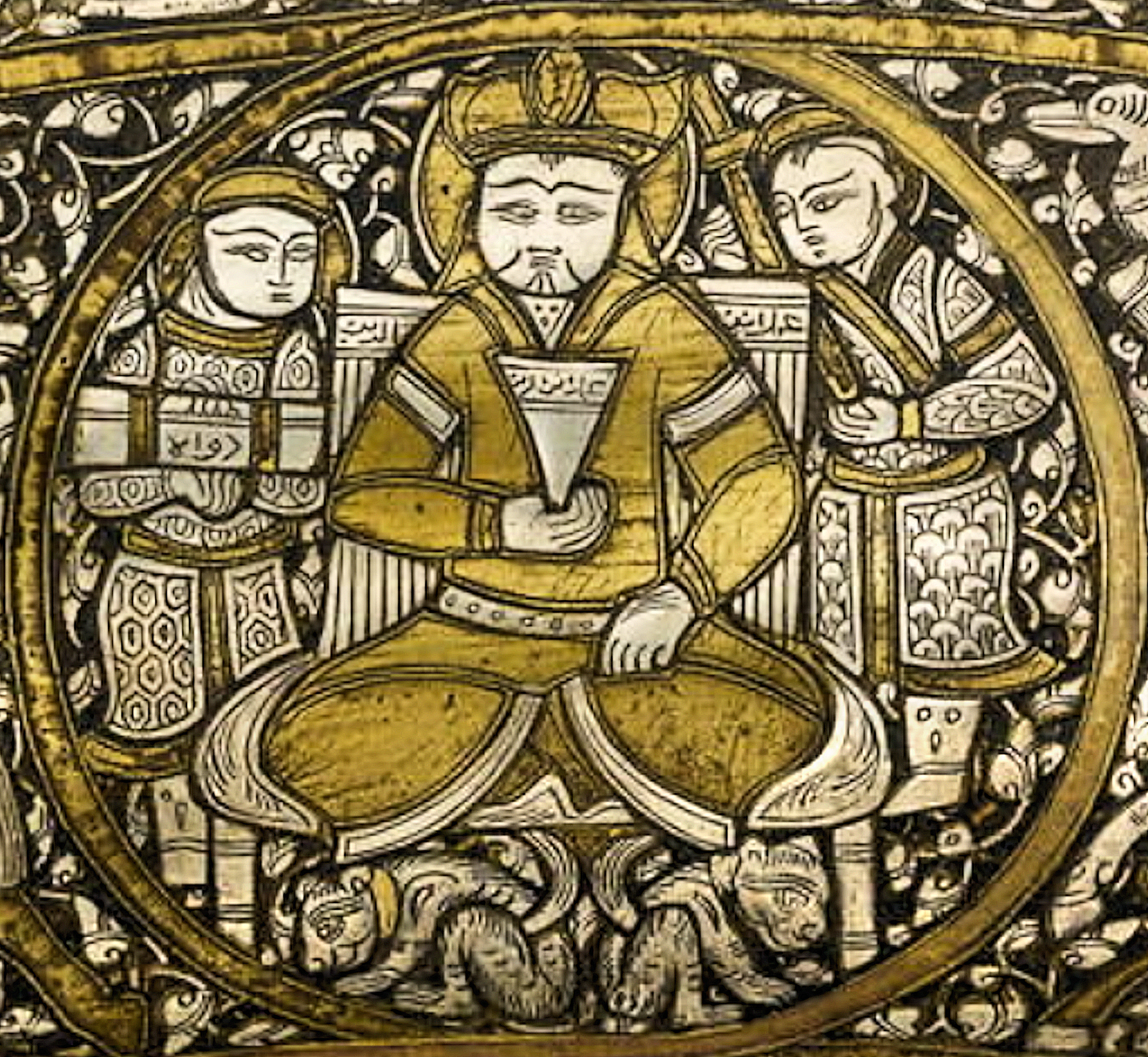
Baibars
 (الملك الظاهر ركن الدين بيبرس البندقداري)
Fourth Mamluk Sultan of Egypt and Syria who crushed King Louis IX at Fariskur, commanded the vanguard that defeated the Mongols at Ain Jalut, and dismantled Crusader castles across the Levant.

Al-Zahir Baybars
(الملك الظاهر ركن الدين بيبرس البندقداري)
Fourth Mamluk Sultan of Egypt and Syria, warrior-king who defeated the Seventh Crusade, crushed the Mongols at Ain Jalut, and dismantled Crusader kingdoms.
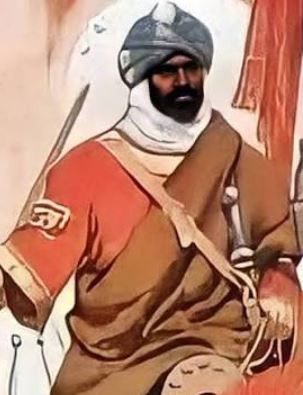
Muhammad I al-Mustansir
 (محمد المستنصر الحفصي)
Hafsid monarch who assumed the title of Caliph (Amir al-Mu'minin) in 1259 and successfully repelled the Eighth Crusade led by King Louis IX of France in 1270.
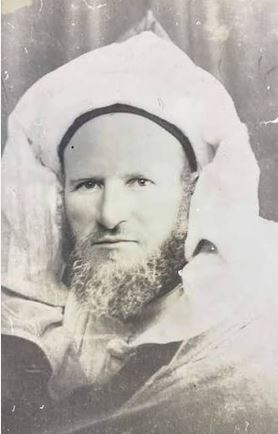
Ahmad ibn Ali al-Badawi
 (أحمد البدوي)
Most venerated Sufi saint of Egypt and founder of the Ahmadiyya/Badawiyya order, celebrated for his rooftop vigils in Tanta, warrior courage against Crusaders, and immense charity.
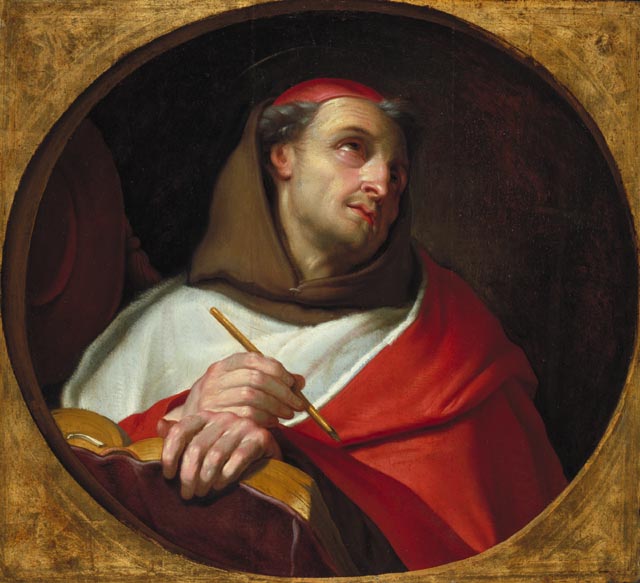
Saint Bonaventure
 (Bonaventura da Bagnoregio)
Revered as the 'Seraphic Doctor', Franciscan Minister General and scholastic philosopher who synthesized Augustinian mysticism with Christian philosophy in 'The Mind's Journey into God'.
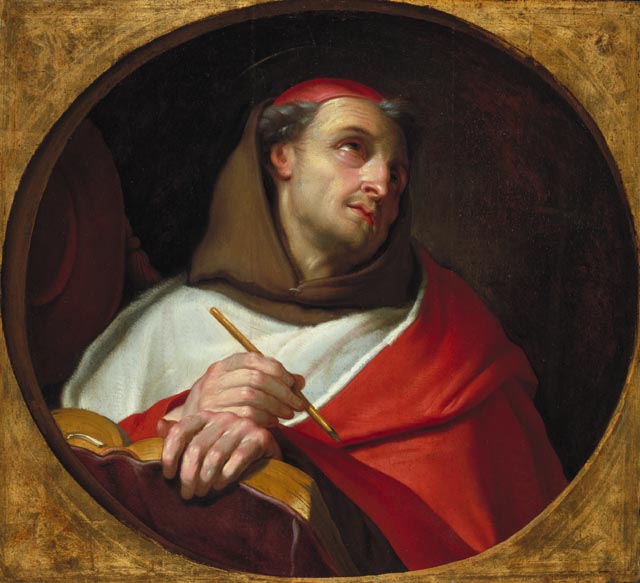
Bonaventure of Bagnoregio
(Bonaventura)
Franciscan Minister General, Cardinal Bishop, and Doctor of the Church whose 'The Mind's Journey to God' (Itinerarium) synthesized Augustinian theology with mystical Francisan love.
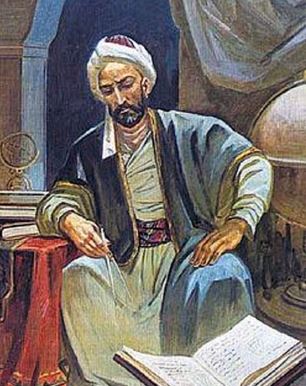
Nasir al-Din al-Tusi
 (نصير الدين الطوسي)
Persian polymath who designed the Maragheh Observatory, invented the Tusi-couple geometric model that inspired Copernicus, and authored the foundational moral treatise Akhlaq-i Nasiri.
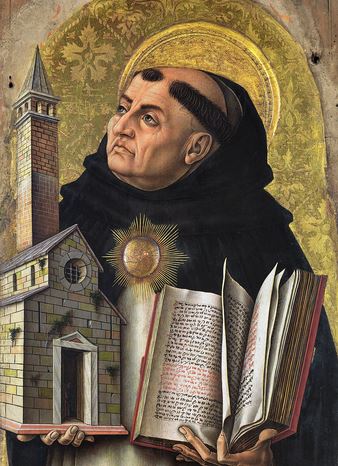
Thomas Aquinas (Doctor Angelicus)
(Thomas de Aquino)
Foremost philosopher-theologian of scholasticism who brilliantly synthesized Aristotelian philosophy with Christian revelation. Author of the monumental Summa Theologiae and formulated the Five Ways of proving God's existence.
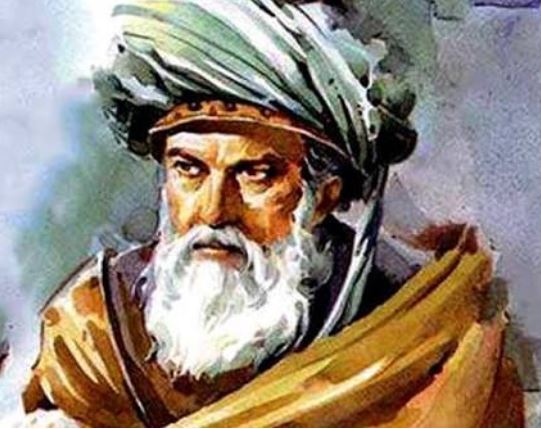
Jalal al-Din Muhammad Rumi (Mawlana)
 (مولانا جلالالدین محمد رومی)
Thirteenth-century spiritual giant whose 26,000-verse Masnavi is revered as "the Quran in the Persian tongue." Transformed through mystical communion with Shams of Tabriz into humanity's most universal poet of divine ecstasy and reconciliation.
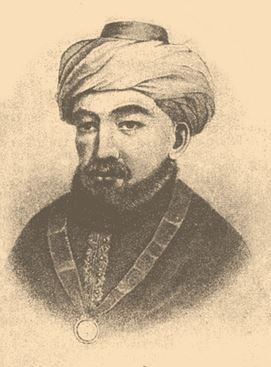
Abu Abd Allah al-Qurtubi
 (القرطبي)
Andalusian Maliki jurist and scholar whose 20-volume 'Al-Jami li-Ahkam al-Quran' is the premier legal commentary on the Quran, renowned for objectivity and ethical guidance.
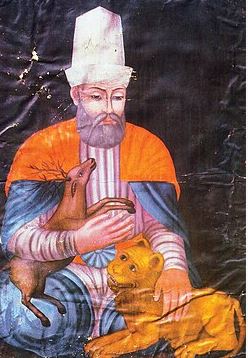
Sayyid Muhammad ibn Ibrahim Ata
(Hacı Bektaş-ı Veli)
Beloved Khorasani mystic, humanist, and philosopher who settled in Anatolia, founding the Bektashi order that heavily influenced the Janissaries and Ottoman culture.
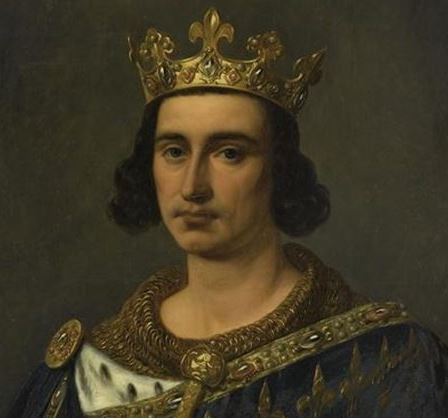
Louis IX of France (Saint Louis / King of Peace)
 (Louis IX (Saint Louis))
Capetian King of France and the only French monarch canonized as a saint. Celebrated throughout Europe as an incorruptible arbiter of international peace, builder of the luminous Sainte-Chapelle in Paris, and reformer of royal justice.
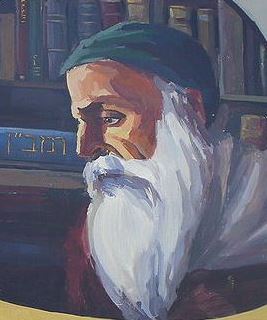
Moshe ben Nahman (Nachmanides / Ramban)
(רמב״ן (משה בן נחמן))
Thirteenth-century Catalan rabbi, physician, and kabbalist. Defended Judaism with extraordinary courage in the Disputation of Barcelona before King James I of Aragon, authored a mystical commentary on the Torah, and revitalized Jewish life in Jerusalem.
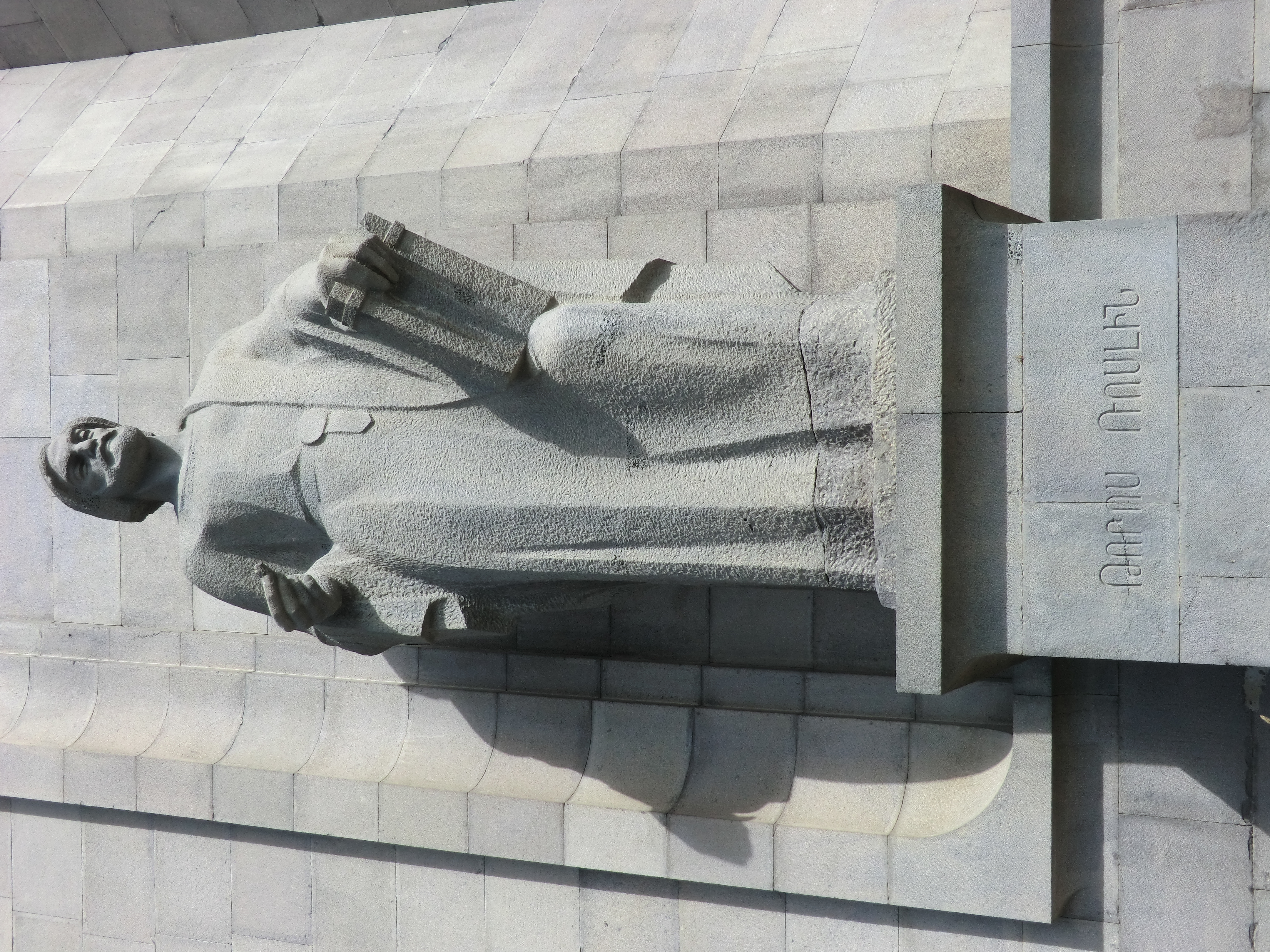
Toros Roslin
 (Թորոս Ռոսլին)
The greatest medieval manuscript illuminator and miniaturist of the Armenian Kingdom of Cilicia, whose emotional realism and delicate brushwork anticipated the Italian proto-Renaissance.
Ibn Abi Usaybi'a
 (ابن أبي أصيبعة)
Prominent 13th-century Syrian physician whose masterpiece 'Uyun al-Anba fi Tabaqat al-Atibba' is the first universal biographical history of world medicine.
Abu Dabbus Idris al-Wathiq
(أبو دبوس إدريس الواثق)
The final Almohad Caliph (1266–1269), whose defeat and death during the siege of Marrakech by Marinid Sultan Abu Yaqub Yusuf marked the definitive end of the Almohad Caliphate.
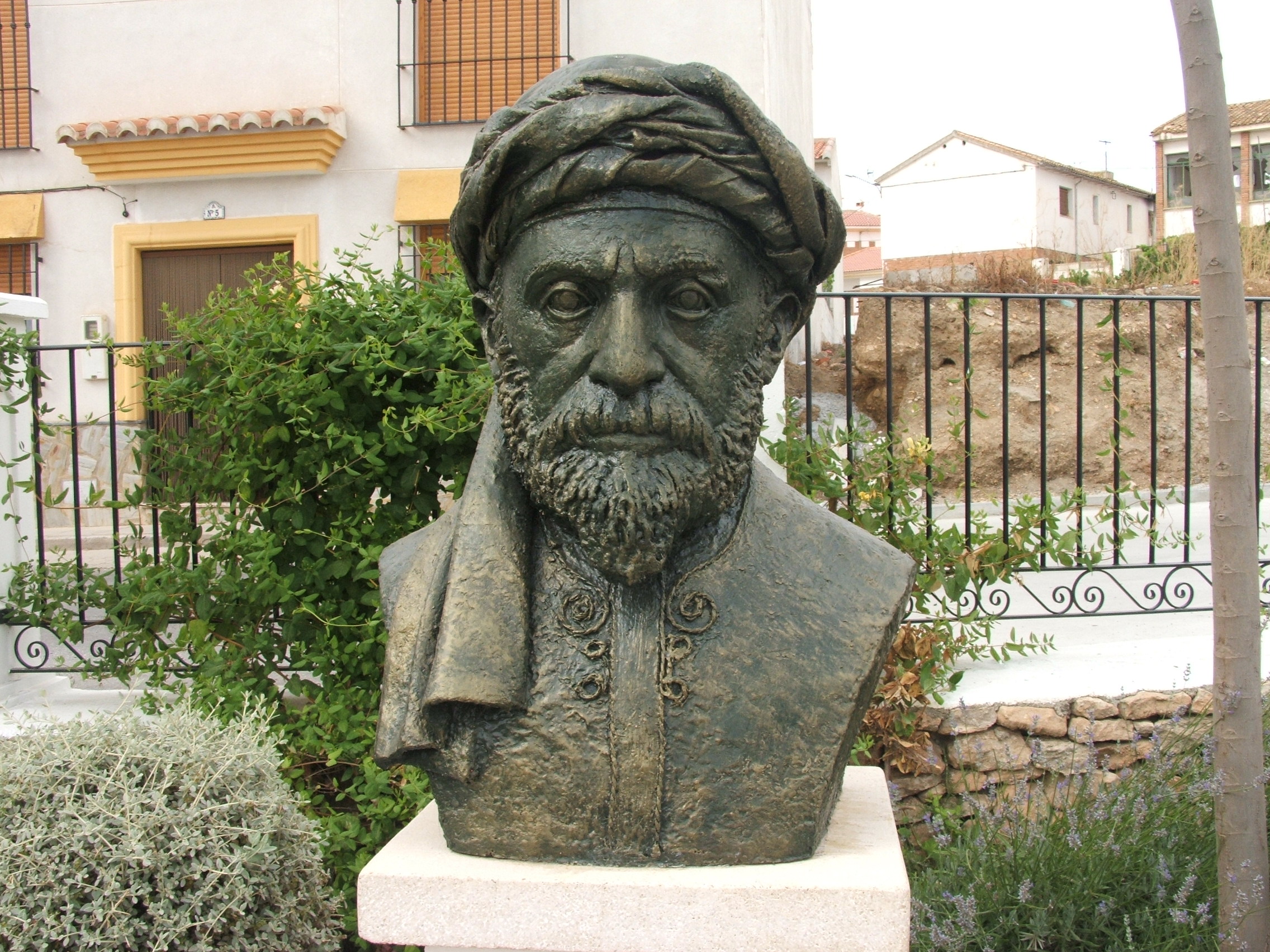
Abu al-Hasan al-Shushtari
(أبو الحسن الششتري)
Celebrated Sufi mystical poet whose vernacular zajal and muwashshah songs bridged classical Andalusian mysticism with North African and Middle Eastern spiritual song.
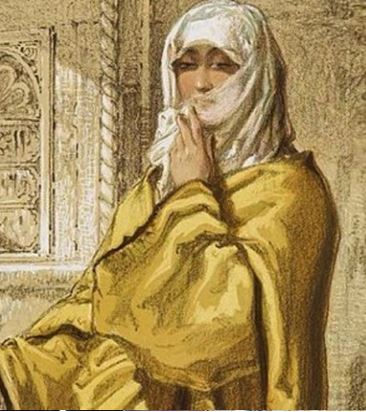
Sayyida Manoubia
(عائشة المنوبية (السيدة المنوبية))
Revered 13th-century Sufi mystic and humanitarian saint of Tunis, disciple of Abu Said al-Baji and Shadhili master, celebrated for her radical asceticism, public preaching, and defense of the impoverished.