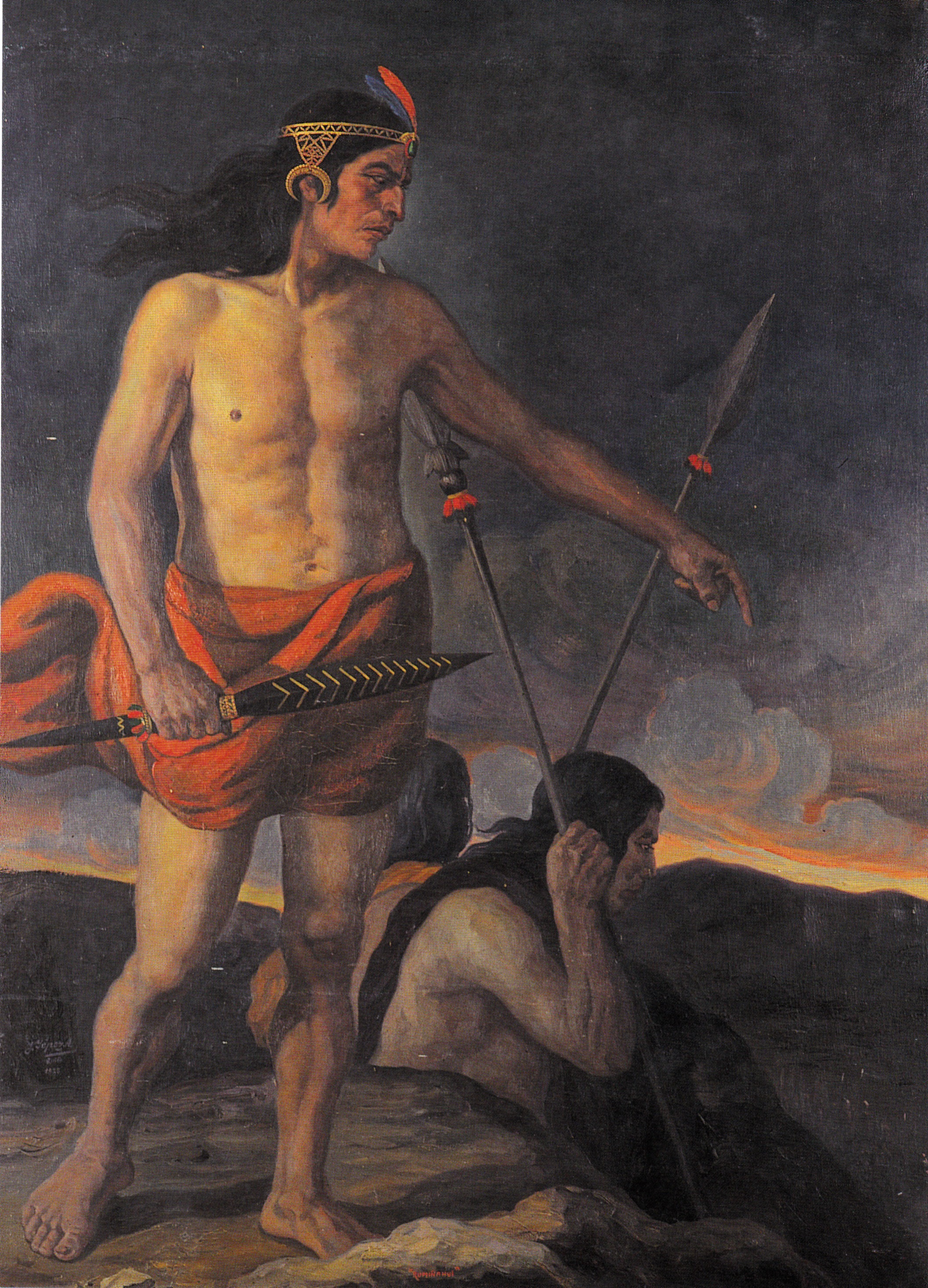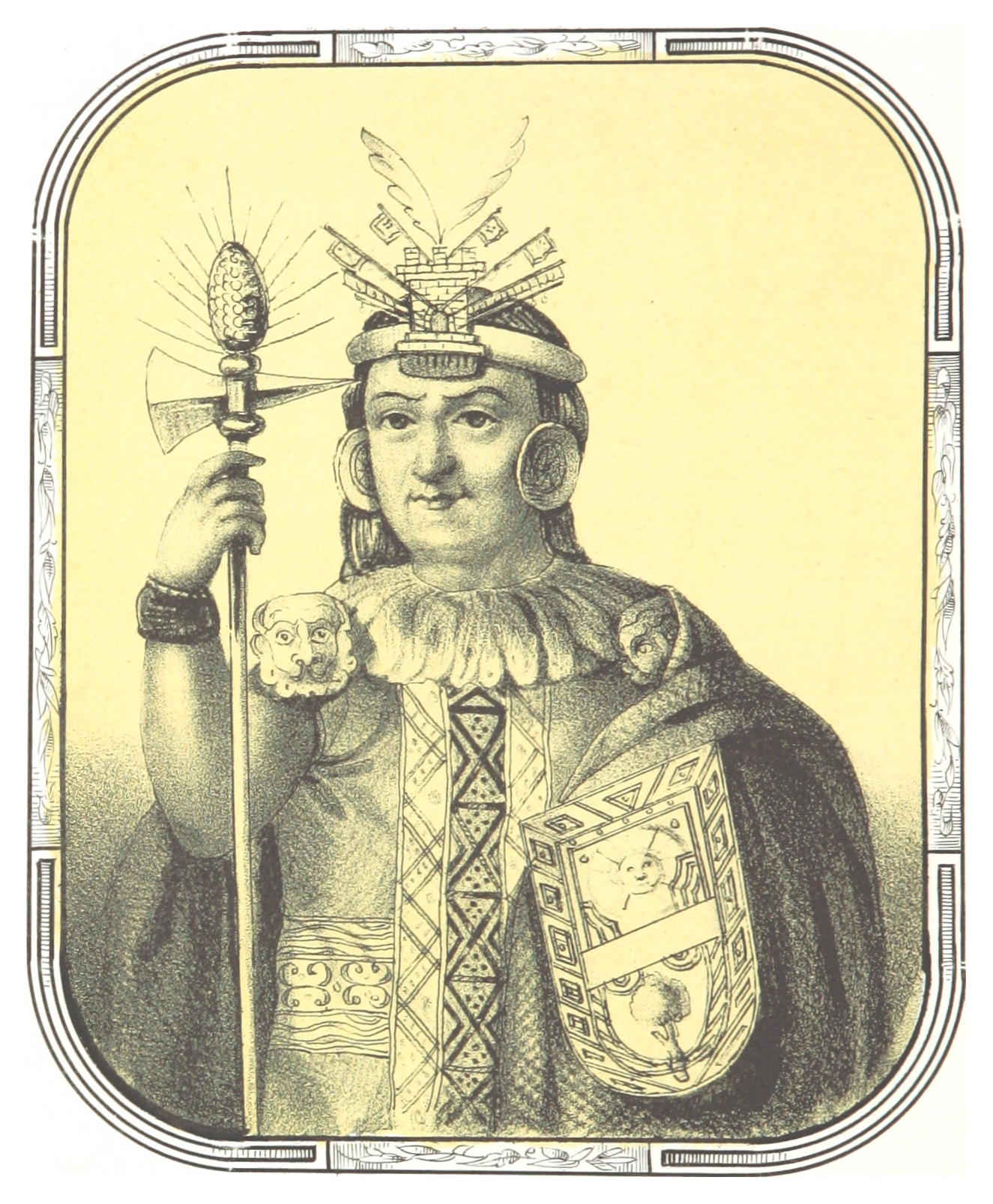
Manco Inca
Emperor of the Inca who escaped Spanish confinement in 1536 to launch the Great Inca Rebellion, laying siege to Spanish-occupied Cusco with 100,000 warriors and founding the independent Neo-Inca State in the cloud forests of Vilcabamba.
Start typing to search worldwide archives and community tributes
Filterable archive covering centuries of intellectual, artistic, and moral contributions to the human story.
Emperor of the Inca who escaped Spanish confinement in 1536 to launch the Great Inca Rebellion, laying siege to Spanish-occupied Cusco with 100,000 warriors and founding the independent Neo-Inca State in the cloud forests of Vilcabamba.
Supreme Northern Renaissance portraitist whose precise likenesses defined the court of King Henry VIII and European Humanism.
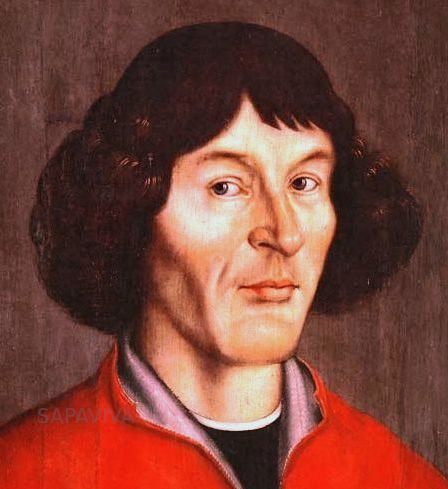
Polish astronomer and canon whose 1543 masterpiece De revolutionibus orbium coelestium placed the Sun at the center of the universe, inaugurating the Scientific Revolution.
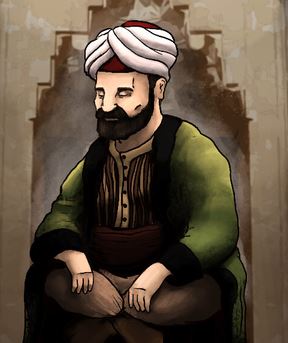
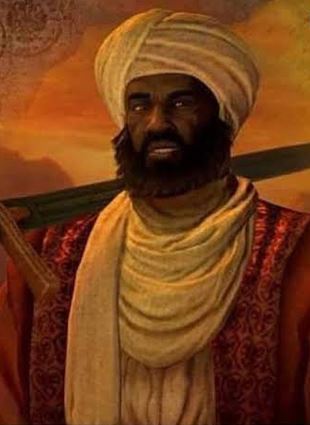
Revered 16th-century Sufi ascetic of the Jazuliyya branch whose mystical wandering earned him the title 'Rahhal' (the Traveler), founder of the religious center of Sidi Rahhal in the foothills of the High Atlas.
Sovereign of the Kingdom of Kongo from 1509 to 1542 who modernized Kongo, converted to Christianity, and wrote historic diplomatic letters to the King of Portugal protesting the illegal slave trade.
Greatest Ottoman governor of Bosnia whose extensive endowments transformed Sarajevo into a world-class Renaissance metropolis, building the Gazi Husrev-beg Mosque, Kuršumlija Madrasa, and Sahat Kula.
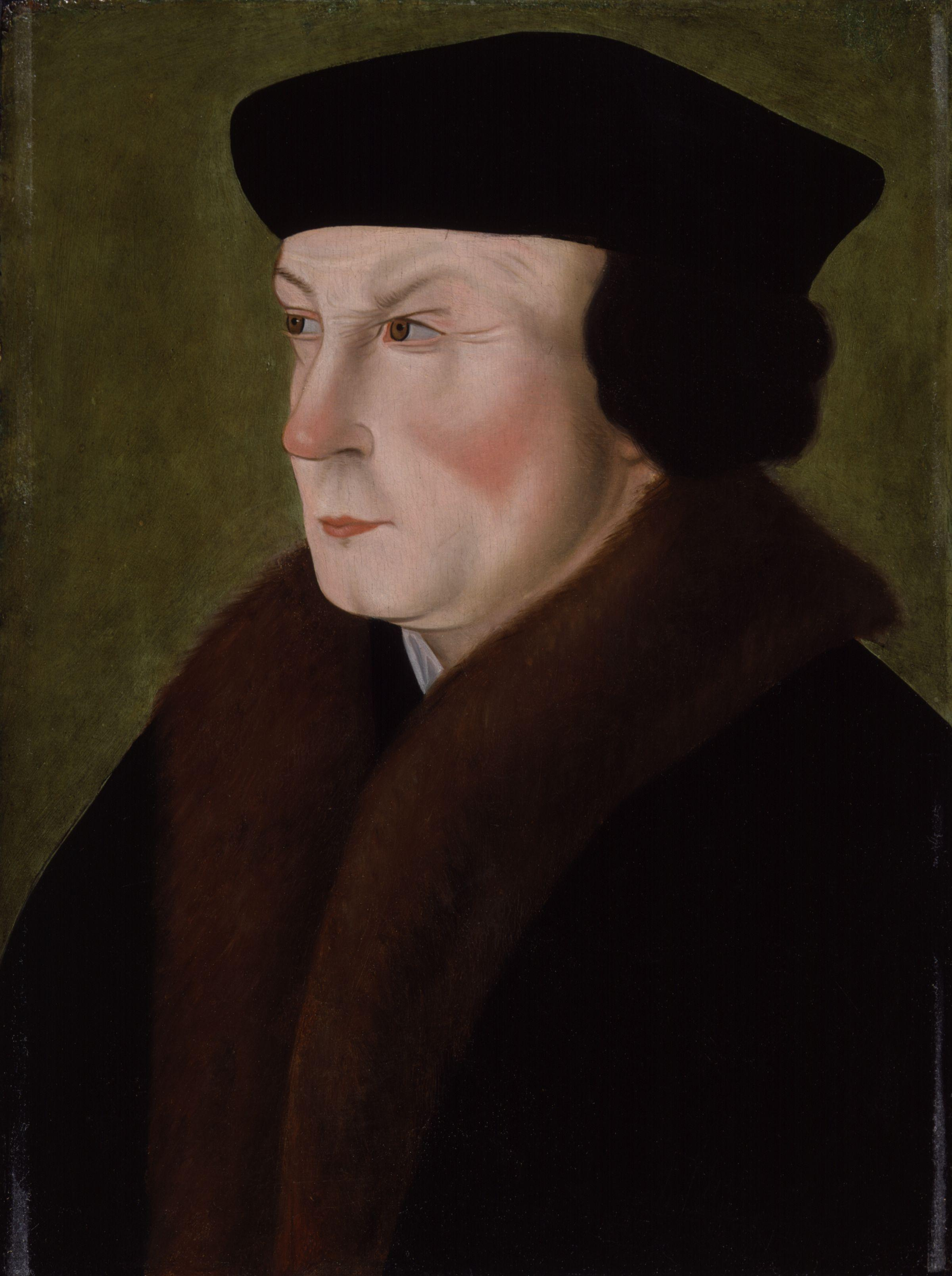
Chief minister to King Henry VIII who orchestrated the English Reformation, established Royal Supremacy over the Church, and dissolved the monasteries.
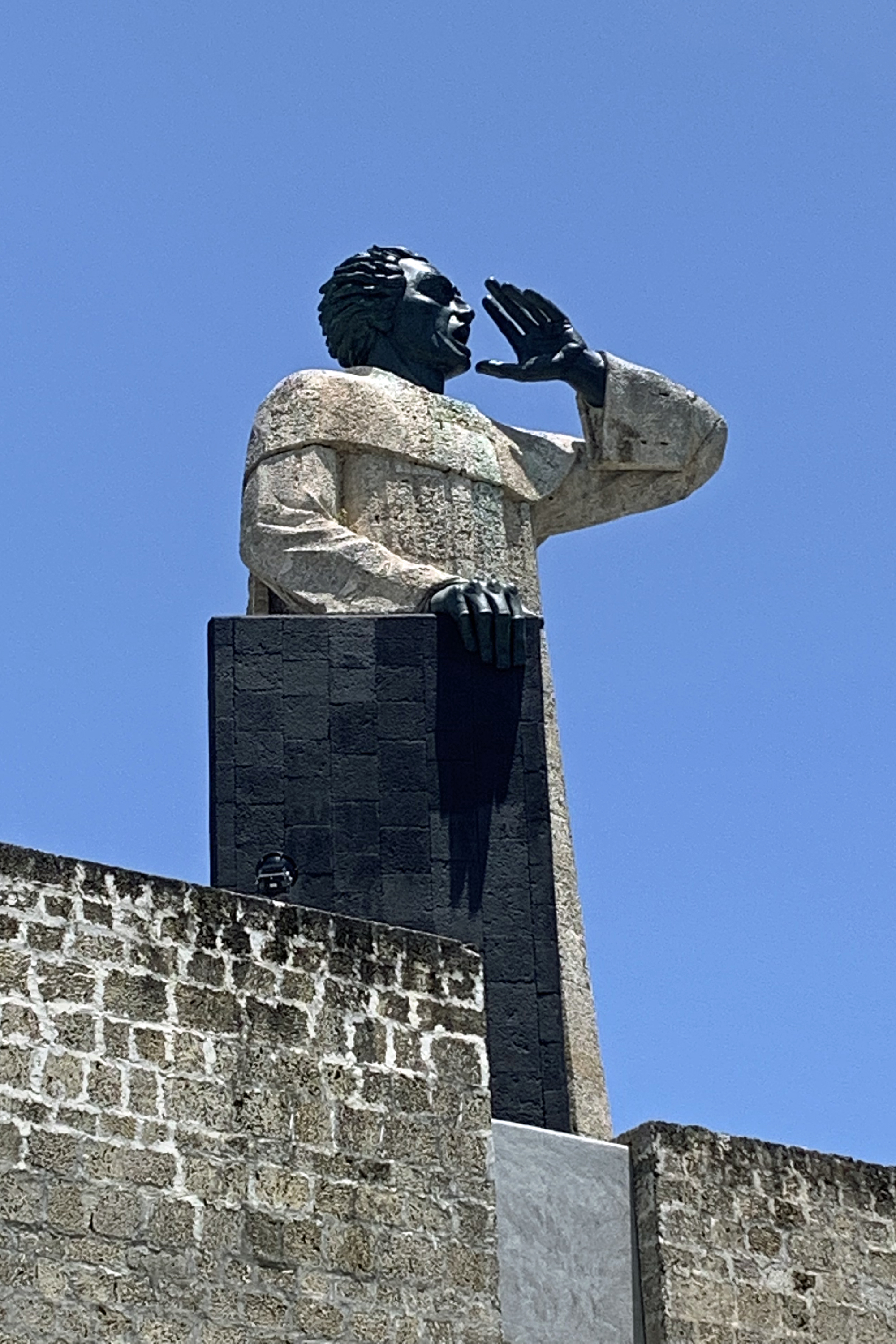
Spanish Dominican friar who delivered the historic Advent sermon of 1511 on Hispaniola, the first public denunciation of European mistreatment and enslavement of indigenous peoples in the New World.
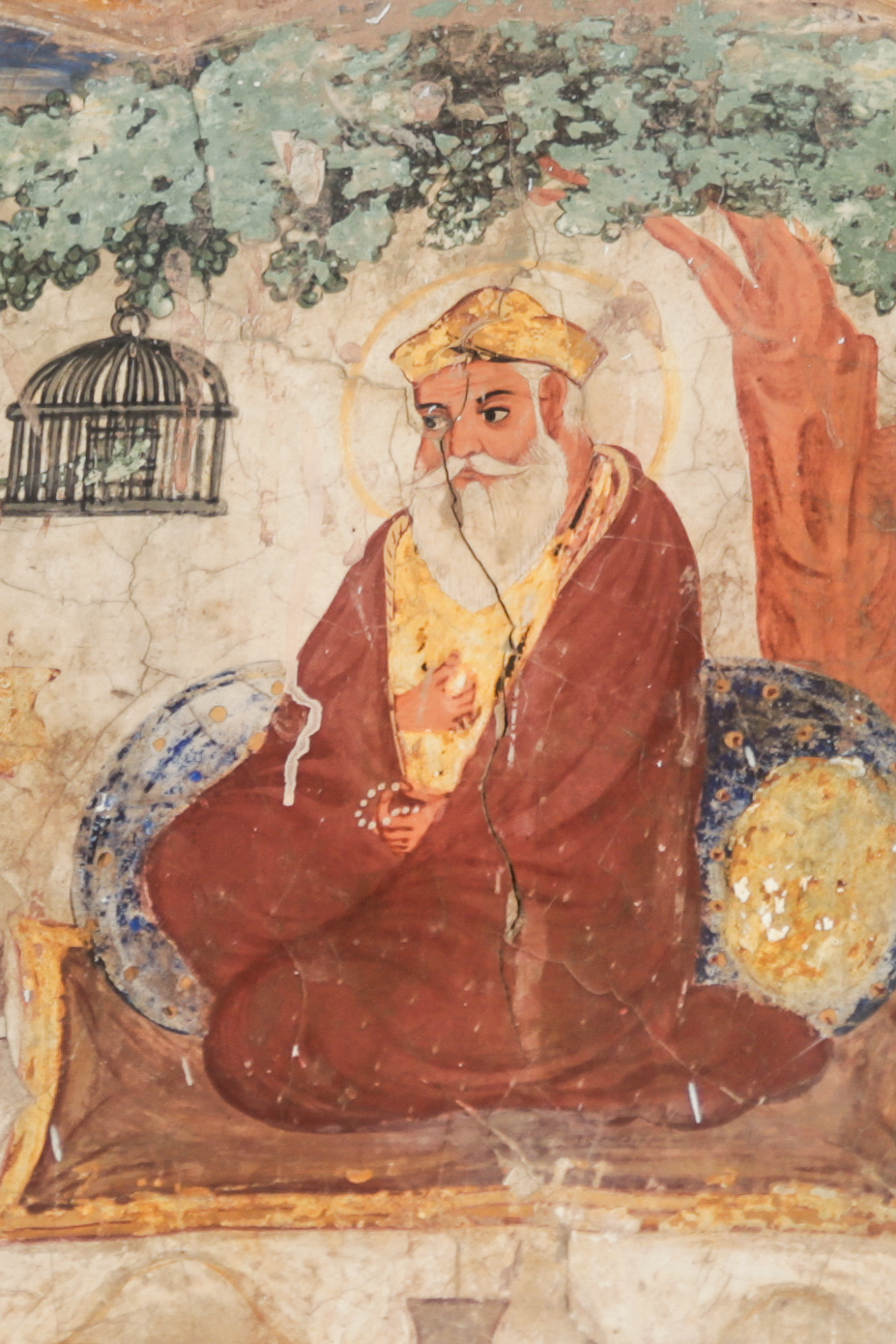
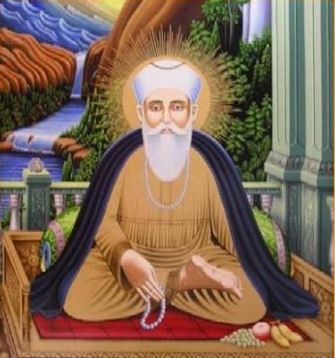
Founder of Sikhism and the first of the ten Sikh Gurus, who taught the oneness of God (Ik Onkar), equality of all human beings, and the institution of langar.
Founder of Sikhism who proclaimed the universal oneness of the Creator (Ik Onkar). Traveled thousands of miles across Asia on foot (Udasis), breaking caste discrimination and establishing the free communal kitchen (Langar).
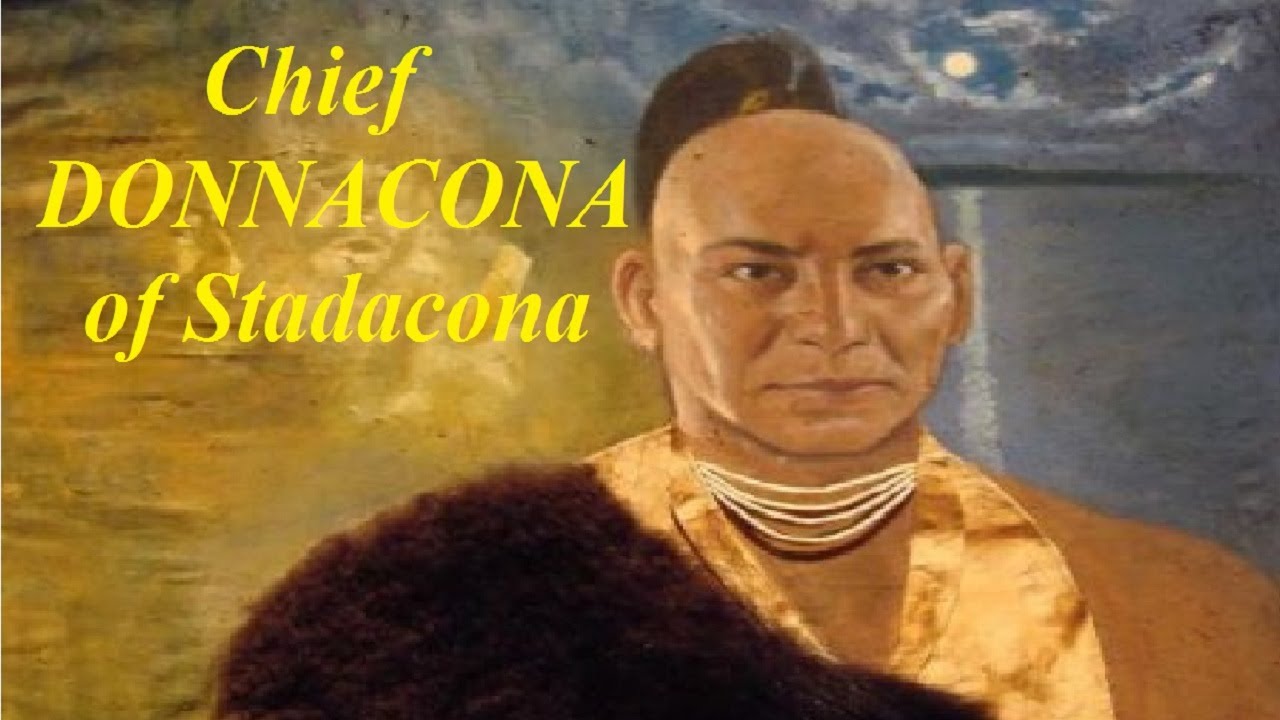
Sixteenth-century leader of the St. Lawrence Iroquoian settlement of Stadacona who met Jacques Cartier in 1534 and was taken to France to meet King Francis I.
Native of Azemmour, Morocco, and one of only four survivors of the 1528 Narváez expedition, who walked thousands of miles across Texas, Mexico, and the American Southwest, serving as key translator and guide.
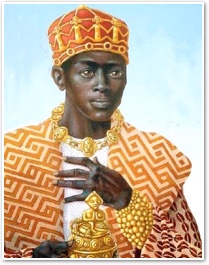
Emperor of the Songhai Empire known as Askia the Great, who expanded the empire to its maximum territorial height and made Timbuktu the premier intellectual capital of West Africa.
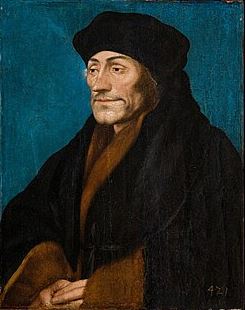
Leader of northern Christian humanism celebrated as the "Prince of the Humanists." Published the first printed Greek New Testament (Novum Instrumentum) and penned biting satires against clerical hypocrisy like Praise of Folly.
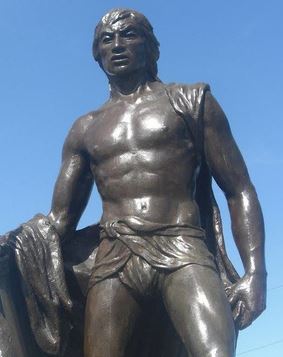
Taino cacique Guarocuya 'Enriquillo' who led a brilliant fourteen-year guerrilla war (1519–1533) in the Bahoruco mountains of Hispaniola, forcing Holy Roman Emperor Charles V to sign a royal peace treaty recognizing Taino autonomy and freedom.
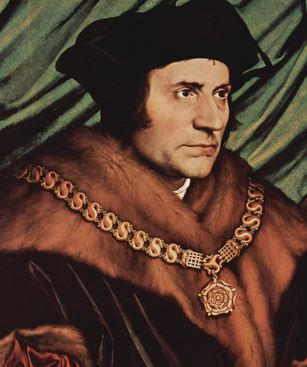
Universal exemplar of intellectual integrity and moral conscience standing firm against autocratic state tyranny; coined the term 'Utopia'.
Heroic Inca general and brother of Emperor Atahualpa who led the northern defense of the Inca Empire against Spanish conquistadors, evacuated and torched Quito, and hid the legendary golden Treasure of the Llanganatis in the volcanic Andes.
Supreme master of Persian miniature painting whose psychological realism and architectural dynamism defined the ateliers of Herat and Tabriz.