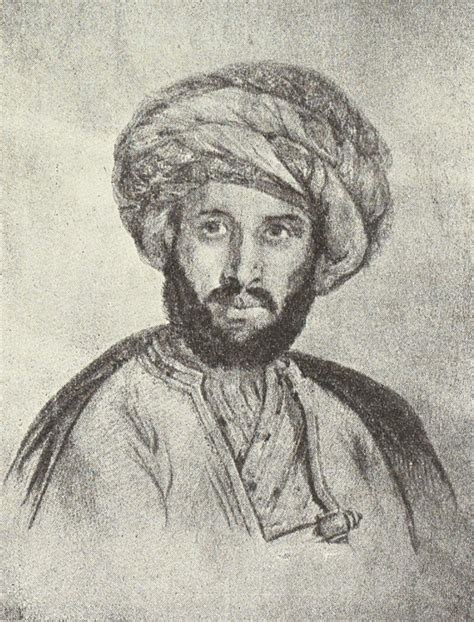
Ahmad ibn Idris al-Fasi
Moroccan-born global Islamic reformer and mystic of Fez who founded the Idrisiyya revivalist movement, teaching Muhammad ibn Ali al-Senussi and shaping 19th-century Sufism.
Start typing to search worldwide archives and community tributes
Filterable archive covering centuries of intellectual, artistic, and moral contributions to the human story.
Moroccan-born global Islamic reformer and mystic of Fez who founded the Idrisiyya revivalist movement, teaching Muhammad ibn Ali al-Senussi and shaping 19th-century Sufism.
Ninth Husainid sovereign who preserved Tunisian territorial integrity during the Ottoman reconquest of Tripoli and the French expansion in eastern Algeria, laying foundations for the Bardo military academy.
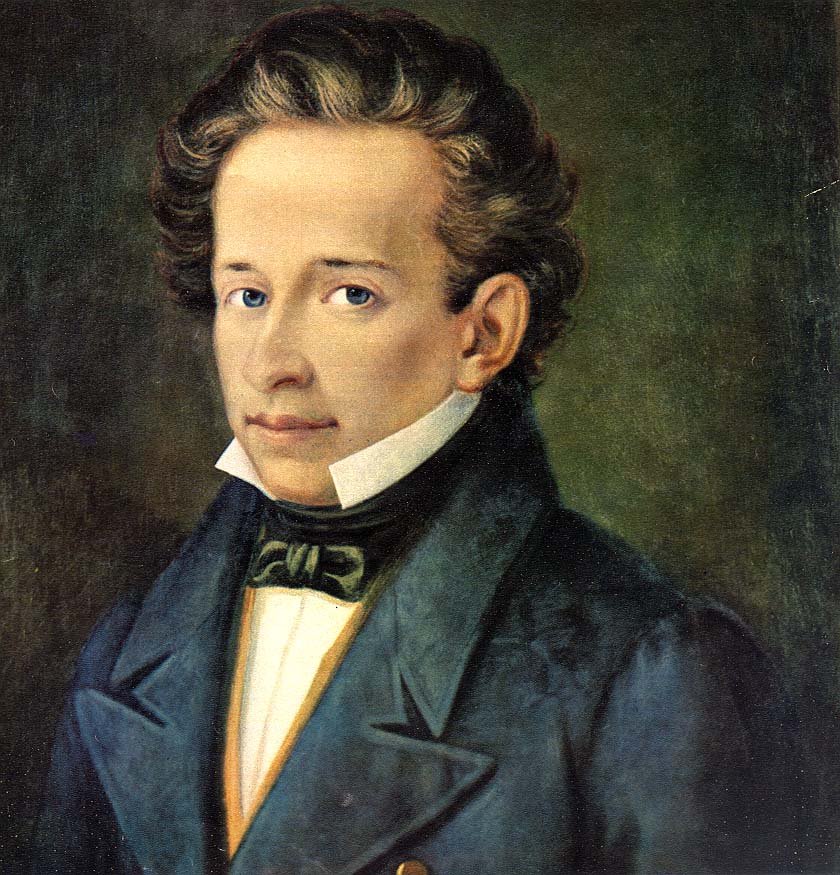
Foremost modern Italian lyric poet and philosopher of cosmic pessimism whose Canti and Operette morali achieved peerless stylistic purity and intellectual depth.
Dominant Chilean statesman and businessman who established the stable constitutional framework of the Chilean Republic under the 1833 Constitution.
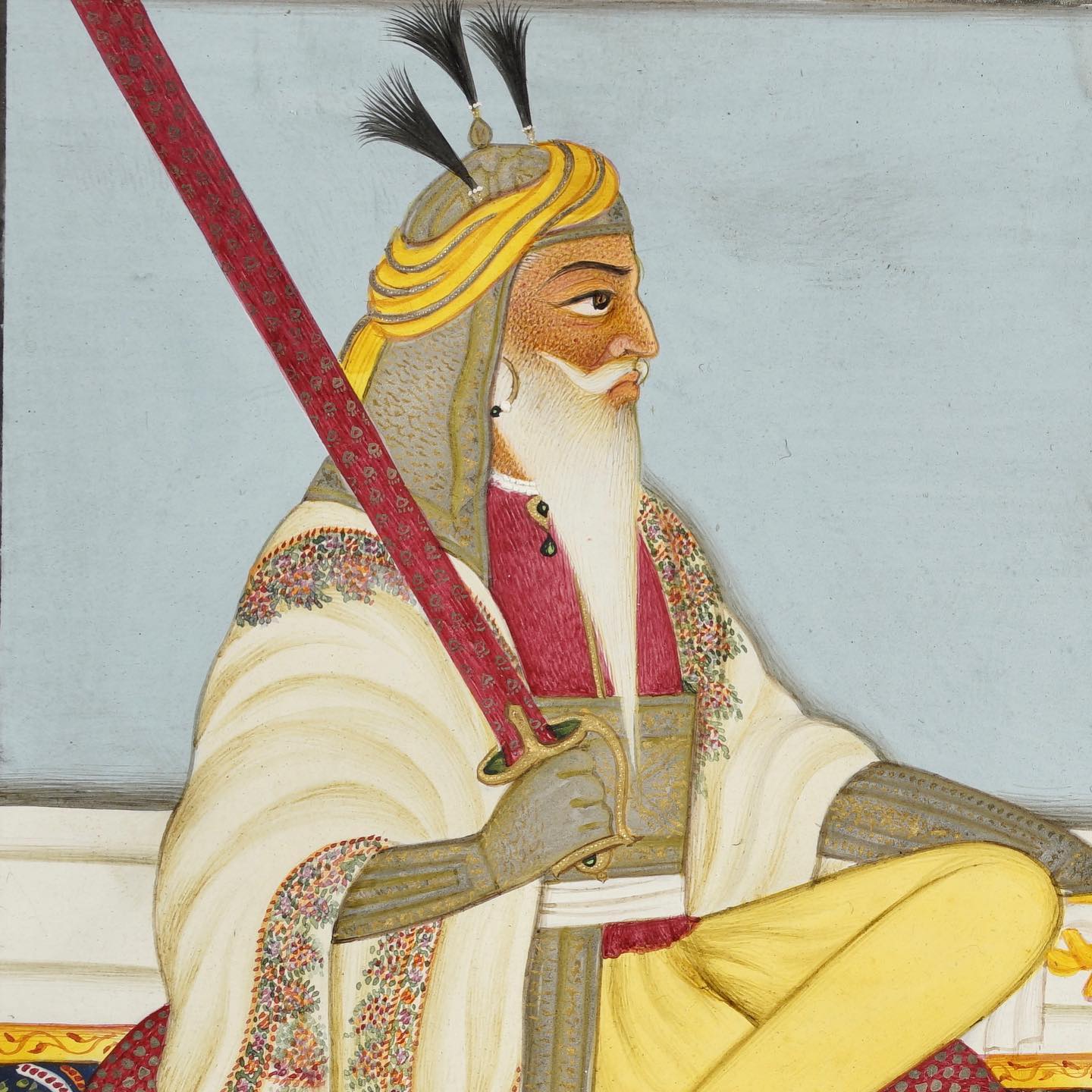
Fabled Commander-in-Chief of the Sikh Khalsa Army whose military genius halted centuries of foreign invasions through the Khyber Pass, conquering Kasur, Multan, Kashmir, and Peshawar.
English Romantic landscape master celebrated for his loving, luminous paintings of Dedham Vale and The Hay Wain.
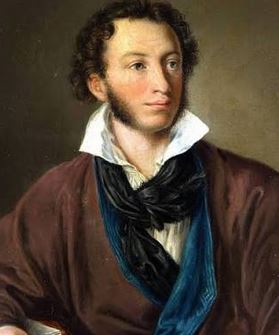
Revered as 'The Sun of Russian Poetry' and the foundational father of modern Russian literature, whose novel in verse Eugene Onegin, drama Boris Godunov, and The Bronze Horseman forged the modern Russian literary language.
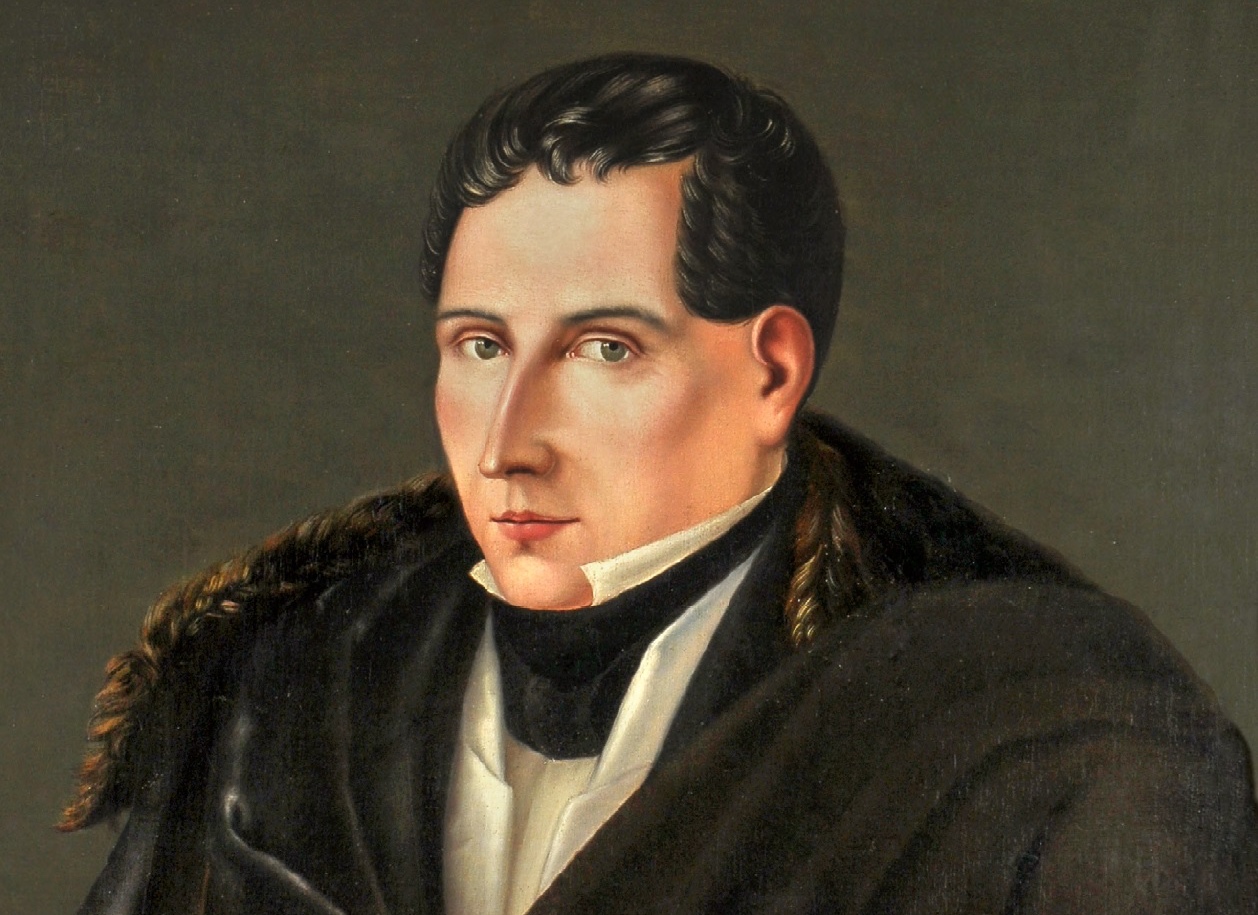
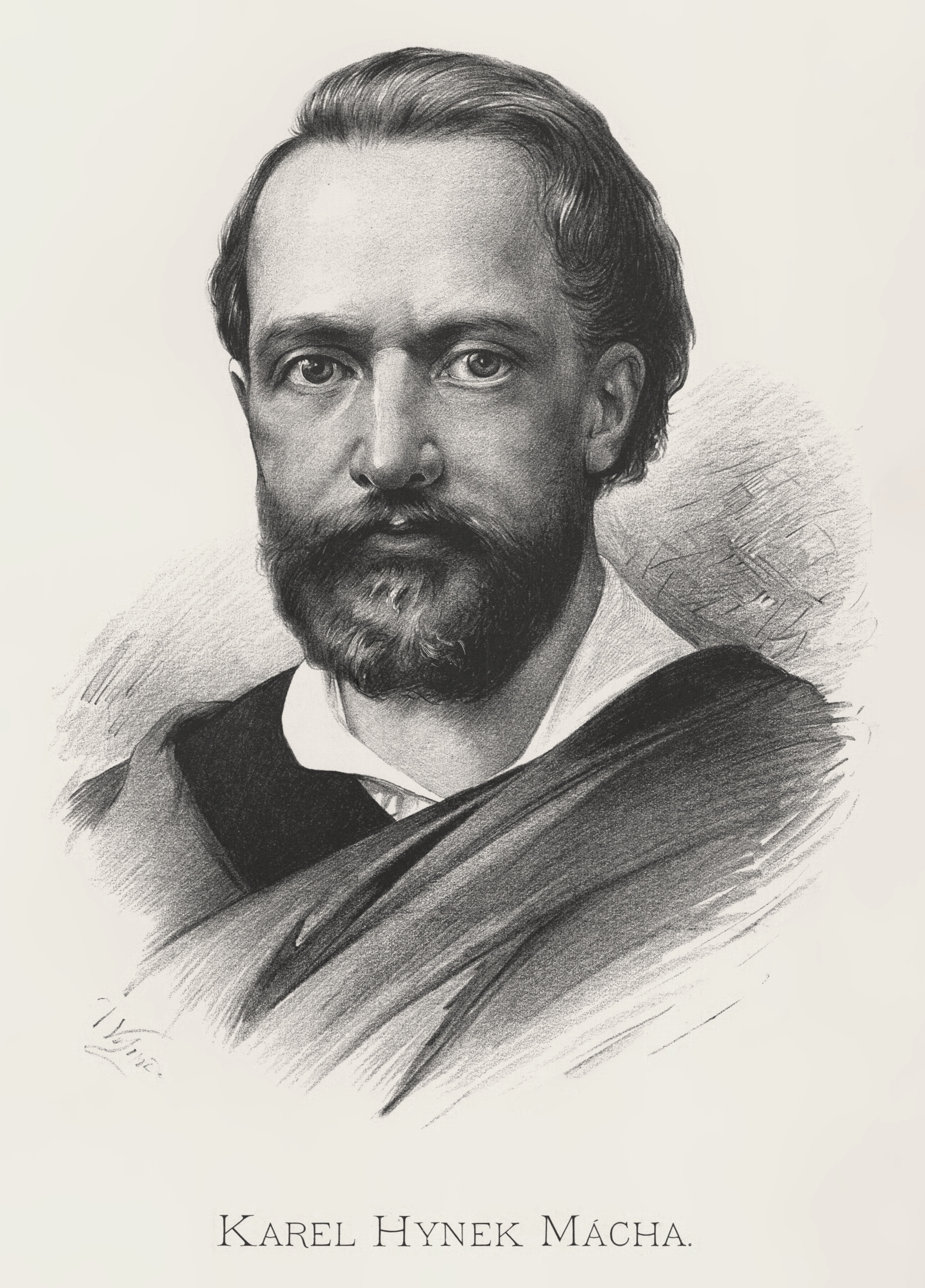
Greatest lyric poet of Czech Romanticism whose 1836 masterpiece 'Mรกj' (May) opened modern Czech poetry with dazzling sonic beauty, metaphysical rebellion, and the iconic verse: 'Late evening, on the first of May'.
French botanist who published Genera Plantarum in 1789, revolutionizing botanical taxonomy by establishing the natural system of plant classification based on morphological hierarchies rather than artificial sexual counts.
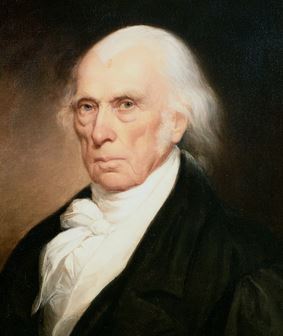
Designed the core institutional framework of American democracy, institutional checks and balances, and guaranteed constitutional civil liberties.
Preeminent political theorist of the French Revolution whose 1789 pamphlet What Is the Third Estate? sparked the revolution, who survived the Terror ('J'ai vรฉcu'), and who orchestrated the Coup of 18 Brumaire with Napoleon Bonaparte.
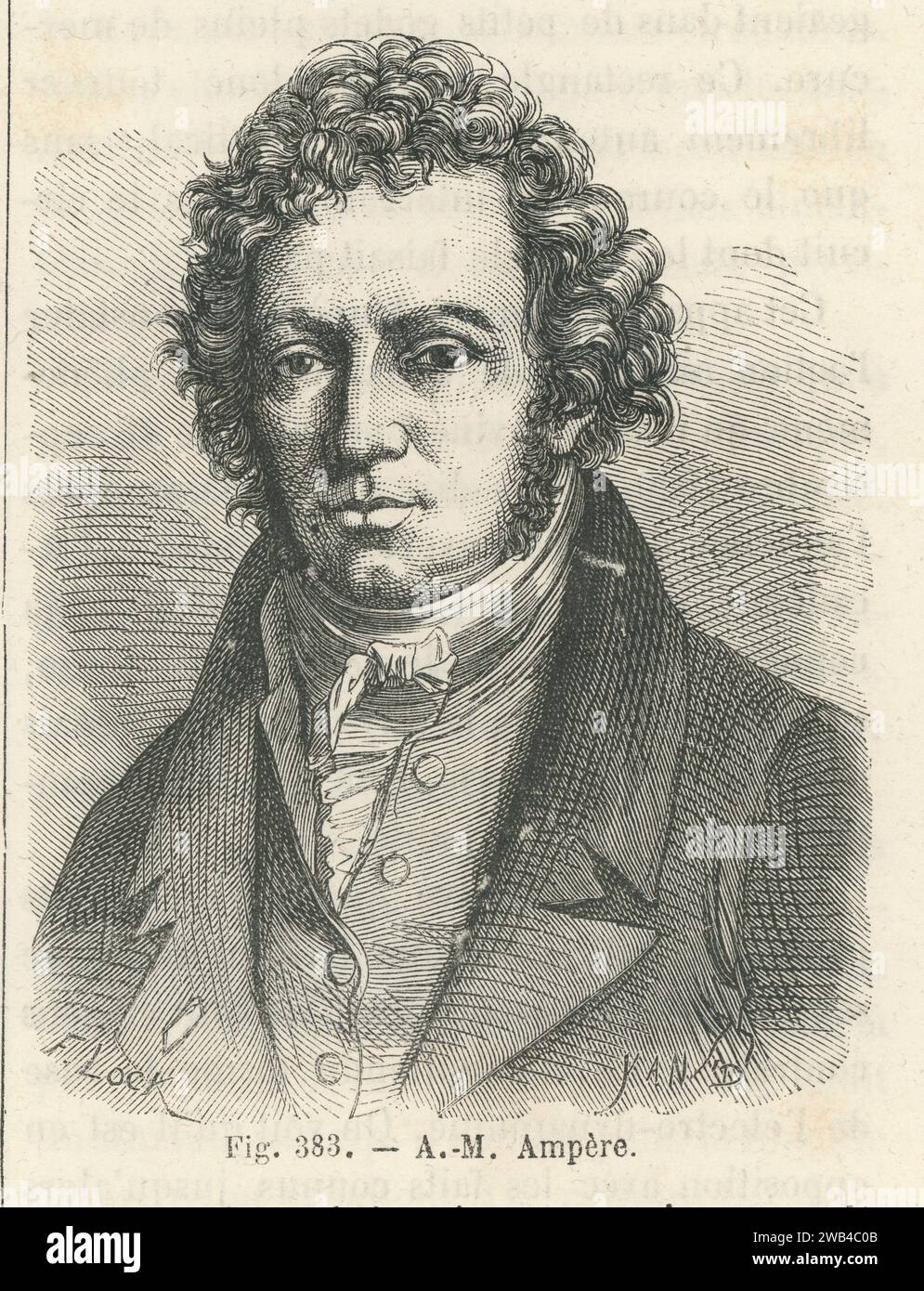
French physicist and mathematician who founded electrodynamics and formulated Ampรจre's circuital law.
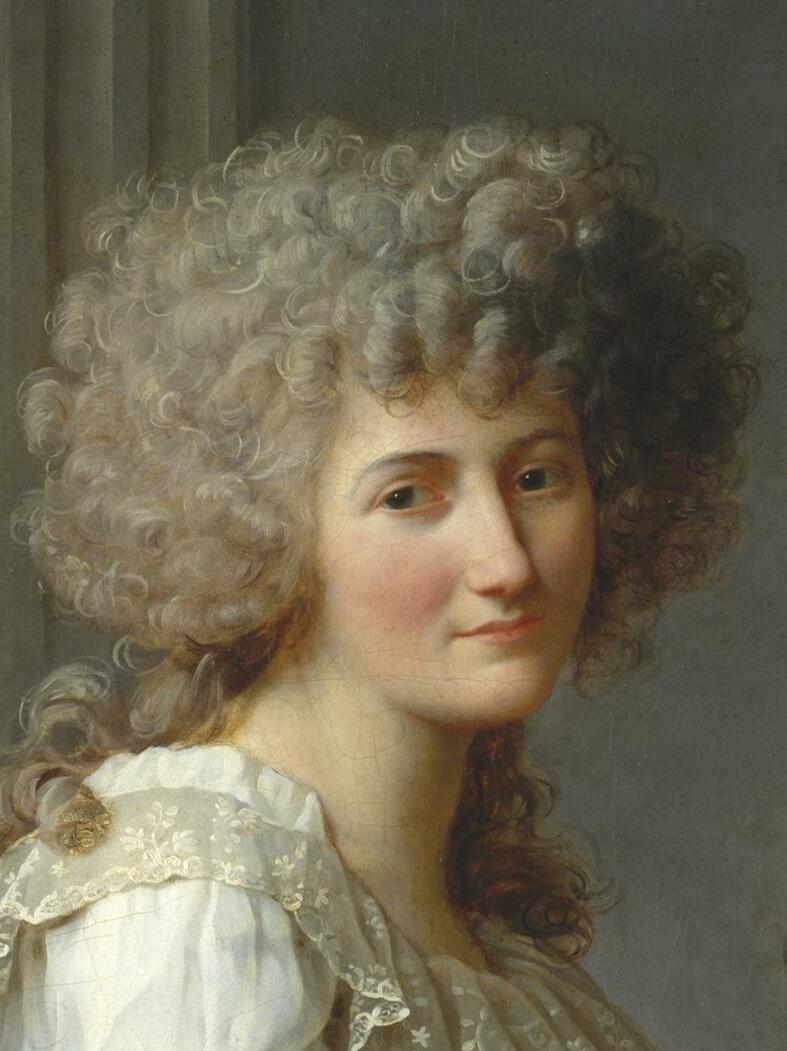
French chemist, scientific translator, and artist revered as the 'mother of modern chemistry' alongside Antoine Lavoisier.
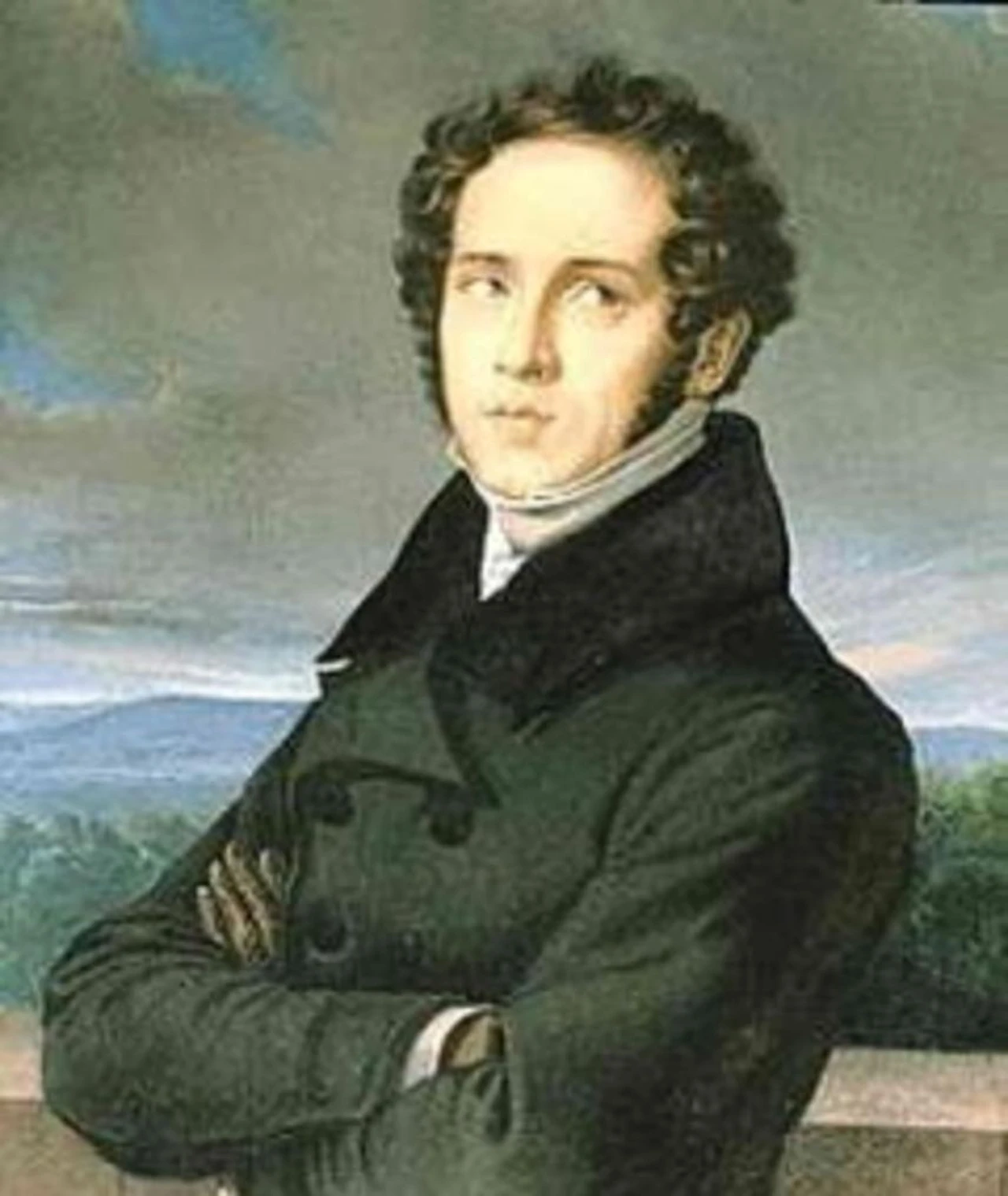
Quintessential Italian bel canto composer celebrated for his long, flowing, melancholy melodies in Norma and I puritani.
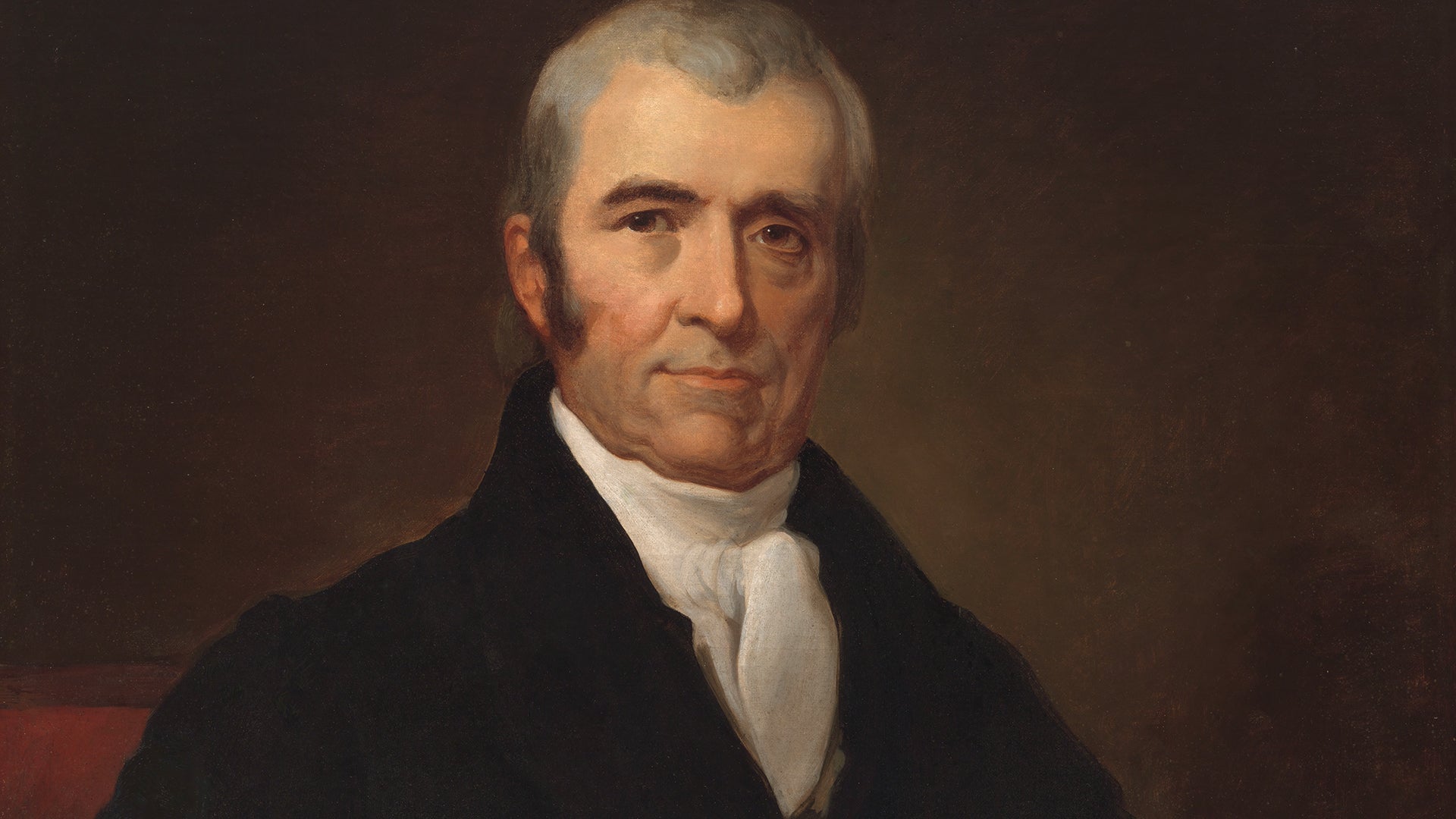
Fourth Chief Justice of the United States who served for thirty-four years, established the principle of judicial review in Marbury v. Madison, and made the Supreme Court a co-equal branch.
Admiral of the Greek revolutionary fleet from Hydra whose naval victories secured Greek coastal independence.
Husainid ruler who in 1827 created the modern national flag of Tunisia (red banner with white circle, crescent, and star) following the Battle of Navarino to distinguish Tunisian naval vessels.
Visionary Grand Imam of Al-Azhar and polymath who recognized the necessity of modern scientific education following Napoleon's invasion of Egypt, serving as the intellectual mentor of Rifa'a al-Tahtawi and father of the Egyptian Nahda.