Public Figures & Cultural Luminaries
Filterable archive covering centuries of intellectual, artistic, and moral contributions to the human story.
Ibrahim al-Yaziji
 (إبراهيم اليازجي)
Brilliant Nahda philologist who refined modern literary Arabic, simplified Arabic printing typography, and founded the influential journal Al-Diya.
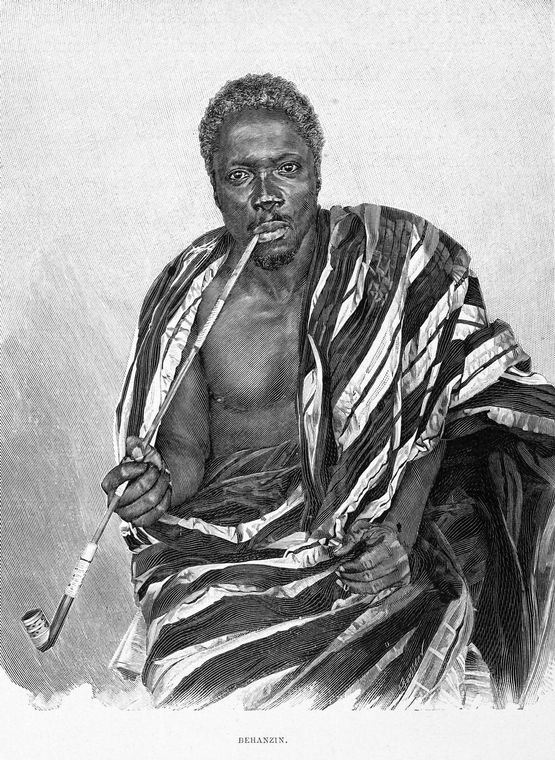
King Behanzin (Gbehanzin (Gbêxan-zîn))
Eleventh King of the Kingdom of Dahomey, celebrated as the 'Shark King' (Kondo), who commanded his legendary 4,000-strong all-female warrior battalions (the Dahomey Amazons / Mino) in fierce defense against French colonial conquest.
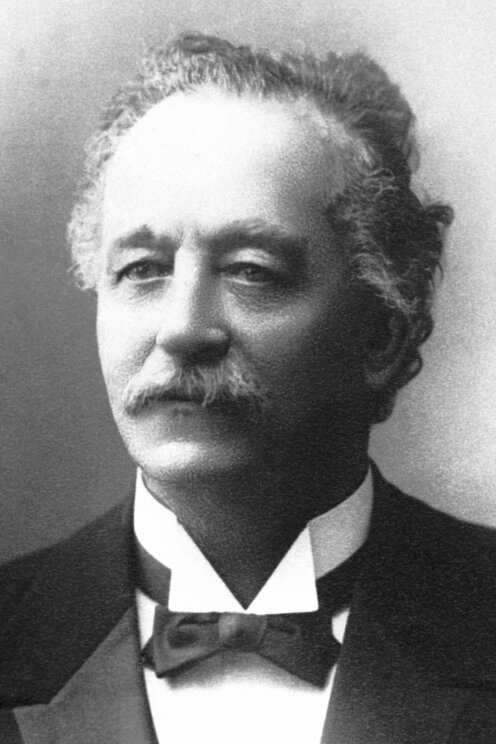
Élie Ducommun
 (Élie Ducommun)
Élie Ducommun was a Swiss journalist, politician, and peace activist who served as the first honorary director of the International Peace Bureau in Bern from 1891 until his death. For his tireless, unpaid leadership coordinating peace societies worldwide, he was awarded the 1902 Nobel Peace Prize jointly with Charles Albert Gobat.
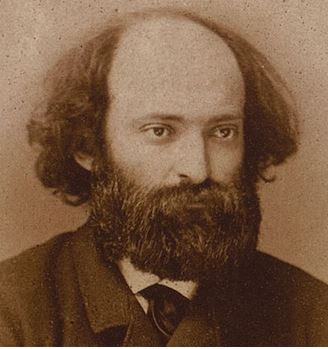
Paul Cézanne
 (Paul Cézanne)
The solitary genius of Aix-en-Provence proclaimed by both Picasso and Matisse as 'the father of us all', who deconstructed visual reality into underlying cylinders, spheres, and cones in his Mont Sainte-Victoire series, birthing Cubism.
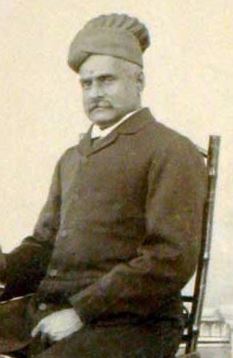
Raja Ravi Varma
 (രാജാ രവിവർമ്മ)
Pioneering Indian painter who fused European academic oil technique with Hindu iconography, establishing the visual archetypes of Hindu gods and goddesses through accessible oleograph prints.
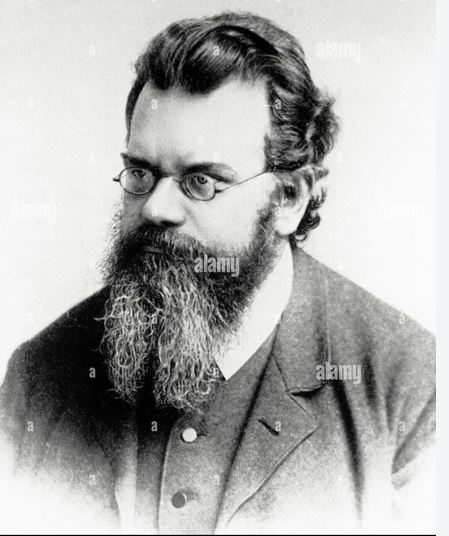
Ludwig Eduard Boltzmann
 (Ludwig Eduard Boltzmann)
Austrian physicist whose development of statistical mechanics linked microscopic atomic collisions to macroscopic thermodynamics, formulating the statistical definition of entropy (S = k log W).
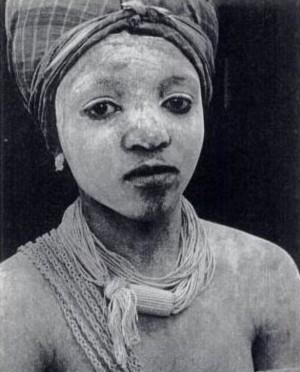
Madam Yoko
 (Soma)
Formidable 19th-century Mende monarch who utilized diplomatic genius and the Sande secret society to consolidate an empire of fourteen chiefdoms as Paramount Chief of Senehun.
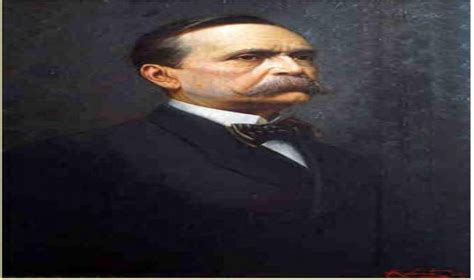
Carlos Pellegrini
 (Carlos Enrique José Pellegrini Alta)
Statesman who assumed the presidency following the 1890 financial collapse, stabilized the currency, founded the Banco de la Nación Argentina, and championed progressive industrialization.
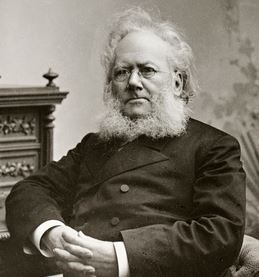
Henrik Johan Ibsen
 (Henrik Ibsen)
Founding father of modern theatrical realism and second most performed playwright in history after Shakespeare whose explosive social dramas—A Doll's House (Nora's slamming door), Ghosts, and Hedda Gabler—shattered Victorian bourgeois hypocrisy.
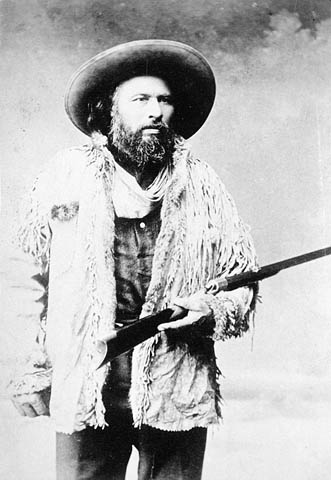
Gabriel Dumont
 (Gabriel Dumont)
Legendary Métis buffalo hunt commander and master marksman who served as military general during the 1885 North-West Resistance, displaying tactical brilliance at Duck Lake and Fish Creek.
Oswald Durand
 (Oswald Durand)
National poet of Haiti and journalist who authored 'Choucoune', the most celebrated lyrical romance in Haitian literature.
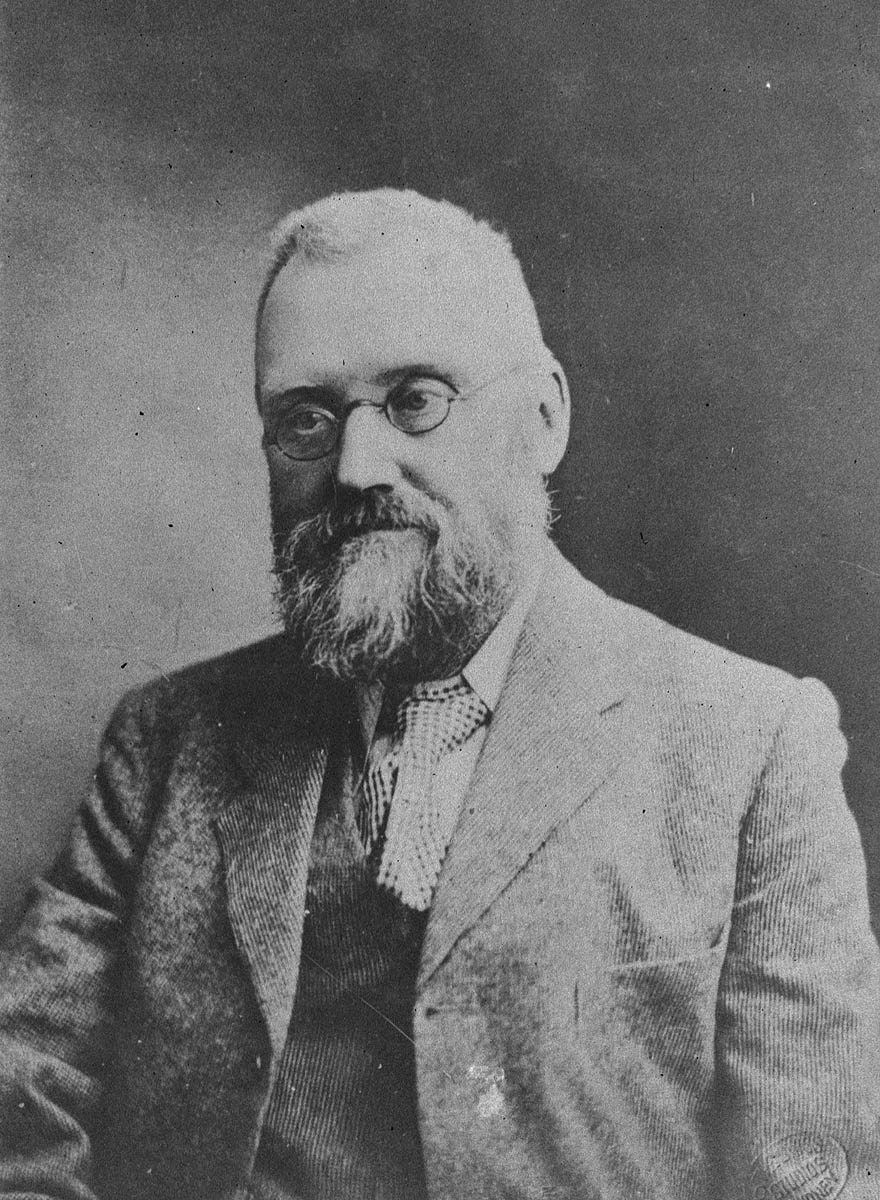
William Farrer
 (William James Farrer)
Visionary agricultural scientist whose systematic cross-breeding created 'Federation' wheat in 1901, a rust- and drought-resistant strain that transformed Australia into a premier wheat exporter.
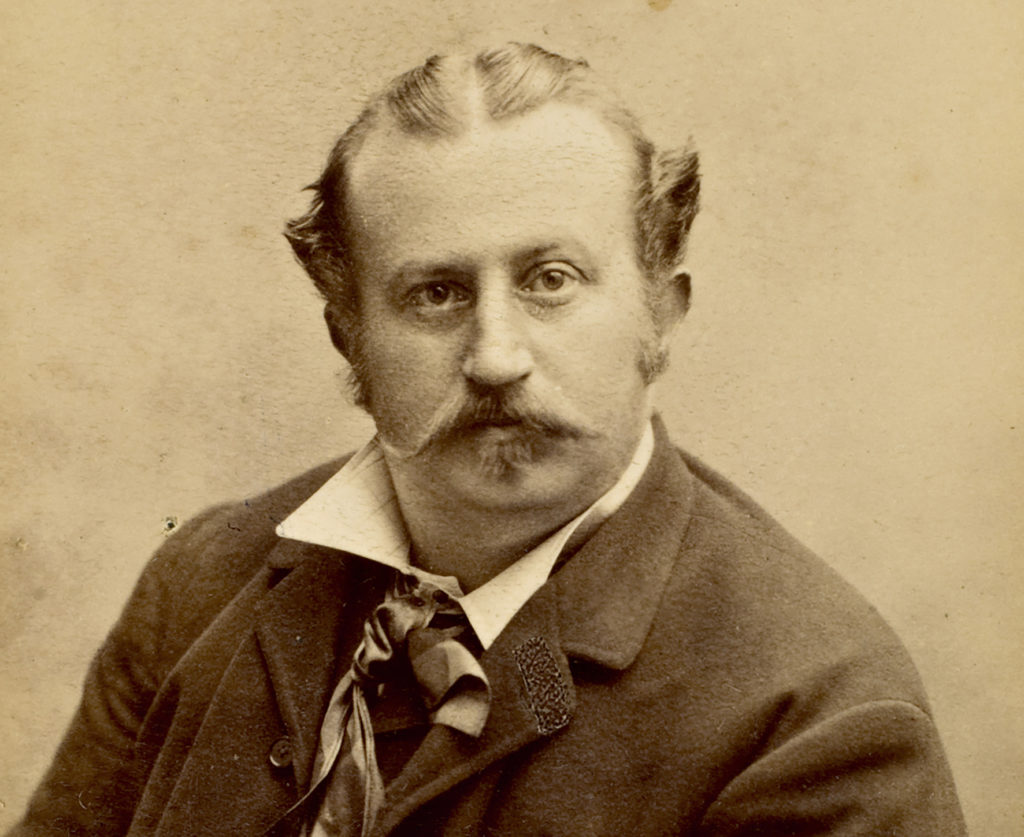
Alexander Kielland
(Alexander Lange Kielland)
Brilliant realist writer and satirist of 19th-century Norwegian literature, famed for his sharp social critiques in novels like Garman & Worse and Gift.
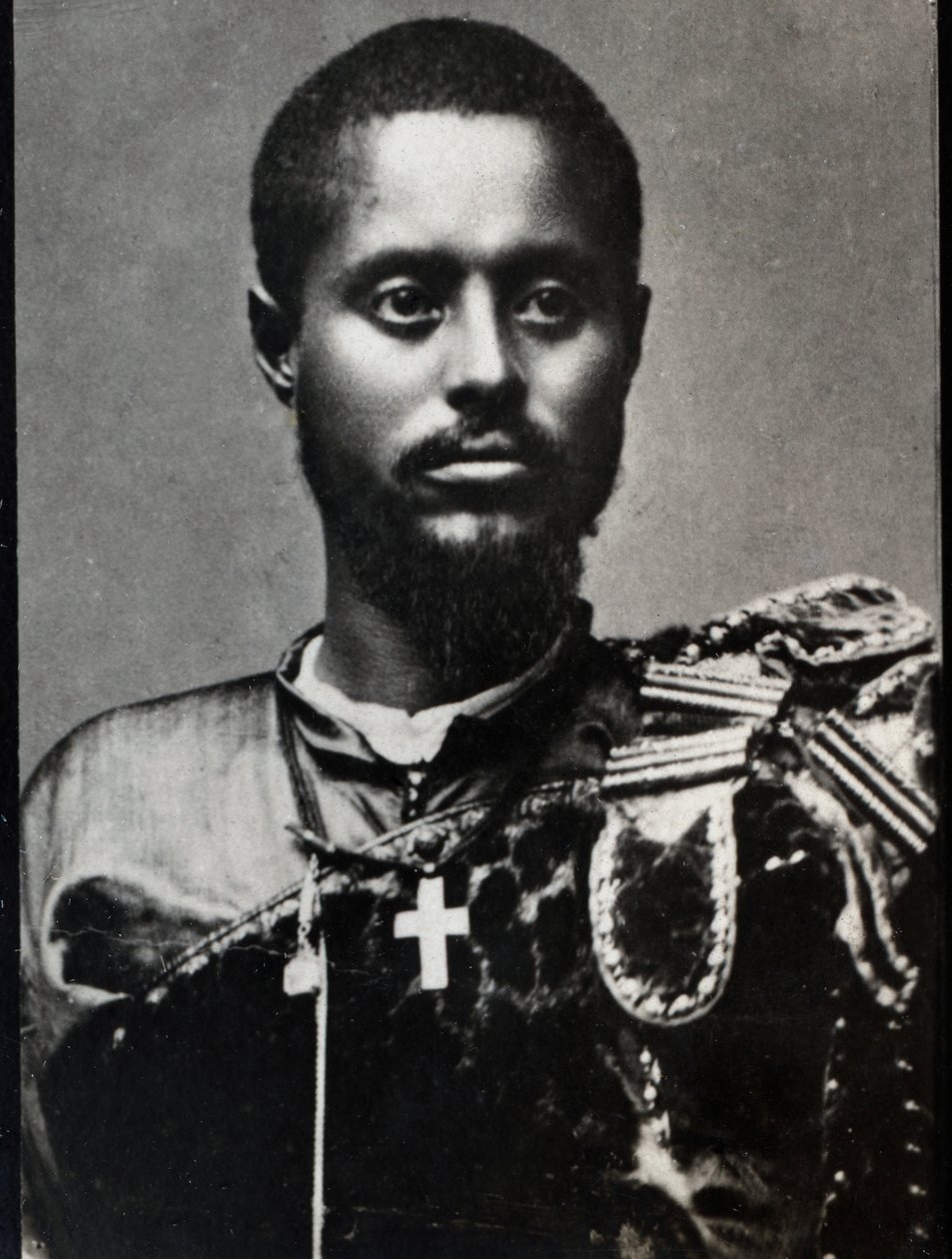
Ras Makonnen
 (Makonnen Wolde Mikael)
Eminent general and diplomat who served as Governor of Harar, commanded the imperial vanguard at the Battle of Adwa, and was the father of Emperor Haile Selassie.
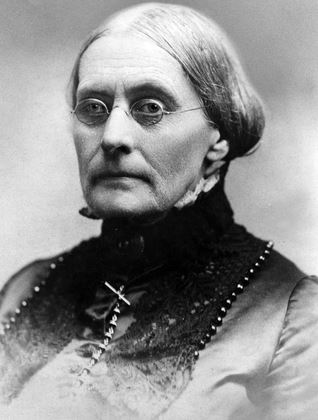
Susan B. Anthony
 (Susan Brownell Anthony)
Pioneering American social reformer and women's rights activist who played a pivotal role in the women's suffrage movement, arrested for voting in 1872, whose lifelong crusade culminated in the 19th Amendment.
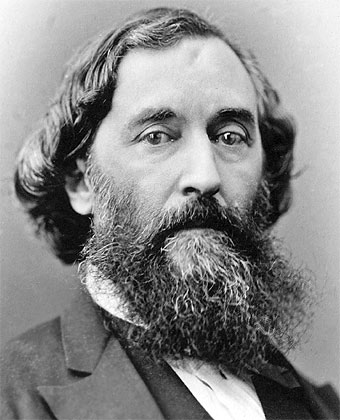
Bartolomé Mitre
(Bartolomé Mitre Martínez)
First President of a unified Argentina (1862–1868), historian, translator of Dante's Divine Comedy, and founder of the premier newspaper La Nación.
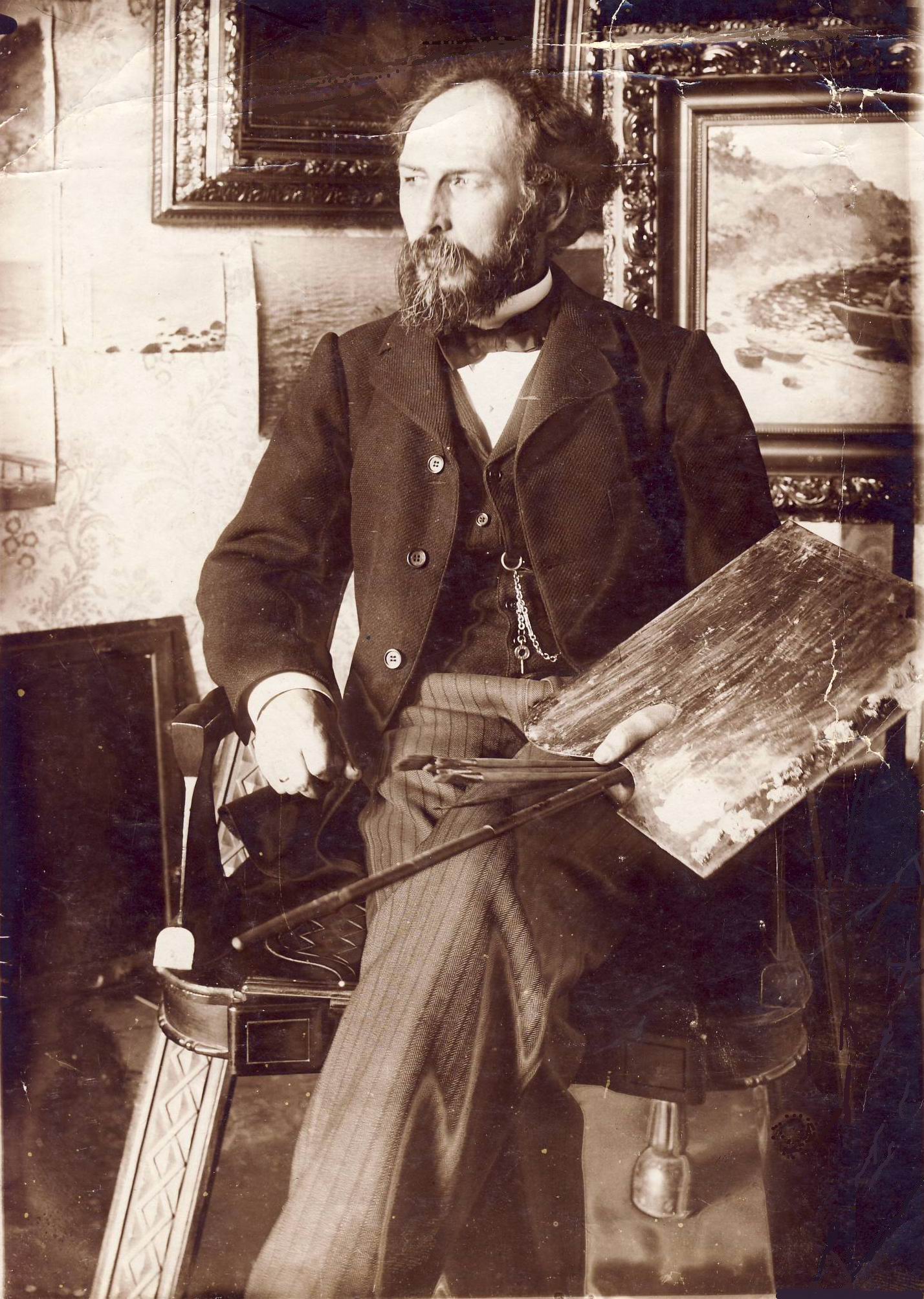
Aleksandr Popov
 (Александр Степанович Попов)
Russian physicist and electrical engineer who demonstrated the world's first radio lightning detector and practical wireless radio receiver in Saint Petersburg in 1895, celebrated across Eastern Europe as a father of radio.
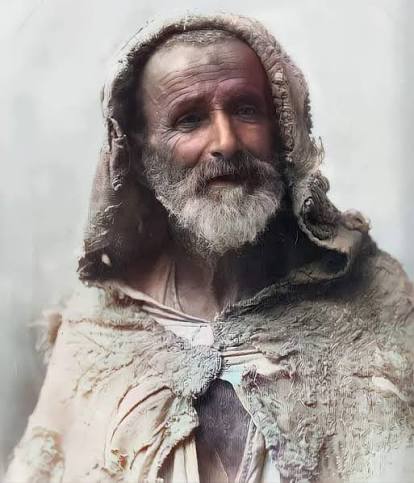
Si Mohand ou-Mhand
 (ⵙⵉ ⵎⵓⵃⴰⵏⴷ ⵓ ⵎⵃⴰⵏⴷ)
The immortal wandering bard of the Berber language whose spoken 'isefra' (philosophical stanzas) gave voice to the tragedy of colonial land dispossession and the enduring pride of the Kabyle spirit.