Public Figures & Cultural Luminaries
Filterable archive covering centuries of intellectual, artistic, and moral contributions to the human story.
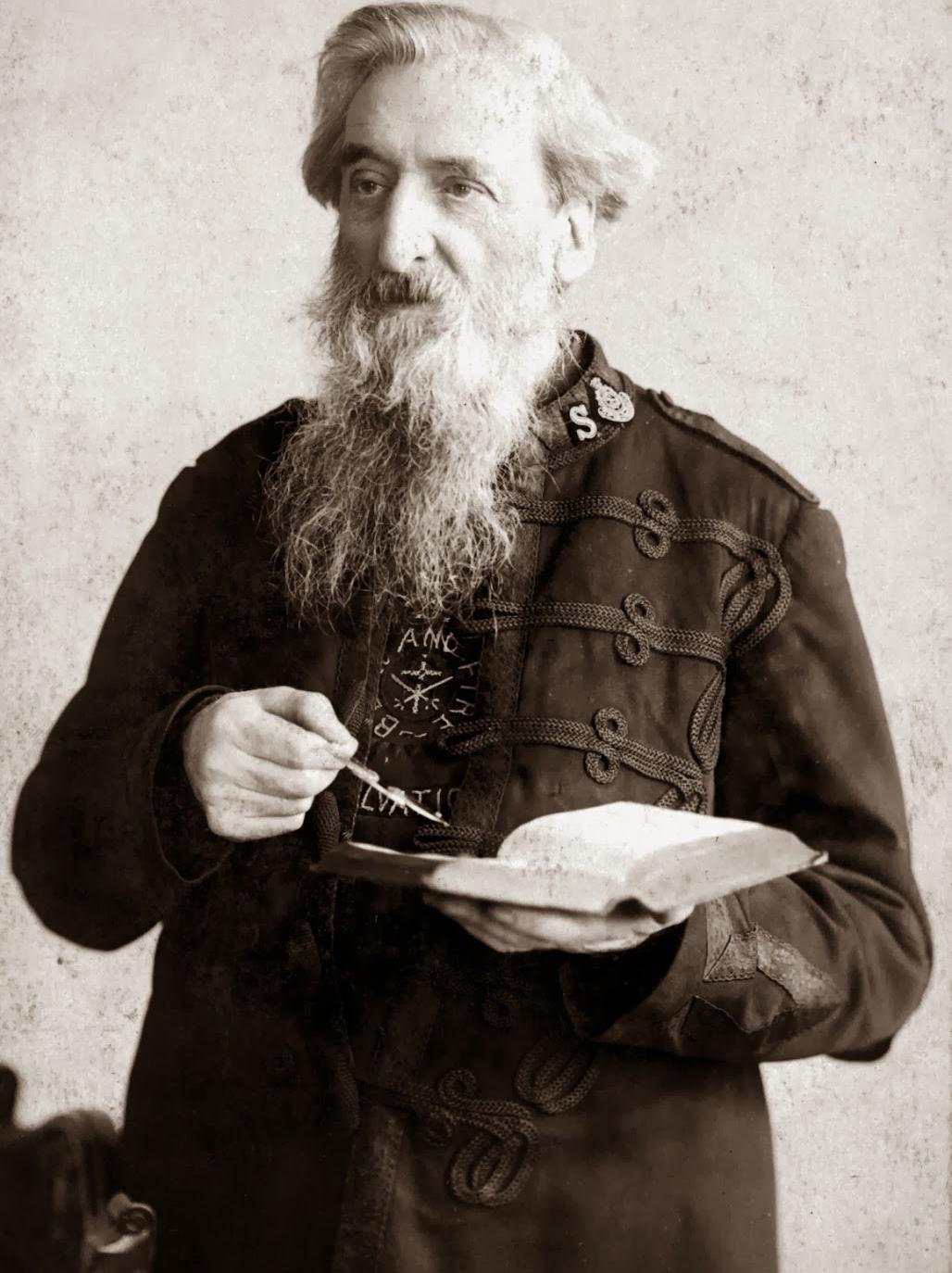
William Booth
 (William Booth)
Prédicateur britannique, fondateur et premier Général de l'Armée du Salut en 1865, alliant secours social concret (nourriture, abri, réinsertion) et rédemption spirituelle.
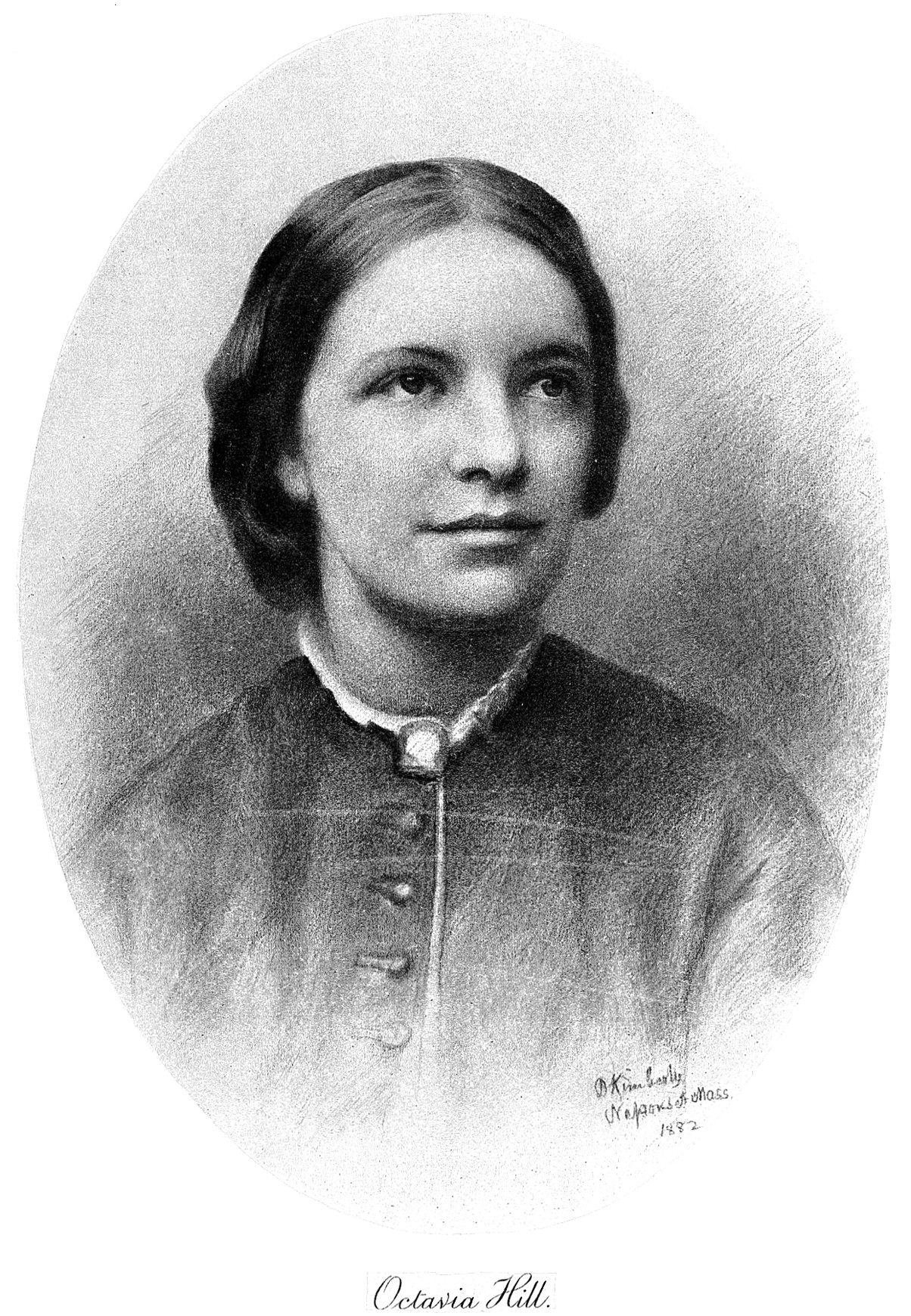
Octavia Hill
(Octavia Hill)
Pioneering British social reformer who founded modern social housing management in London's slums, championed urban public green spaces, and co-founded the National Trust in 1895 to preserve open lands for all citizens.
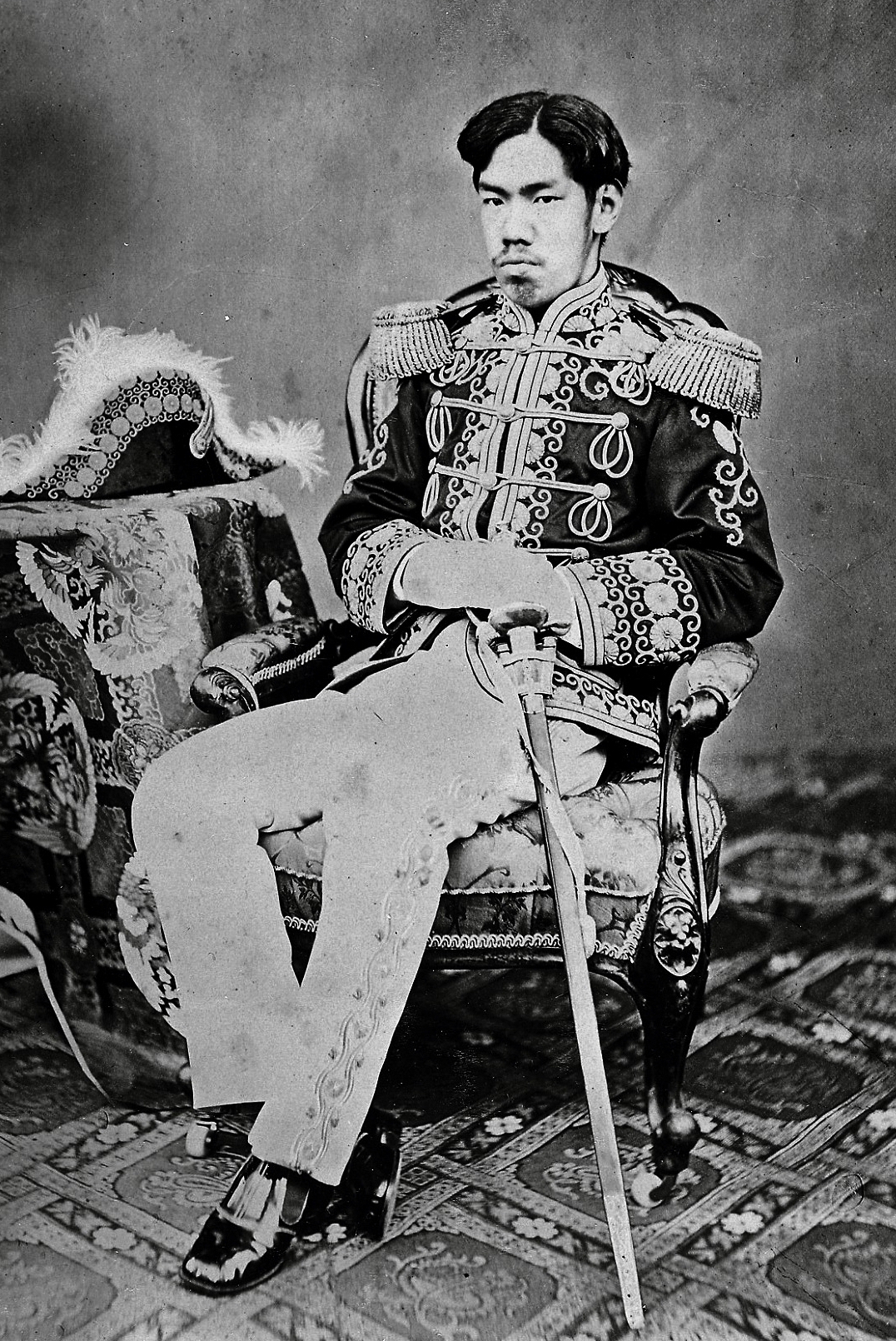
Emperor Meiji (Mutsuhito)
 (明治天皇 / 睦仁)
122nd Emperor of Japan whose transformative reign spearheaded the Meiji Restoration, industrializing Japan into a modern global world power.
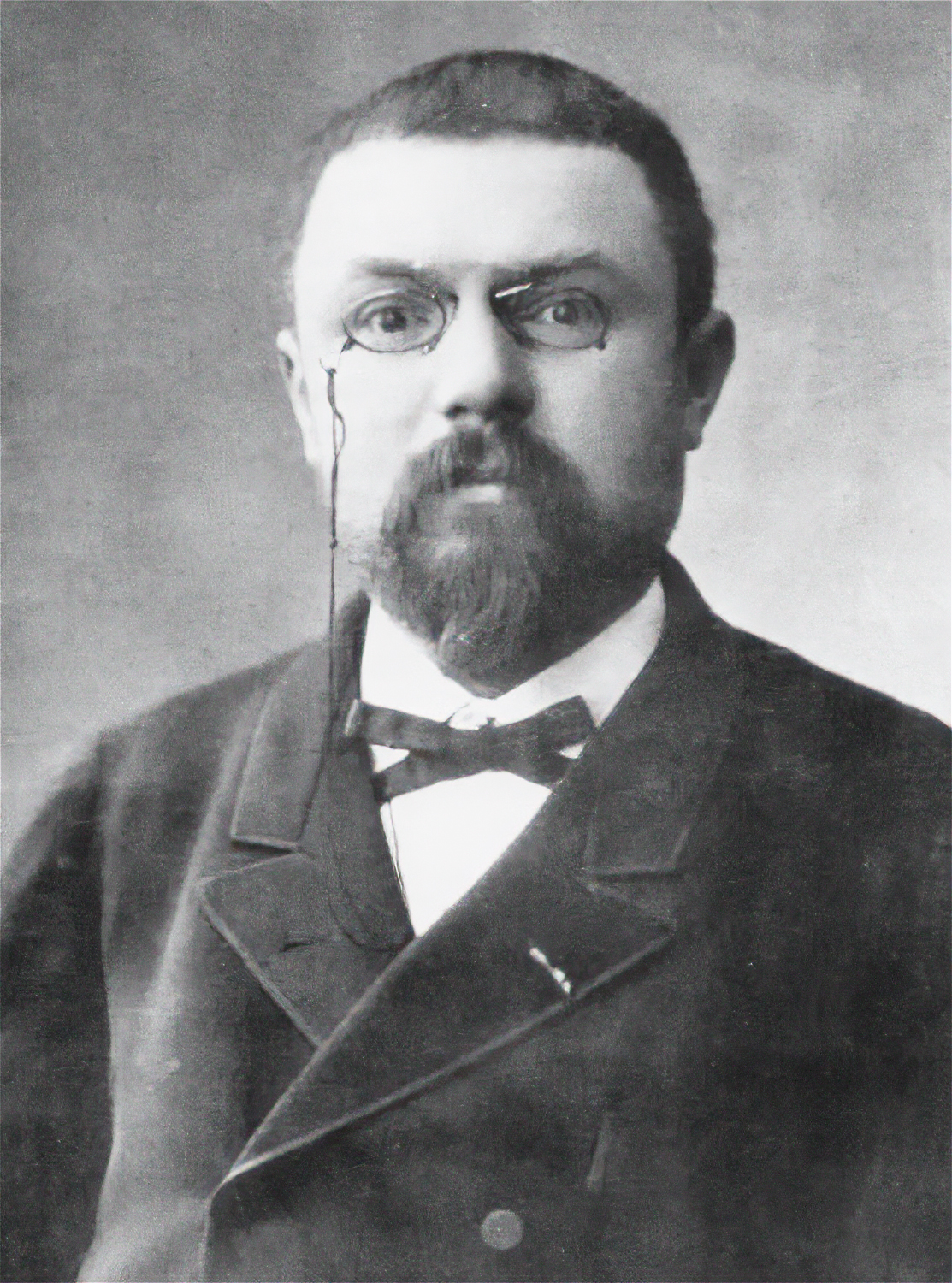
Henri Poincaré
 (Jules Henri Poincaré)
French polymath and 'Last Universalist' who founded algebraic topology, discovered deterministic chaos, and formulated the Poincaré conjecture.
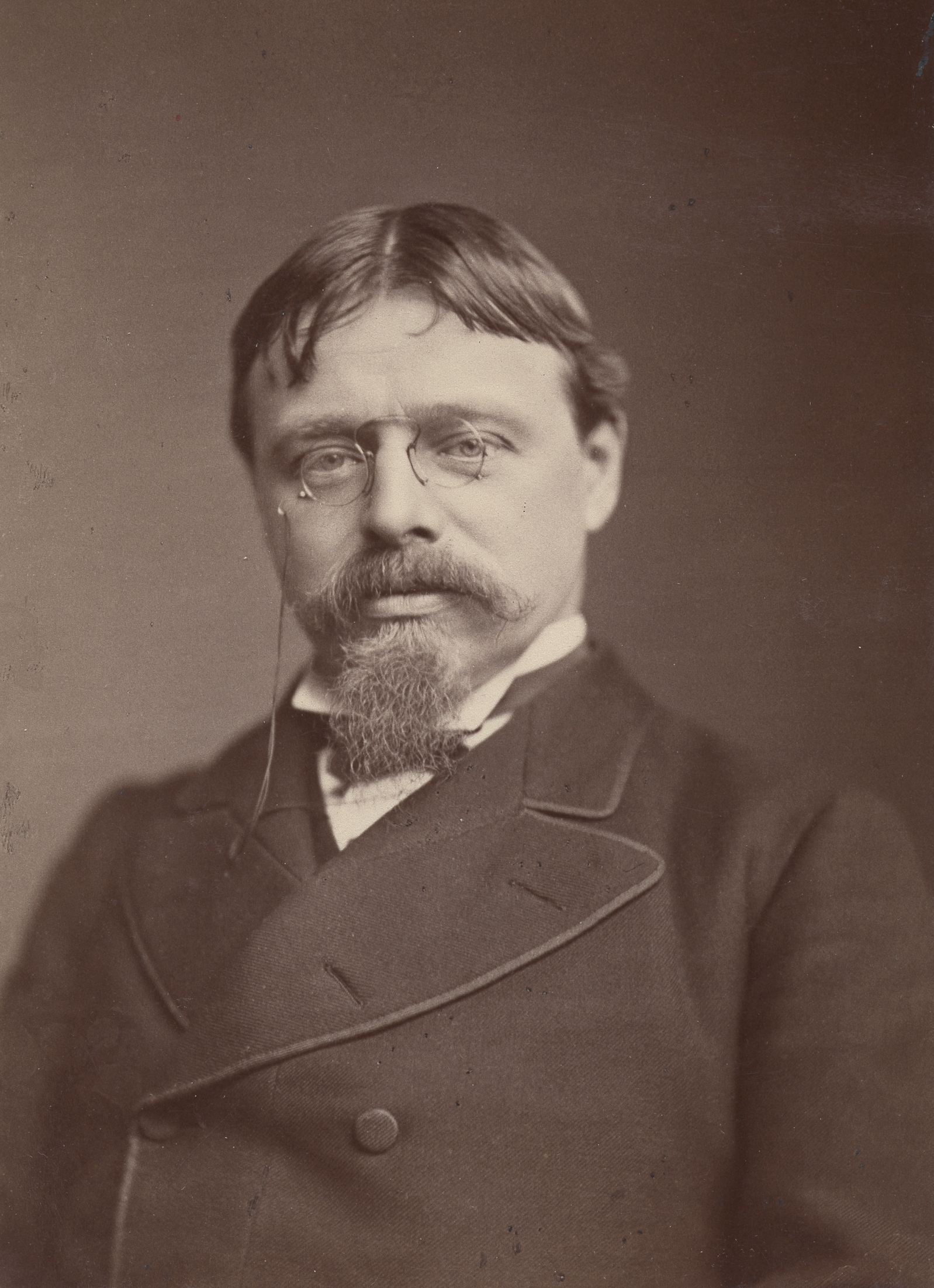
Sir Lawrence Alma-Tadema
 (Lourens Alma Tadema)
Dutch-born British Victorian painter whose dazzlingly realistic depictions of gleaming Roman white marble, azure Mediterranean seas, and 'The Roses of Heliogabalus' defined classical luxury.
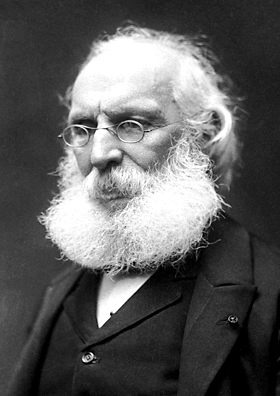
Frédéric Passy
(Frédéric Passy)
Frédéric Passy was a French political economist and pacifist who co-founded the Inter-Parliamentary Union in 1889 alongside William Randal Cremer. Revered as the dean of the international peace movement, Passy was awarded the inaugural Nobel Peace Prize in 1901 jointly with Henry Dunant.
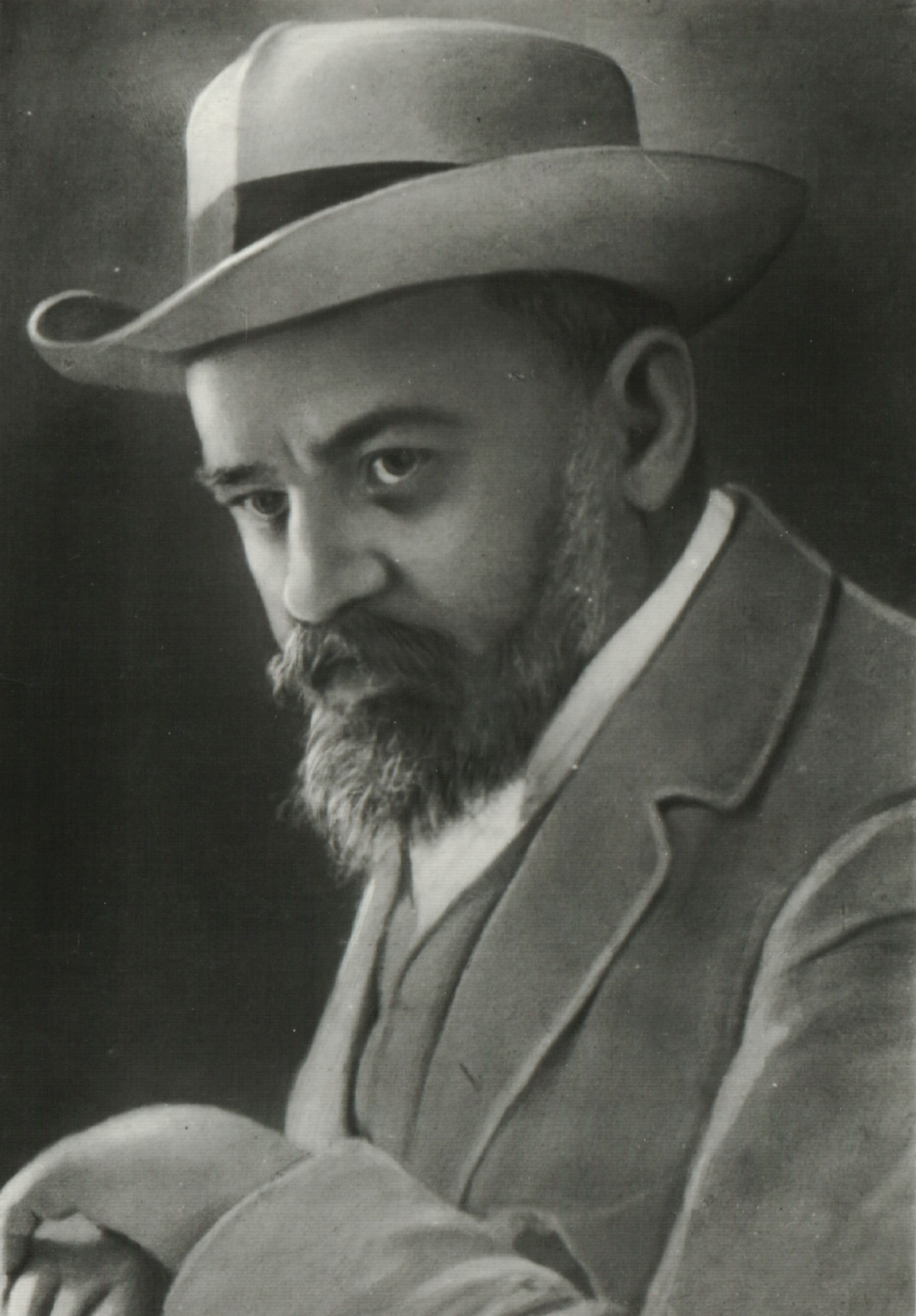
Pencho Slaveykov
 (Пенчо Петков Славейков)
Pioneering intellectual and modernist poet of the 'Misal' circle whose philosophical epic 'A Song of Blood' (Kurvava Pesen) brought Bulgarian literature onto the European stage, nominated for the Nobel Prize in 1912.
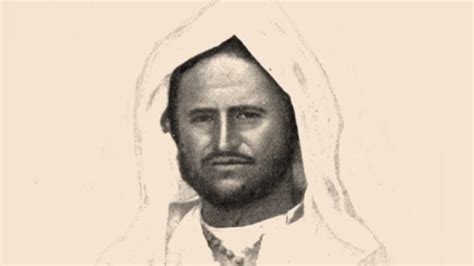
Mohamed Amezian
 (الشريف محمد أمزيان)
Pioneering leader of the Riffian resistance who mobilized the tribes of northeastern Morocco from 1909 to 1912, defeating Spanish forces in over a hundred battles before his martyrdom.
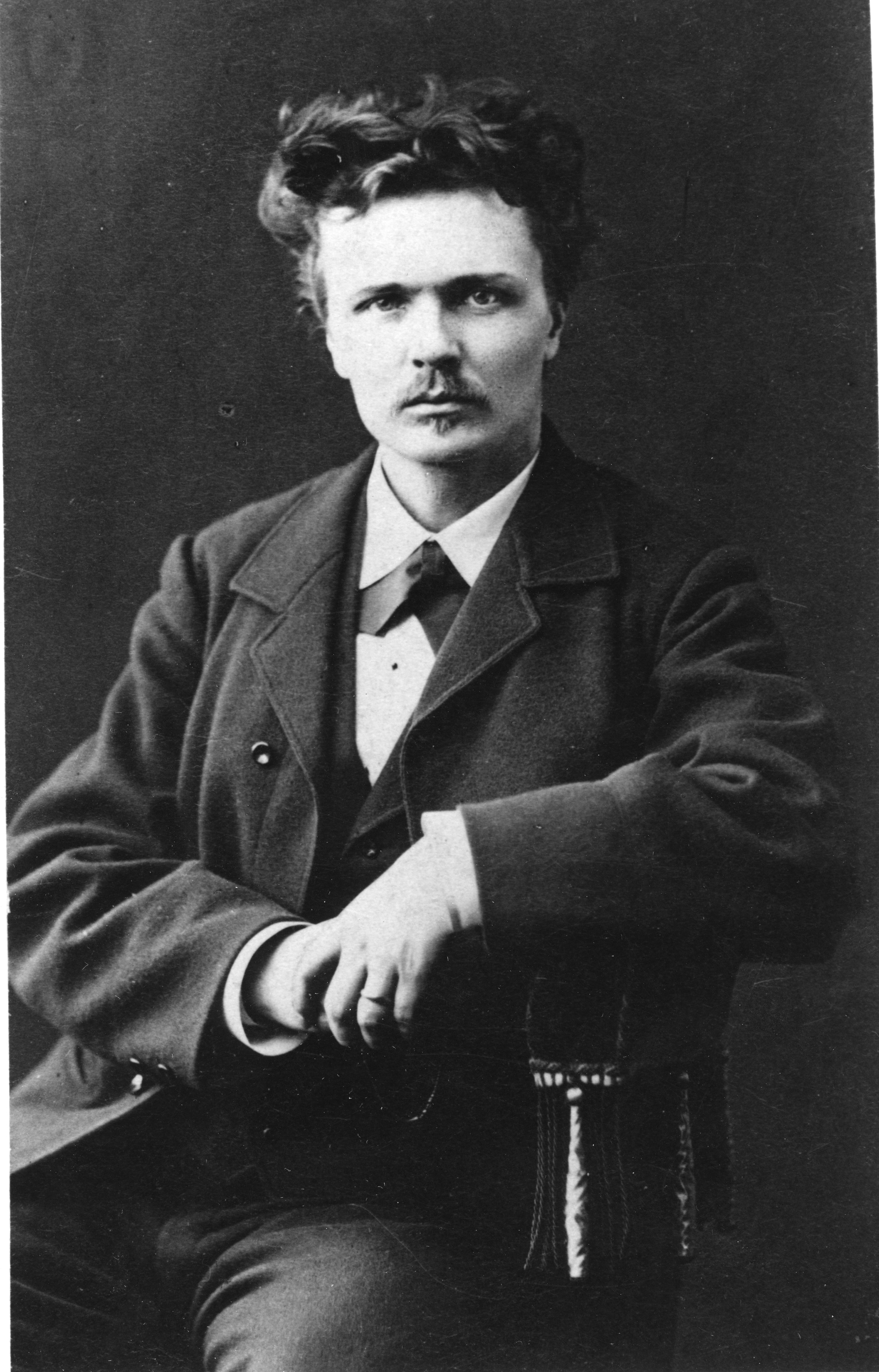
August Strindberg
 (Johan August Strindberg)
Visionary Swedish playwright, novelist, and painter whose naturalistic and expressionist masterpieces Miss Julie and A Dream Play pioneered modern European drama.
Rafael Pombo
 (José Rafael de Pombo y Rebolledo)
Beloved poet crowned 'National Poet of Colombia' in 1905, whose immortal children's fables in verse ('Rinrín Renacuajo', 'La Pobre Viejecita', 'Simón el Bobito') have been memorized by generations.
Pedro Lira
 (Pedro Francisco Lira Rencoret)
Master painter and cultural promoter recognized as one of the four great masters of Chilean painting, who created the iconic 'Founding of Santiago' (1888) and established the National Museum of Fine Arts.
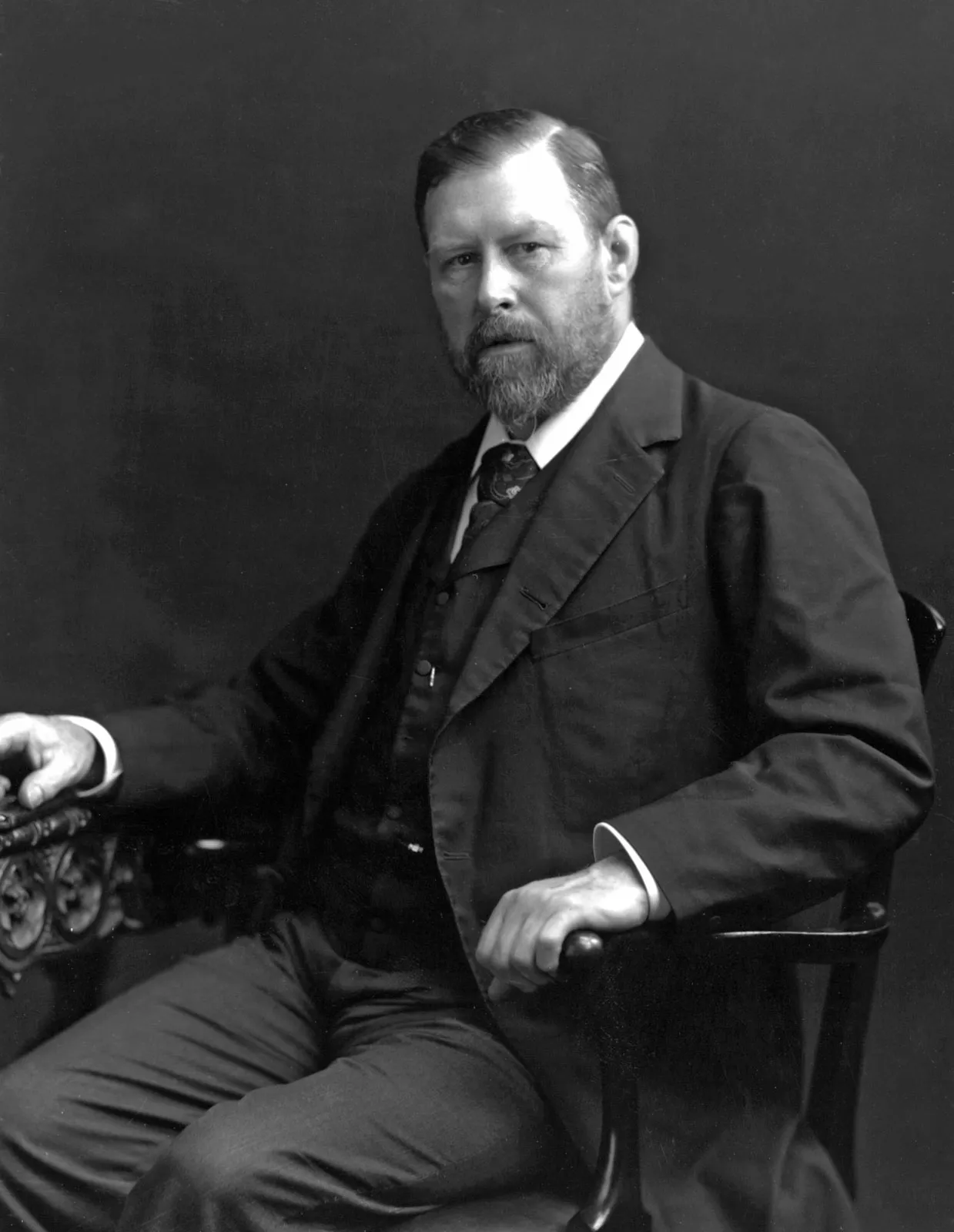
Bram Stoker
 (Abraham Stoker)
Irish author and longtime business manager of London's Lyceum Theatre who created the seminal gothic vampire masterpiece Dracula.
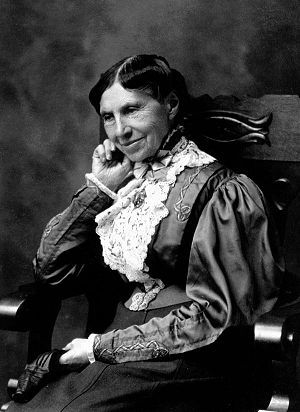
Clarissa Harlowe Barton
 (Clarissa Harlowe Barton)
Clara Barton was a pioneering American nurse and humanitarian who ministered to wounded soldiers on the front lines of the American Civil War, earning the moniker 'Angel of the Battlefield'. She founded the American Red Cross in 1881 and served as its first president for over two decades, expanding its humanitarian mandate to include peacetime disaster relief.
Taieb Radhouane
 (الطيب رضوان)
Pioneering pre-colonial Tunisian physician educated at Sadiki and Montpellier who introduced vaccination campaigns and modernized medical treatment in the hospitals of Tunis.
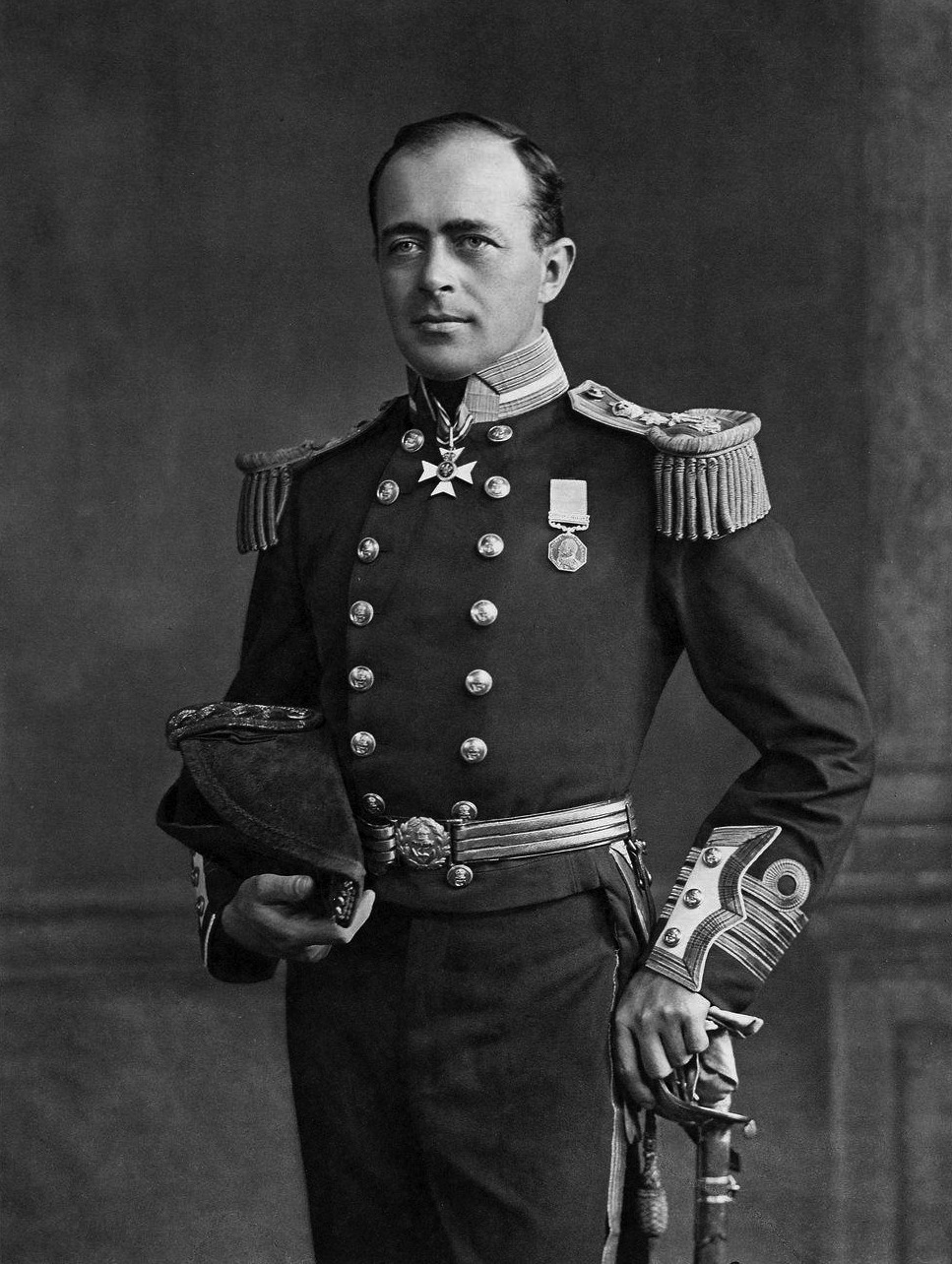
Robert Falcon Scott
(Robert Falcon Scott)
British Royal Navy officer and Antarctic explorer whose heroic 1910–1913 Terra Nova Expedition reached the South Pole and whose poignant final diary entries inspired generations of polar scientists.
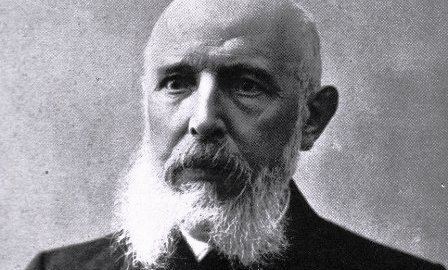
Gerhard Armauer Hansen
 (Gerhard Henrik Armauer Hansen)
Renowned Norwegian physician who discovered the bacterium Mycobacterium leprae in 1873, identifying leprosy as an infectious disease rather than a hereditary curse.
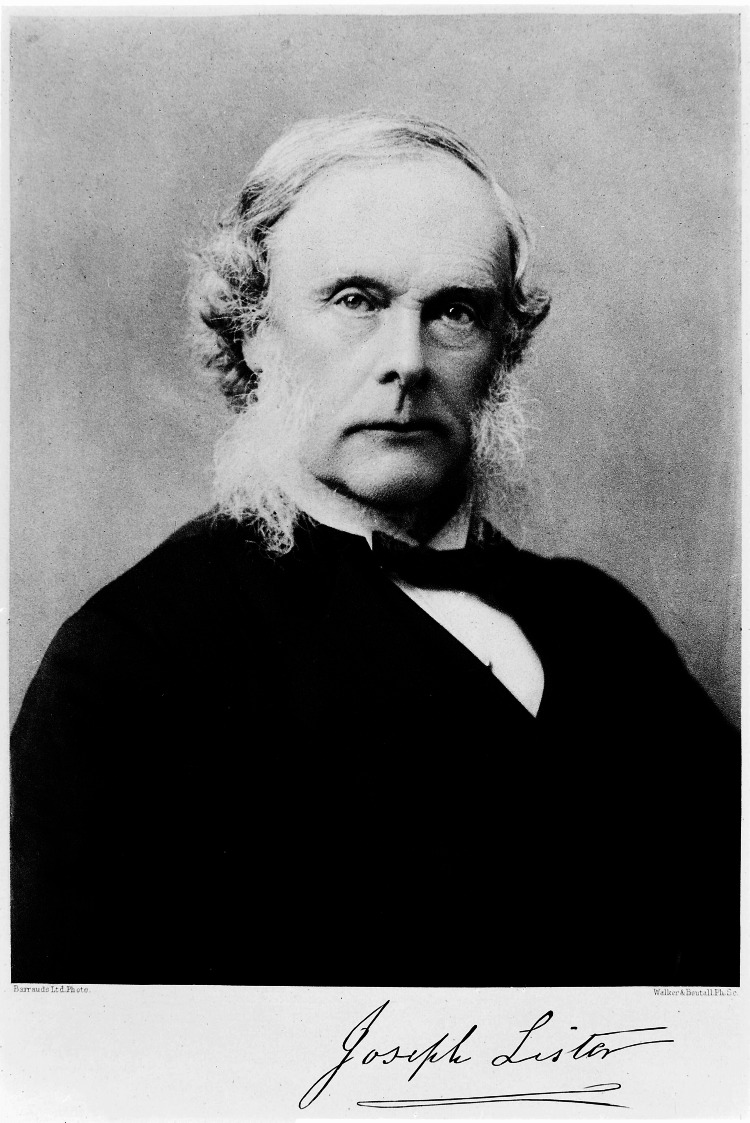
Joseph Lister
(Joseph Lister, 1st Baron Lister)
British surgeon celebrated as the 'father of modern antiseptic surgery' who used carbolic acid to eradicate surgical infections.
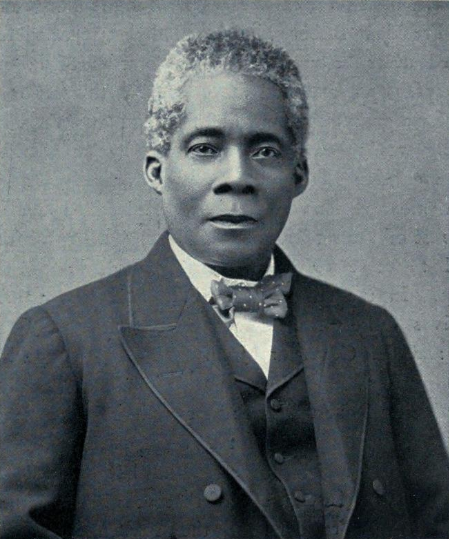
Edward Wilmot Blyden
(Edward Wilmot Blyden)
Educator, writer, and diplomat recognized as the father of Pan-Africanism, whose 1887 book Christianity, Islam and the Negro Race formulated the concept of the 'African Personality'.