Public Figures & Cultural Luminaries
Filterable archive covering centuries of intellectual, artistic, and moral contributions to the human story.
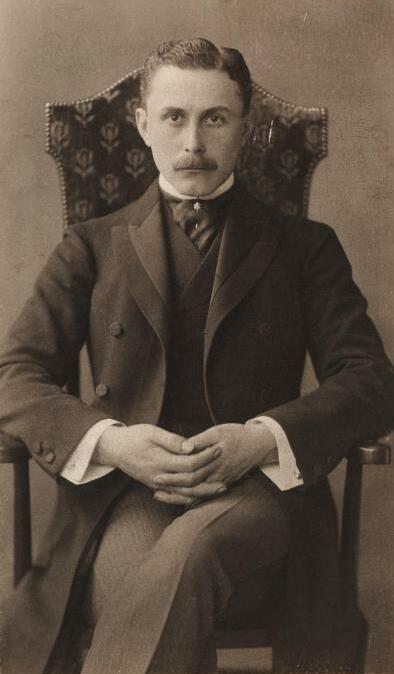
Adolf Loos
 (Adolf Franz Karl Viktor Maria Loos)
Austrian architect and uncompromising polemicist who authored 'Ornament and Crime', pioneered the spatial 'Raumplan' concept, and shaped European modernist architecture.
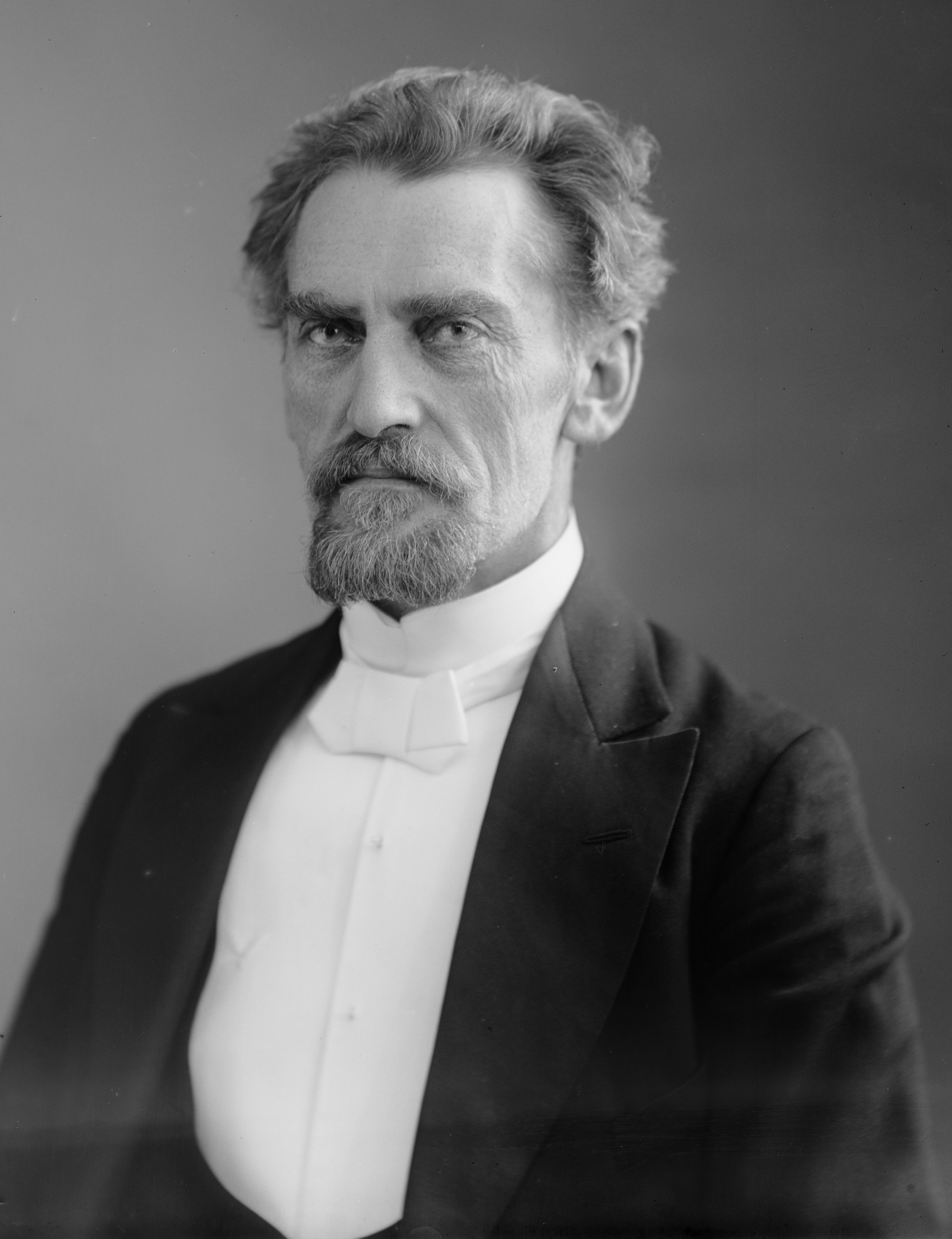
Robert Kajanus
 (Robert Kajanus)
Pioneering Finnish conductor and composer who founded the Helsinki Philharmonic Orchestra in 1882, led it for fifty years, and championed the orchestral music of Jean Sibelius.
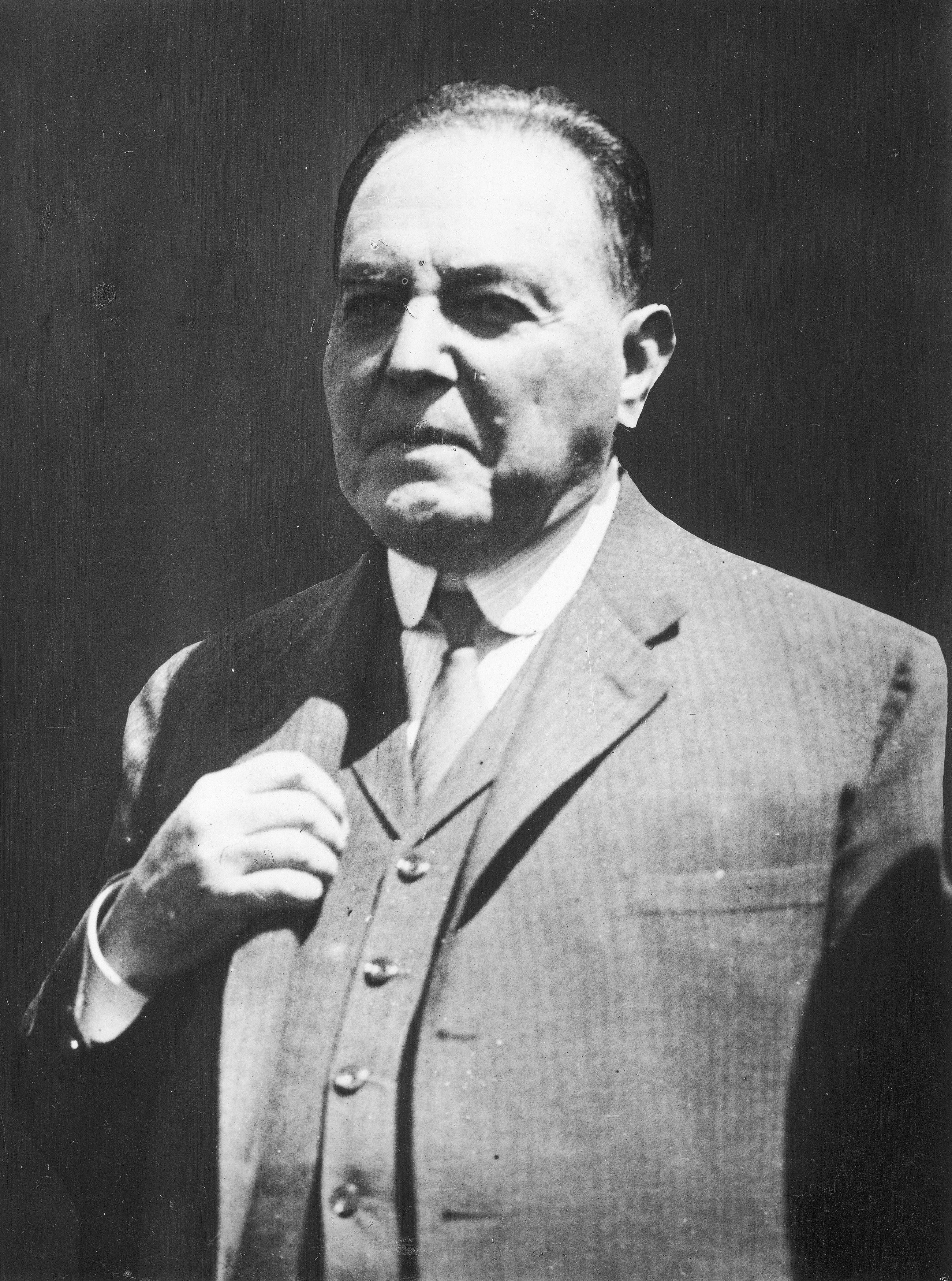
Hipolito Yrigoyen
 (Juan Hipólito del Sagrado Corazón de Jesús Yrigoyen)
Two-time President of Argentina and leader of the Radical Civic Union (UCR), who was the first president elected under universal male suffrage (Saenz Pena Law), founding YPF and universal social reform.
King Njoya
 (Ibrahim Njoya)
Visionary 17th Sultan of the Bamum Kingdom who invented the original Bamum 'A-ka-u-ku' writing system, built the majestic Foumban Royal Palace, and surveyed detailed topographical maps of his kingdom.
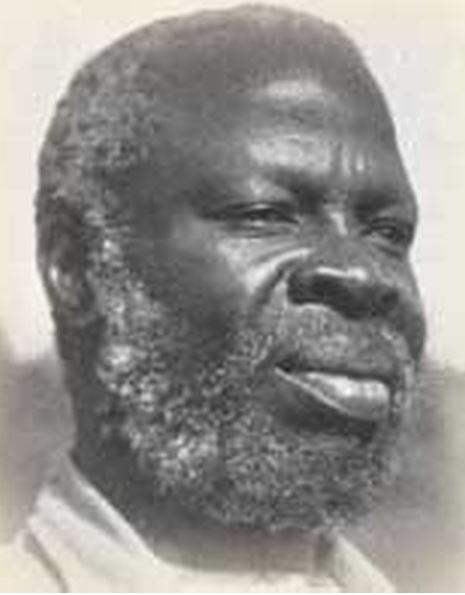
Apollo Kivebulaya
 (Apollo Kivebulaya)
Venerated Ugandan Anglican evangelist known as the 'Apostle to the Pygmies' who trekked across the Rwenzori Mountains to live among and translate scriptures for the Bambuti people.
Sultan Njoya
(Ibrahim Njoya)
Genius 17th King of the Bamum Kingdom who invented the original Bamum syllabic writing script (A-ka-u-ku), founded schools, compiled history books, and designed the Royal Palace of Foumban.
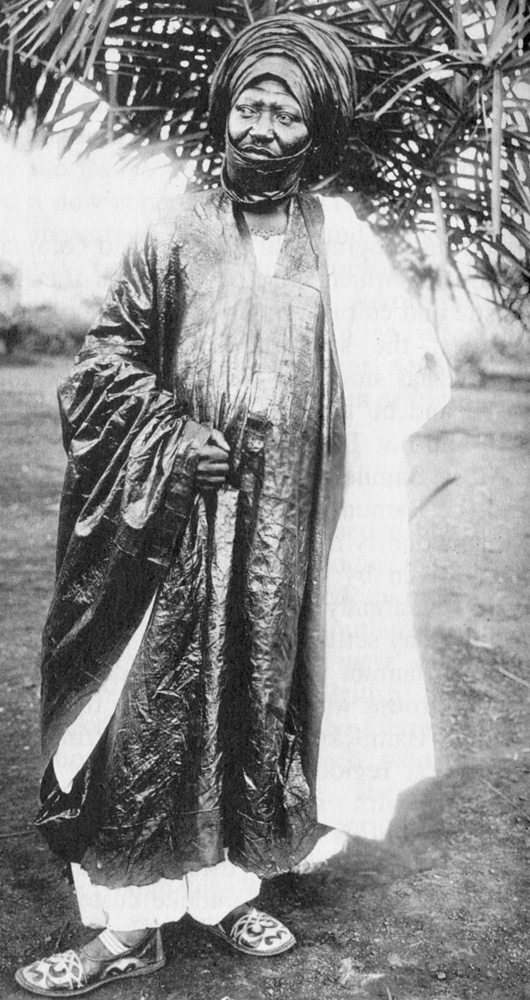
King Njoya of Bamum
(Ibrahim Njoya (Mfon of Bamum))
Visionary seventeenth Sultan of the Kingdom of Bamum in Cameroon who invented the indigenous Shumom alphabet, constructed a printing press, mapped his kingdom, and built Foumban Royal Palace.
Constantine P. Cavafy
 (Constantine P. Cavafy)
Internationally renowned Greek poet from Alexandria, author of 'Ithaka' and 'Waiting for the Barbarians'.
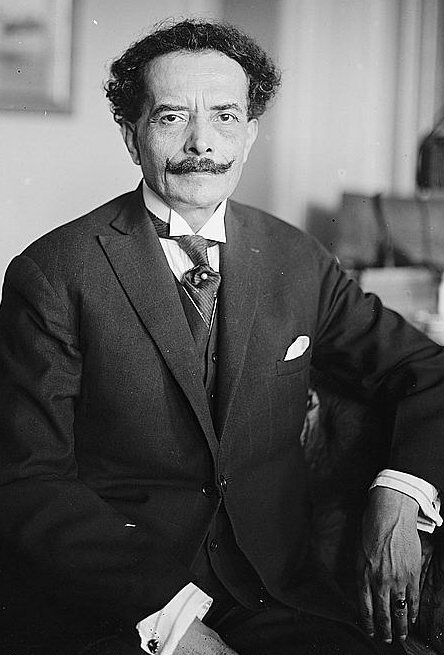
Ricardo Jaimes Freyre
 (Ricardo Jaimes Freyre)
Foundational figure of Spanish-American Modernismo and Symbolist poetry who co-founded the 'Revista de América' with Rubén Darío and authored the mythical verse collection 'Castalia bárbara'.
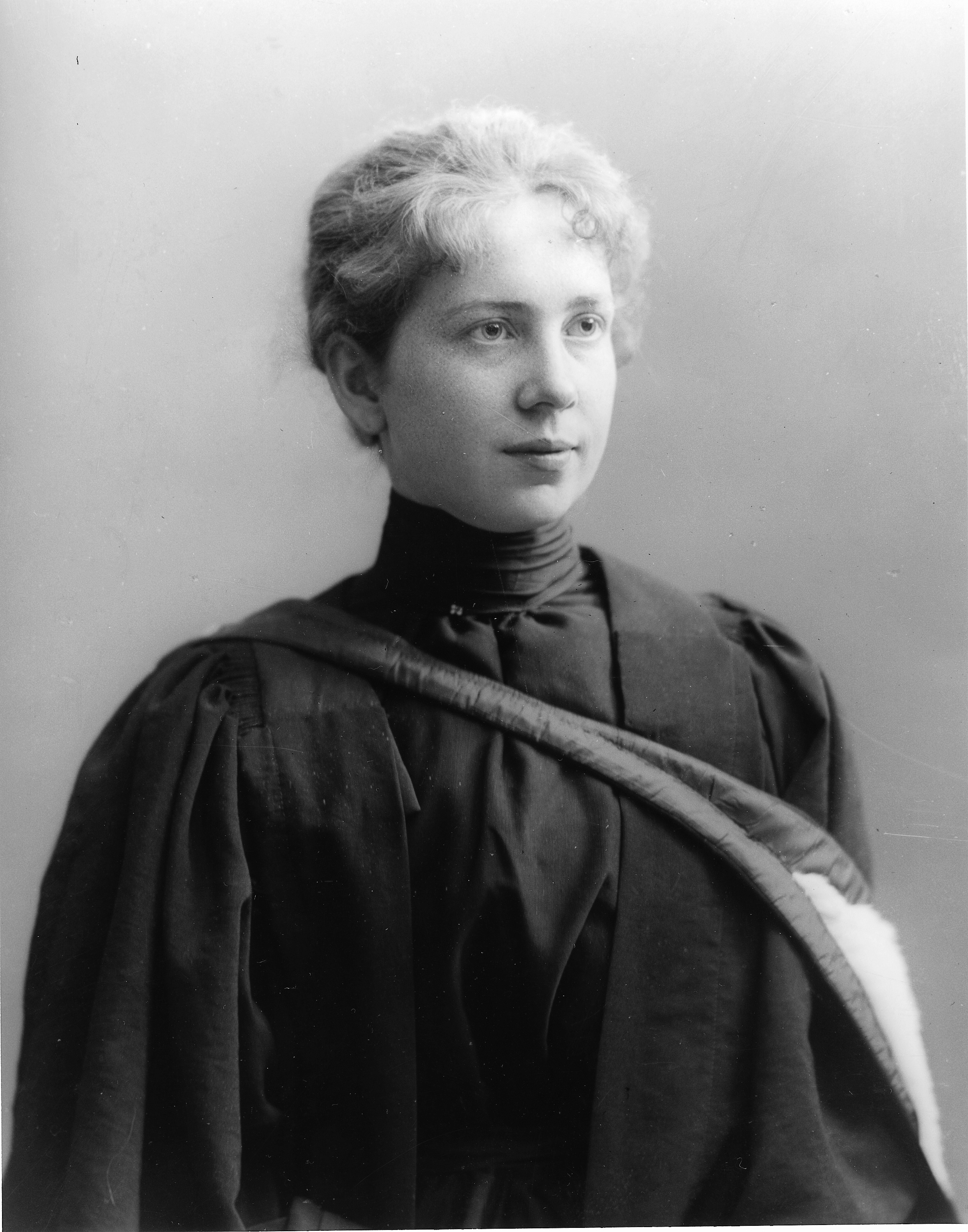
Harriet Brooks
 (Harriet Brooks)
Canada's first female nuclear physicist who worked with Ernest Rutherford and Marie Curie, discovering atomic recoil and the radioactive emanation of radon.
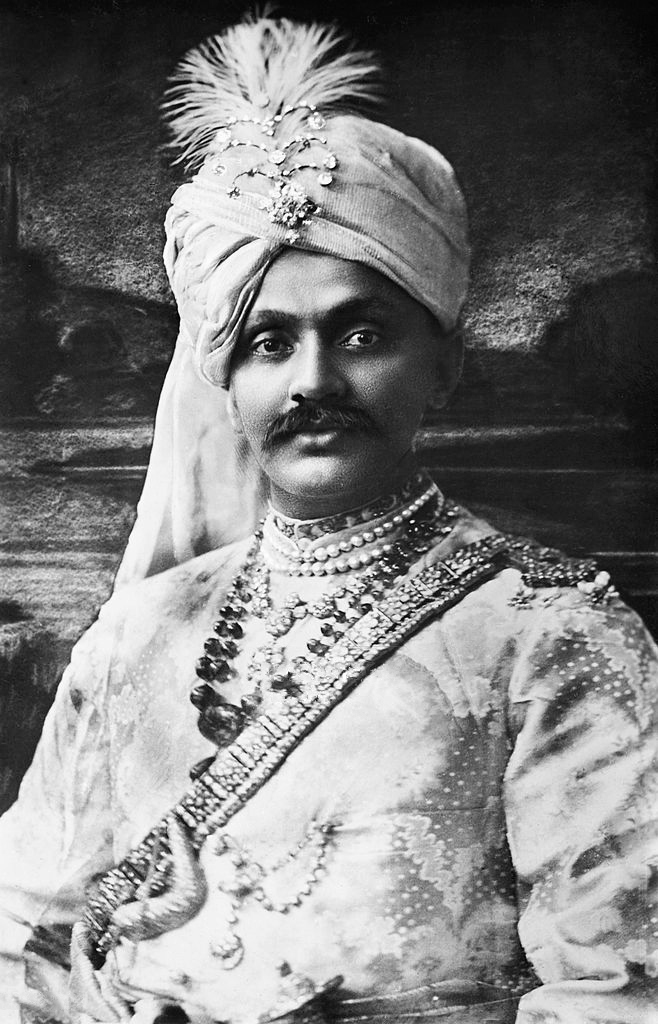
Sir Ranjitsinhji Vibhaji II
 (રણજીતસિંહજી વિભાજી જાડેજા)
Indian ruler, Maharaja Jam Sahib of Nawanagar, and pioneering cricketer who played for England, inventor of the leg glance stroke; namesake of the Ranji Trophy.
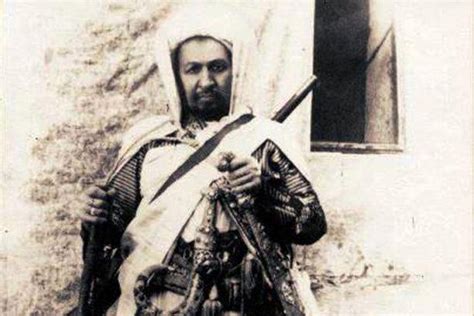
Ahmad Sharif al-Senussi
 (أحمد الشريف السنوسي)
Supreme leader of the Senussi order from 1902 to 1918 who mobilized the Bedouin tribes of Cyrenaica and the Sahara in armed resistance against the Italian colonial invasion in 1911.
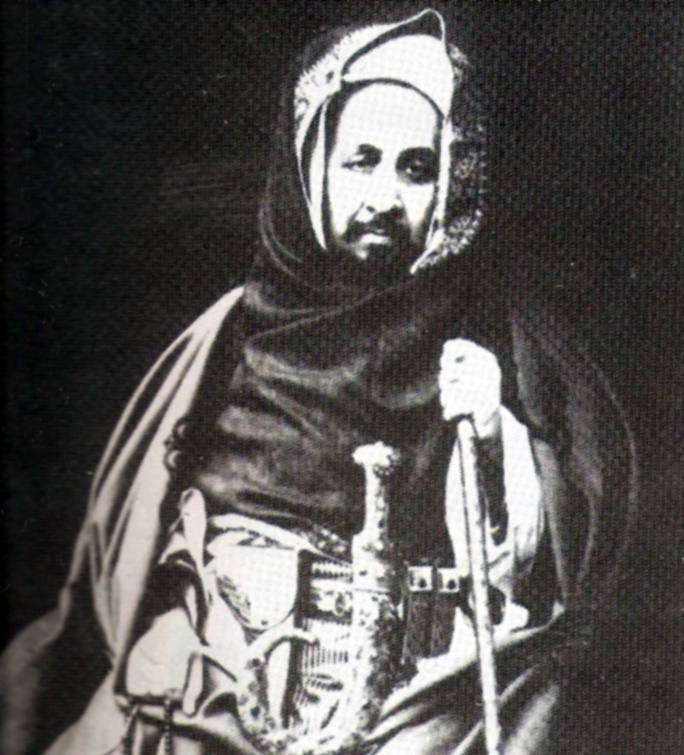
Ahmad al-Sharif al-Senussi
(أحمد الشريف السنوسي)
Third supreme leader of the Senussi Sufi order who commanded broad North African and Saharan military resistance against French, British, and Italian colonial invasions.
Juan Francisco González
 (Juan Francisco González Escobar)
Revolutionary master painter considered the greatest colorist and impressionist in Chilean art history, renowned for over 4,000 luminous, rapid-sketch oil canvases of flowers, adobe streets, and fruits.
Kamil al-Ghazzi
 (كامل الغزي)
Preeminent modern historian of Aleppo whose three-volume 'Nahr al-Dhahab fi Tarikh Halab' documented the city's heritage.
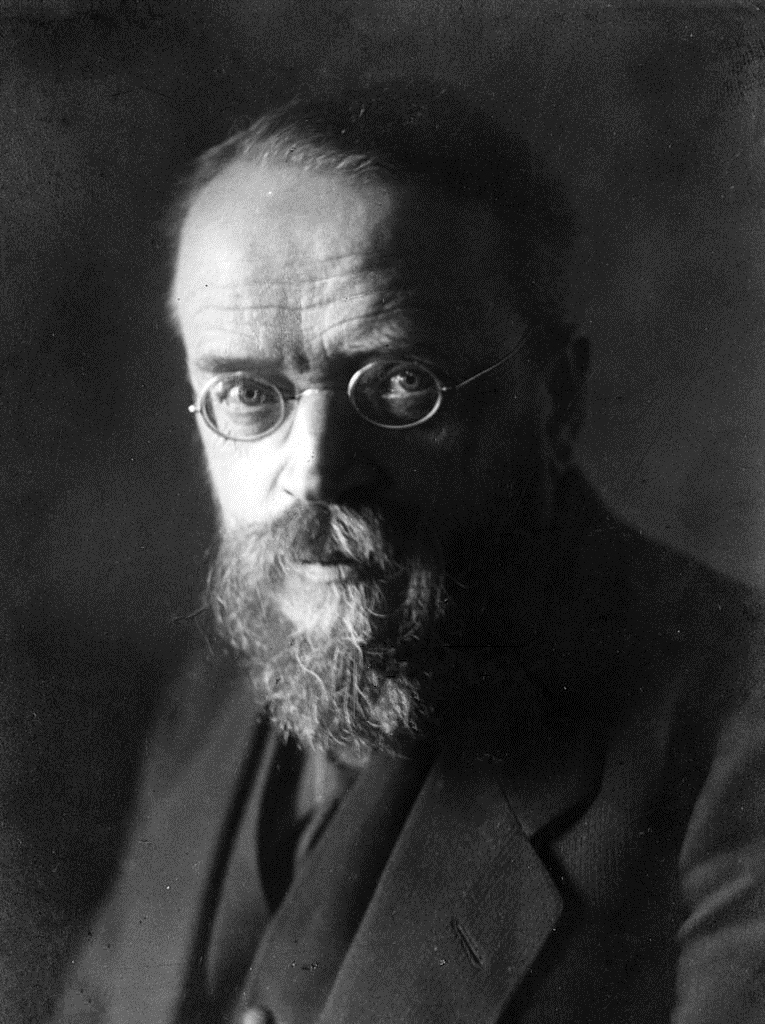
Carl Correns
 (Carl Erich Correns)
German botanist and geneticist who independently rediscovered Mendel's laws of heredity in 1900, discovered non-Mendelian cytoplasmic (maternal) inheritance, and served as the first director of the Kaiser Wilhelm Institute for Biology.
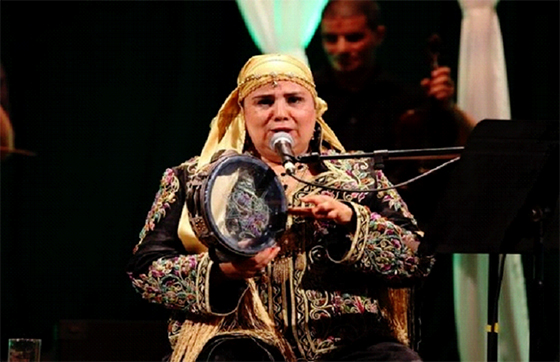
Maâlma Yamna
 (المعلمة يمنة بنت الحاج المحفوظ)
Pioneering matriarch of female professional musicians (Mesemaat) in Algiers, who in the early 1900s became one of the first Algerian artists to record on Gramophone discs.
Arvid Järnefelt
 (Arvid Järnefelt)
Visionary jurist and novelist who abandoned a promising legal career to embrace Leo Tolstoy's Christian anarchism and pacifism, authoring moral masterpieces including 'Isänmaa' and 'Greeta ja hänen poikansa'.