Public Figures & Cultural Luminaries
Filterable archive covering centuries of intellectual, artistic, and moral contributions to the human story.
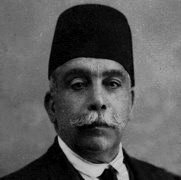
Dr. Hassine Bouhageb
 (حسين بوحاجب)
Pioneering doctor who served as Chief Physician of Sadiki Hospital from 1904 to 1944, eradicated epidemic typhus, and founded the first modern Tunisian sports and athletic federations.
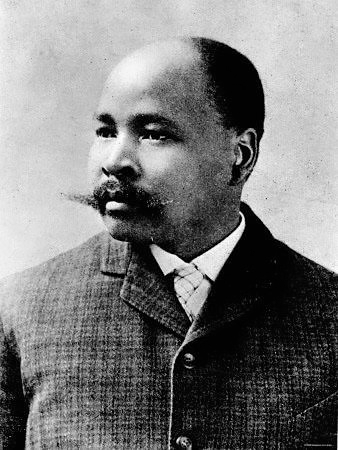
John Langalibalele Dube
 (John Langalibalele Dube)
Educator, editor, and the founding first president of the South African Native National Congress (later the ANC) in 1912.
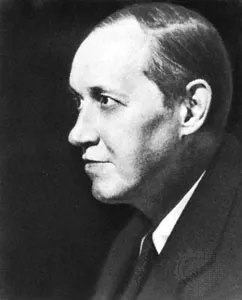
Harry Lloyd Hopkins
 (Harry Hopkins)
Travailleur social américain devenu le bras droit de Franklin D. Roosevelt, directeur de la WPA procurant un emploi et la dignité à plus de 8 millions de chômeurs démunis.
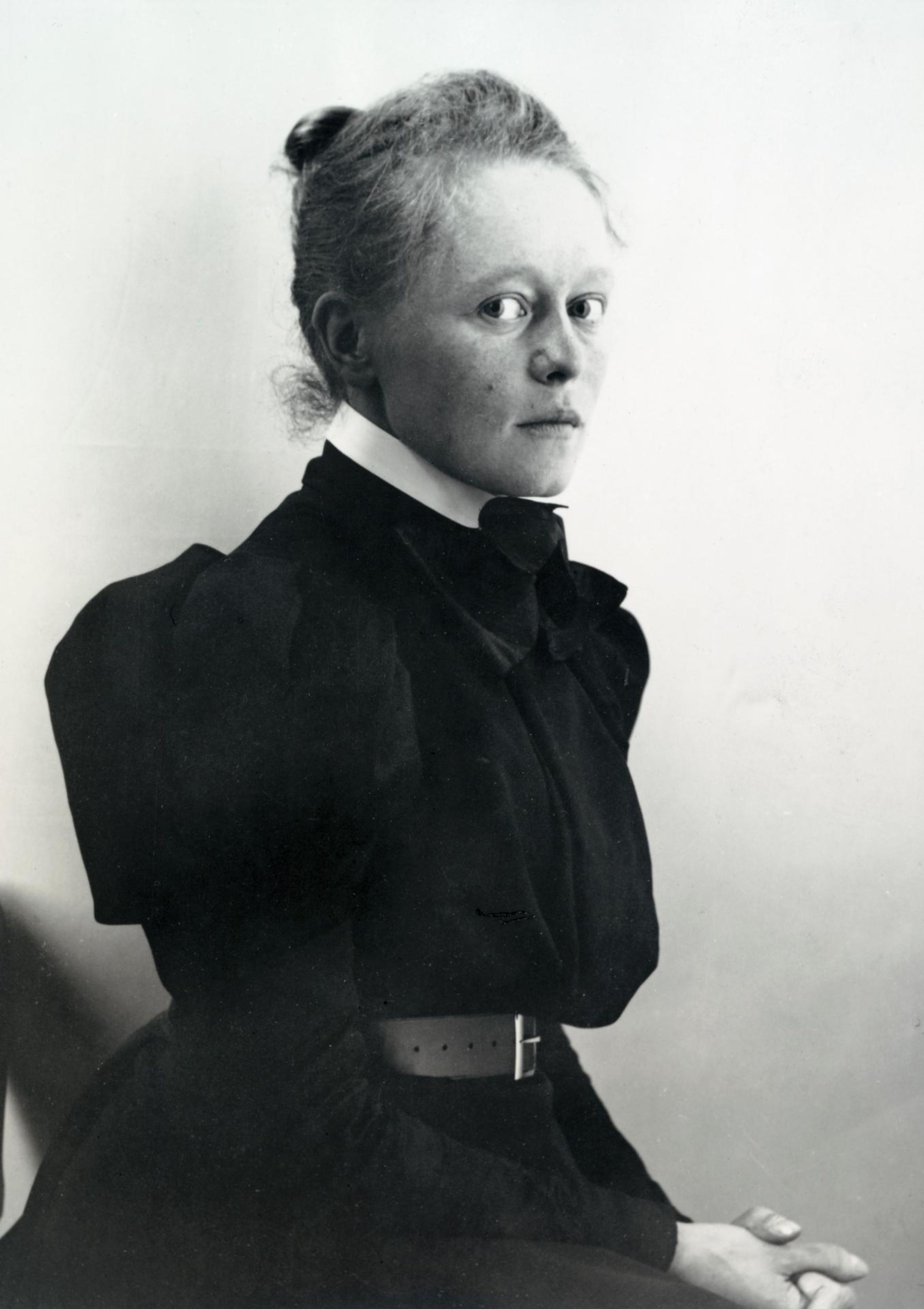
Helene Schjerfbeck
 (Helena Sofia Schjerfbeck)
Master Finnish modernist painter whose radical reduction of form and searing, skeletal self-portraits made her one of the most celebrated and haunting painters of 20th-century Nordic art.
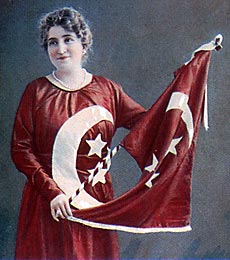
Safia Zaghloul
 (صفية زغلول)
Beloved Egyptian nationalist leader hailed as 'Umm al-Misriyyin' (Mother of the Egyptians), who directed the Wafd party and sustained the popular anti-colonial struggle while her husband Saad Zaghloul was exiled to the Seychelles.
Charles Fabry
 (Maurice Paul Auguste Charles Fabry)
Distinguished French optical physicist who co-invented the Fabry-Pérot interferometer in 1897 and co-discovered the ozone layer in the upper atmosphere with Henri Buisson in 1913.
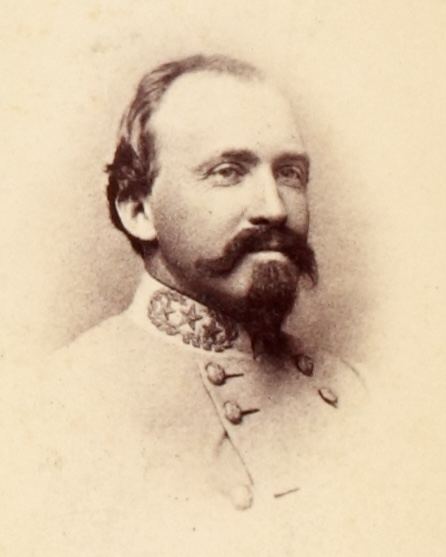
Thomas Hunt Morgan
(Thomas Hunt Morgan)
American geneticist whose 'Fly Room' experiments proved that chromosomes carry the physical units of heredity, winning the 1933 Nobel Prize.
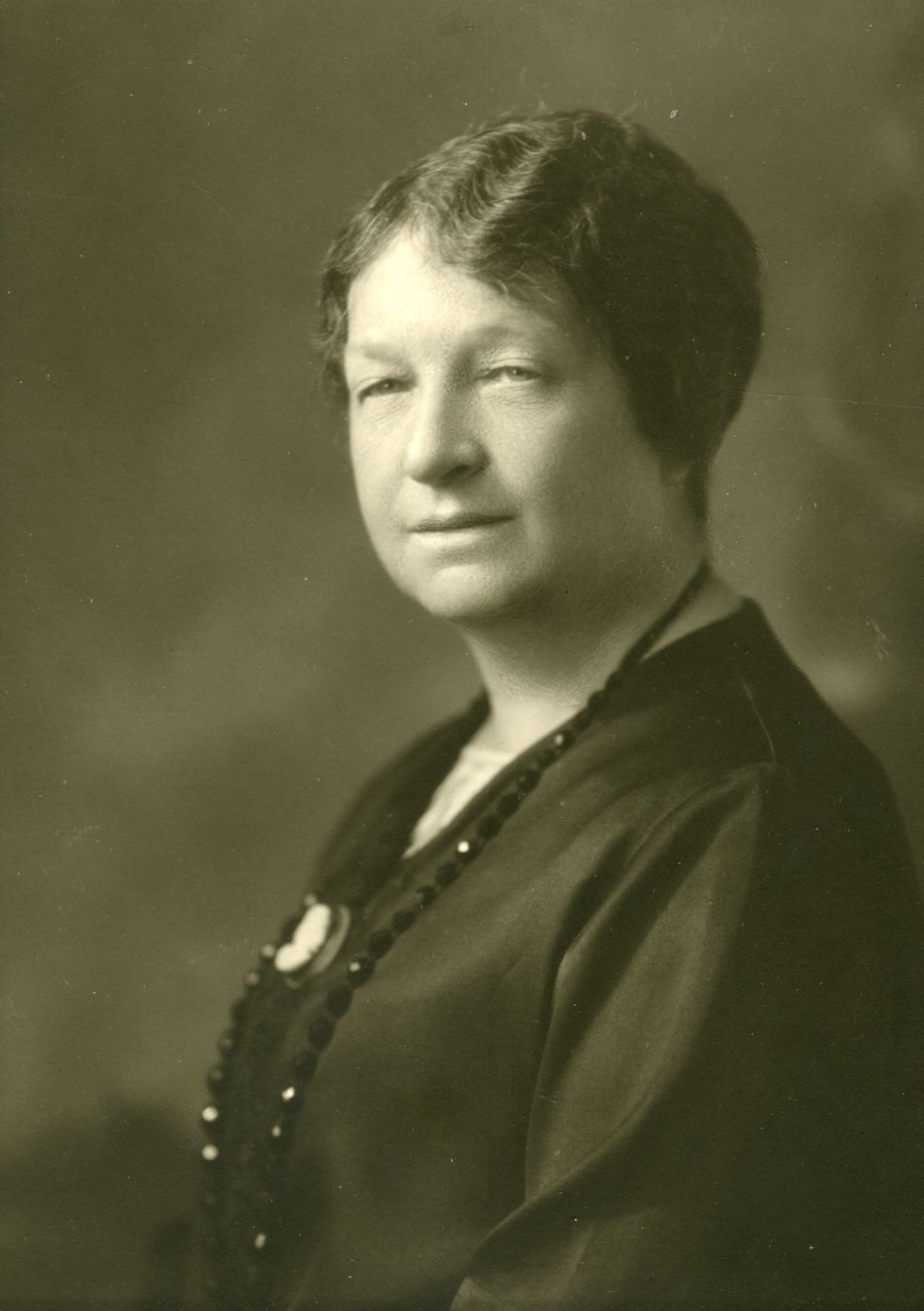
Marie Gérin-Lajoie
 (Marie Lacoste Gérin-Lajoie)
Self-taught legal scholar who co-founded the Fédération nationale Saint-Jean-Baptiste in 1907 and authored Traité de droit usuel, exposing civil code injustices against married women in Quebec.
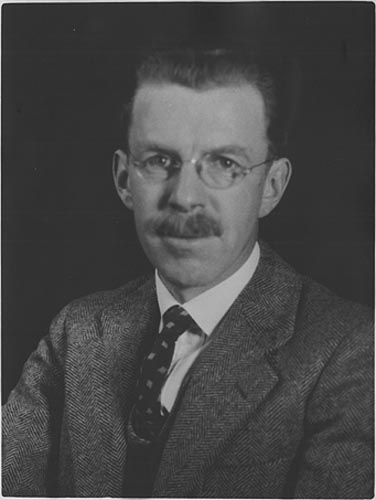
Franklin Carmichael
(Franklin Carmichael)
Youngest founding member of the Group of Seven who elevated watercolor to monumental status in Canadian art, painting panoramic vistas of the La Cloche mountains and Lake Superior.
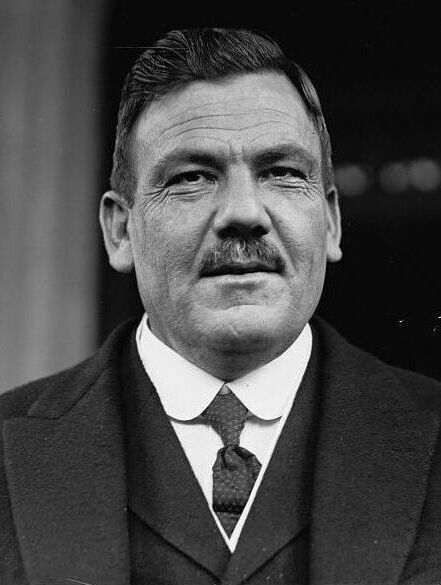
Plutarco Elias Calles
 (Plutarco Elías Calles)
President of Mexico who founded the Institutional Revolutionary Party (PRI) that ruled Mexico for seven decades, and whose fierce enforcement of anti-clerical laws provoked the Cristero War.
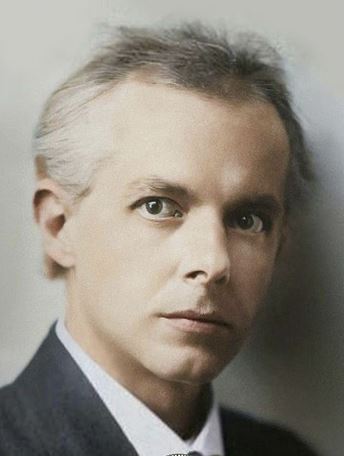
Béla Viktor János Bartók
 (Bartók Béla)
Visionary Hungarian composer and ethnomusicology pioneer who recorded thousands of genuine Eastern European and Turkish folk melodies, integrating their asymmetrical meters and modal scales into revolutionary works like the Concerto for Orchestra.
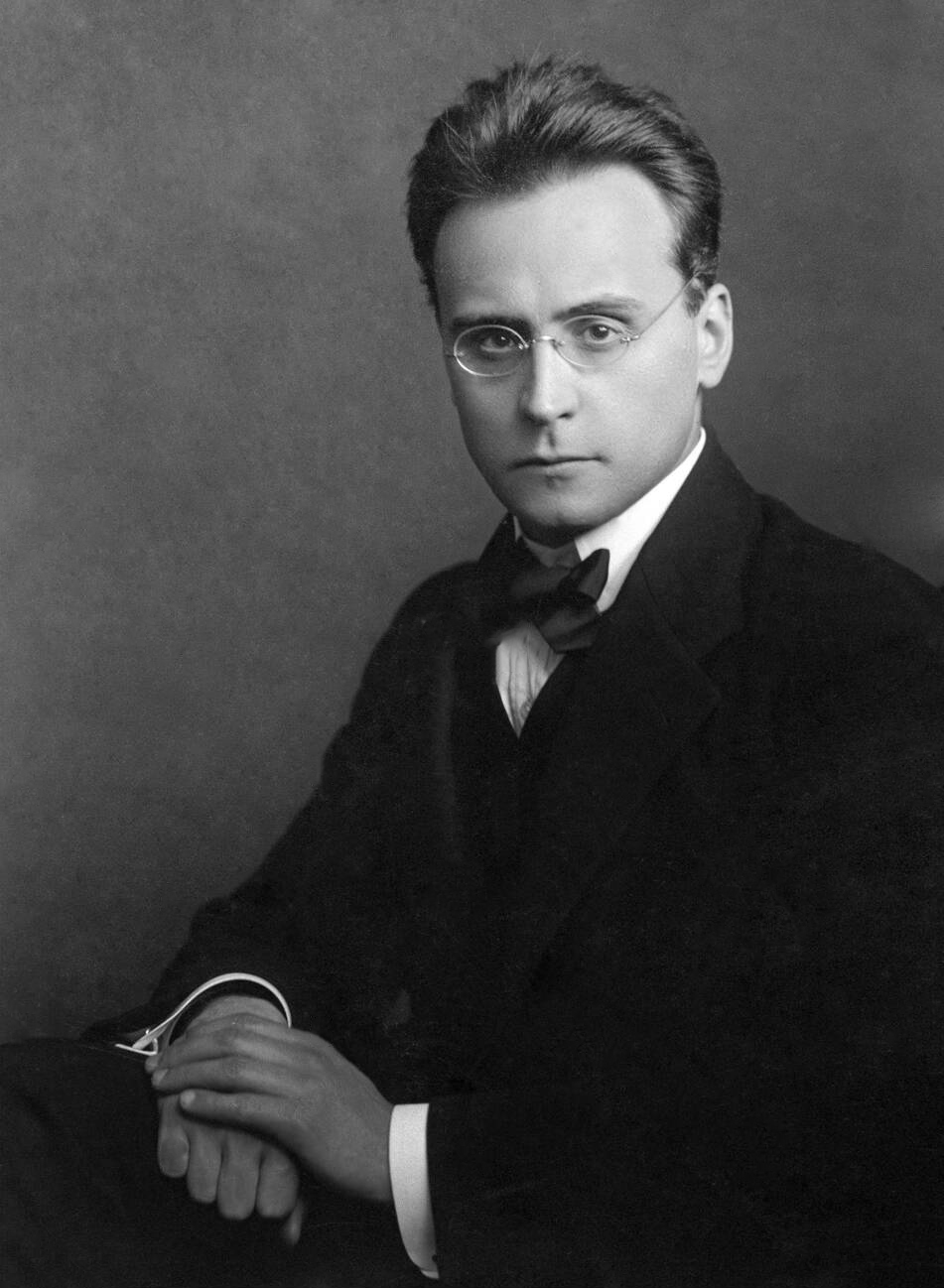
Anton Webern
 (Anton Friedrich Wilhelm von Webern)
Foundational master of the Second Viennese School whose crystalline, ultra-condensed twelve-tone serialist compositions profoundly shaped post-war European avant-garde music (Boulez, Stockhausen).
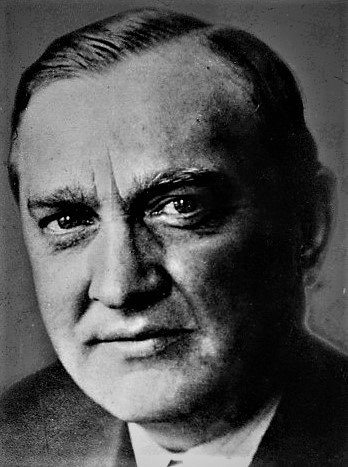
Stefan Banach
(Stefan Banach)
Polish mathematician widely regarded as one of the twentieth century's most influential figures, who founded modern functional analysis and introduced complete normed vector spaces (Banach spaces).
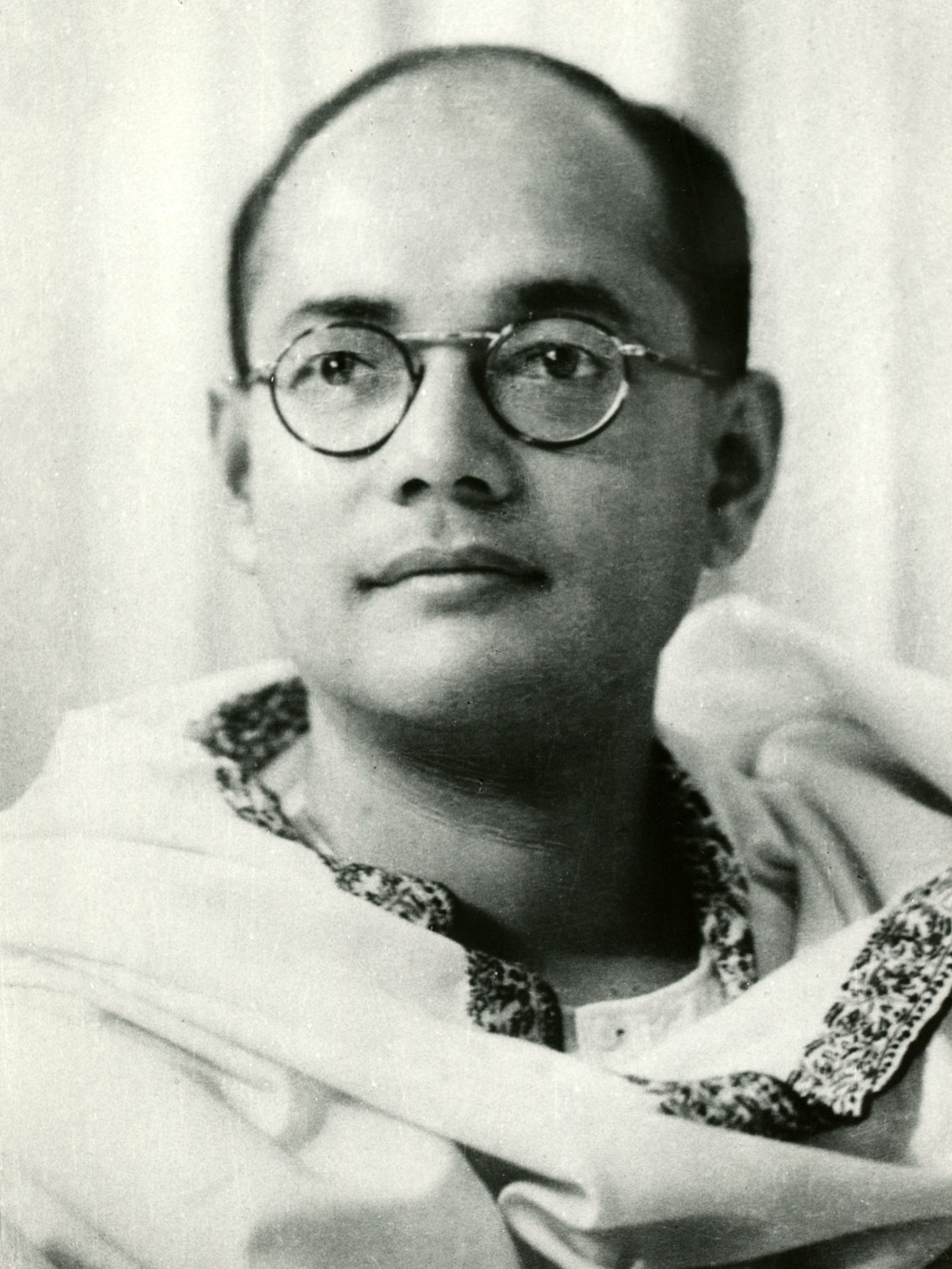
Subhas Chandra Bose
 (সুভাষচন্দ্র বসু (নেতাজি))
Revolutionary Indian nationalist leader revered as 'Netaji' (Respected Leader), who established the Indian National Army (INA) and proclaimed the Azad Hind Provisional Government with the battle cry 'Jai Hind!'.
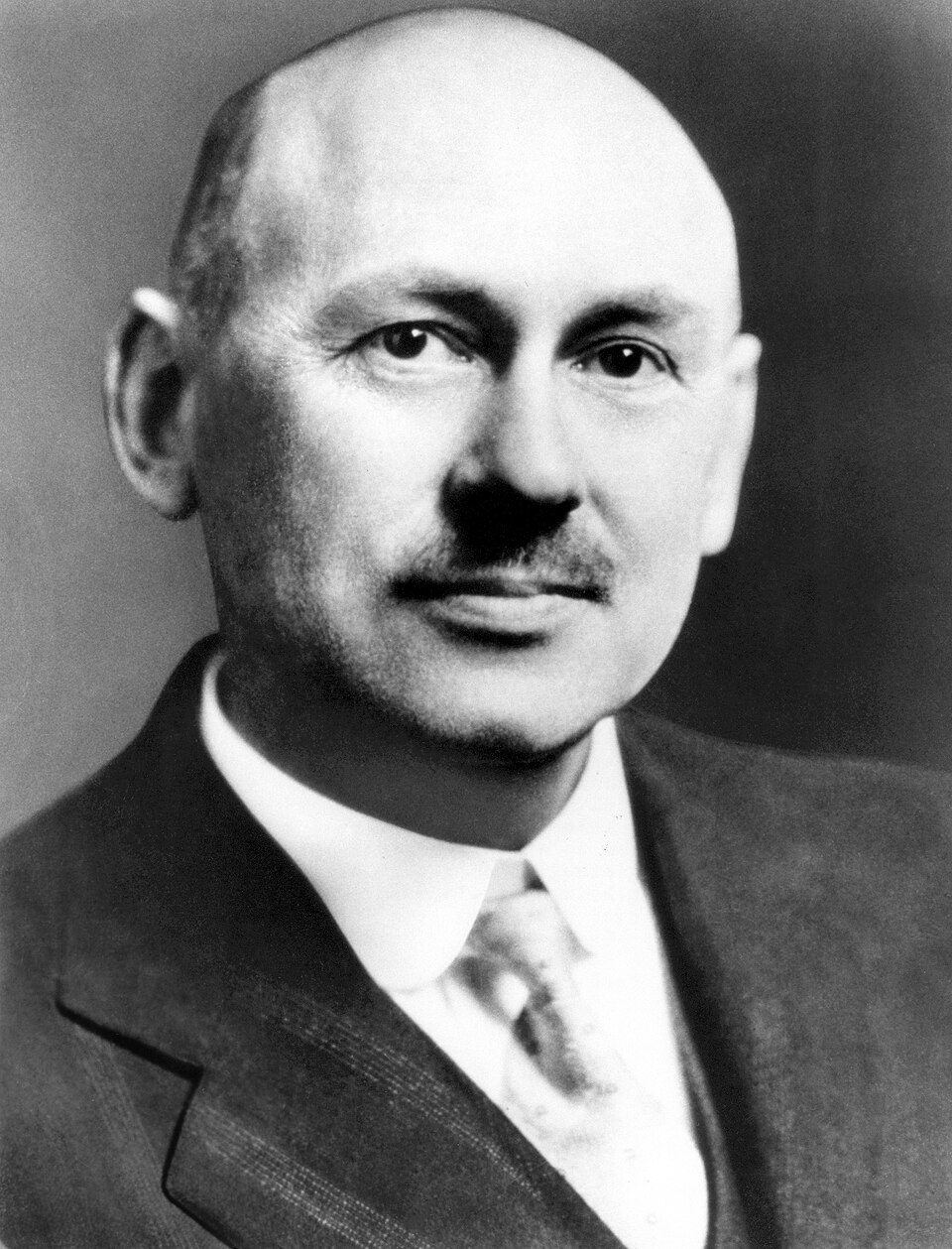
Robert H. Goddard
(Robert Hutchings Goddard)
Father of modern rocketry who designed, constructed, and successfully launched the world's first liquid-fueled rocket in 1926.
S. E. K. Mqhayi
(Samuel Edward Krune Mqhayi)
Venerated as 'Imbongi yeSizwe' (The Poet of the Nation), who standardized written Xhosa, authored seven extra stanzas of 'Nkosi Sikelel' iAfrika', and wrote the classic novel 'Ityala lamawele'.
Paul Valéry
(Ambroise Paul Toussaint Jules Valéry)
Towering French poet, essayist, and philosopher of consciousness whose monumental poem Le Cimetière marin contains the immortal line: 'Le vent se lève!... Il faut tenter de vivre!', honored with a national funeral by Charles de Gaulle.
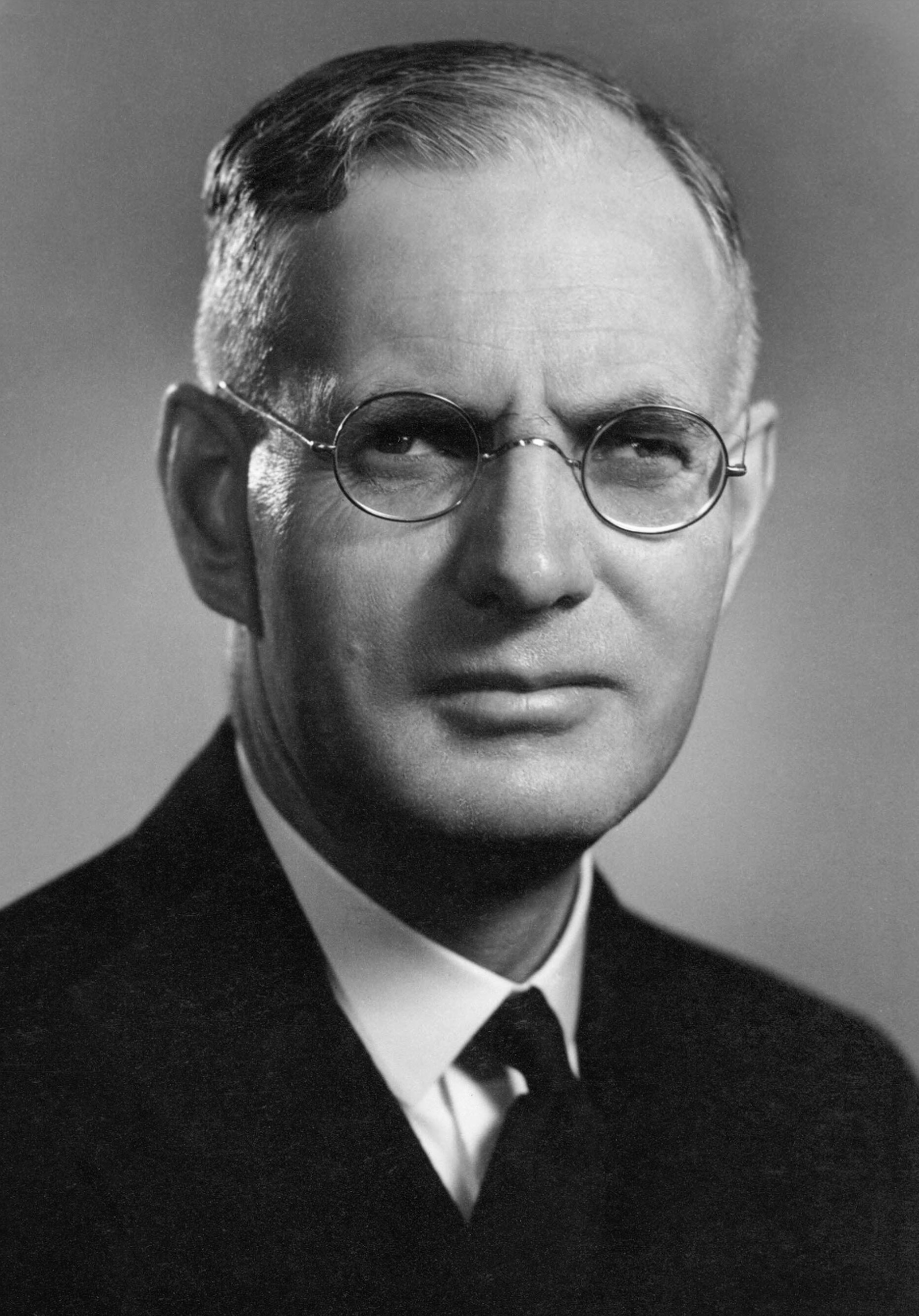
John Curtin
 (John Joseph Curtin)
Fourteenth Prime Minister of Australia (1941–1945) who successfully led Australia through the darkest perils of World War II, defied Winston Churchill to recall Australian troops to defend the homeland, and forged the historic alliance with the United States.