Public Figures & Cultural Luminaries
Filterable archive covering centuries of intellectual, artistic, and moral contributions to the human story.
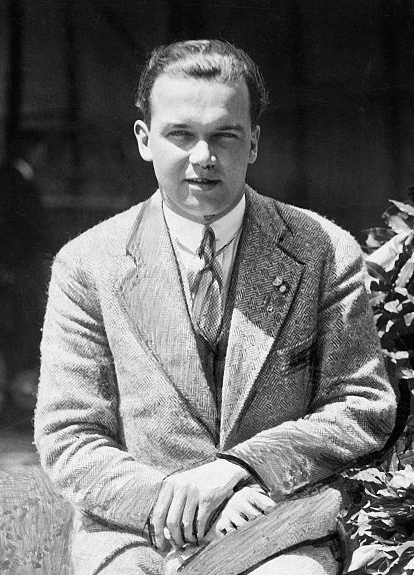
Rudolf Caracciola
 (Otto Wilhelm Rudolf Caracciola)
Three-time European Drivers' Champion for Mercedes-Benz and peerless 'Regenmeister' (Rainmaster) whose supreme wet-weather mastery and 1938 public road speed record of 432.7 km/h stood for nearly eighty years.
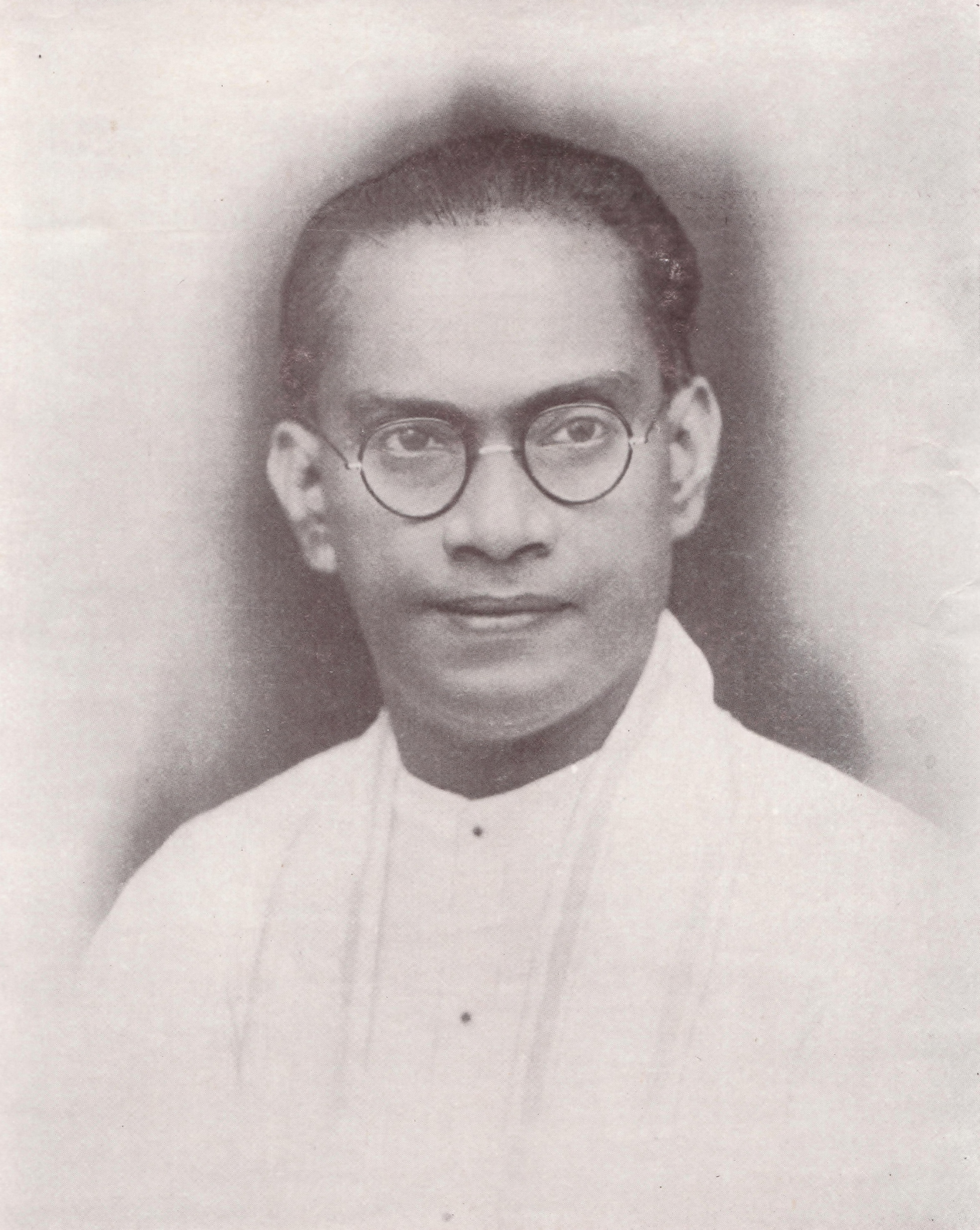
S. W. R. D. Bandaranaike (සොලමන් වෙස්ට් රිජ්වේ ඩයස් බණ්ඩාරනායක)
Fourth Prime Minister of Ceylon who founded the Sri Lanka Freedom Party (SLFP), championed the Sinhala Only Act of 1956, and removed British naval and air bases from the island.
Ramón Fonst
 (Ramón Fonst Segundo)
Legendary left-handed fencer who became the first Latin American Olympic champion in history at the 1900 Paris Games, winning four Olympic gold medals and remaining undefeated in épée for decades.
Maurice Duplessis
 (Maurice Le Noblet Duplessis)
Dominant Premier of Quebec for eighteen years who founded the Union Nationale, defended provincial autonomy, and adopted the Fleurdelisé flag in 1948.
Bohuslav Martinů
 (Bohuslav Martinů)
Extraordinarily prolific modernist composer born in a church bell tower in Polička, author of six symphonies, 'The Greek Passion', and 'Double Concerto', renowned for fusing Moravian folk rhythms with Parisian neoclassicism.
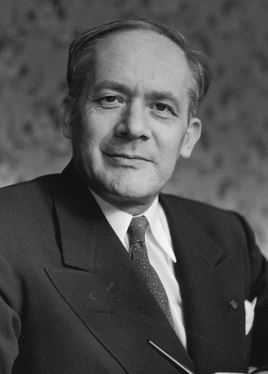
Raphael Lemkin
 (Rafał Lemkin)
Raphael Lemkin was a Polish-Jewish international legal scholar and visionary crusader who coined the word 'genocide' in 1944 to define the systematic destruction of national, ethnic, racial, or religious groups. Single-handedly lobbying the fledgling United Nations, he drafted and secured the unanimous adoption of the 1948 Convention on the Prevention and Punishment of the Crime of Genocide, forever altering global jurisprudence.
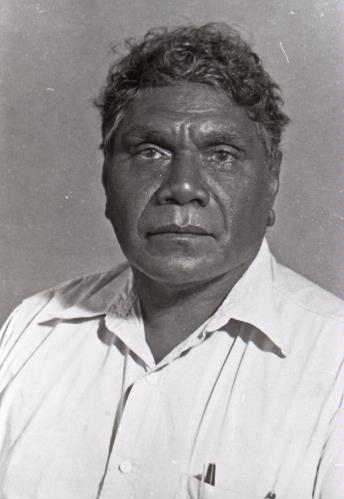
Albert Namatjira
 (Elea Albert Namatjira)
Western Arrernte artist who pioneered modern Indigenous watercolour painting, whose brilliant, luminous desert landscapes of ghost gums and MacDonnell Ranges captured national reverence.
Qamar-ol-Moluk Vaziri
 (قمرالملوک وزیری)
First woman in Iranian history to sing publicly without a veil at the Grand Hotel in 1924, legendary diva celebrated for her charity.
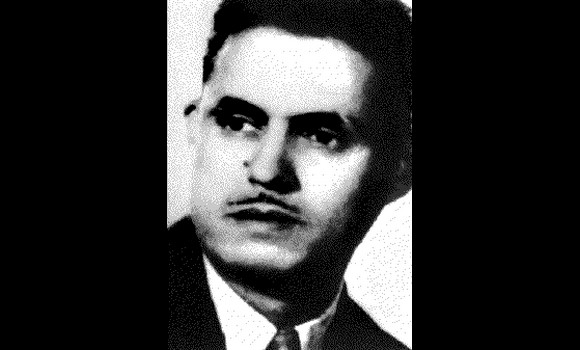
Aïssat Idir
 (عيسات إيدير)
Visionary trade union leader who founded the General Union of Algerian Workers (UGTA) in February 1956, tortured to death by colonial paratroopers in 1959.
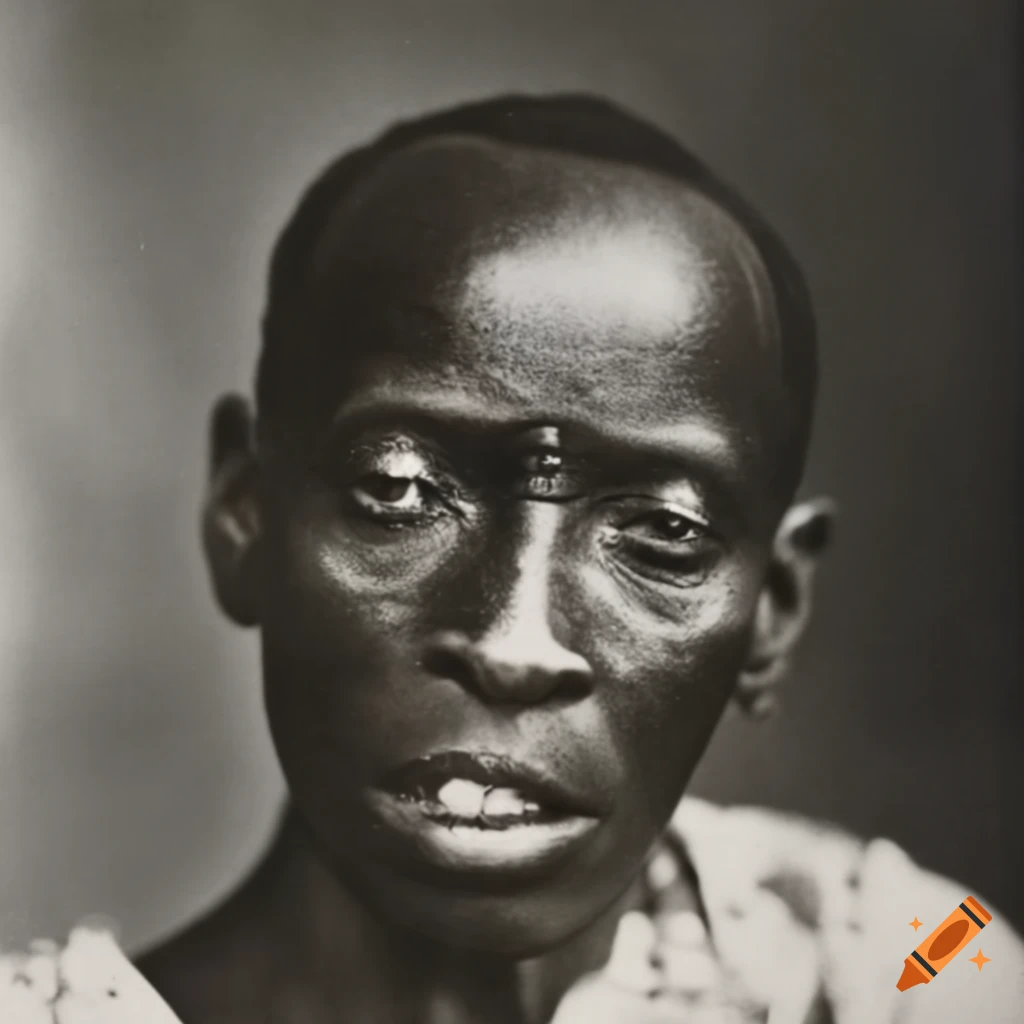
King Mutara III Rudahigwa
 (Charles Rudahigwa)
Transformative King of Rwanda (1931–1959) who modernized his kingdom, abolished the feudal cattle-clientage system (Ubuhake) in 1954, and demanded immediate national independence.
Khalil Mardam Bey
 (خليل مردم بك)
Eminent Syrian poet and scholar who composed the lyrics of the Syrian national anthem 'Humat ad-Diyar' (Guardians of the Homeland).
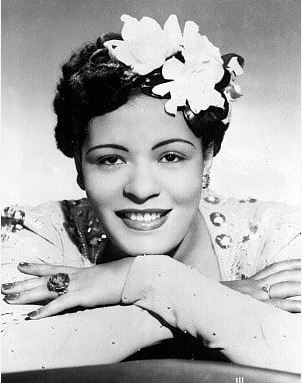
Eleanora Fagan (Billie Holiday)
 (Billie Holiday)
Incomparable jazz vocalist whose conversational phrasing, subtle emotional timing, and fearless 1939 recording of Strange Fruit—the definitive protest anthem against Southern lynchings—transformed American vocal art.
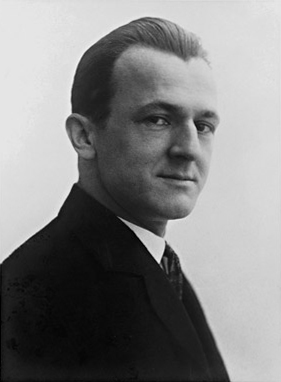
George Grosz
(Georg Ehrenfried Groß)
German-American caricaturist and painter whose razor-sharp, satirical draughtsmanship savagely unmasked the militarism, corruption, and decadence of Weimar Germany.
Boris Vian
 (Boris Vian)
Brilliant Parisian polymath, jazz trumpeter, and novelist who electrified post-war Saint-Germain-des-Prés, wrote the surrealist love classic L'Écume des jours (Froth on the Daydream), and penned the pacifist anthem Le Déserteur.
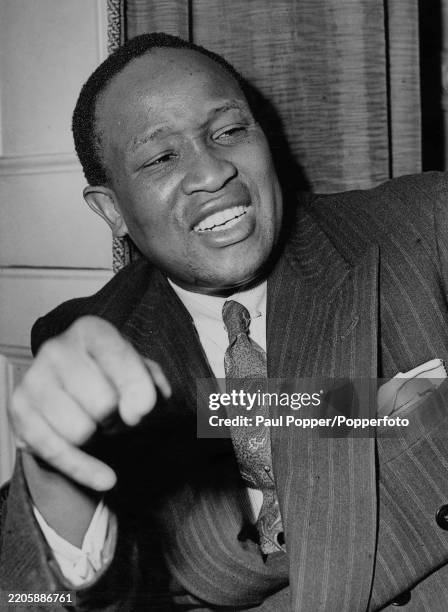
Tshekedi Khama
 (Tshekedi Khama)
Formidable Regent of the Bangwato for nearly 25 years who modernized education and agriculture in Bechuanaland, founded Moeng College, and defended African customary legal jurisdiction.
Dan Cranmer
(Dan Cranmer)
Courageous Kwakwaka'wakw hereditary chief whose December 1921 potlatch on Village Island challenged Canada's potlatch ban, leading to historic cultural repatriations.

Colonel Si M'hamed Bouguerra
(سي امحمد بوڨرة (أحمد بوقرة))
Revered commander of ALN Wilaya 4 (Algérois), known for his military brilliance, profound modesty, and legendary slogan: 'If we die, defend our memories.'
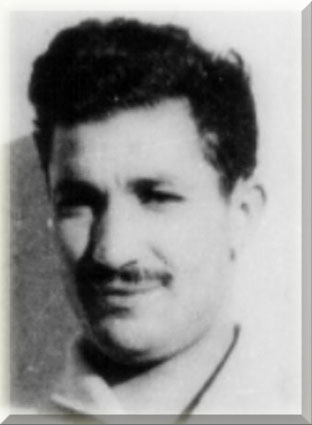
Ahmed Bougara
(أحمد بوقرة)
Legendary military commander of Wilaya IV who led the guerrilla struggle across the Mitidja plain and Ouarsenis mountains, renowned for his moral integrity and tactical genius.