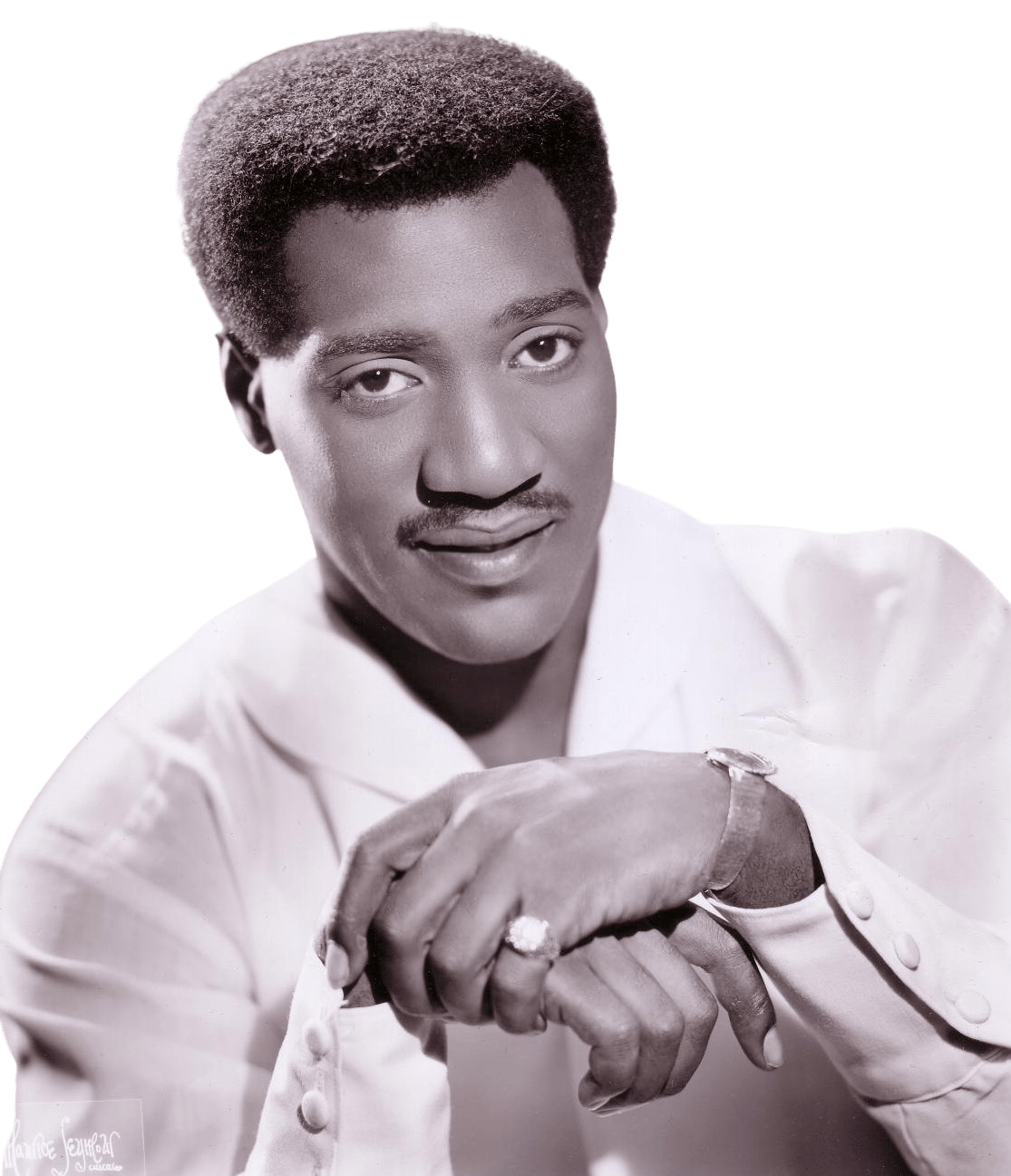
Otis Redding
Soul titan whose raw passionate vocals at Stax Records and immortal song (Sittin' On) The Dock of the Bay defined Southern soul.
Start typing to search worldwide archives and community tributes
Filterable archive covering centuries of intellectual, artistic, and moral contributions to the human story.
Soul titan whose raw passionate vocals at Stax Records and immortal song (Sittin' On) The Dock of the Bay defined Southern soul.
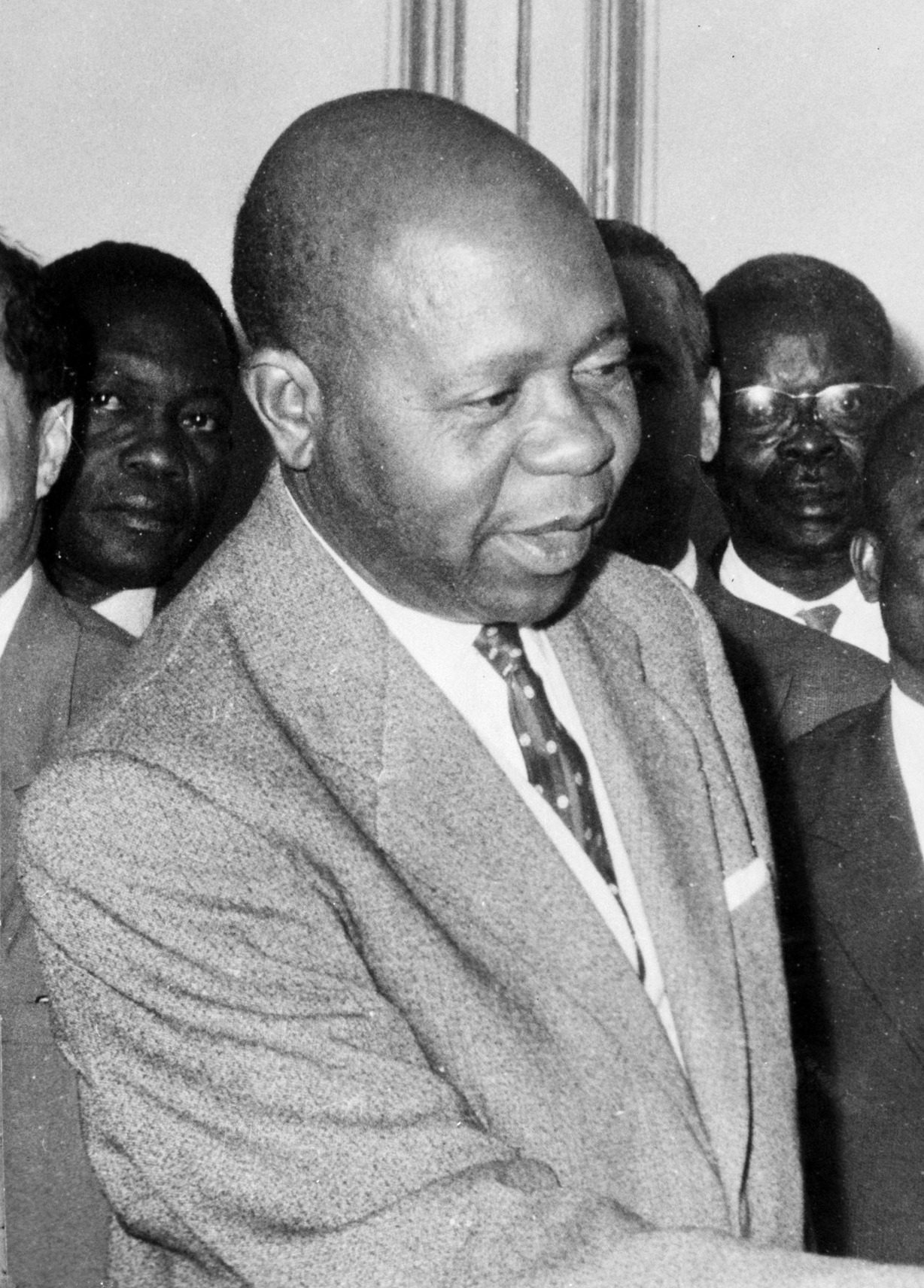
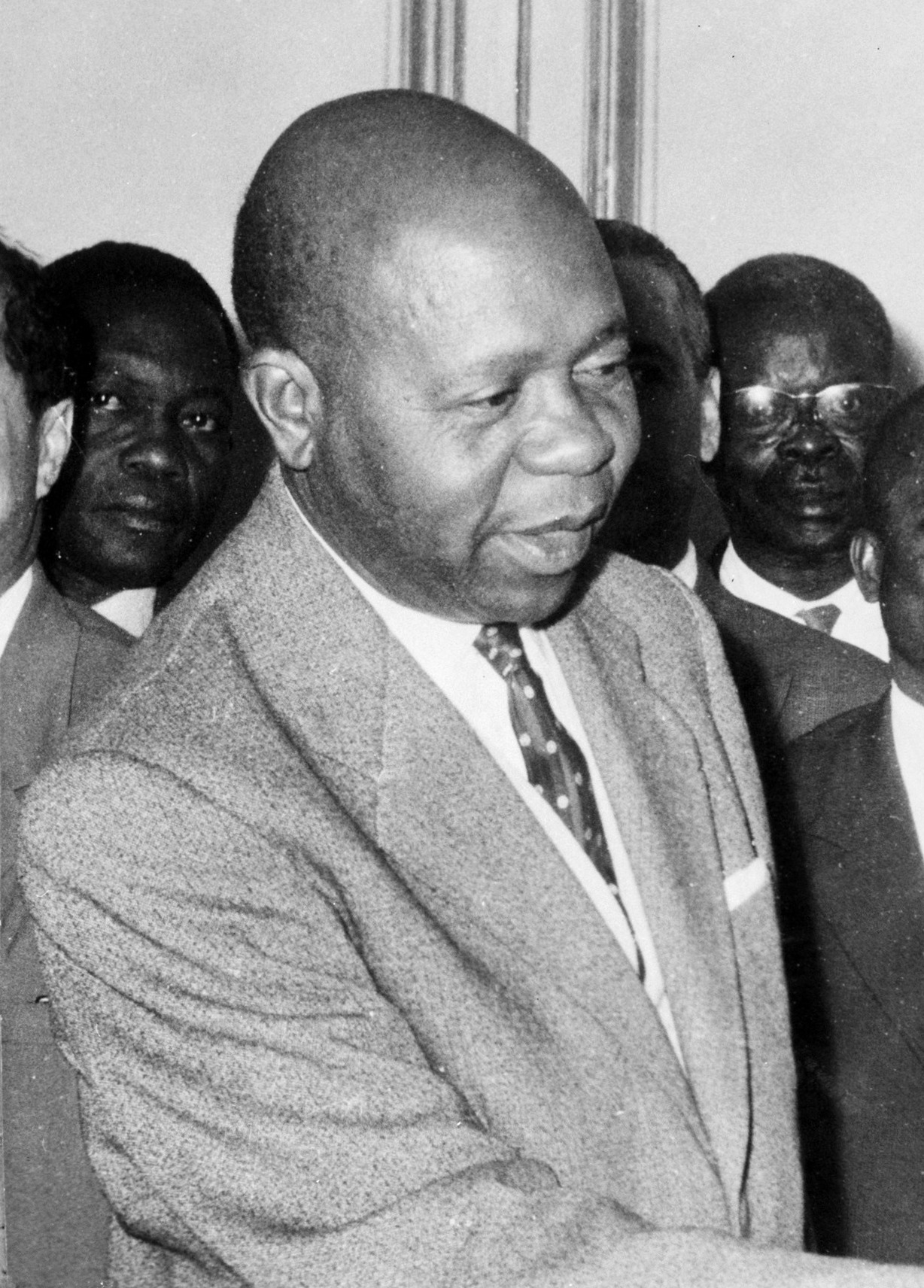
Foundational founding father and first President of the Gabonese Republic (1960โ1967) who established the modern civil institutions of Gabon and governed through the critical transition to sovereign independence.
First President of Gabon who led the country to independence in 1960, restored to power by French paratroopers following the 1964 coup, establishing Franco-Gabonese strategic ties.
Brazilian novelist and diplomat whose epic The Devil to Pay in the Backlands is hailed as the Brazilian Ulysses, revolutionizing Portuguese prose with daring neologisms and metaphysical depth.
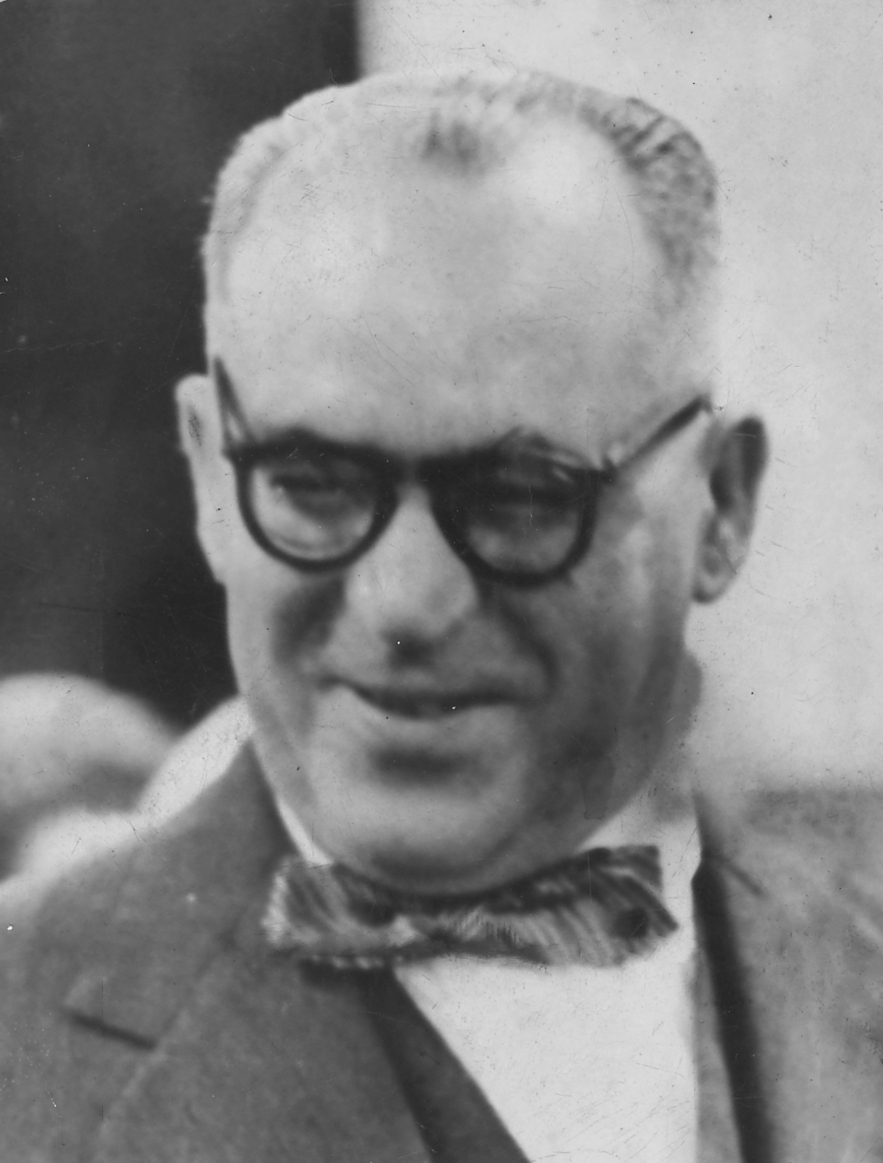
Prolific Tunisian poet, essayist, and dramatist of the famed bohemian Taht al-Sur literary circle whose lyrical poetry blended classical Arabic elegance with vivid vernacular rhythms and social consciousness.
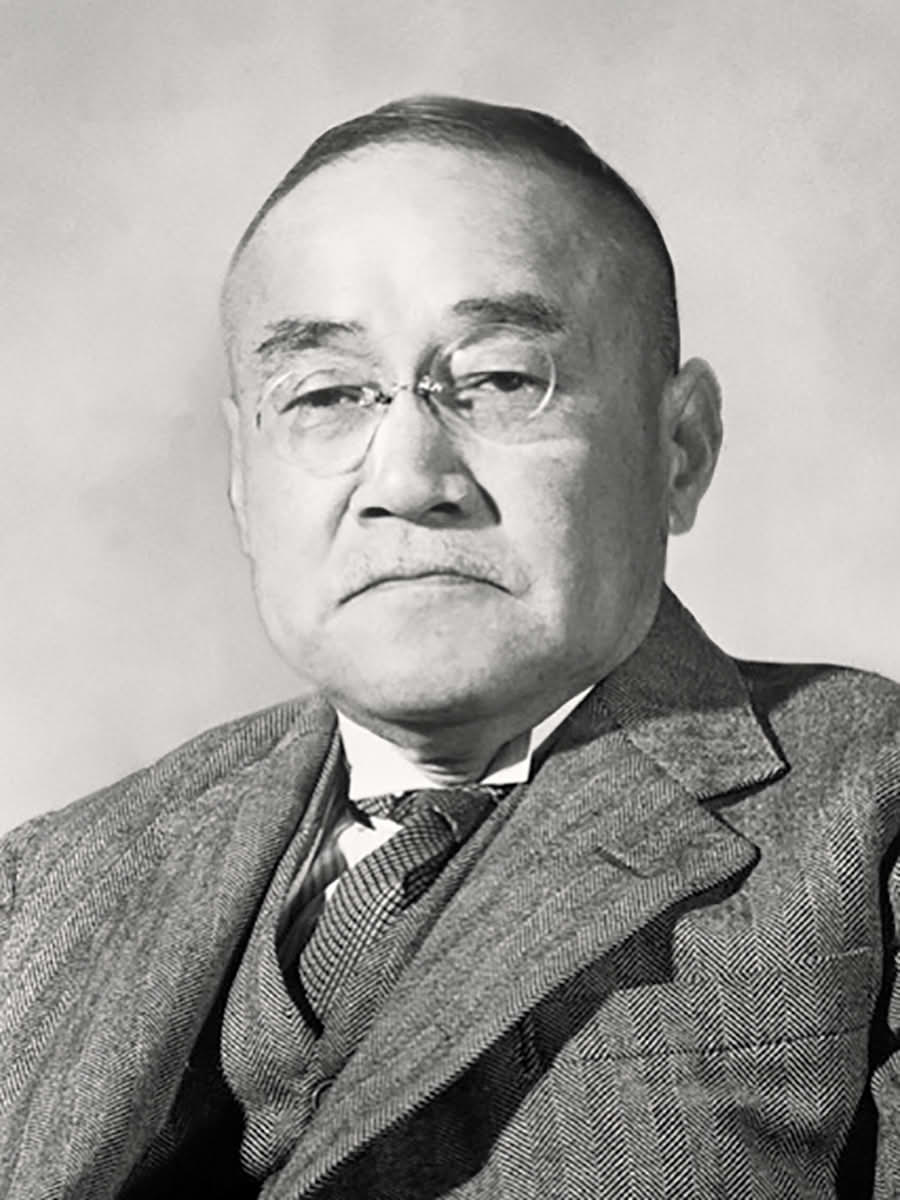
Five-term Prime Minister of Japan who signed the 1951 San Francisco Peace Treaty, ending the Allied occupation, and formulated the Yoshida Doctrine prioritizing economic growth.
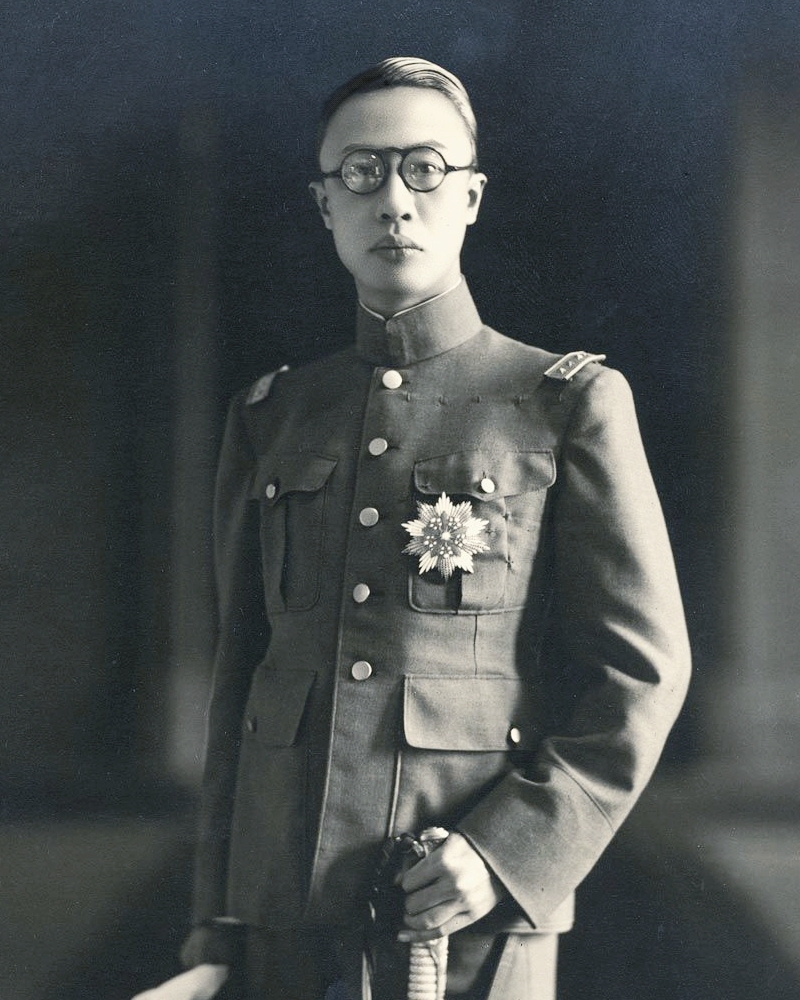
Twelfth and final monarch of the Qing dynasty and the last emperor of China, whose abdication marked the end of over two millennia of imperial dynastic rule.
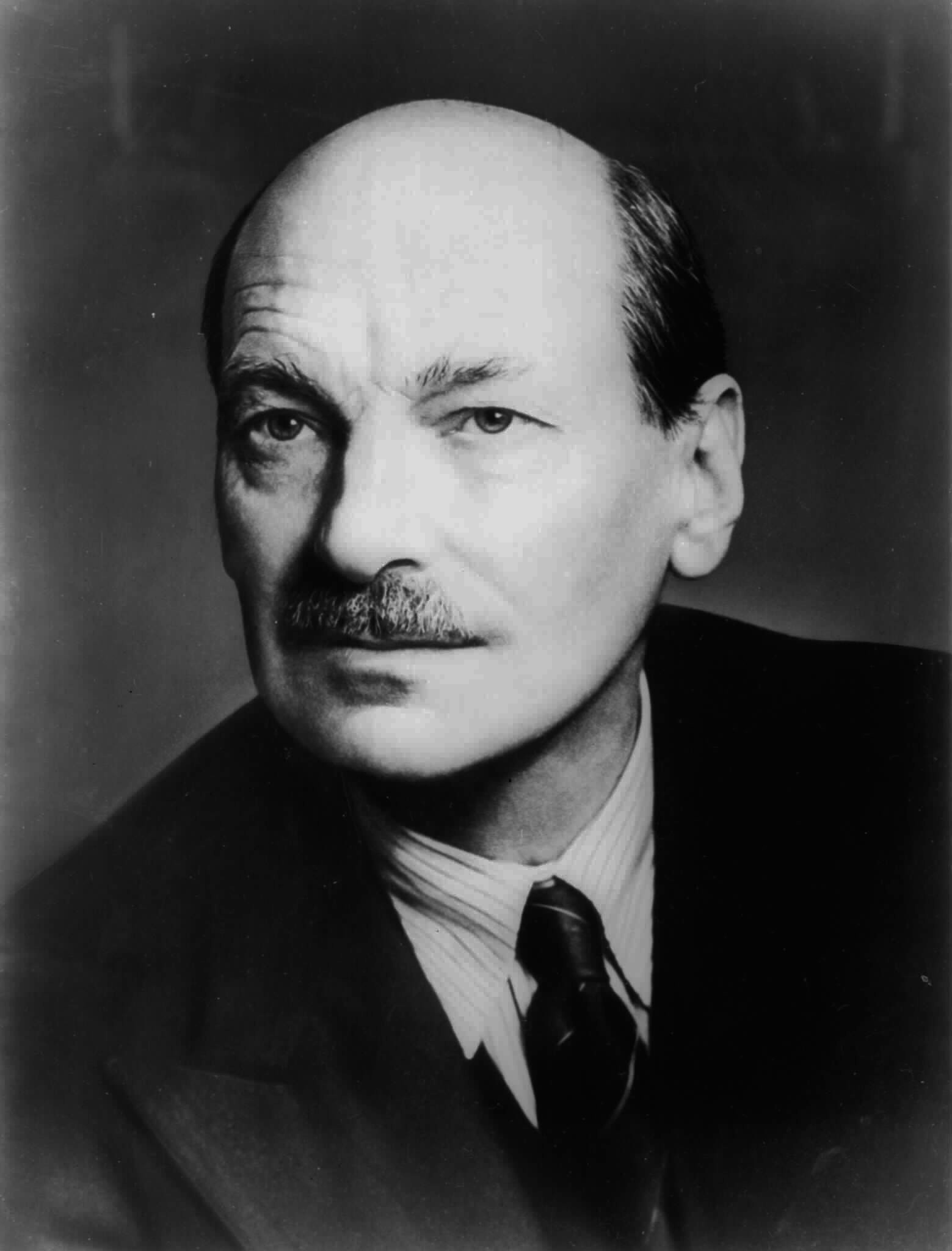
British Prime Minister (1945โ1951) who defeated Winston Churchill in a post-war landslide, created the modern British welfare state including the National Health Service, nationalized key industries, and granted independence to India.
British Labour Prime Minister who established the modern Welfare State, founded the National Health Service (NHS), and presided over the independence of India.
Sir Norman Angell was a British author, economist, and Member of Parliament whose 1909 book 'The Great Illusion' became an international publishing phenomenon translated into twenty-five languages. Demonstrating that modern global financial and commercial integration rendered military conquest economically ruinous for both victor and vanquished, he was awarded the 1933 Nobel Peace Prize.
Pioneering Moroccan painter who founded modern Moroccan abstract art by fusing traditional Amazigh pottery signs, tattoos, and Arabic calligraphy with European post-war lyrical abstraction.
Belgian Surrealist artist celebrated for his thought-provoking, witty illusions challenging reality and human perception.
Viennese-born biochemist awarded the 1938 Nobel Prize in Chemistry for his groundbreaking investigations of carotenoids and vitamins, including the isolation of Vitamin B2 (riboflavin) and B6.
Belgian Roman Catholic cardinal who founded the Young Christian Workers (YCW) movement and formulated the influential 'See, Judge, Act' methodology of social activism.
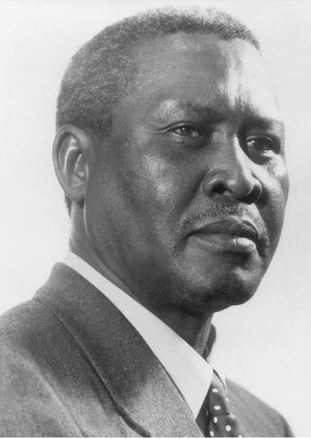
First African to receive the Nobel Peace Prize; set the moral foundation of non-violent resistance and democratic brotherhood for the South African anti-apartheid movement.
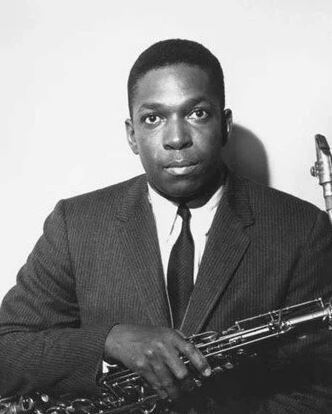
Titan of the tenor and soprano saxophone whose torrents of sound ('sheets of sound'), harmonic breakthrough Giant Steps, and sacred modal masterpiece A Love Supreme transformed jazz into a spiritual quest.
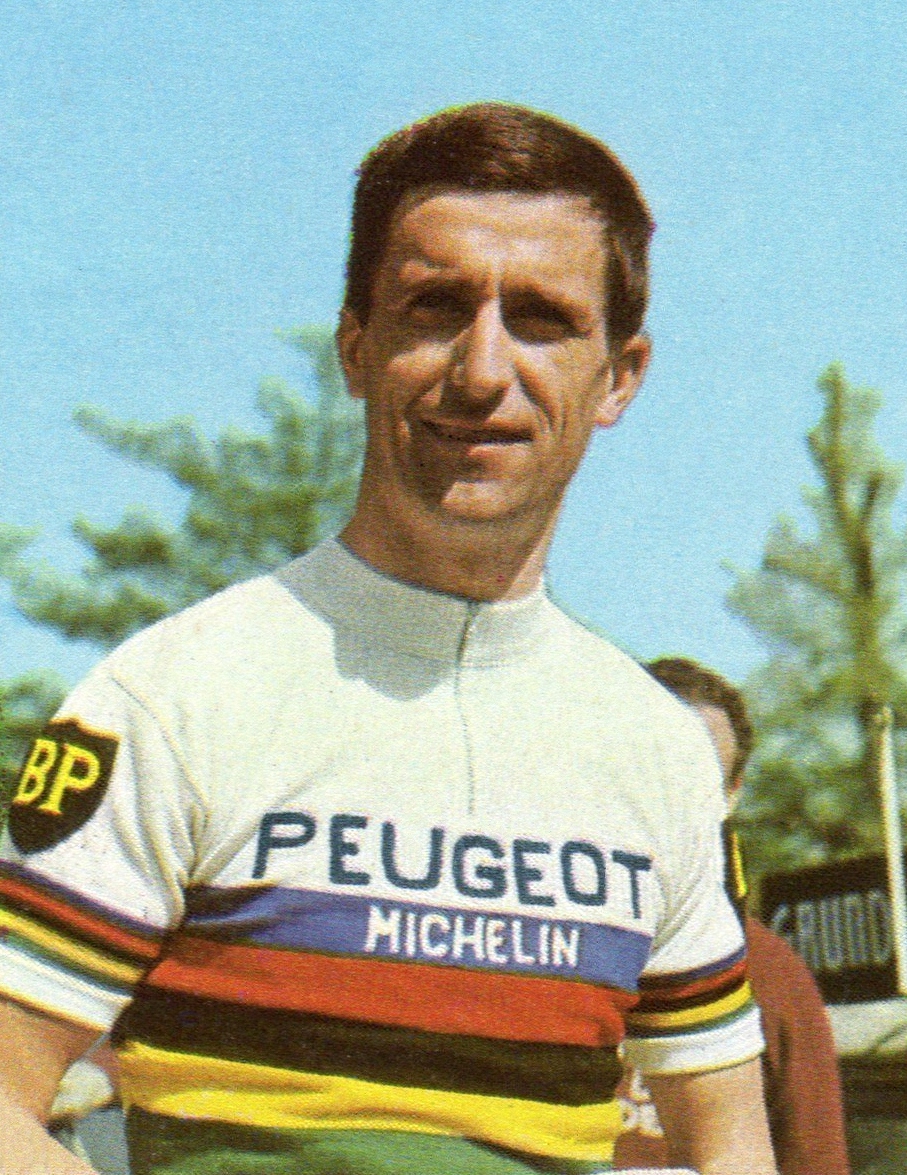
British road racing cyclist, 1965 UCI World Road Champion, winner of three Monuments, whose tragic death on Mont Ventoux became a watershed moment for sport anti-doping.
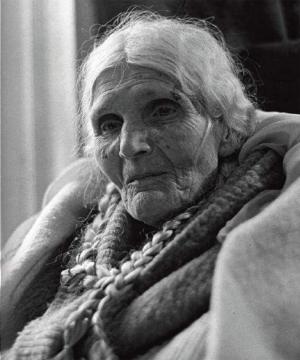
Pioneering Berber autobiographer and oral folklorist whose posthumous memoir 'Histoire de ma vie' (1968) is a foundational masterpiece of modern North African literature.