Public Figures & Cultural Luminaries
Filterable archive covering centuries of intellectual, artistic, and moral contributions to the human story.
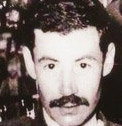
M'hamed Issiakhem
 (محمد إسياخم)
Towering pioneer of modern Algerian painting, graphic designer, and monumental muralist celebrated for his tragic, haunting expressionist depictions of suffering women, motherhood, and revolutionary scars.
Gholam-Hossein Sa'edi
 (غلامحسین ساعدی / گوهر مراد)
Brilliant Iranian playwright and psychiatrist whose collection 'The Mourners of Bayal' was adapted into the historic Iranian New Wave film 'The Cow'.
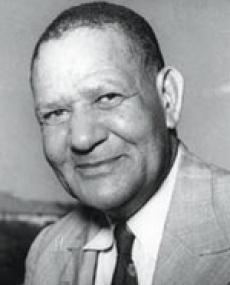
James Moroka
 (James Sebe Moroka)
Physician and President-General of the African National Congress (1949–1952) who led the historic 1952 Defiance Campaign against unjust apartheid laws.
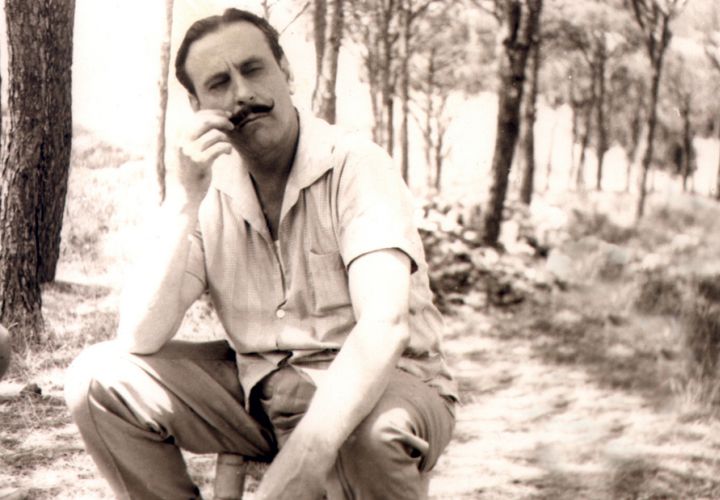
Philemon Wehbe
 (فليمون وهبي)
Prolific Lebanese composer dubbed the 'Sheikh of Melody' whose intuitive folk melodies produced Fairuz's most iconic and joyful songs.
Abdul-Munim al-Rifai
 (عبد المنعم الرفاعي)
Distinguished two-time Prime Minister of Jordan and diplomat who penned the stirring lyrics of the Jordanian Royal National Anthem.
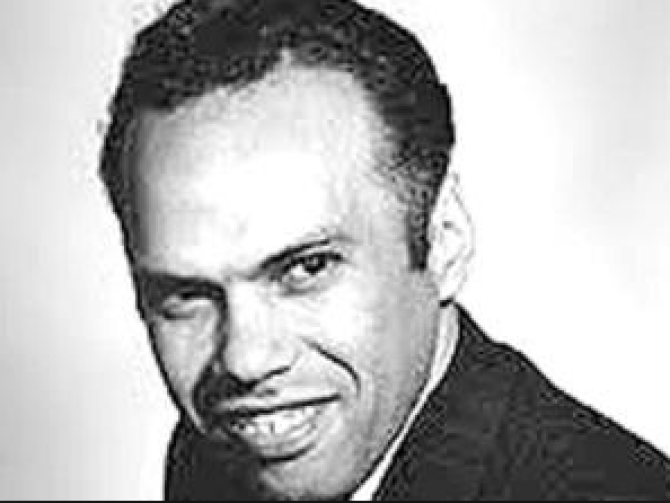
Alex La Guma
(Justin Alexander La Guma)
Master realist novelist and anti-apartheid leader whose works 'A Walk in the Night' and 'In the Fog of the Seasons' End' captured the brutal social reality of South Africa.
Nicolas Kasanda
 (Nicolas Kasanda wa Mikanza)
Virtuoso musical genius hailed as 'Dr. Nico' and 'The God of the Guitar', whose dazzling fingerpicking technique and Hawaiian lap-steel solos with Grand Kallé and African Fiesta defined Congolese rumba.
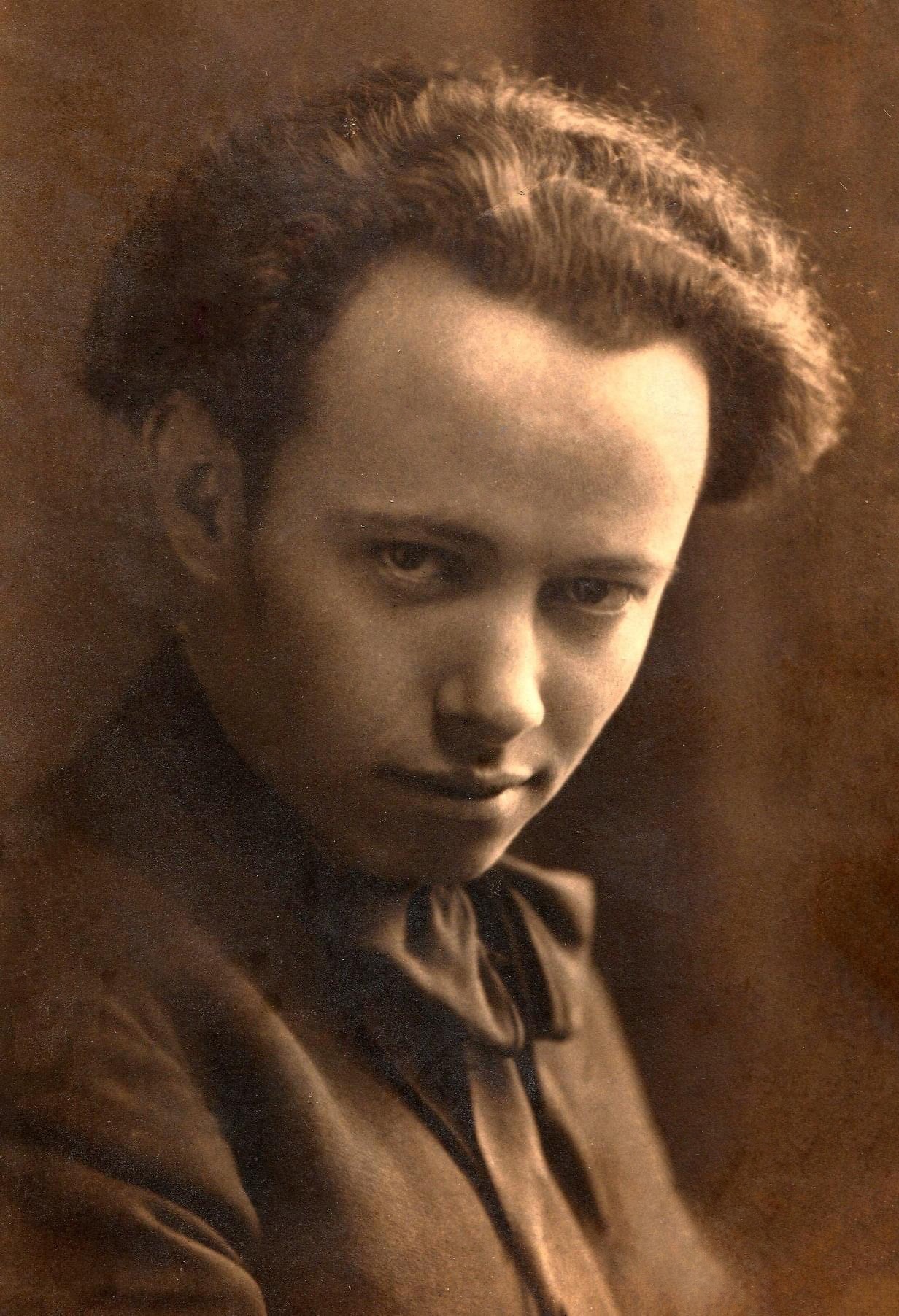
Odhise Paskali
 (Odhise Paskali)
Founder of modern Albanian sculpture whose monumental bronze statues include the colossal equestrian monument to Skanderbeg in Tirana's Skanderbeg Square and The Partisan in Përmet.
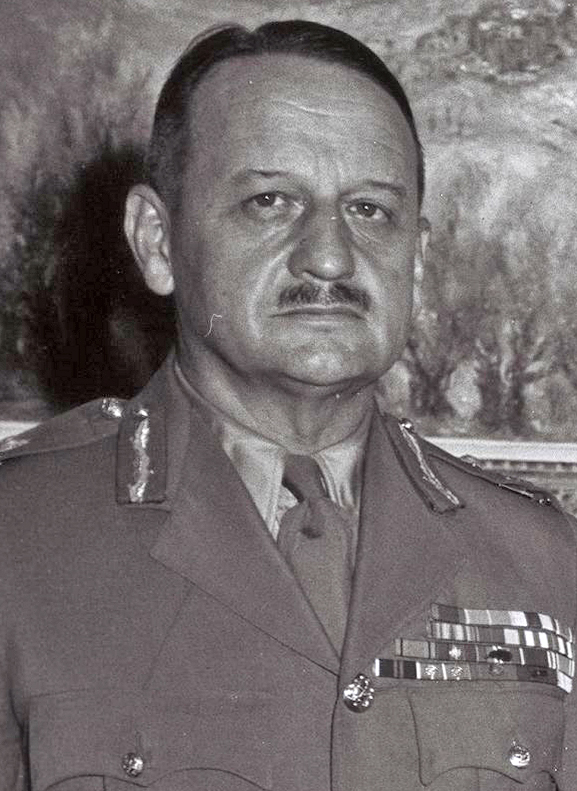
E. L. M. Burns
 (Tommy Burns)
Distinguished Canadian general who served as the first commander of the United Nations Emergency Force (UNEF) in 1956, turning Lester B. Pearson's peacekeeping vision into reality.
Ernst Öpik
 (Ernst Julius Öpik)
Brilliant astrophysicist who in 1922 became the first scientist to accurately calculate the distance to the Andromeda Galaxy, formulated the cometary cloud theory, and designed classical meteor observation methods.
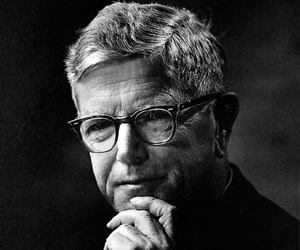
Frank Macfarlane Burnet
 (Sir Frank Macfarlane Burnet)
World-renowned virologist and immunologist who won the 1960 Nobel Prize in Physiology or Medicine for the discovery of acquired immunological tolerance and formulated the clonal selection theory.
Donald O. Hebb
(Donald O. Hebb)
Foundational Canadian psychologist whose 1949 concept of synaptic plasticity—"neurons that fire together, wire together"—laid the basis for neural networks and cognitive neuroscience.
Forbes Burnham
 (Forbes Burnham)
First Prime Minister and first Executive President of Guyana who led the country to independence in 1966.
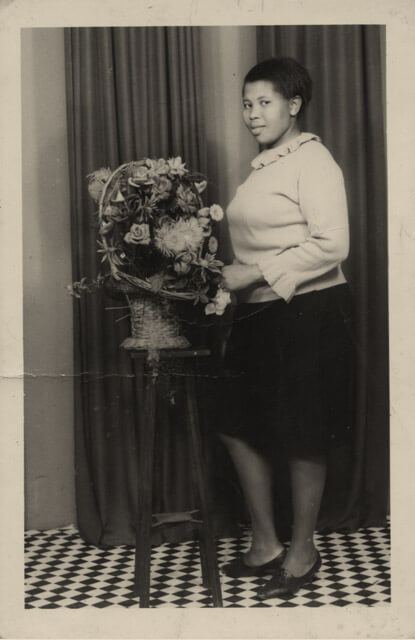
Victoria Mxenge
(Victoria Nonyamezelo Mxenge)
Heroic human rights attorney who took over her husband's practice following his assassination, defended UDF leaders in the Pietermaritzburg Treason Trial, and was murdered by apartheid death squads.
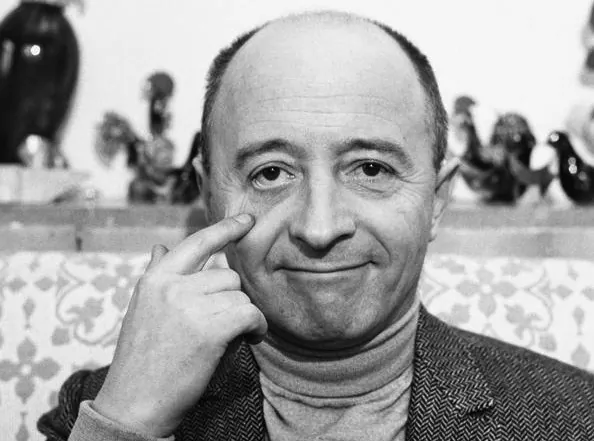
Michel Audiard
 (Michel Audiard)
The undisputed master of French cinematic dialogue whose razor-sharp street argot, cynical wit, and immortal lines in Les Tontons Flingueurs, Un singe en hiver, and Mélodie en sous-sol are ingrained in the French language.
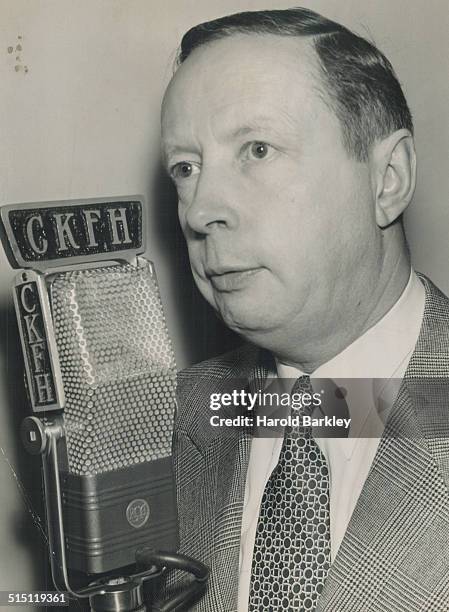
Foster Hewitt
(Voice of Hockey)
Pioneering Canadian radio broadcaster whose breathless play-by-play on Hockey Night in Canada and phrase "He shoots, he scores!" built national winter culture.
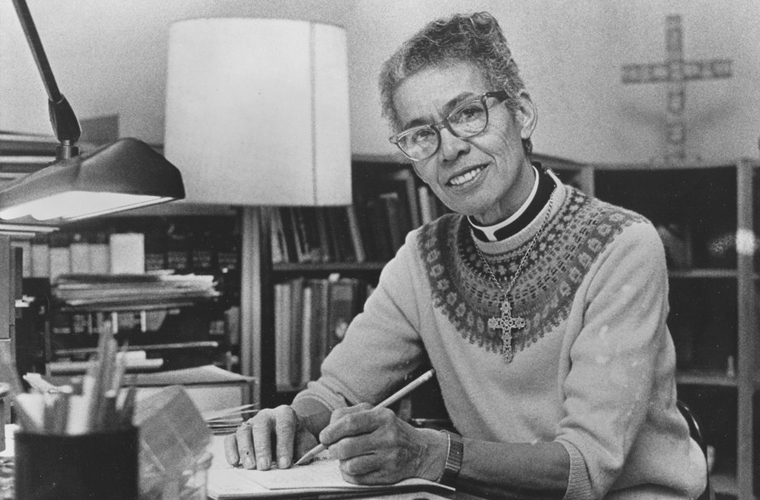
Anna Pauline Murray
 (Pauli Murray)
Juriste révolutionnaire, cofondatrice de NOW et première femme prêtre épiscopalienne afro-américaine, dont les écrits juridiques ont inspiré Ruth Bader Ginsburg et Thurgood Marshall.
Celeste Woss y Gil
 (Celeste Woss y Gil)
Trailblazing female visual artist who introduced the modern nude, post-impressionism, and African aesthetic dignity to Dominican art, establishing the country's first modern art studio school in 1924.