Public Figures & Cultural Luminaries
Filterable archive covering centuries of intellectual, artistic, and moral contributions to the human story.
André Kolingba
 (André-Dieudonné Kolingba)
General and President of the Central African Republic (1981–1993) who maintained political stability, built the modern Bangui infrastructure, and peacefully conceded power in the 1993 democratic elections.
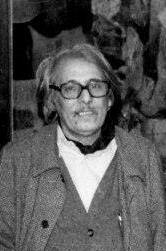
Ali Ali-Khodja
 (علي علي خوجة)
Master painter, graphic designer, and long-time professor and director of the National School of Fine Arts in Algiers, whose lyrical semi-abstract canvases celebrated Casbah geometry.

Georges Wilson
 (Georges Willson)
Revered French actor and stage director who succeeded Jean Vilar at the helm of the Théâtre National Populaire (TNP) and starred in cinema classics from The Long Absence to Captain Fracasse.
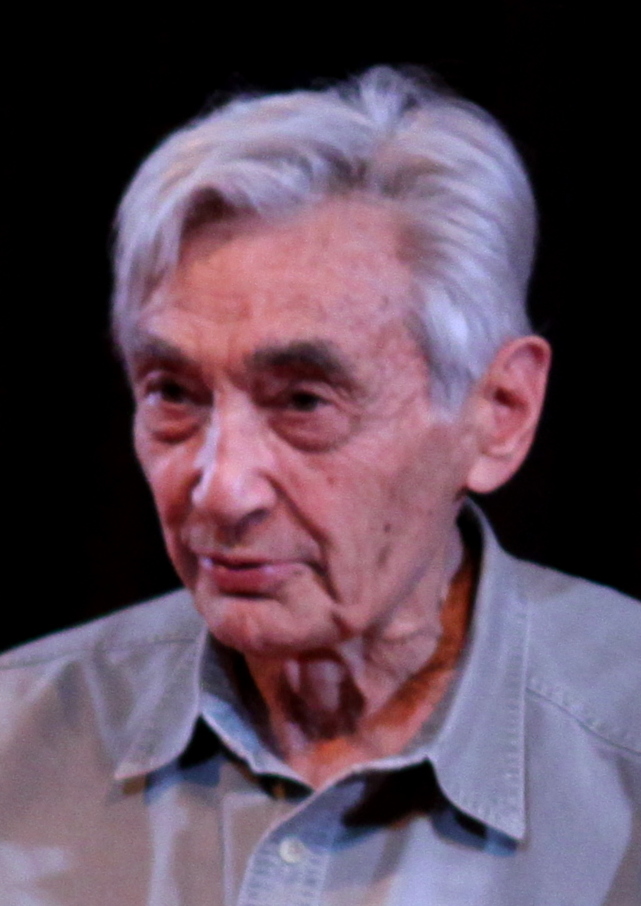
Howard Zinn
 (Howard Zinn)
Influential American historian and civil rights campaigner whose masterwork A People's History of the United States retold history from the standpoint of grassroots struggles.
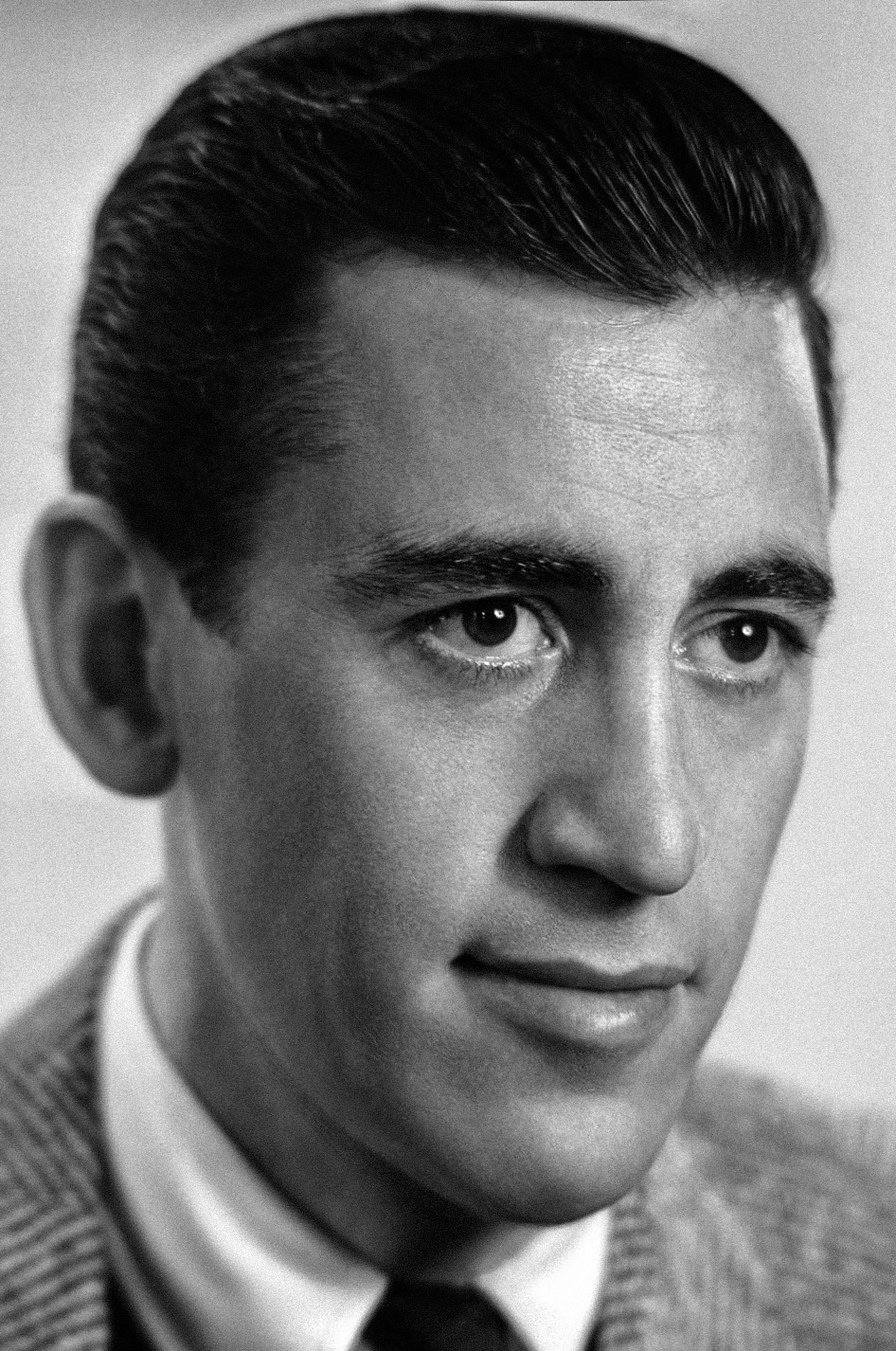
J. D. Salinger
(Jerome David Salinger)
Legendary American author whose 1951 novel The Catcher in the Rye became an enduring touchstone of youth alienation, adolescent angst, and literary brilliance.
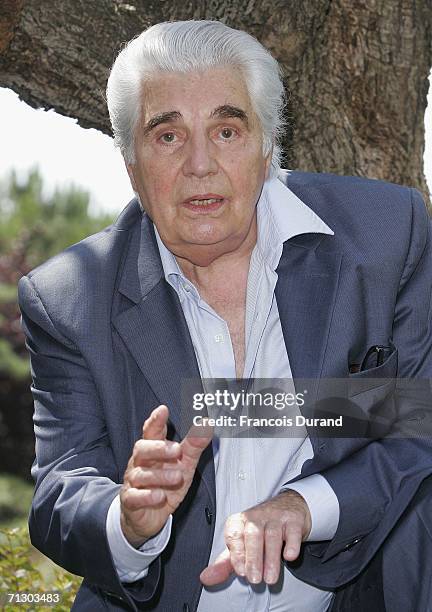
Roger Pierre
(Jean René Jean-Louis Pierre)
Beloved French comic actor and writer who formed one of France's greatest comedic duos with Jean-Marc Thibault, entertaining millions across stage, film, and television.
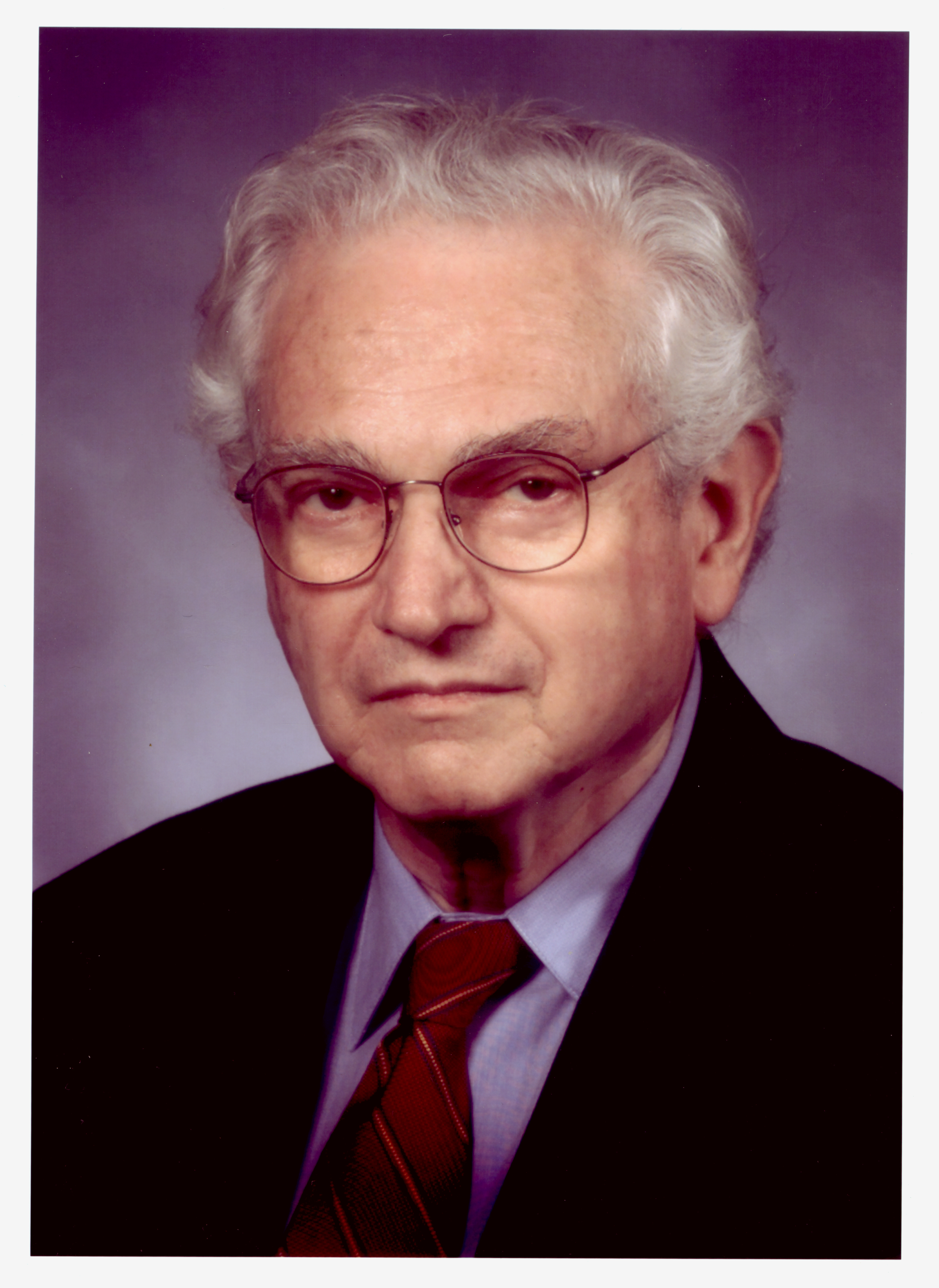
Marshall Warren Nirenberg
(Marshall Warren Nirenberg)
American biochemist and geneticist who shared the 1968 Nobel Prize in Physiology or Medicine for breaking the genetic code and showing how RNA translates DNA into proteins.
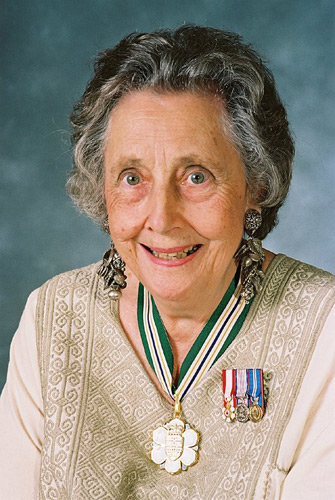
P. K. Page
 (P. K. Page)
Distinguished Canadian poet and visual artist whose glittering metaphysical verse and Brazilian journals earned the highest national honors.

Fina de Calderón
 (Josefina de Attard y Tello)
Spanish writer, poet, and composer who directed celebrated international literary salons and championed Hispanic cultural exchanges across Europe and the Americas.
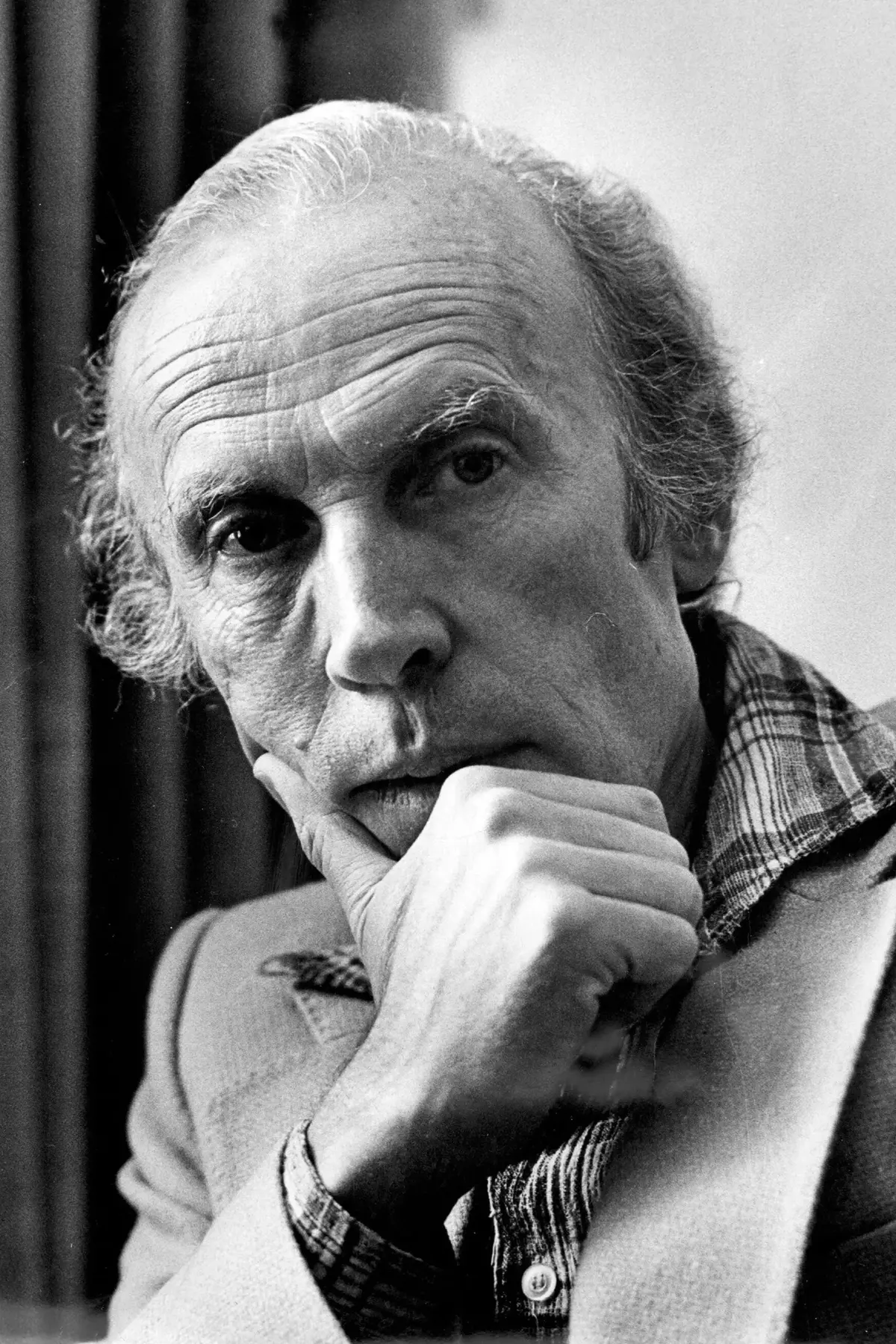
Eric Rohmer
(Jean Marie Maurice Schérer)
A key architect of the French New Wave and former editor-in-chief of Cahiers du Cinéma, celebrated for his elegant, dialogue-driven film cycles exploring love and morality.
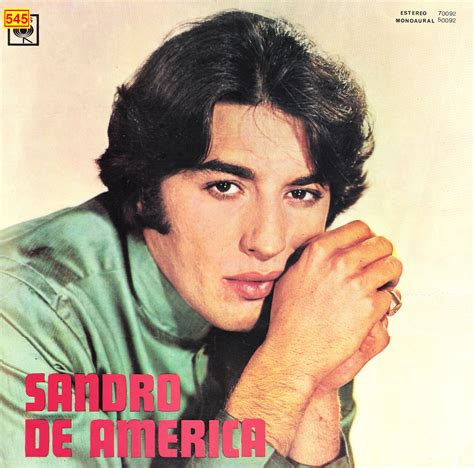
Sandro de América
 (Roberto Sánchez-Ocampo)
Legendary Argentine singer and actor considered a founding father of Argentine rock, who evolved into a Latin pop superstar dubbed the 'Elvis of South America'.
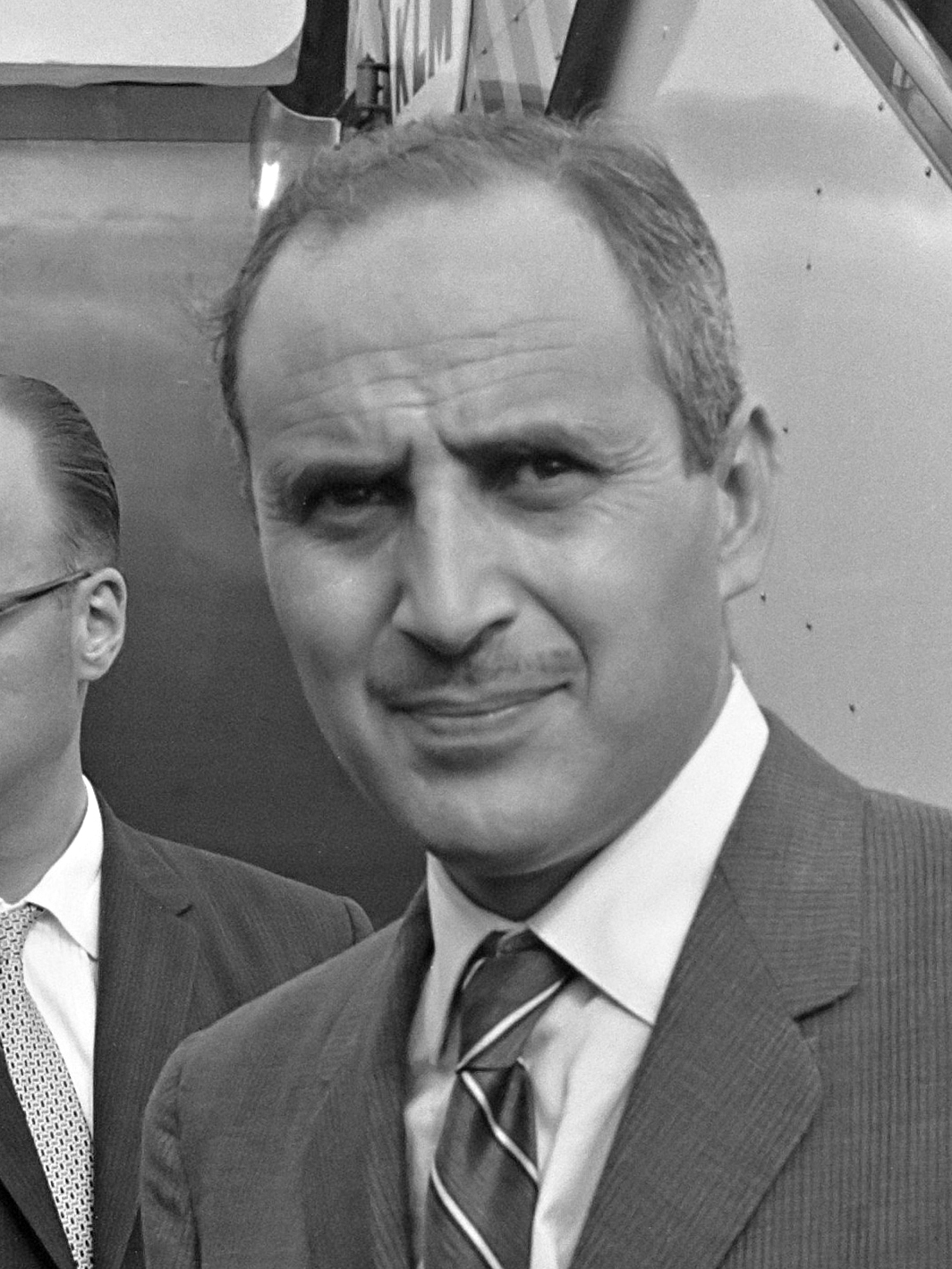
Habib Bourguiba Jr.
(الحبيب بورقيبة الابن)
Accomplished diplomat and statesman who served as Tunisia's ambassador to Washington, Rome, and Paris, Minister of Foreign Affairs, and key proponent of computer science and technological modernism.
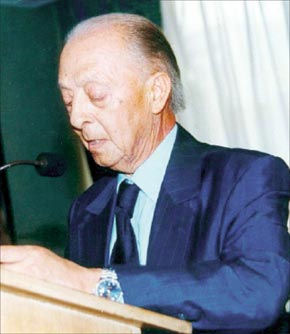
Abdelhadi Boutaleb
 (عبد الهادي بوطالب)
Distinguished Moroccan scholar, royal tutor to King Hassan II, Minister of Foreign Affairs, and founding Director-General of the Islamic Educational, Scientific and Cultural Organization (ISESCO).
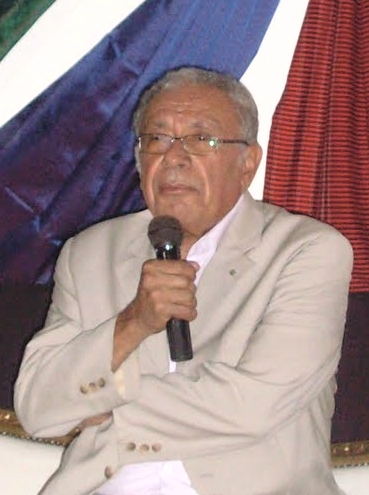
Jaafar Majed
 (جعفر ماجد)
Distinguished poet and scholar from Kairouan who directed the seminal intellectual journal Rihab Al-Ma'rifa and authored influential studies on modern Maghrebi literature and poetic imagery.
Bernard Kolélas
 (Bernard Bakana Kolélas)
Charismatic Bakongo statesman, human rights advocate, and longtime opposition leader who founded the MCDDI party, served as Mayor of Brazzaville, and briefly as Prime Minister during the 1997 crisis.
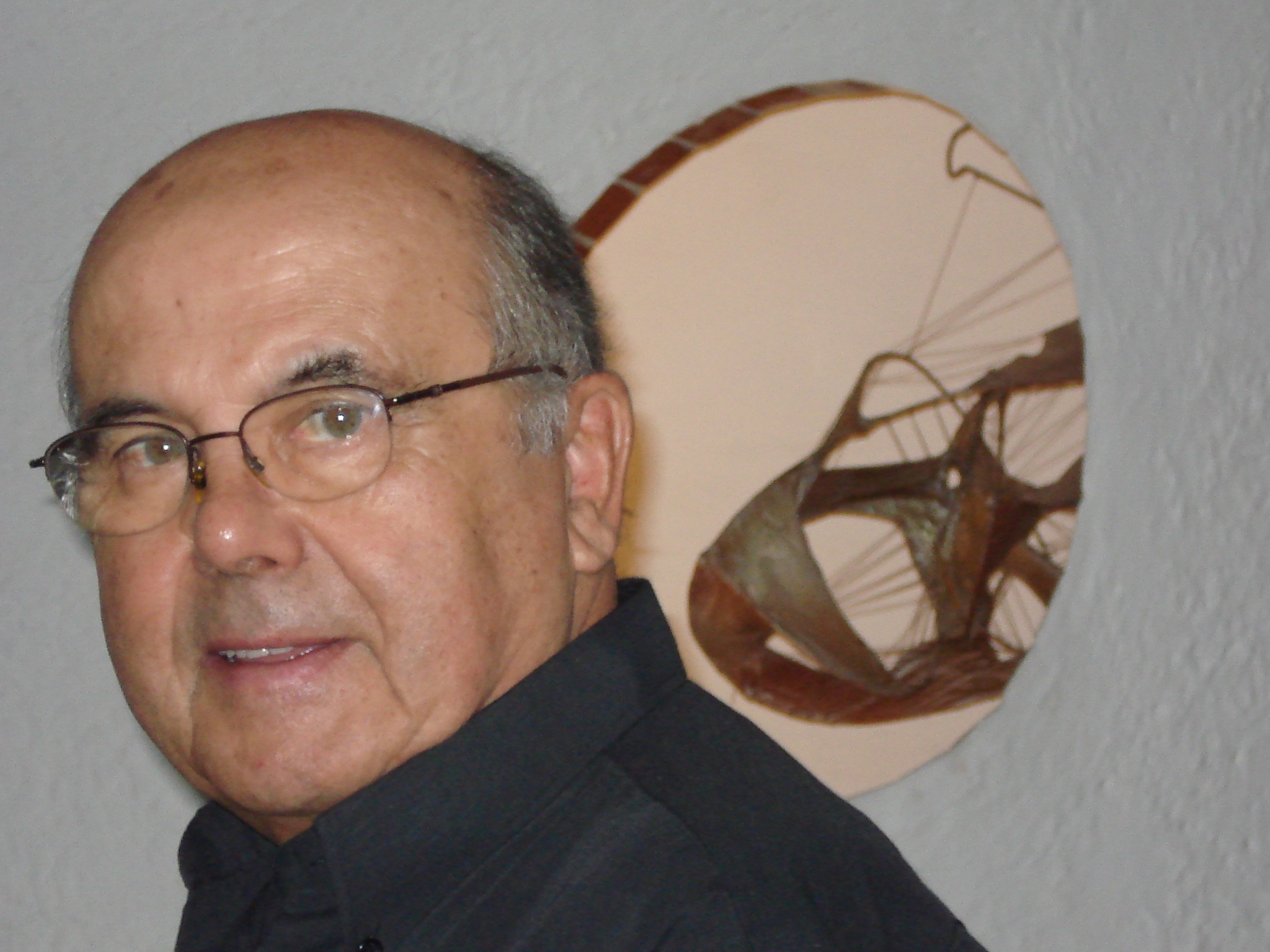
Meki Megara
(المكي مغارة)
Pioneering modernist painter of the Tetouan School, professor at the National School of Fine Arts of Tetouan, and designer of Bank Al-Maghrib coins, medals, and commemorative currencies.
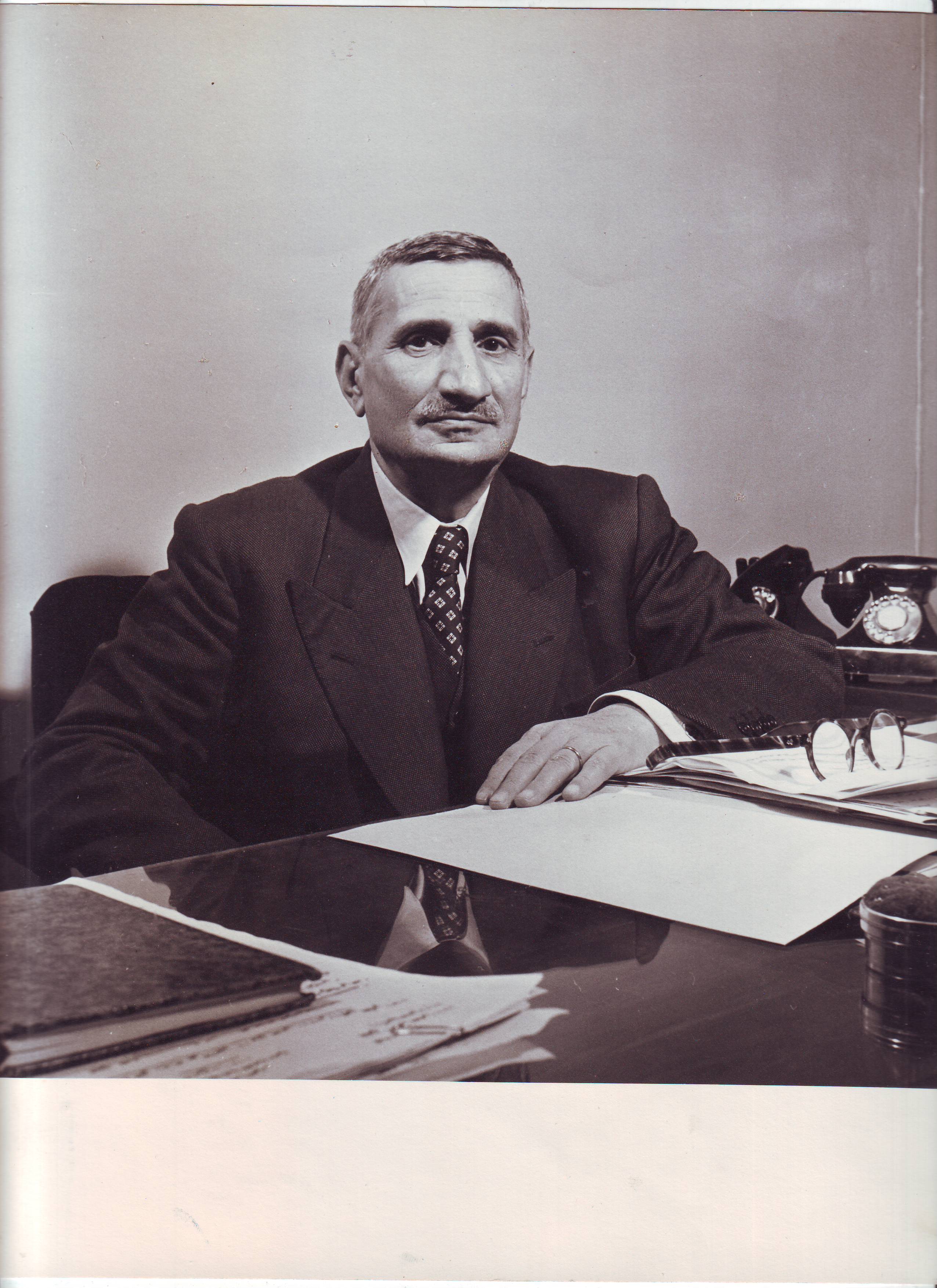
Mustafa Mahmud
 (مصطفى محمود)
Renowned Egyptian philosopher, physician, and intellectual who authored over 80 books reconciling modern quantum physics with Islamic metaphysics, hosting 400 episodes of the iconic television program Science and Faith.
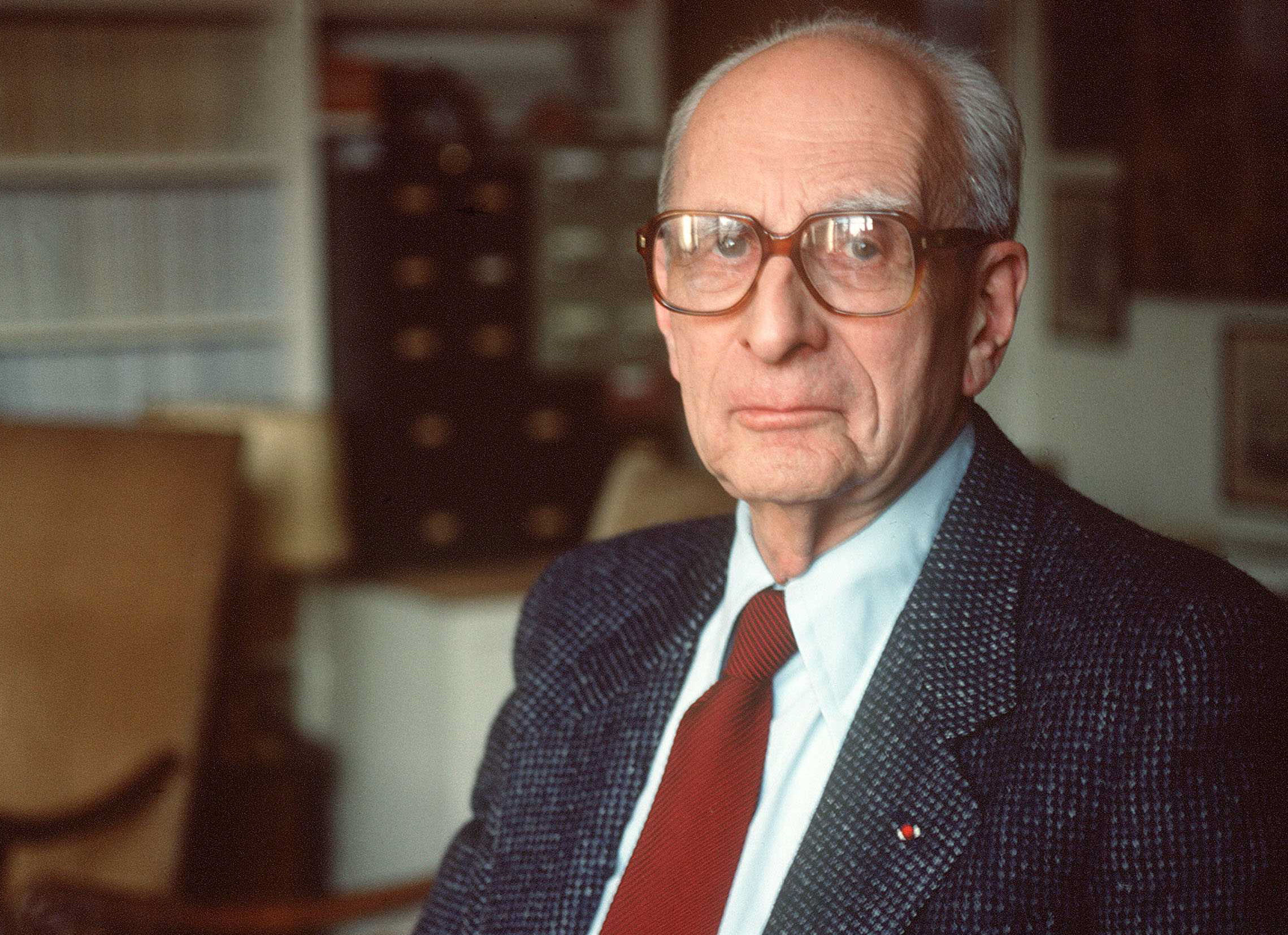
Claude Lévi-Strauss
 (Claude Lévi-Strauss)
Centenarian titan of modern thought and father of structural anthropology whose fieldwork in Brazil and masterpiece Tristes Tropiques (1955) transformed twentieth-century understanding of culture, myth, and human universality.