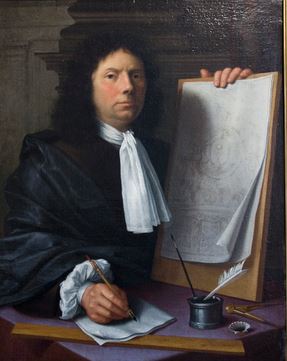
Jean Delcour
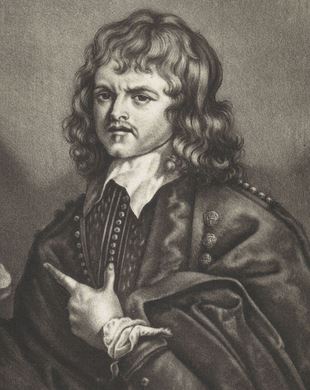
The undisputed master of Walloon Baroque sculpture, celebrated as 'the Bernini of Liรจge' for his dynamic religious marbles, ornate fountains, and the iconic Three Graces atop the Liรจge Perron.
Start typing to search worldwide archives and community tributes
Filterable archive covering centuries of intellectual, artistic, and moral contributions to the human story.
The undisputed master of Walloon Baroque sculpture, celebrated as 'the Bernini of Liรจge' for his dynamic religious marbles, ornate fountains, and the iconic Three Graces atop the Liรจge Perron.
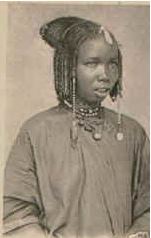
Young Congolese noblewoman and spiritual prophetess who founded the Antonian movement. Preached that Christ and the Apostles were born in Kongo, advocated for national reunification against civil war, and was burned at the stake.
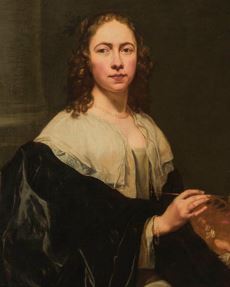
Extraordinary Flemish Baroque painter whose monumental masterpiece The Triumph of Bacchus demonstrated command over large-scale historical and mythological genres rarely permitted to women of her era.
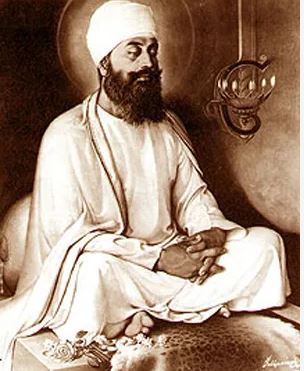
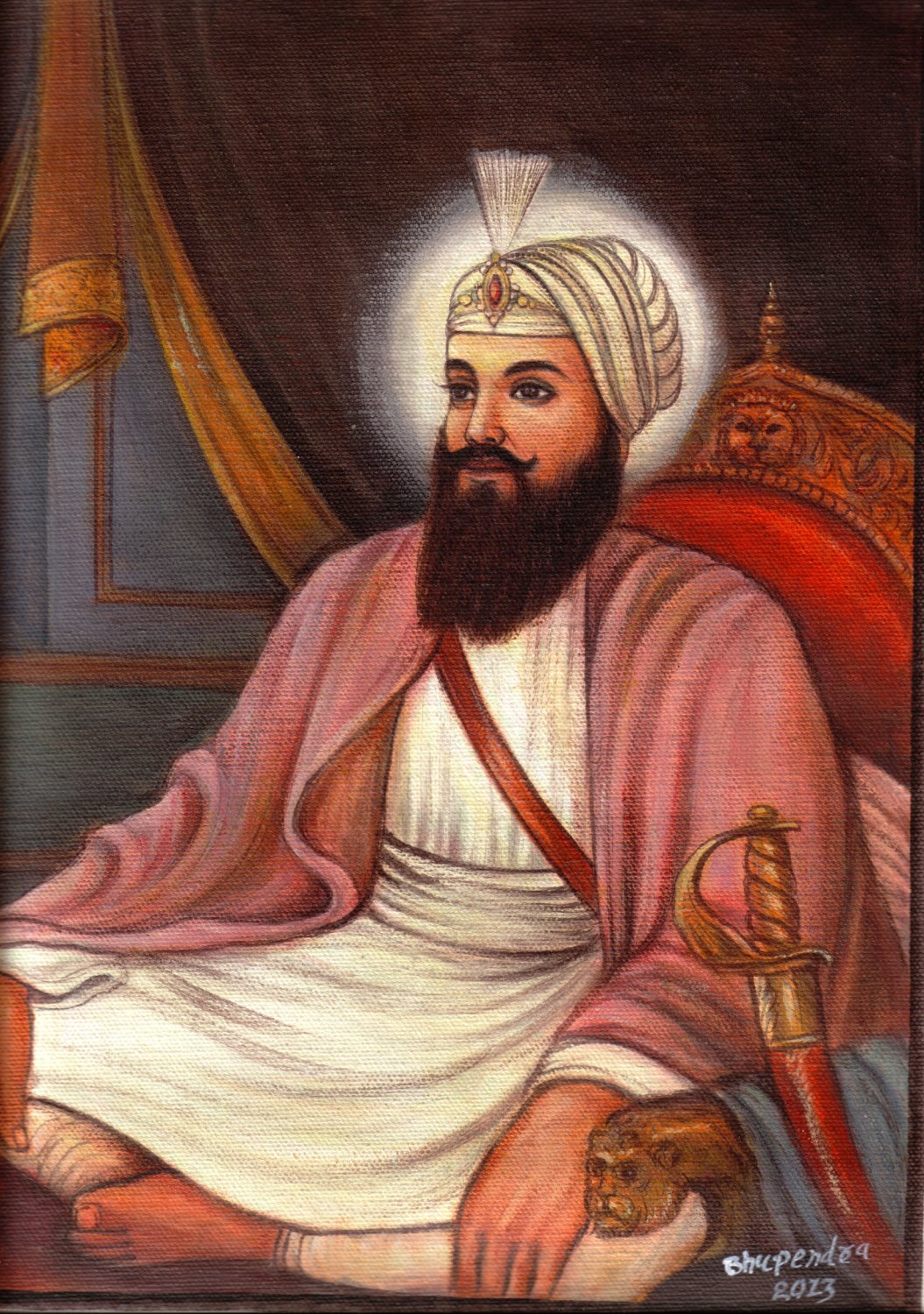
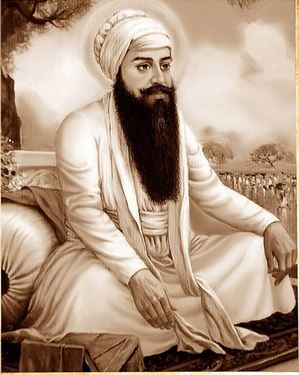
Ninth Sikh Guru who laid down his life in Delhi to protect the religious freedom of Kashmiri Hindus facing forced conversion. Revered across civilizations as "Hind Di Chadar" (The Shield of India and Humanity).
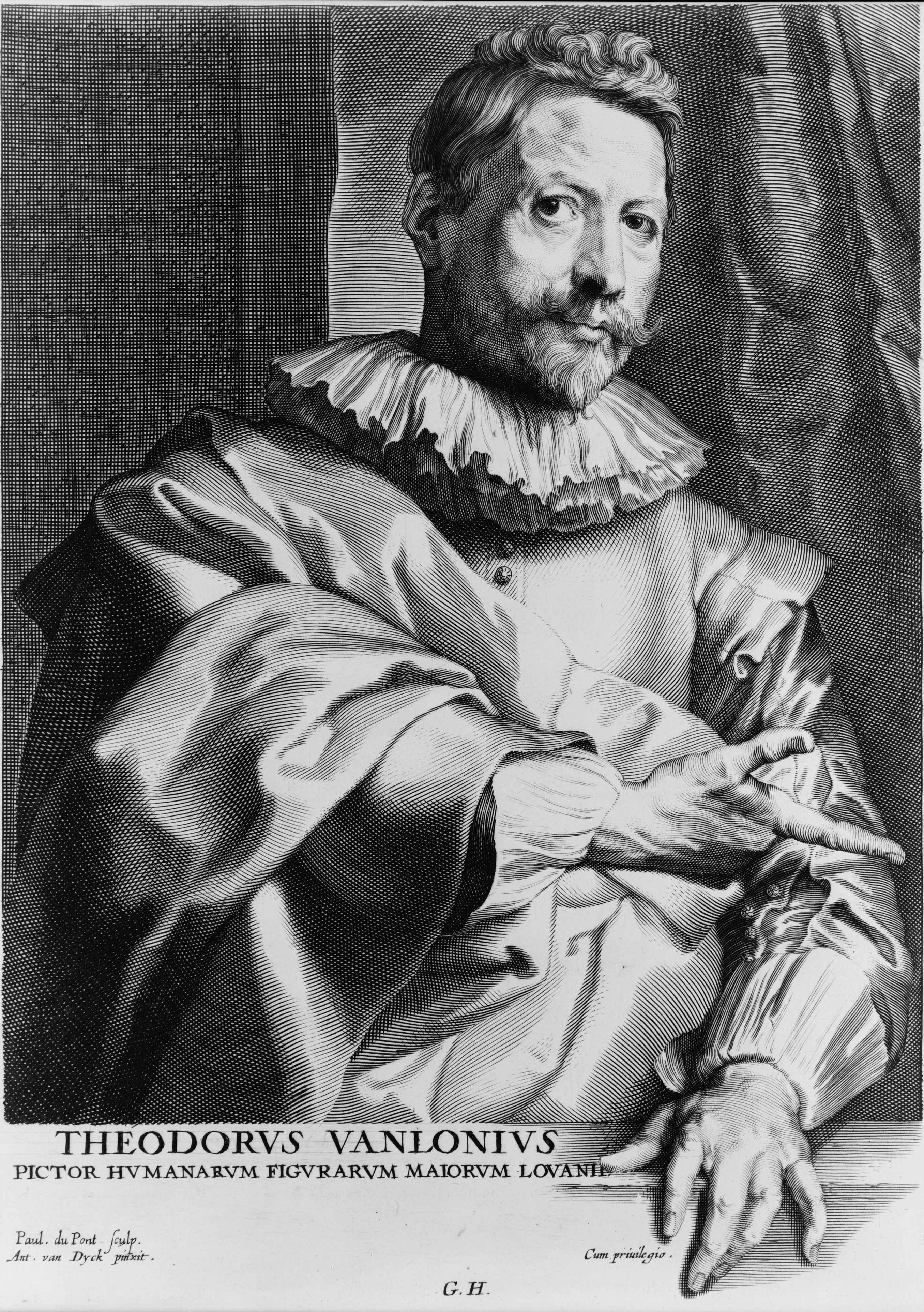
Prominent Flemish Baroque painter whose Italian Caravaggesque style and dramatic chiaroscuro made him a leading artist for Archdukes Albert and Isabella at the Basilica of Scherpenheuvel.
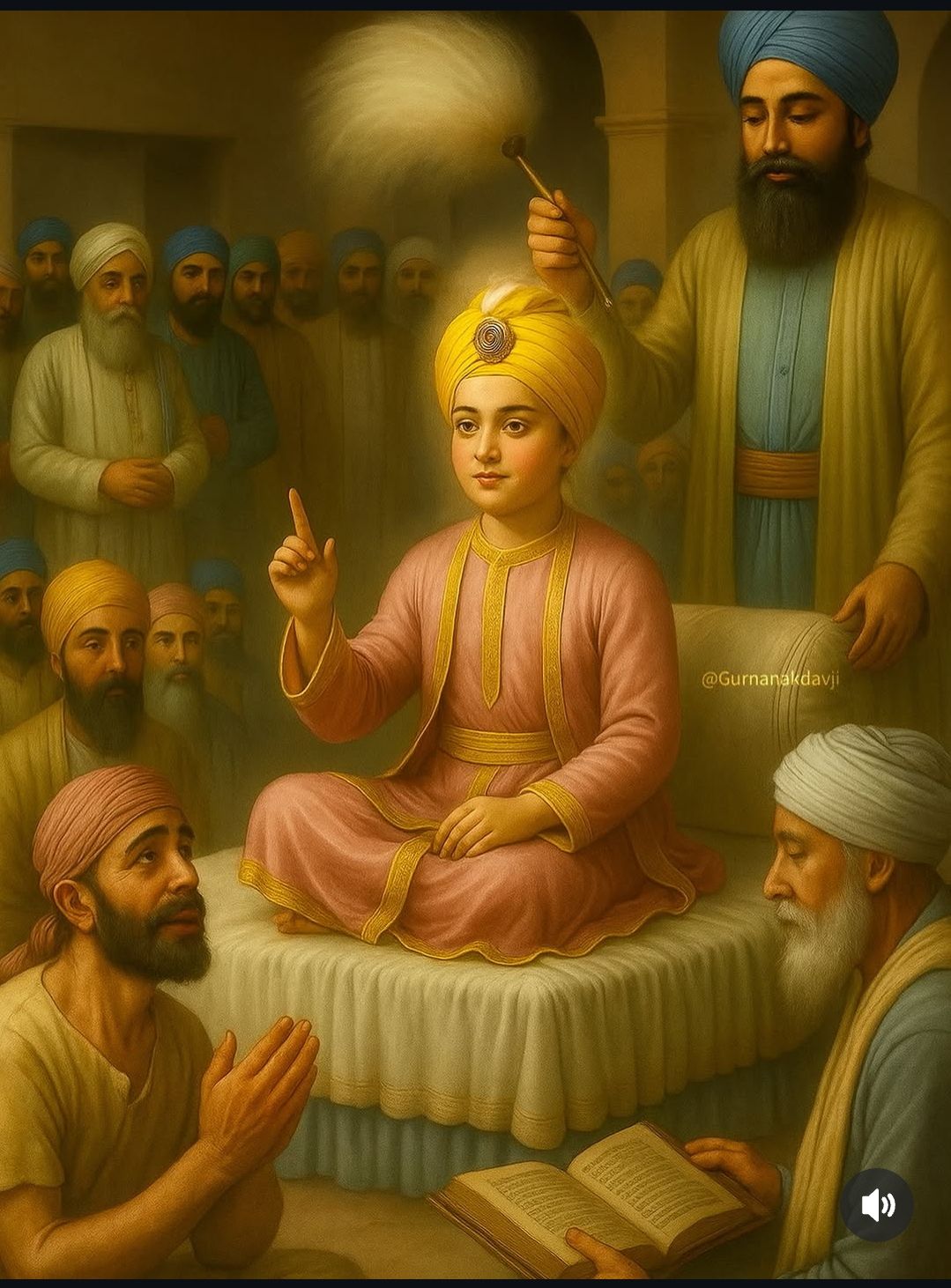
Ascending to the Guruship at the tender age of five, Guru Har Krishan possessed astonishing spiritual wisdom and divine compassion; during a lethal smallpox epidemic in Delhi, he personally cared for the dying until contracting the disease himself at age seven.
The seventh Sikh Guru maintained a cavalry of 2,200 soldiers to ensure peace without ever fighting a single offensive war; he established the subcontinent's most advanced botanical gardens and free hospitals, even curing the dying Mughal prince Dara Shikoh.
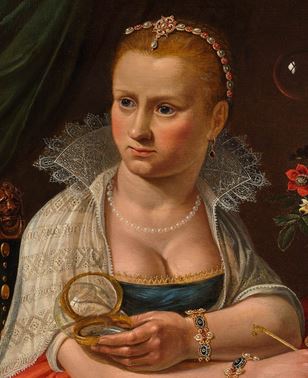
Trailblazing Flemish woman painter who pioneered the ontbijtjes (breakfast pieces) still-life genre, famed for luminous metal reflections that frequently included miniature self-portraits.
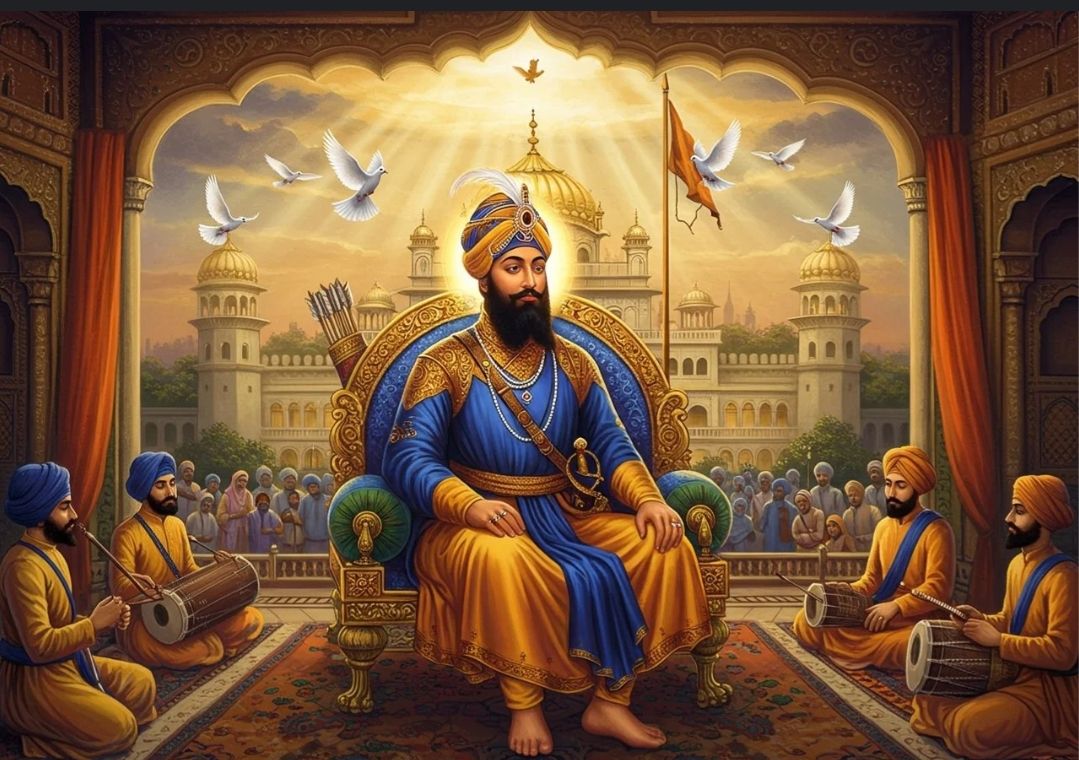
Son of the martyred Guru Arjan, Guru Hargobind transformed the Sikh community by introducing the doctrine of Miri-Piri (temporal sovereignty and spiritual power), wearing two swords, raising the Akal Takht, and liberating fifty-two kings from Gwalior Fort.
Flemish sculptor and court artist to Archdukes Albert and Isabella who cast Brussels' most iconic and beloved civic monument, the bronze Manneken Pis fountain, in 1619.
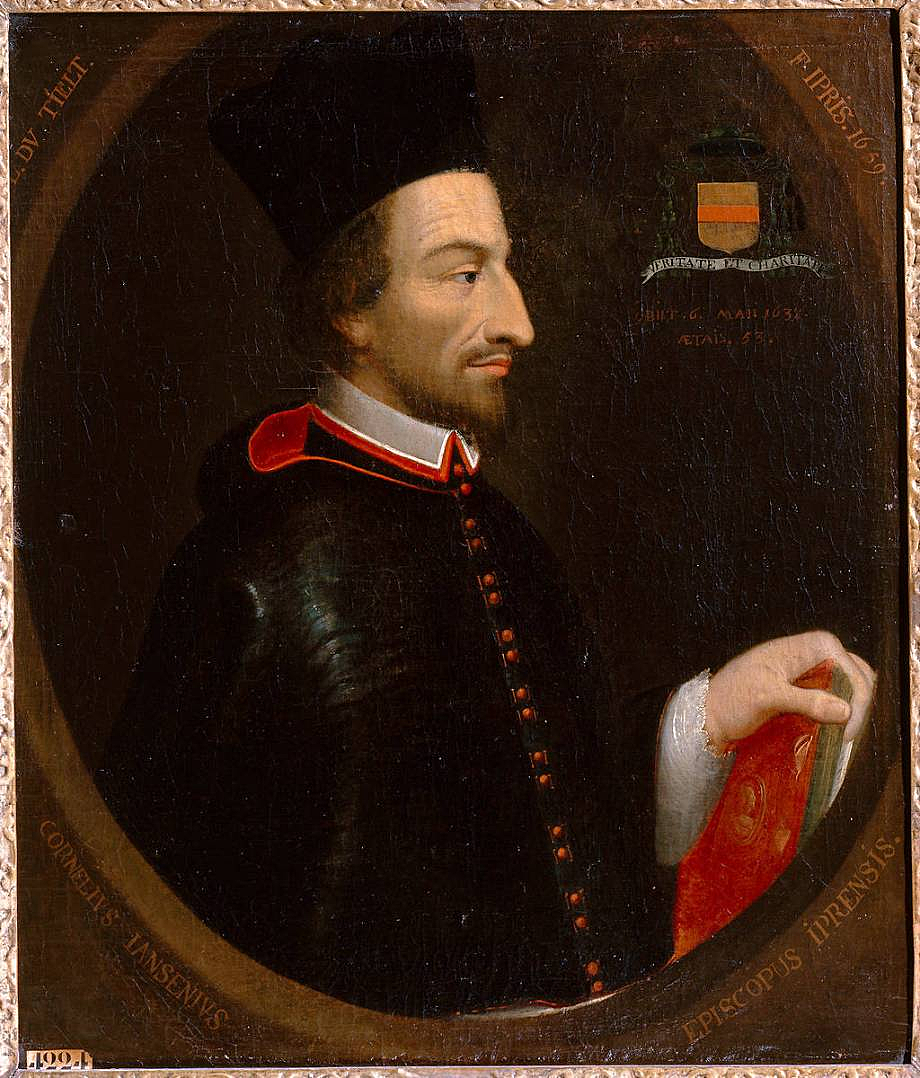
Influential Flemish-Dutch Catholic theologian and Bishop of Ypres whose monumental posthumous treatise Augustinus ignited the Jansenist theological and political controversy across seventeenth-century Europe.
Brilliant Renaissance polymath who served as chief court architect and financial administrator to Archdukes Albert and Isabella, designing the Basilica of Scherpenheuvel and draining the Moรซres marshlands.
Flemish-born sculpting titan who relocated to Medici Florence, creating iconic masterpieces including Flying Mercury and The Rape of the Sabine Women, defining the dynamic figura serpentinata of Mannerism.
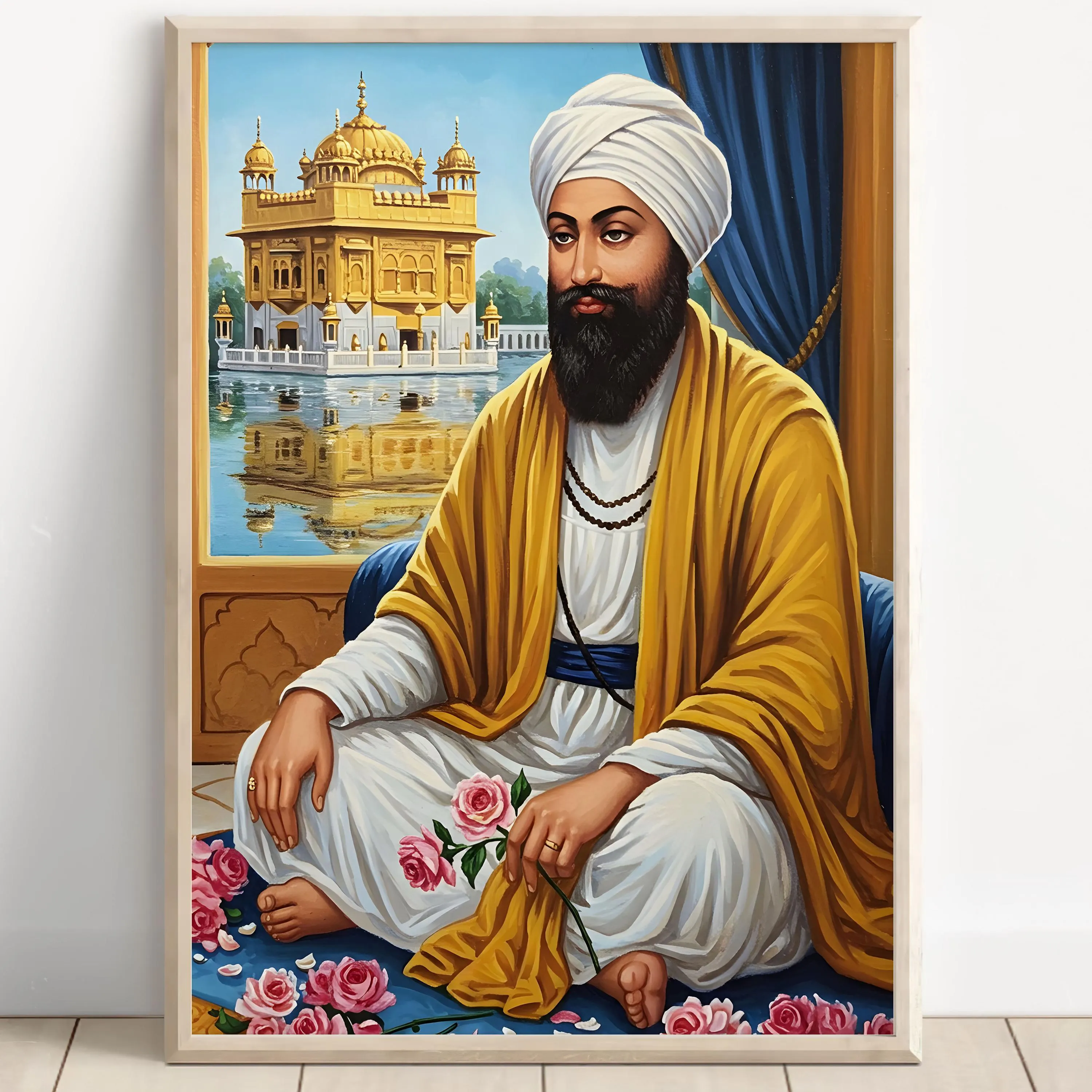
Fifth Sikh Guru who designed and constructed the Harmandir Sahib (Golden Temple) in Amritsar with four doors welcoming all directions. Compiled the sacred Adi Granth and was martyred on burning sand for refusing to compromise religious truth.
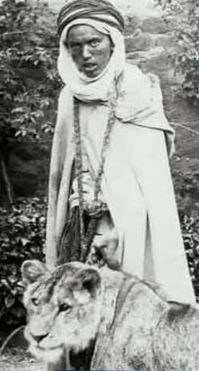
16th-century Sufi master and tribal arbiter whose annual 'Waada' festival in Relizane attracts tens of thousands for equestrian fantasia and communal brotherhood.
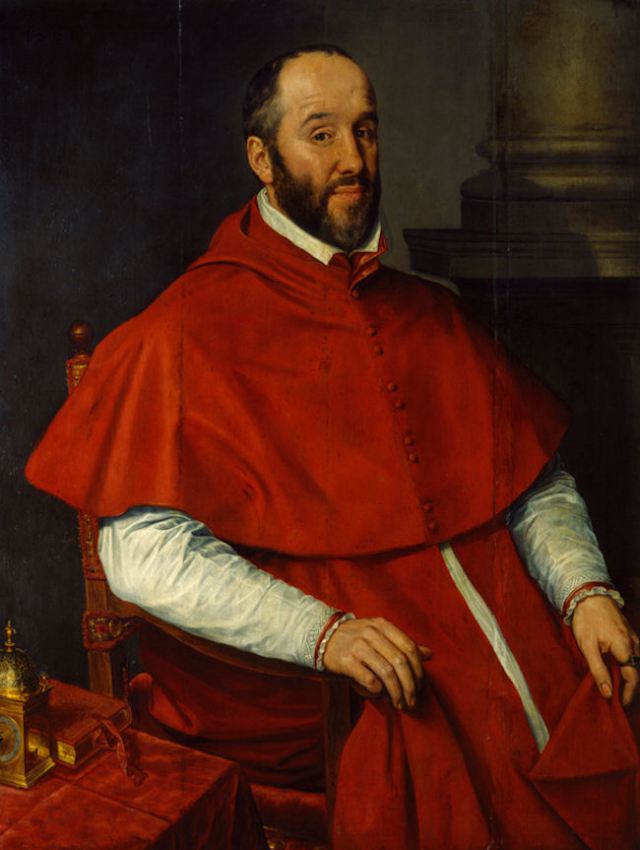
Powerful cardinal and minister of state who served Emperor Charles V and King Philip II, becoming the first Archbishop of Mechelen and Primate of the Netherlands during the turbulent eve of the Dutch Revolt.
Born as an impoverished orphan selling boiled chickpeas in Lahore, Bhai Jetha rose through immaculate humility to become Guru Ram Das; he founded the holy city of Amritsar (Ramdaspur) and composed the four sacred stanzas of the Sikh marriage covenant.
Flemish Renaissance composer and Kapellmeister to Archduke Ferdinand II of Austria at Innsbruck, celebrated for expressive penitential psalms and innovative contrapuntal motets.