Public Figures & Cultural Luminaries
Filterable archive covering centuries of intellectual, artistic, and moral contributions to the human story.
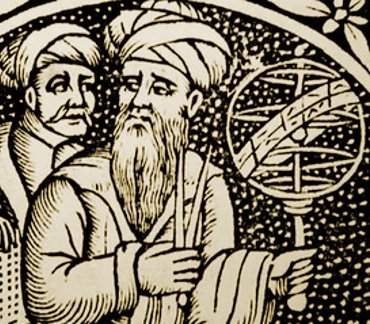
Al-Qabisi
 (أبو الحسن علي القابسي)
Eminent 10th-century Kairouanese jurist and educator who authored Al-Risalah al-Mufassilah, the earliest systematic Islamic educational treatise on pedagogical ethics and equal schooling for girls.
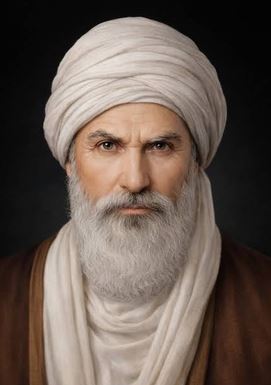
Yahya ibn Umar al-Kinani
(يحيى بن عمر الكناني)
Pioneering Islamic legal theorist of Kairouan who authored 'Ahkam al-Suq' (Rules of the Market), the earliest surviving comprehensive legal treatise on economic regulation, consumer protection, and commercial ethics.
Kumarila Bhatta
 (कुमारिल भट्ट)
Titan of Purva Mimamsa philosophy whose brilliant treatises 'Shlokavarttika' and 'Tantravarttika' defended Vedic realism and commonsense realism against Buddhist nominalism, establishing the intrinsic validity of knowledge (Svatah-pramanya).
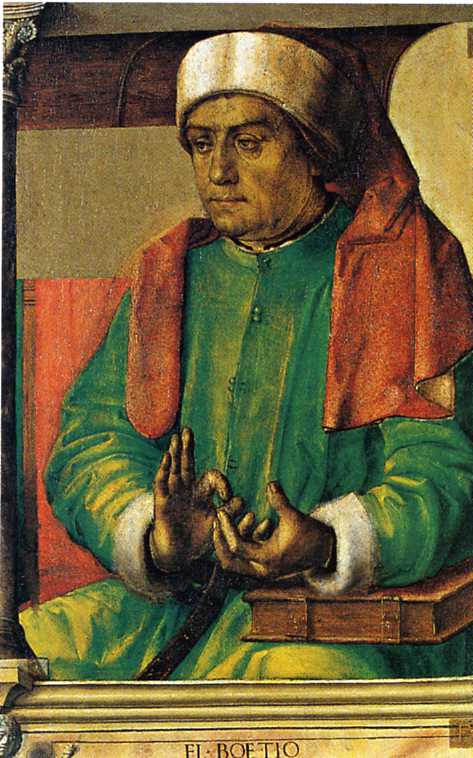
Boethius
 (Anicius Manlius Severinus Boethius)
Roman philosopher and statesman who translated Aristotle into Latin and composed The Consolation of Philosophy while imprisoned awaiting execution, bridging antiquity and the Middle Ages.
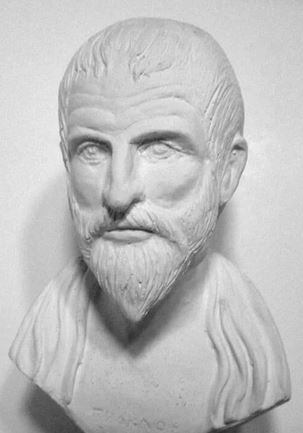
Proclus
 (Πρόκλος ὁ Διάδοχος)
Late classical Greek Neoplatonist philosopher known as 'The Successor' (Diadochus) who systematized Neoplatonism in The Elements of Theology and preserved ancient Euclid commentary.
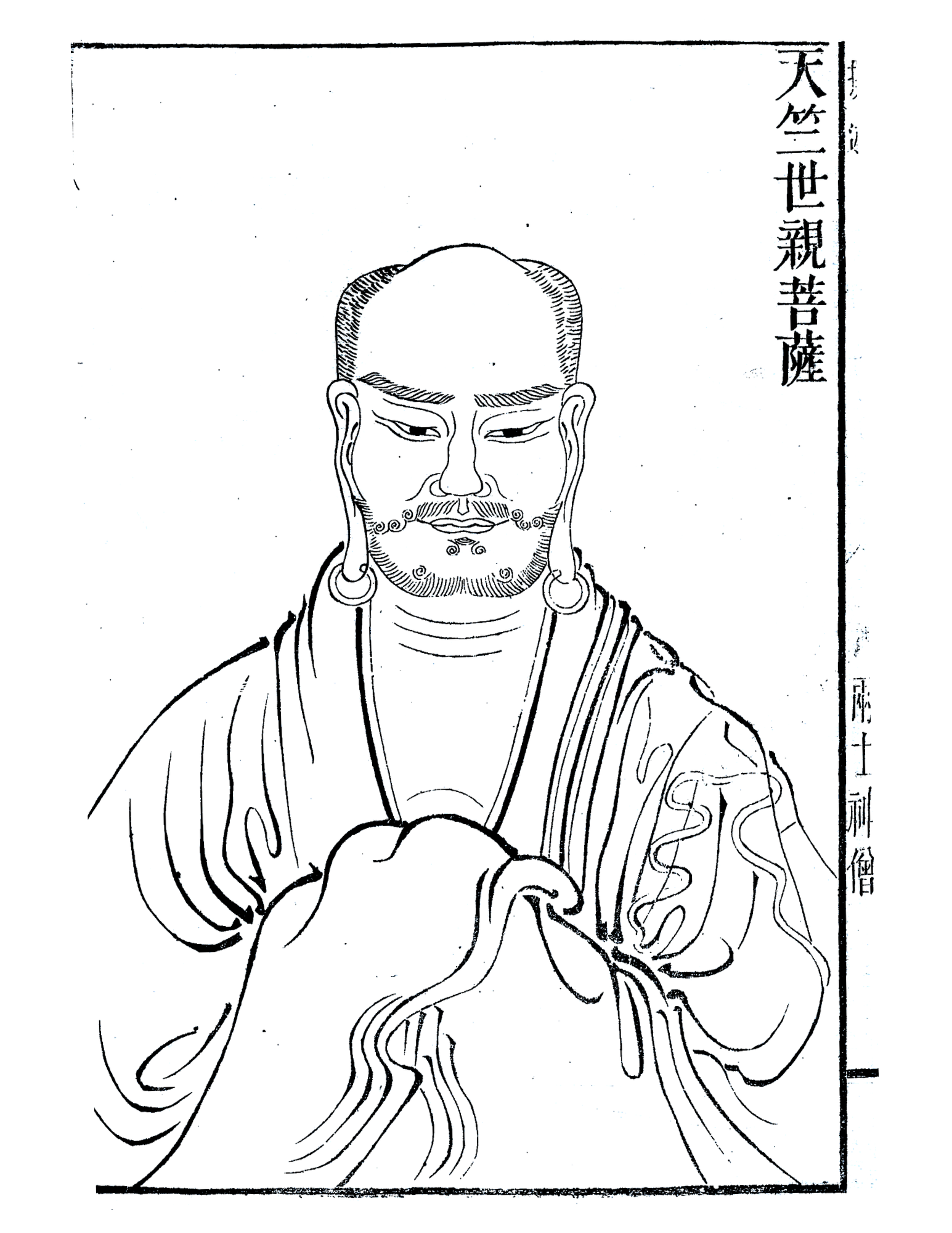
Vasubandhu
 (वसुबन्धु)
Peerless 4th-century Buddhist philosopher who authored the encyclopedic 'Abhidharmakosha' before converting to Mahayana under his brother Asanga, co-founding the Yogacara (Mind-Only / Vijnanavada) philosophical school.
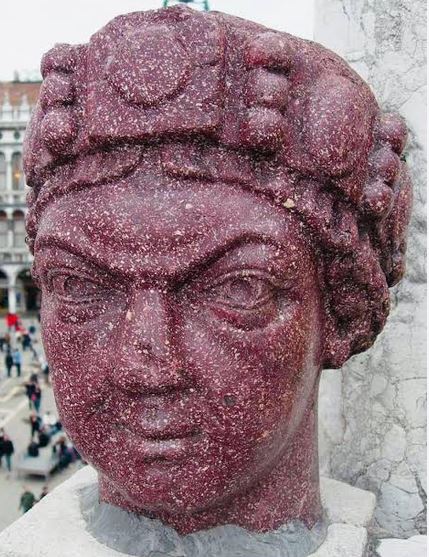
Porphyry
(Πορφύριος)
Phoenician-born Neoplatonist philosopher who edited and published Plotinus's Enneads and wrote the Isagoge, whose 'Tree of Porphyry' became the standard introduction to logic for over a millennium.
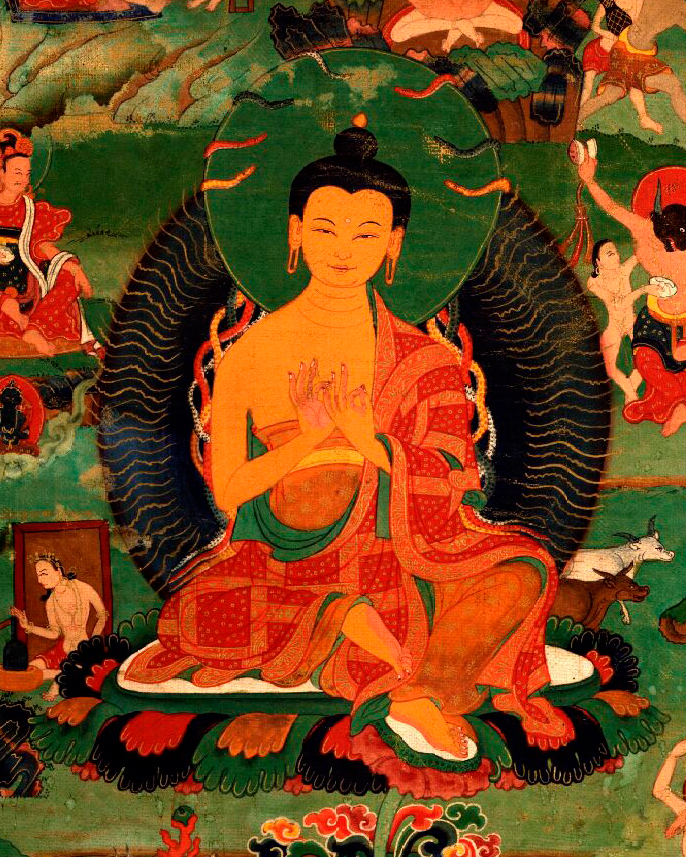
Nagarjuna
(नागार्जुन)
One of the greatest philosophers in world history, founder of the Madhyamaka (Middle Way) school of Mahayana Buddhism, who formulated the profound doctrine of Sunyata (Emptiness) and the Two Truths.
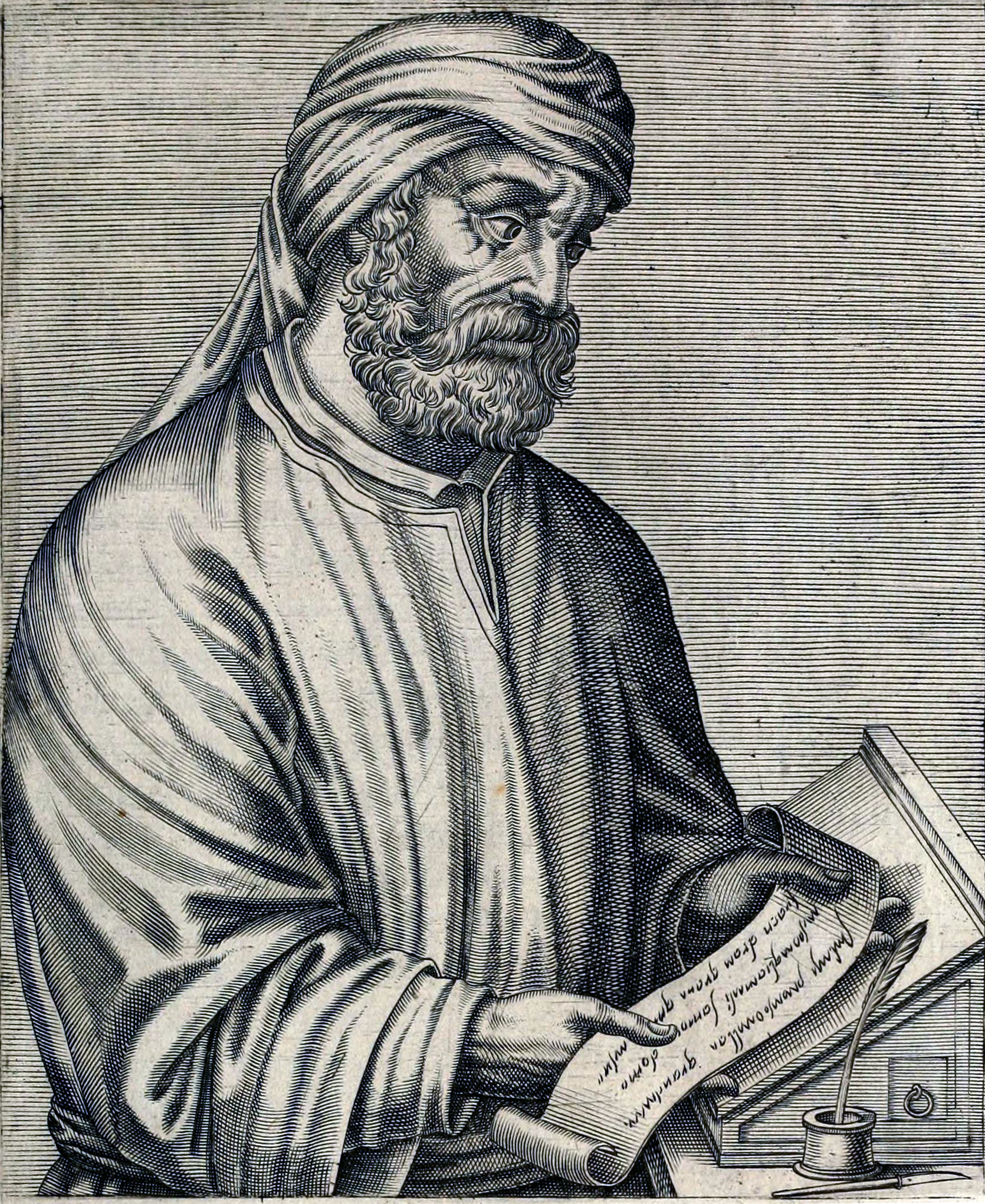
Tertullian
(ترتليانوس (كوينتوس سبتيميوس فلورنس))
Brilliant Carthaginian jurist and Christian apologist who coined the Latin term 'Trinitas' (Trinity) and authored 'Apologeticus', famously declaring: 'The blood of the martyrs is the seed of the Church'.
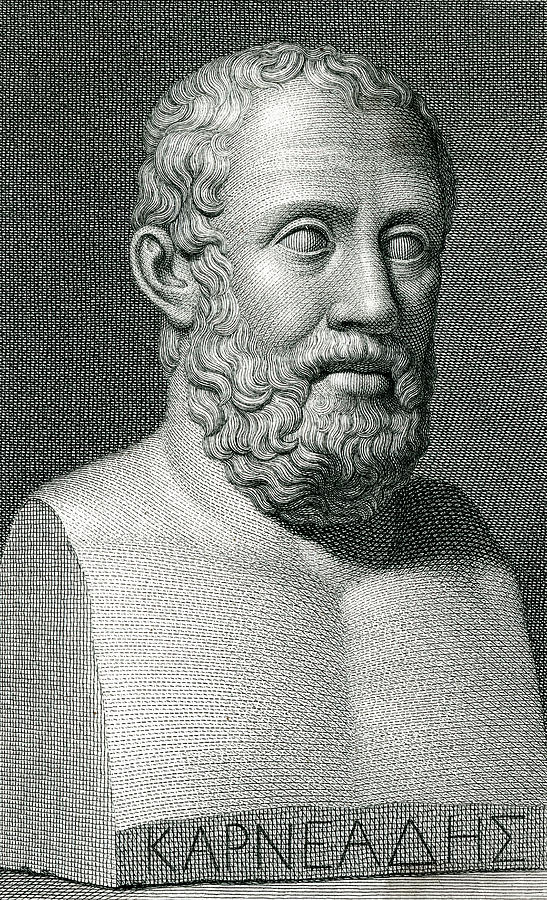
Carneades of Cyrene
 (Καρνεάδης)
Brilliant philosopher from Cyrene who headed the Platonic Academy in Athens, founded Academic Skepticism, and shocked the Roman Senate in 155 BCE with his devastating dialectical debates on justice.
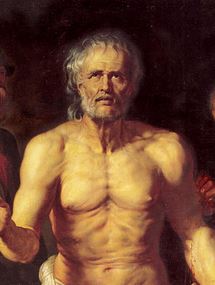
Seneca the Younger (Lucius Annaeus Seneca)
 (Lucius Annaeus Seneca)
Preeminent Roman Stoic philosopher and statesman whose moral letters to Lucilius and essays on anger and tranquility provided timeless wisdom on resilience and human dignity.

Abu Zakariya Yahya al-Warglani
 (أبو زكرياء يحيى بن أبي بكر الوارجلاني)
Distinguished 11th-century historian of Ouargla whose 'Kitab al-Siyar wa-Akhbar al-A'imma' is the most vital primary historical source on the Rustamid Dynasty of Tahert.
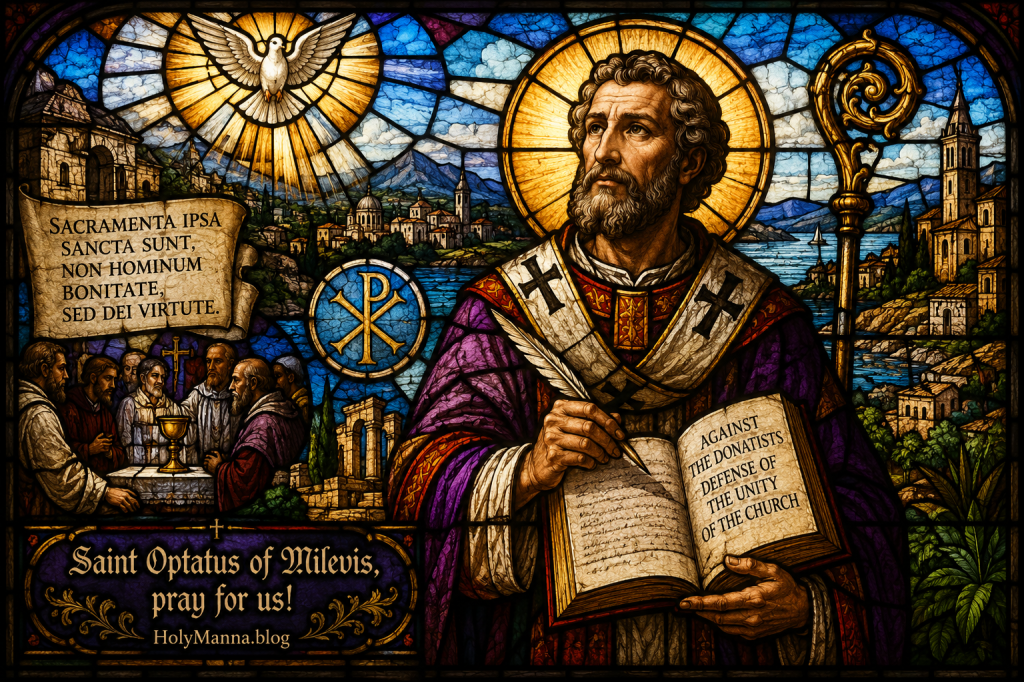
Saint Optatus of Milevis
(Optatus Milevitanus)
Bishop of Mila and prominent 4th-century North African theologian whose treatises against schism provided the theoretical foundation for Saint Augustine.
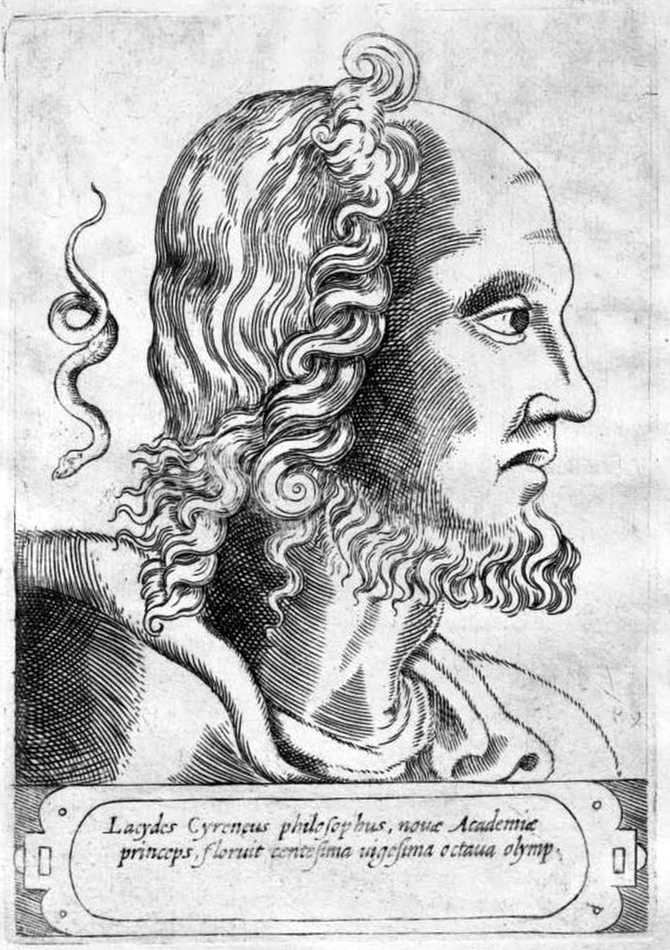
Lacydes of Cyrene
(Λακύδης)
Distinguished philosopher from Cyrene who succeeded Arcesilaus as head of the Platonic Academy in Athens in 241 BCE, presiding over Academic Skeptical philosophy for over a quarter-century.
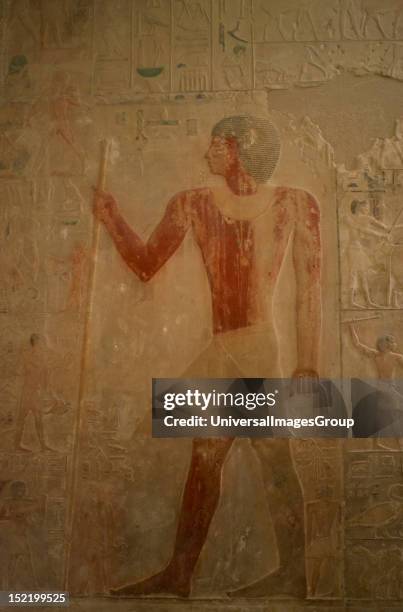
Ptahhotep
 (𓊪𓏏𓎛𓊵𓏏𓊪)
Fifth Dynasty Vizier and moral philosopher whose work The Maxims of Ptahhotep (preserved on the Prisse Papyrus) is recognized as the world's oldest surviving book of philosophical ethics.
Anniceris
(Ἀννίκερις)
Cyrenaic philosopher from Libya who reformed hedonist ethics by championing altruism, friendship, and patriotism, famously paying the ransom to liberate Plato from slavery in Aegina.
Hegesias of Cyrene
(Ἡγησίας ὁ πεισιθάνατος)
Cyrenaic philosopher nicknamed Peisithanatos ('the Death-Persuader') whose lectures on the futility of human suffering in Alexandria were banned by King Ptolemy II Philadelphus.
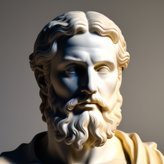
Theodorus the Atheist
(Θεόδωρος ὁ ἄθεος)
Radical 4th-century BCE Cyrenaic philosopher from Cyrene who denied the existence of traditional Olympian gods and served as court philosopher and ambassador to Ptolemy I of Egypt.