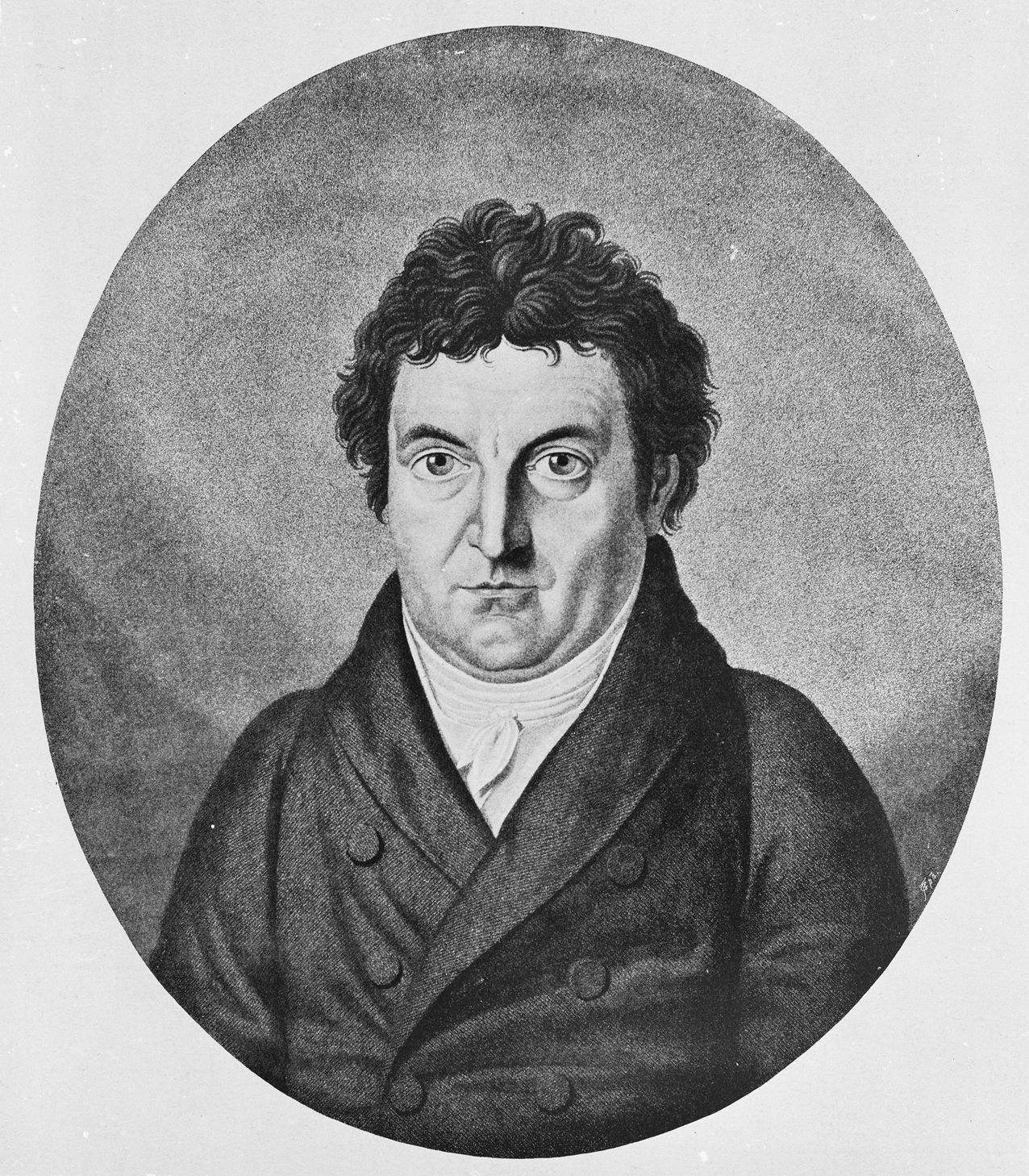
Johann Gottlieb Fichte
German idealist philosopher who transformed Kant's critical philosophy into subjective idealism through the self-positing Ego (Wissenschaftslehre) and delivered the Addresses to the German Nation.
Start typing to search worldwide archives and community tributes
Filterable archive covering centuries of intellectual, artistic, and moral contributions to the human story.
German idealist philosopher who transformed Kant's critical philosophy into subjective idealism through the self-positing Ego (Wissenschaftslehre) and delivered the Addresses to the German Nation.
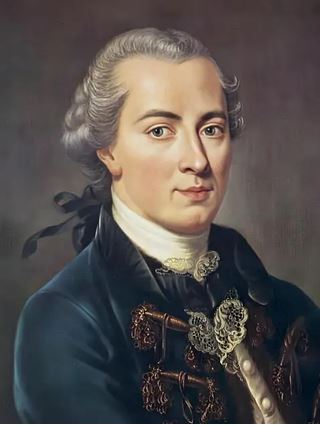
Colossus of modern thought whose Critique of Pure Reason synthesized rationalism and empiricism through transcendental idealism, establishing the Categorical Imperative of moral duty.
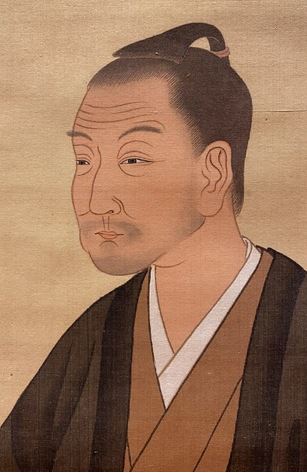
Foremost scholar of Kokugaku (National Learning) in Edo Japan who spent thirty-five years deciphering the archaic 8th-century 'Kojiki' and articulated the supreme Japanese aesthetic philosophy of 'Mono no aware' (the pathos of things).
Visionary Enlightenment mathematician and philosopher who championed public education, women's voting rights, and the abolition of slavery, writing his Sketch for Human Progress while hiding from Jacobin Terror.
German-born French Enlightenment philosopher and wealthy patron whose legendary Parisian salon became the 'coterie holbachique' and whose radical atheist treatise Systรจme de la Nature was dubbed the 'Atheist's Bible'.
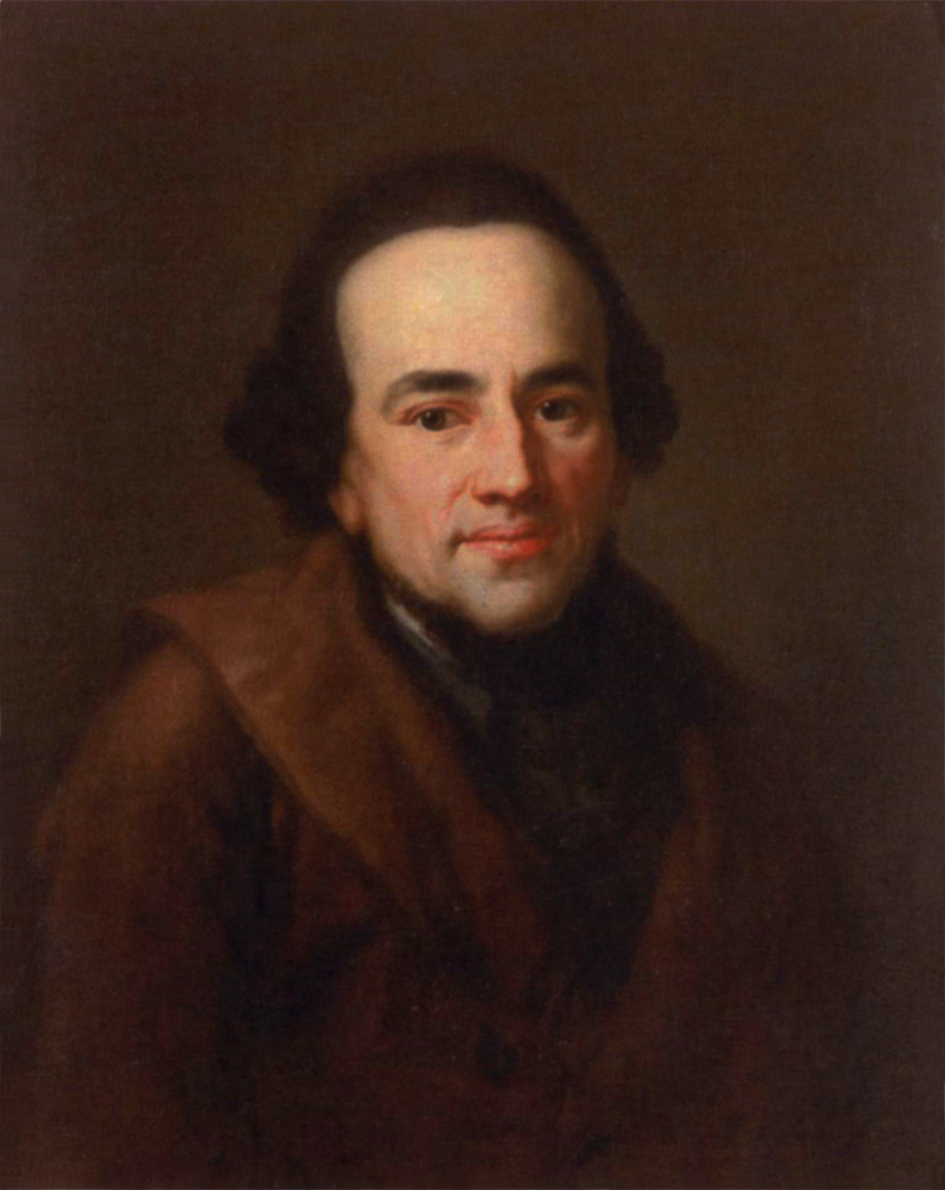
German-Jewish philosopher hailed as the 'German Plato', leader of the Jewish Enlightenment (Haskalah), who translated the Torah into German and advocated religious tolerance in Jerusalem.
Influential French political philosopher and historian, elder brother of Condillac, whose communal egalitarian critiques of private property and defense of popular sovereignty deeply influenced the French Revolution.
Foremost French mathematician, physicist, and Enlightenment philosopher who co-founded and co-edited the monumental Encyclopรฉdie alongside Denis Diderot, and formulated d'Alembert's principle in fluid mechanics.
Pioneering Enlightenment philosopher who radicalized John Locke's empiricism into pure sensationalism in his 1754 Traitรฉ des sensations, using the famous thought experiment of an awakened marble statue.
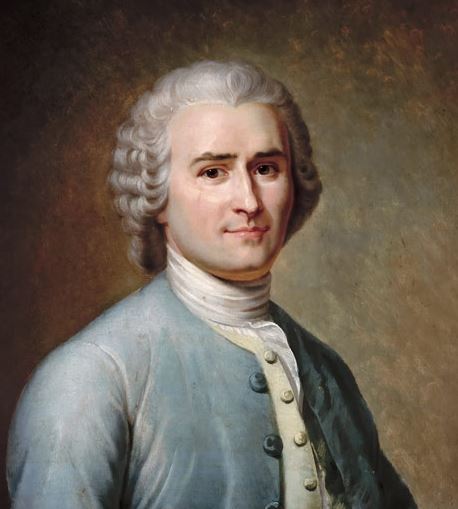
Genevan philosopher whose Social Contract, รmile, and Confessions championed popular sovereignty, direct democracy, natural education, and the primacy of authentic human sentiment.
Incarnation of the French Enlightenment whose biting wit in Candide and passionate defense of civil liberties made him the universal symbol of religious tolerance and free speech.
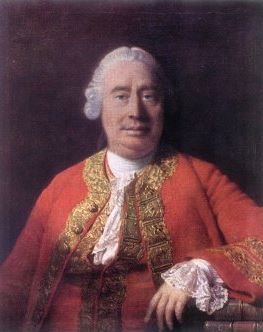
Foremost thinker of the Scottish Enlightenment whose radical empiricism dismantled the rational basis of causality, personal identity, and induction, waking Kant from his 'dogmatic slumber'.
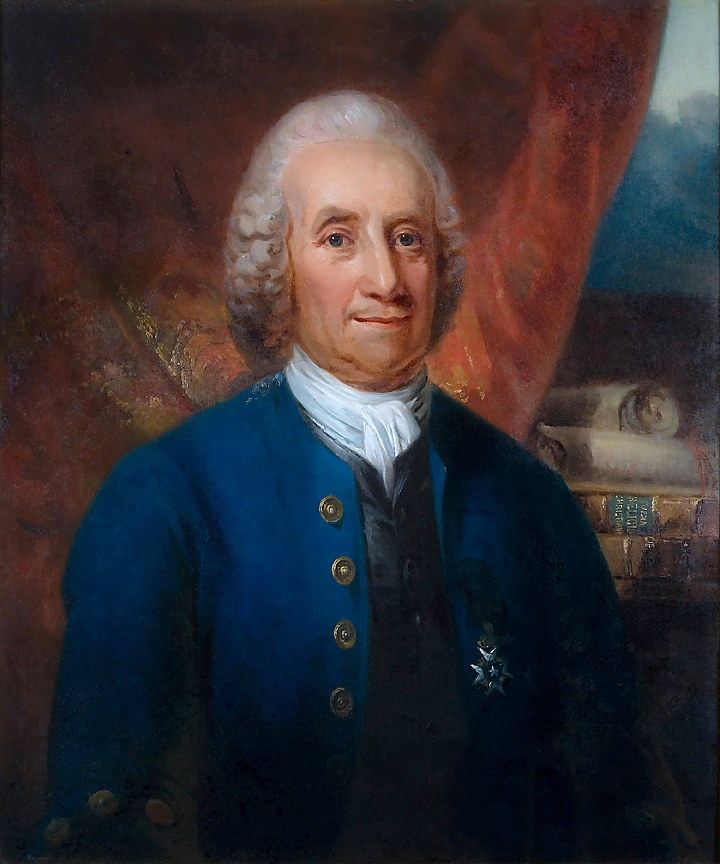
Polymathic Swedish scientist, metallurgist, and inventor who at age fifty-six experienced visionary awakenings, authoring monumental theological treatises like 'Heaven and Hell'.
French Enlightenment philosopher whose sensationalist 1758 treatise De l'esprit was publicly condemned by the Sorbonne and burned by the Parlement of Paris, asserting that human intelligence is shaped solely by education.
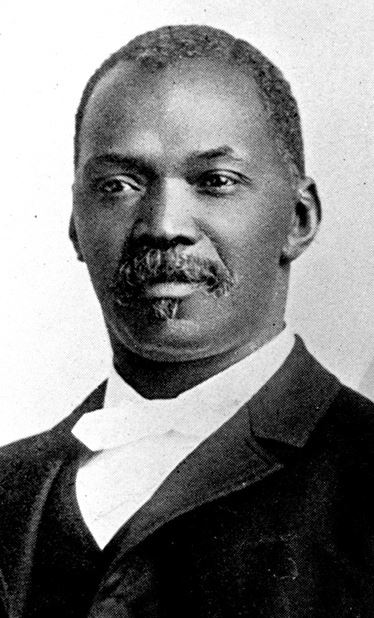
Ghanaian-born philosopher who became the first African to earn a doctorate and hold a university professorship in Europe, teaching at Halle, Wittenberg, and Jena.
Centenarian French philosopher, man of letters, and scientist who served as Permanent Secretary of the Acadรฉmie des Sciences for forty-two years, popularizing the Copernican universe in Conversations on the Plurality of Worlds.
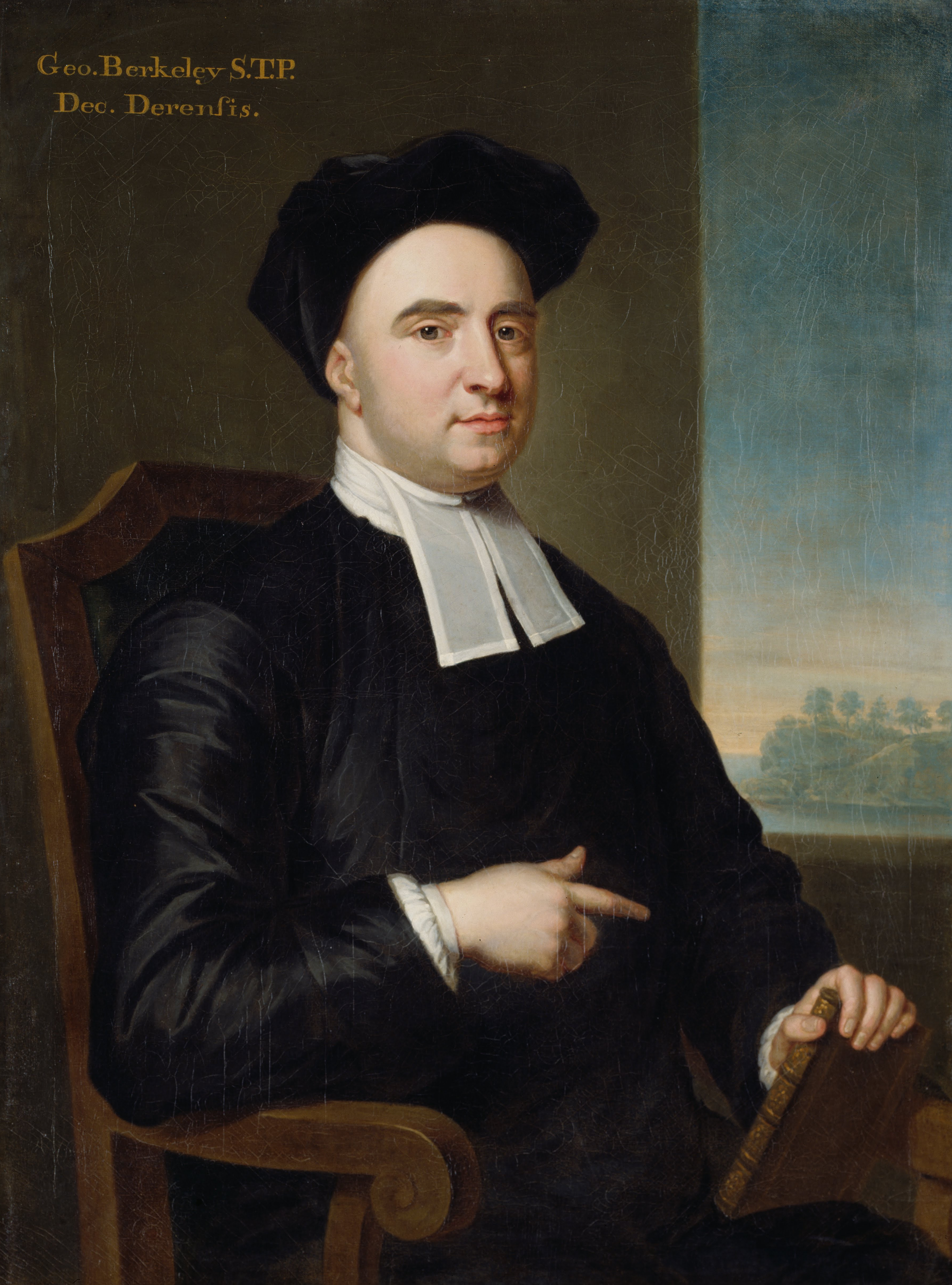
Irish philosopher and Anglican bishop who formulated subjective idealism (immaterialism), asserting with the maxim 'esse est percipi' (to be is to be perceived) that material objects exist only as perceptions in minds.
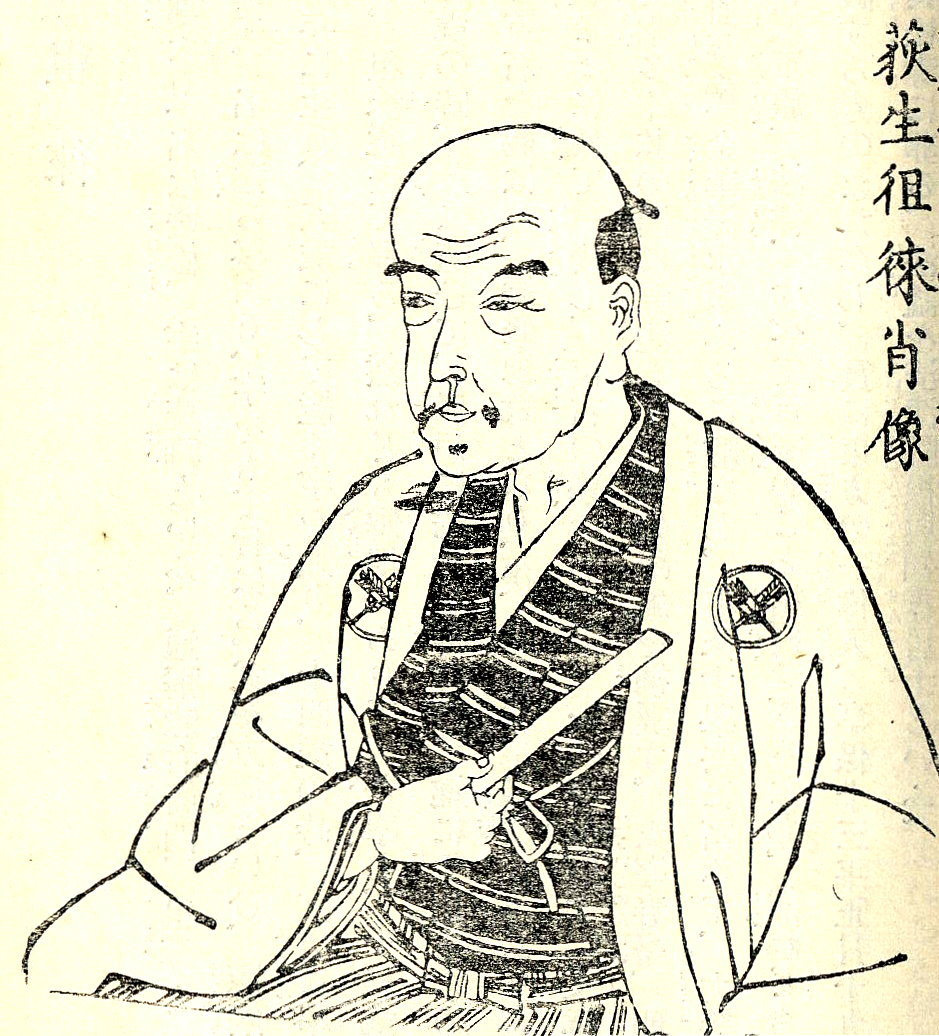
Revolutionary Edo-period Japanese Confucian philosopher and political theorist who founded the School of Ancient Learning (Kogaku), rejecting Song Neo-Confucian moralism in favor of utilitarian institutional statecraft.