Public Figures & Cultural Luminaries
Filterable archive covering centuries of intellectual, artistic, and moral contributions to the human story.
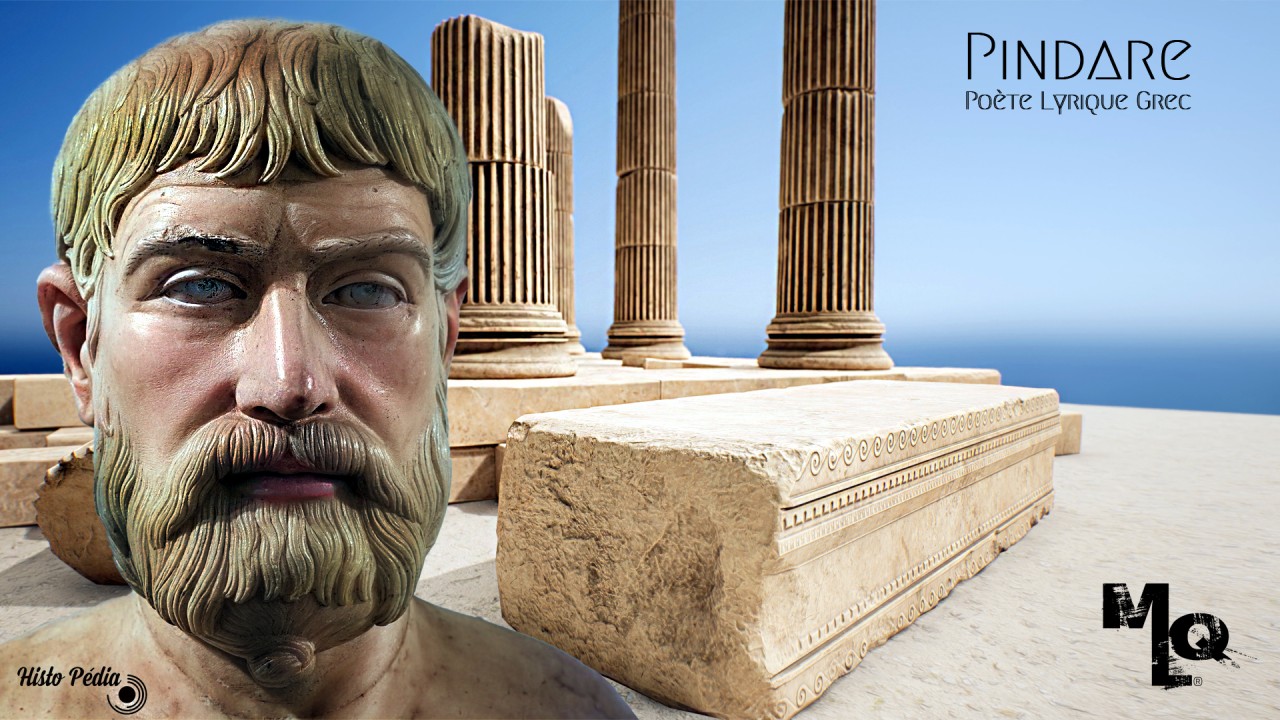
Pindar
 (Πίνδαρος)
Greatest of the canonical Nine Lyric Poets of ancient Greece, celebrated for his triumphant Epinician Odes honoring victors of the Panhellenic Games.
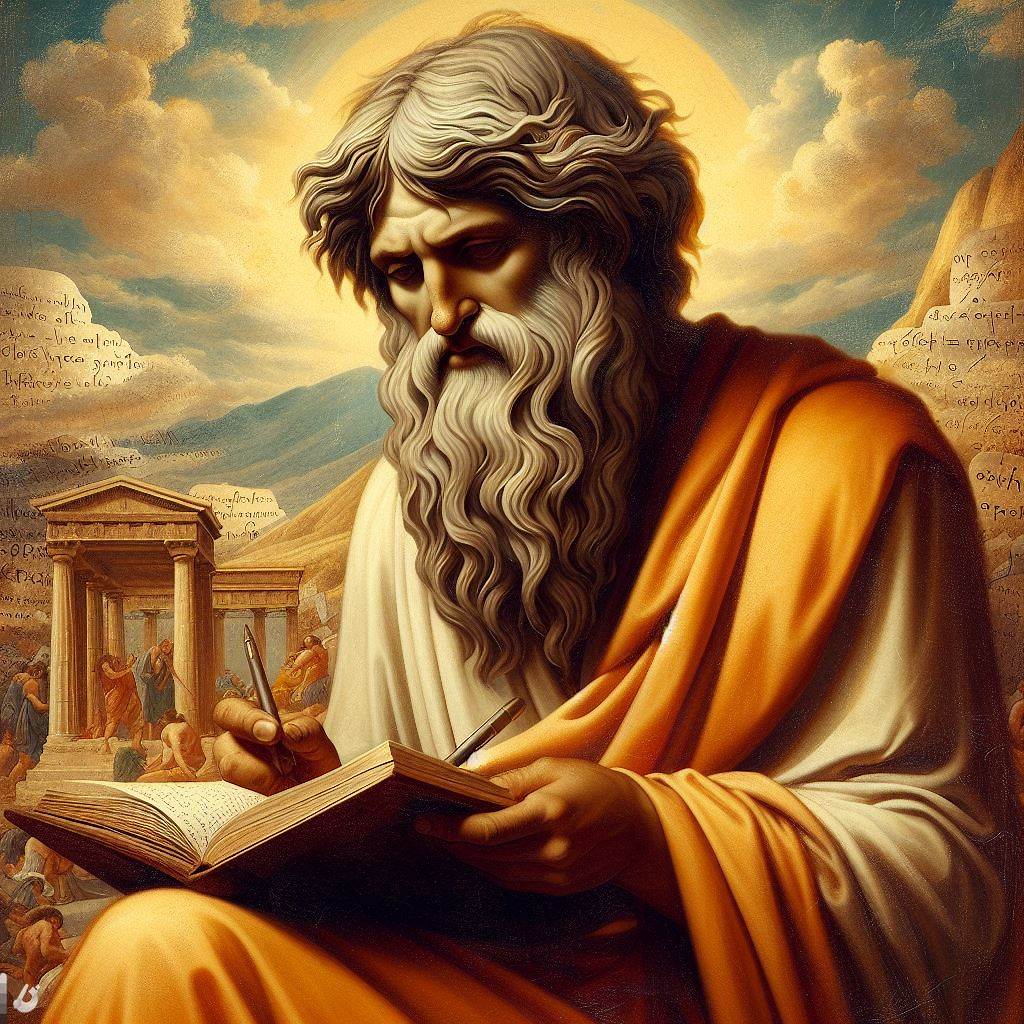
Hesiod
(Ἡσίοδος)
Archaic Greek oral epic poet whose Theogony established the genealogy of the Greek gods and whose Works and Days founded didactic poetry and celebrated agrarian labor.
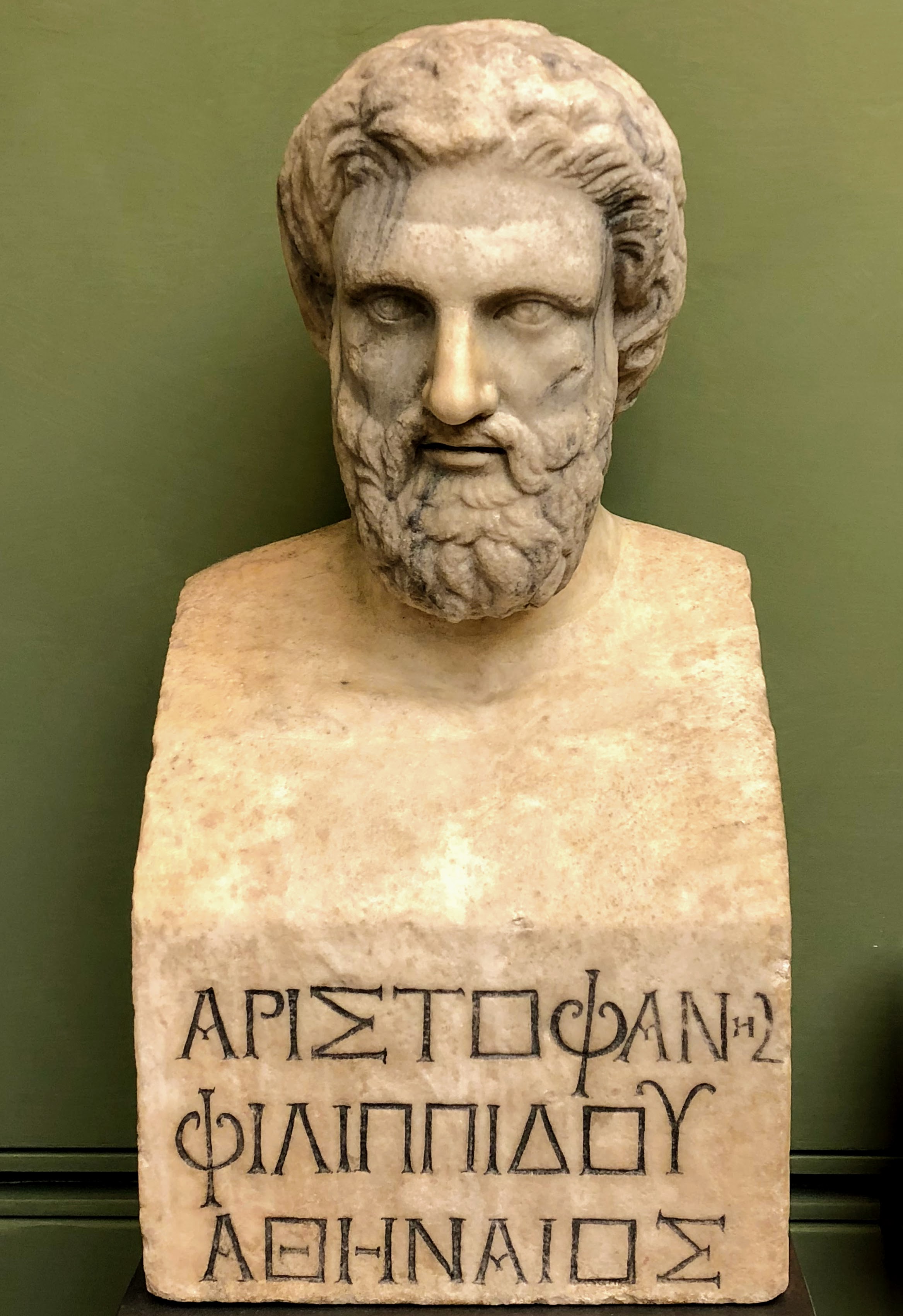
Aristophanes
(Ἀριστοφάνης)
Greatest comedic playwright of ancient Athens and undisputed master of Old Comedy, whose political and philosophical satires include Lysistrata, The Birds, and The Clouds.
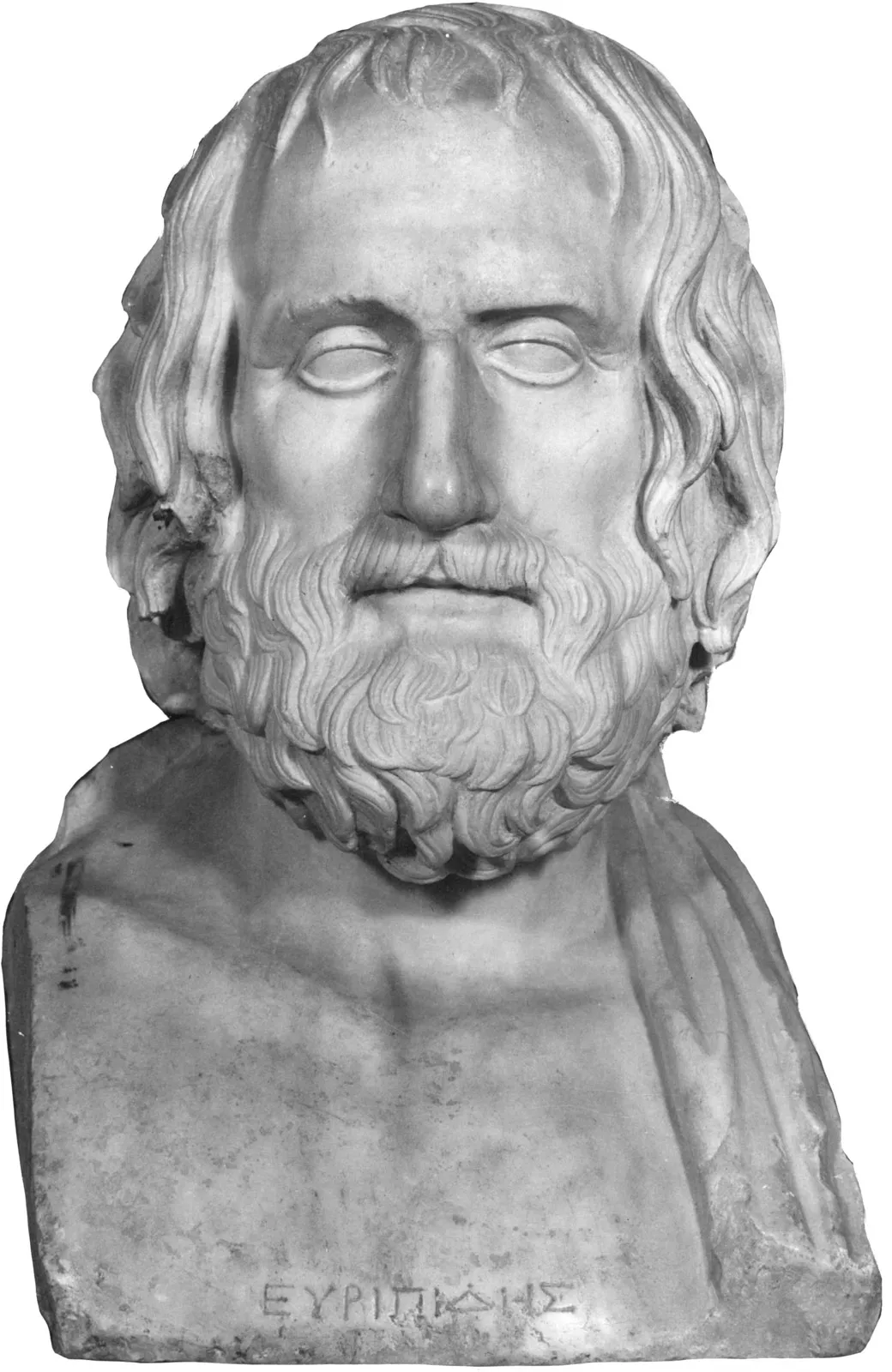
Euripides
(Εὐριπίδης)
Innovative Athenian tragedian renowned for psychological realism, sympathetic female protagonists, and scathing critiques of mythological gods in Medea, The Trojan Women, and The Bacchae.
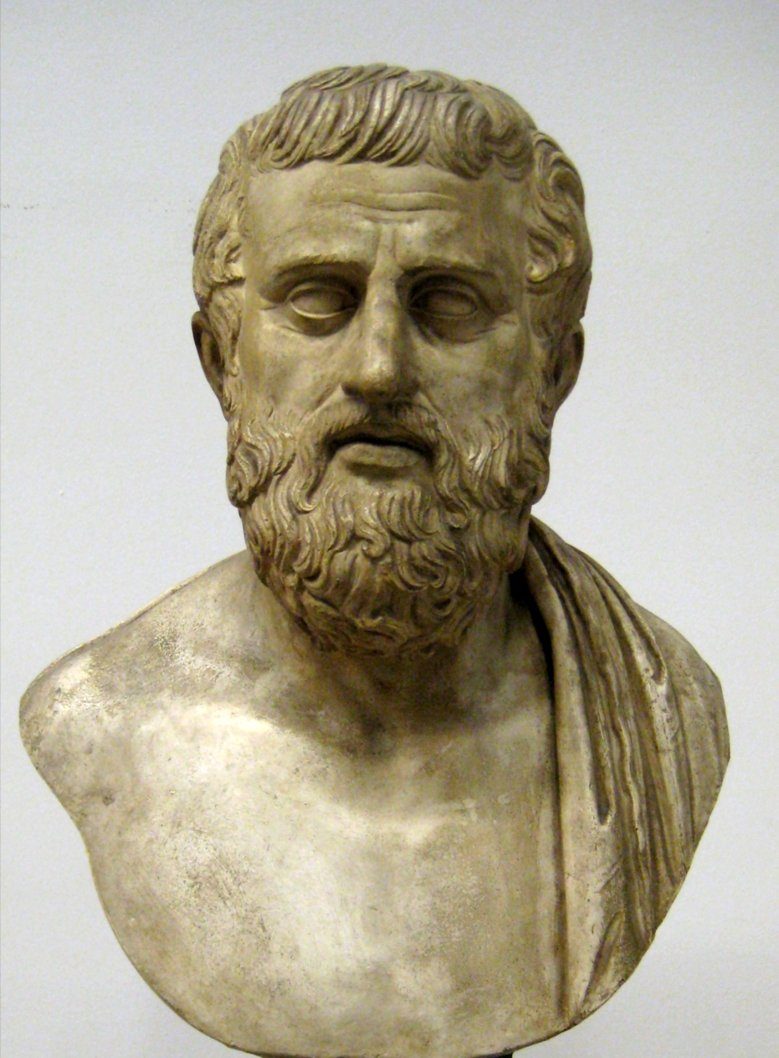
Sophocles
(Σοφοκλῆς)
Foremost classical Athenian tragedian who introduced the third actor, painted scenery, and explored human destiny versus divine law in Oedipus Rex and Antigone.
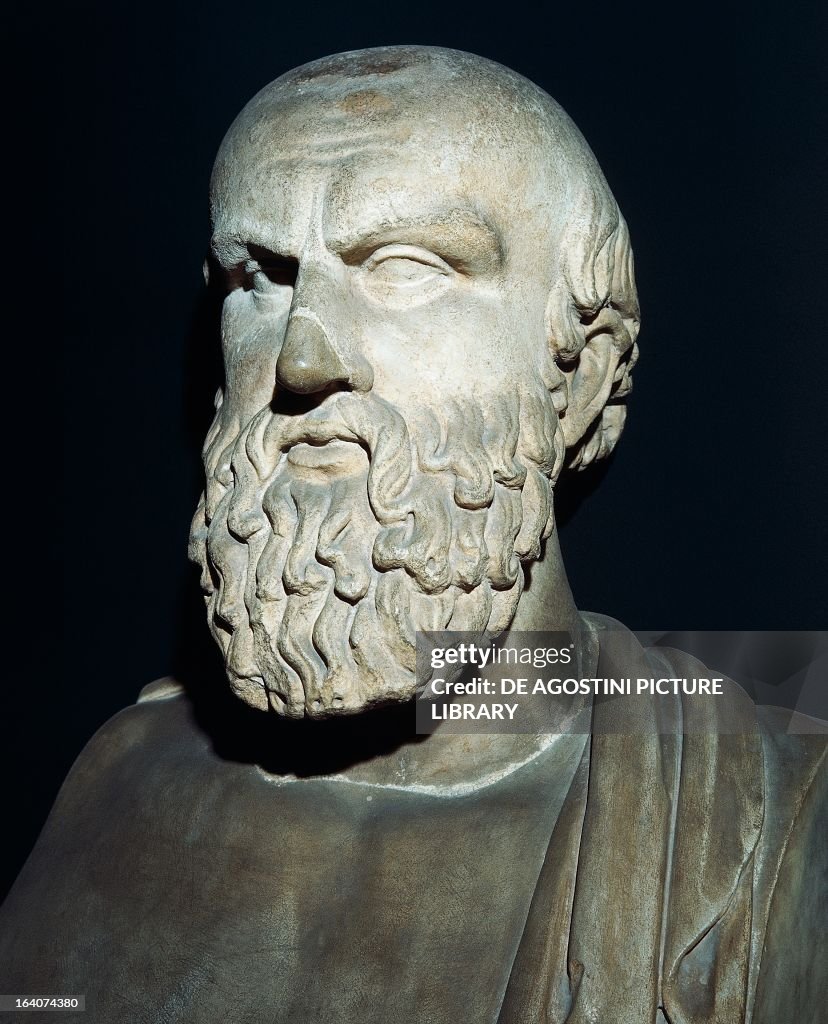
Aeschylus
(Αἰσχύλος)
Revered as the 'Father of Tragedy', Athenian dramatist who expanded the theater by adding a second actor, creating dialogue and dramatic conflict in masterworks like the Oresteia.
Meera Bai (Mirabai)
 (मीराबाई)
Celebrated 16th-century Rajput princess and Bhakti mystic poetess who defied royal court patriarchy and persecution to dance and sing over a thousand ecstatic devotional bhajans dedicated to Lord Krishna.
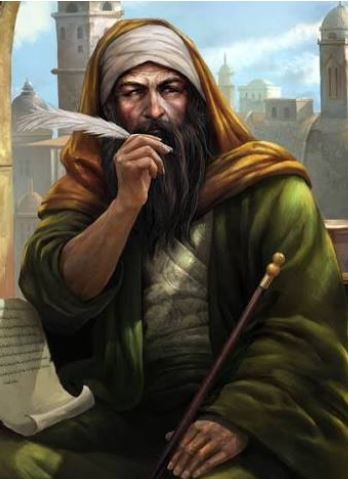
Abu Hamid bin Abu Bakr Ibrahim (Farid ud-Din Attar)
 (فرید الدین عطار نیشابوری)
Profound Persian Sufi poet and apothecary whose allegorical masterpiece Mantiq al-Tayr (The Conference of the Birds) and Tazkirat al-Awliya (Biographies of the Saints) deeply inspired Rumi and world mysticism.
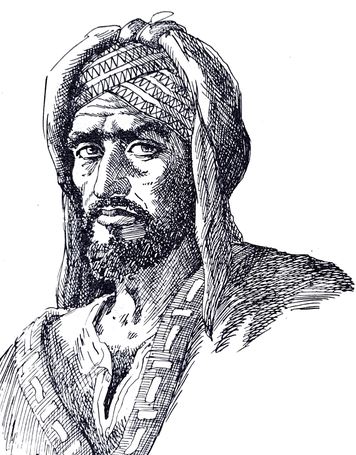
Imru' al-Qais Junduh ibn Hujr al-Kindi
 (امرؤ القيس (الملك الضليل))
Preeminent poet of the pre-Islamic Arabian golden era (Jahiliyyah) and author of the most famous Mu'allaqah, revered as the foundational inventor of the classical Arabic ode (qasida) and mourning over desert ruins (Atlal).
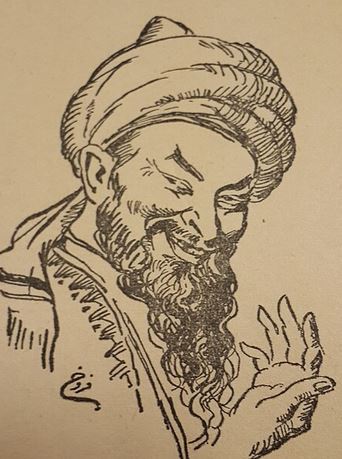
Al-Hasan ibn Hani' al-Hakami (Abu Nuwas)
(أبو نواس (الحسن بن هانئ الحكمي))
One of the greatest classical Arab poets of the Abbasid Golden Age, famed for his dazzling wit, rebellious humor, and revolutionary mastery of khamriyyat (wine songs) at the court of Harun al-Rashid.
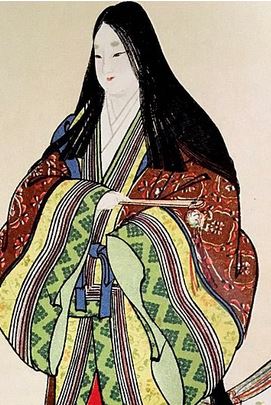
Murasaki Shikibu (Lady Murasaki)
 (紫式部)
Japanese noblewoman and lady-in-waiting at the imperial court who composed The Tale of Genji around 1008 CE, universally acclaimed as humanity's very first psychological novel and the supreme summit of classical Japanese literature.
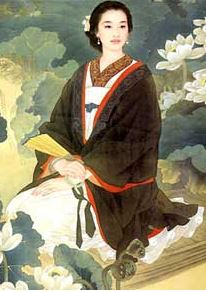
Li Qingzhao (Yi'an Jushi)
 (李清照)
Widely venerated as the greatest female poet in Chinese history, whose delicate, emotionally incandescent ci lyrics captured early marital joy and subsequent devastating grief, war, and displacement during the fall of the Northern Song.
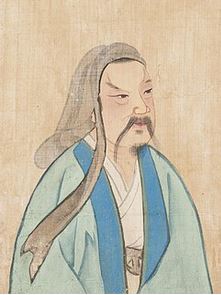
Tao Yuanming (Tao Qian)
(陶淵明 (陶潛))
Revered Chinese poet who renounced imperial bureaucracy to live as a humble recluse, pioneering 'fields and gardens' pastoral poetry and creating the immortal utopian allegory The Peach Blossom Spring.
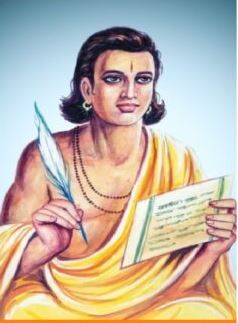
Kalidasa
(कालिदास)
Peerless classical Sanskrit dramatist and lyric poet of the Gupta Golden Age whose drama Abhijnanasakuntalam and lyric poem Meghaduta (The Cloud Messenger) captivated world literature and inspired Goethe.
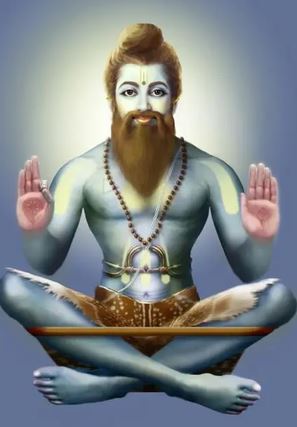
Krishna Dvaipayana Vyasa (Veda Vyasa)
(वेदव्यास)
Immortal sage and epic poet who classified the four Vedas and composed the 100,000-verse Mahabharata—the longest epic poem in world history—housing within it humanity's supreme philosophical discourse, the Bhagavad Gita.
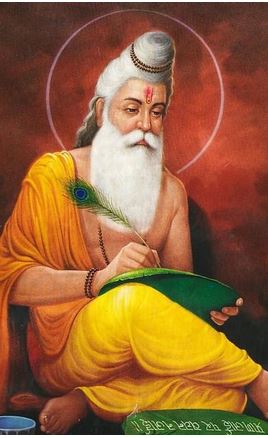
Maharishi Valmiki
(वाल्मीकि)
Revered in Hindu tradition as the Adi Kavi ('First Poet') who invented the Sanskrit sloka verse meter and composed the monumental epic Ramayana, establishing the foundational ethical and poetic archetype of Lord Rama.
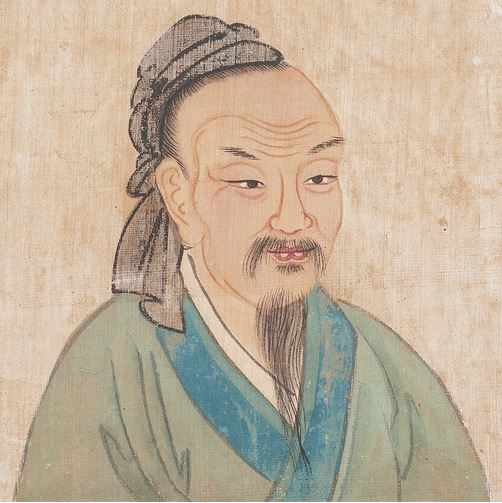
Qu Yuan
(屈原)
Patriot-poet and minister of the Kingdom of Chu during the Warring States period, celebrated as China's first great named poet. Author of Li Sao (Encountering Sorrow); the annual Dragon Boat Festival commemorates his sacrifice.
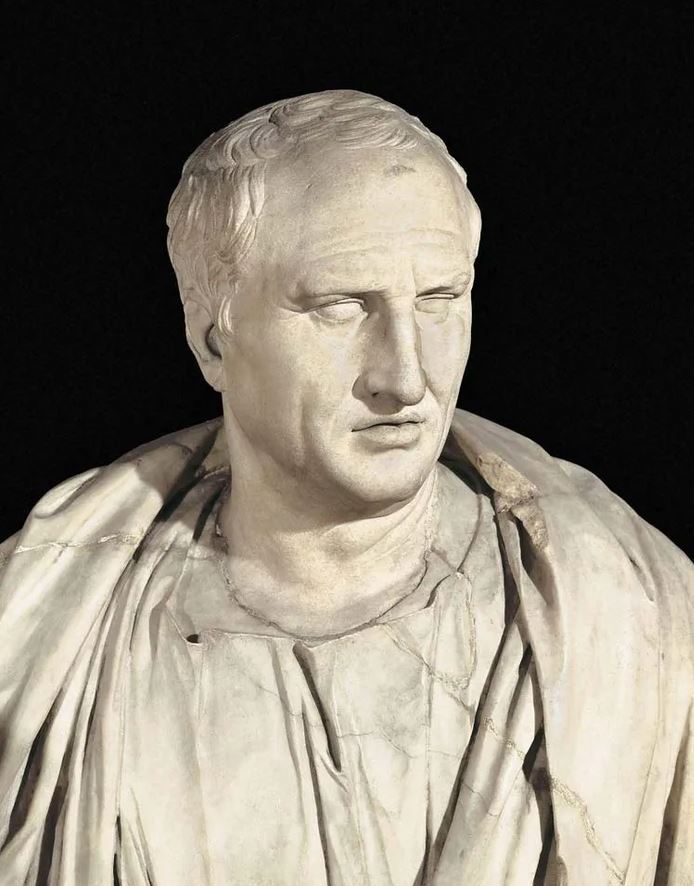
Marcus Tullius Cicero
 (M·TVLLIVS·M·F·M·N·CICERO)
Rome's greatest orator and prose stylist. Introduced Greek philosophy to the Latin language, championed republican constitutionalism against tyranny, and profoundly inspired the European Enlightenment and American founding.